

Mitsubishi Xpander 2024 Review

 Share
Share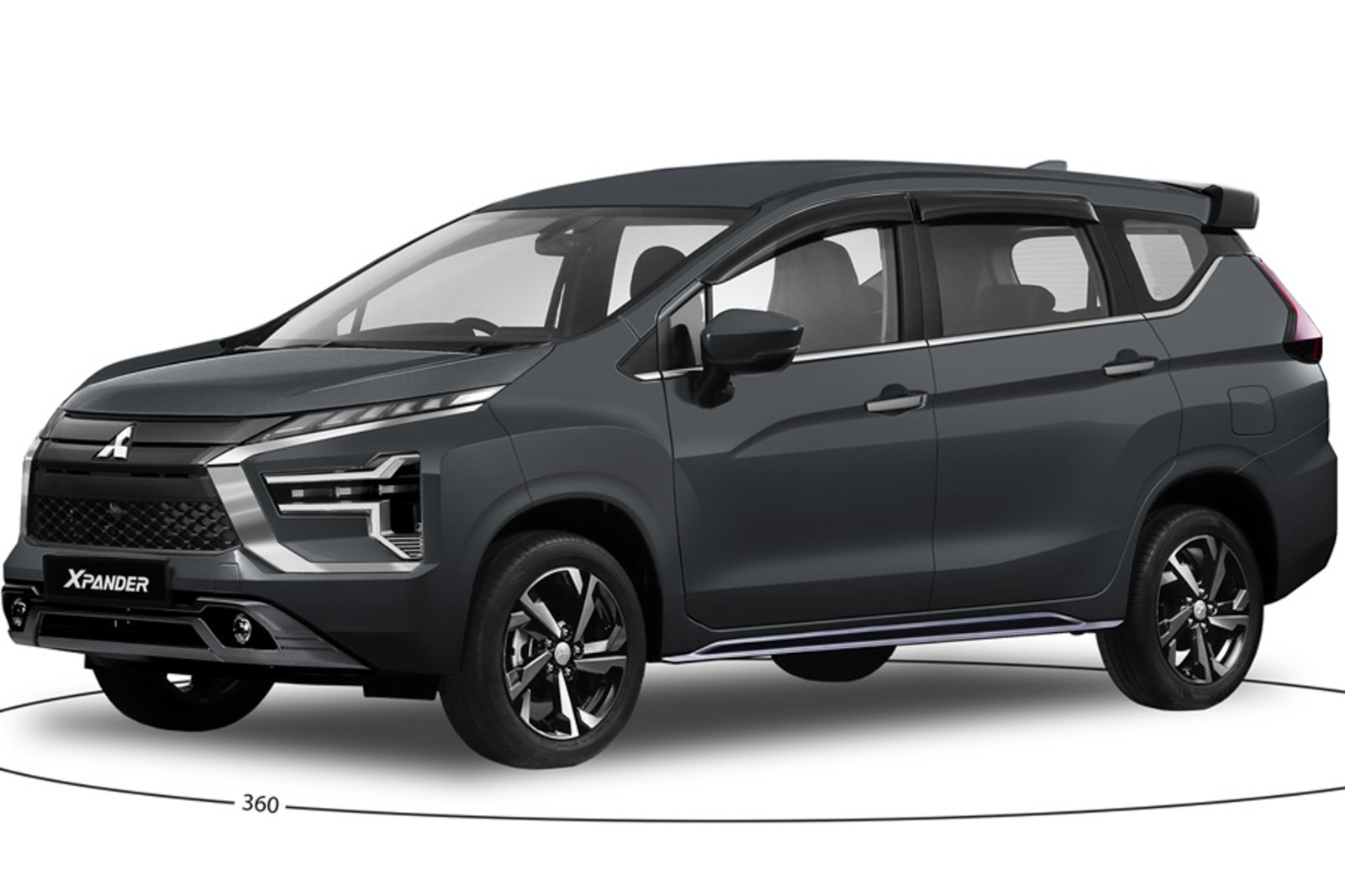
 Segment
 Body Type
 Capacity(L)
 Engine Power(PS)
 Engine Torque(Nm)
 Transmission
In Malaysia's B-Segment 7-seater MPV market, family users' demands for space practicality and configuration balance have always been core-oriented, and the updates on the 2024 Mitsubishi Xpander precisely target these aspects. This facelift not only retains the high cost-effectiveness of the previous model but also includes targeted upgrades in detailed configurations, with the Plus version addressing the gap in convenience features for some users. The core purpose of our test drive this time is to verify the actual performance of the new Xpander in daily household usage scenarios and see if it can maintain its competitiveness in this segment.
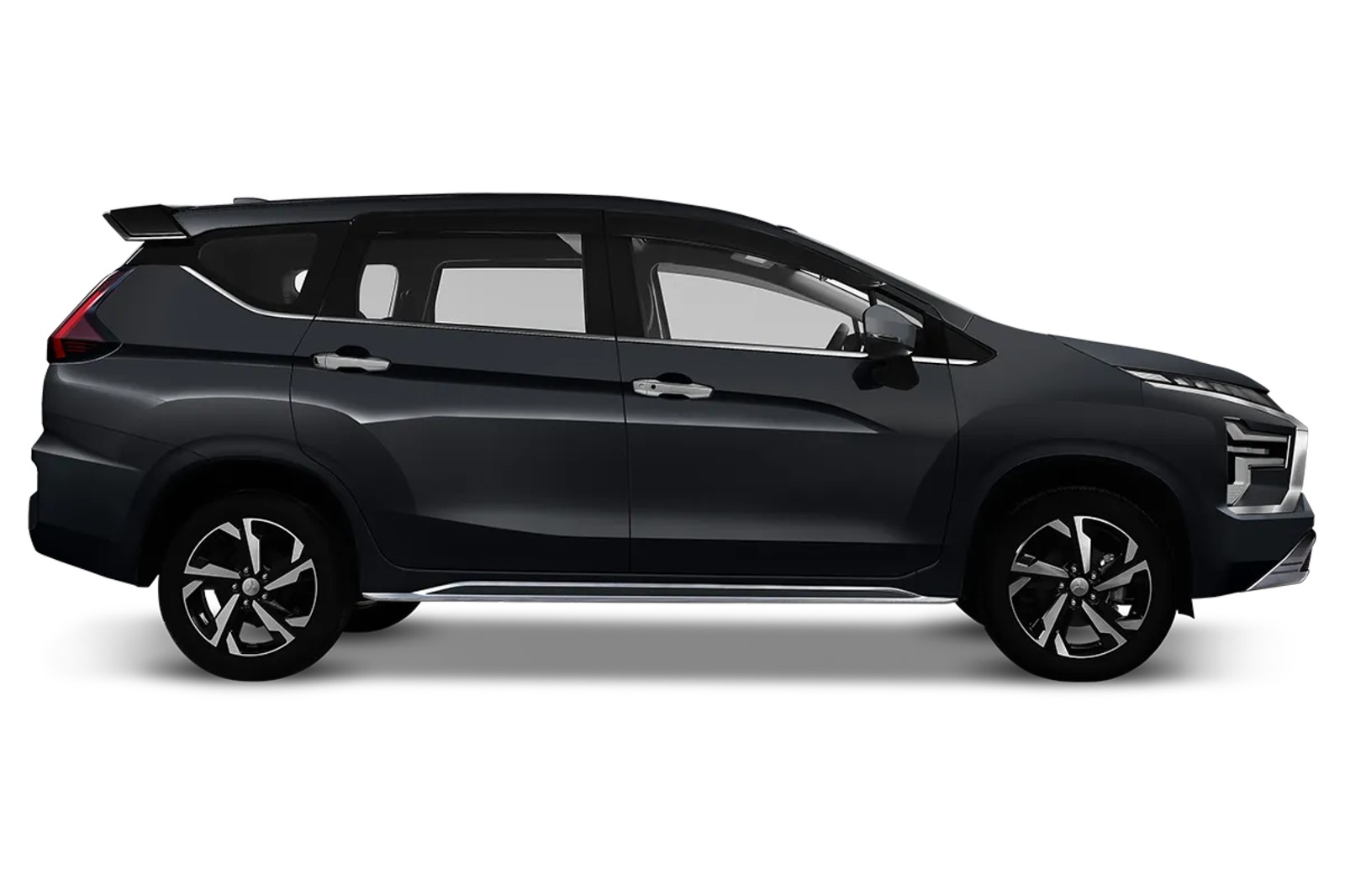
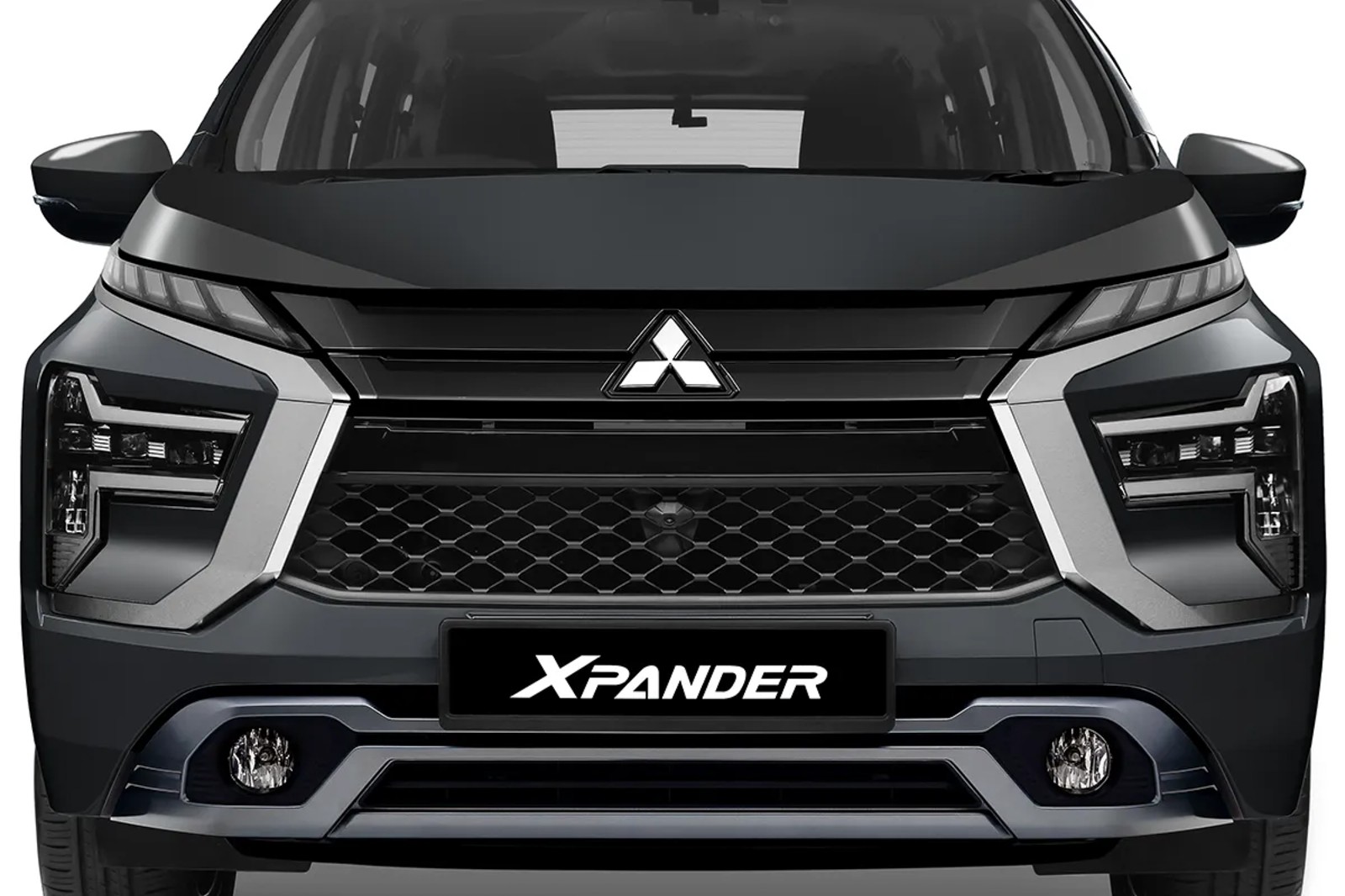
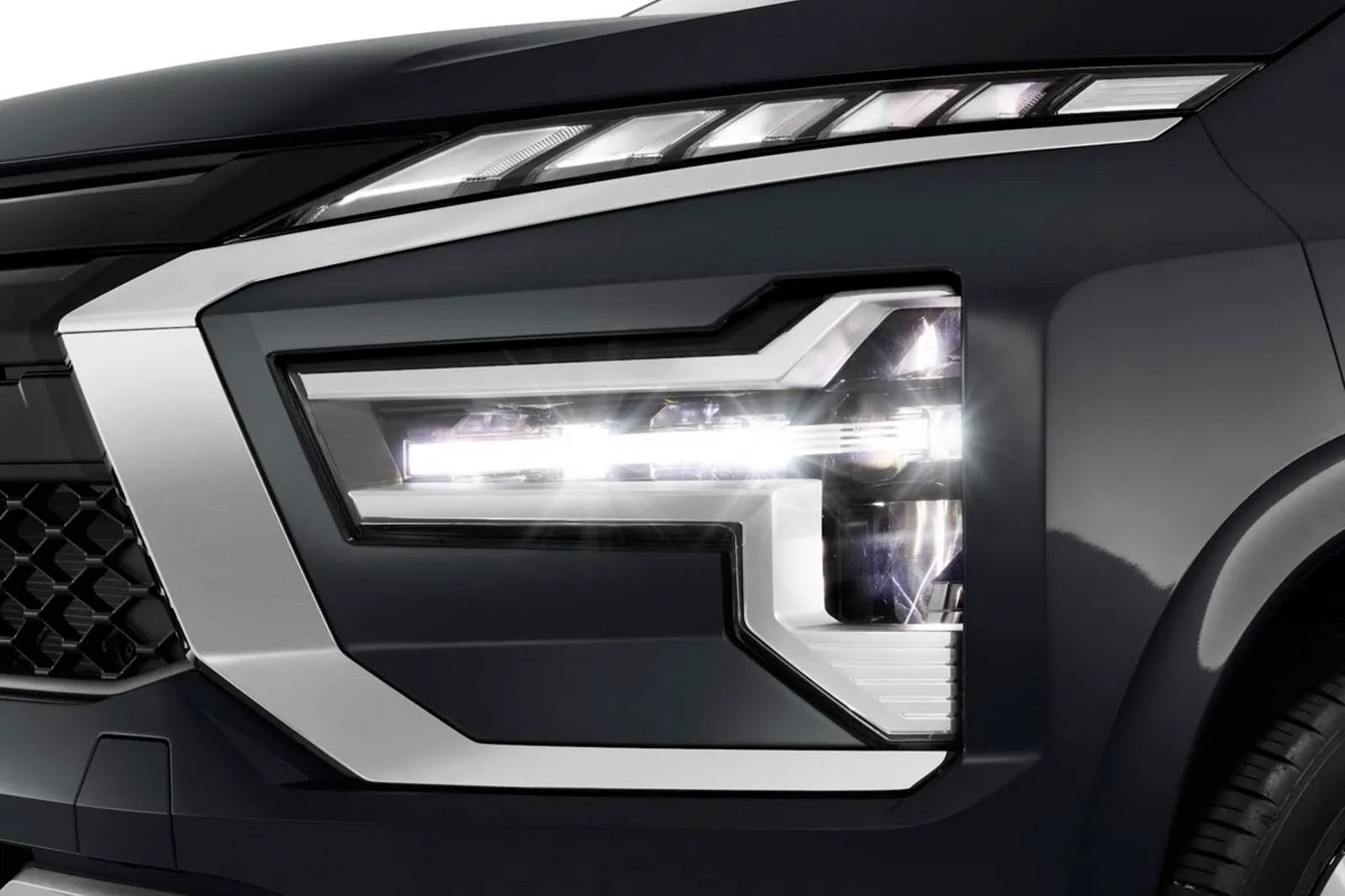
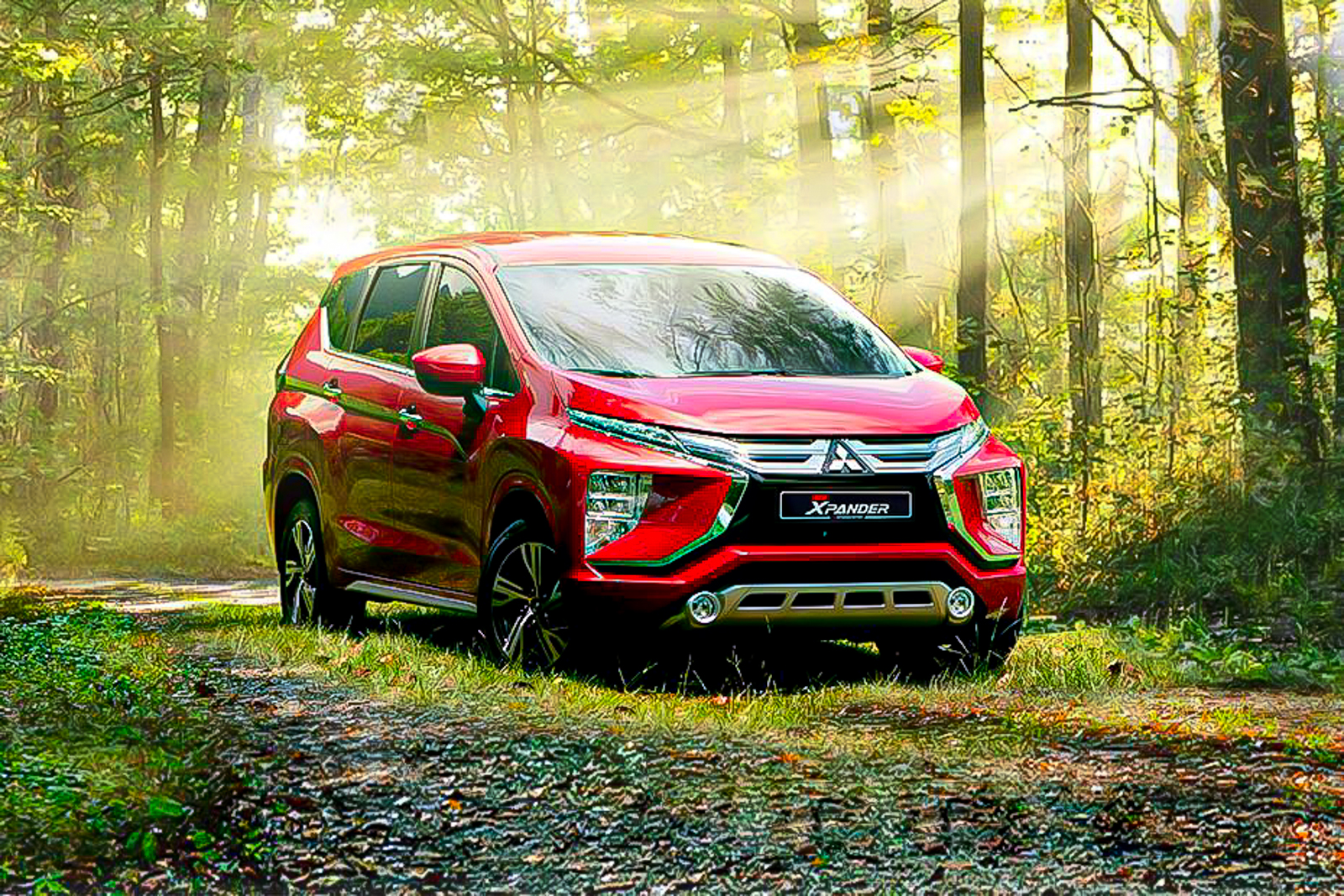
The first impression of the 2024 Xpander is that the design looks more refined. The front adopts Mitsubishi's family-oriented Dynamic Shield design language, with large areas of chrome trim connecting the LED headlights on both sides, coupled with the blackened front bumper below, giving it high recognition. The side of the body features simple lines, and the 205/55 R17 tire specifications are proportionally coordinated with the body, while the 17-inch wheel design looks more dynamic than the previous model. Changes to the rear mainly focus on the taillight assembly, with LED light sources arranged in a more layered pattern, and the silver skid plate below the rear bumper adds a slight crossover vibe. It is worth mentioning that automatic headlights and rain-sensing wipers are standard across all variants, which can save users significant manual operations in daily use.
Sitting inside, the interior layout continues its practical orientation. The dashboard adopts a layered design, with a 9-inch touchscreen on the top and physical buttons retained below for easier operation while driving. In terms of materials, the upper section of the dashboard is covered with soft-touch materials, providing a pleasant feel, although the inner side of the door panels still consists of hard plastics, which aligns with the price positioning. Regarding features, keyless entry, electrically adjustable steering wheel, and automatic air conditioning are standard across all models. The Plus version additionally includes a 360-degree surround-view monitor and sunshades, which are notably useful for beginners or users often parking in narrow spaces. The instrument panel combines traditional dials with a multifunction information display, which clearly shows basic information such as speed and fuel consumption to meet daily needs.
Space performance has always been Xpander’s advantage, with a 2775mm wheelbase being among the top in its class. The front seats support manual adjustments, the cushions have a decent length, and leg support is sufficient, ensuring comfort even during long drives. The second-row seats can be folded down with one touch and slid forward or backward, offering a wide adjustment range. Even if the front seats are positioned for normal driving, second-row passengers can still enjoy about two fists of legroom and over a fist of headroom. The third-row seats are more suitable for children or adults on short trips. Although legroom is somewhat constrained, headroom is decent, and the adjustable recline of the seatback can slightly enhance comfort. The trunk space provides 495L capacity in the 7-seater configuration, enough to store several carry-on suitcases; folding down the third row creates an even larger cargo area to meet family travel storage needs. Rear air conditioning vents and power outlets are also equipped, catering to the comfort of rear passengers.
In terms of power, the new Xpander is still equipped with a 1.5L naturally aspirated engine, delivering a maximum power of 105PS and a peak torque of 141N·m, paired with a 4AT gearbox. During actual driving, the power output is relatively smooth in the starting phase, making it suitable for urban congested conditions. When you press the accelerator deeply, the engine needs to reach around 4000 rpm to release its maximum torque. The acceleration is not very strong, but it is fully sufficient for daily family use. The gear shift logic of the 4AT gearbox is tuned for smoothness. The shifting is not noticeably jerky, although the downshift response can be slightly slow when overtaking at high speeds. There are two driving modes to choose from: economy and normal. In economy mode, the throttle response is softer, making it suitable for daily commuting to save fuel consumption.
The handling performance is fairly standard. The steering wheel is relatively light, and the steering is reasonably precise, making it easy to handle even for female drivers. The suspension system adopts a combination of front MacPherson struts and rear torsion beams, with tuning oriented toward comfort. It effectively absorbs small road bumps, but the rear seats may feel slightly bumpy when passing over speed bumps or larger potholes. At high speeds, the stability of the car is commendable, with no noticeable feeling of floating. As for fuel consumption, we drove approximately 50 kilometers each in urban congestion and on highways, achieving a combined fuel consumption of about 7.5L/100km. For a 7-seater MPV, this result is acceptable.
In terms of ride comfort, Xpander delivers commendable performance. Cabin noise control is well done, with wind and road noise being minimal at speeds below 60 km/h. When the speed exceeds 80 km/h, wind noise gradually increases but remains within an acceptable range. The seats feature relatively soft padding and moderate support, and passengers do not feel significantly fatigued during long rides. The sunshades included in the Plus version effectively block direct sunlight, improving the back-row passenger experience.
Overall, the core advantages of the 2024 Mitsubishi Xpander lie in its well-balanced space performance, practical features, and affordable pricing. Compared to competitors in the same segment, it has a longer wheelbase and more advantageous third-row space. The 360-degree panoramic camera and sunshades of the Plus version further enhance its competitiveness. However, the power reserves of the 1.5L engine are not abundant, and the performance of the 4AT gearbox under highway conditions still leaves room for improvement.
This car is more suitable for family users who prioritize space utility and cost-effectiveness, especially those who frequently need to carry multiple passengers. If the budget is limited, the standard version’s features are enough to meet most needs; if higher convenience features are desired, the Plus version with the 360-degree panoramic camera and sunshades is a good choice.
In summary, the 2024 Mitsubishi Xpander is a pragmatic family MPV. It does not rely on flashy designs and features but meets the core needs of family users in terms of space, practicality, and reliability, making it one of the better options in its segment.
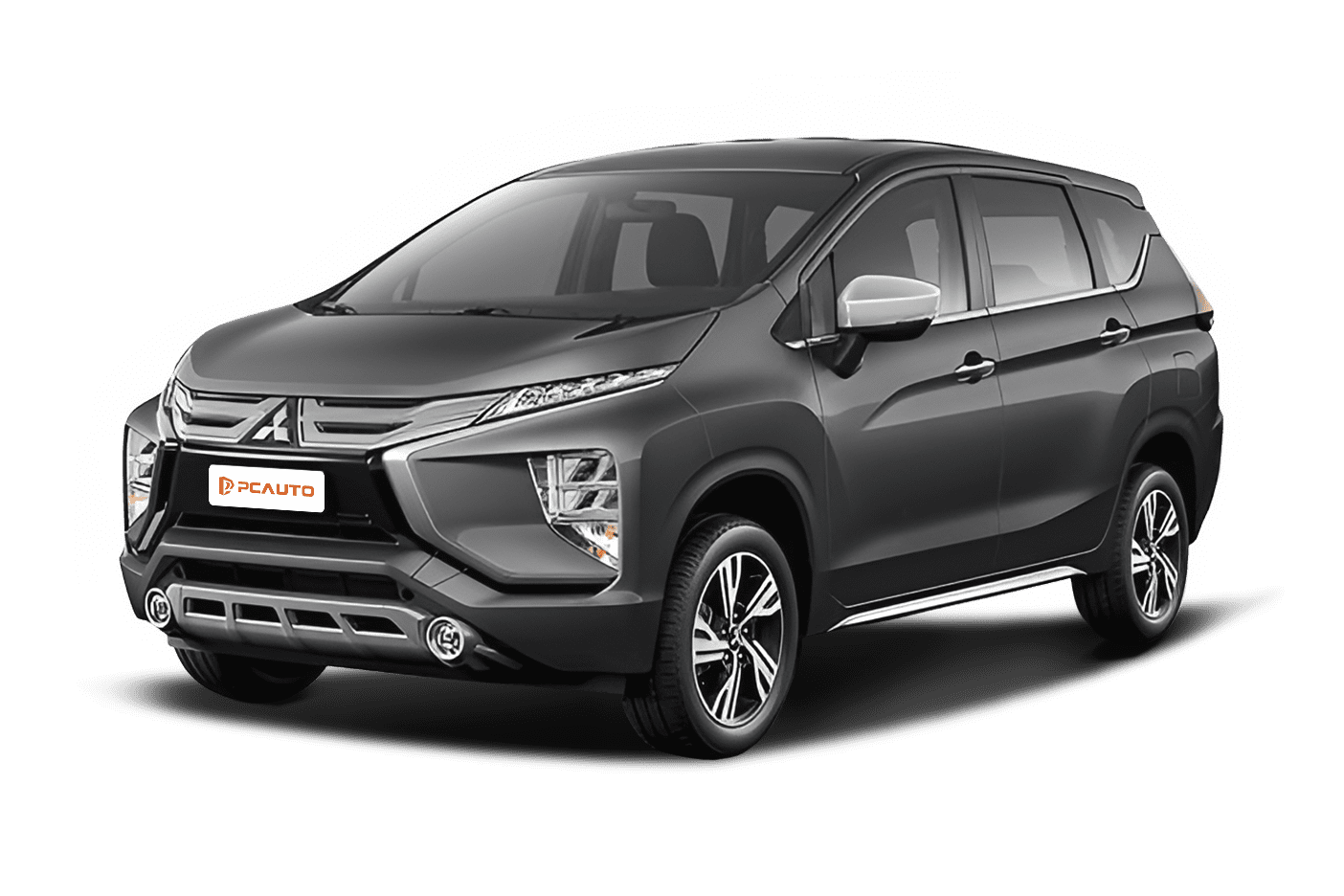
Mitsubishi Xpander Car Compare

Mitsubishi Xpander Loan Calculator
More Mitsubishi Reviews
Cars With Similar Price And Features
1
Rank in MPV

2023 Perodua Alza 1.5 AV, as a top-tier B-segment MPV, offers spacious space, low fuel consumption of up to 4.6L/100km, upgraded safety and intelligent features, making it a practical choice for families.
4
Rank in MPV

2023 Toyota Veloz 1.5 AT is a high-value family MPV that offers comprehensive safety features, flexible 7-seat space, and economical fuel consumption, making it suitable for practical and safety-conscious family users.