

2020 Mitsubishi Xpander 1.5 L Review

 Share
Share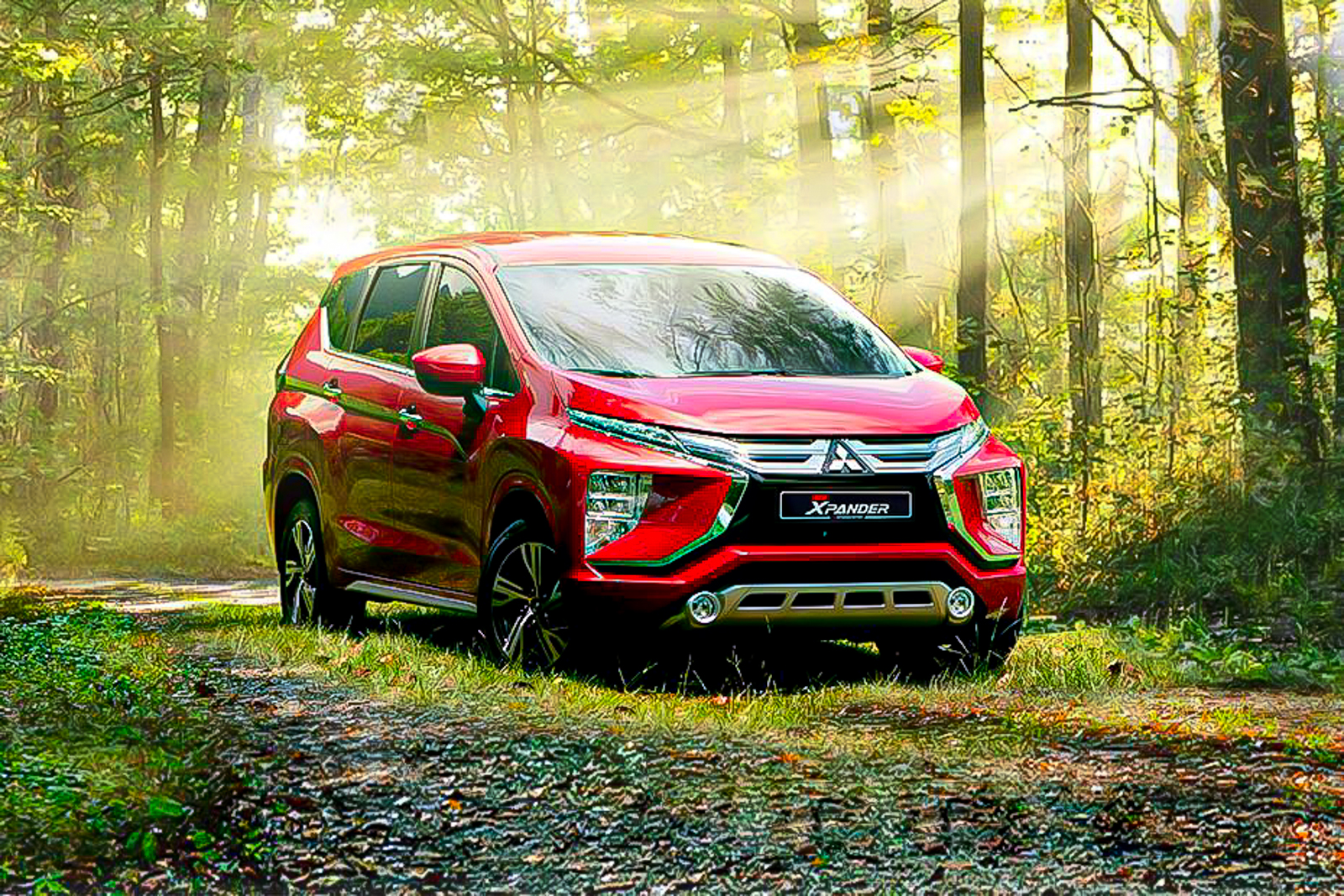
 Segment
 Body Type
 Capacity(L)
 Engine Power(PS)
 Transmission
 Driven Wheels
The B-segment 7-seater MPV market has always been a popular choice for local family users, as it needs to meet the practicality of daily commuting while accommodating space requirements for multiple passengers. The 2020 Mitsubishi Xpander 1.5L, a regular in this segment, has attracted significant attention with its balanced configuration and budget-friendly pricing. This time, we obtained the actual vehicle to focus on testing its space performance, adequacy of power, and daily driving comfort to see if it still meets the needs of current family users.
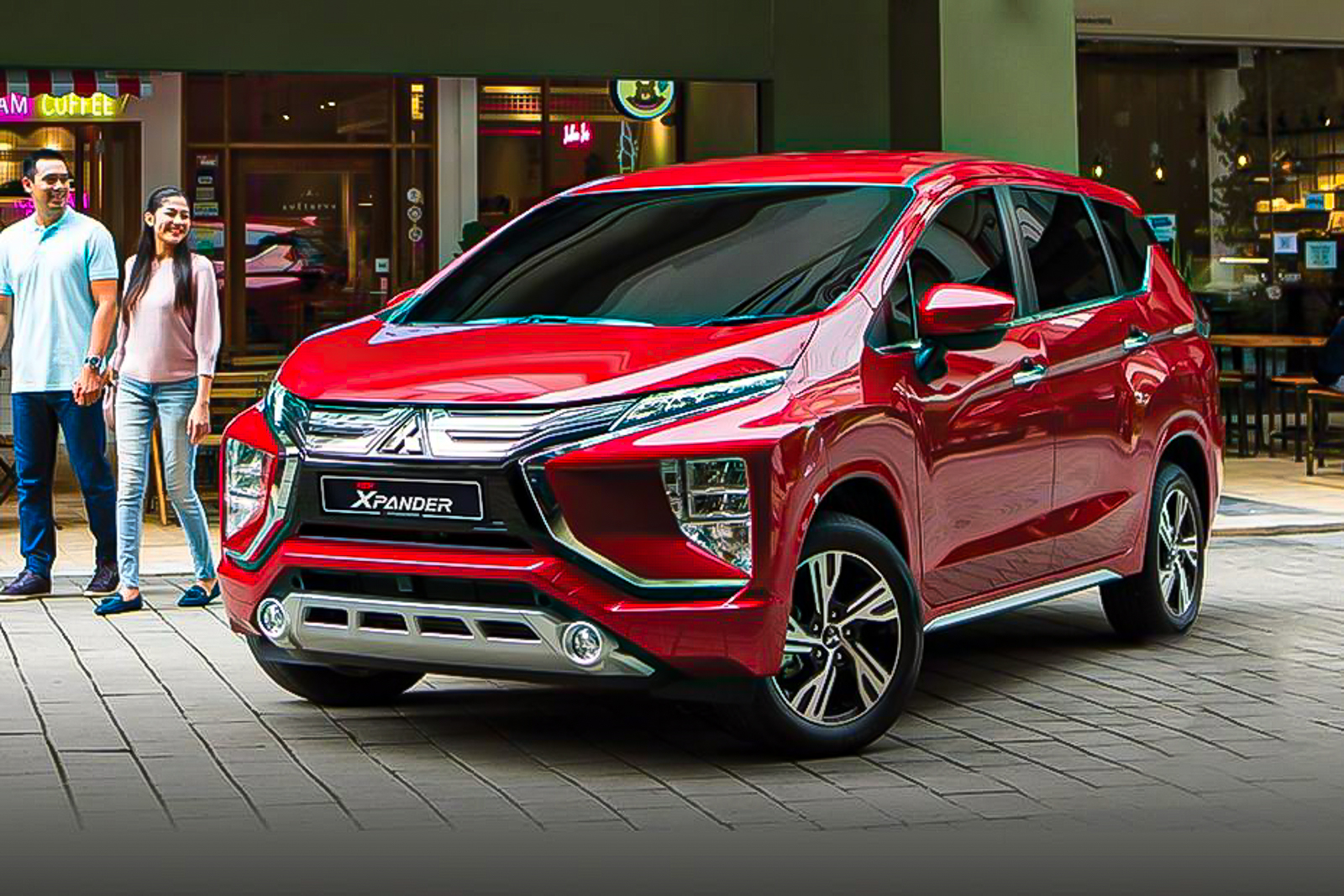
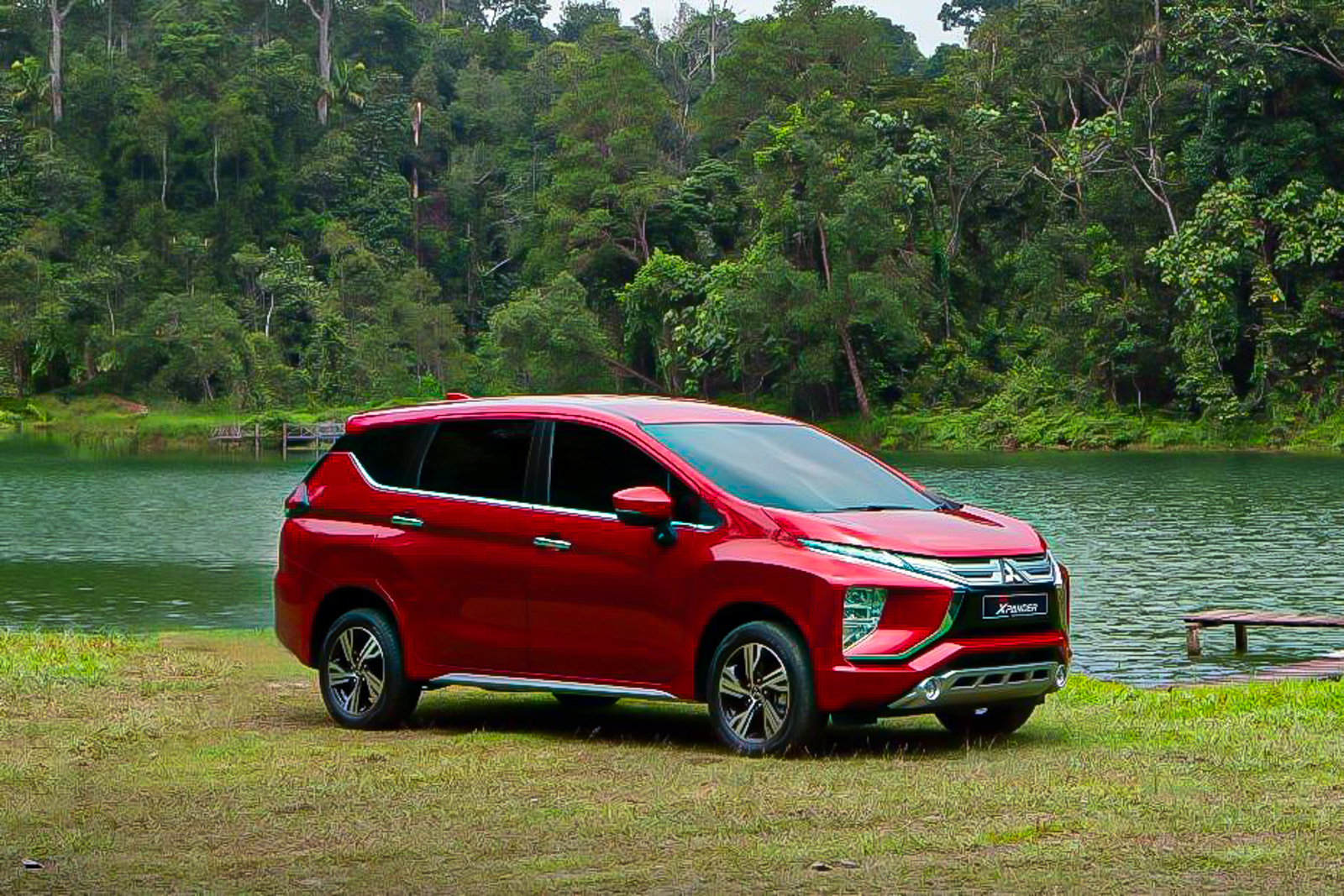
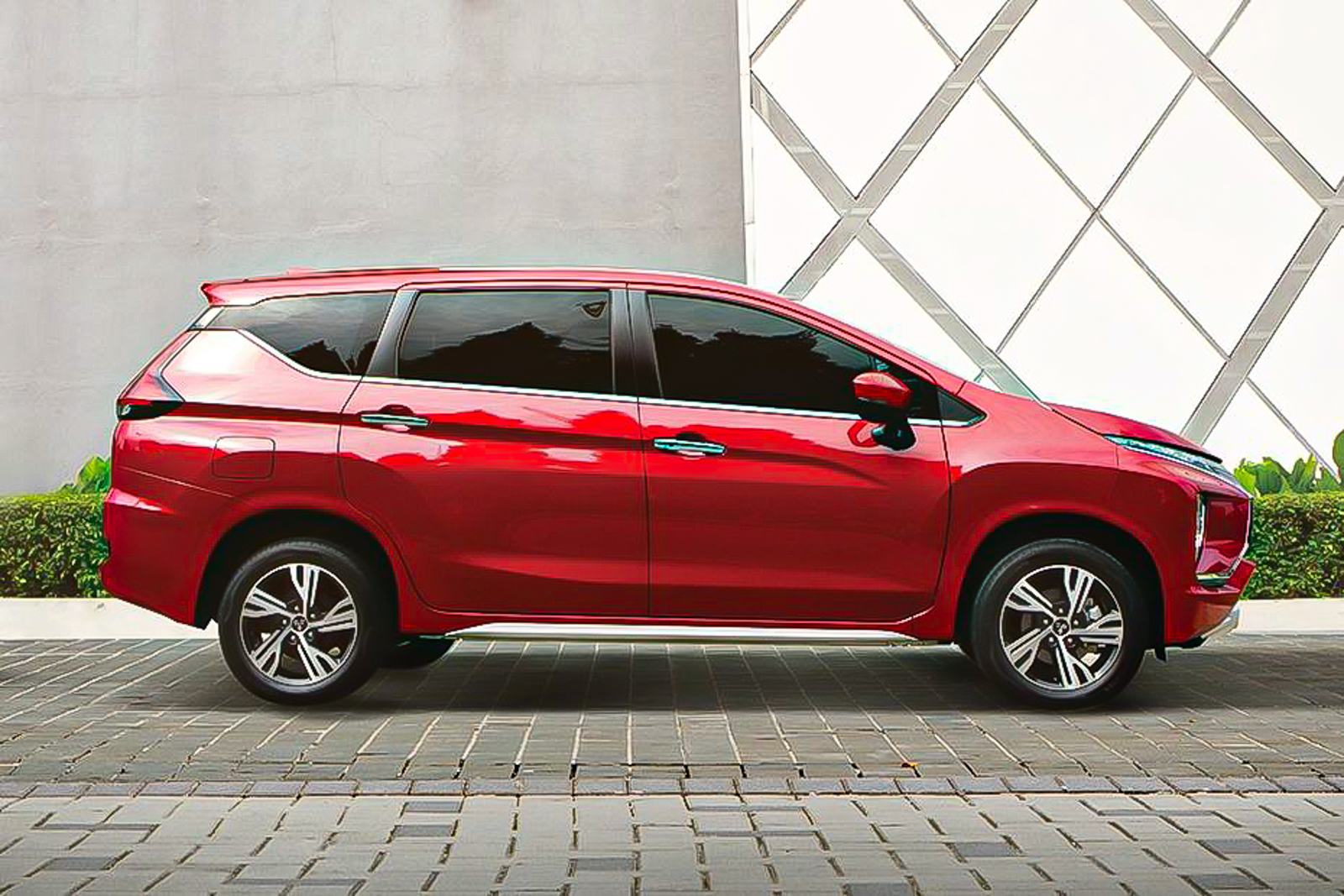
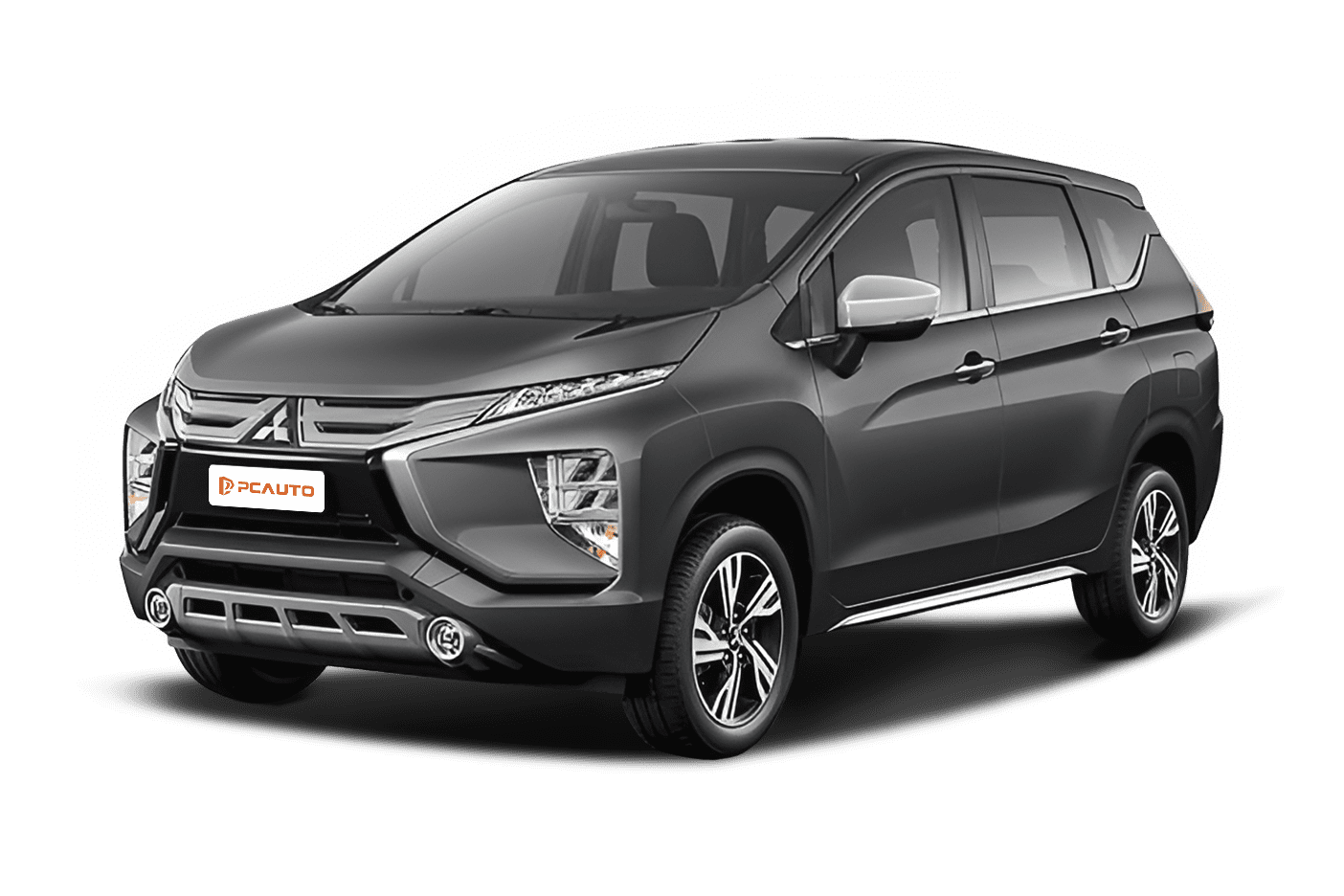
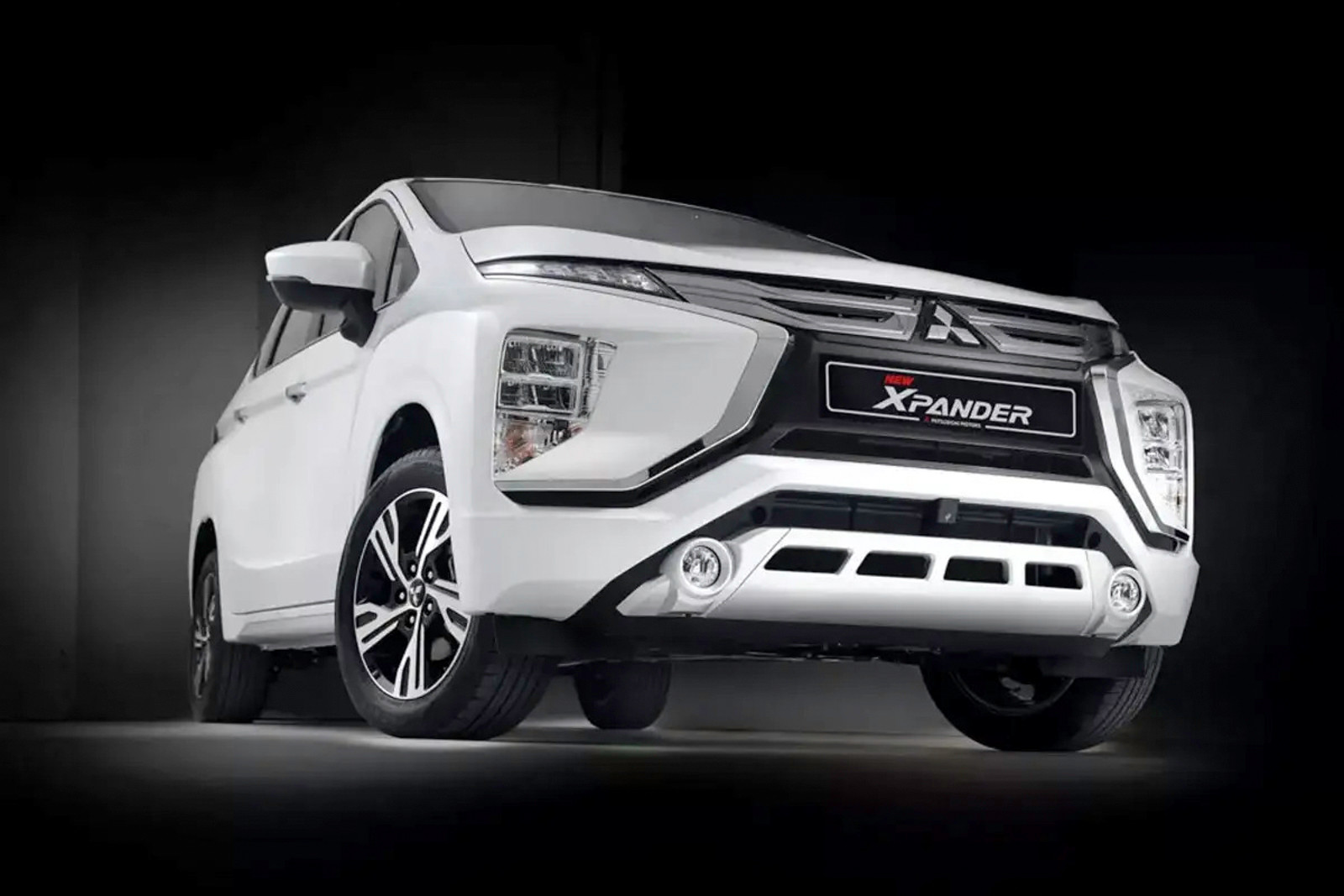
In terms of appearance, the Xpander's design leans toward a robust style, with a large-sized front grille paired with chrome trim and LED headlights on both sides, providing high recognizability. The side profile features straight lines, with a waistline extending from the front to the rear, preventing monotony. Its minimum ground clearance of 205mm is higher than most MPVs in the same class, giving it an advantage in off-road capability. At the rear, the horizontally arranged LED tail lights combined with the silver skid plate on the rear bumper convey a sense of stability. For the lighting system, automatic headlights, daytime running lights, and front and rear fog lights come as standard, offering sufficient convenience for daily use.
Inside the cabin, the interior adopts black as the main color tone, with a simple layout for the center console. A 9-inch touchscreen is centrally positioned, with moderate operation smoothness. It supports the Sound Plus feature and includes six speakers, providing adequate audio quality for daily needs. In terms of materials, the upper part of the center console uses hard plastic, while the door panels are wrapped in soft materials, achieving an average feel at this price point. Features such as keyless entry, a multifunction steering wheel, a manually operated single-zone front air conditioner, and rear air vents come as standard, while the addition of a 220V/230V power outlet is convenient for rear passengers to use electronic devices. The instrument cluster uses traditional analog dials, providing clear information display but lacking the technological feel of a digital dashboard.
Space is one of Xpander's core selling points. Its body dimensions are 4475mm×1750mm×1730mm, with a wheelbase of 2775mm, ranking in the upper tier among B-segment MPVs. The front seats are manually adjustable and offer decent support. A 175cm-tall passenger would find both headroom and legroom adequate. The second-row seats support a 60:40 split fold, with legroom being noticeably advantageous within its class. Even when fully loaded with seven passengers, second-row occupants won’t feel overly cramped. The third-row seats, which fold in a 50:50 split, are more suitable for children or adults on short trips, as they may feel slightly constrained on longer journeys. The trunk space in the 7-seat configuration is 781 liters, and folding the third row results in a significant expansion, able to accommodate large luggage items, enhancing practicality.
In terms of power, the Xpander is equipped with a 1.5L naturally aspirated engine delivering a maximum horsepower of 105PS, with peak torque generated at 4000rpm, paired with an AT transmission. During daily driving, it accelerates relatively gently from a standstill, with smooth power output at low revs, making it suitable for urban commuting. At speeds above 60km/h, its acceleration response improves, but overtaking still requires heavy acceleration as power reserves are not particularly abundant. There is only a standard driving mode available, without sport or economy modes, and the tuning focuses on comfort.
In terms of handling, the steering wheel offers moderate steering weight with minimal play, making daily driving quite agile. The chassis suspension consists of a front MacPherson independent suspension and a rear torsion beam non-independent suspension, which is tuned on the softer side. It performs well at filtering out small bumps on urban roads, but when going over speed bumps or uneven roads, the rear seats will experience noticeable vibrations. The vehicle's stability is decent, and body roll during cornering is within the normal range for an MPV, without excessive swaying. In fuel consumption tests, urban road conditions showed a fuel consumption of about 9.5L per 100km, while on highways, it was around 7.8L per 100km. Overall, this is slightly higher than the official 8.9L combined fuel consumption figure and is consistent with the performance of the 1.5L naturally aspirated engine.
As for comfort details, the interior noise control is average. When the speed exceeds 80 km/h, wind and tire noise become noticeably audible inside the cabin but do not affect normal conversations. In terms of seat comfort, the front and second-row seats are relatively soft and do not cause fatigue during long periods of sitting. However, the third-row seat padding is thinner, resulting in less comfort. The 360-degree parking camera system has good clarity and, together with the rear parking sensors, makes parking more convenient.
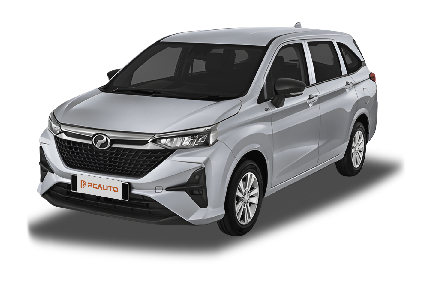
In summary, the core advantages of the 2020 Xpander lie in its spacious interior, higher ground clearance, and well-equipped basic configurations. Priced at RM 99,980, it is relatively affordable in its class. Compared to its competitor, the Perodua Alza, the Xpander has a longer wheelbase, offering more interior space. However, the Alza features lower fuel consumption and more advanced technology configurations. The Xpander is more suitable for families that value practical space and occasionally need a 7-seater, especially for those who often travel on unpaved roads or require better ground clearance.
Overall, the 2020 Mitsubishi Xpander 1.5L is a well-balanced family MPV. While its power is not particularly strong and its interior lacks a high-tech feel, its spaciousness and practicality are sufficient to meet the needs of most families. If you're looking for an affordable 7-seater with ample space, the Xpander is worth considering.
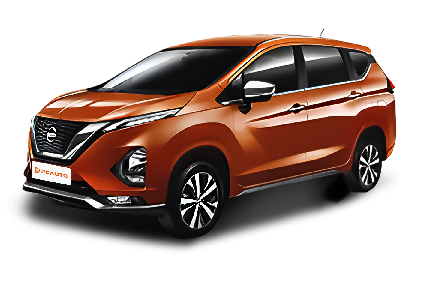
Mitsubishi Xpander Car Compare

Mitsubishi Xpander Loan Calculator
More Mitsubishi Reviews
Cars With Similar Price And Features
1
Rank in MPV

2023 Perodua Alza 1.5 AV, as a top-tier B-segment MPV, offers spacious space, low fuel consumption of up to 4.6L/100km, upgraded safety and intelligent features, making it a practical choice for families.
4
Rank in MPV

2023 Toyota Veloz 1.5 AT is a high-value family MPV that offers comprehensive safety features, flexible 7-seat space, and economical fuel consumption, making it suitable for practical and safety-conscious family users.