

2024 Mitsubishi Xpander Review

 Share
Share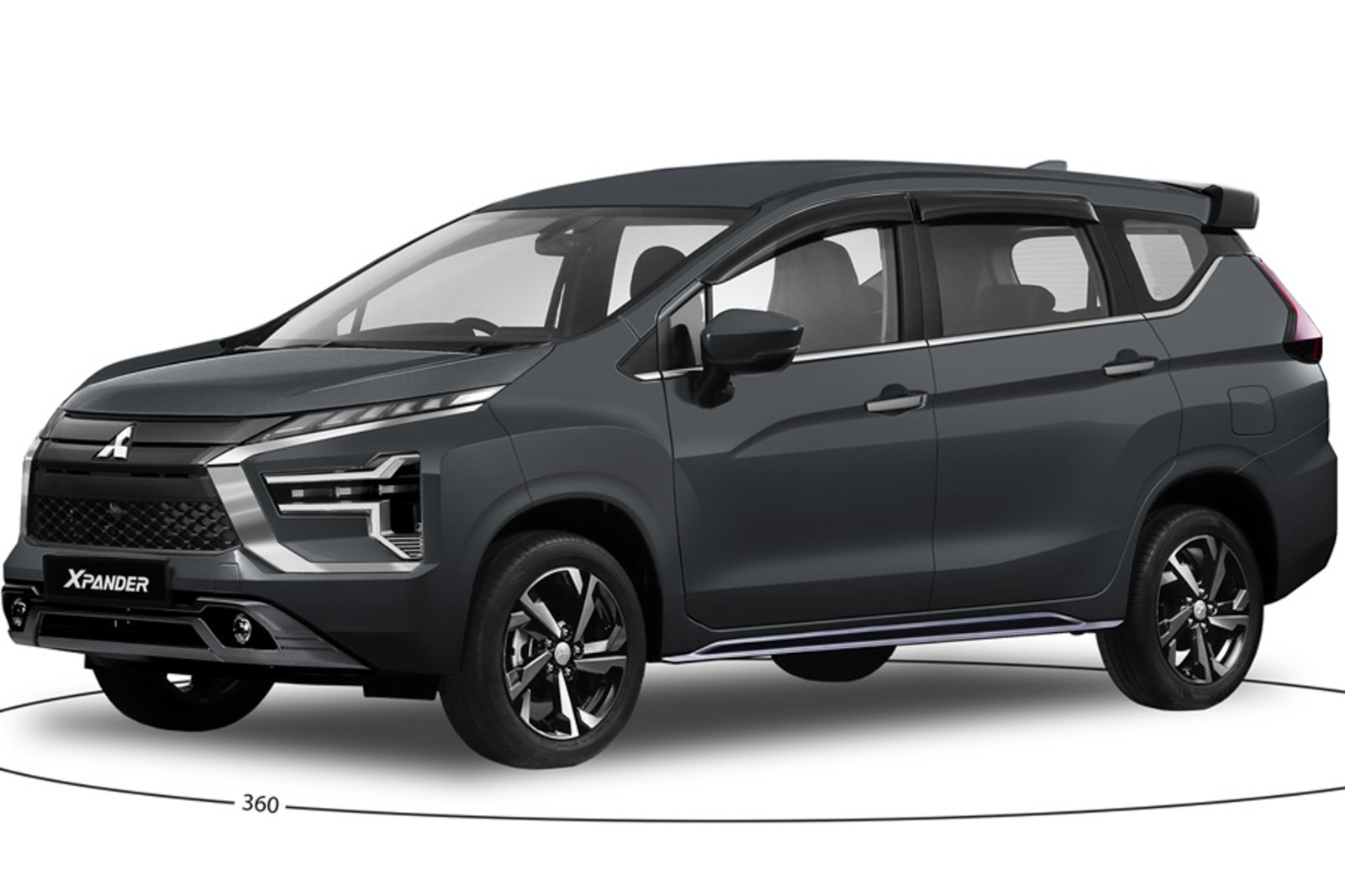
 Segment
 Body Type
 Capacity(L)
 Engine Power(PS)
 Engine Torque(Nm)
 Transmission
The B-segment MPV market in Malaysia has always been a stronghold for family users, with space, practicality, and cost-effectiveness being the core demand points. As a popular contender in this segment, the 2024 Mitsubishi Xpander not only continues its advantage of spaciousness but also comes with adjustments in configuration details. Coupled with a price tag of less than RM100,000, its competitiveness stands out. In this test drive, we focused on its daily family performance to determine whether it meets the core needs of most family users.
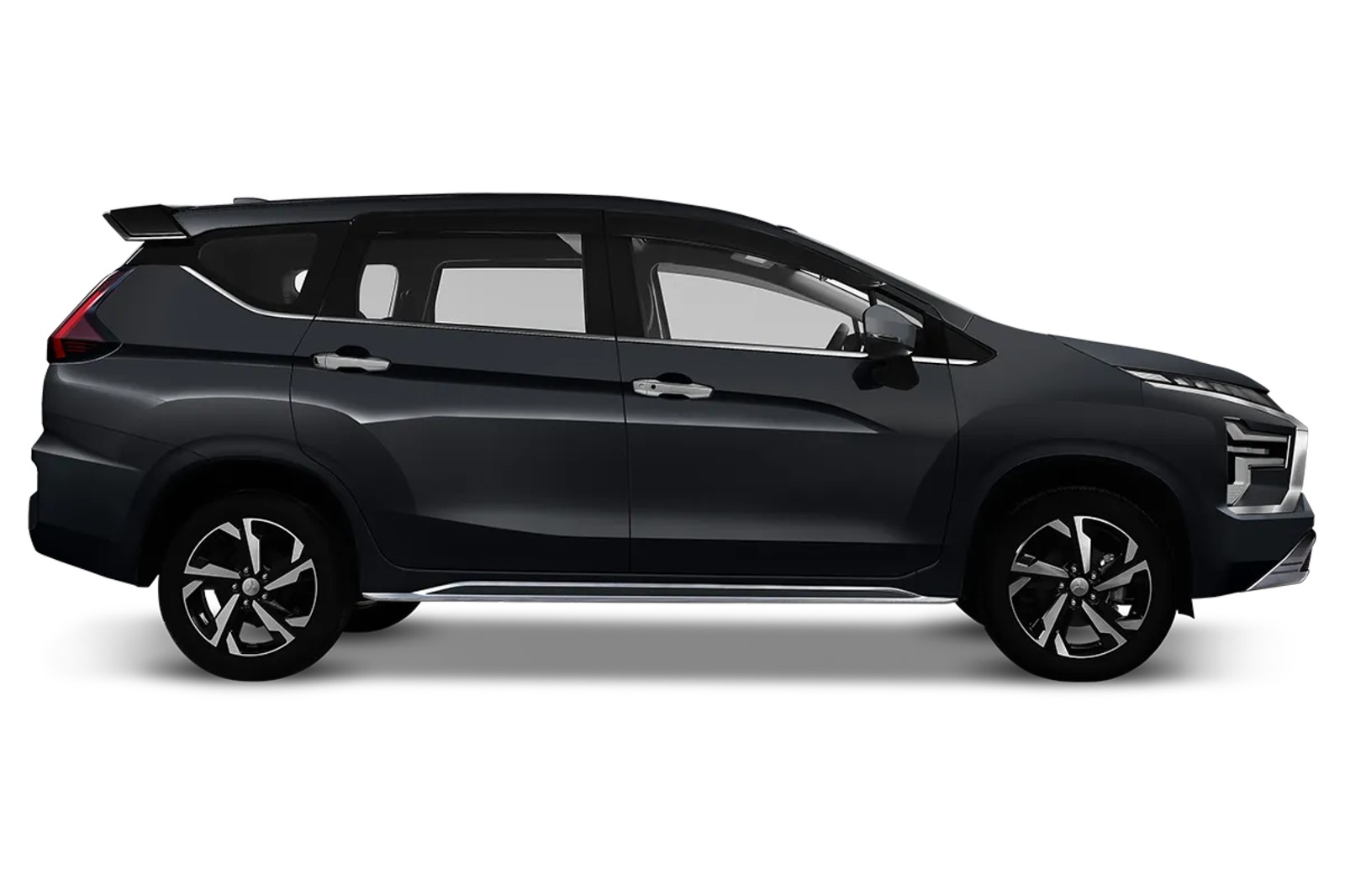
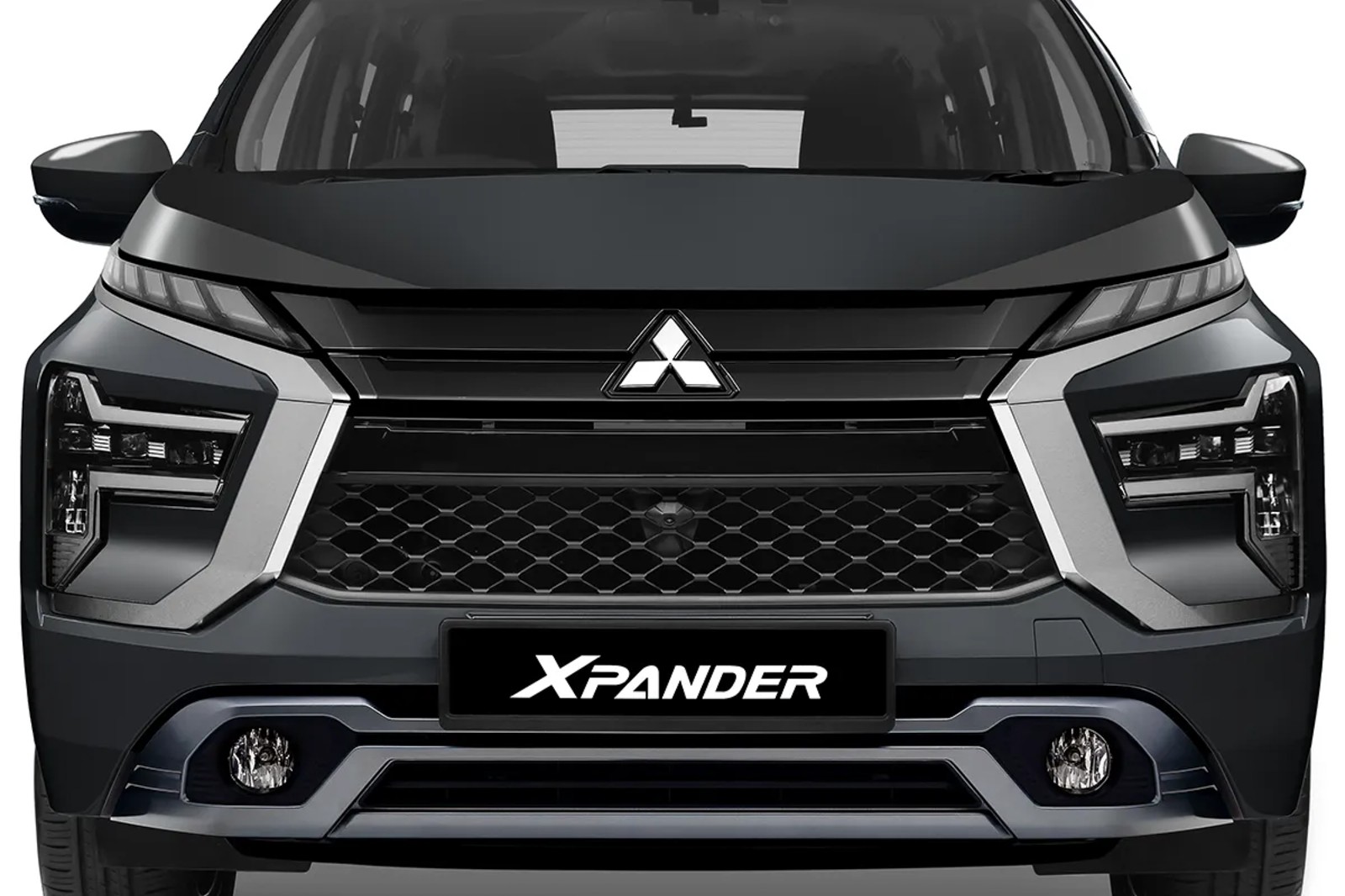
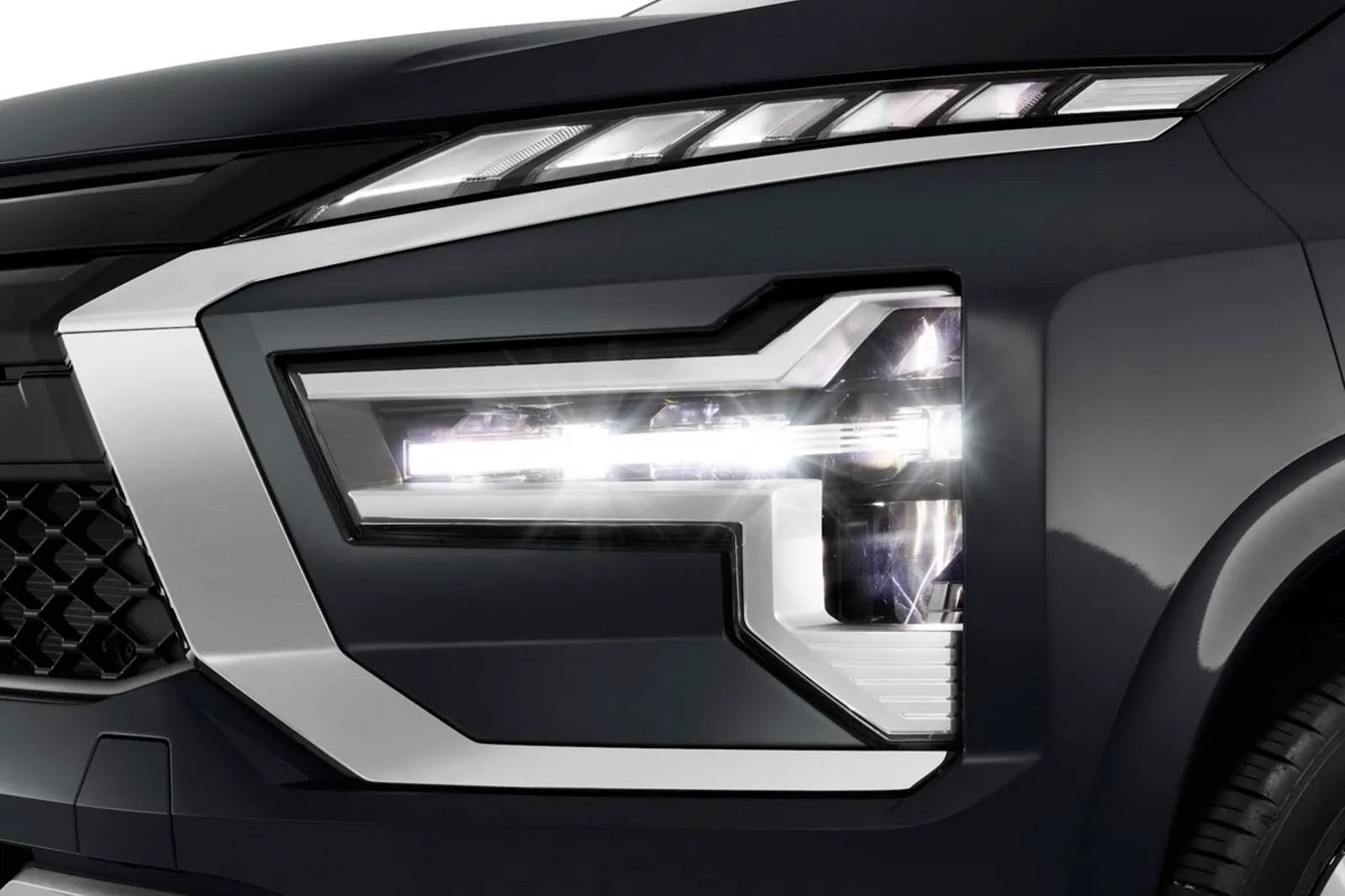
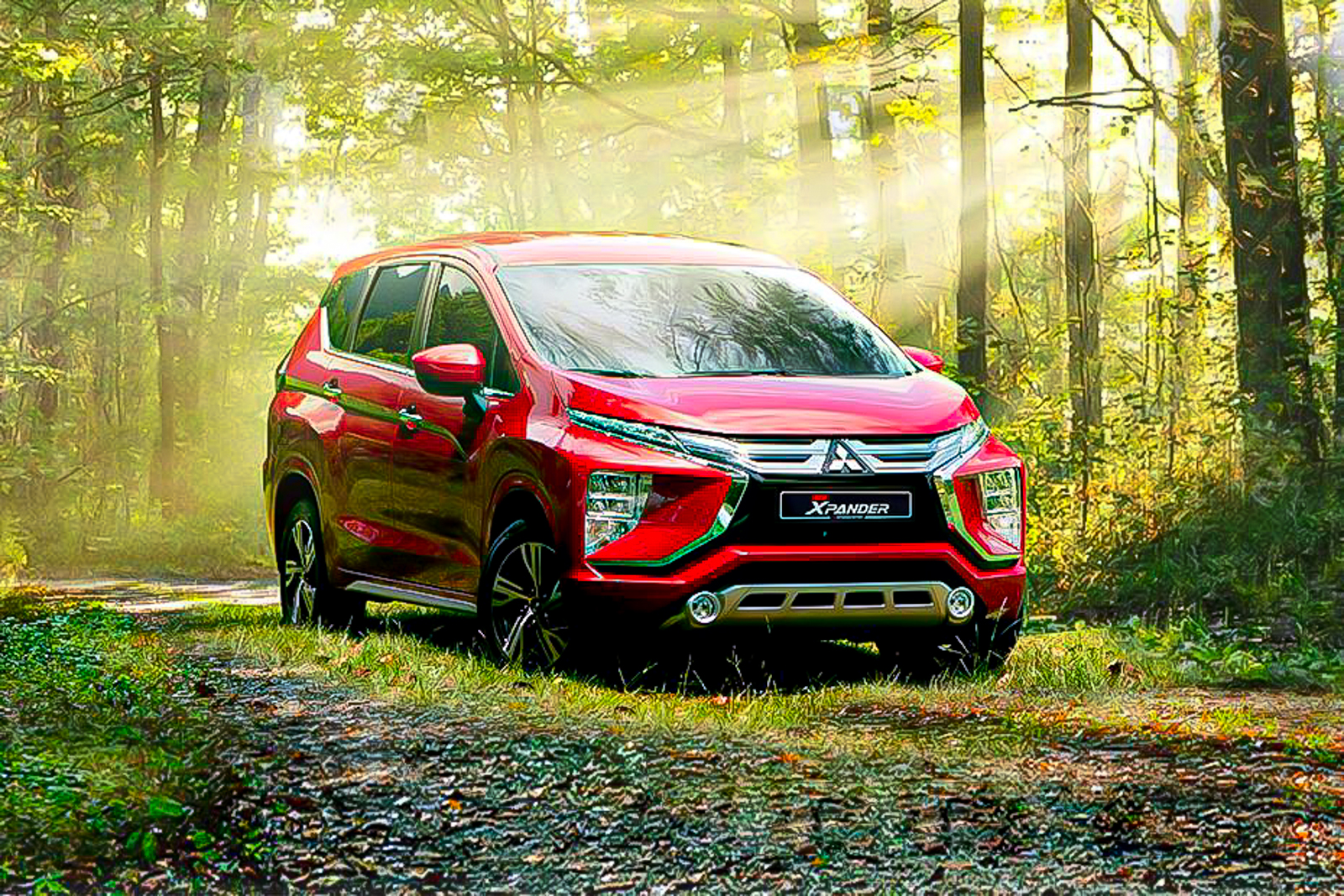
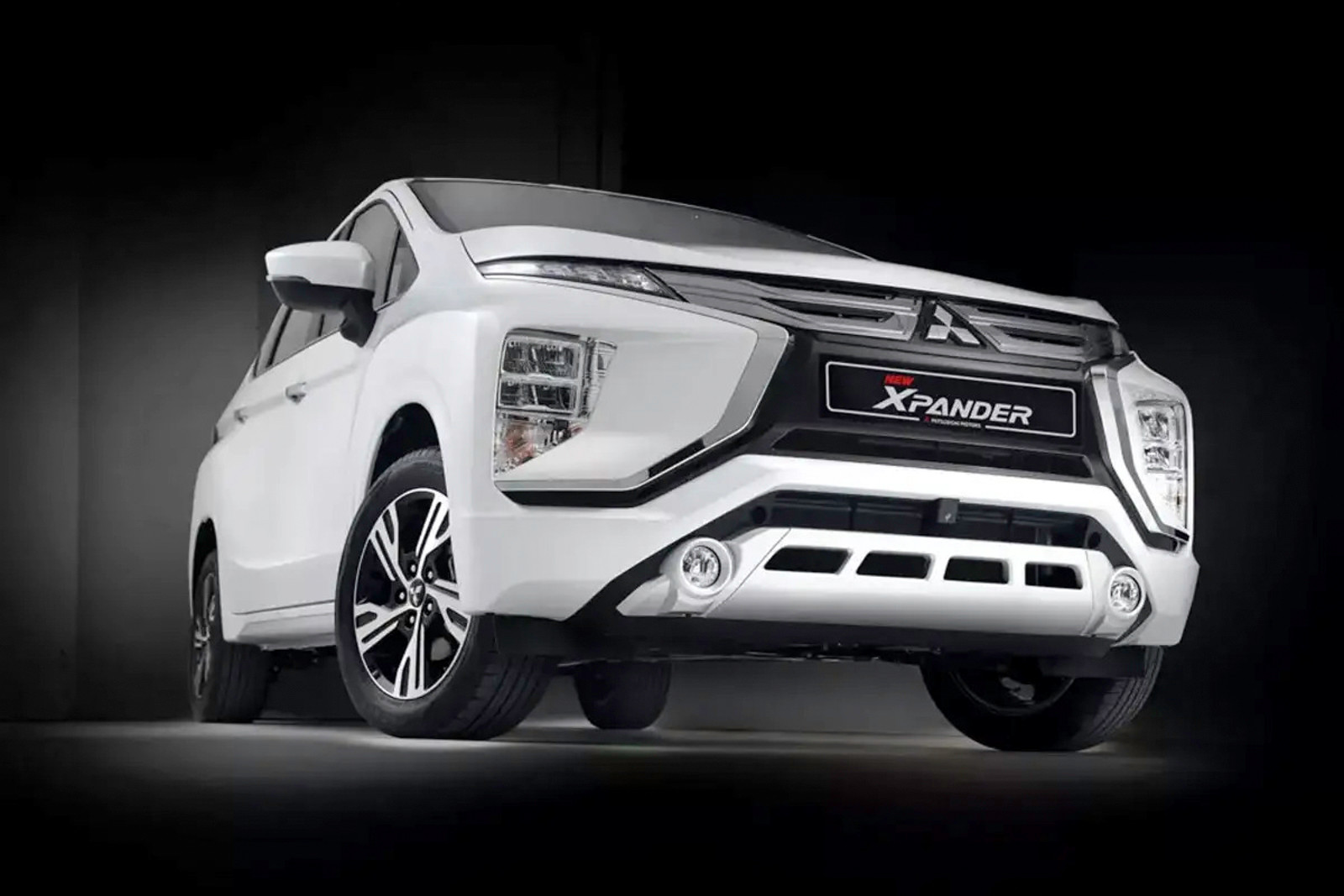
The exterior design of the 2024 Xpander continues Mitsubishi's family-style aesthetics, with overall sharp lines. The front features a large grille paired with sharp LED headlights on both sides, making it highly recognizable. The side bodyline extends from the front to the rear, with 17-inch alloy wheels matched with 205/55 R17 tires, giving it a stable visual presence. At the rear, the LED taillights adopt a through-type design, creating a striking effect when lit. The chrome decorative strip below the rear bumper also enhances its sense of refinement. Notably, the minimum ground clearance of the vehicle is 225mm, which is higher than most MPVs in its class, providing more confidence in handling unpaved rural roads.
Inside the cabin, the interior design leans toward practicality, with a clean layout for the central control panel. A 9-inch touchscreen is positioned centrally, and its operation is fairly smooth. The steering wheel is an electrically adjustable multifunctional design, with multimedia controls and cruise system buttons integrated on the left side, making it convenient to use. The instrument panel combines traditional mechanical gauges with a multifunctional display screen, clearly showcasing basic information such as fuel consumption and speed. Regarding materials, the upper part of the dashboard uses hard plastic, but the seam treatment is precise, meeting the standards for this price range. The seats are manually adjustable, with the front row supporting height and backrest adjustments, and the padding is soft, ensuring comfort during long hours of seating. The second-row seats support one-touch folding and front-back sliding, while the third row only supports backrest angle adjustments. However, the space performance meets expectations, as a 170cm passenger can sit in the third row with around one fist of legroom left. In terms of storage, the design of the front door panels, central armrest box, and cup holders is practical. The trunk can hold several carry-on suitcases in the 7-seat configuration, expanding to 495 liters when the third row is folded down, which caters well to the storage needs of families.
In terms of power, the Xpander is equipped with a 1.5L naturally aspirated engine that delivers a maximum horsepower of 105PS and peak torque of 141N·m, paired with a 4AT gearbox. For daily driving, the starting power is adequate, and the throttle response is relatively linear. At low speeds in urban areas, the transmission shifts smoothly with no obvious jerks. However, when switching to highway conditions and exceeding speeds of 80km/h, acceleration becomes slightly sluggish, requiring the accelerator to be pressed more deeply during overtaking. There is only a standard driving mode, without any sports or economy modes available, and the overall tuning is geared towards comfort. The chassis features a front MacPherson and rear torsion beam suspension, with a softer tuning. It effectively absorbs most vibrations when passing speed bumps or uneven roads, ensuring good ride comfort. The steering is light with minimal play, making daily maneuvering flexible and suitable for urban driving. In terms of braking, the combination is front ventilated discs and rear drum brakes. The braking performance is linear, with moderate braking force in the initial stage, requiring a deeper press to achieve sufficient stopping power in the latter stage. Noise control performance is average; wind and tire noise become more noticeable above 100km/h but remain within an acceptable range. As for fuel consumption, during our test drive on mixed road conditions, the combined fuel consumption was approximately 7.5L per 100km, which is standard for a 1.5L MPV.
In summary, the core advantages of the 2024 Mitsubishi Xpander lie in its spaciousness, high ground clearance, and practical features. Compared to competitors in the same class, such as the Perodua Alza, the Xpander offers more space and higher ground clearance, making it suitable for users who frequently drive on rural roads. However, the Alza has lower fuel consumption and more features. On the other hand, compared to the Toyota Veloz, the Xpander is more affordable and offers better value for money. Overall, the Xpander is ideal for family users who value space and practicality, especially those who often need to carry 7 people or drive on unpaved roads. If you are looking for a spacious vehicle with high value for money and a comfortable driving experience, the Xpander would be a great choice.
Mitsubishi Xpander Car Compare

Mitsubishi Xpander Loan Calculator
More Mitsubishi Reviews
Cars With Similar Price And Features
1
Rank in MPV

2023 Perodua Alza 1.5 AV, as a top-tier B-segment MPV, offers spacious space, low fuel consumption of up to 4.6L/100km, upgraded safety and intelligent features, making it a practical choice for families.
4
Rank in MPV

2023 Toyota Veloz 1.5 AT is a high-value family MPV that offers comprehensive safety features, flexible 7-seat space, and economical fuel consumption, making it suitable for practical and safety-conscious family users.