

Perodua Traz 2025 Review

 Share
Share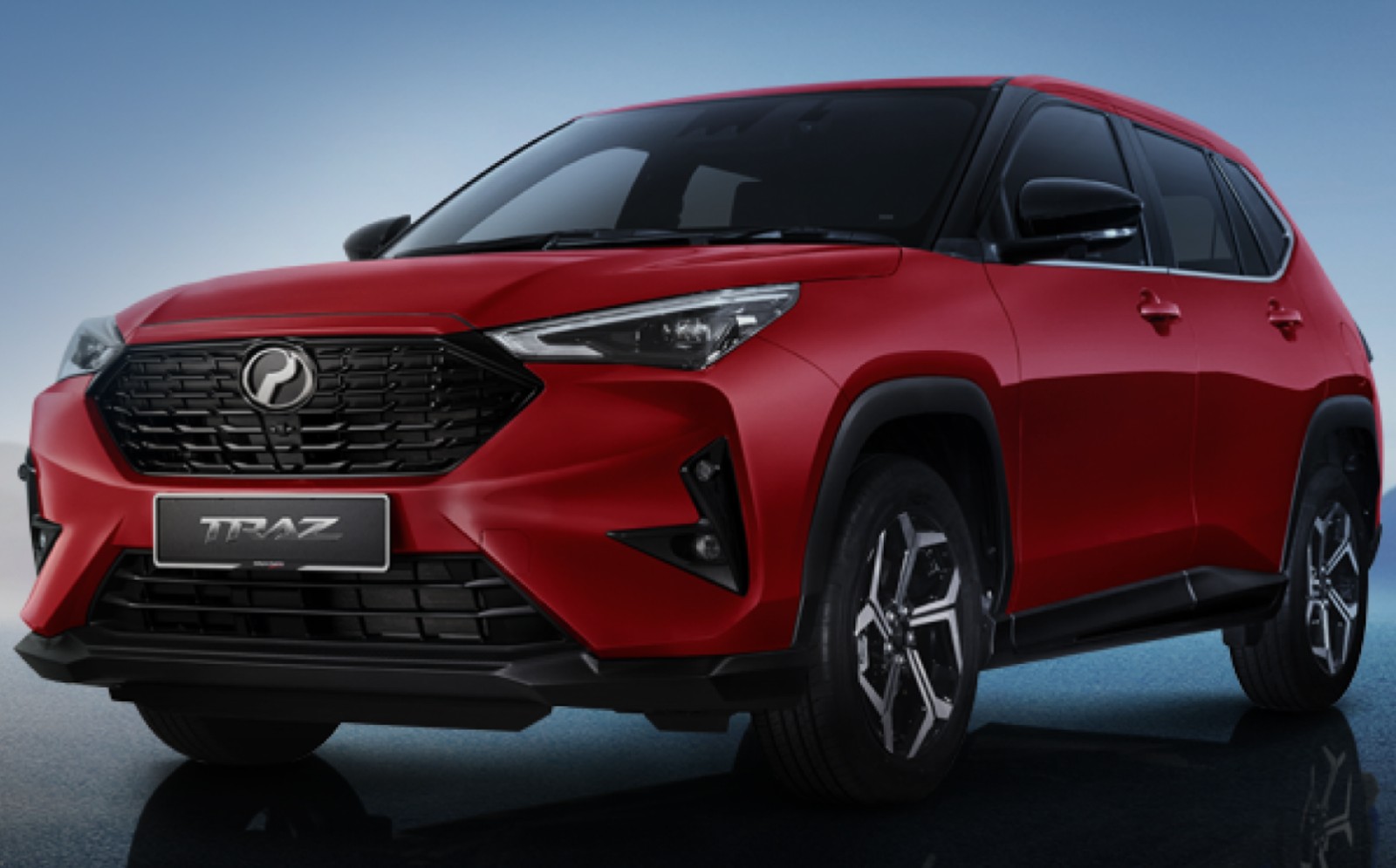
 Segment
 Body Type
 Capacity(L)
 Engine Power(PS)
 Engine Torque(Nm)
 Transmission
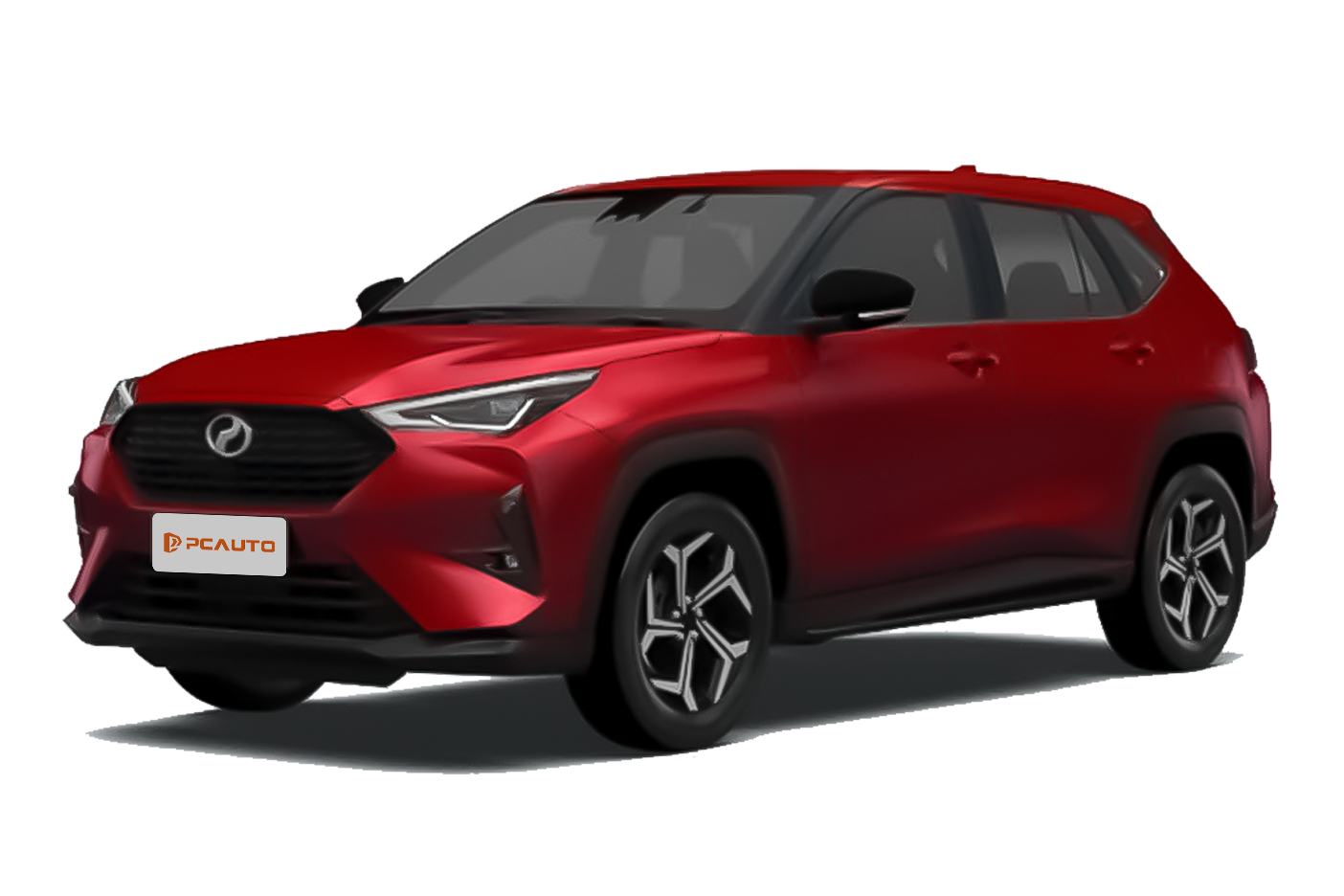
In recent years, competition in Malaysia's B-segment SUV market has become increasingly intense. Consumers seek the agility of a compact body while valuing spatial practicality and rich configurations. As the brand's flagship model in this segment, the 2025 Perodua Traz X aims to attract family users with its 1.5L naturally aspirated engine, six airbags as standard across all trims, and intelligent driver assistance systems, emphasizing cost-effectiveness and balance. This test drive focuses on verifying its spatial performance, the adequacy of its power for daily use, and the actual experience of its safety features to provide references for potential buyers.
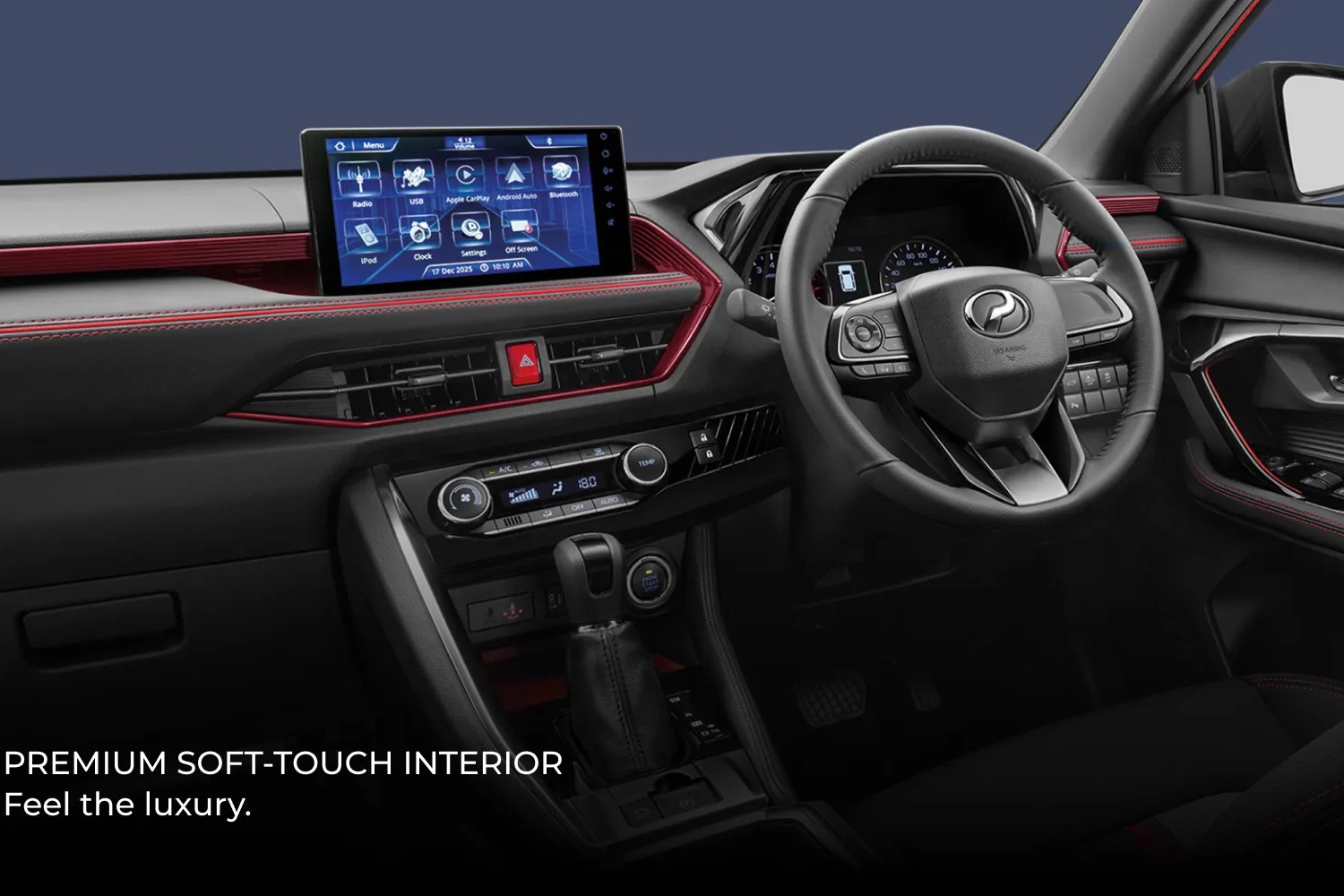
Sitting in the driver's seat of the Traz X, the first thing noticeable is the practical interior design. The dashboard predominantly uses dark gray as the main color, accented with silver trim. Although there is not much use of luxury materials, the plastic components are well-fitted, with even seams and a touch that does not feel cheap. The 9-inch central control screen is located at the upper part of the dashboard, with moderate screen resolution and acceptable operational smoothness. It supports basic Bluetooth connectivity and smartphone mirroring functions. Below the screen, there are physical air conditioning buttons, making it convenient to adjust temperature or airflow without being distracted by a touchscreen, which is practical for daily use. The seats are fabric with soft padding but sufficient support to ensure that long drives do not result in significant fatigue.
In terms of space, the Traz X has a wheelbase of 2620mm, which meets the positioning of a B-segment SUV. After adjusting the front row to a comfortable seating position, a passenger with a height of 175cm still has a fist-sized headroom deficit. The rear legroom offers about two fists, and headroom about one fist, making it not overly cramped even when accommodating three adult passengers. The trunk has a storage capacity of 471 liters, which can easily fit two 28-inch suitcases along with a few backpacks. Folding down the rear seats further enhances cargo capabilities, making it suitable for occasional transportation of larger items. Storage compartments are designed thoughtfully; the front door panels can accommodate two bottles of mineral water, the central armrest box is deep enough to store small items, and the rear seats are equipped with independent air conditioning vents and USB ports to cater to the needs of rear passengers.
The Traz X for this test drive is equipped with a 1.5L naturally aspirated engine, delivering a maximum power of 78kW (106PS) and a maximum torque of 138Nm, paired with a CVT transmission. During takeoff, the power response is not particularly speedy, but pressing the accelerator allows the revs to rise smoothly, fully sufficient for daily city commuting. For moderate and high-speed overtaking, the accelerator needs to be pressed deeper to maintain the revs above 4000rpm, where the power output becomes more active, though the acceleration process lacks significant push-back sensation. The transmission's smoothness is commendable, with little to no noticeable shifting jerk, although there might be a slight delay in rev climbing during rapid acceleration.
In terms of handling, the steering wheel of the Traz X is relatively light, making it effortless for women to drive. Its directional control is typical for a family car—no slack but not highly precise either. The suspension utilizes a front MacPherson and rear double-wishbone independent structure, tuned for comfort. It effectively filters out most minor bumps and road irregularities when crossing speed bumps or uneven surfaces, with minimal body sway. During cornering, body roll is controlled within an acceptable range, avoiding a loose feeling. Noise control performance is average; at speeds exceeding 80km/h, wind and tire noise become increasingly noticeable but not to the extent of impeding conversation inside the car.
One of the highlights of Traz X is its safety configuration, with standard features across the range including 6 airbags, ABS anti-lock braking system, vehicle stability control, as well as smart driving assistance systems like blind-spot monitoring, lane departure warning, and automatic emergency braking. Based on real-world testing, the lane departure warning promptly issues alerts when the vehicle crosses lane markings, while the automatic emergency braking function effectively intervenes to decelerate when there are obstacles ahead and the driver does not react, enhancing daily driving safety. In terms of fuel consumption, after a test drive combining congested urban roads and highways, the displayed fuel consumption is about 6.8L/100km, which is a normal range for a 1.5L model.
Overall, the core advantage of the 2025 Perodua Traz X lies in its balance: adequate space, smooth power delivery, comprehensive safety configurations, and a price set at RM 76,100. Compared to competitors in the same class like the Honda HR-V or Toyota Corolla Cross, it offers better value for money. However, its power performance is not particularly strong, and the interior materials lean towards practicality, making it more suitable for consumers who prioritize family-oriented practicality and cost-effectiveness, especially those who frequently travel with family members.
To sum up, the Traz X is a household SUV with no significant shortcomings. It does not chase extreme power performance or luxury interiors, but achieves balance across essential family needs such as space, safety, and fuel efficiency. If you are on a limited budget and are looking for a reliable compact SUV, the Traz X is a worthy choice to consider.
Perodua Traz Car Compare
Perodua Traz Loan Calculator
More Perodua Reviews
Cars With Similar Price And Features
4
Rank in SUV
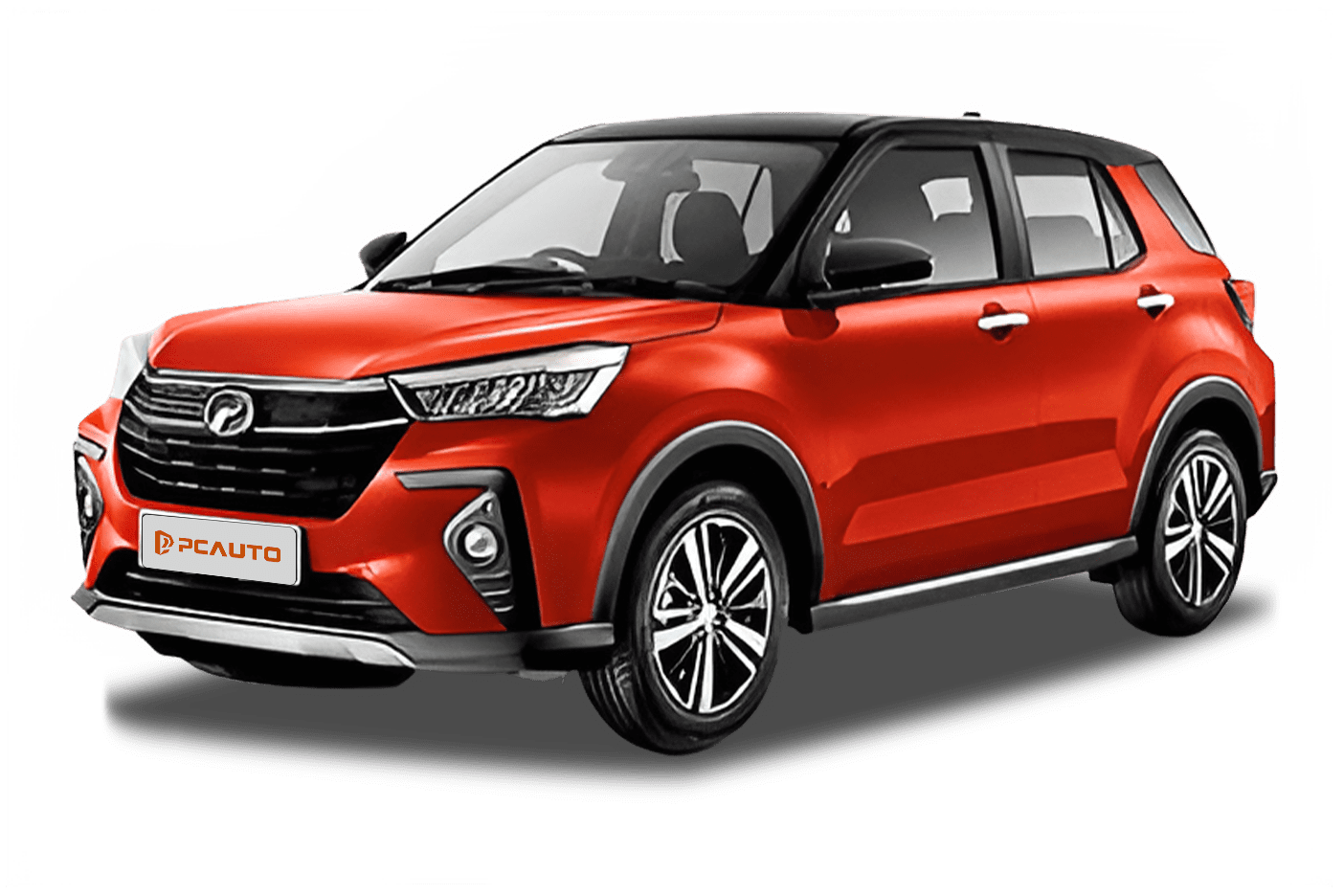
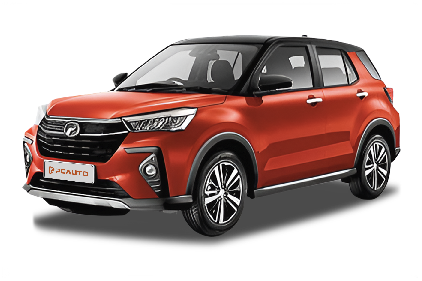
2023 Perodua Ativa 1.0L Turbo X, as a high-value-for-money entry-level B-SUV, meets the commuting and short-distance travel needs of family users with advanced safety features, practical space, and economical fuel consumption.
15
Rank in SUV
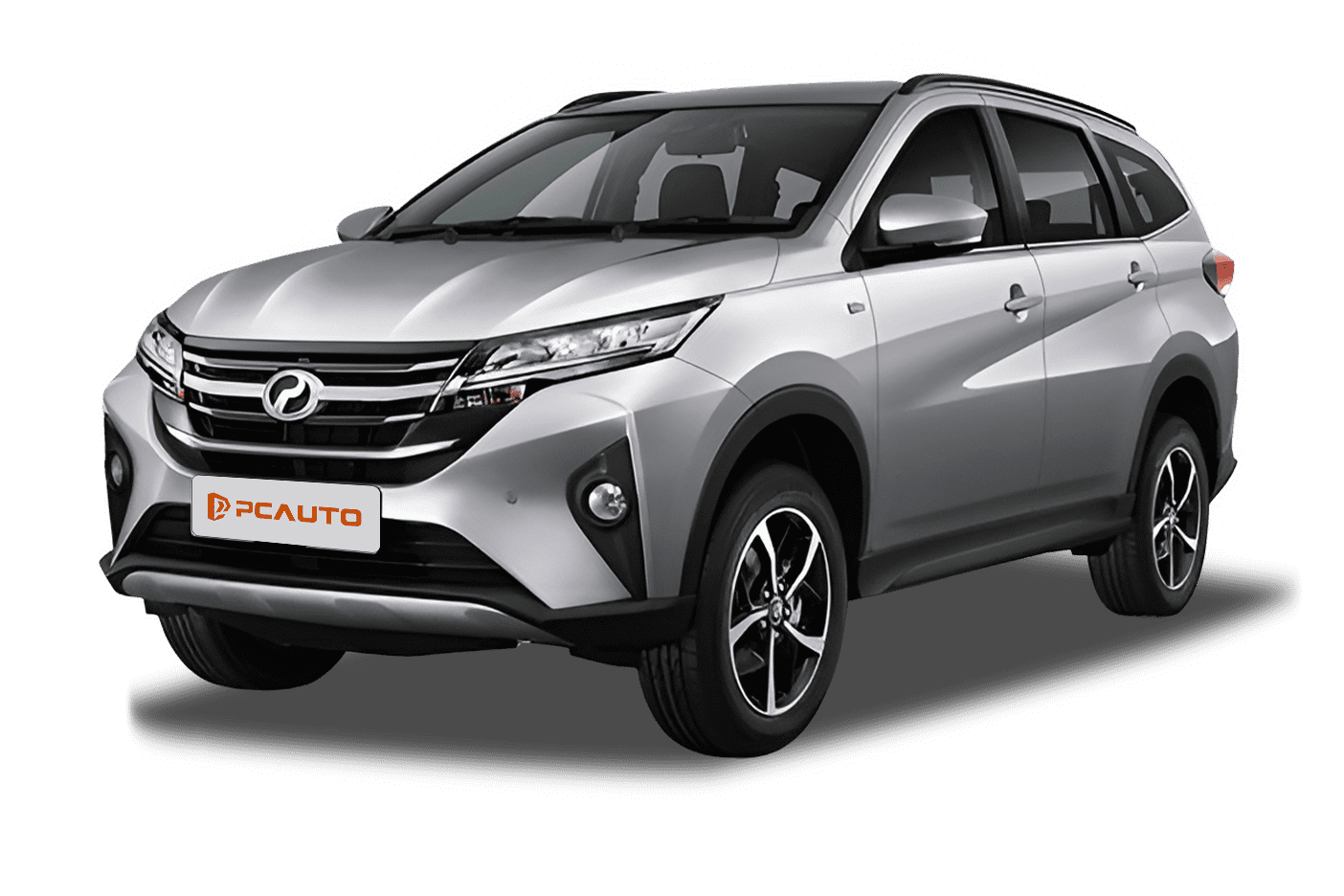
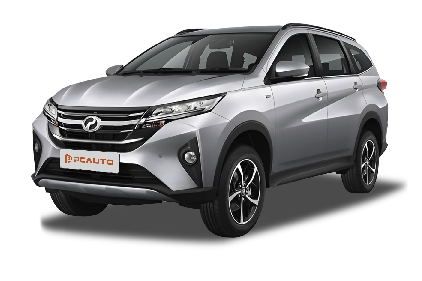
The 2023 Perodua Aruz 1.5L X is a high-value-for-money B-segment 7-seater SUV, offering 6 airbags and active safety systems as standard equipment for under RM63k. It balances practical space and daily commuting needs, making it a pragmatic choice for budget-conscious families.
2
Rank in SUV
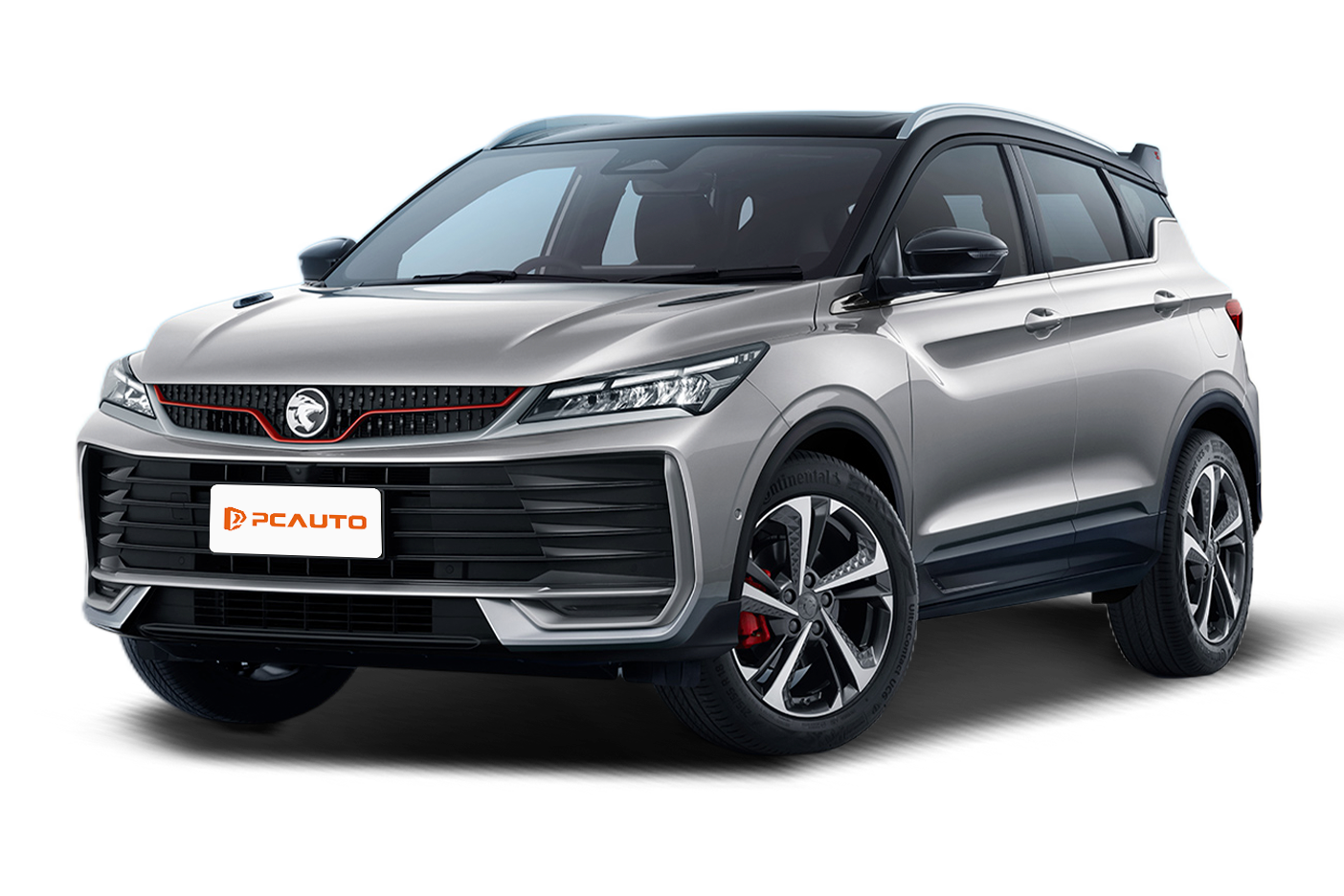
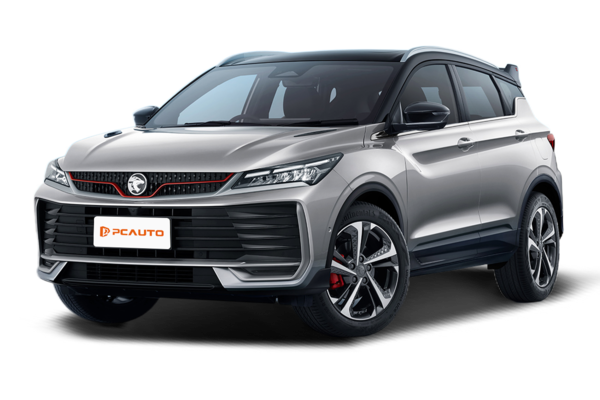
2025 Proton X50 Executive is an upgraded and price-reduced mid-size SUV that combines refined exterior, tech-savvy interior, powerful performance, and practical space, offering exceptional value for money.