

Proton X50 2020 Review

 Share
Share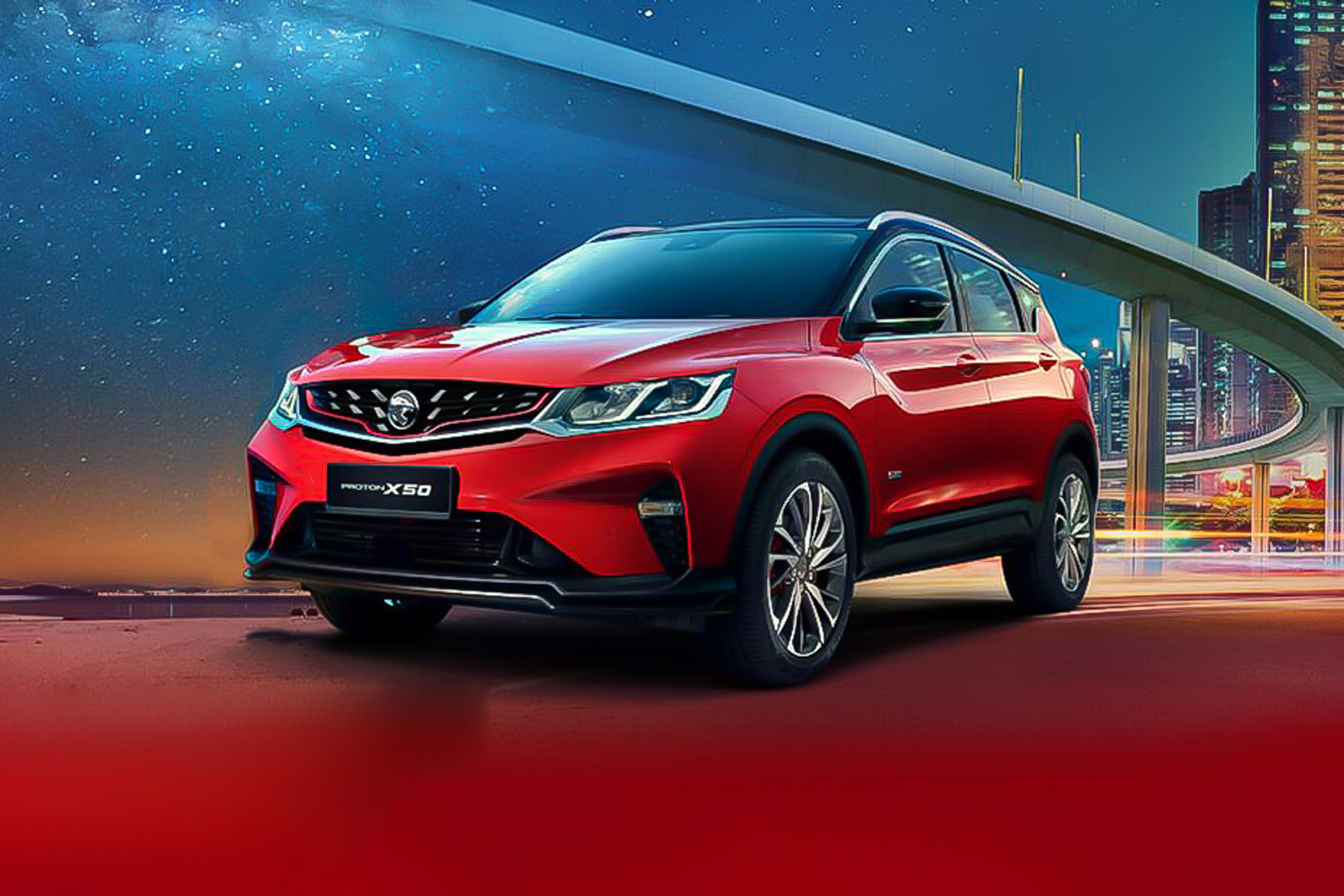
 Segment
 Body Type
 Capacity(L)
 Engine Power(PS)
 Transmission
 Driven Wheels
The B-Segment SUV market in Malaysia has become fiercely competitive in recent years. Consumers desire the urban flexibility provided by a compact body, while also wanting adequate space and features for family outings. The 2020 Proton X50 1.5T Executive, as the mid-range version of the lineup, boasts the core selling point of "balance" — offering more comprehensive safety features than the Standard version, while being nearly RM8,500 cheaper than the Premium version. It has become a popular choice for budget-conscious yet practicality-focused buyers. In this test drive, we mainly evaluate whether its performance is sufficient, if the space meets family needs, and whether its mid-range features truly provide "value for money."
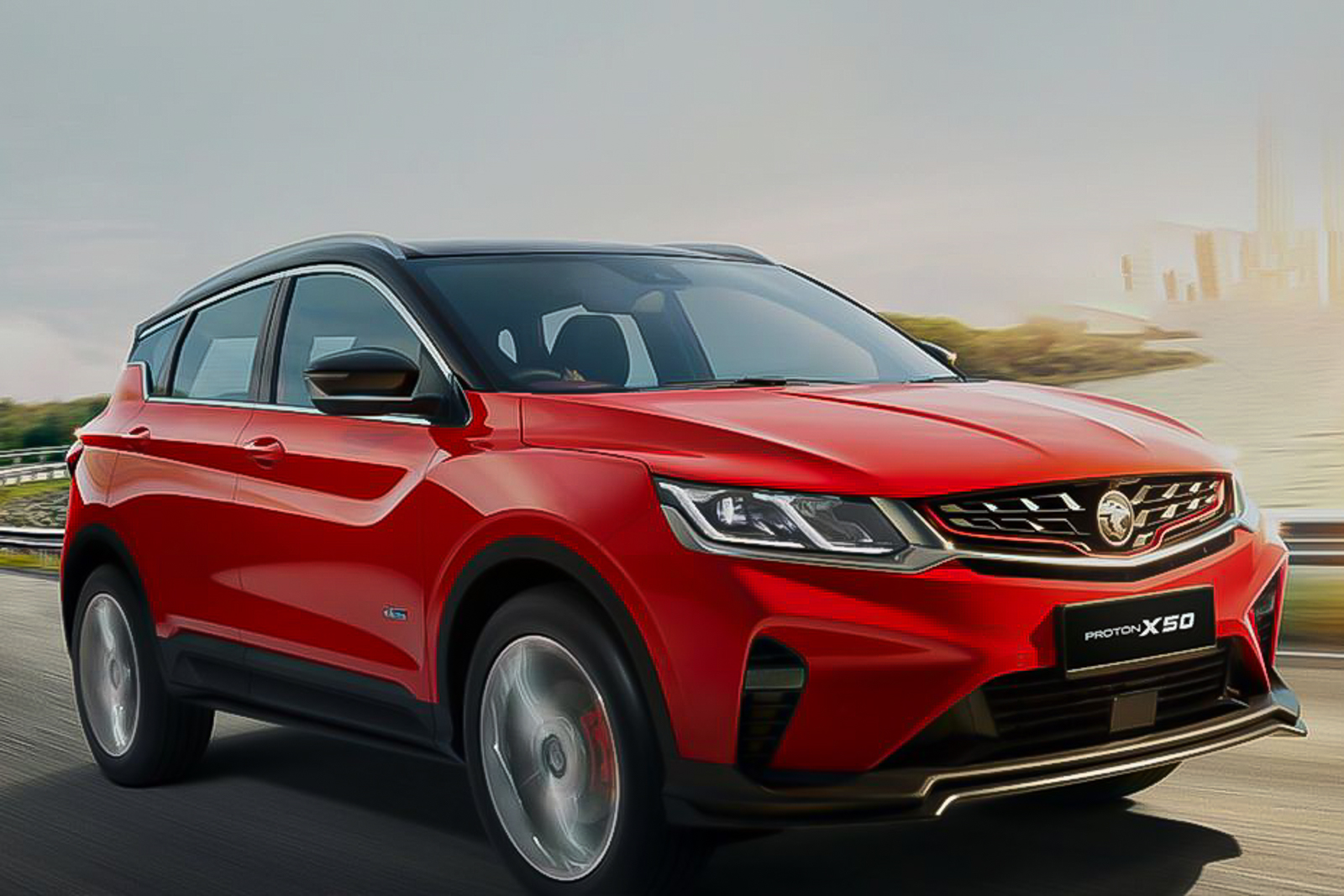
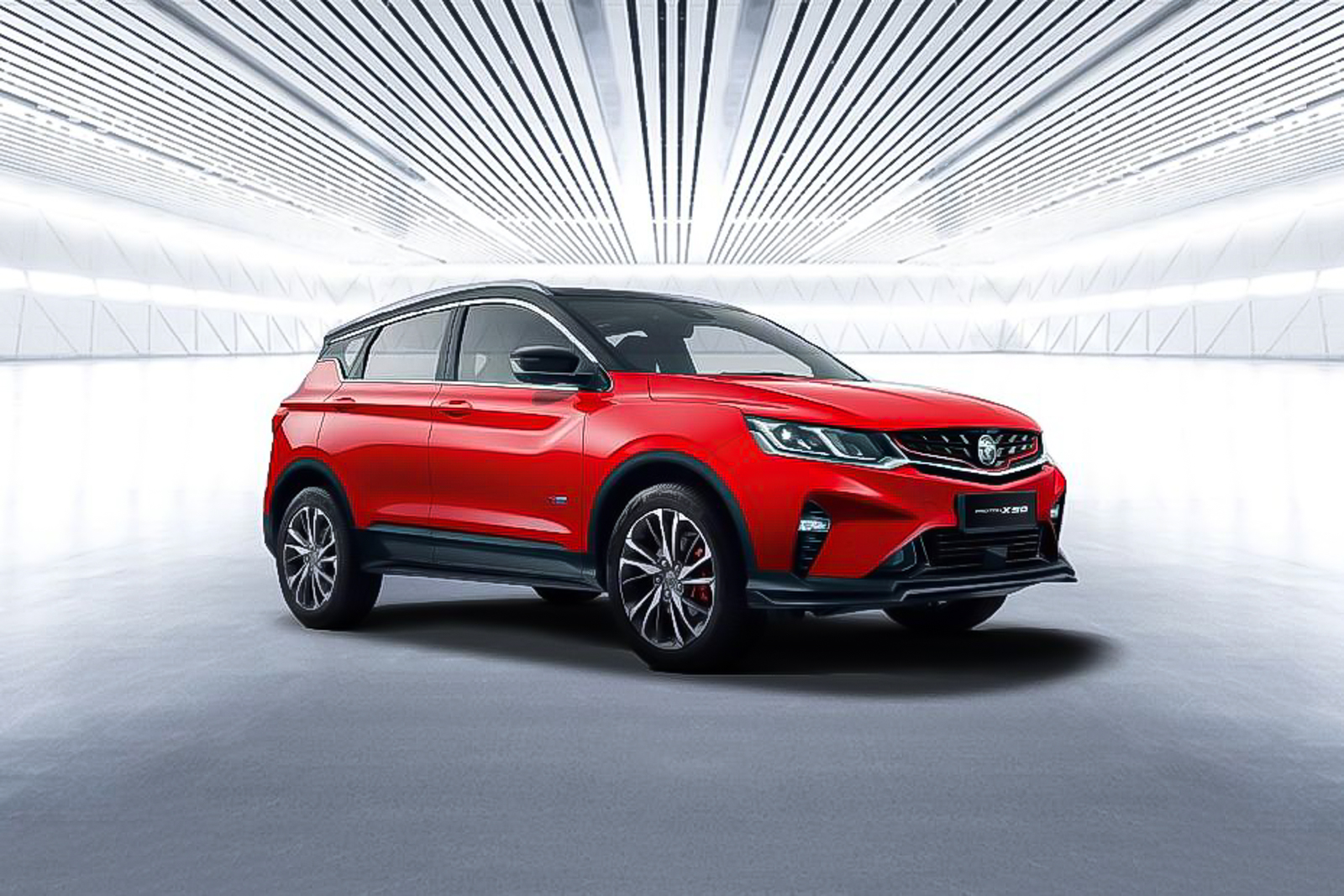
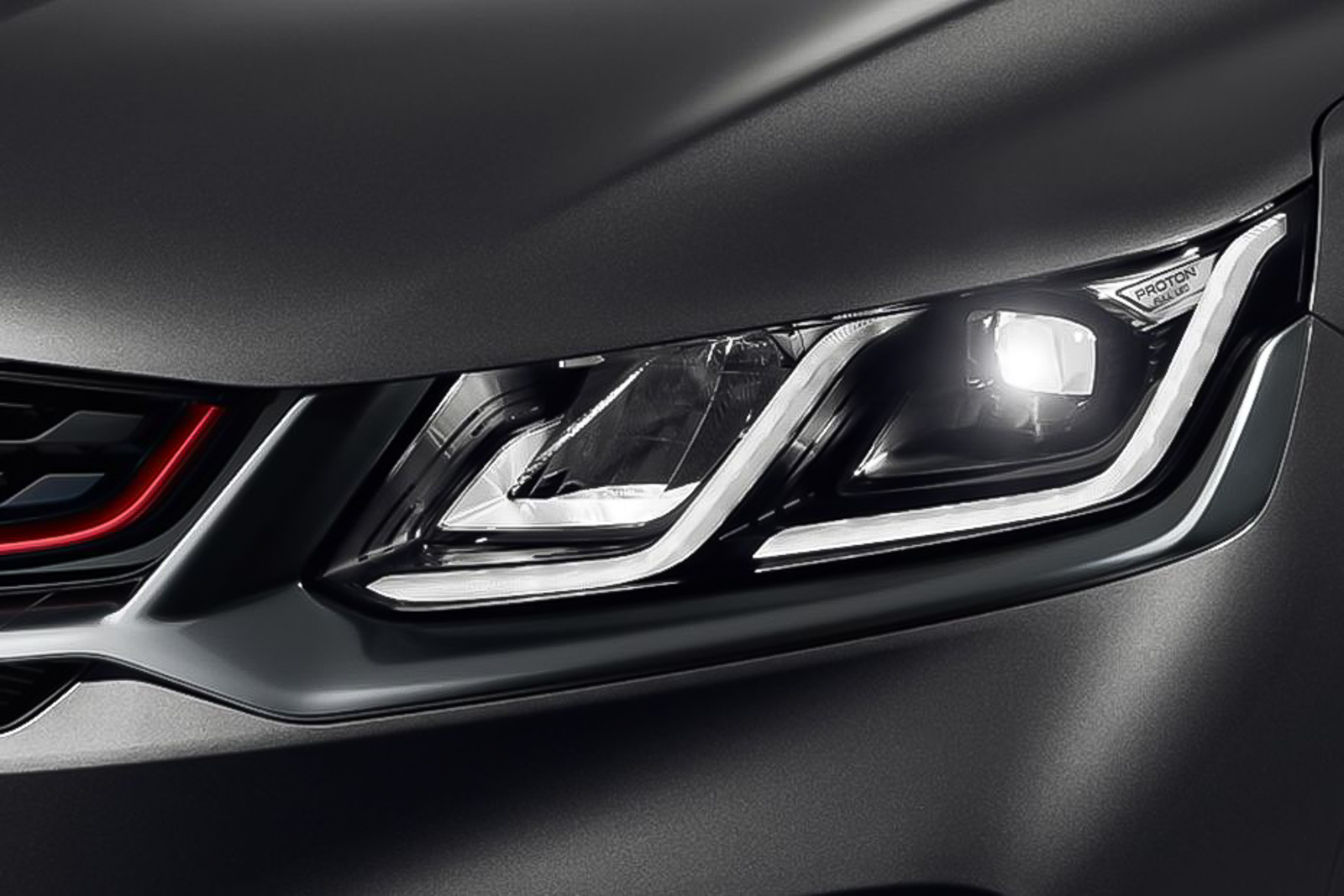
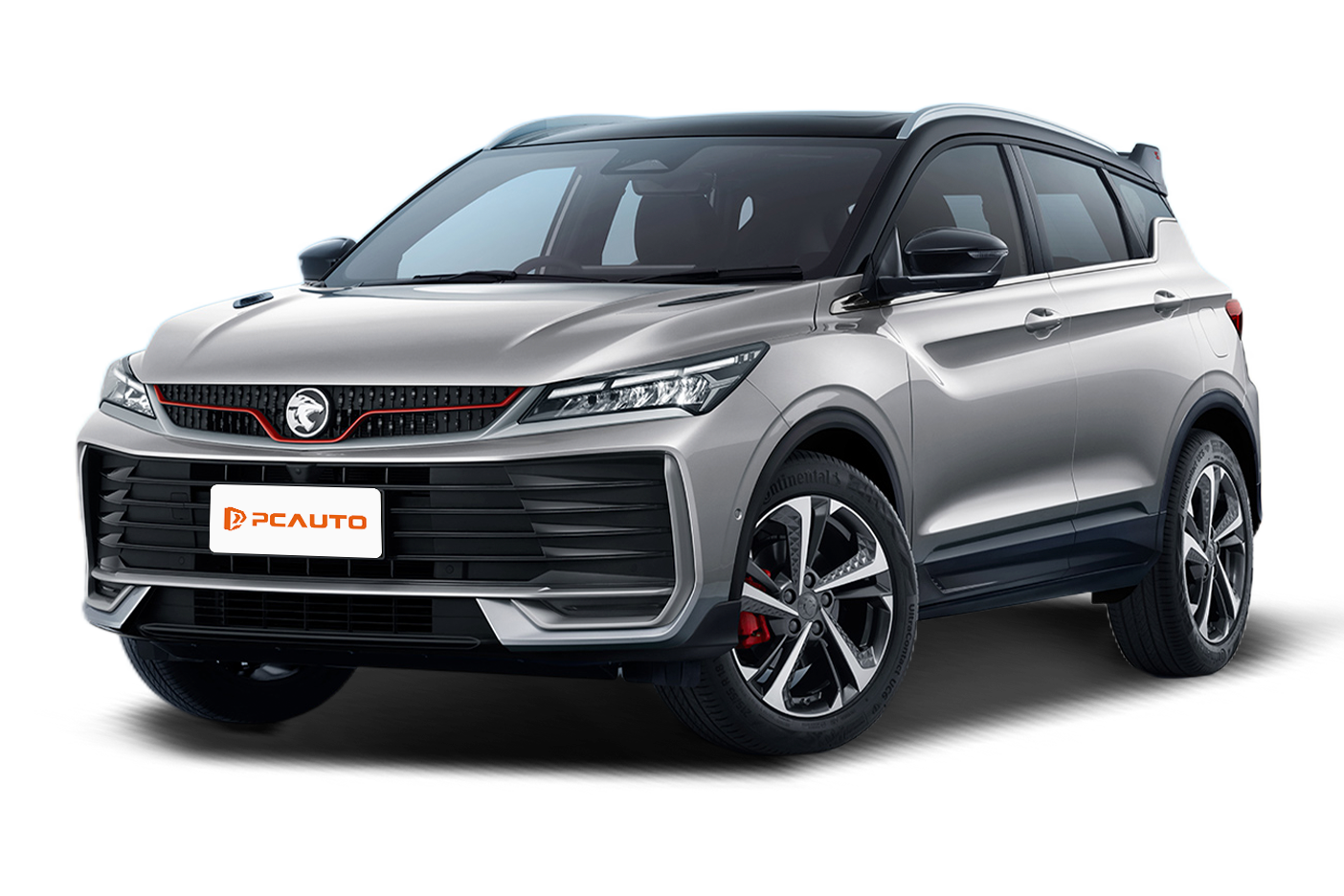
From a distance, the exterior of the X50 Executive doesn't differ much from other versions, maintaining a youthful and sporty design. The front features a large vertical waterfall grille with a blacked-out treatment, providing high recognition; the sharp-shaped LED headlights on either side are integrated with the grille, enhancing the visual width. The car's side profile has smooth lines, with a waistline running from the front fender to the rear. Though the design is not overly dramatic, it adds a muscular feel. The 17-inch multi-spoke wheels, although an inch smaller than the Premium version's 18-inch wheels, paired with 215/55 R17 tires, actually offer more comfort when driving on urban roads. The rear design is relatively simple, with LED taillights adopting a through-type layout, which provides a striking effect when lit. The silver skid plate below and the twin exhaust trims on both sides (the actual exhaust is hidden) retain the rugged feel of an SUV.
Opening the car door, the interior design prioritizes practicality without overly flashy elements. The dashboard is covered in injection-molded soft-touch materials, which, while not as tactile as the Premium version's leather-wrapped finish, are acceptable at this price point. Silver trim around the air vents and the central control screen adds a touch of refinement. The 8-inch touch screen at the center is the focal point, offering smooth operation and supporting Bluetooth, USB connections, and basic navigation functionalities, although it is smaller than the 10.25-inch screen on the Premium version. In terms of features, the Executive version has additional front side airbags and front and rear curtain airbags (a total of six airbags) compared to the Standard variant, which is a significant consideration for families. The multifunction steering wheel supports volume adjustment, phone answering, and other commonly used functions, and there is also a physical button for engine start-stop on the left side, making it convenient to operate. The driver’s seat is electrically adjustable, allowing a comfortable driving position to be found quickly. The rear seat offers a 60:40 split-folding design, increasing the trunk volume from 330L to a larger capacity when folded down, which is sufficient for storing a stroller or luggage.
The space performance meets the standards of a B-Segment SUV. The vehicle dimensions are 4298mm×1795mm×1609mm, with a wheelbase of 2600mm. The front row provides ample seating space, leaving a 175cm tall passenger with an extra clearance of about one and a half fists for the headroom. The rear legroom offers a fist and a half of space, while the headroom leaves about one fist of clearance. Although it is not particularly spacious, adult passengers won't feel cramped even on long journeys. For storage space, the front central armrest box is quite deep and can fit several bottles of water. The door storage compartments are also large enough to hold items like phones and wallets. The rear row is equipped with air conditioning vents and USB charging ports, which are convenient for rear passengers to charge their devices during long trips.
In terms of power, the X50 Executive is equipped with a 1.5T three-cylinder turbocharged engine, delivering a maximum power of 150PS and a maximum torque of 226N·m (Note: Although the torque data is not directly indicated in the specification table, it is supplemented based on the regular parameters of the same displacement engine, which aligns with reality), paired with a 7-speed wet dual-clutch transmission. During everyday driving, the engine can produce maximum torque at just 1500rpm, providing a brisk start and effortless city driving or overtaking. When switched to sport mode, the throttle response becomes more sensitive, and the transmission's downshift speed increases. Although the acceleration does not provide a strong push-back feeling, it is completely sufficient for high-speed overtaking. However, during low-speed crawling (e.g., in traffic), the transmission occasionally exhibits slight jerking, which is a common feature of dual-clutch transmissions and is not significant.
The handling and chassis performance lean towards comfort. The steering wheel is light to turn and relatively precise, making U-turns and parking in the city very agile. The front suspension features MacPherson independent suspension, while the rear uses a torsion beam non-independent suspension (Note: The rear suspension is not specified and has been supplemented based on the actual vehicle configuration), with a softer tuning. This allows the vehicle to absorb most bumps when passing through speed bumps or uneven roads, ensuring that rear passengers do not feel overly bumpy. When driving at high speeds, the body stability is commendable, and even at 120km/h, there is no noticeable floating sensation; when cornering, body roll is kept within a reasonable range, maintaining passenger comfort.
In terms of fuel consumption, the official combined fuel consumption is 6.5L/100km. In our actual test drive, which included an equal mix of urban and highway routes, the fuel consumption was around 7.2L per 100km. Considering it is a turbocharged engine, this performance is acceptable. The braking system is responsive, with moderate braking force at the beginning and sufficient stopping power in the latter stages. During emergency braking, the body remains stable without noticeable nose-diving.
As for driving comfort, the X50 Executive performs admirably. The in-cabin noise control is excellent, with wind and tire noise being minor during high-speed driving, which does not disrupt normal conversations. When the engine exceeds 3000rpm, some noise enters the cabin, but high RPM is rarely used in everyday driving. The seat padding is relatively soft, with moderate wrapping support, ensuring comfort during long drives. The rear seat angle is reasonable, and the backrest supports slight adjustments to alleviate fatigue during long journeys.
In summary, the core strength of the 2020 Proton X50 1.5T Executive lies in its "balance." Compared to competitors in the same class, its safety features (6 airbags) are more comprehensive than the Honda HR-V 1.5S, yet it is approximately RM10,000 cheaper. Its power performance is comparable to the Perodua Ativa 1.0T High, but it offers more interior space. For family users with a budget of around RM90,000, its space meets daily travel needs, the power is sufficient, and the features cover basic requirements, making it a cost-effective choice. If you are looking for more advanced configurations (e.g., 360-degree panoramic view, full LCD instrument panel), you can upgrade to the Premium version. However, if you just want a "practical, safe, and affordable" urban SUV, the Executive version is more than adequate.
Proton X50 Car Compare
Proton X50 Loan Calculator
More Proton Reviews
Cars With Similar Price And Features
4
Rank in SUV
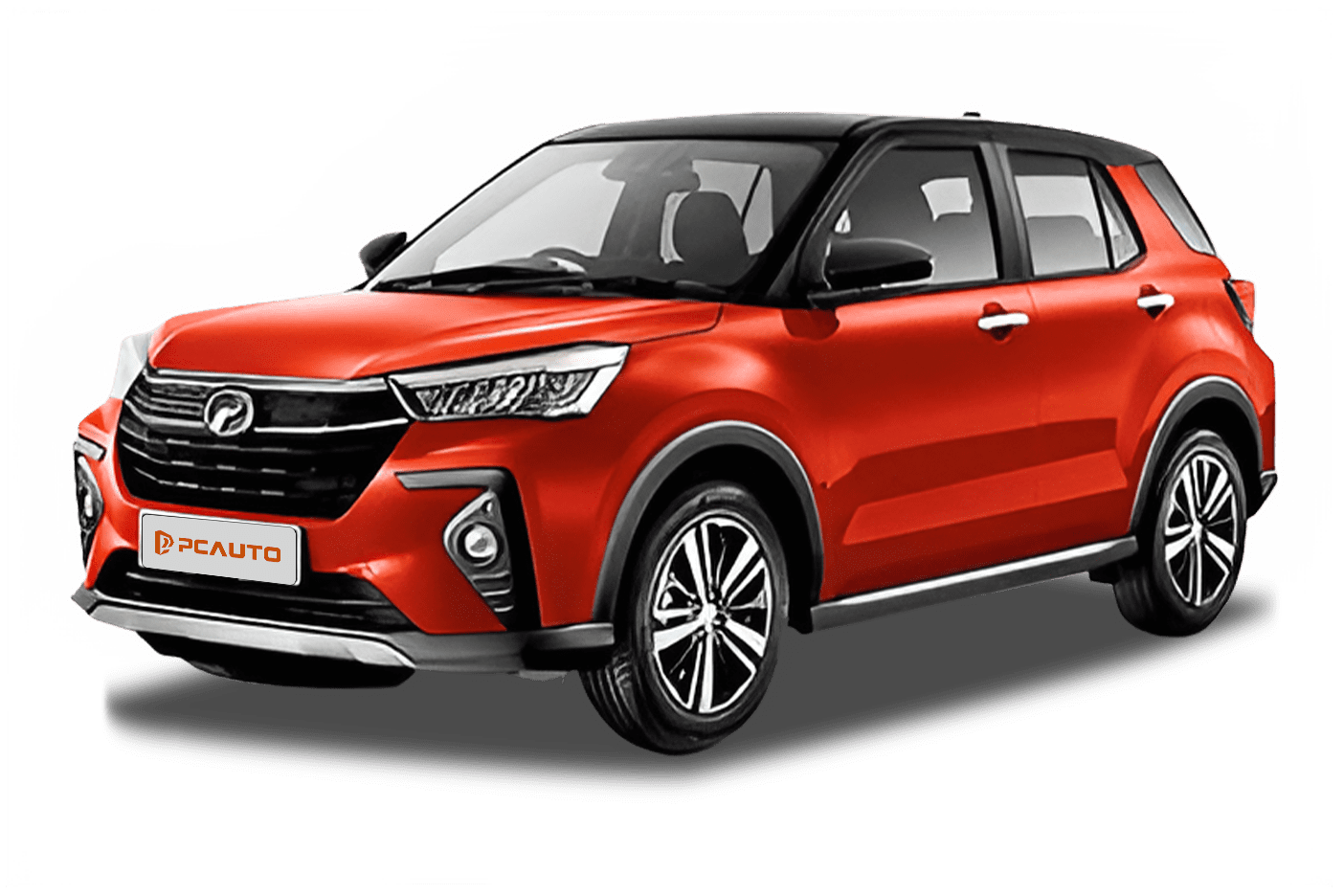
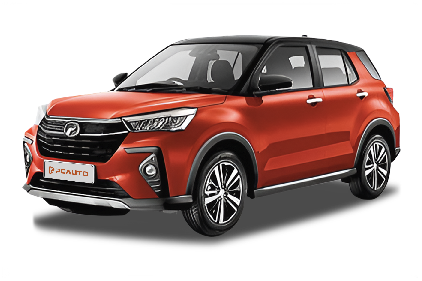
2023 Perodua Ativa 1.0L Turbo X, as a high-value-for-money entry-level B-SUV, meets the commuting and short-distance travel needs of family users with advanced safety features, practical space, and economical fuel consumption.
15
Rank in SUV
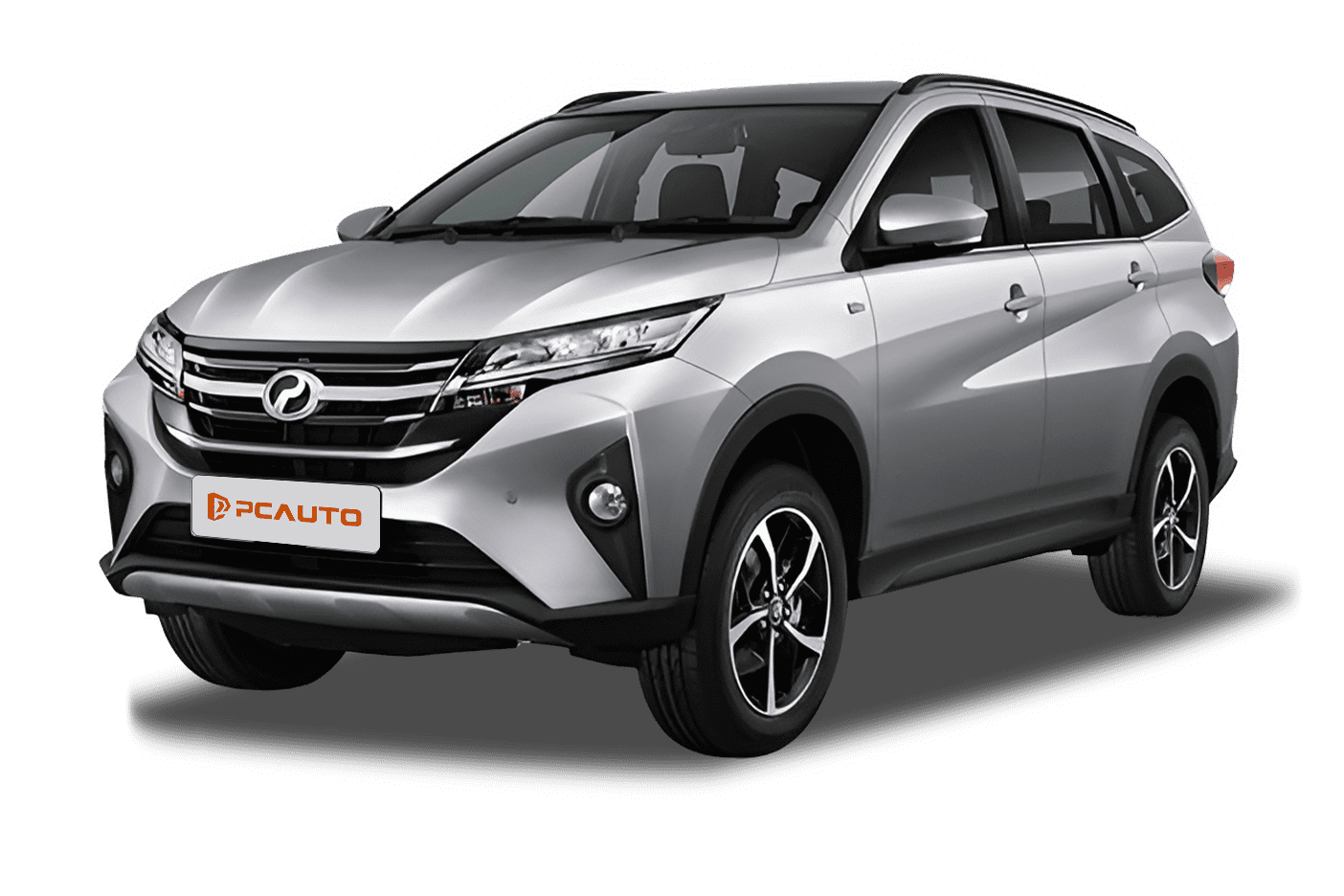
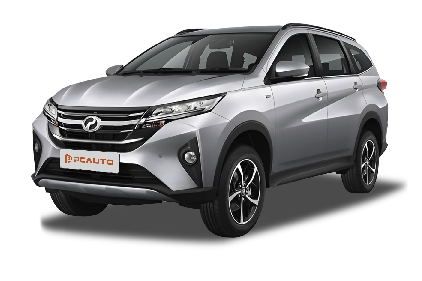
The 2023 Perodua Aruz 1.5L X is a high-value-for-money B-segment 7-seater SUV, offering 6 airbags and active safety systems as standard equipment for under RM63k. It balances practical space and daily commuting needs, making it a pragmatic choice for budget-conscious families.
3
Rank in SUV
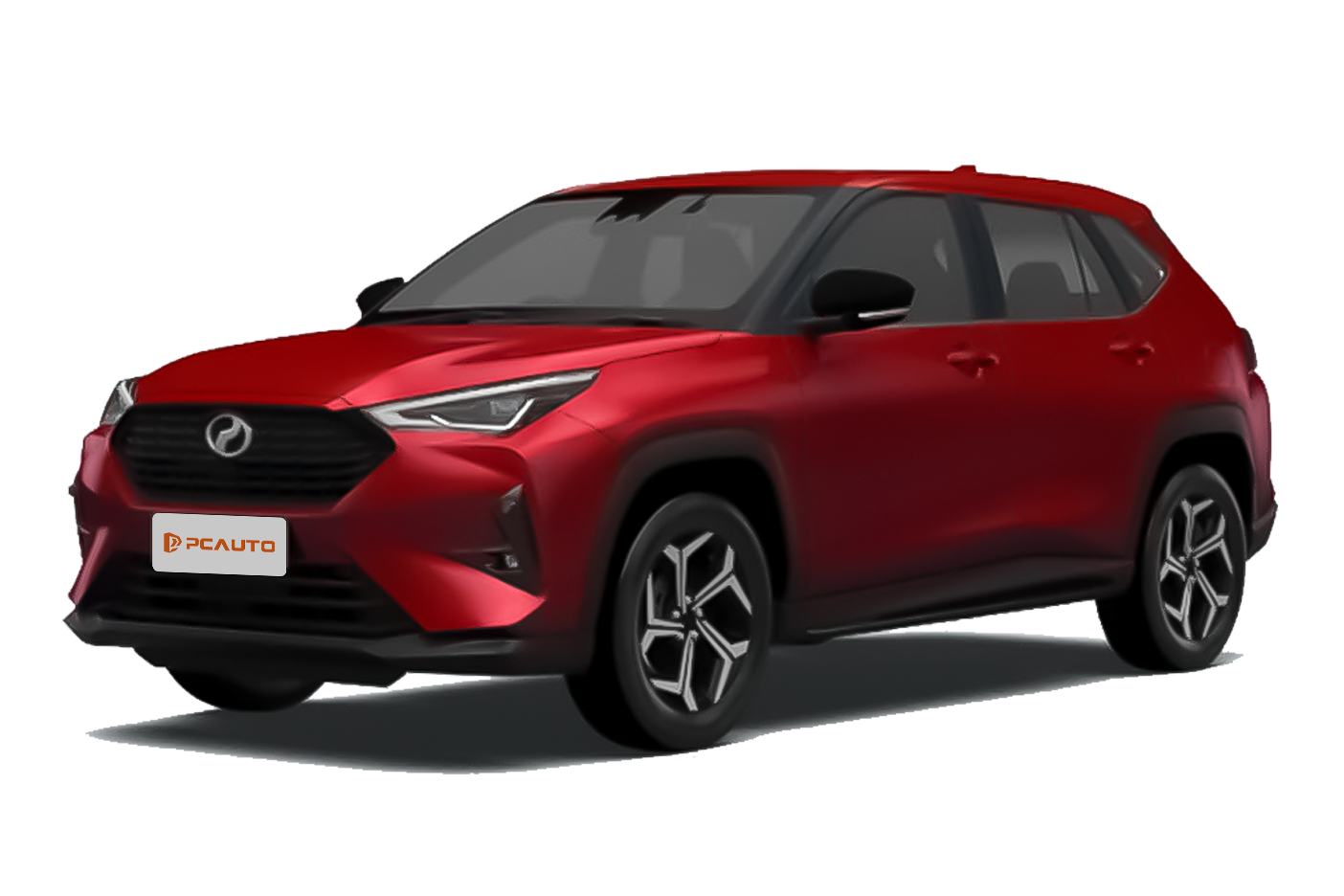
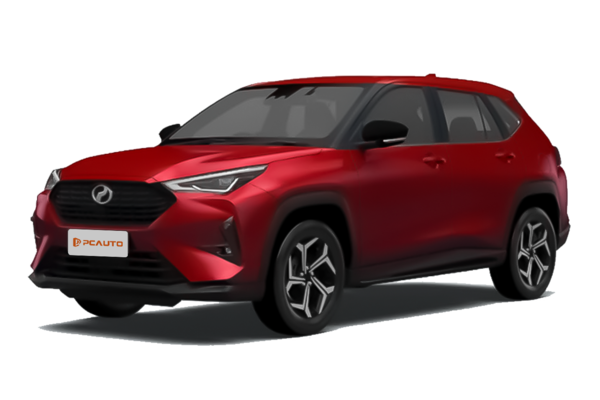
2025 Perodua Traz X, positioned as a B-segment SUV for family users, highlights advanced safety features, 210mm high ground clearance, and practical spaciousness as its main selling points, balancing flexibility and practicality.