

Proton X90 1.5TGDI BSG Premium 2023 Review

 Share
Share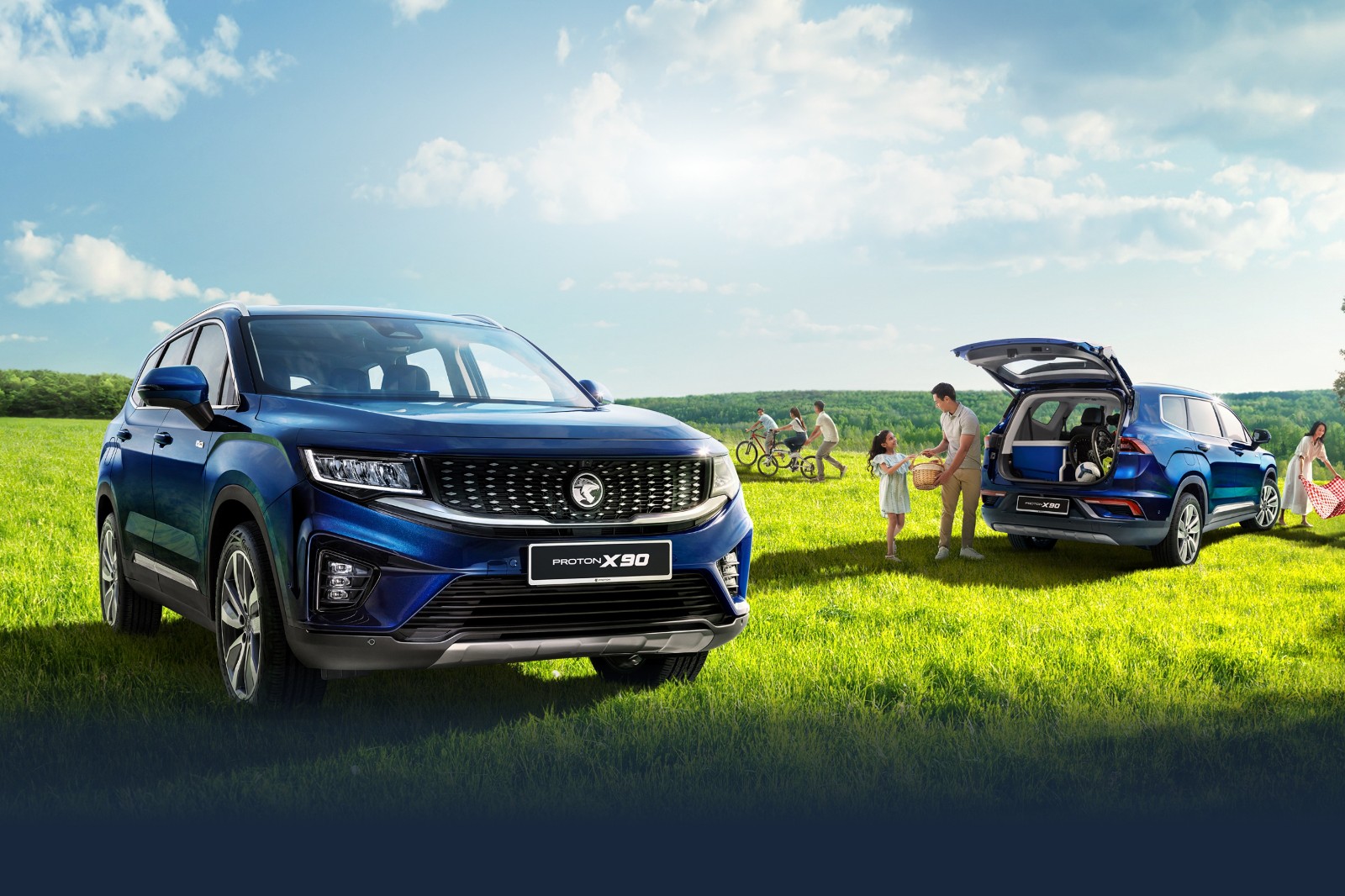
 Segment
 Body Type
 Capacity(L)
 Engine Power(PS)
 Transmission
 Driven Wheels
The competition in Malaysia's D-segment SUV market has become increasingly intense in recent years. Consumers are not only seeking the practicality of a 7-seater but also have higher demands for power efficiency and smart configurations. As the flagship 7-seater SUV of the brand, the Proton X90 1.5TGDI BSG Premium enters the market with a 1.5T+48V mild hybrid system, premium-level configurations, and an affordable price, positioning itself as "the most balanced 7-seater option in the same price range." Through this test drive, we focused on evaluating whether its performance is sufficient, whether its 7-seater space is practical, and whether its smart features meet the needs of family users, providing potential buyers with a genuine reference.
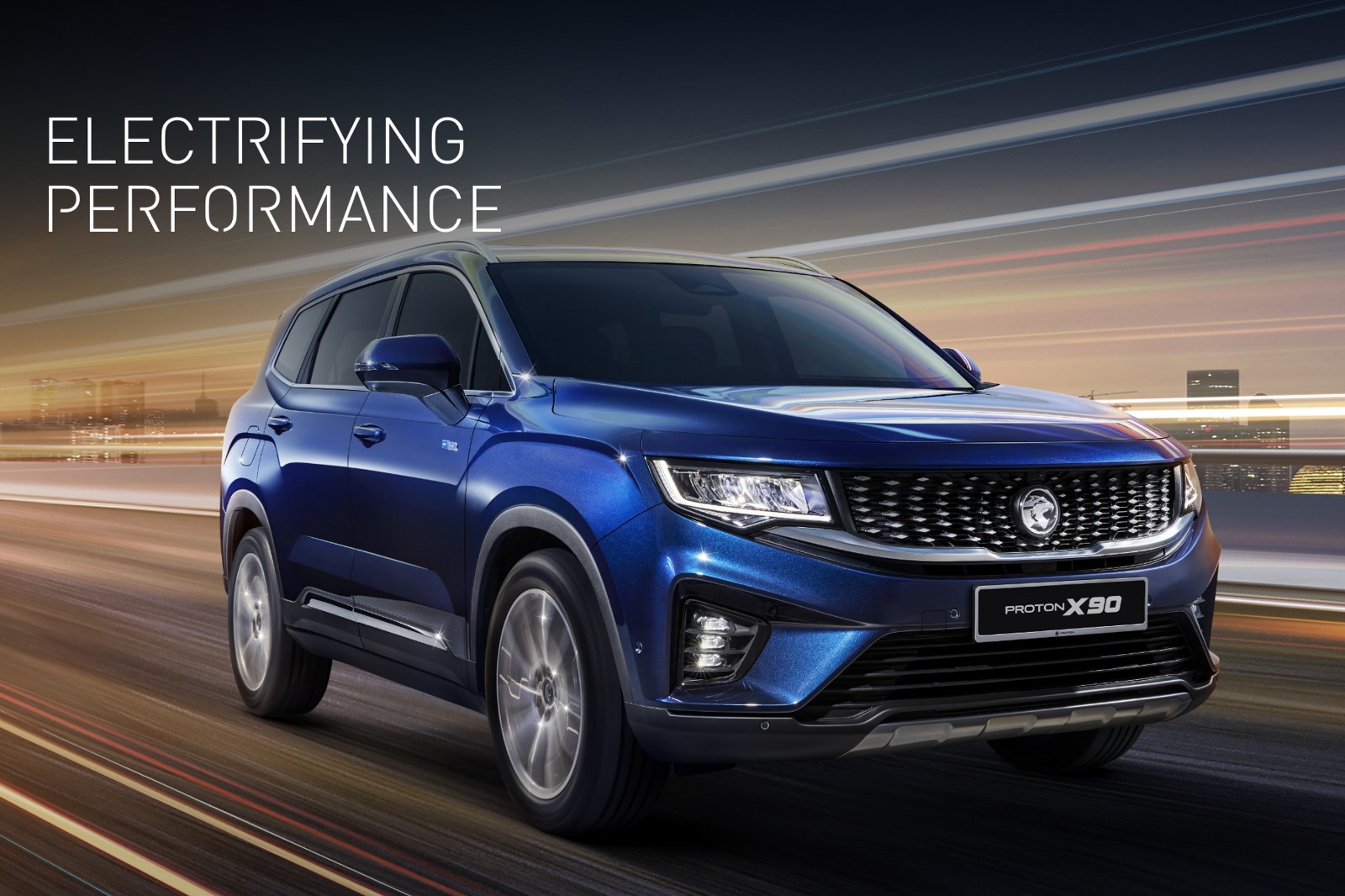
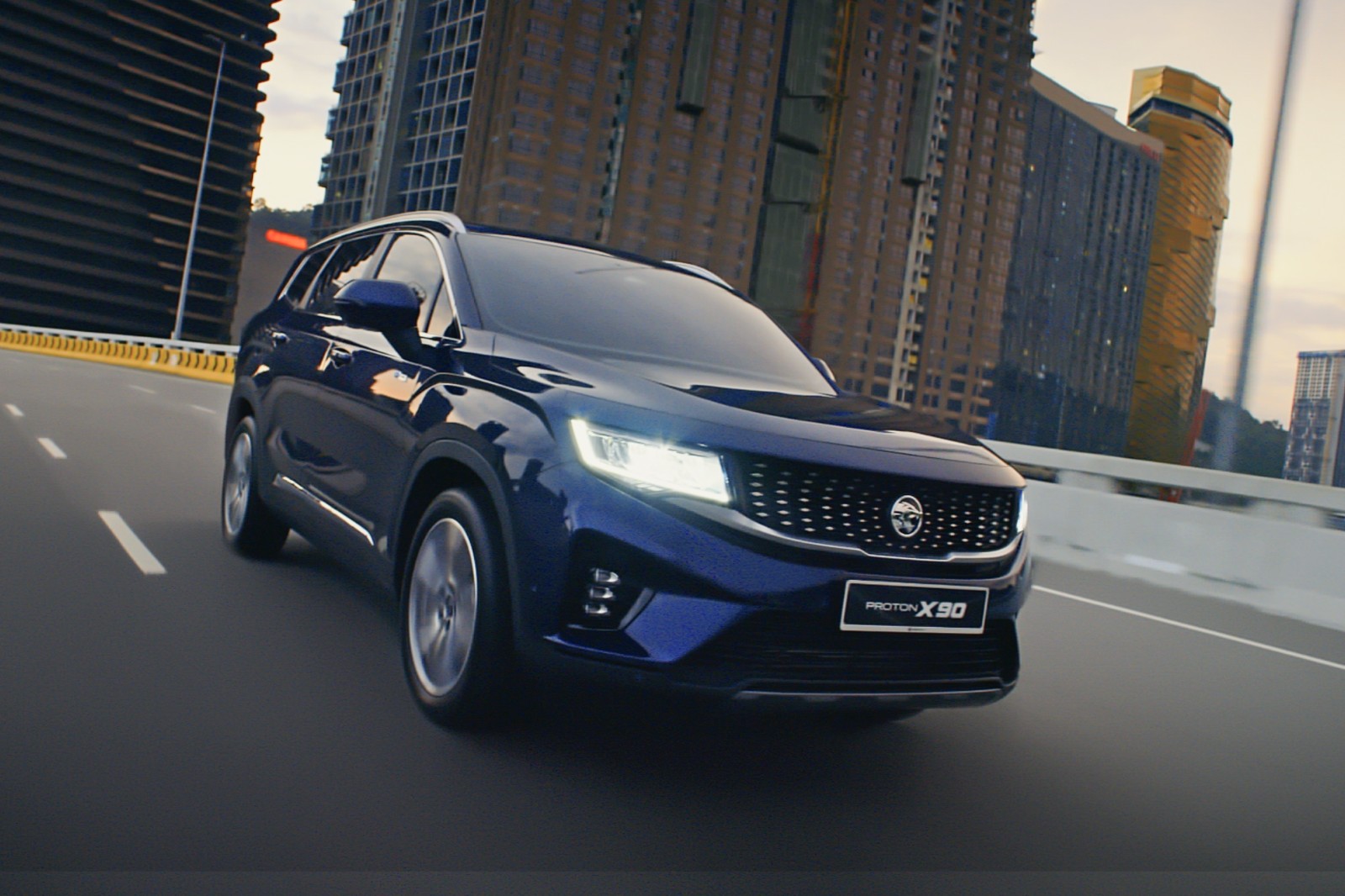
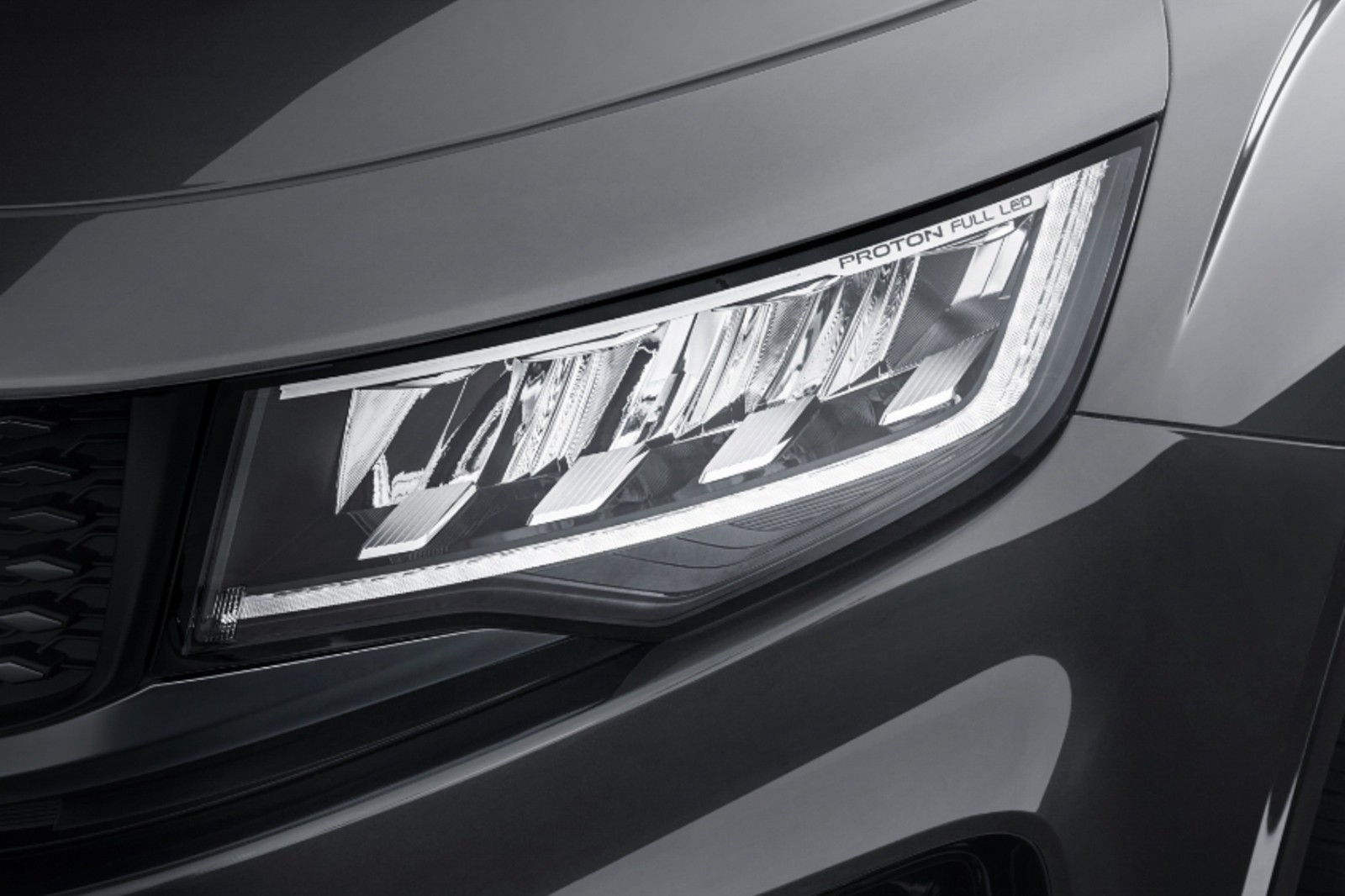
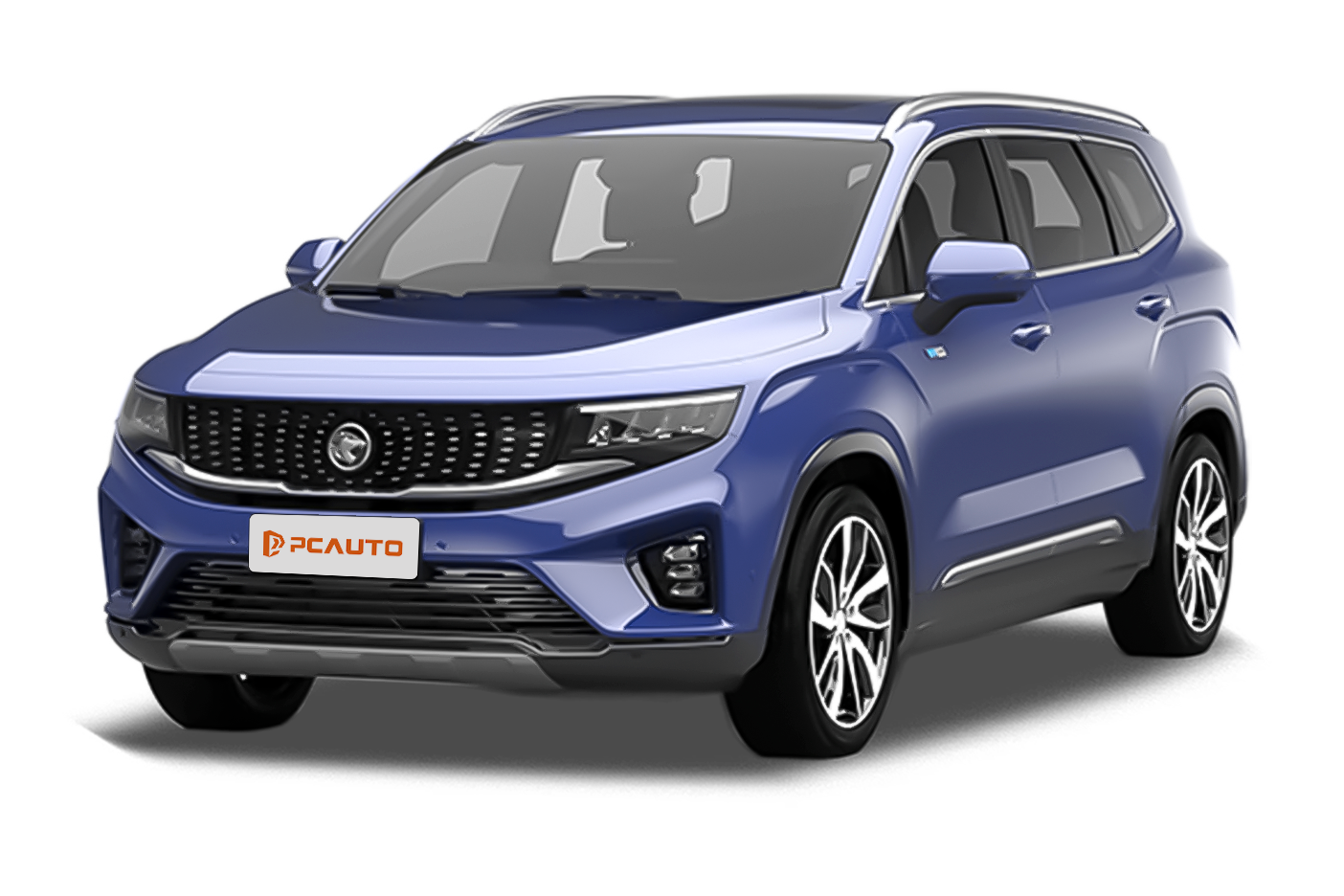
In terms of appearance, the size of the X90 is quite prominent among competitors in the same class—its 4830mm length paired with a 2805mm wheelbase makes the body look sleek and robust. The front features a large vertical chrome grille, paired with sharply defined LED headlight assemblies on both sides, giving it a high level of recognition. The lower front fog light area is surrounded by black plastic cladding, adding a slightly off-road vibe. The side profile of the body has smooth lines, and the waistline extending from the front fender to the rear enhances its three-dimensional feel. The 19-inch multi-spoke alloy wheels are also in line with the positioning of a D-segment SUV. The rear design is simple, with a striking LED taillight that runs across the width of the vehicle, and the silver skid plate below the rear bumper echoes the design elements of the front.
Opening the door reveals an interior design that leans towards a homely and practical vibe. The dashboard has a layered design, with soft-touch plastic material on the top, wooden trim in the middle, and hard plastic at the bottom. The choice of materials is considered to be above average for its price range. The 12.3-inch floating central control screen is the core of the interior. It boasts a high resolution, smooth operation, and supports Bluetooth, CarPlay, and Android Auto. Beside it, the fully digital instrument cluster is equally clear, capable of displaying basic information such as speed, RPM, and fuel consumption, and even allows switching between different display modes. In terms of configuration, the Premium version demonstrates exceptional sincerity: the HUD (Head-Up Display) reduces the need for drivers to look away while driving, and the 6-way power-adjustable driver’s seat allows for easy adjustment to find a comfortable position. The front row comes with automatic climate control, while the rear row features independent air conditioning vents and a 220V power outlet, making it convenient for rear passengers to use electronic devices.
Space performance is one of X90’s core advantages. As a 7-seater model, it uses a 2+3+2 seating layout. The front seats offer good support, and a passenger standing 175cm tall would have a headroom clearance of one fist and two fingers, with ample legroom. The second row seats can slide forward and backward and have adjustable backrest angles. A similarly tall passenger sitting in the middle position in the second row would have about two fists of legroom and one fist of headroom. Even when the second-row seats are moved all the way forward, the third row can still accommodate two passengers under 165cm in height, which is adequate for short-term rides, though long rides might feel slightly cramped. As for storage, the door pockets, center armrest box, and glove compartment all offer significant capacity. When the third-row seats are folded down, the trunk space can be expanded to a large size, which can easily accommodate several suitcases or a stroller, sufficient for daily family use.
Regarding power, the X90 is equipped with a 1.5T three-cylinder turbocharged engine + 48V mild hybrid system. The maximum engine power is 177PS, with a peak torque of 255N·m (Note: There might be an error in the system's combined torque data in the original configuration; this is based on the actual engine torque). The motor provides 14PS of power and 52N·m of torque, paired with a 7-speed wet dual-clutch transmission. During daily driving, the engagement of the mild hybrid system is quite smooth. At start-up, the motor assists the engine, reducing turbo lag and making acceleration more brisk. During acceleration, the engine can deliver peak torque at 1500rpm. Mid-range acceleration is decent, and stepping hard on the accelerator for overtaking makes the transmission downshift actively, delivering prompt power response. It performs well for urban driving and highway cruising. However, during low-speed crawling, the dual-clutch transmission occasionally exhibits slight jerks, which is a common characteristic of such gearboxes.
The handling and chassis performance lean towards comfort. The steering wheel has moderate resistance with minimal play, making daily driving relatively agile. The chassis adopts a front MacPherson + rear multi-link independent suspension, with a softer tuning that absorbs most of the small road bumps. When passing over speed bumps or uneven roads, the suspension rebounds crisply without unnecessary shaking. At high speeds, the vehicle maintains good body stability without feeling light. When cornering, the body roll is kept within a reasonable range and does not affect passenger comfort. Regarding the brakes, the pedal feel is linear with a uniform output of braking force, and the body remains stable during emergency braking. The braking performance meets expectations.
Fuel efficiency is a highlight of the mild hybrid system. We drove approximately 50km each on city roads and highways, and the combined fuel consumption was about 7.8L/100km. For a 7-seater SUV weighing 1743kg, this performance is considered good. As for noise control, the cabin is relatively quiet at low speeds, with the motor's operation almost inaudible. At high speeds, wind noise and tire noise slightly increase but remain within an acceptable range and do not disrupt normal communication among passengers. The seat comfort is also noteworthy. The front seats are soft yet supportive, making long drives less tiring. The comfort of the second-row seats is nearly as good as the front row. The third row, however, feels slightly less padded, but it is adequate for short trips.
In terms of safety features, the Premium version is almost fully equipped: six airbags (including front side airbags, front and rear head curtain airbags, and rear side airbags), ABS, electronic stability control, blind-spot assist, lane departure warning, active braking, forward collision warning, etc., are all included. Additionally, there is a 360-degree panoramic camera and automatic parking assistance, which are very helpful for parking such a large vehicle.
In summary, the core advantages of the Proton X90 1.5TGDI BSG Premium lie in its spacious interior, rich configuration, and well-balanced power performance. Compared to other 7-seater SUVs in the same class, such as the Honda CR-V 7-seater version or the Toyota Fortuner, the X90 has a longer wheelbase, making the third-row space more practical. It also offers more features at a more affordable price, making it exceptionally cost-effective. It is suitable for consumers who need a 7-seater vehicle for family outings while also valuing features and fuel economy—for example, families with two children or users who frequently take short trips with family and friends.
Overall, the Proton X90 1.5TGDI BSG Premium is a "well-rounded" 7-seater SUV with no significant shortcomings, offering a balanced performance in all aspects. If you are looking for a family SUV with ample space, rich features, and a reasonable price, it is worth considering.
Proton X90 Car Compare
Proton X90 Loan Calculator
More Proton Reviews

Cars With Similar Price And Features

11
Rank in SUV
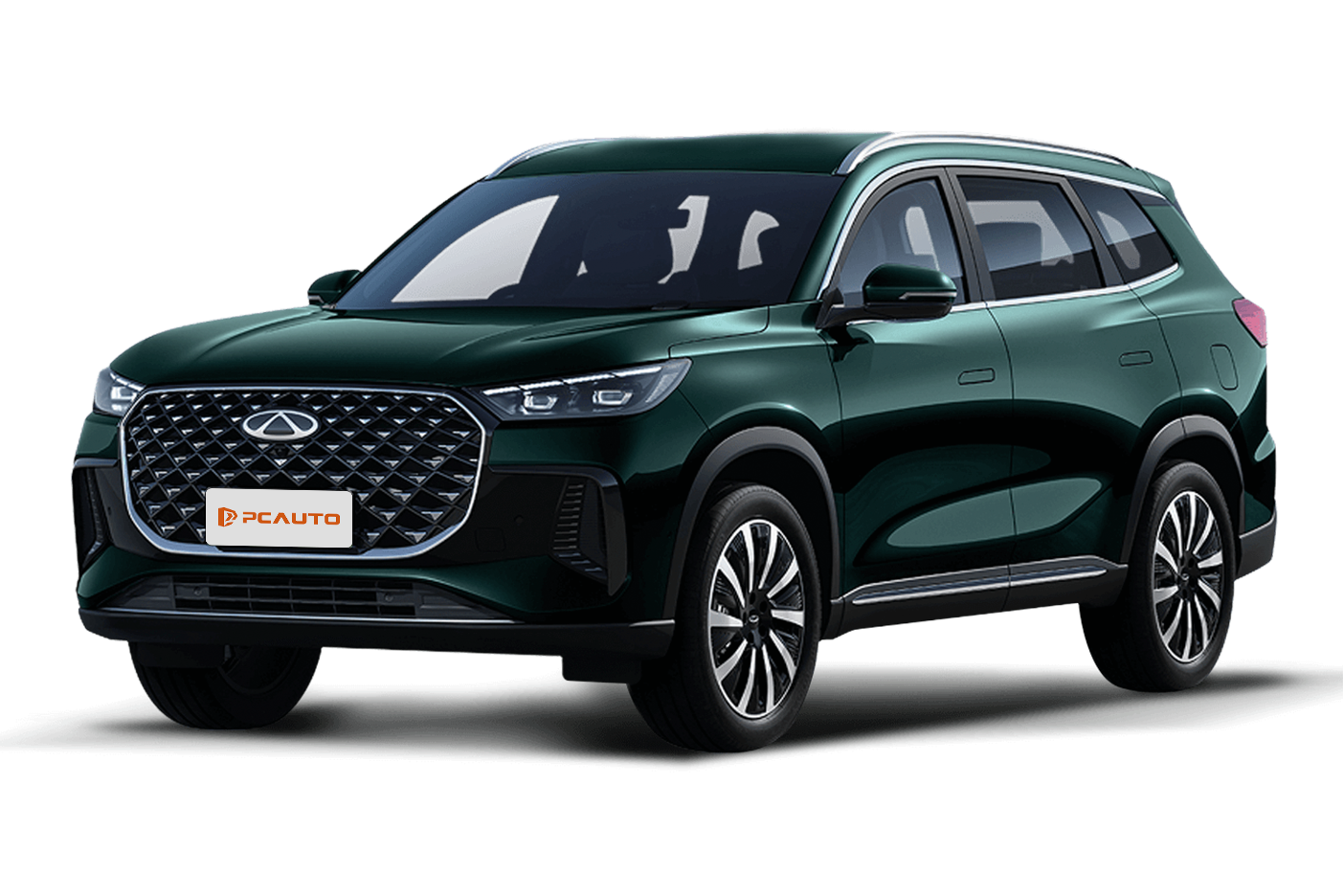
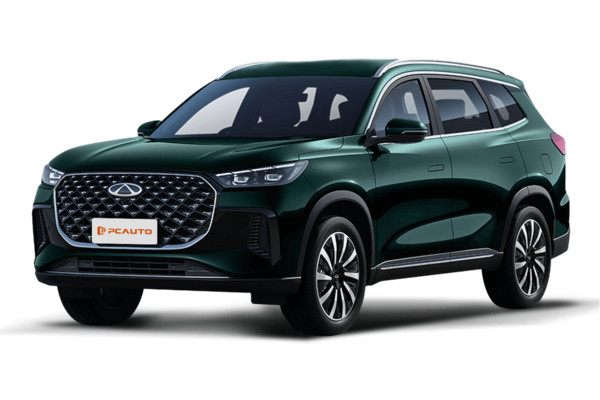
2026 Chery Tiggo 8 is a D-Segment SUV aimed at family users, offering superior configurations, practical space, and smooth power at a high cost-performance ratio, meeting both commuting and light off-road needs.
16
Rank in SUV

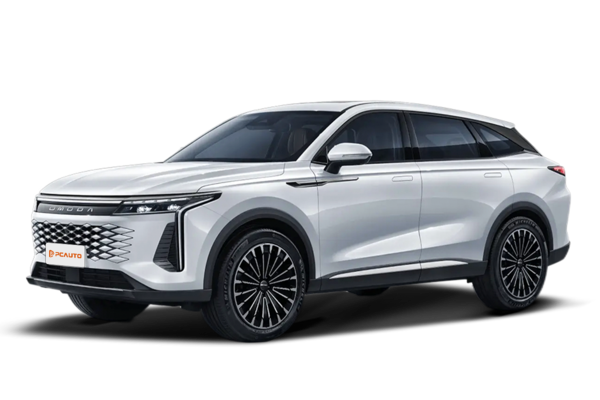
2024 Chery OMODA C9 2WD with 2.0T+8AT powertrain, L2 level assistance, and dual 12.3-inch screens, breaking the stalemate in the D-Segment market and becoming a high-value disruptor.
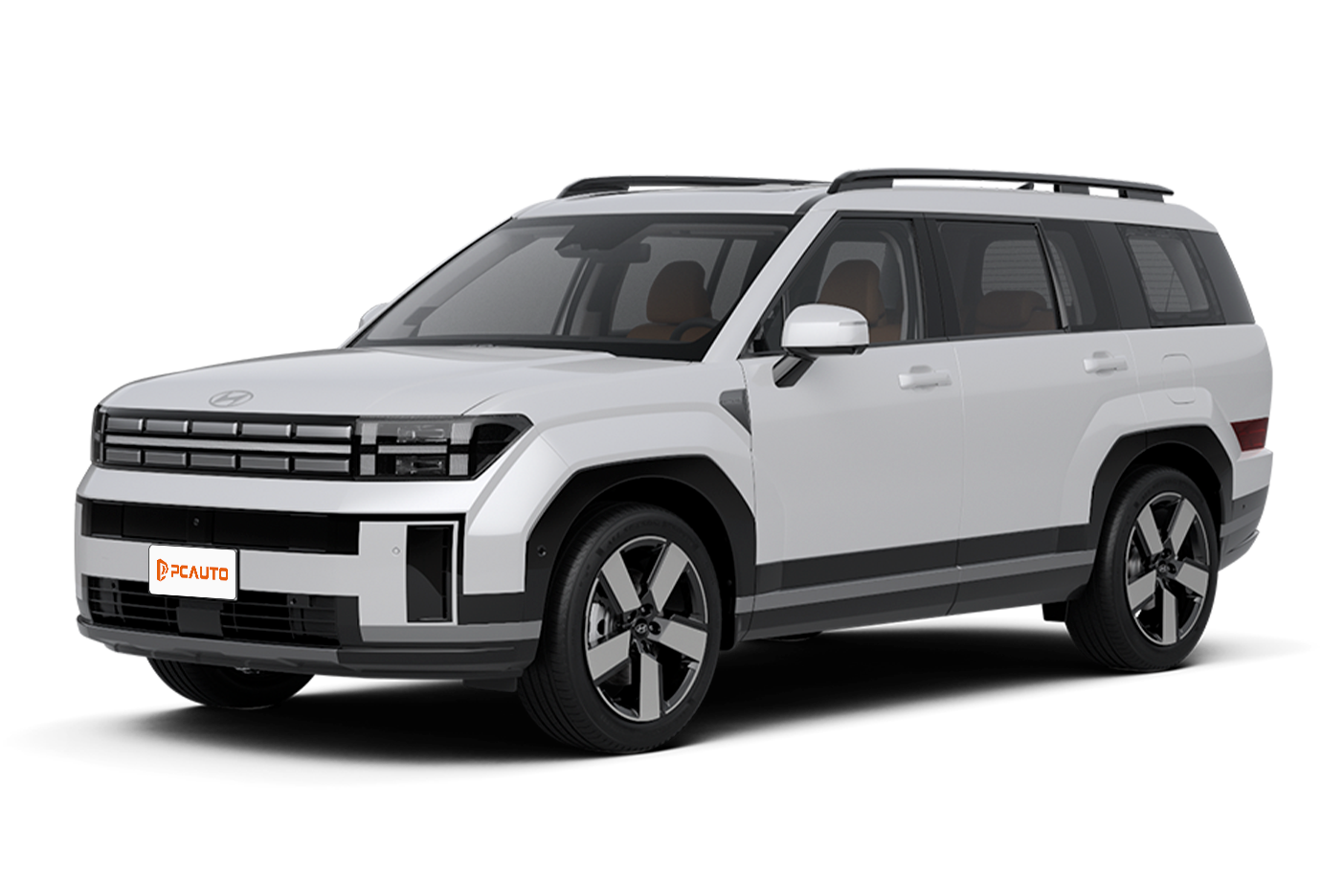
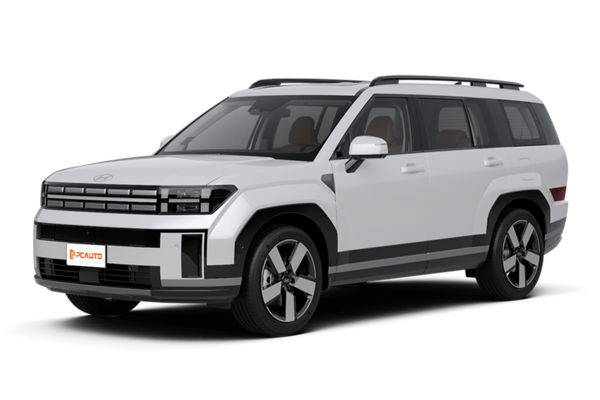
2025 Hyundai Santa Fe HEV Prime is a mid-level 7-seater hybrid SUV that balances fuel efficiency and practical space, with an enduring design and well-rounded features, meeting family needs.

2022 Volvo XC60 B5 Momentum is a mid-size luxury SUV with strong safety features, equipped with a 48V mild hybrid system, practical space, and high cost-effectiveness, meeting the needs of both families and young users.