

Subaru Forester 2021 Review

 Share
Share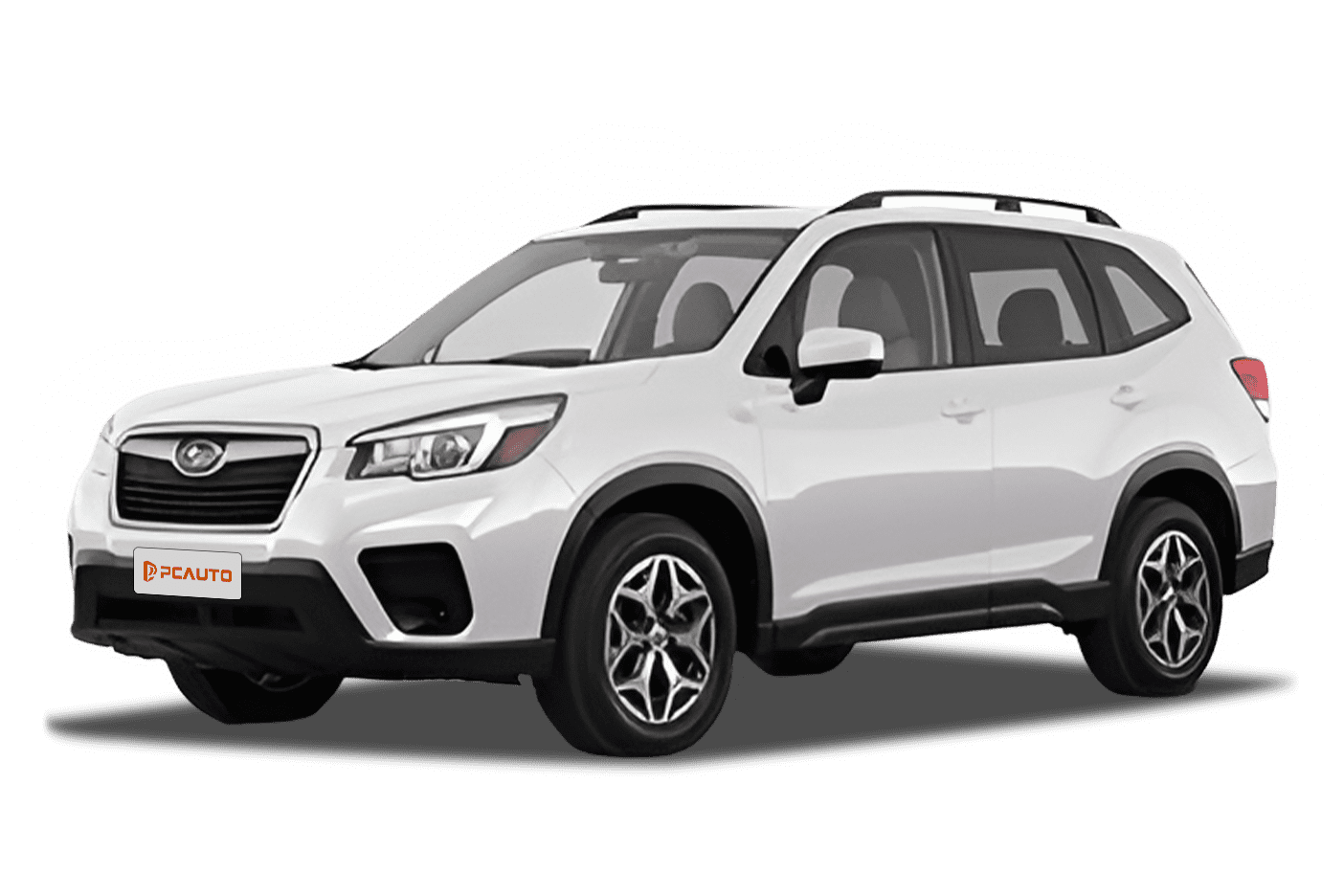
 Segment
 Body Type
 Capacity(L)
 Engine Power(PS)
 Transmission
 Driven Wheels
Nowadays, the competition in Malaysia's C-Segment SUV market is becoming increasingly intense. Consumers pursue a balance of spacious practicality, safety features, and driving experience. As a veteran in this segment, the Subaru Forester, specifically the 2021 2.0i-L GT Lite model, attempts to attract pragmatic users with its comprehensive features and Subaru's signature AWD system. The main purpose of this test drive is to verify the vehicle's real-world performance in daily commuting and family travel scenarios, as well as to determine whether its features can stand out in the same price range.
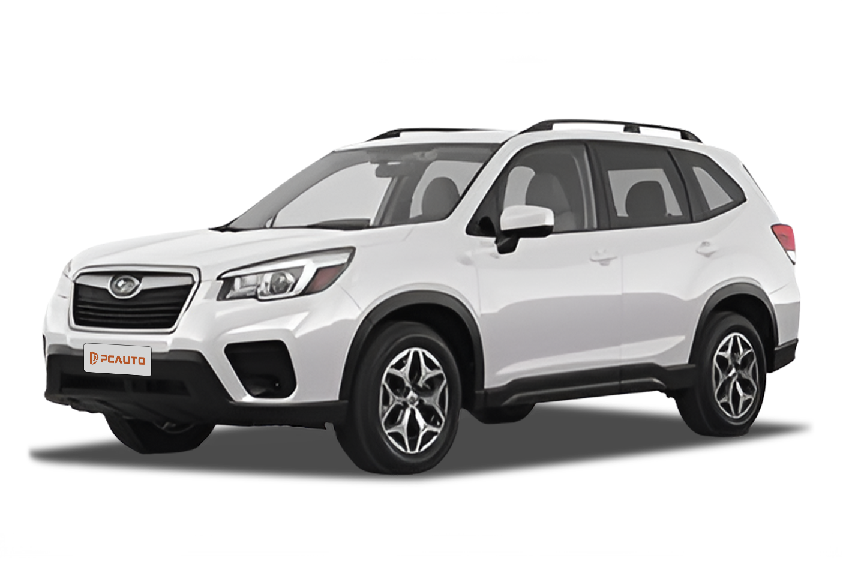
From the exterior, the 2021 Forester 2.0i-L GT Lite retains the family's robust styling. The front features a hexagonal grille adorned with chrome accents, connecting with the LED headlights on both sides, giving it a wider visual appearance. The side profile has straight lines, while the recessed design on the lower part of the doors adds a sense of layering. The 17-inch alloy wheels have a simple design, aligning with the SUV's practical positioning. At the rear, the horizontally arranged LED tail lights and the silver skid plate under the rear bumper add a hint of off-road character. The overall design leans towards stability, offering enough recognizability without being overly flashy.
Inside the cabin, black serves as the main color tone, with the center console wrapped in soft-touch materials and accented by silver trims. The texture is above average within the same class. The layout in the central control area is clear, featuring an 8-inch touchscreen in the center that supports Apple CarPlay and Android Auto with decent operational smoothness. The multifunction steering wheel comes standard with paddle shifters, while the left side integrates controls for cruise control and safety assistance systems, offering good convenience. For seating, the front driver and passenger seats are both 8-way electrically adjustable, with leather upholstery providing moderate support and wrapping, making long drives less tiring. The rear seats support a 60:40 split-fold configuration, expanding the trunk capacity from 520L to 1770L when folded down, accommodating the transportation of large items. In terms of space, the 2670mm wheelbase provides ample rear legroom, with a 175cm passenger enjoying two fists of knee room and sufficient headroom. The rear seats are also equipped with independent air conditioning vents and USB ports, taking care of passenger comfort in the back.
In the power department, the 2.0L naturally aspirated engine produces a maximum output of 156PS at 6000rpm and a peak torque of 196N·m at 4000rpm, paired with a CVT transmission. During daily driving, the initial acceleration is relatively smooth, and the throttle response is linear, making it suitable for city commutes. At mid-to-high speeds, pressing the throttle deeper causes the CVT to simulate gear shifts, and power delivery progressively increases. Overtaking requires leaving enough preemptive distance. The overall performance is decent and poses no issues in meeting household use. For the chassis, the front MacPherson strut and rear double-wishbone independent suspension are tuned for comfort, effectively filtering road vibrations when encountering speed bumps or uneven surfaces. The car body exhibits minimal sway. During cornering, the AWD system provides good grip, and the body roll is controlled within a reasonable range, ensuring decent driving stability. Regarding fuel consumption, real-world tests on mixed road conditions showed approximately 7.8L/100km, which is not far from the official figure of 7.4L/100km. Its fuel economy is considered average among SUVs in the same segment.
The driving assistance system is one of the highlights of this car. The EyeSight system includes Forward Collision Warning, Automatic Emergency Braking, Lane Departure Warning, and Adaptive Cruise Control. In actual tests, the sensitivity of the Forward Collision Warning is moderate and can remind the driver in a timely manner; the Adaptive Cruise Control performs stably on highways and can automatically adjust the speed following the car ahead. In terms of safety features, 7 airbags, ESP, reverse radar, and a reversing camera are all standard, further enhancing driving safety. Regarding noise control, the cabin noise at speeds below 60km/h is low, with tire noise and engine noise not being obvious; at speeds above 80km/h, wind noise begins to creep into the cabin but does not affect normal conversation.
Overall, the core advantages of the 2021 Subaru Forester 2.0i-L GT Lite lie in its comprehensive safety features, spacious interior, and practical AWD system. Compared to similarly priced Honda CR-V 2.0L or Toyota RAV4 2.0L, it offers more comprehensive safety assistance systems, standard AWD, and comparable space performance, but its power output is slightly inferior to its competitors. This car is suitable for users who prioritize family safety and occasionally need to handle unpaved roads, especially those who often take long family trips or live in rainy areas. If you are looking for a well-rounded family car and don’t mind slightly weaker power, the Forester 2.0i-L GT Lite is a worthy option to consider.
Subaru Forester Car Compare
Subaru Forester Loan Calculator
More Subaru Reviews
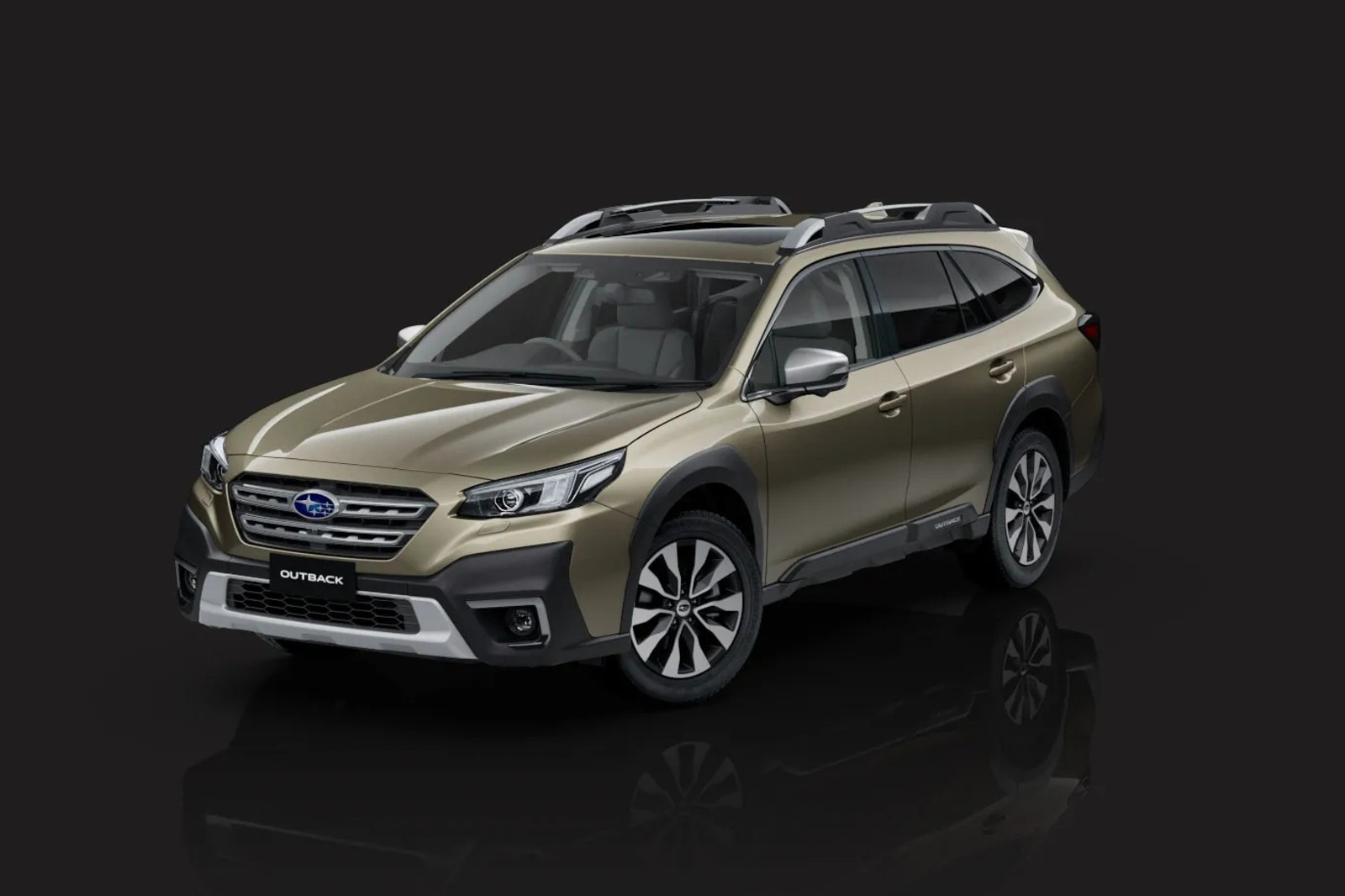
Cars With Similar Price And Features
8
Rank in SUV
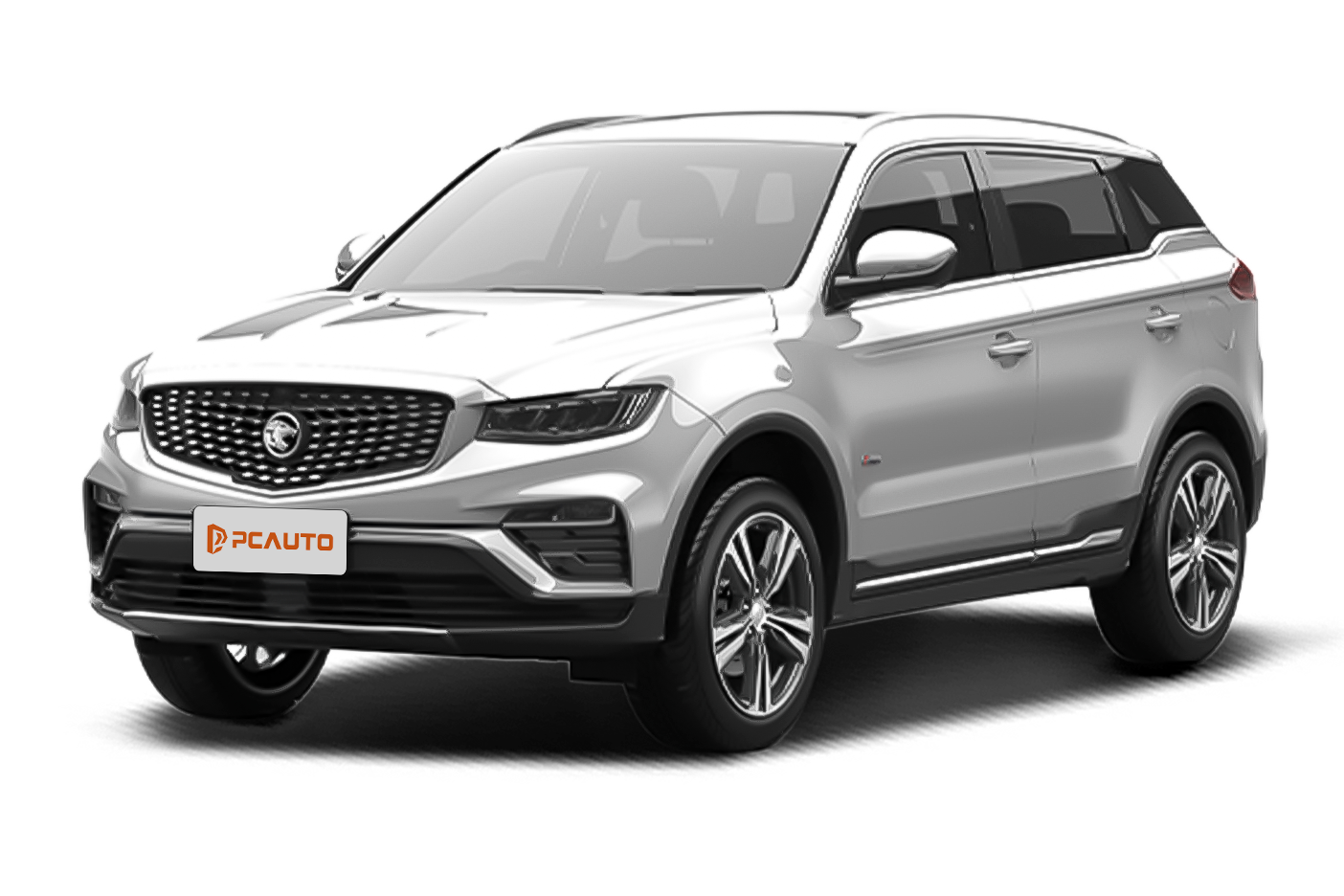
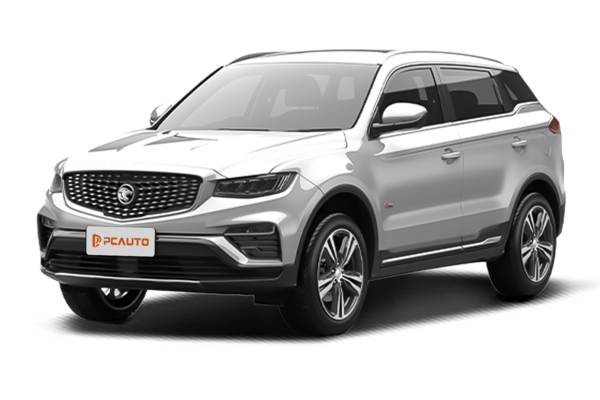
2026 Proton X70 1.5 TGDi Executive focuses on upgrading to a four-cylinder engine, practical configurations, and affordable pricing. It balances family commute practicality with value for money, making it a sensible choice among similarly priced C-segment SUVs.
10
Rank in SUV
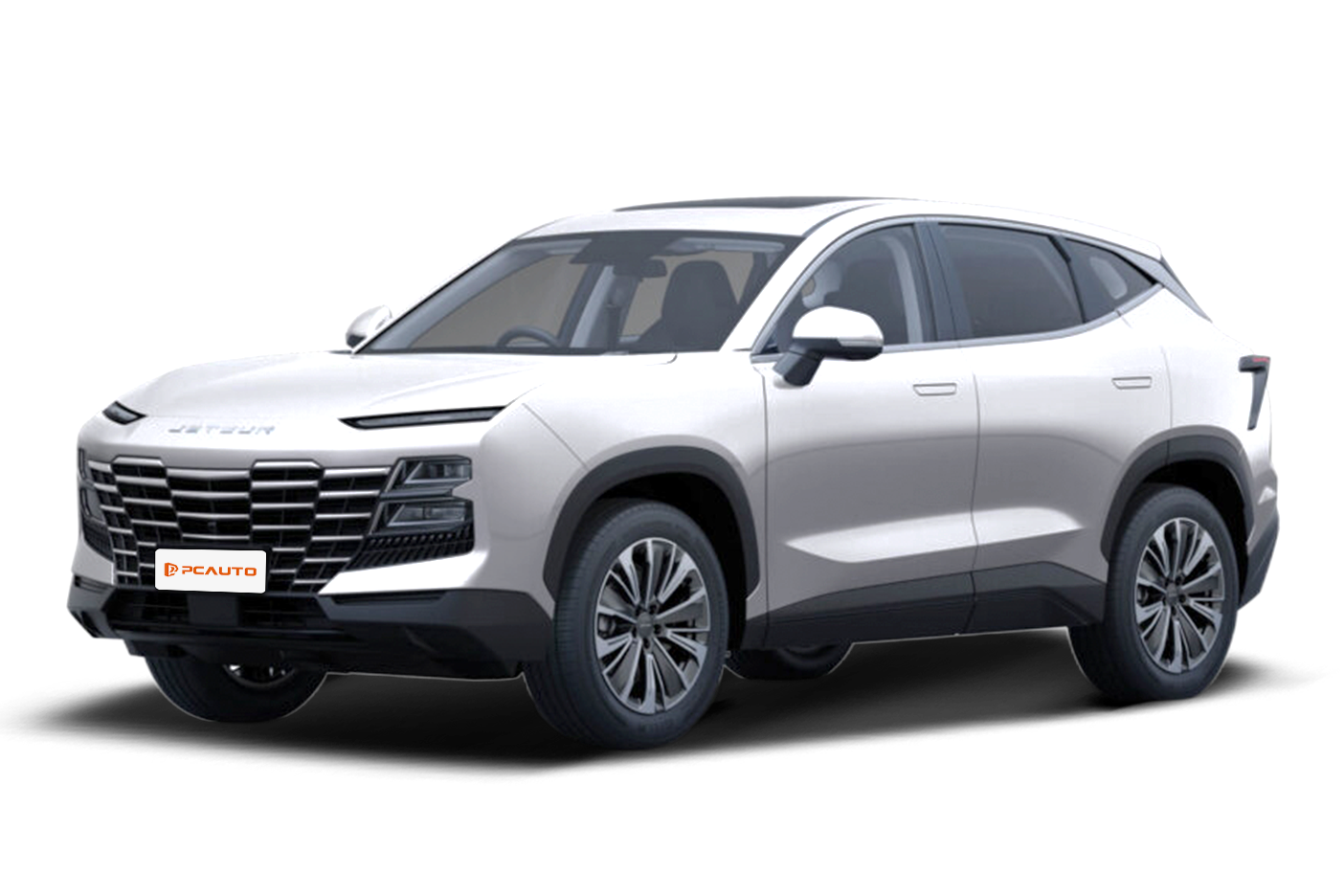
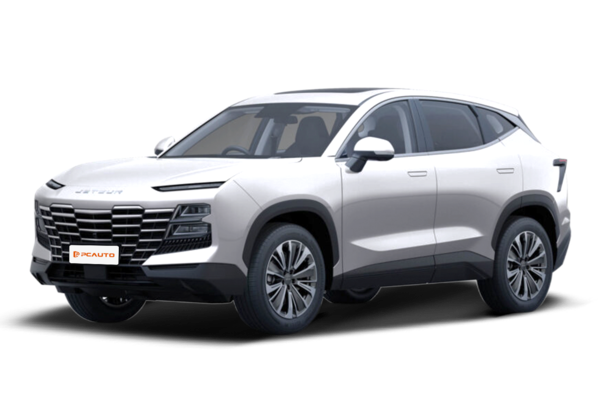
Jetour Dashing 1.5 TCI Comfort 2025 features a 2720mm long wheelbase and a 10.25-inch dual screen as its core, focusing on balanced cost performance to meet family practical needs.
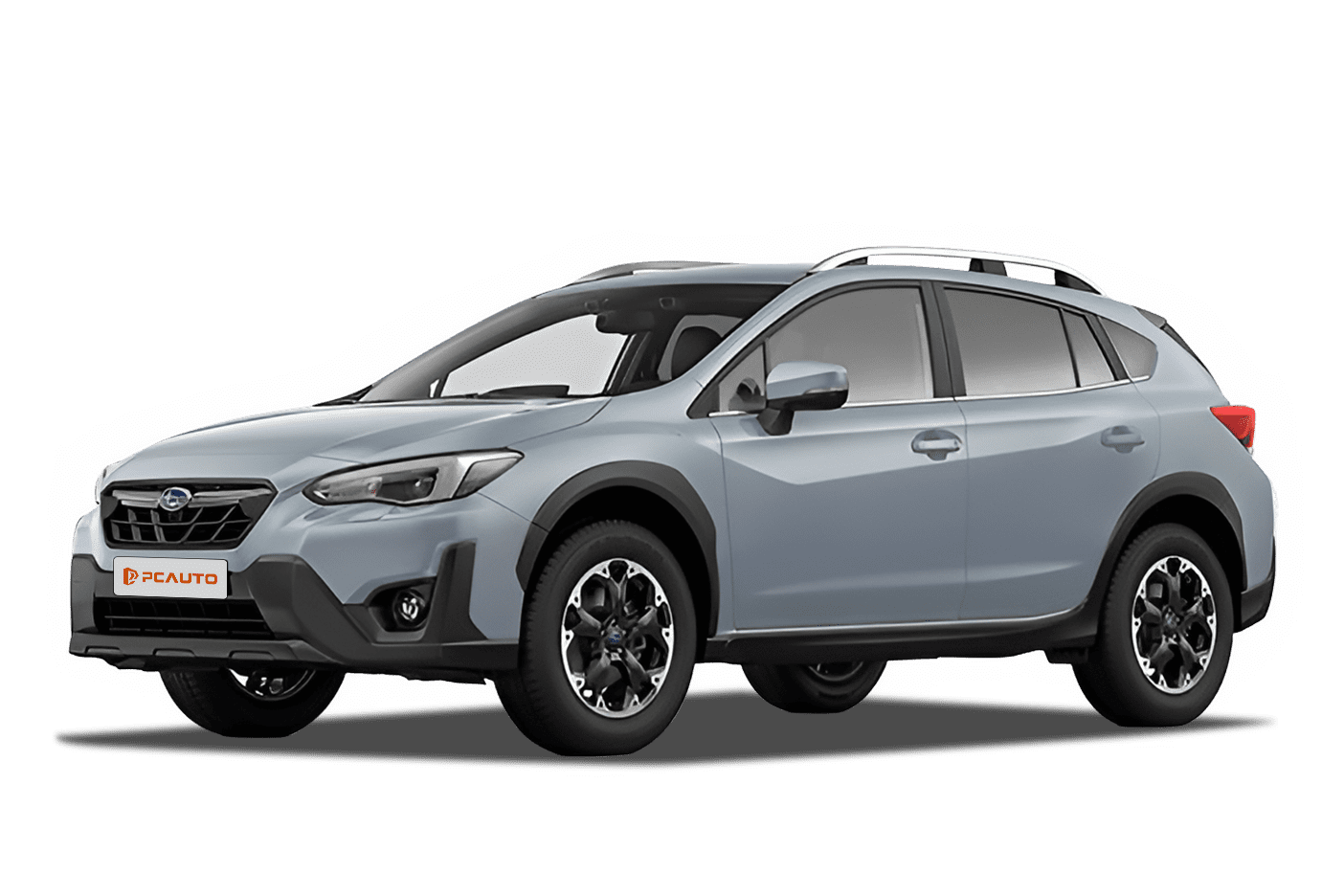
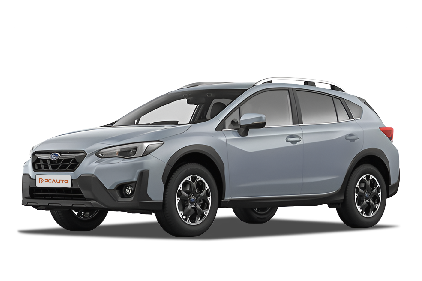
The 2021 Subaru XV 2.0i is a model targeting the C-segment crossover market, equipped with standard all-wheel drive and high safety features, balancing off-road capability and handling, with practical space.

2021 Hyundai Kona 2.0 Standard, as a high-value entry-level compact SUV, retains essential safety and practical features with an affordable price, meeting the daily commuting and loading needs of families.