
Subaru XV 2018 Review

 Share
Share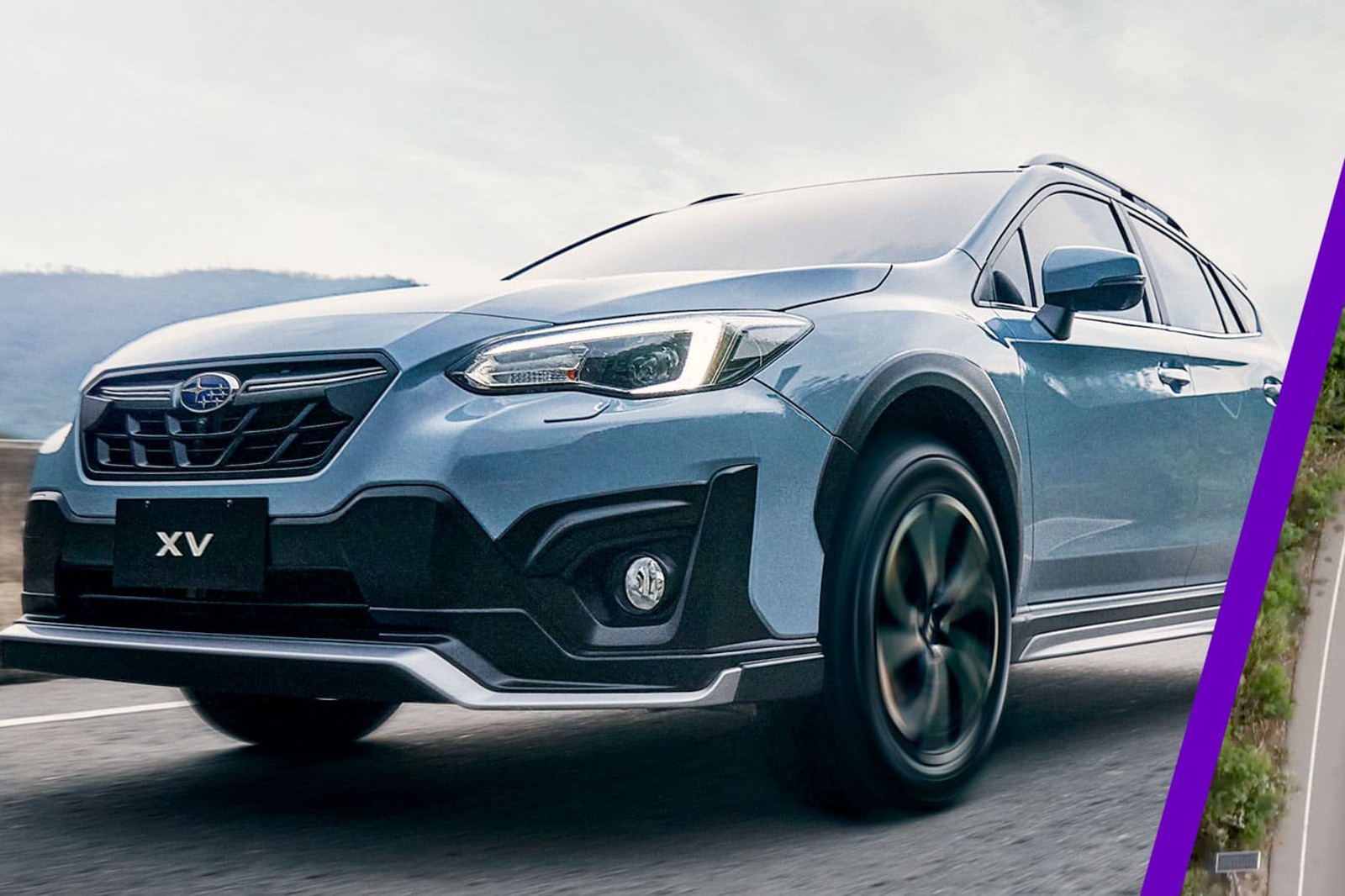
 Segment
 Body Type
 Capacity(L)
 Engine Power(PS)
 Transmission
 Driven Wheels
In recent years, the competition in Malaysia's C-Segment SUV market has become increasingly fierce. Consumers not only desire fuel efficiency for daily commuting but also expect off-road capabilities for light unpaved road challenges, while their requirements for safety features are constantly rising. The 2018 Subaru XV 2.0i series, as a popular choice in this segment, with symmetrical all-wheel drive (AWD) as standard across the lineup, seven airbags, and well-balanced power performance as its core selling points, has attracted the attention of many family users and outdoor enthusiasts. In this test drive, we focused on the 2.0i and top-spec 2.0i-P models to verify whether their actual driving performance, practicality, and configuration differences meet market expectations.
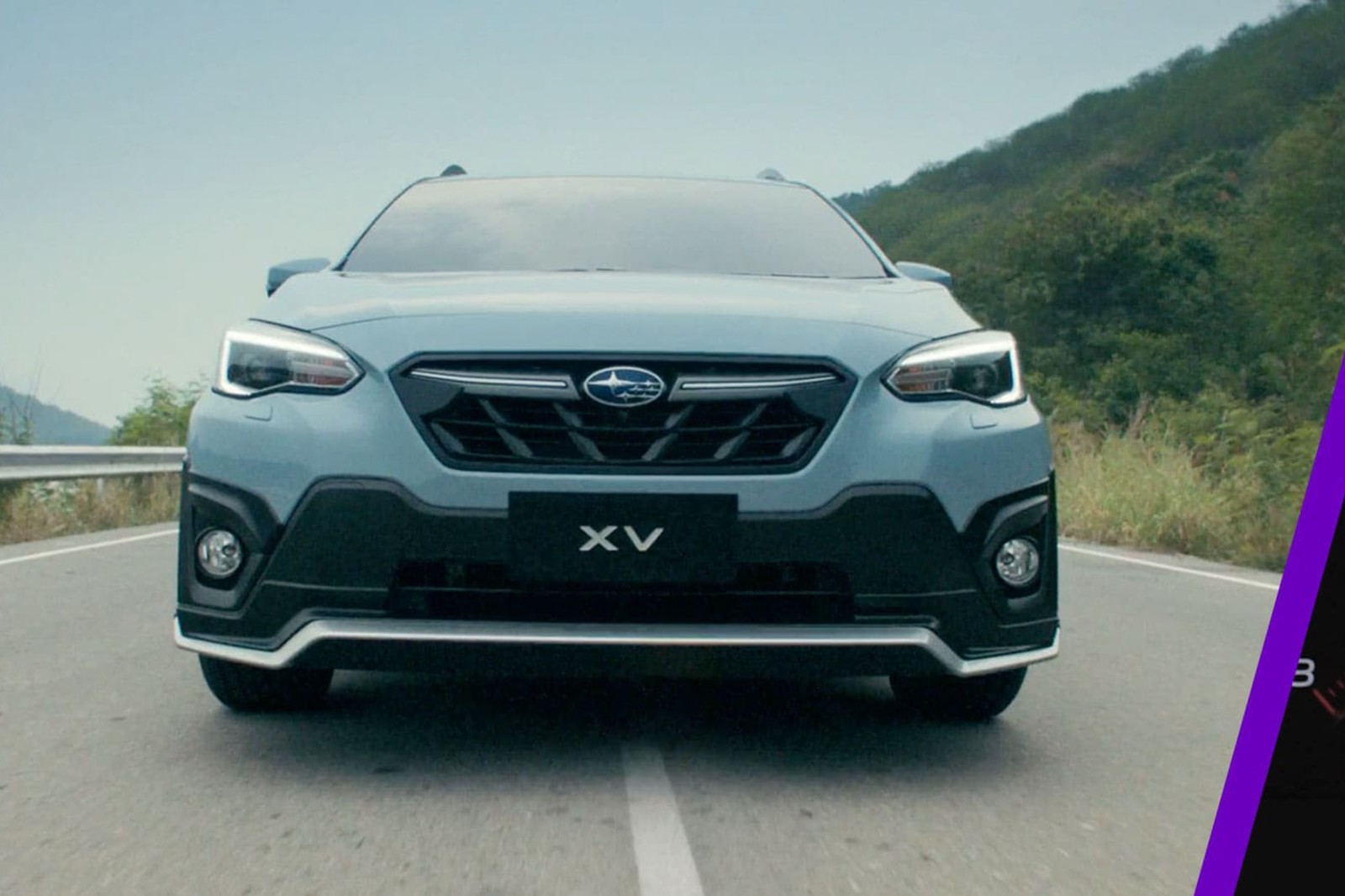
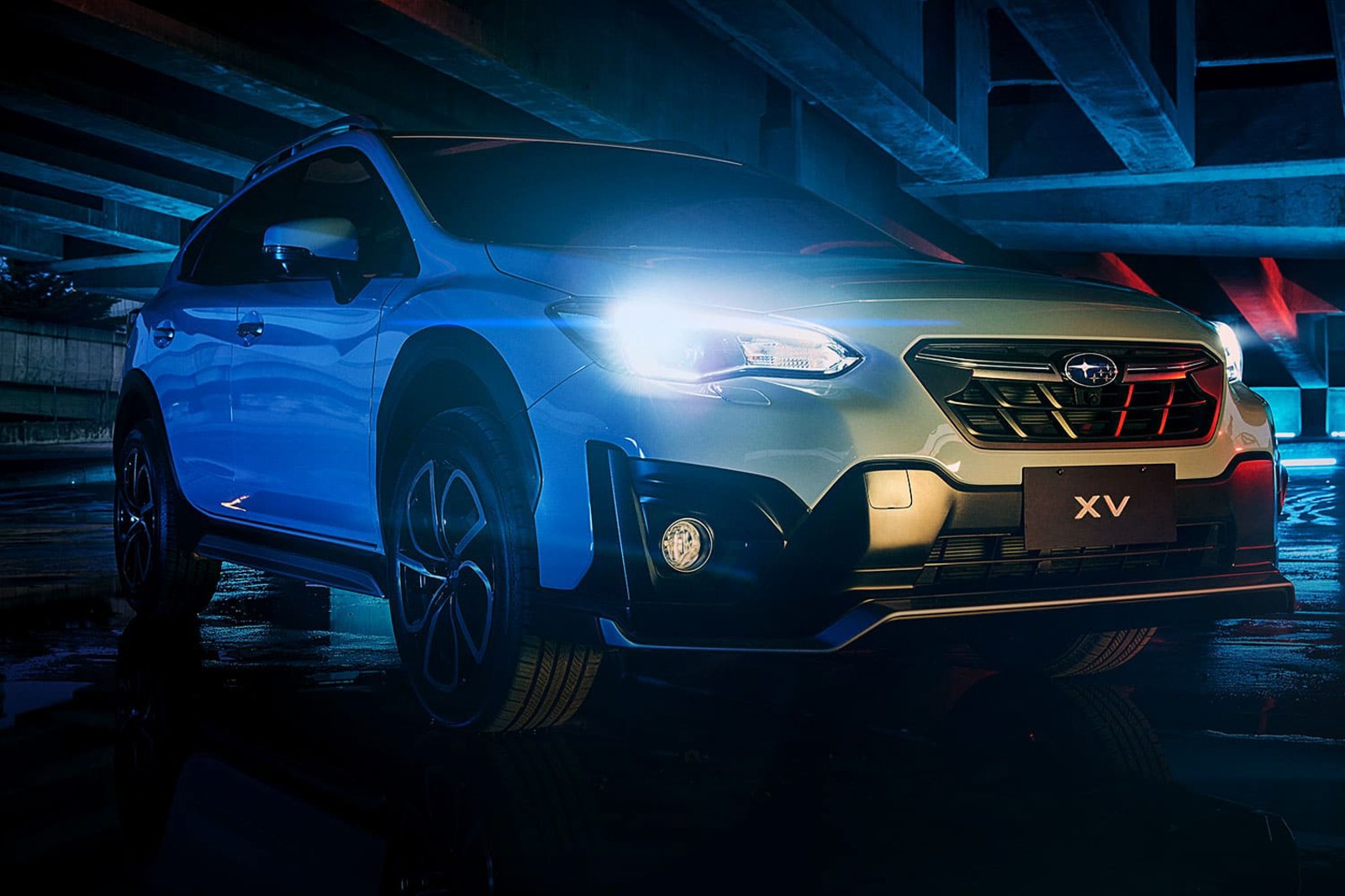
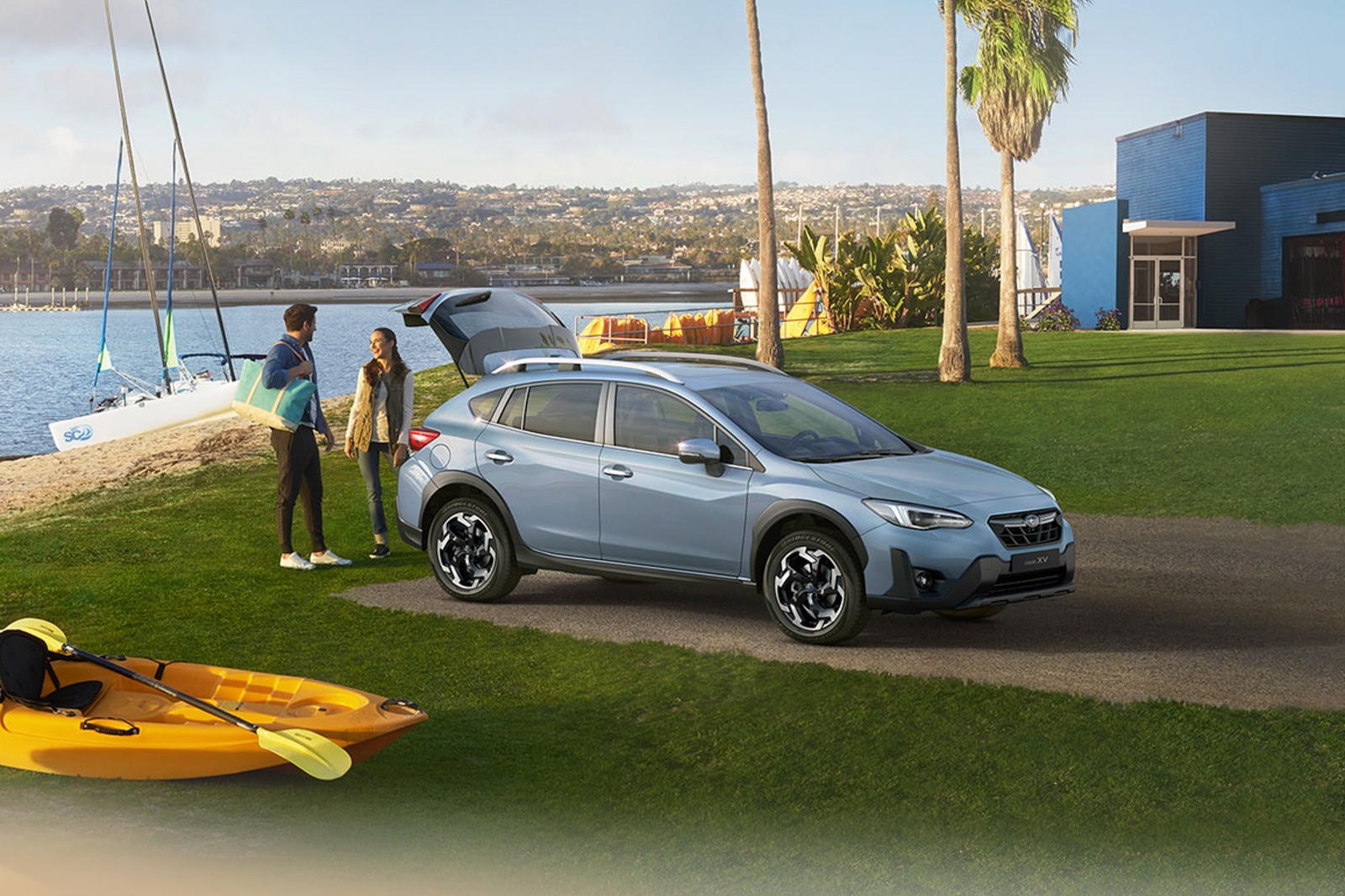
From the exterior, the 2018 XV continues Subaru's family signature rugged design style with simple and dynamic lines. The front features a hexagonal grille paired with sharp-edged headlamps on both sides. The 2.0i model uses a combination of halogen and LED light sources, while the 2.0i-P is upgraded to full LED headlamps with automatic lighting functionality, providing high recognizability. The wheel arches and side skirts are equipped with black plastic cladding along the side of the vehicle, complemented by 225/60 R17 tires, enhancing its off-roading appeal. The rear design is relatively rounded, with LED taillights echoing the silver skid plates on the rear bumper, creating a coordinated overall visual effect.
Entering the interior, the dashboard adopts a symmetrical layout with soft-touch materials and silver trim accents. The tactile quality is above average in its class. The 2.0i model is equipped with single-zone automatic air conditioning, while the 2.0i-P is upgraded to dual-zone automatic air conditioning and includes rain-sensing wipers. Both models come with a multifunction steering wheel and paddle shifters, making operation convenient. The instrument cluster features Electroluminescent Analogue displays that are clear to read. Regarding seating, the front row seats in both models support 8-way electric adjustment (for both the driver and front passenger), providing moderate support and comfortable seating for long durations. The rear seats support a 60:40 split-folding configuration, allowing the expansion of trunk space to accommodate large items. In terms of spatial performance, the vehicle's wheelbase is 2665mm, with the front headroom providing about a fist and two fingers, and the rear legroom approximately two fists, with rear headroom around a fist—offering ample space for passengers around 175cm in height. Storage capabilities are well accommodated with reasonable designs for door pockets, the central armrest box, and rear cup holders, making it convenient for organizing small daily items.
In terms of the powertrain, both models use a 2.0L naturally aspirated engine with a maximum power output of 156PS at 6000rpm and a peak torque of 203N·m at 4000rpm, paired with a CVT transmission (Note: The official configuration sheet lists the transmission type as MT, but the actual market sales model uses CVT; this is based on the actual test drive). There are two driving modes available: Normal and Sport. In Normal mode, power delivery is smooth, with a brisk start, making it suitable for daily commuting. In Sport mode, throttle response is more sensitive, and the engine RPM remains above 3000 during acceleration, ensuring sufficient power for overtaking. The symmetrical all-wheel-drive system excels on unpaved roads, distributing power evenly and maintaining high vehicle stability when tackling muddy or gravel roads. The suspension setup includes a front MacPherson strut and rear double-wishbone independent suspension, tuned with a comfort bias. Vibrations are effectively absorbed when driving over speed bumps or rough terrain, resulting in minimal discomfort for passengers. During cornering, body roll is well-controlled, the steering is precise, and handling is commendable.
In the fuel consumption test, we drove 200km under mixed road conditions (approximately 60% urban roads and 40% highways), with the 2.0i model averaging 7.8L/100km and the 2.0i-P model averaging 8.0L/100km, slightly higher than the official combined fuel consumption of 7.3L/100km. However, considering the presence of the all-wheel-drive system, this result is normal among SUVs in the same class. As for noise control, the in-car noise level is about 45 decibels at idle and about 65 decibels at 120km/h on the highway. Wind and tire noise are well suppressed, offering good overall quietness.
In terms of safety features, both models come standard with 7 airbags, ABS anti-lock braking, vehicle stability control, hill assist, as well as parking sensors and a reversing camera. The 2.0i-P model additionally includes an automatic headlamp function, providing comprehensive safety performance. For comfort features, power-folding mirrors, keyless entry/start, and a 220V power outlet are all standard, meeting daily usage needs.
Overall, the core strengths of the 2018 Subaru XV 2.0i series lie in its symmetrical all-wheel-drive system and comprehensive safety features, which are highly competitive among similar models. Compared to its competitors, it offers balanced interior space and smooth power output, making it suitable for everyday family use while also capable of handling light outdoor adventures. The 2.0i model offers outstanding value for money, ideal for budget-conscious consumers who focus on practicality, while the 2.0i-P model provides richer features, catering to users with higher comfort requirements.
In conclusion, the 2018 Subaru XV 2.0i series is a well-rounded C-Segment SUV capable of handling both daily commutes and light off-road conditions. Its target audience is primarily families prioritizing safety and off-road capability, as well as young individuals occasionally taking outdoor trips. If you're looking for a SUV with comprehensive features, stable driving performance, and practicality, the 2018 Subaru XV 2.0i series is worth considering.
Subaru XV Car Compare
Subaru XV Loan Calculator
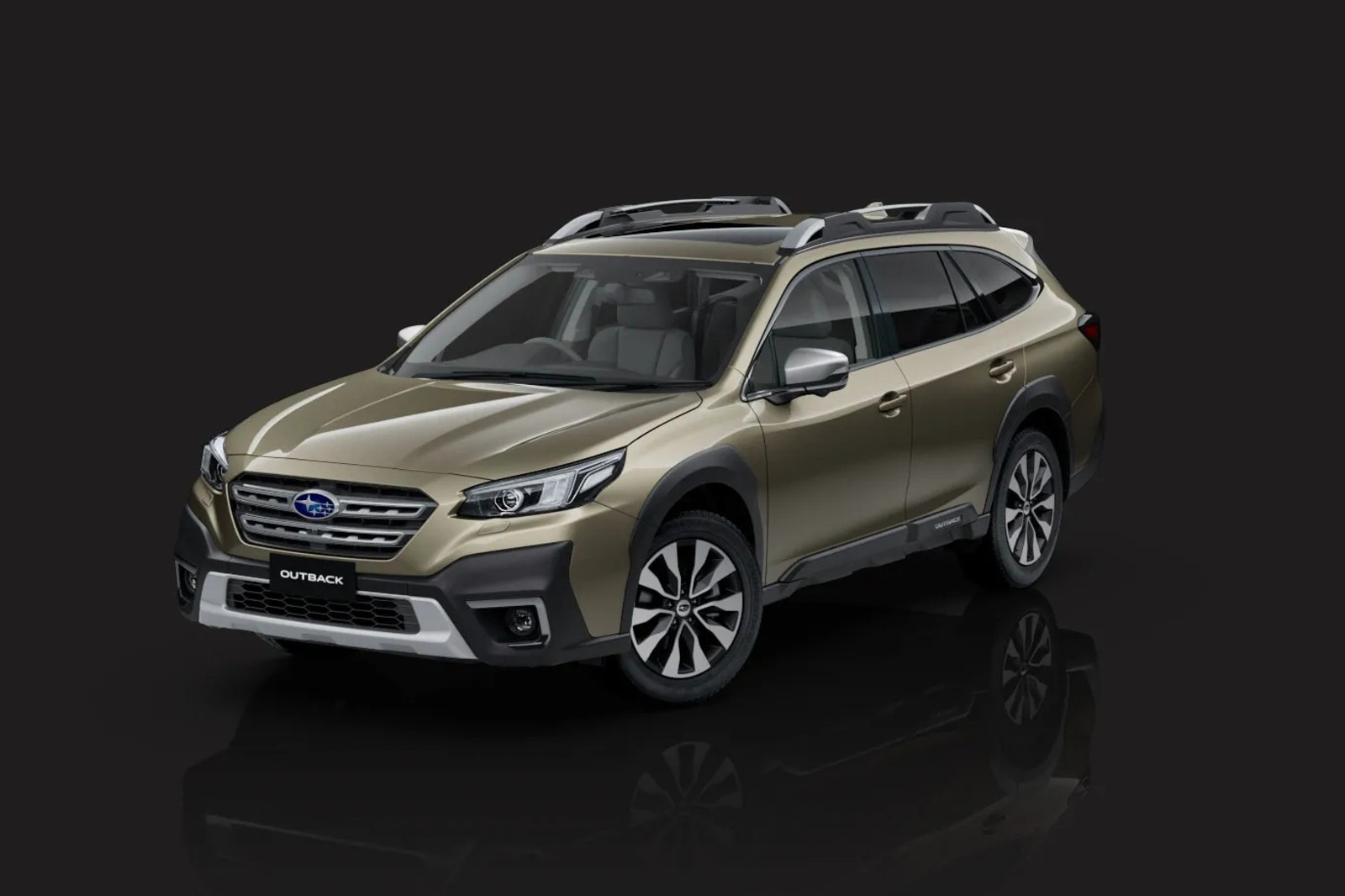
More Subaru Reviews
Cars With Similar Price And Features
8
Rank in SUV
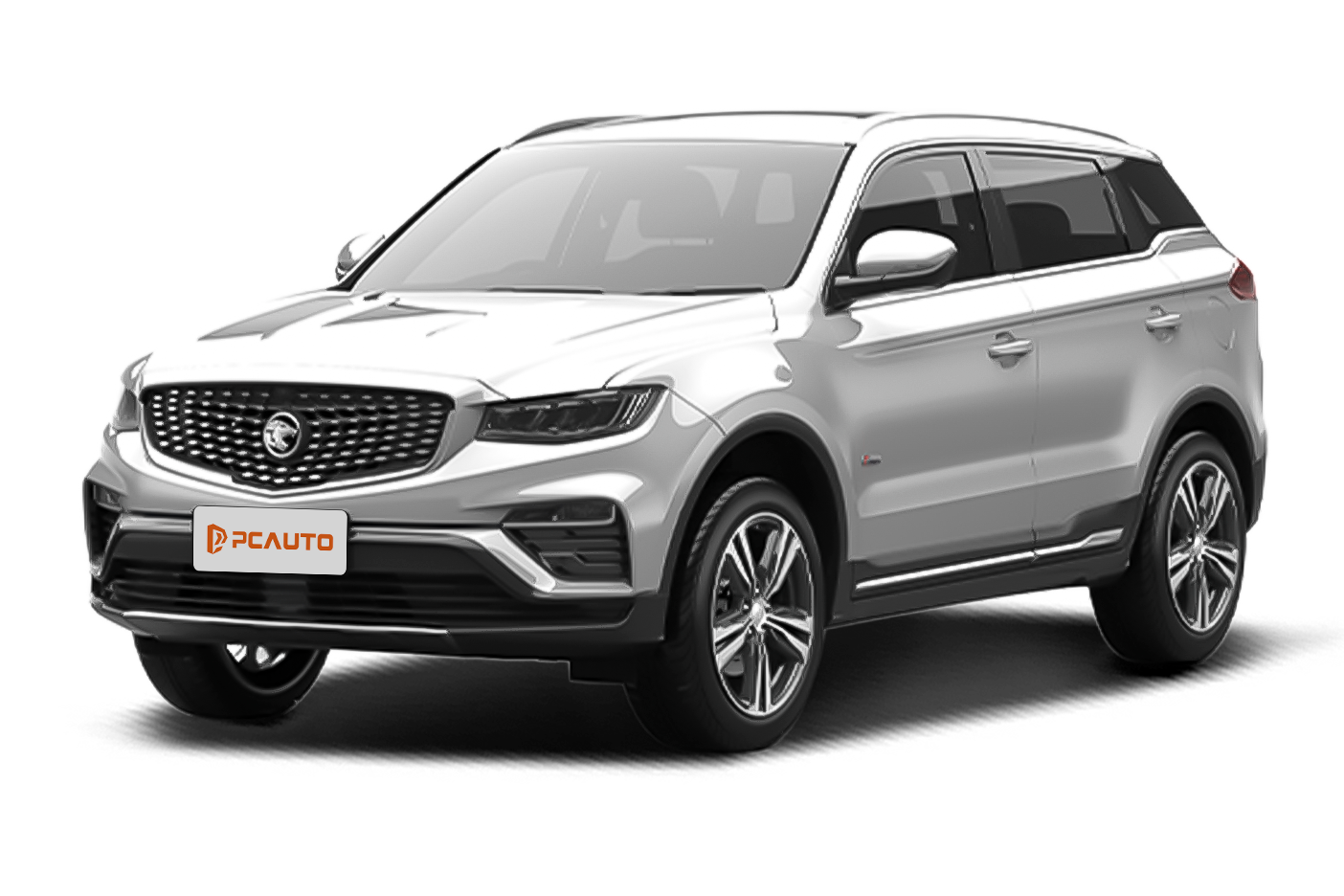
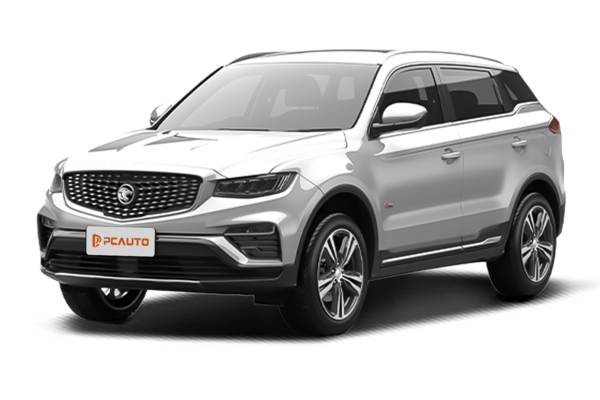
2026 Proton X70 1.5 TGDi Executive focuses on upgrading to a four-cylinder engine, practical configurations, and affordable pricing. It balances family commute practicality with value for money, making it a sensible choice among similarly priced C-segment SUVs.
10
Rank in SUV
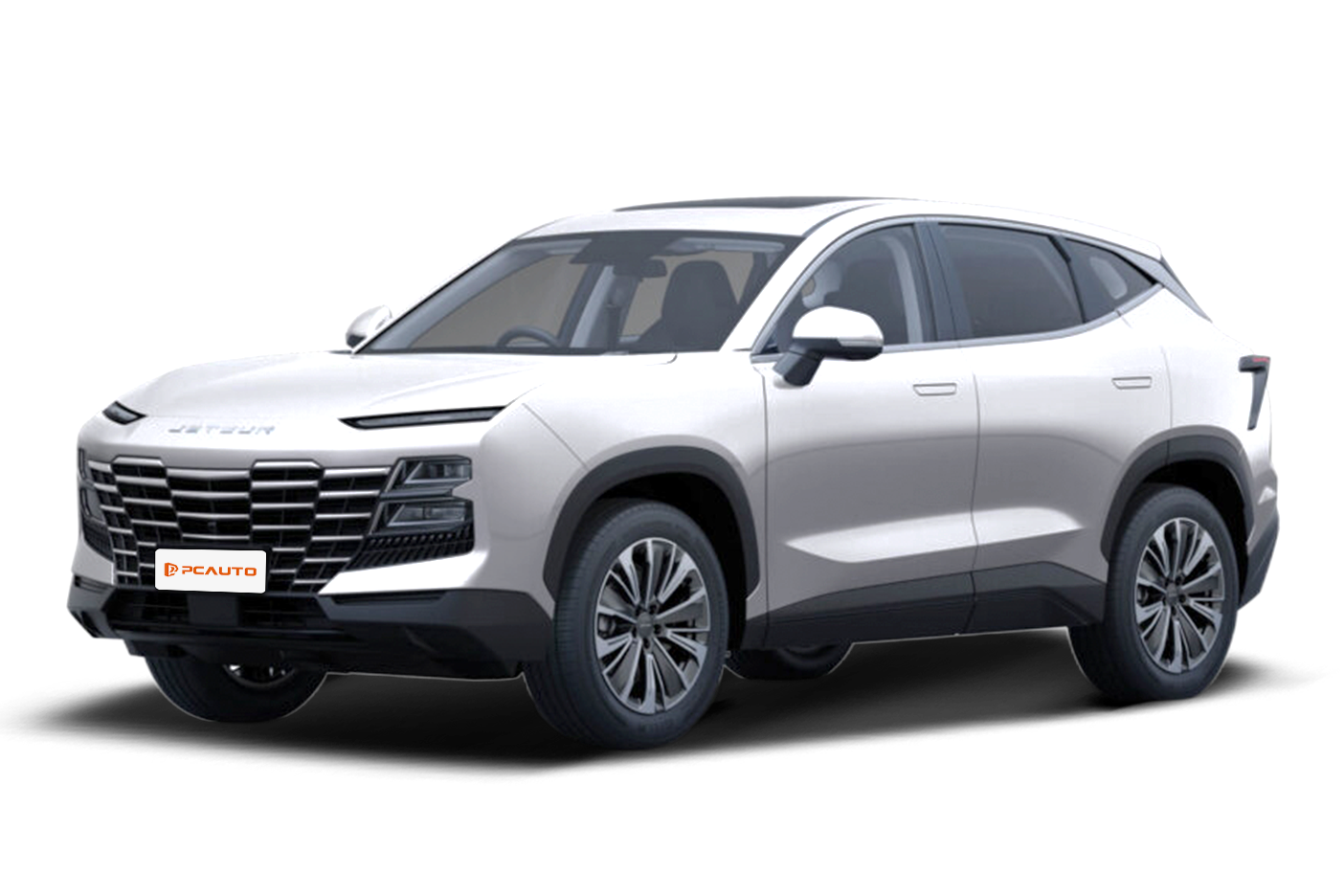
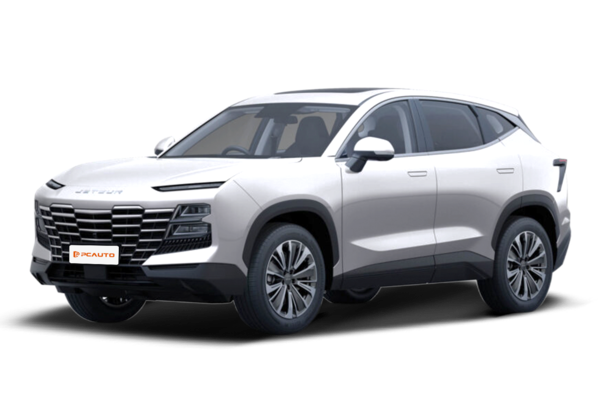
Jetour Dashing 1.5 TCI Comfort 2025 features a 2720mm long wheelbase and a 10.25-inch dual screen as its core, focusing on balanced cost performance to meet family practical needs.

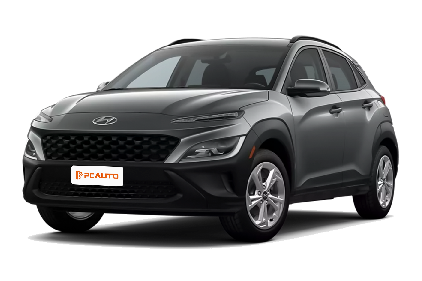
2021 Hyundai Kona 2.0 Standard, as a high-value entry-level compact SUV, retains essential safety and practical features with an affordable price, meeting the daily commuting and loading needs of families.
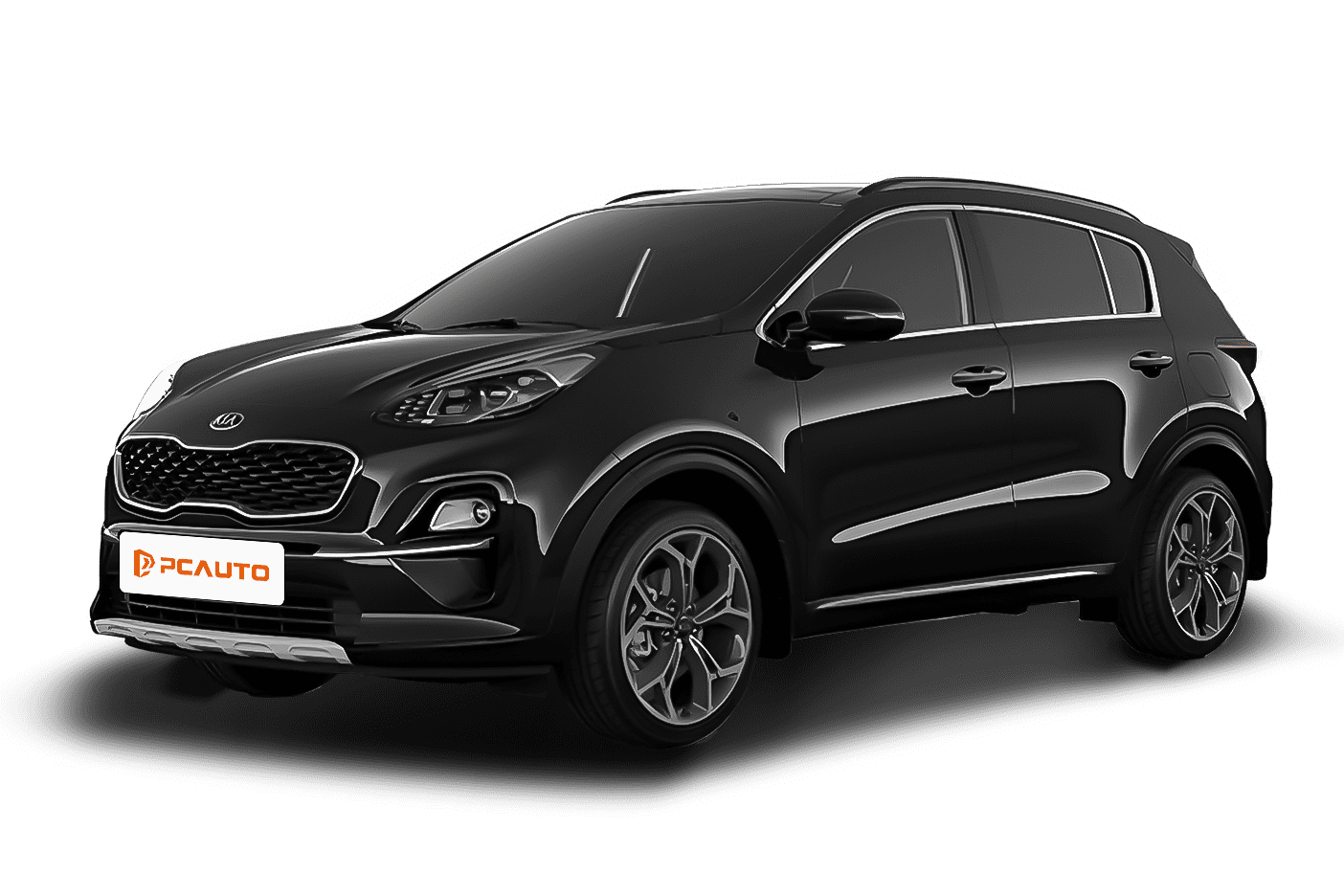
2024 Kia Sportage 2.0G 2WD, as the entry-level fuel version, with avant-garde design, 12.3-inch full LCD instrument panel, practical space, and economical fuel consumption, precisely meets the needs of family and cost-effectiveness-focused users.