

TANK 500 Review

 Share
Share

 Segment
 Body Type
 Capacity(L)
 Engine Power(PS)
 Engine Torque(Nm)
 Transmission
In Malaysia's D-Segment SUV market, family users and practicality-focused consumers are always on the lookout for a vehicle that balances space, features, and fuel economy. After all, meeting the need for fuel-efficient daily commutes while also handling the cargo and terrain challenges of weekend getaways is no easy task. The arrival of the 2025 TANK 500 HEV perfectly addresses this pain point: as a plug-in hybrid SUV, it combines the power responsiveness of a traditional fuel vehicle with the fuel-saving benefits of a hybrid system, all while maintaining the off-road capability of a rugged SUV. The main purpose of this test drive is to verify whether its overall performance in practical use matches its positioning, and whether these highlights genuinely solve core user needs.
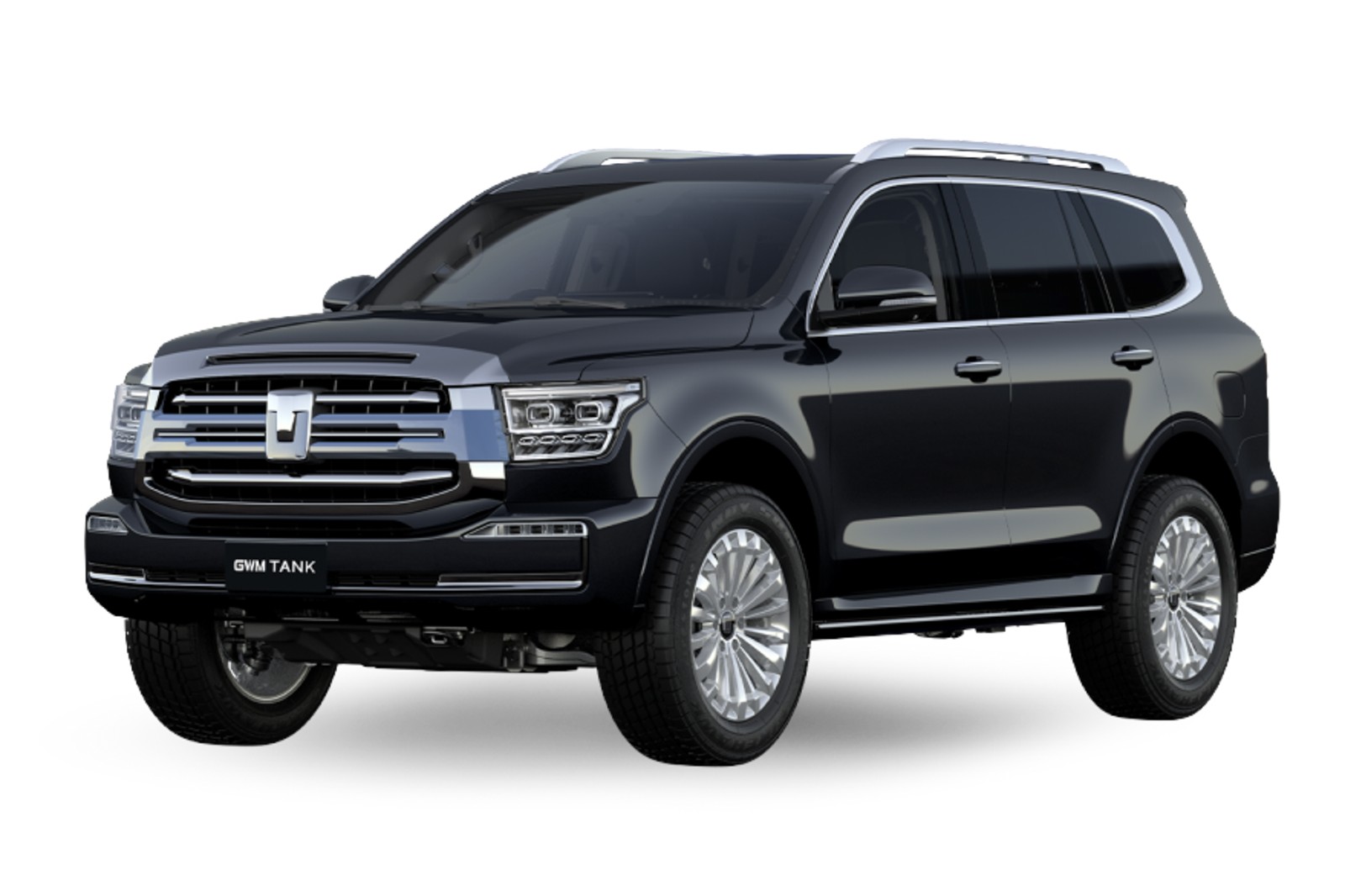
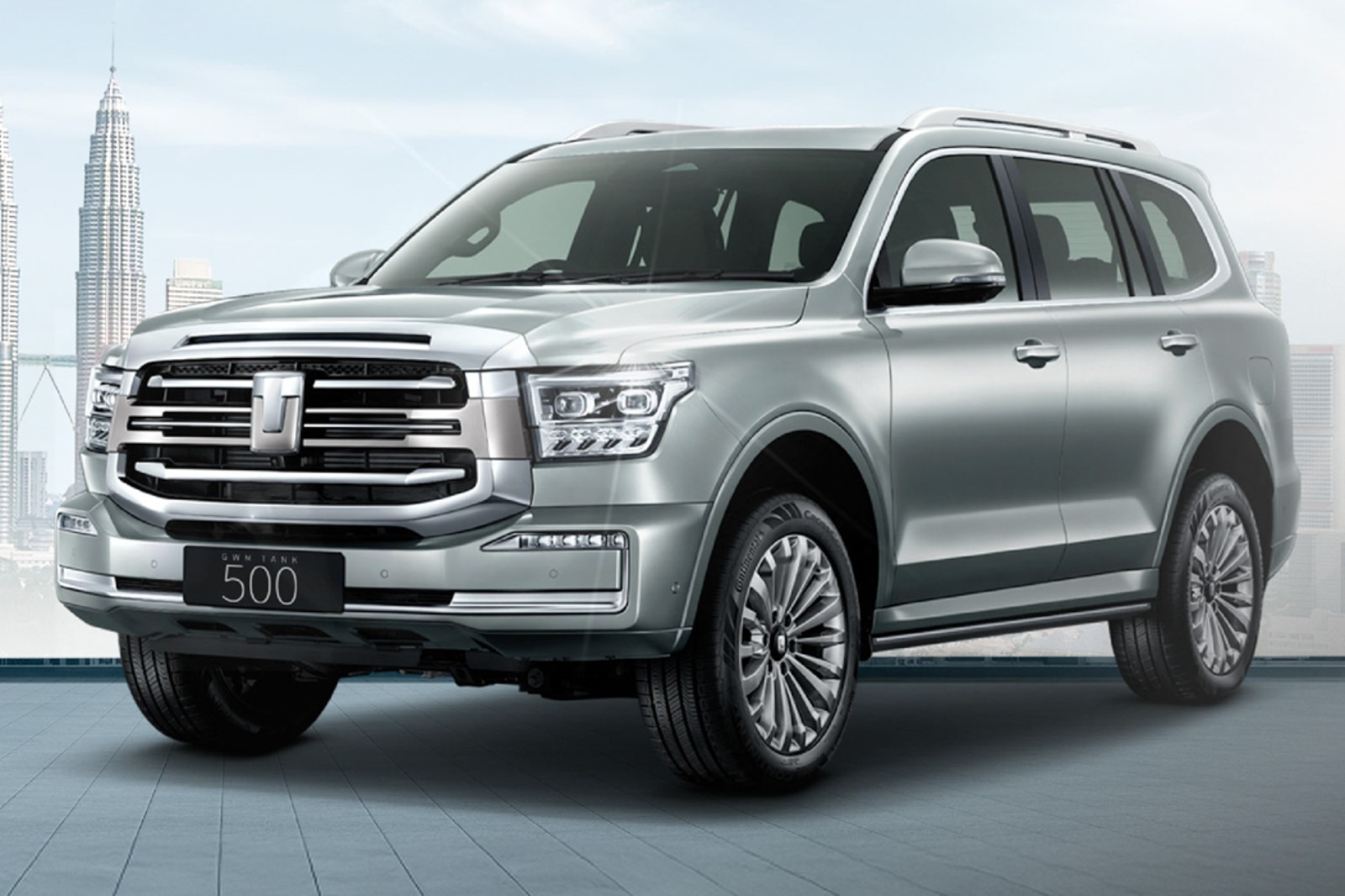
The exterior design of the 2025 TANK 500 HEV continues the brand’s traditional rugged style, marked by its boxy and robust lines. The front features a large-sized chrome grille, paired with smoked LED headlights, which enhance its distinctiveness. The straight waistline of the car extends from the fender to the rear, complemented by 20-inch multi-spoke wheels and 265/50 R20 tires, further emphasizing its off-road vibe. At the rear, vertically arranged LED taillights echo the front’s design, while the silver skid plate below the rear bumper adds depth to the design. As for the lighting system, LED daytime running lights, automatic headlights, and front fog lights come standard, and the actual brightness when lit is adequate to ensure safety during nighttime driving.
Stepping inside, the materials and craftsmanship of the interior demonstrate the brand’s sincerity: most parts of the dashboard are wrapped in soft leather, paired with wood grain trim panels and metal accents, delivering a texture that matches the D-Segment positioning. The center console revolves around a 14.6-inch touchscreen with a high resolution and a smooth operating interface. Below the screen, some physical buttons have been retained for convenient operation during driving. In terms of features, the 12.3-inch fully digital instrument panel offers rich information, and the HUD display provides real-time projection of speed, navigation, and other data, reducing the need to look down at the screen. The Infinity 12-speaker sound system performs adequately, suitable for everyday music enjoyment. As for seating, the front seats support 8-way electric adjustment for the driver's seat and 6-way for the passenger seat, offering good support and comfort even for long periods of driving. The second-row seats can be adjusted for both forward/rearward movement and backrest angle, while the third-row seats are more suitable for children or adults on short trips.
Space performance is one of the strengths of the TANK 500 HEV: with body dimensions of 5078mm×1934mm×1905mm and a wheelbase of 2850mm, it ranks above average in its class. The front row provides ample space, with 180cm tall testers having about a fist and a half of headroom. The legroom in the second row can reach up to two fists, making it comfortable for three adults to sit side-by-side without feeling cramped. With the third-row seats folded up, the trunk capacity is 98L, which can only accommodate small items. However, folding the third-row seats in a 50:50 split increases the capacity to 1489L, which is sufficient to meet the storage needs of family trips. Regarding storage space, the front and rear door panel storage compartments, the center armrest box, and the glove compartment all offer considerable capacity, making it convenient for storing daily belongings. Both the second and third rows are equipped with air conditioning vents and USB ports, reflecting thoughtful attention to detail.
In terms of powertrain, the TANK 500 HEV is equipped with a combination of a 2.0T turbocharged engine and a permanent magnet synchronous motor, with a total system output of 255kW (346PS) and a combined torque of 648N·m, paired with a 9-speed automatic transmission. During actual driving, the motor intervenes first during the start phase, providing a rapid power response without the lag typically associated with traditional fuel vehicles; after accelerating to 60km/h, the engine begins to exert power, and you can feel a noticeable pushback when pressing the accelerator deeply, giving you confidence when overtaking. The driving modes include Eco, Standard, Sport, and Off-road. In Eco mode, the power output is relatively smooth, making it suitable for daily commuting; in Sport mode, the transmission shifts later with the RPM maintained in a higher range, allowing for more reserved power.
In terms of handling, the steering wheel offers moderate resistance with minimal slack, providing precise directional control. The chassis adopts a front double-wishbone and rear multi-link independent suspension, which is tuned for comfort, filtering out most of the small bumps on the road; when passing over speed bumps or uneven road surfaces, the suspension rebounds cleanly without excessive jolting. As a hybrid SUV, it features a minimum ground clearance of 224mm, an approach angle of 29°, and a departure angle of 25°. Coupled with a full-time four-wheel-drive system, it can handle light off-road conditions (such as unpaved roads or mild cross-axle terrain). However, due to its large body size, there is noticeable body roll during high-speed cornering, so speed needs to be controlled during driving.
Fuel consumption testing was a key focus of this test drive: we selected a mix of urban traffic, highway, and suburban road conditions, covering a total distance of about 200km, with an average speed of 35km/h. During the test drive, the air conditioning was on throughout (24℃ auto mode), and the final displayed fuel consumption was 8.2L/100km, which is not significantly different from the official combined fuel consumption of 7.9L/100km. Its fuel efficiency performs outstandingly in its class among fuel-powered SUVs. Regarding braking performance, the brake pedal travel distance is moderate, with soft braking force in the initial stage and a linear release of braking force in the mid-to-late stages. During emergency braking, the vehicle maintains stability without significant nosediving.
In terms of driving comfort, the TANK 500 HEV features excellent noise control: at speeds below 60km/h, the primary noise inside the car comes from the tires; at speeds above 80km/h, wind noise becomes noticeable but does not interfere with normal conversations. The comfort of the seats has already been mentioned earlier, but here is an additional note: the second-row seatbacks have a large adjustment range, allowing for a reclining position during long trips; the filling of the third-row seats is relatively thin, which might lead to discomfort during long rides. The energy recovery system offers three adjustable levels. In the default mode, the recovery force is moderate and does not create an obvious dragging sensation. Switching to the strongest level makes the deceleration upon releasing the accelerator feel similar to lightly pressing the brake, which can reduce the frequency of brake usage to some extent.
Overall, the 2025 TANK 500 HEV’s core highlight lies in its "balance": rugged exterior design, spacious interior, abundant features, and commendable fuel efficiency, effectively catering to the key needs of family users. Compared to its competitor, the hybrid version of the Toyota Highlander, it offers a longer wheelbase and more practical third-row space. In terms of features, HUD (Head-Up Display), automatic parking assist, and other functionalities come as standard, giving it better value for money. However, there are some drawbacks, such as the relatively average comfort of the third-row seats and the large body size, which makes urban parking somewhat inconvenient.
This car is suitable for a very clear group of people: First are family users who value space and practicality. Its 7-seat layout and large trunk can meet the needs of multi-member outings. Second are consumers who like rugged looks but do not want to sacrifice fuel economy. The hybrid system addresses the high fuel consumption issue of traditional rugged SUVs. Lastly are users who occasionally need light off-road capabilities. Its 224mm ground clearance and four-wheel-drive system can handle basic unpaved roads.
In summary, the 2025 TANK 500 HEV is a hybrid SUV with "no obvious shortcomings." It strikes a good balance between space, features, performance, and fuel economy. If you're looking for a vehicle that can cater to both family use and light off-road needs, then it is worth considering.
TANK 500 Loan Calculator
More TANK Reviews
Cars With Similar Price And Features

2023 BMW XM, as BMW's first HEV mid-to-large SUV, highlights its powerful hybrid performance, over 3-meter wheelbase spaciousness, and luxurious technological configurations, showcasing its million-level sporty luxury positioning.