

Toyota Camry 2019 Review

 Share
Share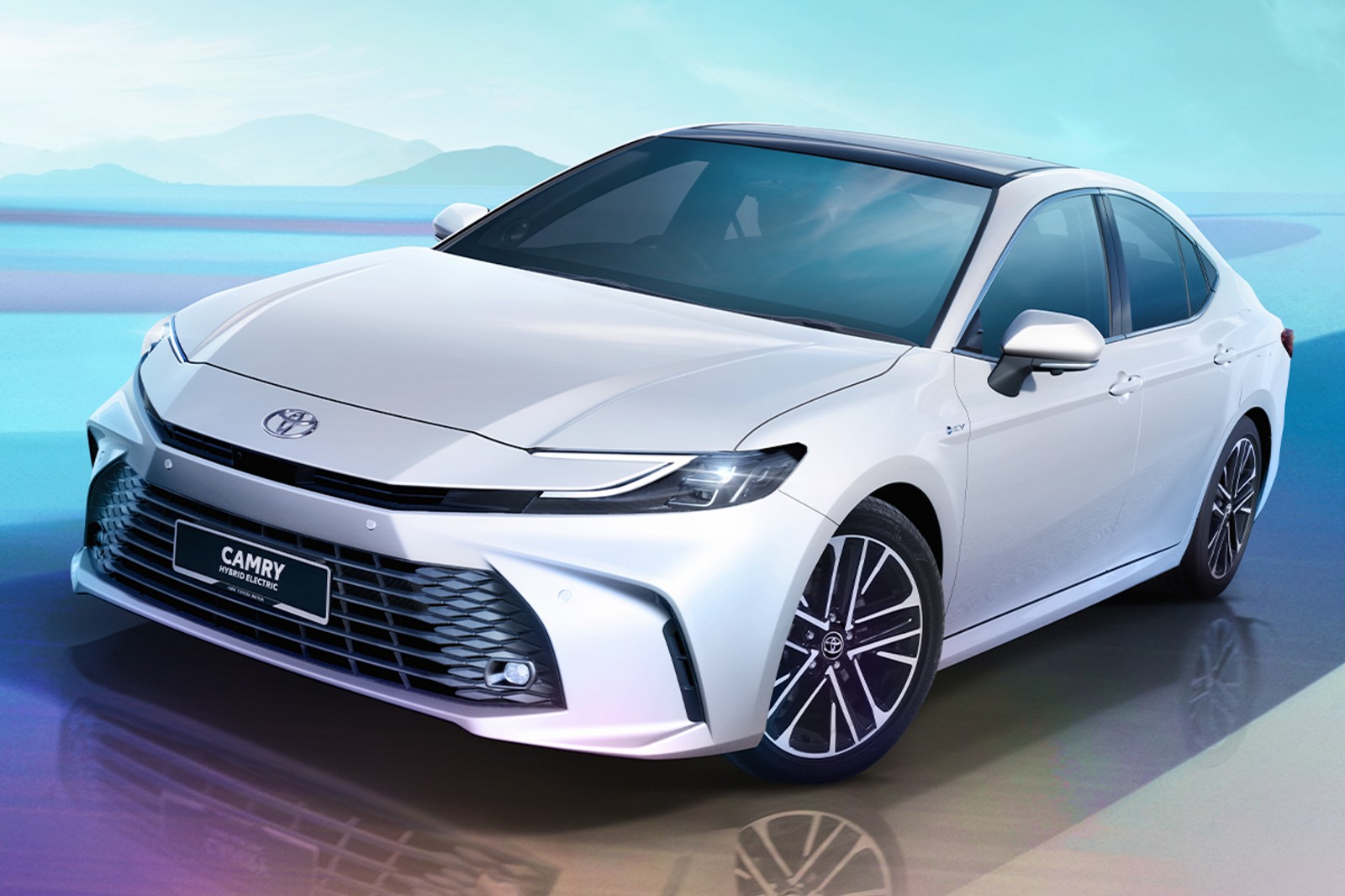
 Segment
 Body Type
 Capacity(L)
 Engine Power(PS)
 Transmission
 Driven Wheels
Nowadays, competition in the Malaysian D-segment sedan market is increasingly fierce. When choosing a car, consumers pay attention to space and comfort while also considering technological features and safety performance — after all, the majority of customers in this segment are those who need a family car or require a vehicle for business purposes as well. The 2019 Toyota Camry 2.5V, as a popular contender in this segment, has clear core selling points: balanced space performance, comprehensive safety configurations, and Toyota's reliable brand reputation. In this test drive, we focus on three aspects: does its static experience feel "above its class," can dynamic driving balance comfort and smoothness, and are its configurations practical for daily use.
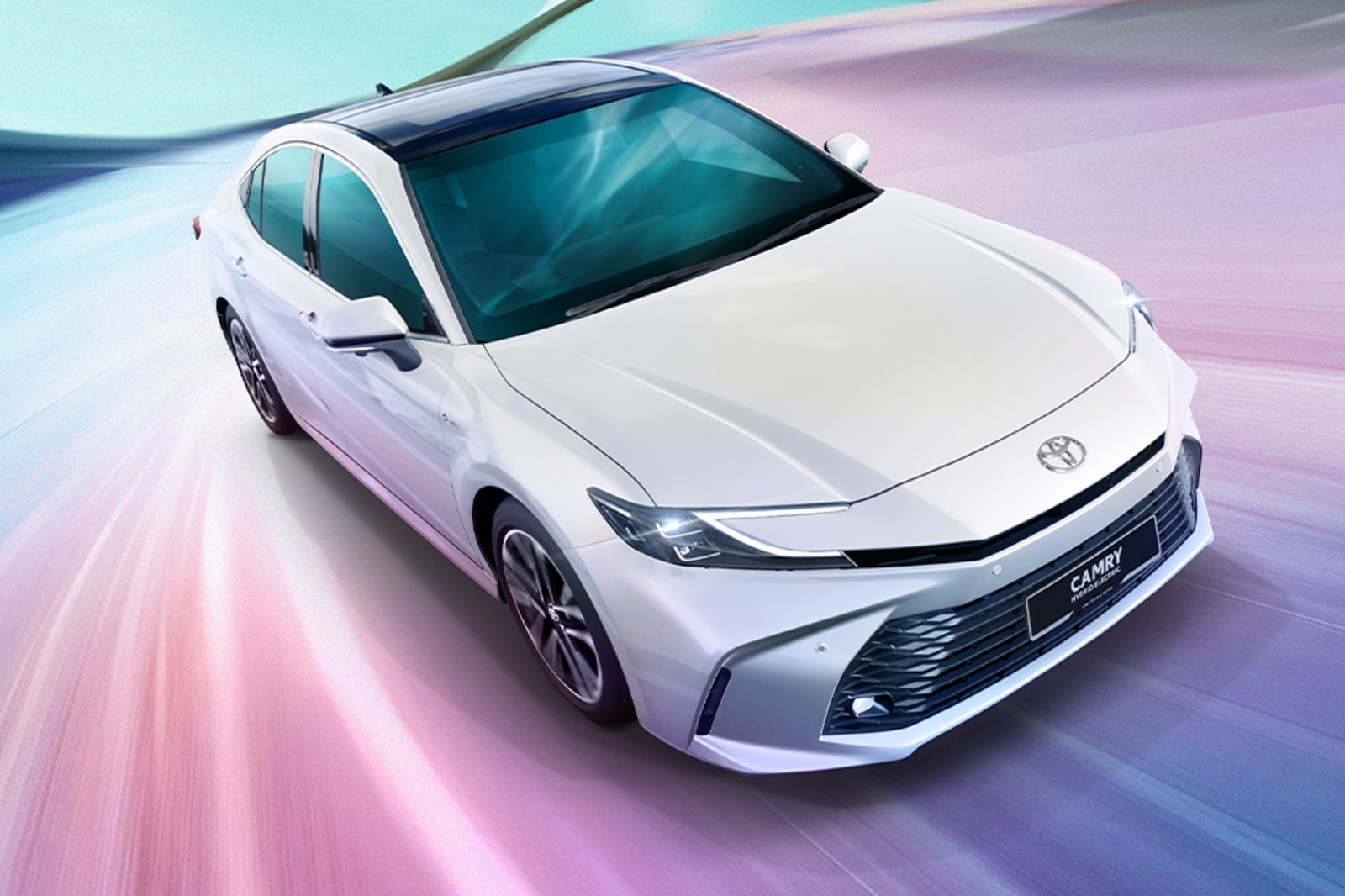
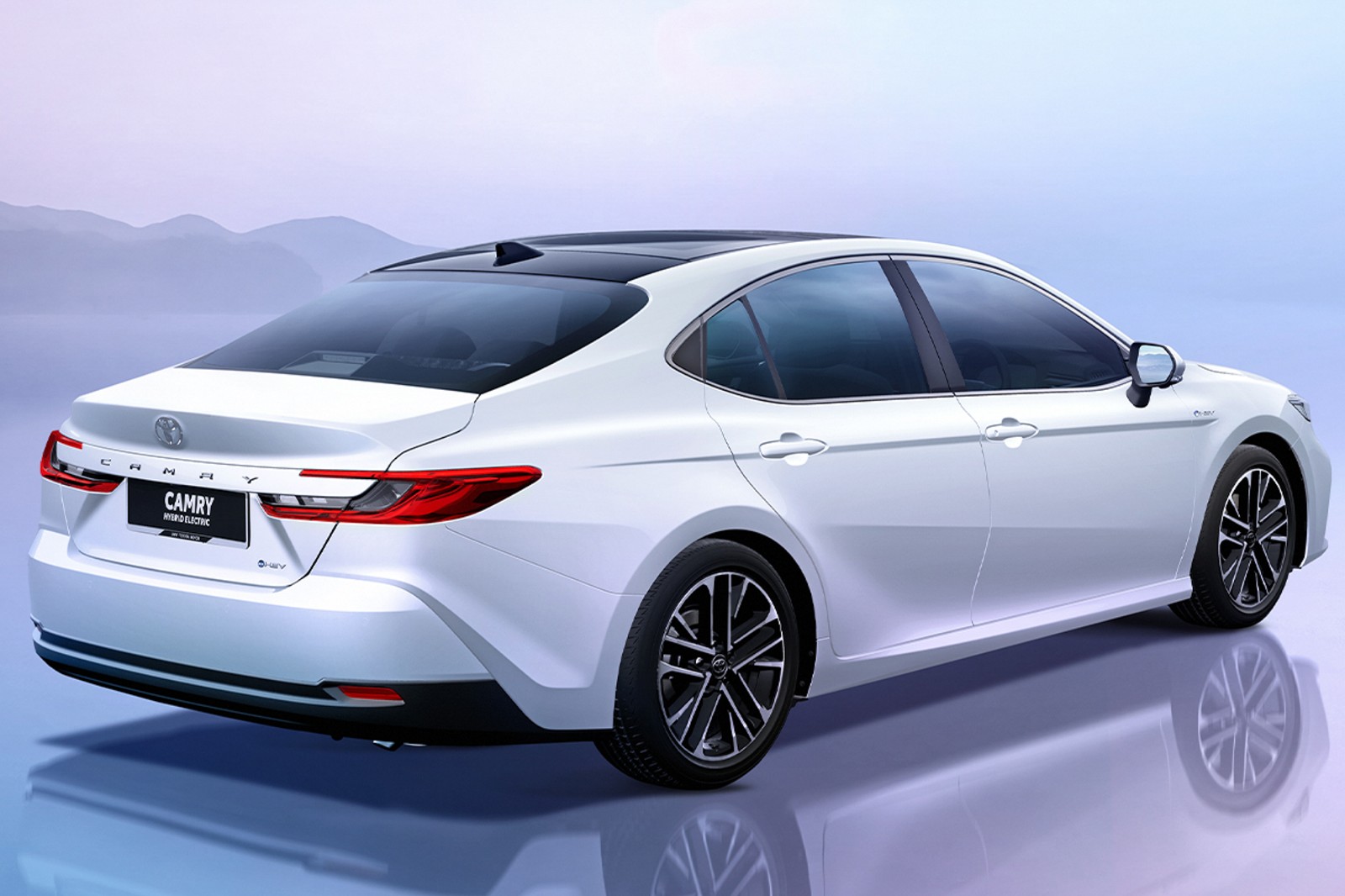
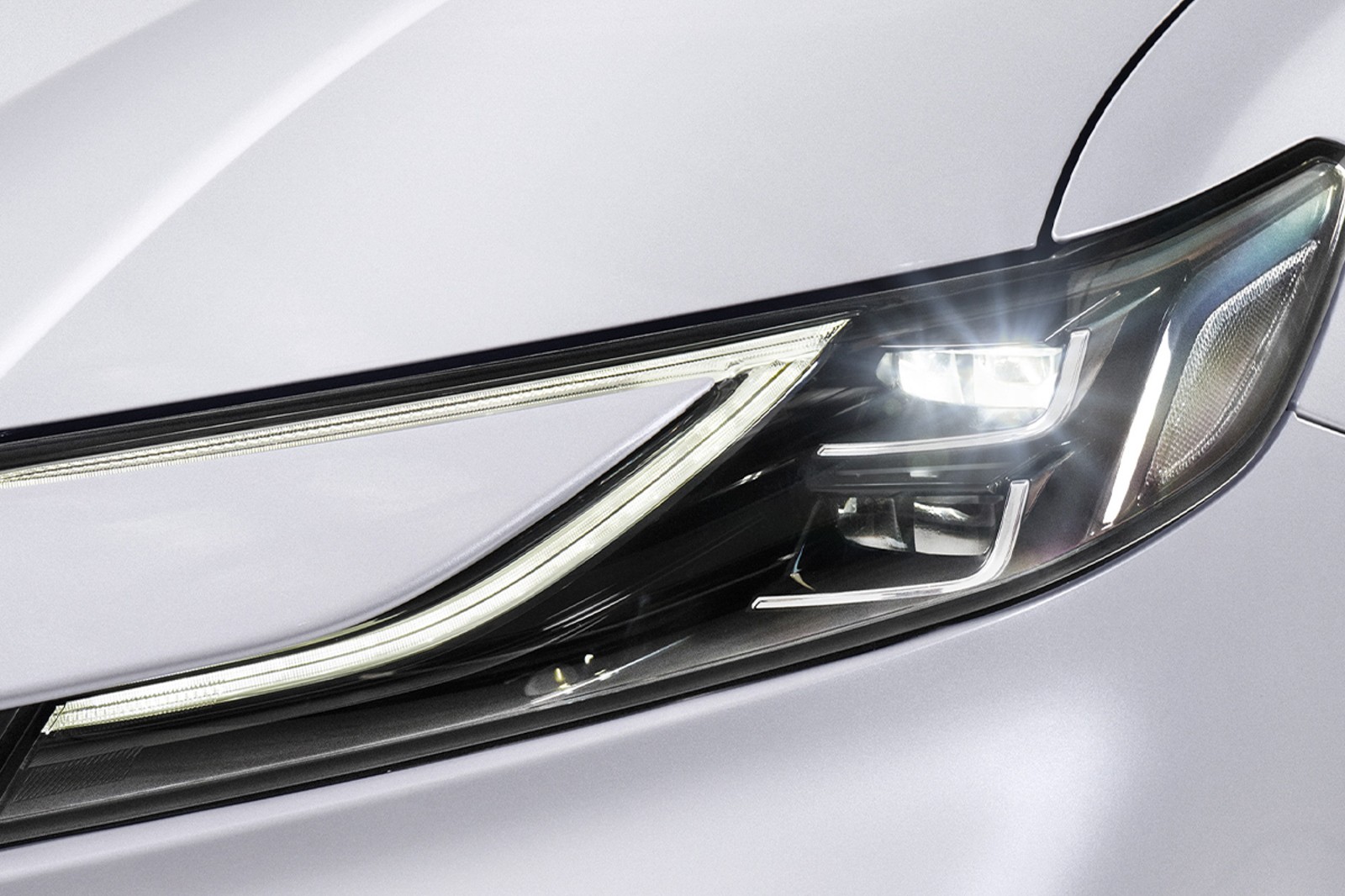
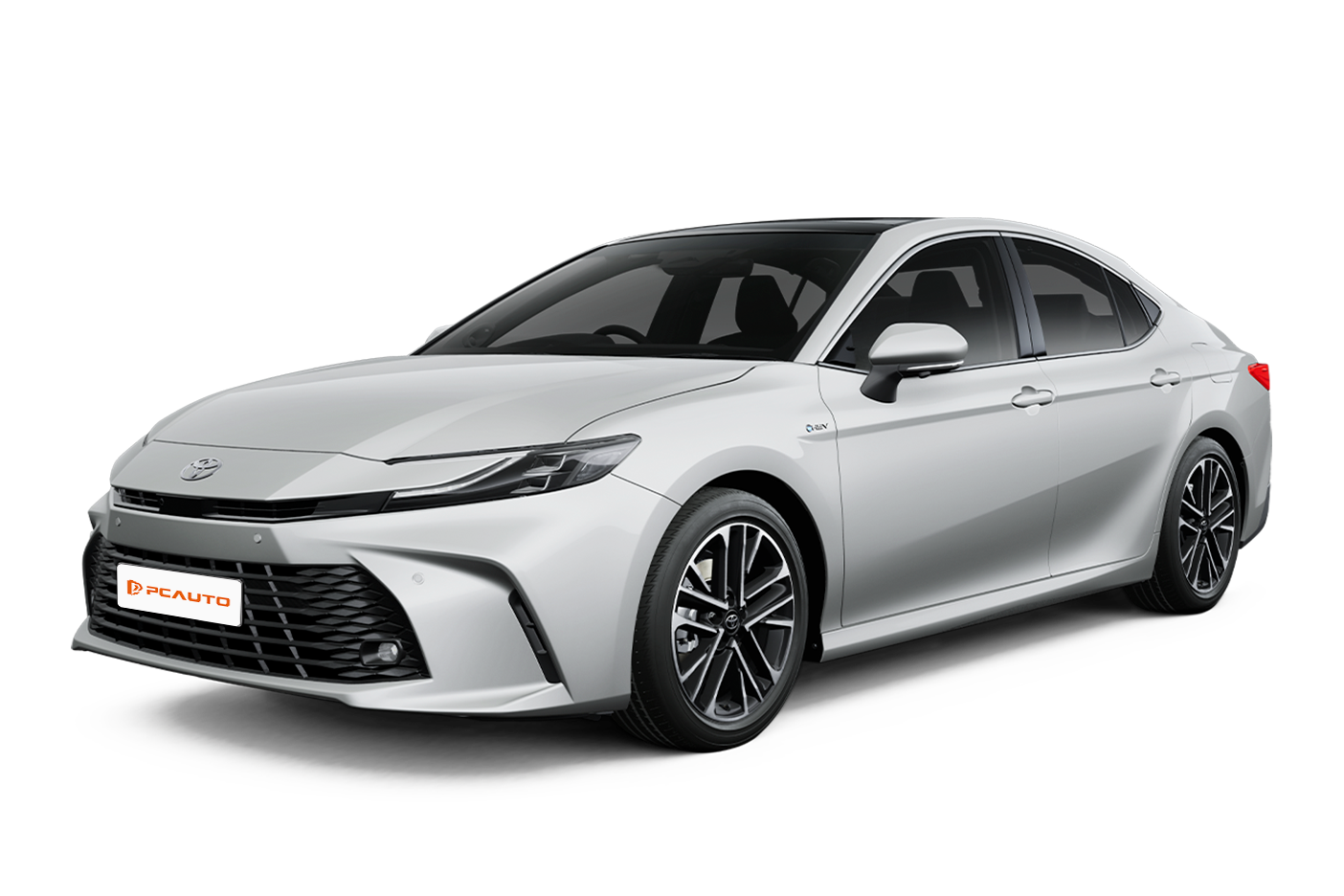
Starting with the exterior, the overall style of the 2019 Camry 2.5V is sharper compared to the previous model. The front features a large trapezoidal air intake grille with a black honeycomb design, paired with upward-slanting LED headlights, giving it high recognition. The hood has two raised lines extending from the A-pillar to the top of the grille, making the front end feel more powerful. The side of the car has smooth lines, with a waistline running from the front fender to the taillights, complemented by 18-inch multi-spoke alloy wheels, making the side profile look very well-proportioned. At the rear, the LED taillights adopt a through-type design, connected by a chrome strip in the middle, which extends the visual width when lit. The lower bumper features a hidden exhaust layout, maintaining an overall steady yet youthful style.
Sitting inside, the interior layout leans toward a practical design. The dashboard is covered with soft-touch plastic materials, while the door armrests and parts of the seats are wrapped in leather, providing a comfortable tactile experience. The central control screen measures 8 inches and is touchscreen-enabled, with good responsiveness and a clear interface for straightforward operation of navigation or Bluetooth connectivity. Below the screen are some retained physical buttons, such as the air conditioning adjustment knobs, which are convenient for blind operations while driving. The instrument cluster is an illuminated analog display with a small monochrome screen in the middle that shows basic information like fuel consumption and tire pressure. A head-up display (HUD) is standard equipment, projecting speed, navigation, and other data without requiring the driver to look down at the instrument panel, enhancing driving safety.
In terms of space, the 2.5V has a wheelbase of 2825mm, providing ample legroom in the rear seats — a passenger who is 175cm tall can sit with more than two fists of space between their knees and the back of the front seat. The rear floor is slightly raised in the middle, but the width is sufficient to seat three people temporarily without being too cramped. Storage capacity is adequate: the front armrest console is quite deep, accommodating two large bottles of mineral water; door panel storage slots can also hold daily items, and the 493L trunk capacity is supported by 60:40 split-folding rear seats, making it possible to fit larger items when necessary. Additionally, the rear seats are equipped with independent air conditioning vents and USB ports, taking care of passenger needs in detail.
As for power, the 2.5L naturally aspirated engine delivers a maximum power output of 184 PS and a maximum torque of 235 N·m (Note: Torque specifications were not included in the original text and were added here based on standard parameters for the 2.5L Camry), paired with a 6-speed automatic transmission. Power response during initial acceleration is not particularly aggressive, but the smoothness is excellent; the feedback from pressing the accelerator is linear, making it suitable for daily commutes. During acceleration, the transmission has a clear shifting logic, with proactive upshifting. When overtaking, pressing the accelerator more deeply prompts timely downshifting. Although it lacks the explosive power of a turbocharged engine, its mid-to-high-speed power reserve is sufficient for highway conditions. There are three driving modes to choose from: Eco, Standard, and Sport. In Sport mode, throttle sensitivity improves, engine RPM stays higher, and the power response feels more direct.
Control and chassis performance: The steering wheel has a moderate turning force, and the precision of the direction is considered medium level within the same class, making it not tiring for daily driving. The suspension system is a front MacPherson + rear double-wishbone design, tuned for comfort — when going over speed bumps or uneven roads, the suspension absorbs most small vibrations, and the body doesn’t bounce noticeably; when cornering, body roll is also well-controlled, so passengers won't feel shaken. The braking performance is stable, with a linear brake pedal travel that gives confidence — what you press is what you get. In terms of fuel consumption, we test drove it for a week, mostly under urban conditions with occasional highway driving, and the displayed average fuel consumption was about 8.2L/100km, which is reasonable for a 2.5L D-segment sedan.
For comfort details, the soundproofing is decent — at 120km/h on the highway, wind and tire noise are noticeable but not prominent, so they won’t interfere with in-car conversations; engine noise does enter the cabin during sudden acceleration but is not coarse. The seats are made of leather, with 8-way electric adjustment for the front seats, providing good support and cushioning, ensuring you won’t feel sore even after long drives. The rear seats are softly cushioned with a proper backrest angle, guaranteeing comfort during long trips. Features like rain-sensing wipers, keyless entry, and one-touch start are highly practical and enhance convenience.
Safety features are a major highlight of the 2.5V: 7 airbags, blind-spot monitoring, lane departure warning, active braking, front and rear sensors, and a reversing camera are all included. Compared to some other models in the same segment, its safety features are more comprehensive, which is very appealing to family users. Additionally, the JBL sound system with 9 speakers delivers sound quality that ranks above average in its class, making it satisfying for music lovers.
Overall, the core advantages of the 2019 Camry 2.5V are very clear: spacious interior, comprehensive features (especially in terms of safety), smooth driving performance, and solid comfort. Compared to competitors like the Honda Accord 2.4VTi-L or Nissan Teana 2.5XV, the Camry has a more complete safety configuration, and the price is competitive as well — its RM188,763 price tag represents good value in the D-segment category.
Who is this car suitable for? If you are a family user in need of a sedan with ample space, sufficient safety features, and easy drivability, this car can fully meet your needs; even if you occasionally require it for business purposes, its sophisticated exterior and comfortable rear space make it up to the task. To sum up, the 2019 Toyota Camry 2.5V has no obvious shortcomings and is a well-balanced D-segment sedan. Choosing it is a decision you won’t regret.
Toyota Camry Car Compare
Toyota Camry Loan Calculator
More Toyota Reviews
Cars With Similar Price And Features
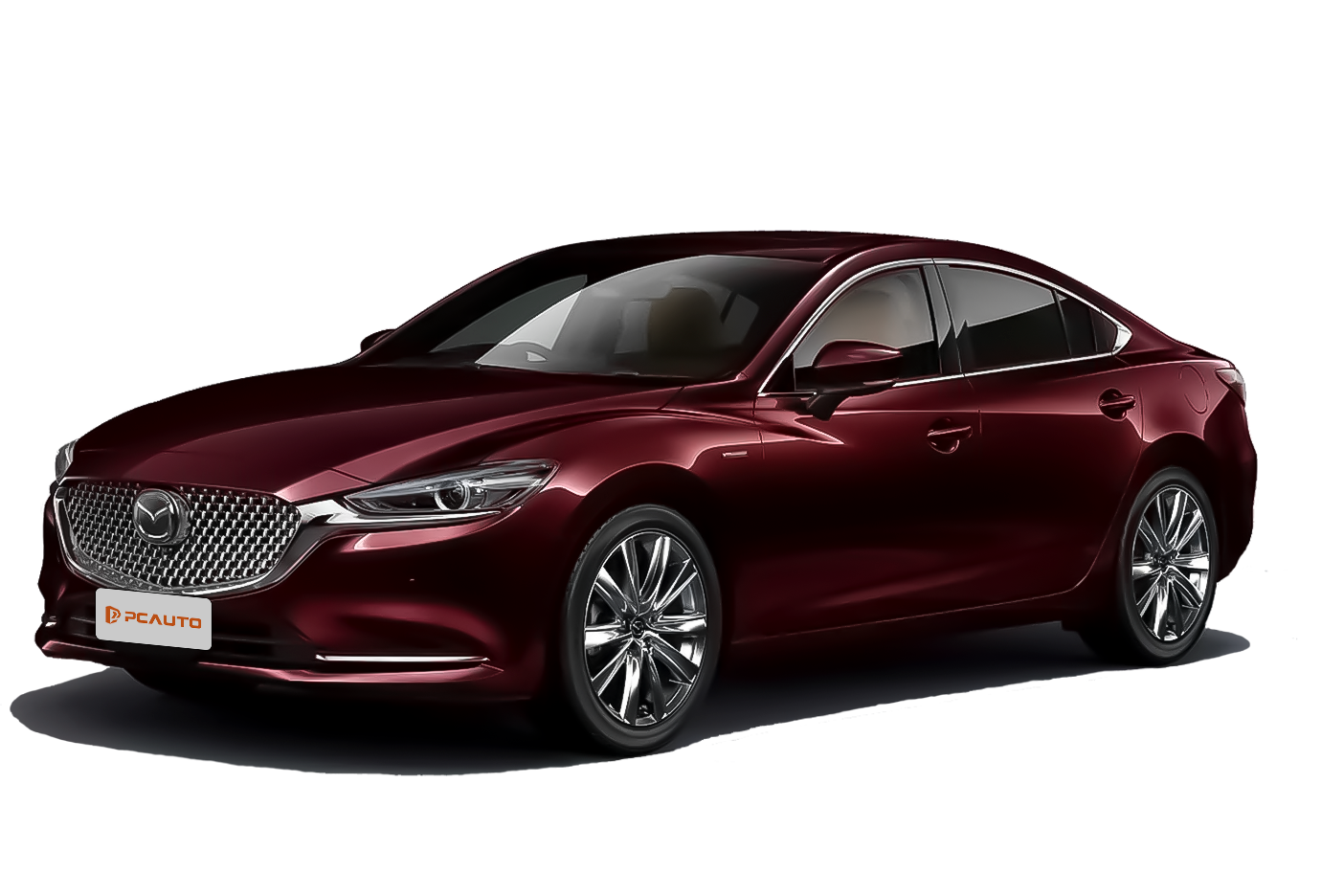
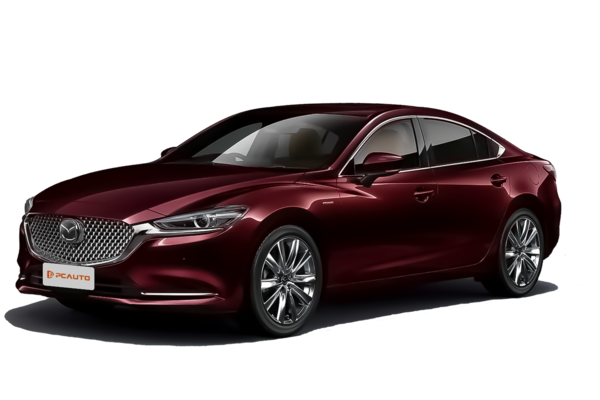
2023 Mazda 6 Sedan 2.0 SkyActiv-G meets the rational needs of family users for joint-venture quality, comfortable configurations, and fuel economy with its KODO design, practical space, and balanced driving control.

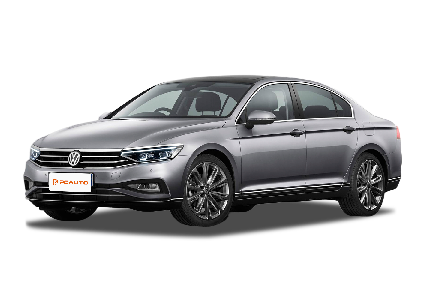
2022 Volkswagen Passat 2.0 TSI R-Line combines business elegance with sporty personality, featuring 220PS power, 14-way massage seats, and Harman Kardon audio system to meet the diverse needs of families and young professionals.
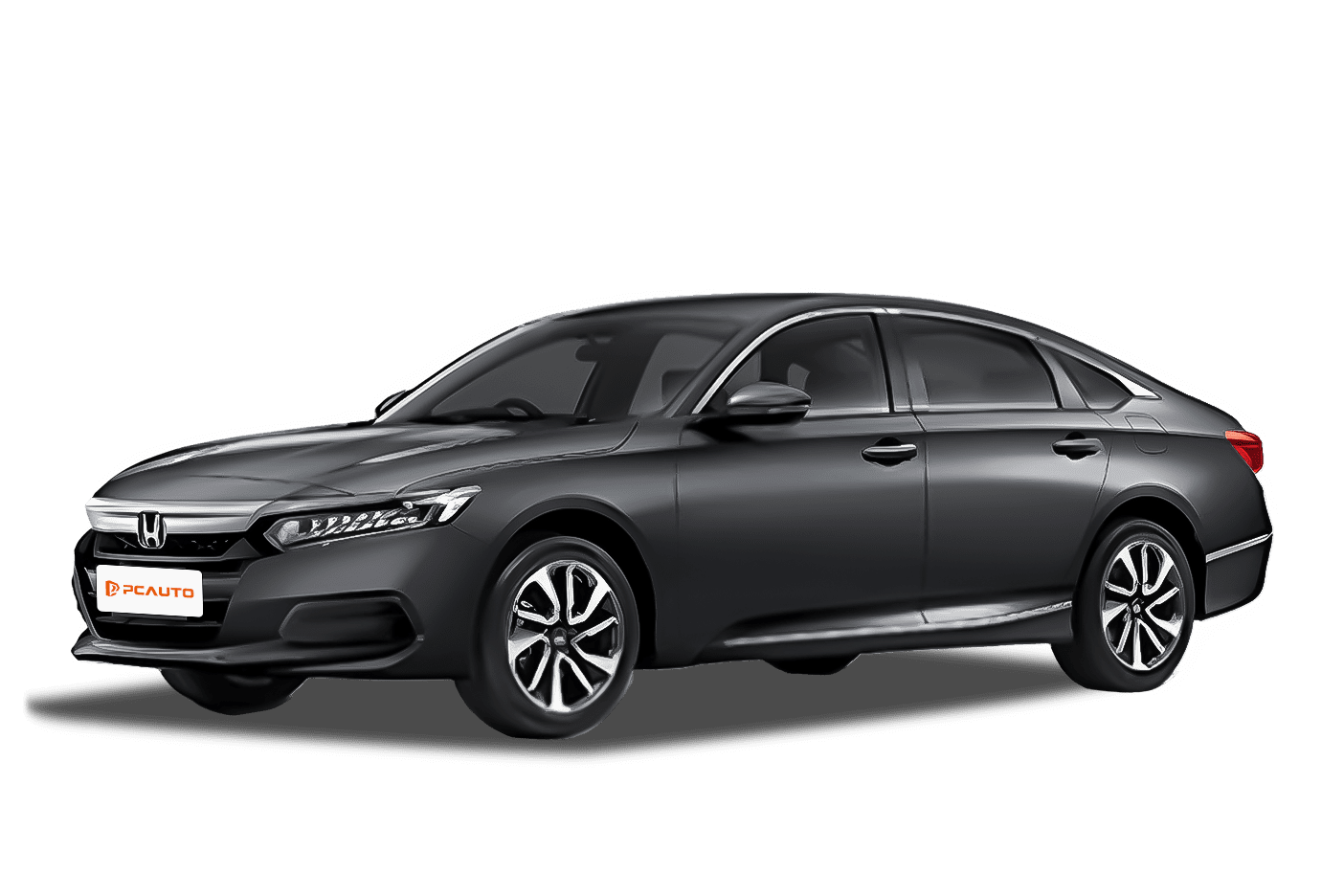
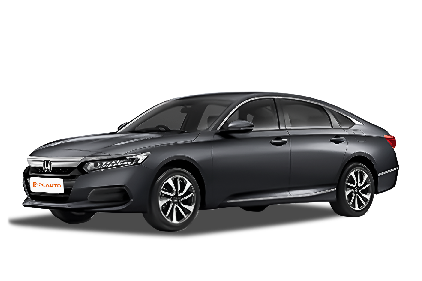
The 2023 Honda Accord 1.5 TC is a D-segment sedan that balances both business and family use, with core selling points of spacious interior, comfortable driving, and efficient performance, making it suitable for practical family users.
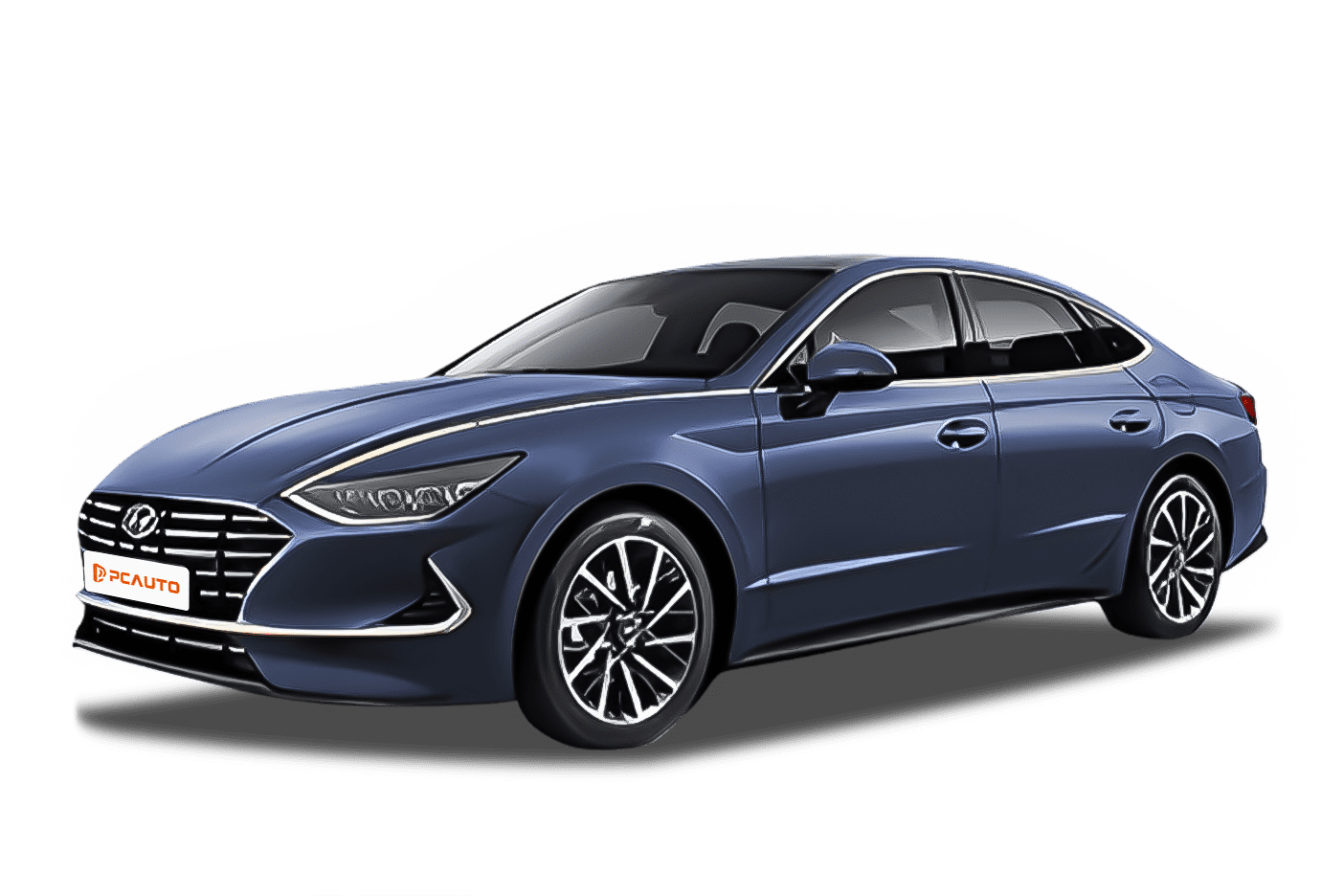
2024 Hyundai Sonata public is positioned as a D-Segment family and business sedan, combining dynamic design, practical configurations, and spacious space, balancing power and fuel consumption, safe and reliable.