

Toyota Fortuner 2021 Review

 Share
Share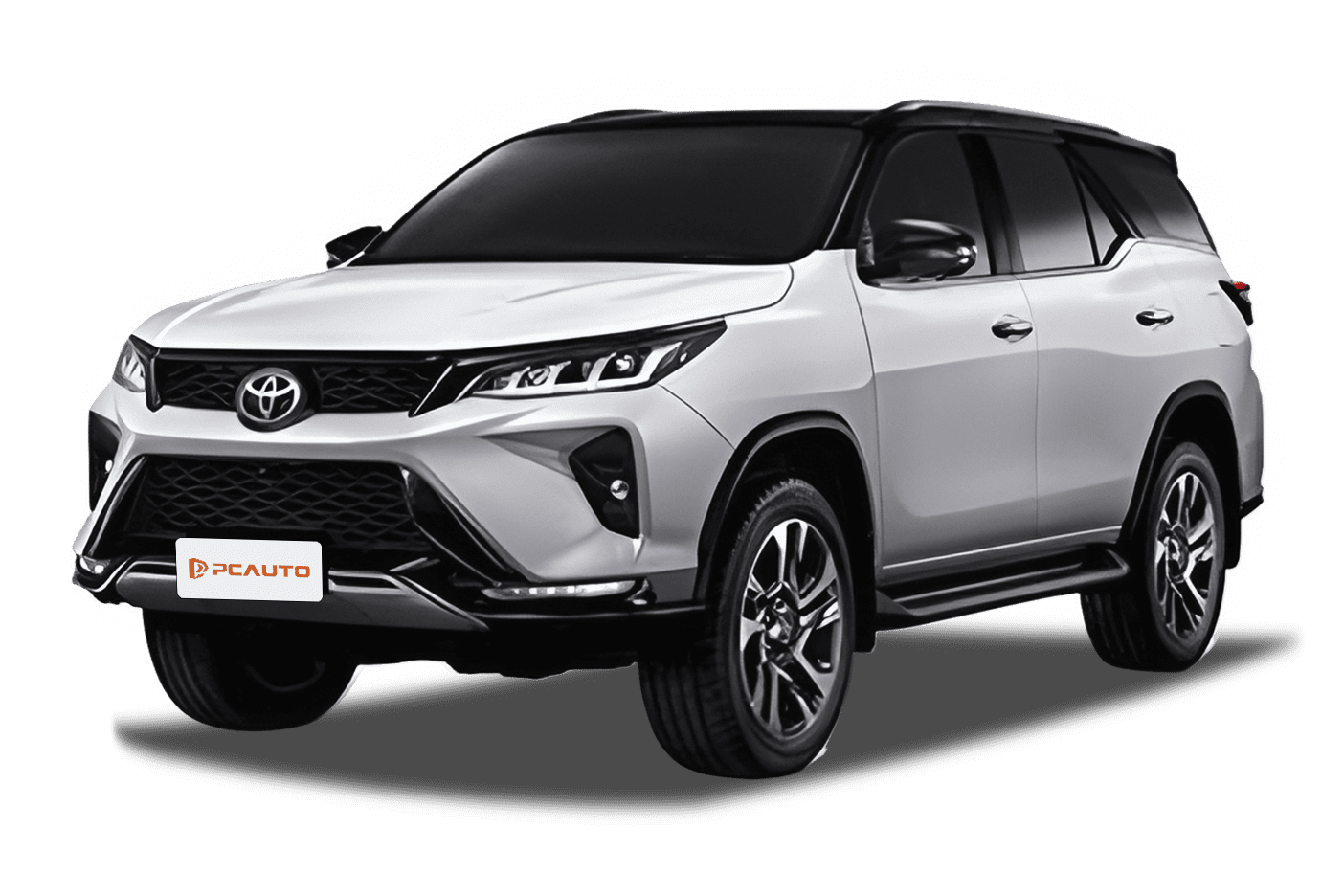
 Segment
 Body Type
 Capacity(L)
 Engine Power(PS)
 Transmission
 Driven Wheels
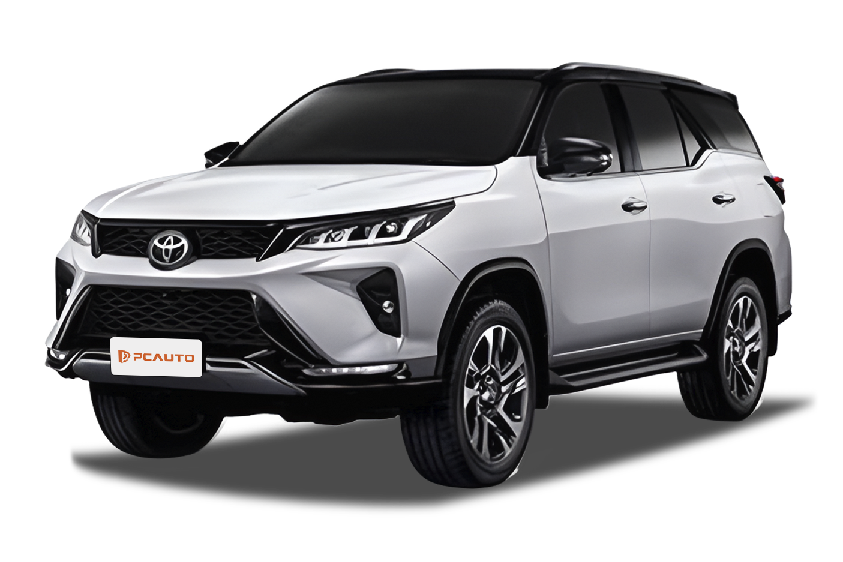
In Malaysia's D-segment 7-seater SUV market, consumers generally expect a model that can balance daily commuting, family outings, and light off-road capabilities. The Toyota Fortuner series has always been a popular choice in this segment. The 2021 Fortuner 2.7 SRZ AT 4x4, positioned as the mid-to-high-end petrol-powered variant, focuses on balanced configuration and practical performance. In this test drive, we will focus on evaluating its space performance, power adaptability, and whether the features meet the expectations at its price point.
In terms of appearance, the 2021 Fortuner 2.7 SRZ continues the rugged family style, with a tough and muscular overall line. The front features a large trapezoidal grille, adorned with chrome trim for a high degree of recognition. LED headlights and daytime running lights come standard, with a sharp design that offers clear visual effects when illuminated. On the side, the 4795mm length and 2745mm wheelbase ensure the foundation for a 7-seater layout, while 265/60 R18 tires paired with multi-spoke alloy wheels align with the SUV's robust positioning and provide sufficient ground clearance (279mm) to handle unpaved roads. At the rear, LED taillights adopt a vertical layout to echo the body lines, and the silver skid plate under the rear bumper adds a touch of off-road flair.
Inside, the interior is mainly in black, complemented by silver trims to enhance the sense of quality. The center console is designed with simplicity, featuring a 9-inch touchscreen in the center, which supports basic multimedia functions and a reverse camera. The operation smoothness meets expectations. In terms of features, the HUD head-up display, 4.2-inch color TFT instrument panel, keyless entry/start are standard and highly practical. For the seats, both the driver's seat and the front passenger seat support 8-way electric adjustment, offering moderate wrapping and support for comfortable long-distance seating. The second row adopts a 60:40 split design with one-touch folding, while the third row is a 50:50 split. Although the space is relatively tight for adults, short trips are manageable. Regarding storage space, compartments in door panels, the central armrest box, and other locations provide ample storage. The trunk offers a capacity of 200L with the 7-seat configuration, which can be expanded significantly by folding the third row to meet family cargo needs.
In terms of the powertrain, the 2.7L naturally aspirated engine delivers a maximum power of 166PS (5200rpm) and a maximum torque of 245N·m (4000rpm), paired with a 6-speed automatic transmission and a four-wheel-drive system. In day-to-day driving, the acceleration is relatively gentle, with power output favoring smoothness at low RPM, making it suitable for city commuting. When the RPM rises to around 4000, torque reaches its peak, and noticeable acceleration can be felt only with a firm press of the accelerator. The driving modes include Eco, Normal, and Sport options. In Sport mode, the transmission shifts are delayed for quicker throttle response, but the overall performance still emphasizes smoothness. As for handling, the steering wheel provides moderate resistance, minimal play, and clear directional precision. The combination of front double-wishbone and rear multi-link independent suspension effectively absorbs vibrations from urban road surfaces, maintaining vehicle stability. However, rear passengers may feel slight bumps when crossing speed humps. Regarding off-road performance, the 279mm ground clearance and four-wheel-drive system enable it to tackle light muddy or gravel roads, and the hill-assist function enhances confidence on unpaved roads.
In terms of fuel consumption, the measured fuel consumption under mixed road conditions is approximately 11-13L/100km, and it can drop to 9-10L/100km during highway cruising. This is considered a reasonable range for a vehicle weighing 2.02 tons. Regarding noise control, there is significant engine noise transmitted into the cabin at high RPMs, but tire and wind noise suppression is good during daily urban driving. Overall, the NVH performance meets the average level for vehicles in this segment.
Overall, the core advantages of the 2021 Fortuner 2.7 SRZ AT 4x4 lie in its balanced configuration, practical 7-seat space, and reliable four-wheel-drive system. Compared to the 2.4L diesel version in the same series, it offers a smoother power output and eliminates concerns regarding the maintenance costs of diesel vehicles. Compared to the higher-spec 2.8L VRZ diesel version, although it lacks active safety features, such as lane departure warning or active braking, it is approximately 30,000 MYR cheaper, making it more cost-effective.
This vehicle is suitable for family users who prioritize practicality and reliability, especially those who need a 7-seat layout for multi-member outings and occasionally require light off-road capabilities. Its space performance, configuration level, and durability can meet the needs of daily commuting, family trips, and weekend short-distance off-road activities.
Overall, the 2021 Toyota Fortuner 2.7 SRZ AT 4x4 is a well-rounded 7-seater SUV with no obvious shortcomings. With Toyota’s brand reliability and practical product strength, it remains highly competitive in the D-Segment market.
Toyota Fortuner Car Compare
Toyota Fortuner Loan Calculator
More Toyota Reviews
Cars With Similar Price And Features
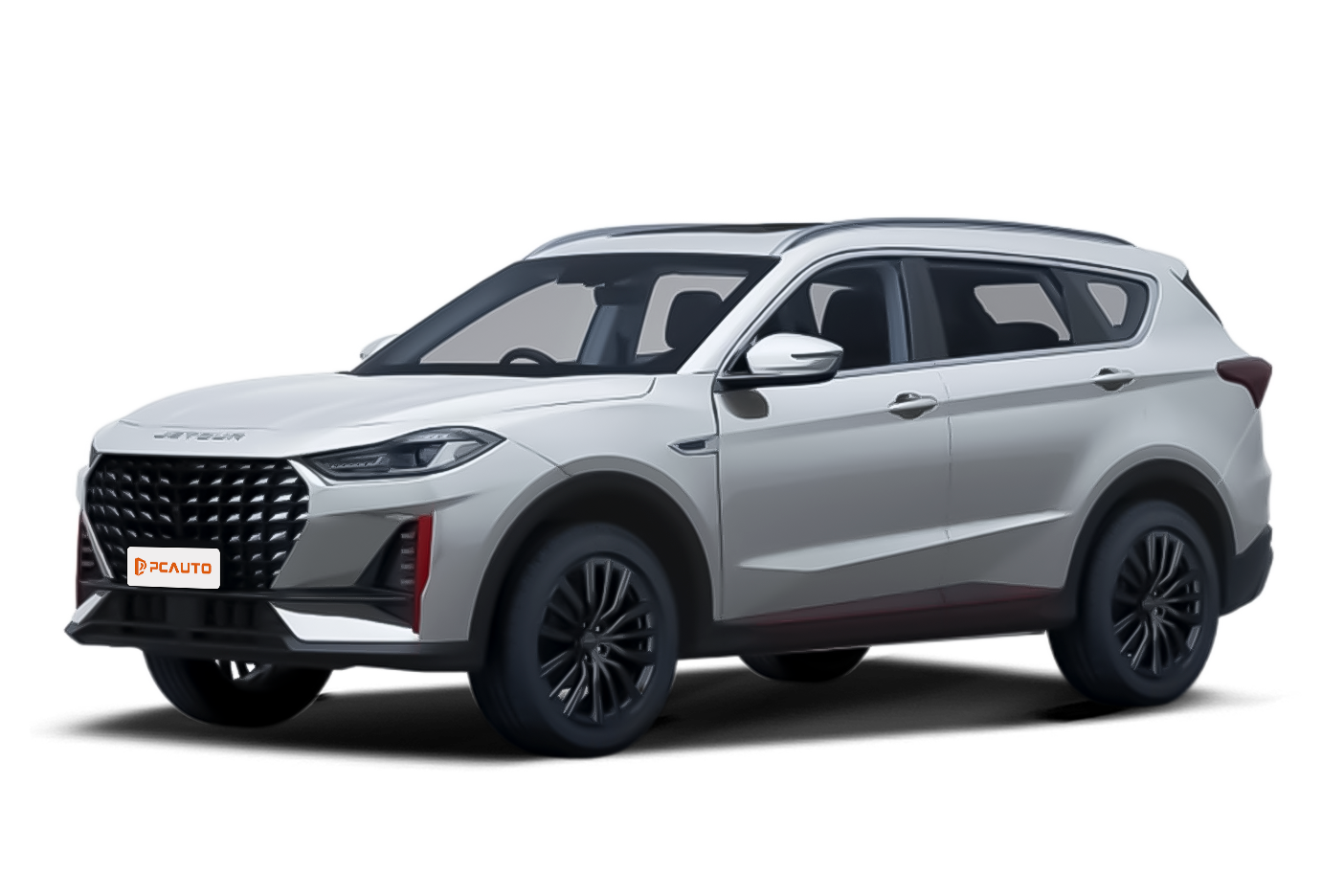
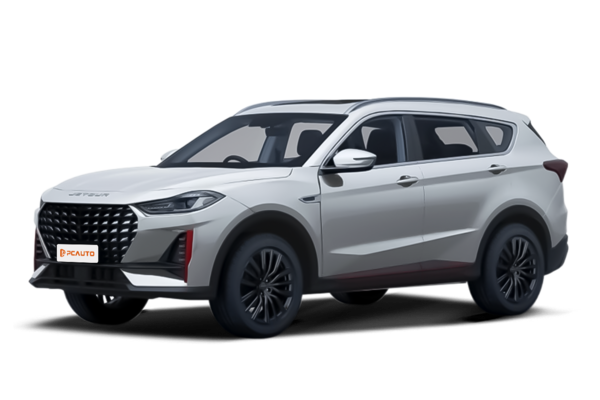
2025 Jetour VT 9 Comfort is a highly cost-effective 7-seater family SUV, featuring practical space, rich configurations, and balanced power, precisely meeting the needs of family short-distance travel.

11
Rank in SUV
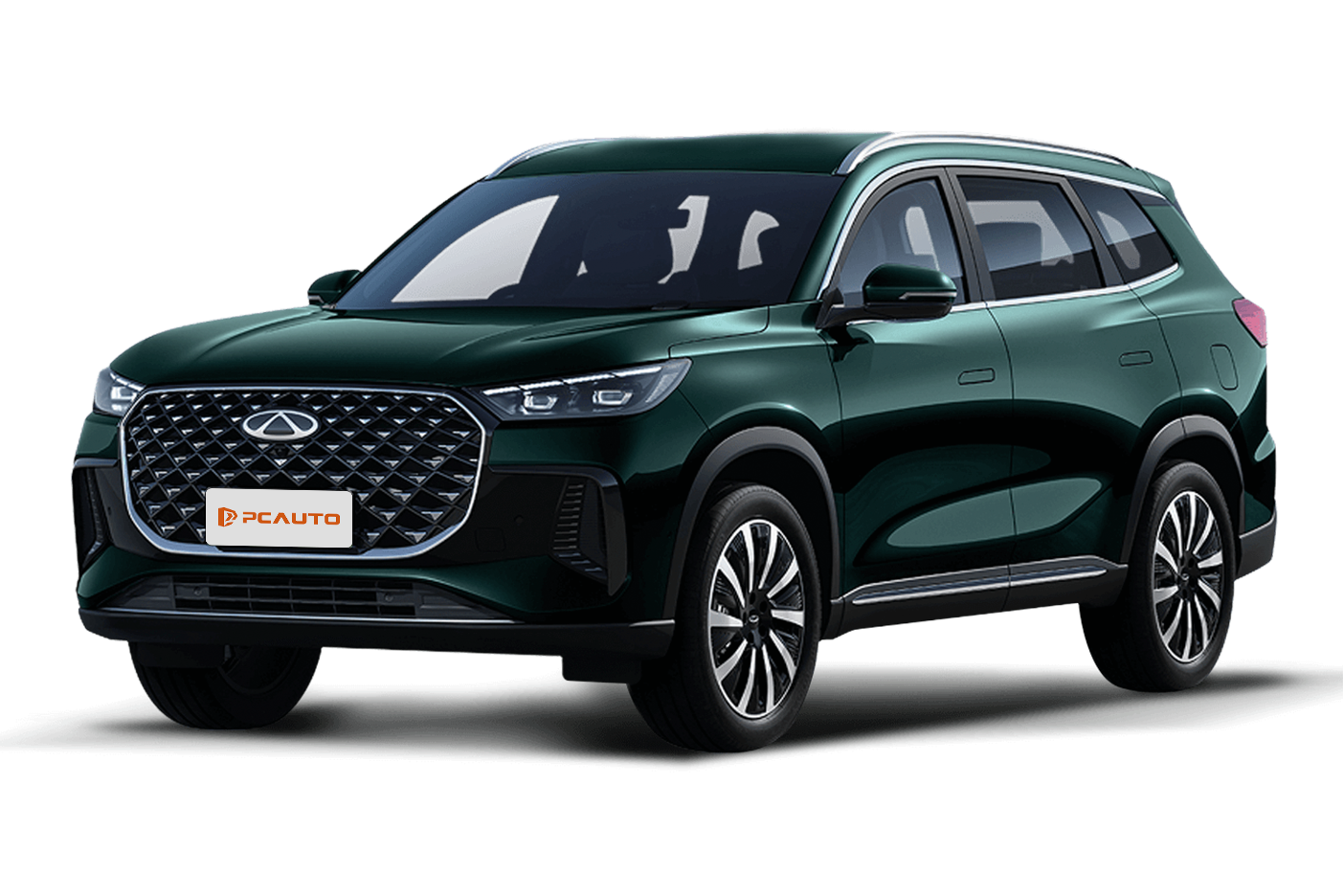
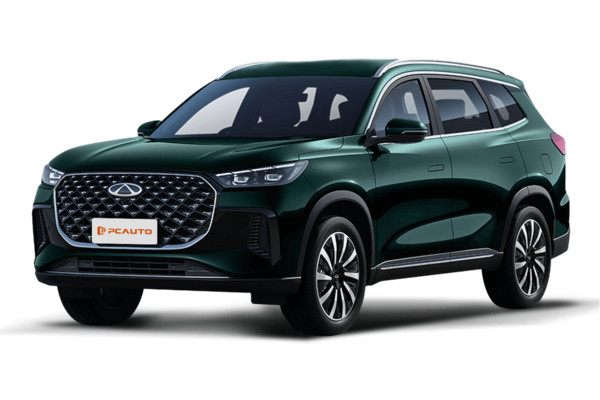
2026 Chery Tiggo 8 is a D-Segment SUV aimed at family users, offering superior configurations, practical space, and smooth power at a high cost-performance ratio, meeting both commuting and light off-road needs.
16
Rank in SUV

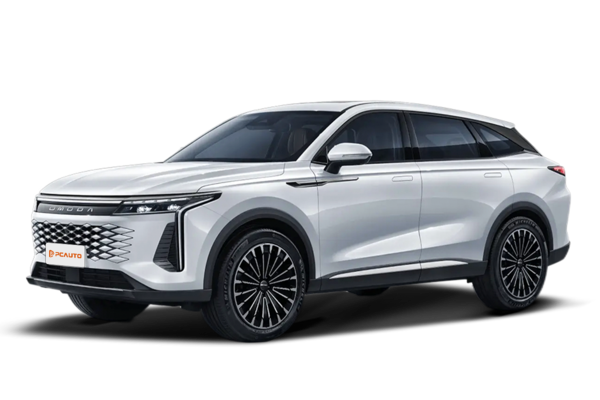
2024 Chery OMODA C9 2WD with 2.0T+8AT powertrain, L2 level assistance, and dual 12.3-inch screens, breaking the stalemate in the D-Segment market and becoming a high-value disruptor.
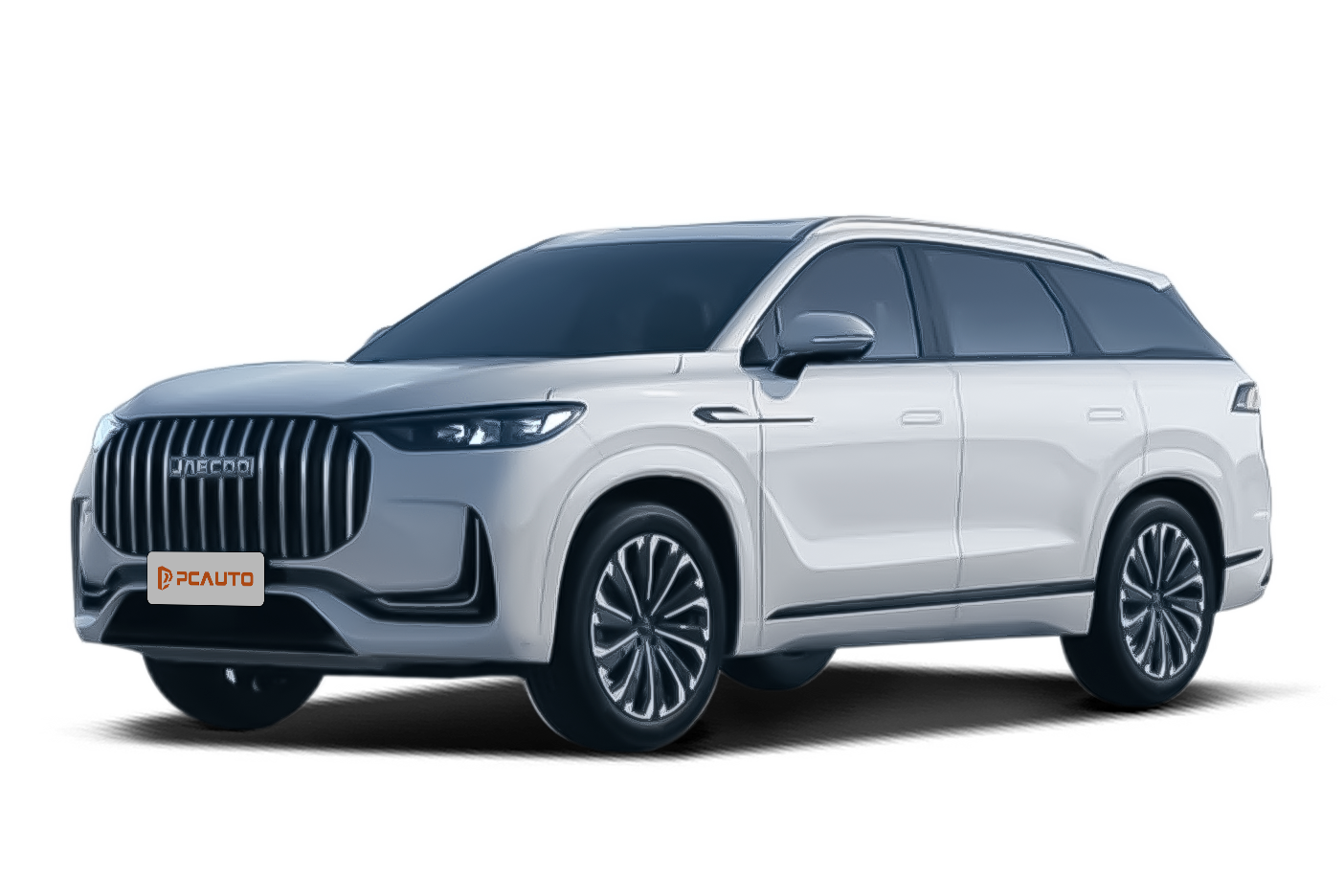
2025 Jaecoo J8 FWD is a dark horse in the D-segment SUV market, offering balanced performance to meet family users' needs for spaciousness, strong power, and rich configurations.