

Toyota Innova 2023 Review

 Share
Share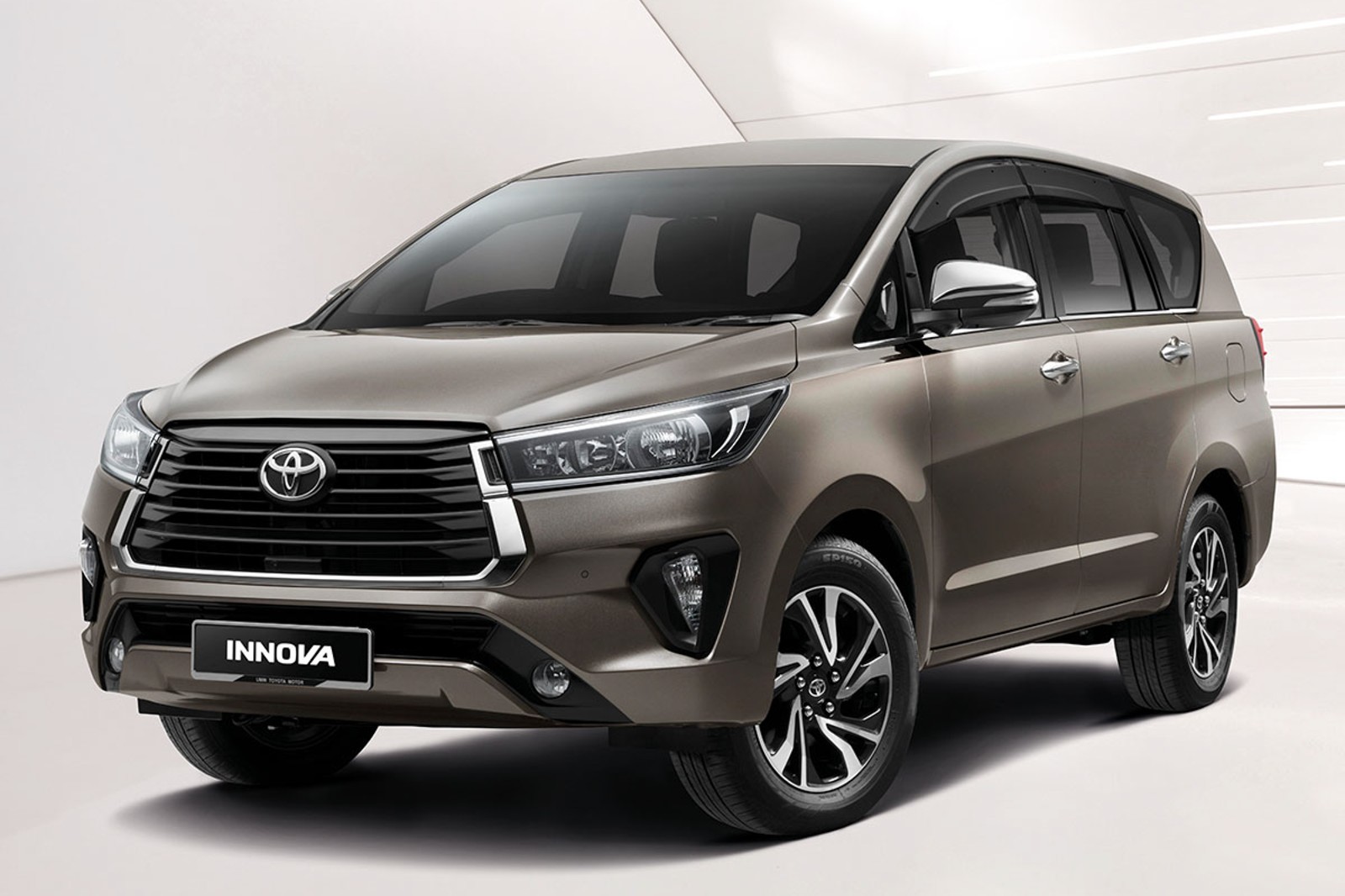
 Segment
 Body Type
 Capacity(L)
 Engine Power(PS)
 Engine Torque(Nm)
 Transmission
In recent years, competition in the Malaysian MPV market has become increasingly fierce. The demand from family users for practicality, rich configurations, and brand reliability has risen continuously. The 2023 Toyota Innova 2.0G, a popular model in this segment, has attracted much attention with its rear-wheel drive layout based on the TNGA-C platform, flexible 8-seater space, and balanced configurations. In this test drive, we focus on its practicality in daily use, driving performance in line with family-oriented positioning, and whether its pricing of RM138,880 is competitive, providing potential buyers with a genuine reference.
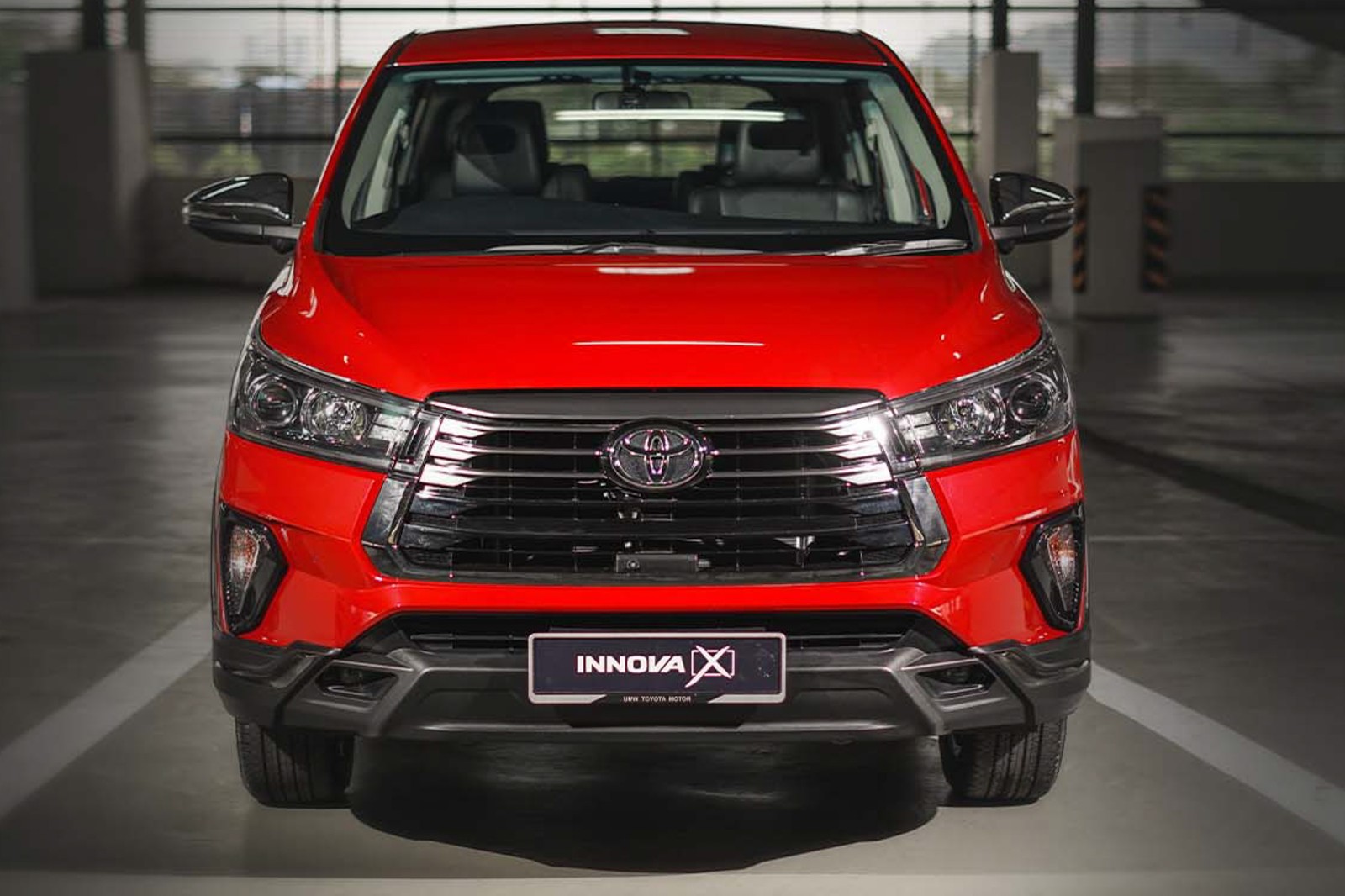
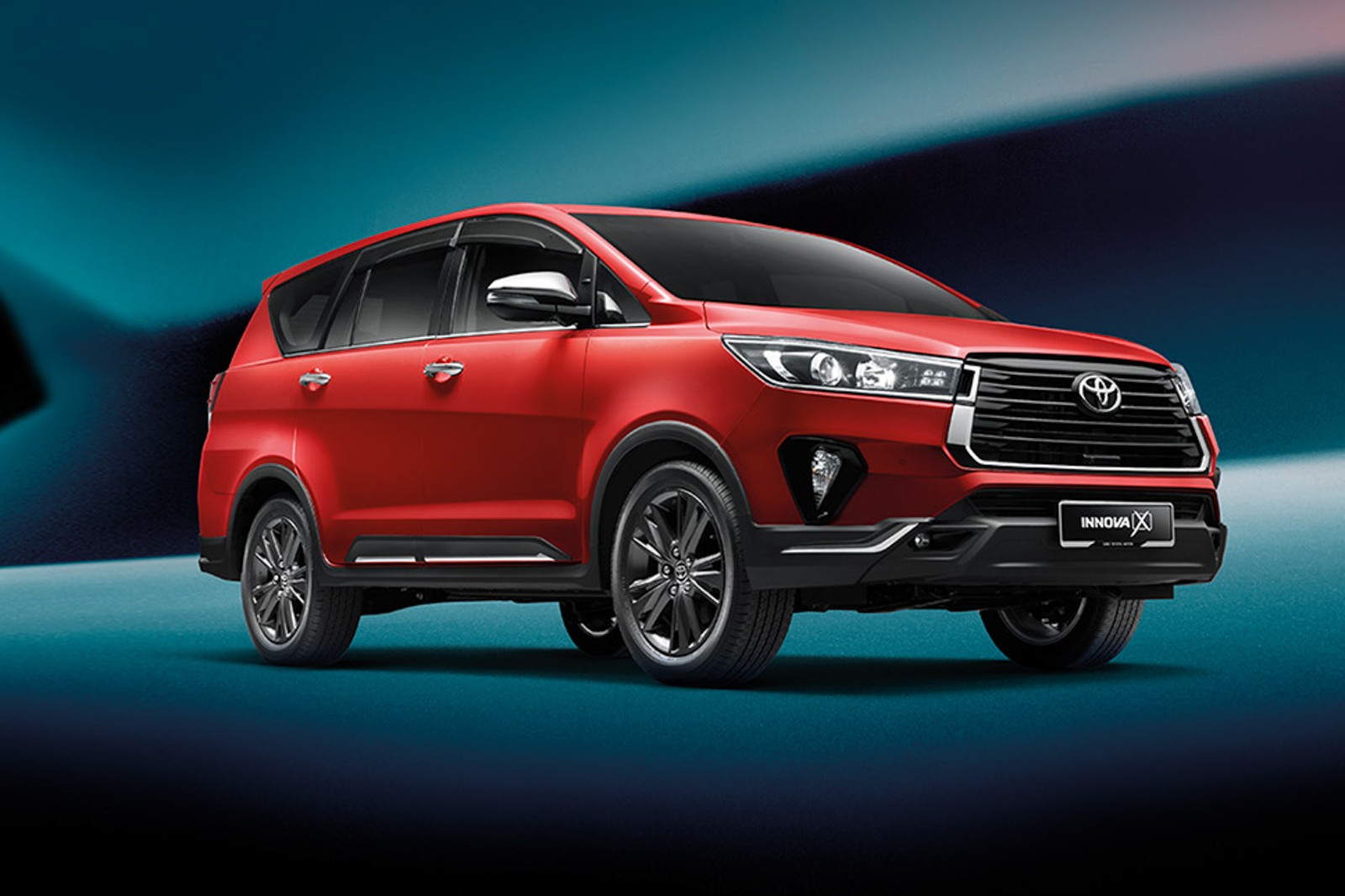
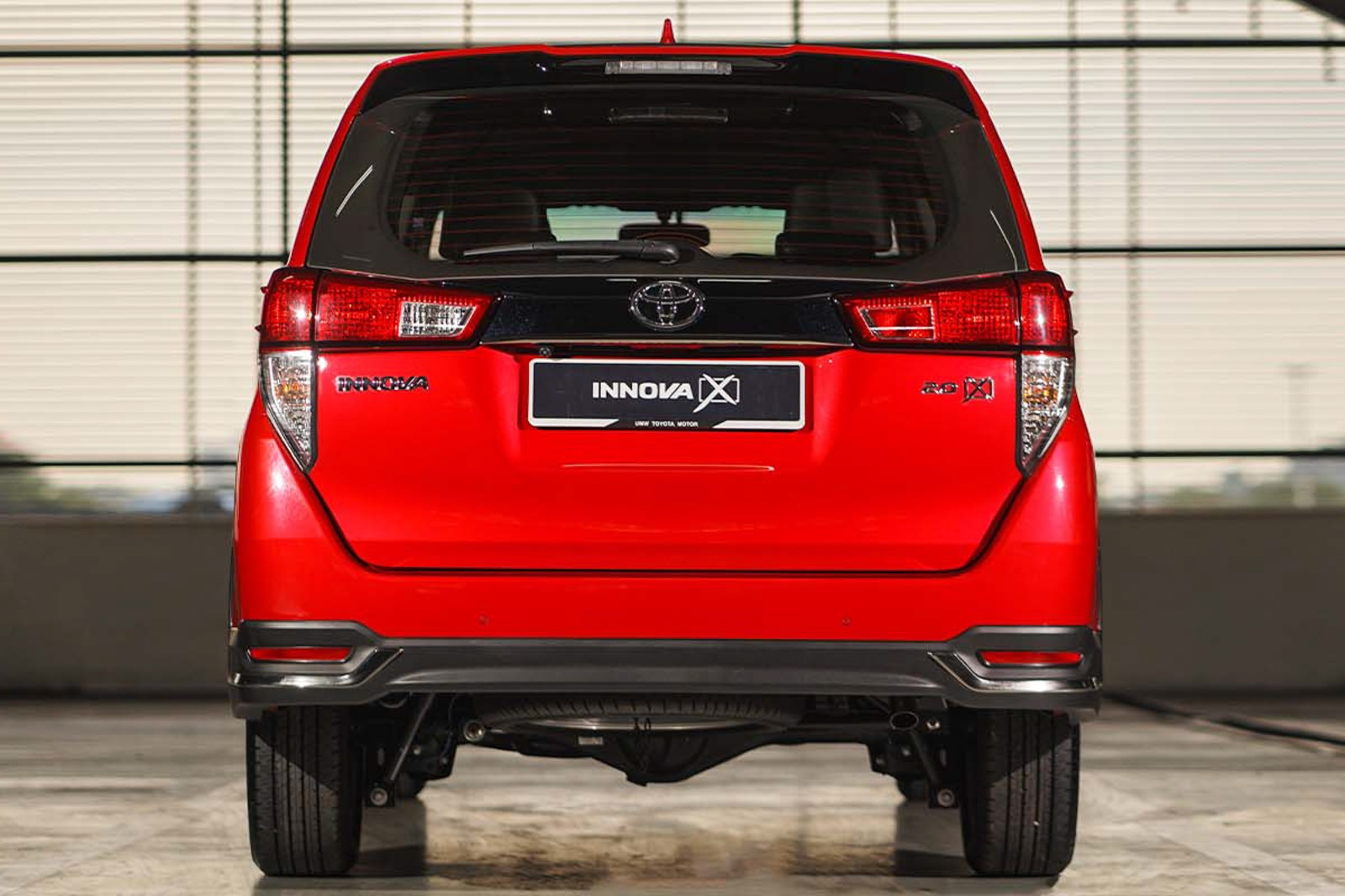
Compared to the previous model, the 2023 Innova 2.0G features a tougher exterior design with an overall shape leaning towards a more square outline, aligning with the current trend of MPVs adopting SUV-style designs. The front face boasts a large trapezoidal grille, adorned with horizontal chrome trim inside. The LED headlights on both sides are connected to the grille, broadening the visual width. The black plastic cladding and silver skid plate on the lower part of the front bumper add a touch of ruggedness. The straight character line on the side extends from the front fender to the rear, complemented by 16-inch multi-spoke alloy wheels, making the proportions well-balanced. At the rear, the LED tail lights are vertically aligned, with a simple light-strip design that ensures high recognition when lit. The rear bumper also features a silver skid plate, echoing the front design. The overall design avoids overly flashy elements, focusing on practicality and an imposing presence, which caters to the aesthetic preferences of family users.
Sitting inside, the interior layout of the Innova 2.0G is simple and orderly, with a symmetrical design for the dashboard. The upper part is covered with soft plastic material, offering a decent touch. A 9-inch capacitive touchscreen display is located in the center of the dashboard, supporting Bluetooth, Apple CarPlay, and Android Auto connectivity. The system's responsiveness and smoothness meet the standard for this class. The instrument panel is a 4.2-inch color TFT display that shows information such as speed, RPM, and fuel consumption, with clear readability. In terms of features, the model is equipped with keyless entry, push-button start, automatic air conditioning, and independent rear air conditioning, which meet everyday needs. The front seats offer 6-way manual adjustment, allowing height and backrest angle adjustments. Even though the adjustments are manual, the range is sufficient to find a comfortable driving position. The multifunction steering wheel integrates buttons for volume control and call answering, making operation convenient.
Space performance is one of the core advantages of the Innova 2.0G. The 4,735mm length and 2,750mm wheelbase ensure ample interior space. The front row offers spacious seating; for a 175cm tall occupant in the driver’s seat, there is one fist and four fingers of headroom, with plenty of legroom. The second row features 60:40 split seats, capable of one-touch folding, recline adjustments, and forward-backward sliding. When seated in the second row, the occupant has one fist and two fingers of headroom and two fists of legroom, ensuring comfort even for long journeys. The second-row seats are also equipped with small trays, allowing rear passengers to place items conveniently. The third row features 50:50 split seats, which can be folded with one touch. Two adults can sit comfortably in the third row, with one fist of headroom and approximately one fist of legroom, providing acceptable comfort for short trips. When the third-row seats are folded, the trunk space can expand significantly, accommodating multiple suitcases or large items. As for storage, the model provides storage compartments in the front and rear door panels, a central armrest box, and front cup holders, ensuring convenient storage for daily small items.
This test drive of the Innova 2.0G is equipped with a 2.0L naturally aspirated engine, delivering a maximum power output of 139PS and a peak torque of 183N·m, paired with a 6-speed automatic transmission. The power output is generally smooth, with mild throttle response during startup, avoiding abrupt acceleration; during low to medium-speed driving, gear shifts are seamless with almost no noticeable jerks; when stepping hard on the accelerator for acceleration, the engine revs up above 3000rpm, providing a certain burst of power, but the acceleration at higher speeds is limited. Considering the vehicle's weight of 1750kg, this performance is sufficient for daily family use, but with a full load of 8 passengers or when overtaking on the highway, it may require pressing the accelerator in advance. There are three driving modes to choose from: ECO, Normal, and Power. In ECO mode, the power output is gentler, suitable for congested urban roads; Power mode improves throttle responsiveness, making it suitable for situations that require rapid acceleration.
In terms of handling, the Innova 2.0G employs a front MacPherson independent suspension and a rear multi-link independent suspension. Compared to the previous non-independent suspension, comfort has significantly improved. The steering wheel has moderate weight with decent precision, making everyday driving relatively effortless. The suspension system performs well in filtering road bumps, so when crossing speed bumps or rough roads, the vehicle's vibration is not overly noticeable, maintaining good comfort. During high-speed driving, the vehicle remains stable without a floating sensation. When cornering, the body roll is within acceptable limits, without a significant swaying sensation. As for fuel consumption, the official combined fuel consumption is rated at 9.1L/100km. During the actual test drive, fuel consumption in urban congested roads was about 10.5L/100km, while on highways it was around 8.2L/100km. Overall, the fuel consumption meets expectations.
In terms of noise control, the Innova 2.0G’s engine noise at idle is relatively low, keeping the cabin quiet. At medium to high speeds, tire and wind noise become more noticeable but remain within an acceptable range, not affecting normal conversations among passengers. The braking system performs stably, with moderately weighted brake pedals and linear braking effects. During emergency braking, the vehicle maintains a stable posture without significant nosediving.
In summary, the core advantages of the 2023 Toyota Innova 2.0G lie in its practicality, balanced configuration, and reliable brand reputation. Compared to competitors like the Honda Odyssey or Kia Carnival in the same class, the Innova 2.0G is more affordable and offers better value for money. While its power performance is not particularly strong, it is more than adequate for daily family use. In terms of configuration, though it doesn't provide many luxury features, the basic features are complete and can meet everyday needs. This car is suitable for families that prioritize practicality, brand reliability, and value for money, especially those who frequently travel with full loads or need to transport bulky items.
Overall, the 2023 Toyota Innova 2.0G is a very suitable MPV for family use. It has no obvious shortcomings, performs well across the board, and is relatively affordable. If you are looking for a spacious, adequately equipped, and reliable family car, the Innova 2.0G is worth considering.
Toyota Innova Loan Calculator
Cars With Similar Price And Features

2020 Hyundai Grand Starex Executive Prime is an 11-seater practical MPV that balances family and business needs, meeting the demands of group travel with flexible seat layouts, comfortable suspension, and high cost-effectiveness.
13
Rank in MPV
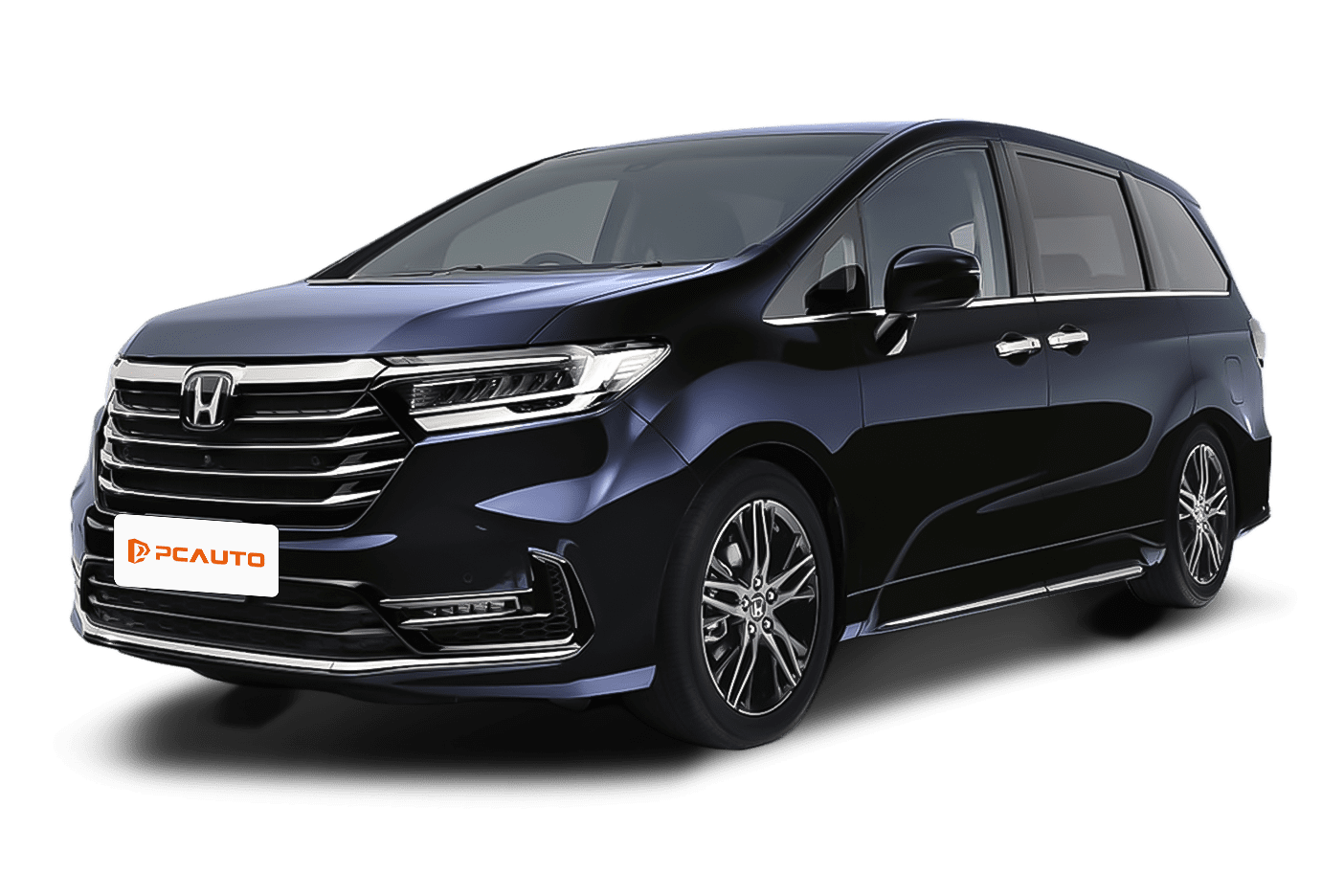
2022 Honda Odyssey 2.4 EXV is a family MPV that balances spatial practicality and comfortable configurations, meeting versatile household needs with its flexible 7-seat layout, Ottoman captain seats, and a well-established powertrain.