


Reference Only. Update Soon
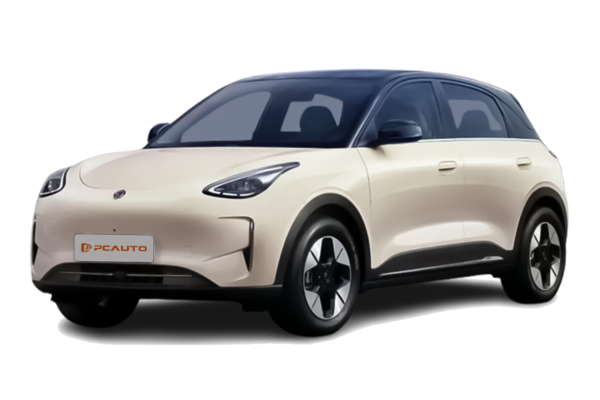
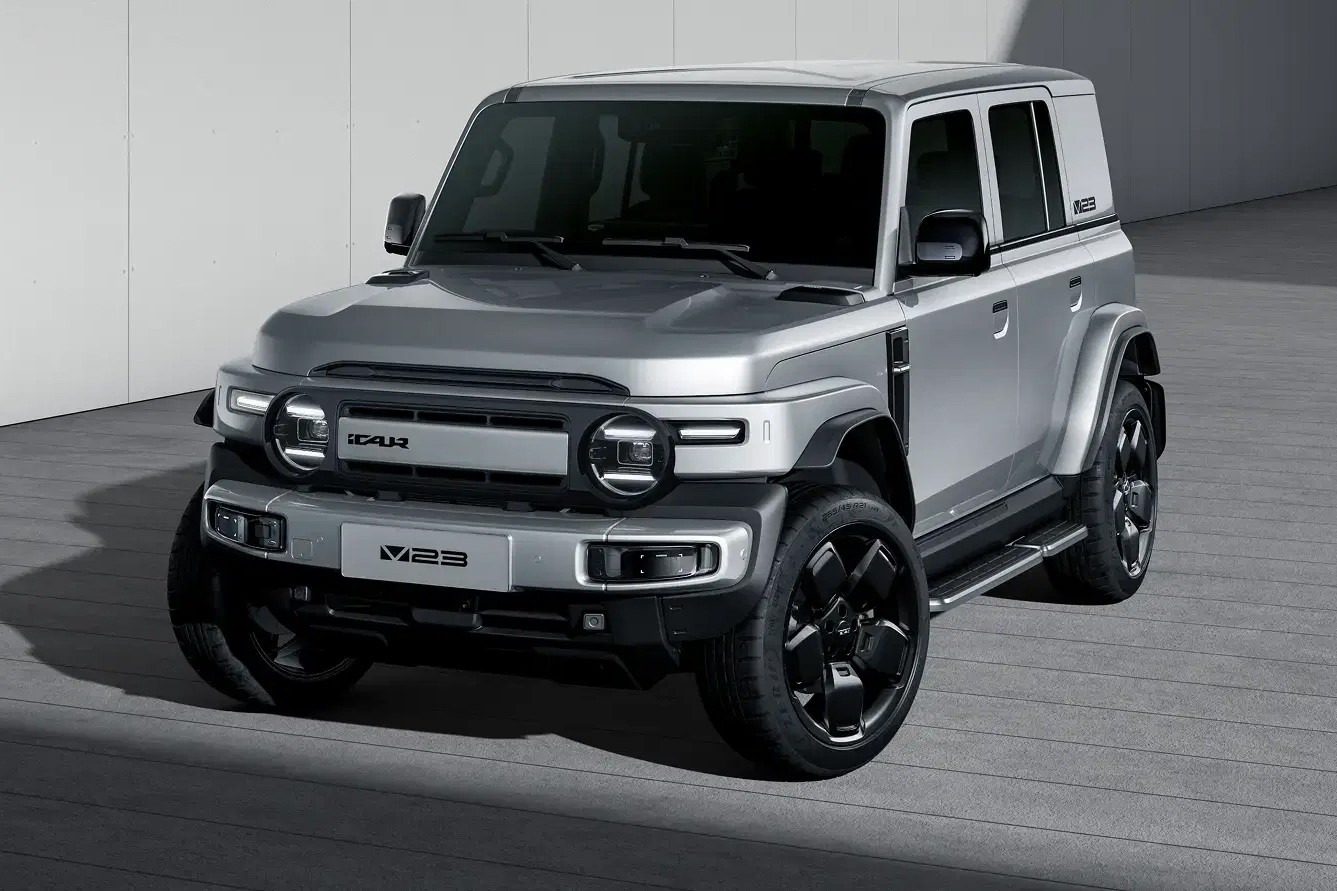
2025 iCaur V23 2WD
Price
RM 119,800
Select a Vehicle Variant
2025 iCaur V23 2WD RM 119,800
Summary
2025 iCaur V23 2WD: A practical C-Segment SUV since 2025-11-27. Starts at RM 119,800. Fits 5 adults comfortably (1845mm headroom!). Drives up to 11 km/h(s) with confidence. The 360 km range? Enough for most daily needs plus extra.
Runs on a 59.93 kWh Lithium iron phosphate battery battery. Fast charge (10-80%) in - hours. Full charge at home: - hours. Simple tech, zero fuss. If you want an electric car that prioritizes space, range, and ease of use – this is it.
Runs on a 59.93 kWh Lithium iron phosphate battery battery. Fast charge (10-80%) in - hours. Full charge at home: - hours. Simple tech, zero fuss. If you want an electric car that prioritizes space, range, and ease of use – this is it.
Core Specs

Segment
C-Segment

EV Range(km)
360

Battery Type
Lithium iron phosphate battery

100 Kilometers(kWh)
11

Motor Arrangement
Rear

Battery Capacity(kWh)
59.93

Seats
5

Length(mm)
4220

Width(mm)
1915

Height(mm)
1845

Wheelbase(mm)
2735

Boot Volume(L)
234-744
Other Variants

Price
RM 119,800
Body
4220×1915×1845
Motor Output(PS)
136
Motor Output(kW)
100
Battery Capacity
59.93
EV Range
360
Power Consumption
-
Related Q&A
View More >Q
what is the weakness of the honda hr-v?
The Honda HR-V is a well-regarded compact SUV in the Malaysian market. While it possesses several commendable attributes, it is also important for potential buyers to be aware of its limitations to make an informed decision.
Powertrain Performance: The 1.8-liter naturally aspirated engine is known for its reliability. However, its performance can feel somewhat inadequate during high-speed overtaking maneuvers or when the vehicle is fully loaded, especially when compared to competitors offering turbocharged engines.
Noise, Vibration, and Harshness (NVH): A notable area for improvement is the noise insulation. At highway speeds, road and wind noise become quite pronounced, which can detract from the overall cabin comfort and refinement.
Interior Space and Quality: The rear legroom may be somewhat restrictive for taller occupants on long journeys. Although the interior design is functional and straightforward, the use of hard-touch plastics on various surfaces can make the cabin feel less premium compared to some rivals that utilize more soft-touch materials.
Ride and Handling: The suspension is calibrated primarily for comfort, which benefits daily commuting. The trade-off, however, is a more pronounced body roll during cornering, which limits the vehicle's engagement for drivers seeking a sportier driving experience.
Cost Considerations for Malaysian Buyers: It is also worth noting that the hybrid variant commands a significantly higher price point. The payback period for the additional upfront cost through fuel savings can be relatively long, which is an important economic factor to consider.
Despite these considerations, the HR-V maintains Honda's traditional strengths in areas such as good fuel economy, proven reliability, and strong resale value.
Ultimately, the relevance of these limitations depends heavily on individual preferences and usage patterns. We strongly recommend that prospective buyers conduct a thorough test drive to evaluate whether the HR-V's overall package aligns with their specific needs and expectations.
 PamSep 28, 2025
Q
What's the engine displacement of Golf GTI?
The Golf GTI has a displacement of 1,984 cc and is equipped with a 2.0T in - line four - cylinder turbocharged engine (from the EA888 series). An engine with this displacement can provide ample power for the vehicle. Take the 2024 Volkswagen Golf GTI Edition 50 as an example. Its engine can reach a maximum horsepower of 245 PS, a maximum power of 180 kw, and a maximum torque of 370 N·m. It can output a large amount of torque even at low engine speeds, delivering a great acceleration. The official 0 - 100 km/h acceleration time is relatively short, and the power response is sensitive. Whether overtaking on city roads or driving at high speeds on the highway, it can handle the situations with ease. Moreover, this power configuration, combined with a 7 - speed DCT gearbox and front - wheel drive, offers driving pleasure while also achieves the balance between practicality and comfort of daily driving.
 TechGeekGuruJun 10, 2025
Q
What's the monthly installment of Honda City?
The monthly installment of Honda City in Malaysia fluctuates based on factors such as the car price, loan tenure, interest rate, and down - payment ratio. Taking the latest 2024 prices as an example, the Honda City is priced approximately between RM 84,900 and RM 111,900 (for different versions like V, RS, etc.). Assuming you choose a 90% loan (10% down - payment), a loan tenure of 7 years (84 months), and with a bank interest rate of about 3% to 3.5% (which varies among different banks like Maybank, Public Bank, etc.), the monthly installment will be roughly between RM 1,100 and RM 1,600.
If you want to lower the monthly installment, you can opt for a longer loan tenure (e.g., 9 years) or increase the down - payment ratio (e.g., 20%), but the total interest paid will be higher. It is recommended that when buying a car in Malaysia, you use the loan calculators provided by banks or car dealers for a more accurate estimate. At the same time, you should also consider additional expenses such as insurance (car insurance is around RM 1,800 to RM 3,000 per year) and road tax (about RM 90 to RM 380 per year) to have a comprehensive car - buying budget plan.
 GreenTreeJun 16, 2025
Q
What Segment is Perodua Axia?
The Perodua Axia belongs to the A-Segment vehicles in the Malaysian market, which is the most entry-level microcar category. It mainly targets consumers with limited budgets who prioritize fuel economy. Its body size is compact (about 3,640mm in total length and a wheelbase of 2,450mm). It is equipped with a 1.0L three-cylinder engine and paired with a D-CVT gearbox, highlighting the flexibility for urban commuting and the advantage of low cost. The official fuel consumption data shows that it can travel about 22 kilometers per liter of gasoline, meeting the needs of Malaysian consumers for economical and practical small cars.
In terms of extended knowledge, Malaysia's automobile classification standards usually refer to the European system. Besides the Axia, A-Segment models also include the Proton Saga and other vehicles. These cars are characterized by their affordable prices (the starting price of the Axia is around RM22,000 to RM49,000) and are suitable for narrow road environments. However, their safety configurations have been significantly improved in recent years. For example, all models of the 2023 new Axia come standard with ABS + EBD and dual airbags, and the top - end version is even equipped with the ASA 3.0 advanced safety assistance system, indicating that entry - level car models are gradually upgrading their technological equipment. Consumers can choose different configuration versions according to their budgets. At the same time, it is recommended to test - drive and compare the Proton Iriz in the same class or second - hand B - Segment models before purchasing a car to comprehensively evaluate the balance between space and functionality.
 CrystalGazeVisionaryJul 9, 2025
Q
What is the Engine in Honda Accord?
The engine options for the Honda Accord in the Malaysian market vary depending on the specific year and model version. Currently, the most common one is the 1.5-liter VTEC turbocharged four-cylinder engine, which has a maximum power of about 201 horsepower and is paired with a CVT transmission. This combination balances both power performance and fuel economy, making it suitable for both city driving and long-distance travel. For users who pursue higher performance, some overseas markets also offer 2.0-liter turbocharged or hybrid versions, but the Malaysian market mainly features the 1.5T models. Turbocharging technology can enhance the torque output at low RPMs, making acceleration smoother, while the VTEC system optimizes valve timing to improve combustion efficiency. The engine design of the Accord focuses on durability and low maintenance costs, meeting the Malaysian consumers' demand for reliability. If you're considering a used car, note that different generations of the Accord may be equipped with naturally aspirated or early turbo engines. It is recommended to confirm the vehicle's condition through professional inspections. Additionally, regular oil changes and maintenance of the turbo system are crucial for maintaining engine efficiency. Pay extra attention to the status of the heat dissipation and cooling systems, especially in the tropical climate.
 JoyfulJul 22, 2025
Q
Does the 2018 Honda Odyssey have transmission problems?
Currently, there is no information indicating that the 2018 Honda Odyssey has transmission problems. The CVT continuously variable transmission installed in this model is a mature and reliable transmission system used in many Honda models. It has been specially tuned to achieve smooth power transmission and efficient operation. This model, which comes standard with a CVT transmission, is equipped with a 2.4 - liter gasoline engine, ensuring a good power match. At the same time, it offers a number of standard features to guarantee the comfort and safety of drivers and passengers. Although the transmissions of other brands or models may experience wear and tear over time, in the absence of official fault reports or widespread complaints, as long as the vehicle is used and maintained properly, the transmission system of the 2018 Odyssey should operate reliably.
 HappyDolphinFeb 18, 2026
Q
Which 2024 Mazda CX-5 has the best gas mileage?
The 2024 Mazda CX-5 offers multiple powertrain options in the Malaysian market, with the front-wheel-drive variant featuring the 2.0-liter Skyactiv-G naturally aspirated engine delivering the best fuel economy. Official data indicates a combined fuel consumption of approximately 6.5-6.8 liters per 100 kilometers, striking a balance suitable for both daily urban commuting and long-distance driving. This engine pairs with an optimized 6-speed automatic transmission, leveraging Mazda's exclusive Skyactiv technology to achieve efficient combustion and low friction losses while preserving the brand's signature driving pleasure. For further fuel efficiency gains, maintain proper tire pressure, avoid aggressive acceleration and braking, and use the air conditioning system judiciously. It's worth noting that the hybrid variant is not currently available in Malaysia. However, the conventional gasoline-powered CX-5 still delivers competitive fuel economy among its SUV peers, particularly offering more stable consumption in congested traffic compared to some turbocharged models. For Malaysian buyers, opting for the front-wheel-drive (FWD) version not only reduces fuel costs but also lowers the initial purchase price, as FWD models are typically more affordable than their all wheel-drive (AWD) counterparts.
HappyLobsterSep 19, 2025Q
How much oil does a 2021 Nissan Rogue 2.5 take?
The 2021 Nissan Rogue 2.5-liter model has an oil capacity of approximately 5.4 liters (including the oil filter). It's recommended to use fully synthetic 0W-20 oil meeting API SN or higher standards – the ideal choice for Malaysia's hot climate and stop-and-go city traffic, as it effectively protects the engine and improves fuel efficiency. Regular oil changes are crucial for maintaining engine performance, typically every 10,000 kilometers or 6 months. However, if you frequently drive in high-temperature or dusty conditions, you can shorten this interval to 8,000 kilometers. When choosing oil, always check for the ILSAC GF-5 or GF-6 certification mark on the packaging, as these oils offer better cleaning properties and anti-wear characteristics. It's worth noting that oil quantities may vary slightly for Rogue models of different years or engine versions, so it's best to consult the owner's manual or verify through the original factory system before changing. In Malaysia, many authorized service centers offer original oil packages that include labor costs and genuine filters, providing peace of mind while ensuring warranty validity.
 DreamlandNov 7, 2025
Q
Is 1.4 L a 4 cylinder?
A 1.4L engine typically comes with a 4-cylinder setup. This small-displacement multi-cylinder design strikes a balance between power and fuel efficiency – take the common turbocharged 1.4T four-banger for example, widely used in economy cars and crossovers. But cylinder count isn't strictly dictated by displacement. Remember those old-school 1.4L three-pot engines? Nowadays, some modern rides even use advanced 1.4L three-cylinder turbo tech for better mileage.
Four-cylinders shine with smoother operation and lower maintenance costs, making them ideal for daily commuting. That said, modern three-potters with balance shafts can deliver surprisingly decent performance. When choosing, don't just fixate on cylinder count – turbocharging, direct injection and other tech features massively impact power delivery and driving dynamics. Pro tip: test drive different configurations back-to-back. Nothing beats seat-of-the-pants experience when finding the right engine for your needs.
 GentleSpiritSootherDec 19, 2025
Q
What is the difference between belt driven and direct drive wheels?
The main differences between belt-driven and direct-driven wheels lie in their power transmission methods and mechanical structures. The belt-driven system connects the motor and wheels via an elastic belt, which incurs transmission losses and requires regular maintenance (such as belt replacement), but it has lower cost and mature technology, making it suitable for consumers with limited budgets. The direct-drive system, on the other hand, adopts a design where the motor is directly coupled with the wheel axle, eliminating intermediate transmission links. It boasts higher energy efficiency (with a transmission efficiency of over 98%) and quieter operation, while also reducing mechanical wear. Over long-term use, it can save approximately 15%-20% of electricity, but its initial purchase cost is 30%-40% higher than that of the belt-driven system. In terms of durability, the bearings of the direct-drive system have to bear greater loads, whereas the belt-driven system extends the motor's lifespan through physical buffering but requires belt replacement every 3 years. If quietness and energy efficiency are prioritized, the direct-drive system is recommended; if economy and ease of maintenance are given top priority, the belt-driven system is more suitable.
 CreativeGeniusInnovatorJan 19, 2026
Popular Cars
Model Year
Car Compare
Car Photo
Model List
iCaur V23 is a C-Segment SUV EV launched by iCaur. PCauto has cataloged various variants of this car produced from 2025 to 2025.You can compare differences in detail at the parameter table.
Among the 2 variants of iCaur V23, prices range from the affordable RM 119,800 to the most expensive RM 132,800.You can find different horsepower versions ranging from 136PS to 211PS.
iCaur V23 offers 100 Permanent Magnet Synchronous Motor, 155 Permanent Magnet Synchronous Motor Motor and 59.93kWh, 81.76kWh battery. Check the spec sheet for more details.
2 Models on Sale
2025