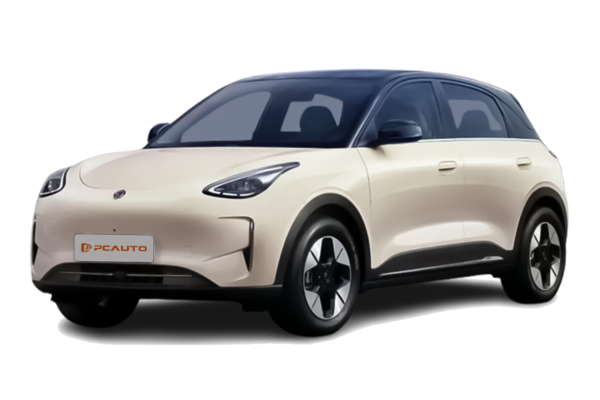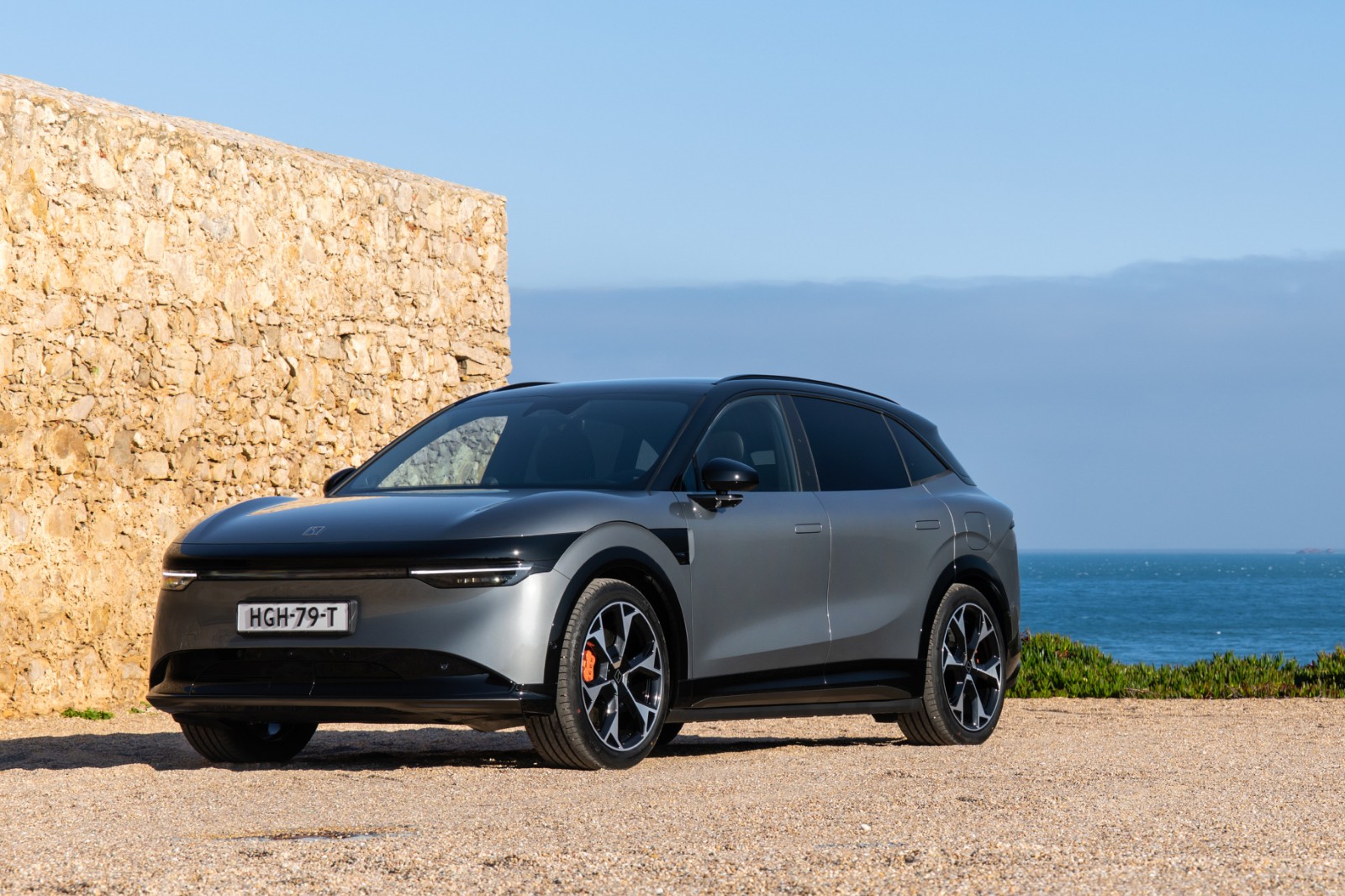
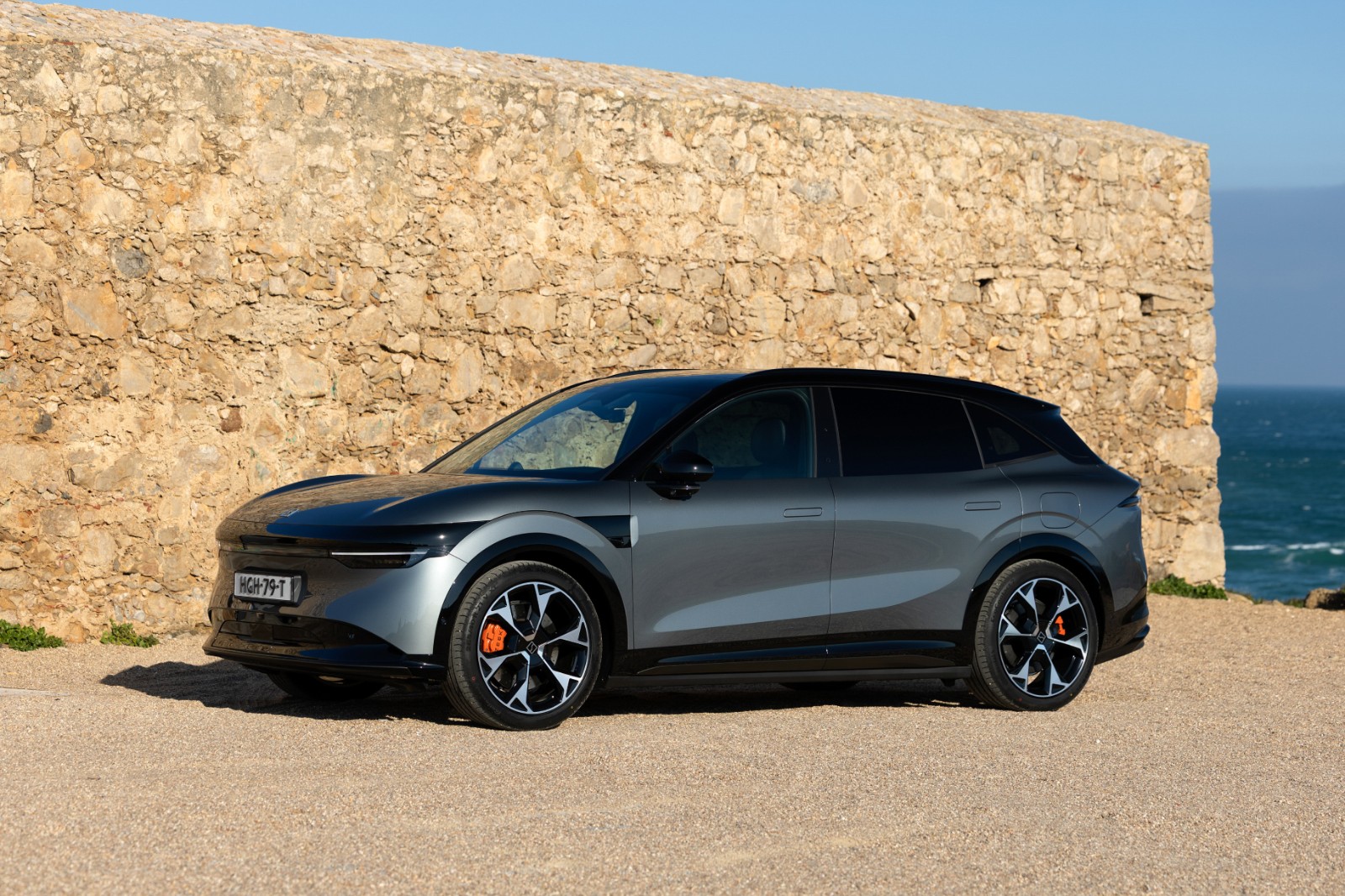
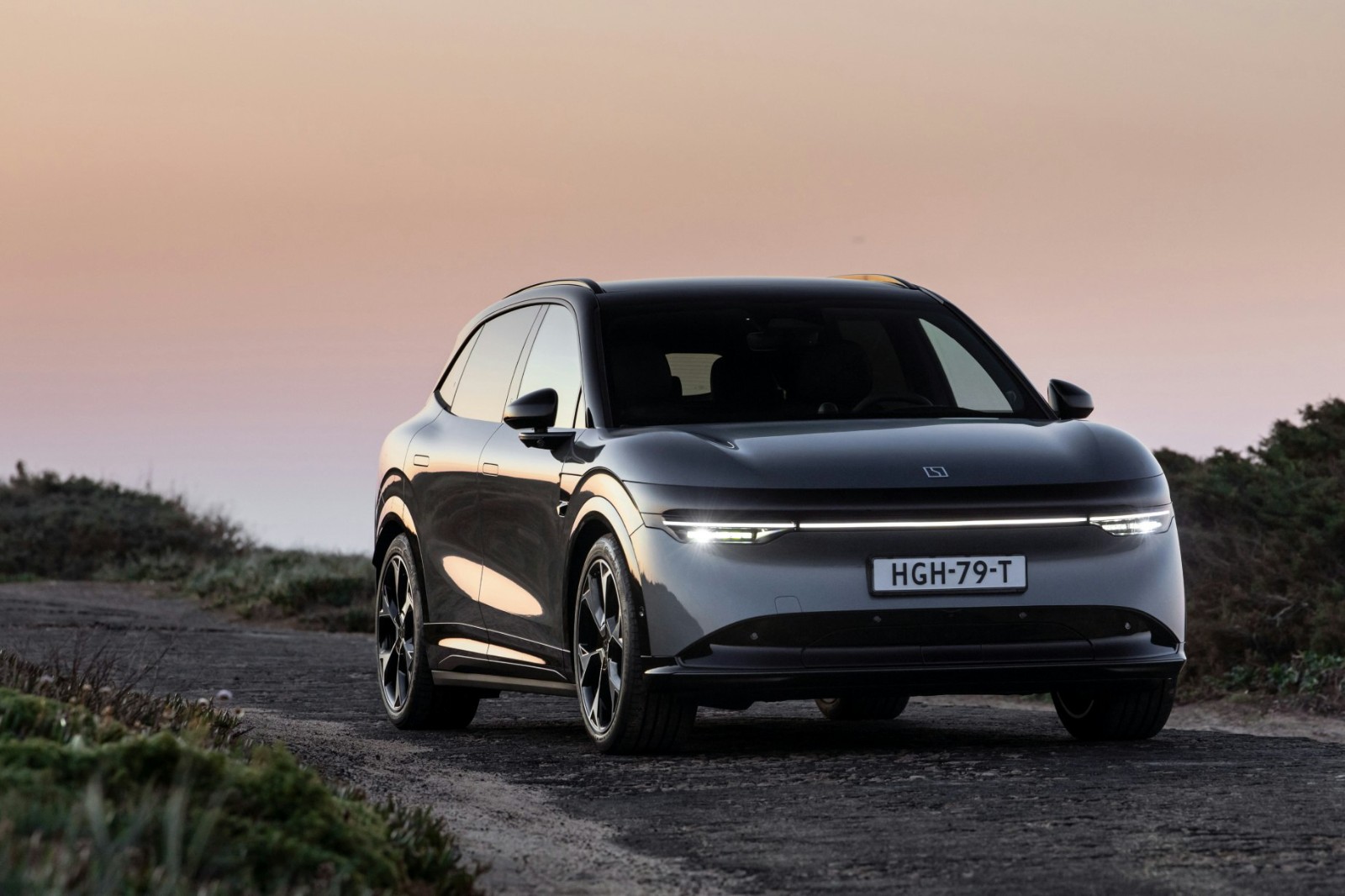
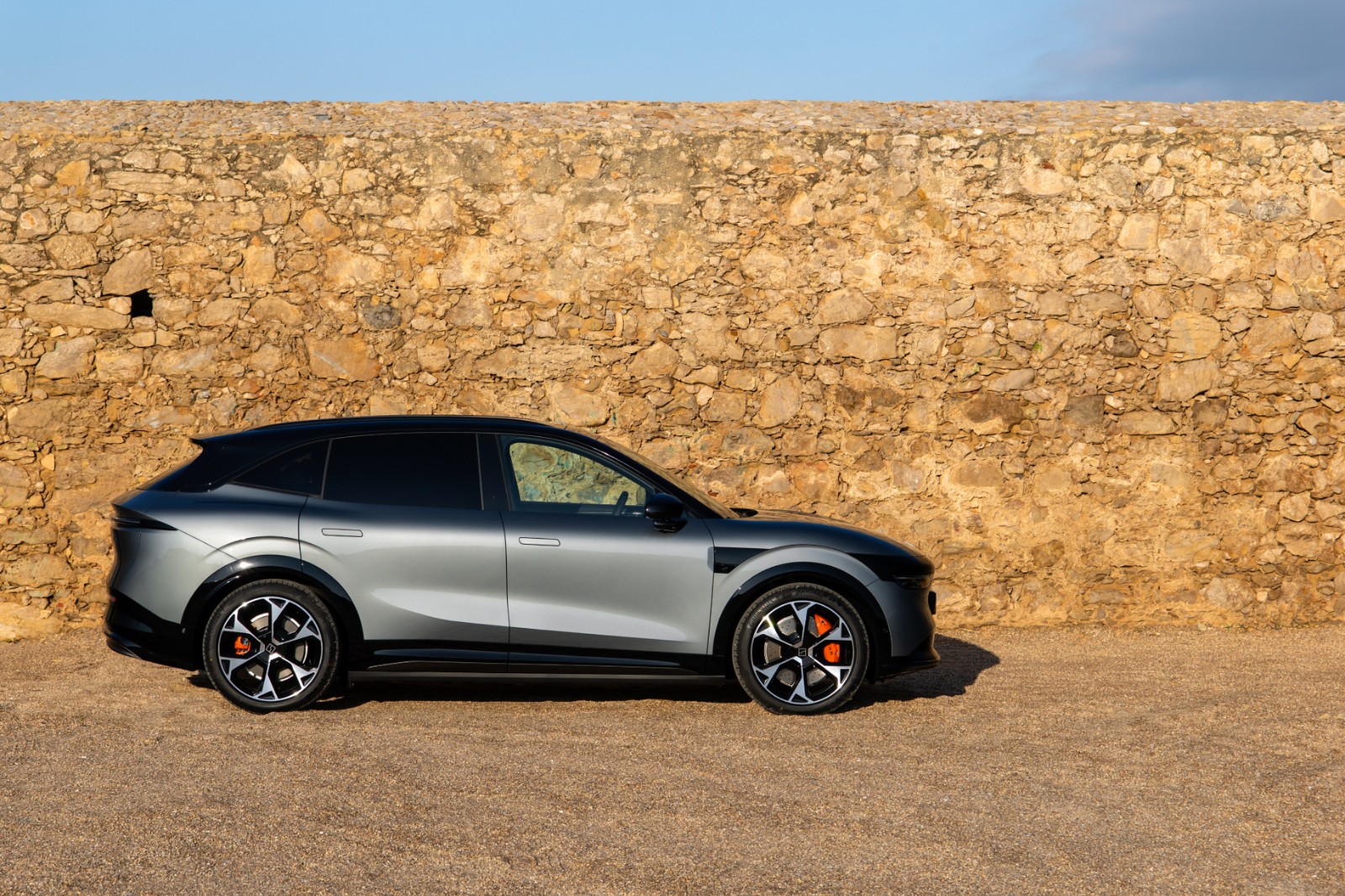
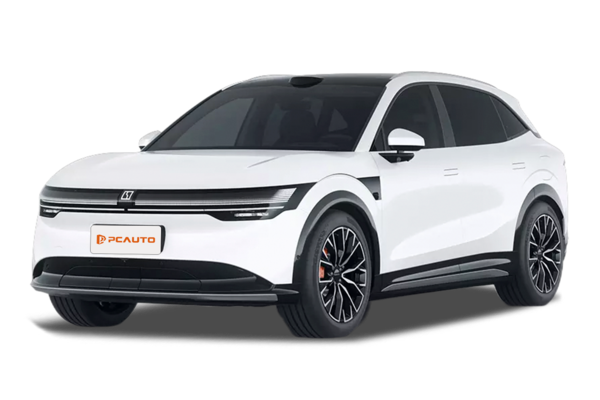
2025 ZEEKR 7X AWD Perfoemance
No.13 in Best SUVPrice
RM 226,800
Select a Vehicle Variant
2025 ZEEKR 7X RWD Standard RM 179,800
Summary
2025 ZEEKR 7X AWD Perfoemance: A practical D-Segment SUV since 2025-8-22. Starts at RM 226,800. Fits 5 adults comfortably (1650mm headroom!). Drives up to 3.8 km/h(s) with confidence. The 543 km range? Enough for most daily needs plus extra.
Runs on a 100 kWh Ternary lithium battery battery. Fast charge (10-80%) in 5.5 hours. Full charge at home: 16 hours. Simple tech, zero fuss. If you want an electric car that prioritizes space, range, and ease of use – this is it.
Runs on a 100 kWh Ternary lithium battery battery. Fast charge (10-80%) in 5.5 hours. Full charge at home: 16 hours. Simple tech, zero fuss. If you want an electric car that prioritizes space, range, and ease of use – this is it.
Core Specs

Segment
D-Segment

EV Range(km)
543

Battery Type
Ternary lithium battery

100 Kilometers(kWh)
3.8

Motor Arrangement
Front+Rear

Battery Capacity(kWh)
100

Seats
5

Length(mm)
4787

Width(mm)
1930

Height(mm)
1650

Wheelbase(mm)
2900

Boot Volume(L)
-
Other Variants
Price
RM 226,800
Body
4787×1930×1650
Motor Output(PS)
646
Motor Output(kW)
475
Battery Capacity
100
EV Range
543
Power Consumption
-
Related Q&A
View More >Q
how to reset routine maintenance light on mitsubishi xpander
Here's how to reset the maintenance reminder light on your Mitsubishi Xpander: First, make sure the vehicle is turned off. Then, press and hold the "TRIP" button on the instrument cluster. While keeping it held down, turn the key to the "ON" position – don't start the engine though. You'll notice the maintenance light start to flash. Keep holding that button for about 10 seconds until the light goes out, and you're all set with the reset.
A quick heads-up: Xpanders from different model years might have slight variations in this process. If the steps above don't work for you, it's best to check your owner's manual or swing by an authorized Mitsubishi service center for the exact scoop.
Remember, that maintenance light is there for a reason – it's your car's way of nudging you to keep up with regular servicing. Ignoring it could mean missing crucial maintenance tasks, and that's never good for your vehicle's performance or long-term reliability. Living with Malaysia's hot and humid weather, sticking to those maintenance intervals becomes even more important. Changing your oil, filters, and other wear items on time helps keep the engine and all those vital components running in top shape.
Got more questions about taking care of your Xpander? The pros at your Mitsubishi dealership will be happy to give you a hand with whatever you need.
 ActorOct 13, 2025
Q
How Many CC is Toyota Vios?
The Toyota Vios is a very popular B-segment sedan in the Malaysian market. The currently available fourth-generation model (2023 version) is equipped with a 1.5-liter naturally aspirated engine with a specific displacement of 1496 cc (cubic centimeters). It has a maximum power of 107 horsepower and a peak torque of 140 Nm, paired with a CVT gearbox. This engine is well - known for its durability and fuel economy.
In the Malaysian market, the Vios comes in four versions: J, E, G, and TRD Sportivo, which can meet the needs of different consumers. For readers who want to know about car displacement, cc (cubic centimeters) is a unit used to measure engine displacement. Generally, a larger number means stronger power, but it may also result in higher fuel consumption. The 1.5L displacement of the Vios strikes a good balance between power and fuel efficiency, making it very suitable for city driving.
Moreover, the Vios is also equipped with Toyota Safety Sense, an active safety system that includes functions such as pre - collision warning and lane departure warning, which further enhance driving safety. These features are quite competitive among models in the same class.
 SweetJul 7, 2025
Q
Is the Alfa Romeo Quadrifoglio a Ferrari engine?
The engine used in the Alfa Romeo Quadrifoglio doesn't come directly from Ferrari, but there's a technical connection between them. That's because both Alfa Romeo and Ferrari belong to the Stellantis Group and share some R & D resources. The 2.9 - liter V6 twin - turbocharged engine in the Quadrifoglio was tuned with the participation of the Ferrari team. Its design has similarities with the 3.9 - liter V8 engine of the Ferrari 488, such as the bore - to - stroke ratio. However, it's an independent power unit developed specifically for Alfa Romeo, with a maximum power of up to 505 horsepower and excellent performance.
For car enthusiasts in Malaysia, this engine not only provides strong power output but also has the exhaust note and response speed carefully tuned by Italian engineers, which is suitable for the local winding roads and high - speed driving requirements. It's worth noting that although Alfa Romeo has technical cooperation with Ferrari, their brand positioning is different. The former focuses more on the balance between daily driving and performance, while the latter is dedicated to pure - bred supercars. Consumers can choose according to their budget and needs.
The Alfa Romeo models introduced to the Malaysian market in recent years have all been adapted to the tropical climate, and the maintenance cost is relatively reasonable, making them suitable for car owners who pursue a unique Italian style.
 FopAug 5, 2025
Q
What are the trim levels of the 2019 Subaru XV?
The 2019 Subaru XV hit the Malaysian market with three main trim levels: 2.0i, 2.0i-P, and 2.0i-S. All trims come powered by the 2.0-liter flat-four FB20 engine paired with a Lineartronic CVT, and as you'd expect from Subaru, Symmetrical All-Wheel Drive is standard across the range.
Starting with the base 2.0i, you're looking at LED headlights, 17-inch wheels, a 6.5-inch touchscreen, and a reverse camera – solid basics. Step up to the mid-range 2.0i-P, and you get some nice upgrades: an electric sunroof, a leather-wrapped steering wheel, and an 8-inch touchscreen that supports Apple CarPlay and Android Auto – way more user-friendly for your daily commute.
The top-spec 2.0i-S really ups the ante, though. It rolls on 18-inch wheels, swaps in leather seats, adds SRH (Steering Responsive Headlights) for better visibility around corners, and most importantly, includes Subaru's EyeSight driver assist system. That means pre-collision braking and adaptive cruise control – big wins for safety, especially on those long highway stretches.
Speaking of EyeSight, it uses dual cameras to create stereoscopic vision, which is actually a big plus for Malaysia's rainy climate – it helps keep things stable and safe when the roads get slick. And let's not forget that flat-four engine's low center of gravity – it makes the XV feel planted and agile, perfect for Malaysia's twisty backroads.
As a crossover SUV, the XV strikes a nice balance with its 220mm ground clearance. It's high enough to handle some light off-roading or those occasional rough patches, but still easy to hop in and out of for city driving. No wonder it's a hit with Malaysian buyers – it's practical, capable, and just makes sense for our roads.
 FlutteringWingOct 21, 2025
Q
Does Alfa Romeo offer free maintenance?
When it comes to whether Alfa Romeo offers free maintenance services in Malaysia, the brand currently doesn't have a unified complimentary maintenance program covering all models across the board. However, some authorized dealers might throw in promotional packages that include a few free servicing sessions when you purchase a car. It really depends on the promotional policies at the time of your purchase, so your best bet is to hit up your local dealer directly for the latest lowdown.
For Alfa Romeo owners in Malaysia, sticking to regular maintenance is crucial for keeping those cars performing at their best. Take the turbocharged engines with MultiAir tech, for example – they need strict adherence to maintenance schedules to ensure they're running in tip-top shape. It's also worth noting that maintenance costs can vary between model years. Newer models like the Tonale plug-in hybrid might see some higher upkeep expenses due to the added complexity of their electrical systems.
If you're planning to hold onto your Alfa for the long haul, it's worth asking dealers about pre-paid maintenance package options. These often work out cheaper than paying for each service individually. Other European brands like Mercedes and BMW also tend to play the same game in the Malaysian market – offering flexible maintenance deals through their dealers rather than including free servicing as standard across all models. So, definitely do your homework and compare after-sales policies across brands before signing on the dotted line.
 MusicianNoteOct 21, 2025
Q
What is a 2019 Triton?
The 2019 Triton refers to Mitsubishi's fifth-generation Triton pickup truck, launched in 2019. This model was a big hit in the Malaysian market, known for its toughness, versatility, and off-road capabilities. Under the hood, the 2019 Triton packed a 2.4-liter turbocharged diesel engine, available in two tunes: a high-power version cranking out 181 horsepower and 430 Nm of torque, and a standard variant with 150 horsepower and 400 Nm. It came mated to either a 6-speed manual or 6-speed automatic gearbox, catering to different driving preferences.
Styling-wise, the 2019 Triton adopted Mitsubishi's latest Dynamic Shield design language, giving the front end a more aggressive stance. LED headlights and daytime running lights were also part of the package, boosting its road presence. Inside the cabin, you'd find a 7-inch touchscreen, a multifunction steering wheel, and a suite of driver assistance systems like lane departure warning and blind spot monitoring, which definitely upped the safety quotient.
As a pickup, the 2019 Triton didn't skimp on utility either, boasting impressive cargo bed capacity and payload capability—perfect for both workhorse duties and weekend getaways. In Malaysia, the Triton became a top pick for many families and businesses thanks to its great value for money and solid reliability, especially for folks who need to tackle rough terrain. On top of that, Mitsubishi's extensive after-sales service network in the country further sweetened the ownership experience for Triton drivers.
 SweetMelonFeb 18, 2026
Q
How much oil in a 2020 Volvo XC90?
The oil capacity of the 2020 Volvo XC90 varies by engine type. Common T5 or T6 gasoline engines typically require approximately 5.6 to 6.5 liters of oil, while diesel versions like the D5 may need 6.5 to 7.5 liters. For exact figures, always refer to your vehicle manual or have it measured by a professional service shop. It's recommended to use fully synthetic oil that meets Volvo's certifications, such as 0W-20 or 5W-30, to ensure optimal engine performance and lubrication. Regularly checking the oil level is crucial—this can be done via the dashboard's electronic oil gauge or the traditional dipstick. If you notice abnormal oil consumption or the level drops below the minimum mark, top it up promptly or investigate the cause. Additionally, when changing the oil, always replace the oil filter at the same time and follow the manufacturer's suggested maintenance intervals, usually every 10,000 kilometers or 12 months. If you frequently drive in high-temperature conditions or heavy traffic, consider shortening this interval slightly. Knowing these details will help you better maintain your vehicle, extend engine life, and remember to purchase oil and maintenance services through official channels to avoid using inferior products that could harm your vehicle's performance.
 SunshineDayNov 14, 2025
Q
Does the 2017 Hyundai Sonata have an engine recall?
Yes, the 2017 Hyundai Sonata was indeed part of an engine-related recall, primarily targeting potential issues with the Theta II GDI engine. These issues include possible metal debris from the manufacturing process causing bearing wear, which could lead to engine failure or even stalling. The manufacturer offered free inspections and repairs for this. Recalls like this aren't unique to the Sonata; many brands have issued recalls over engine or component concerns—it's a standard industry practice to ensure consumer safety. I'd advise owners to check their specific recall status by entering their Vehicle Identification Number (VIN) through official channels, and if eligible, schedule a service appointment promptly. In regular maintenance, keeping an eye on oil condition and listening for unusual engine noises can help catch potential problems early. Also, make a habit of checking manufacturer announcements to keep your vehicle up to date with the latest safety standards. Hyundai's after-sales service network usually handles these recalls efficiently, so owners don't need to worry too much.
 TitanCrushNov 24, 2025
Q
What are the three different uses of wheels?
Automotive wheel hubs primarily serve three core functions. First, they support and secure the tires. As a key component connecting the tires to the axle, the wheel hub firmly fastens the tire to the axle via bolts, ensuring stable contact between the tire and the road surface. Simultaneously, it bears the vehicle's weight and distributes it to the road; its structural strength directly impacts the vehicle's driving stability. Second, they facilitate power transmission and handling performance. The wheel hub transfers the power output by the engine to the tires through the axle and withstands lateral loads during acceleration, braking, and cornering. Wheel hubs of different materials (such as aluminum alloy or steel) and designs affect steering response and driving experience. Third, they provide cushioning and protection. The wheel hub can absorb road bumps and impact forces, reducing vibration transmission to the vehicle body and enhancing ride comfort. It also provides a mounting base for the braking system, and its heat dissipation performance is related to braking efficiency. Additionally, wheel hub design is aesthetically oriented; personalized styles can enhance the vehicle's visual appeal, but attention must be paid to size compatibility to avoid affecting the compatibility of tires and braking systems. Regular inspection of wheel hubs for deformation or corrosion is crucial for driving safety.
 BraveExplorerAdventurerJan 19, 2026
Q
How expensive are brake pads to change?
The cost of brake pad replacement typically ranges from RM150 to RM600, with the exact price depending on the vehicle model, brake pad material, and whether original equipment manufacturer (OEM) parts are chosen. For economy cars, the cost of front brake pad replacement is approximately RM150 to RM300, while for luxury models it may reach RM400 to RM600. Rear brake pads, due to slower wear and lower replacement frequency, usually cost 20% to 30% less than front ones. Semi-metallic brake pads are moderately priced and durable; ceramic brake pads offer better quietness but are more expensive; and asbestos-free organic materials are an economical option. It is recommended to check the thickness of front brake pads every 30,000 kilometers (replacement is needed if the thickness is below 5 millimeters), while rear brake pads can be checked at an extended interval of 60,000 kilometers. Immediate replacement is required if a metal scraping sound is heard or a warning symbol appears on the dashboard. Notably, automatic transmission vehicles and frequent urban driving can accelerate brake pad wear, and heavy-duty vehicles need to shorten the inspection interval to 20,000 kilometers. When replacing, priority should be given to OEM-certified parts to ensure braking performance. New brake pads require a break-in period of 200 kilometers to achieve optimal effectiveness. If the brake fluid level is too high after replacement, the brake pedal needs to be pressed multiple times to reset it.
 WindyHillFeb 5, 2026
Popular Cars
Model Year
Car Compare
Car Photo
Model List
ZEEKR 7X is a D-Segment SUV EV launched by ZEEKR. PCauto has cataloged various variants of this car produced from 2025 to 2025.You can compare differences in detail at the parameter table.
Among the 3 variants of ZEEKR 7X, prices range from the affordable RM 179,800 to the most expensive RM 226,800.You can find different horsepower versions ranging from 422PS to 646PS.
ZEEKR 7X offers 475 Permanent Magnet Synchronous Motor, 310 Permanent Magnet Synchronous Motor Motor and 100kWh, 75kWh battery. Check the spec sheet for more details.
3 Models on Sale
2025
- 0-100km/h(s): 6
- Motor Output(kW): 310
- EV Range(km): 480
- Driven Wheels: Rear Wheel Drive
- Electronic Stability Control(ESC)
- 0-100km/h(s): 6
- Motor Output(kW): 310
- EV Range(km): 615
- Driven Wheels: Rear Wheel Drive
- Electronic Stability Control(ESC)
- 0-100km/h(s): 3.8
- Motor Output(kW): 475
- EV Range(km): 543
- Driven Wheels: All Wheel Drive
- Head-up Display
2025 ZEEKR 7X RWD Standard
RM 179,800
2025 ZEEKR 7X RWD LongRange
RM 190,800
2025 ZEEKR 7X AWD Perfoemance
RM 226,800