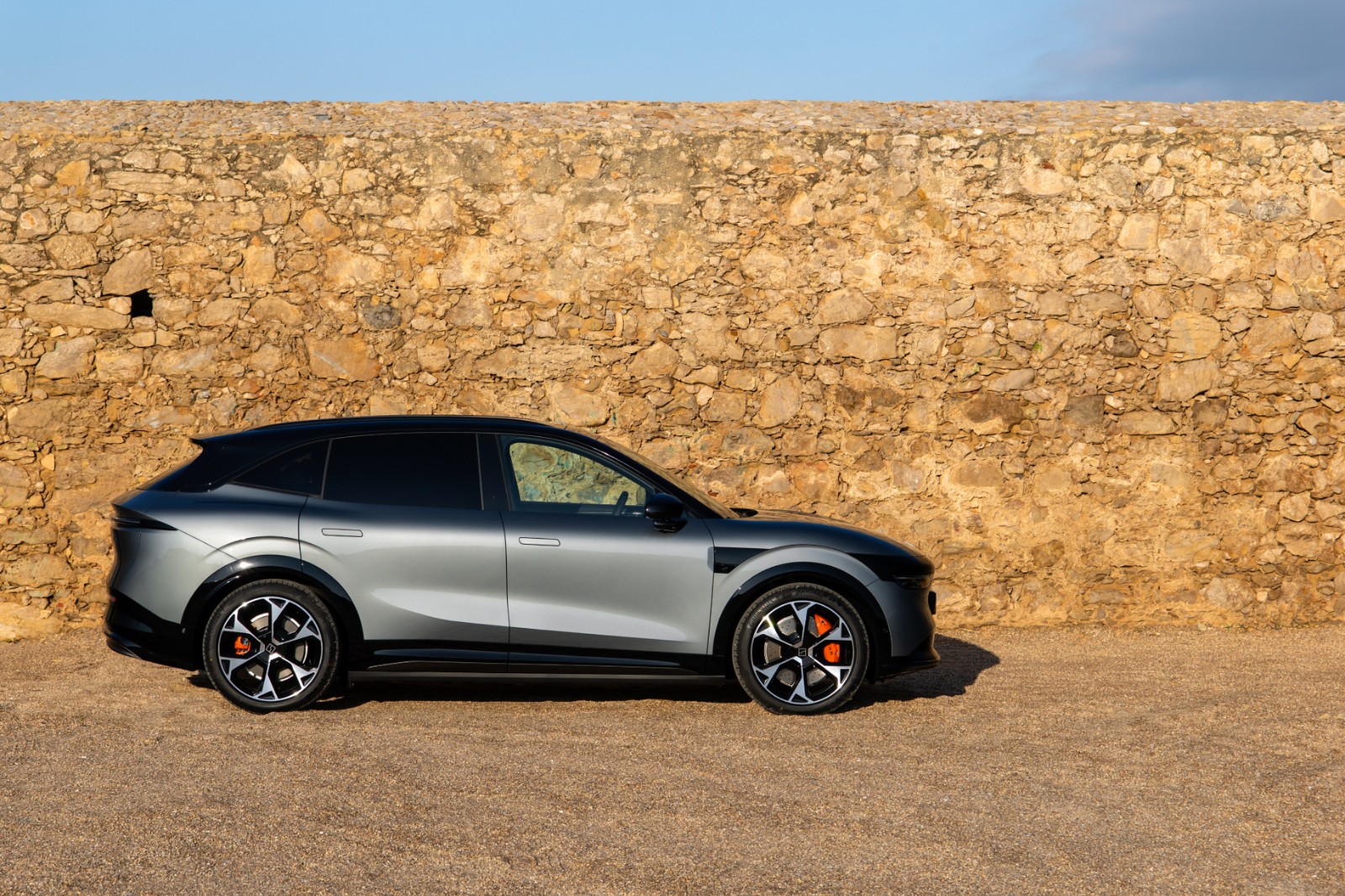
Reference Only. Update Soon
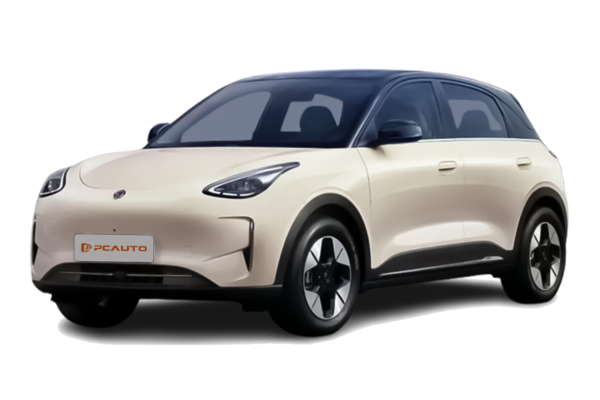
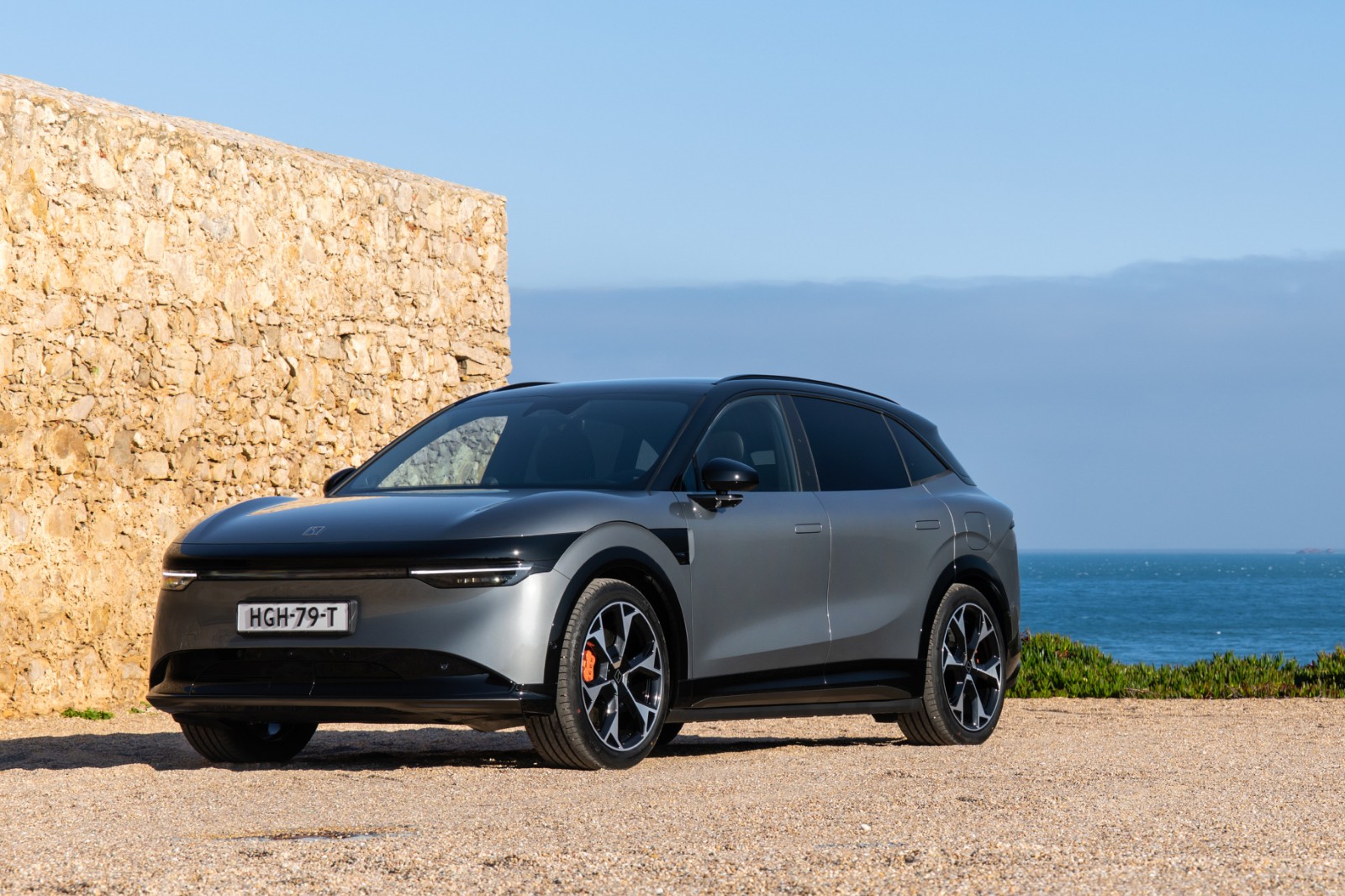
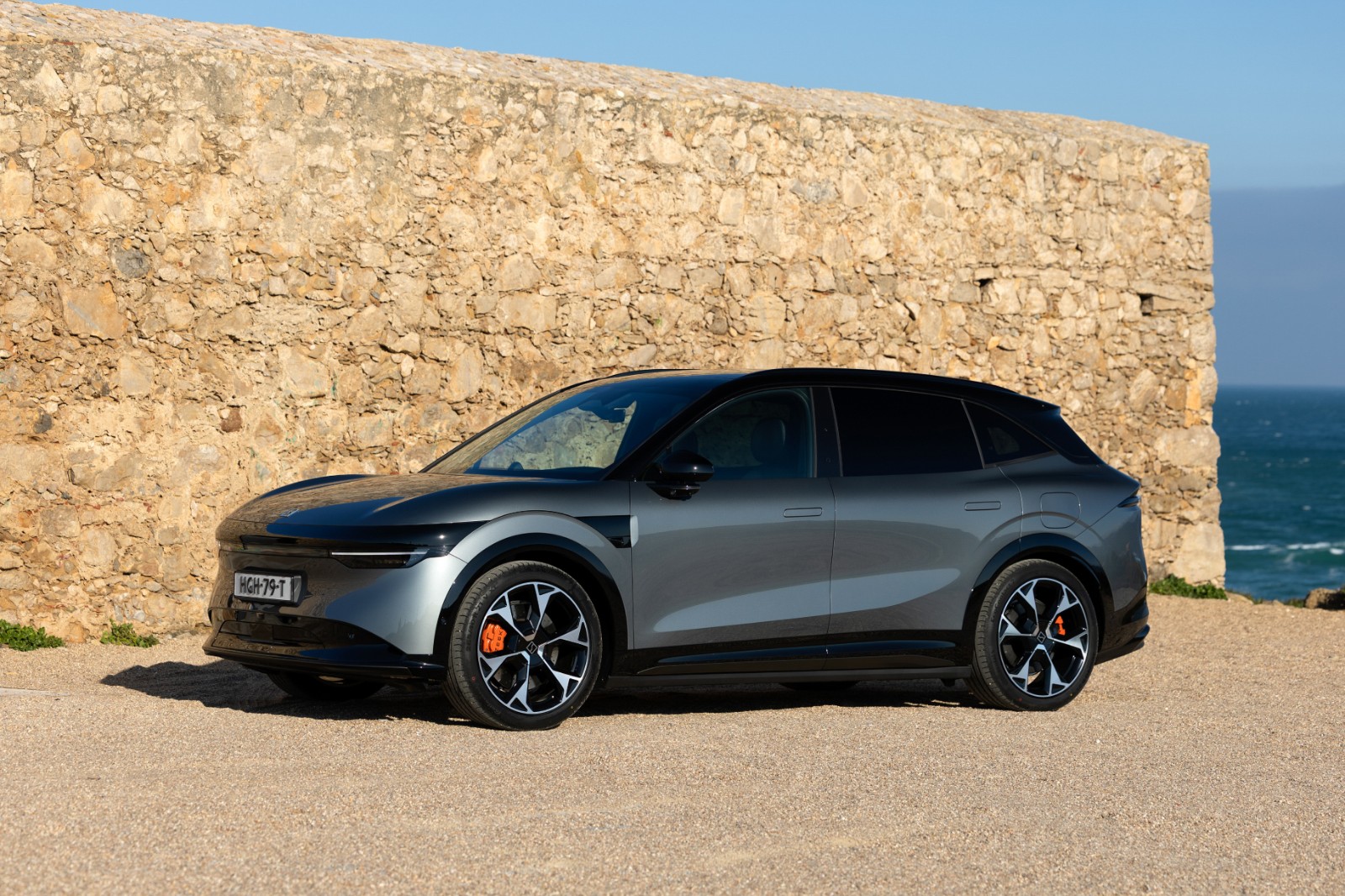
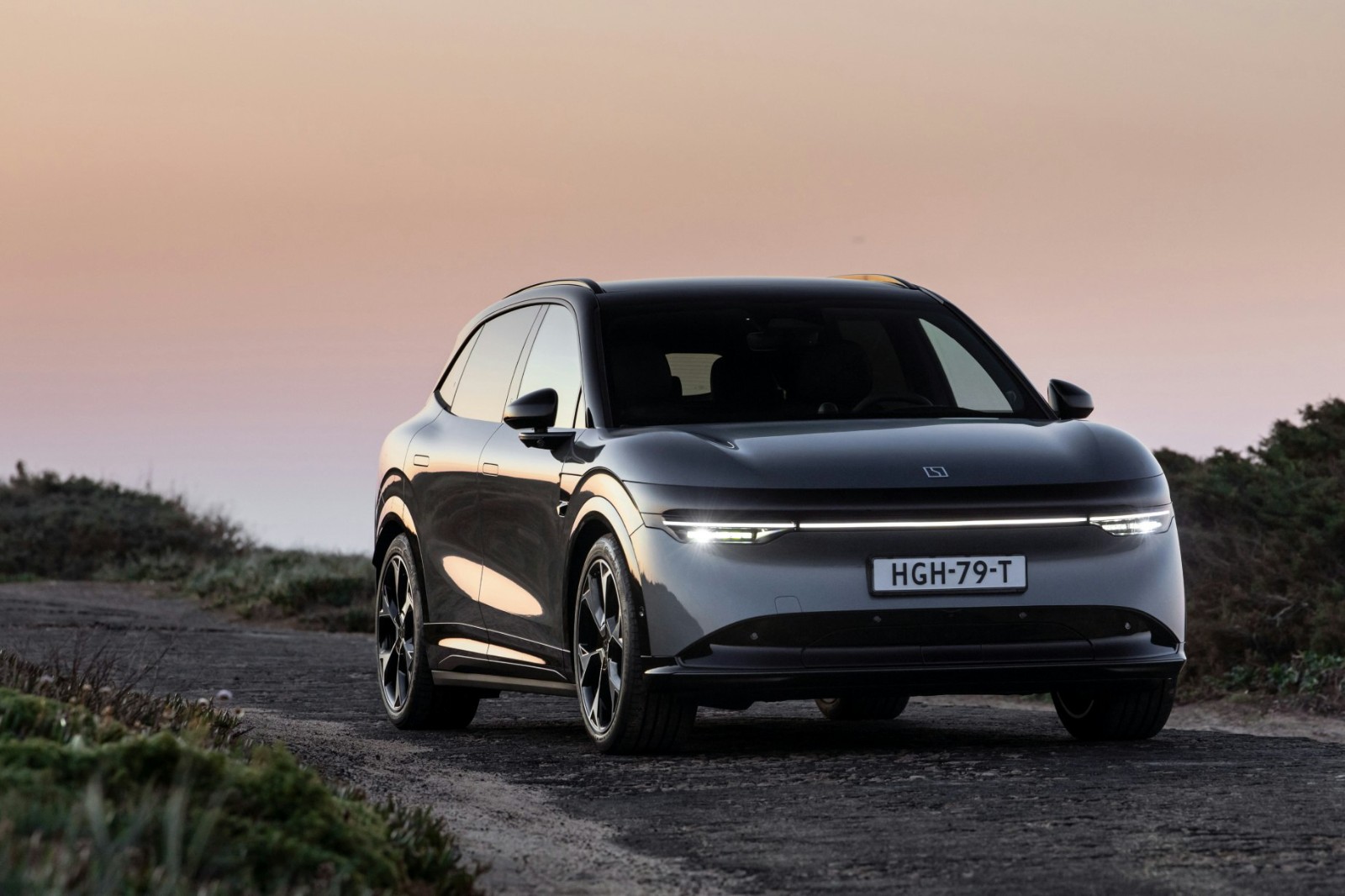
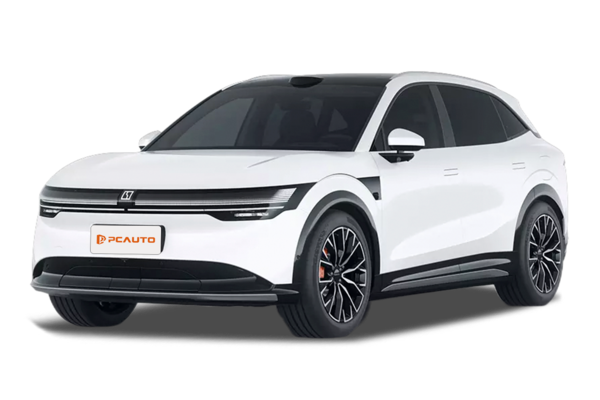
2025 ZEEKR 7X RWD Standard
No.13 in Best SUVPrice
RM 179,800
Select a Vehicle Variant
2025 ZEEKR 7X RWD Standard RM 179,800
Summary
The 2025 ZEEKR 7X RWD Standard, which was launched in (2025-8-22, is a wallet-friendly D-Segment SUV from RM 179,800. It seats 5 with room to spare (4787/ 1930/ 1650mm). Zip through traffic or cruise at 6 km/h(s) effortlessly. Say goodbye to charging worries – its 480 km range covers most weekly drives.
Powered by a tough Lithium iron phosphate battery battery (75 kWh). Low on battery? Grab coffee while it fast-charges in 4.5 hours. Home charging overnight? Just 10.5 hours. Whether you’re commuting or exploring, this EV delivers space, tech, and peace of mind.
Powered by a tough Lithium iron phosphate battery battery (75 kWh). Low on battery? Grab coffee while it fast-charges in 4.5 hours. Home charging overnight? Just 10.5 hours. Whether you’re commuting or exploring, this EV delivers space, tech, and peace of mind.
Core Specs

Segment
D-Segment

EV Range(km)
480

Battery Type
Lithium iron phosphate battery

100 Kilometers(kWh)
6

Motor Arrangement
Rear

Battery Capacity(kWh)
75

Seats
5

Length(mm)
4787

Width(mm)
1930

Height(mm)
1650

Wheelbase(mm)
2900

Boot Volume(L)
-
Other Variants
Price
RM 179,800
Body
4787×1930×1650
Motor Output(PS)
422
Motor Output(kW)
310
Battery Capacity
75
EV Range
480
Power Consumption
-
Related Q&A
View More >Q
how to connect bluetooth to perodua axia
The Perodua Nexis, the highly anticipated all-new SUV in Malaysia, hasn't had its boot capacity officially revealed just yet. But looking at common setups in the B-segment SUV class, we're expecting a practical 280 to 350 liters. That should easily swallow 2-3 standard suitcases, perfect for family grocery runs or short getaways.
It's worth noting that boot volumes are usually measured using the VDA standard, which gives two figures: the standard capacity and the maximum with the rear seats folded down. SUVs like the Nexis typically offer flexible seating – think a 60:40 split-folding rear bench – to really open up that cargo space when you need it.
For Malaysian buyers who value practicality, beyond just the headline volume numbers, keep an eye on details like the boot opening width and the load lip height. These little things make a big difference in day-to-day use. If you're keen, the best move is to check out the actual car once it's launched – head down to your nearest Perodua showroom, test the space for yourself, and then pick the spec that fits your needs best.
 HunterQuestAdventureSep 24, 2025
Q
how to pump up a car tyre
When inflating your car tires in Malaysia, first you need to check the recommended tire pressure. You'll usually find this info on the inside of the door jamb, the fuel cap, or in the owner's manual. For sedans, it's typically between 200-250 kPa, while SUVs or MPVs might run a bit higher. Head to a petrol station or workshop and use a digital pressure gauge to check your current pressure. If it's low, hook up the air pump – just remember to remove the valve cap and make sure the pump nozzle seals tightly. After inflating, measure again to confirm it's spot on, and while you're at it, check for any cracks or foreign objects stuck in the tires.
It's smart to check your tire pressure at least once a month, especially before a long drive. Under-inflated tires can increase fuel consumption and the risk of a blowout, while over-inflated ones affect grip and ride comfort. Malaysia's hot weather can cause tire pressure to rise with temperature, so it's best to measure in the morning or in a shaded area. If you notice uneven tire wear or frequent loss of pressure, consult a professional technician promptly – this could be due to tire aging or suspension issues.
Also, take a moment to understand the markings on your tire sidewall. Something like "185/65 R15" tells you the width, aspect ratio, and rim size respectively. Choosing the right tires is absolutely crucial for driving safety.
 BoarderWaveSep 25, 2025
Q
how much is the lexus lm minivan
Alright, car enthusiasts in Malaysia, let's talk about the price tag on that ultimate luxury people-mover, the Lexus LM. Now, the official sticker price can shift a bit depending on the trim level and model year you're eyeing. For starters, the base LM 350, packing that smooth 3.5L V6 petrol engine, you're probably looking at around RM800,000 to get in the door. Step up to the hybrid LM 300h, and that figure could nudge closer to RM900,000 or even north of that.
But here's the thing: to get the real-deal, up-to-the-minute pricing, your best bet is to hit up your local authorized Lexus dealer. Taxes, those little extra options you might fancy, or even current promotions can all play a part in the final number.
What makes the LM tick? Think first-class airline seats in the back, a killer Mark Levinson sound system, and a cabin so quiet you could hear a pin drop. It's tailor-made for folks—families or business execs—who refuse to compromise on comfort. In Malaysia, it's squaring off against heavyweights like the Mercedes-Benz V-Class, but the LM brings that distinct Japanese flair for meticulous craftsmanship and understated luxury to the table.
A quick heads-up though: import car prices in Malaysia can take a pretty big hit from government taxes—import duties, sales tax, road tax, the whole shebang. That means the on-the-road price for a luxury ride like this is often significantly steeper than what you'd pay at its origin. So, before you take the plunge, it's smart to also factor in the long-term costs, like maintenance packages and warranty details. Happy hunting!
 NatureBeautyOct 9, 2025
Q
What is the main difference between the Audi Q3 and Audi Q5?
The key differences between the Audi Q3 and Q5 boil down to their positioning, size, and powertrain setups. The Q3 is your compact SUV – nimbler, more city-friendly with its tighter dimensions. It rides on a roughly 2.68-meter wheelbase and offers around 530 liters of boot space. The Q5, on the other hand, steps up to the mid-size SUV category, meaning more room all around. Its wheelbase stretches to about 2.82 meters, and the boot swells to approximately 550 liters, making it the better pick for family getaways.
Both come with turbocharged engines, but the Q5 takes it up a notch with higher power outputs on offer – some markets even get the sporty SQ5 variant. The Q3, though, leans more towards fuel efficiency. Over in Malaysia, you're looking at a roughly 30% to 50% price premium for the Q5 compared to the Q3.
When it comes to kit, the Q5 comes standard with Audi's quattro all-wheel drive, while the Q3 makes it an optional extra on some trims. Tech-wise, both feature Audi's Virtual Cockpit and MMI system, but the Q5 gets a larger screen and more upscale interior materials. Under the skin, the Q5 benefits from a more sophisticated multi-link suspension setup, translating to superior ride comfort.
It's worth noting that Malaysia's hot and rainy climate demands robust cooling and air-conditioning systems, and Audi has upped the ante in both models to cope. Ultimately, your choice hinges on budget and usage. For daily urban commutes, the Q3 is the more economical choice. But if you're frequently hitting the highway or carrying more passengers, the Q5 is the way to go.
 PilotFlightOct 16, 2025
Q
What is the Honda Civic Type R Size? How Big Is It?
In terms of the dimensions of the Honda Civic Type R, it has a length of 4557mm, a width of 1877mm, a height of 1421mm, and a wheelbase of 2700mm. This dimension setup allows it to strike a certain balance between handling and space practicality. The moderate length not only ensures sufficient seating and storage space inside the car but also doesn't make it too long to affect its maneuverability on city roads. The relatively wide body can provide a more stable driving posture, enhancing stability during high - speed driving. Meanwhile, it also brings more generous lateral space for passengers inside the car. The relatively low height lowers the vehicle's center of gravity, which helps to improve handling performance and cornering stability. The 2700mm wheelbase also guarantees ample legroom for passengers, especially those in the rear seats, making the riding experience more comfortable.
 LarkJul 21, 2025
Q
How many cylinders in the S70?
As a classic model from the late 1990s to the early 2000s, the Volvo S70's engine configurations vary depending on the market and version. The most common one is the inline 5-cylinder engine (that is, 5 cylinders), such as the 2.4-liter or 2.5-liter turbocharged versions. This engine is well - known for its smoothness and durability, which is suitable for Malaysia's diverse road conditions. For Malaysian users, the inline 5-cylinder layout strikes a balance between power output and fuel economy. Meanwhile, Volvo's engine technology also emphasizes safety and environmental protection standards, meeting the local people's trust in European cars. If you're considering a used S70, it's recommended to check the engine maintenance records because the number of cylinders directly affects the complexity of repairs and the supply of spare parts. Special attention should be paid to the maintenance of the cooling system and ignition coils in Malaysia's humid climate. In addition, modern Volvo models generally use 4-cylinder engines or hybrid power, but the 5-cylinder design of the S70 remains a unique symbol in the hearts of car enthusiasts. Its sound and power characteristics were quite distinctive among cars of the same class back then.
 BuddyTimeAug 6, 2025
Q
Will there be a 2025 Golf R?
As of now, Volkswagen has not made an official announcement regarding the launch of the 2025 Golf R in Malaysia, although the model has been released overseas. However, based on the brand's previous update cycles and product-line planning, it is likely to arrive in Malaysia in 2025.
As a benchmark in the high-performance hatchback segment, the Golf R has long been a favorite among Malaysian car enthusiasts. Its 2.0-liter TSI turbocharged engine and 4Motion all-wheel-drive system deliver powerful performance and precise handling, making it well-suited to Malaysia's winding roads and humid climate.
If launched as expected, the 2025 Golf R is likely to retain the current model's sporty design, along with upgrades to the interior, such as a larger touchscreen infotainment system and the IQ.Drive suite of driver assistance features. Volkswagen has been focusing on electrification in recent years, and the new Golf R is likely to feature a 48V mild-hybrid system to improve fuel economy, without sacrificing its core performance capabilities.
For Malaysian consumers, the Golf R has always been a popular choice in its class, combining daily practicality with the performance that driving enthusiasts demand. If you're planning to buy a high-performance hatchback, it's recommended to follow Volkswagen's official announcements for local availability and pricing.
 OceanWaveRiderSep 15, 2025
Q
What is the fuel consumption of a 2014 Suzuki Alto?
The 2014 Suzuki Alto, as a budget-friendly city car, really shines when it comes to fuel efficiency. From official specs and real-world driving, the manual transmission models clock in at around 4.5 to 5.0 liters per 100 kilometers combined, while the automatic versions are slightly thirstier, sitting at roughly 5.0 to 5.5 liters per 100 km. Of course, your actual mileage will vary depending on how you drive, the roads you take, and how well you keep up with maintenance.
Under the hood, there's a 1.0-liter three-cylinder engine. It's not going to win any drag races, but it's perfect for zipping around the city—especially in Malaysia's notorious traffic jams, where it’ll save you a pretty penny at the pump. For Malaysian drivers who prioritize fuel economy, the Alto makes a solid case. Plus, its compact size makes squeezing through tight streets and nailing parking spots a breeze.
Want to stretch those liters even further? Stick to regular maintenance, keep your tires properly inflated, and ease up on the sudden acceleration and hard braking. These simple tips don’t just boost fuel efficiency—they’ll help keep your Alto running strong for longer too.
 AceOct 23, 2025
Q
Does a new filter improve sound?
Replacing the filter with a new one can indeed improve the sound quality of car audio, but the effect depends on the type of filter and the compatibility of installation and tuning. High-pass filters can effectively filter out low-frequency noises such as engine sounds, making mid-to-high frequency vocals clearer. It is recommended to set the cutoff frequency between 60Hz and 100Hz to avoid low-frequency attenuation. Professional-grade DSP digital filters (such as Malaysia's AIV DSPA12 PRO) can reshape the soundstage through 12-channel high-resolution processing, with their phase correction function addressing sound field distortion caused by uneven power distribution in factory audio systems. Note that electromagnetic interference may affect filtering stability; it is advisable to select shielded filters and install them concealed under seats. Practical modification cases demonstrate that a complete setup incorporating Italy's Music System amplifiers and Steg subwoofers can upgrade the factory Bose system from a muffled 1.1 soundstage to a well-defined 7.1 effect. During tuning, play high-fidelity audio sources, set volume at 3/5 for crossover fine-tuning, while avoiding substandard filters that compromise high-frequency detail.
 KitJan 30, 2026
Q
What are four of the major causes of driver fatigue?
The four main causes of driving fatigue include insufficient sleep, prolonged continuous driving, monotonous driving environment, and poor physical condition. Insufficient sleep directly affects a driver's concentration and reaction speed; it is recommended that adults get 7 to 8 hours of sleep daily to ensure driving safety. Continuous driving for more than 4 hours without rest constitutes fatigued driving. Especially on roads with monotonous scenery such as highways, the brain tends to feel fatigued due to lack of stimulation, so it is advised to take a 15-minute break every 2 hours. Furthermore, if a driver is experiencing a cold, hypoglycemia, or a chronic disease episode, the decline in physiological functions will intensify fatigue, and driving while unwell should be avoided. Notably, elevated carbon dioxide levels caused by poor vehicle ventilation can also induce drowsiness; therefore, regular window ventilation or use of the external air circulation mode is recommended. These factors have a more pronounced effect during hot weather or nighttime driving, necessitating advance planning of rest stops according to road conditions.
 WildfireMar 6, 2026
Popular Cars
Model Year
Car Compare
Car Photo
Model List
ZEEKR 7X is a D-Segment SUV EV launched by ZEEKR. PCauto has cataloged various variants of this car produced from 2025 to 2025.You can compare differences in detail at the parameter table.
Among the 3 variants of ZEEKR 7X, prices range from the affordable RM 179,800 to the most expensive RM 226,800.You can find different horsepower versions ranging from 422PS to 646PS.
ZEEKR 7X offers 475 Permanent Magnet Synchronous Motor, 310 Permanent Magnet Synchronous Motor Motor and 100kWh, 75kWh battery. Check the spec sheet for more details.
3 Models on Sale
2025
- 0-100km/h(s): 6
- Motor Output(kW): 310
- EV Range(km): 615
- Driven Wheels: Rear Wheel Drive
- Electronic Stability Control(ESC)
- 0-100km/h(s): 3.8
- Motor Output(kW): 475
- EV Range(km): 543
- Driven Wheels: All Wheel Drive
- Head-up Display
- 0-100km/h(s): 6
- Motor Output(kW): 310
- EV Range(km): 480
- Driven Wheels: Rear Wheel Drive
- Electronic Stability Control(ESC)
2025 ZEEKR 7X RWD LongRange
RM 190,800
2025 ZEEKR 7X AWD Perfoemance
RM 226,800
2025 ZEEKR 7X RWD Standard
RM 179,800