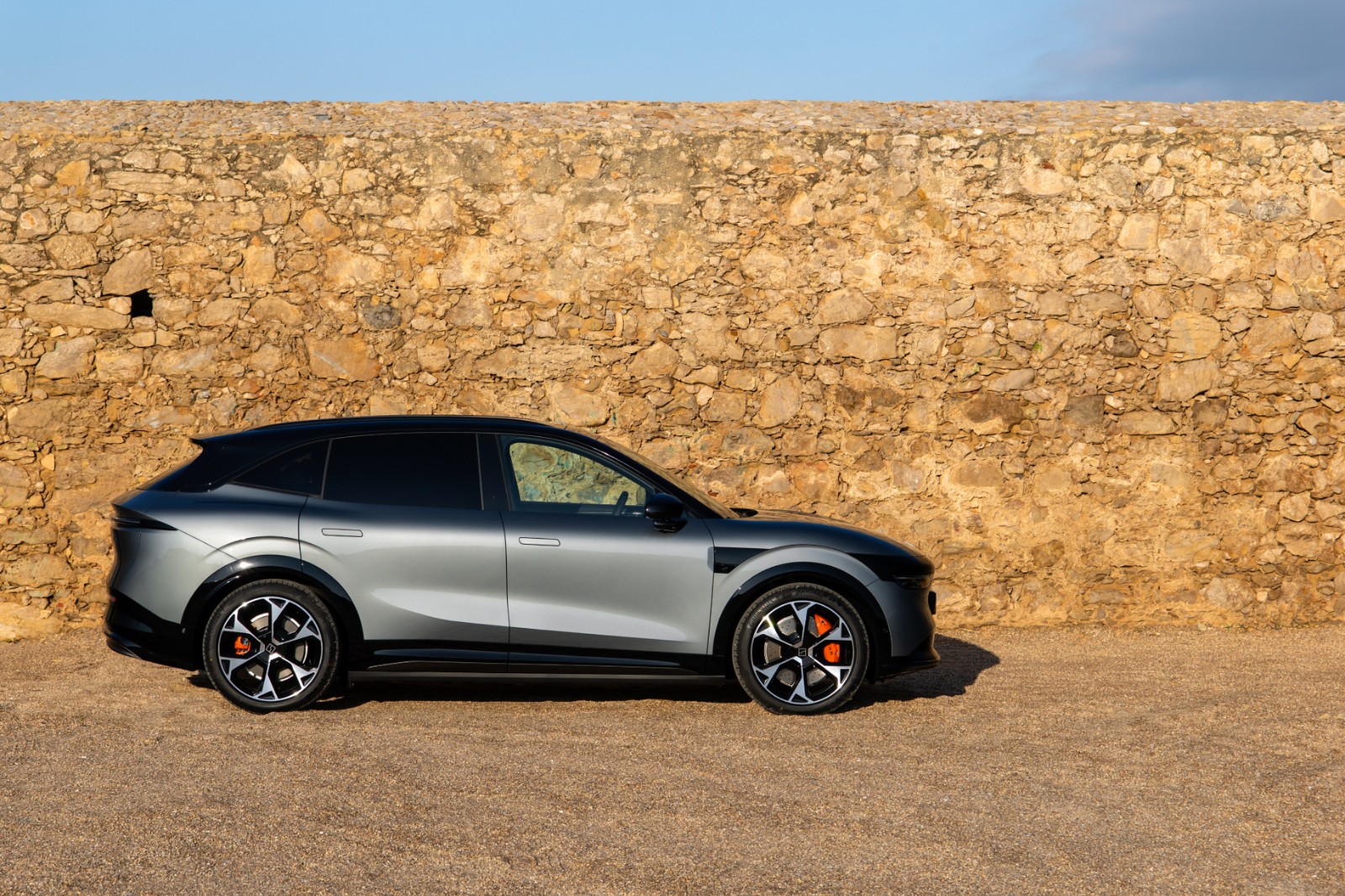
Reference Only. Update Soon
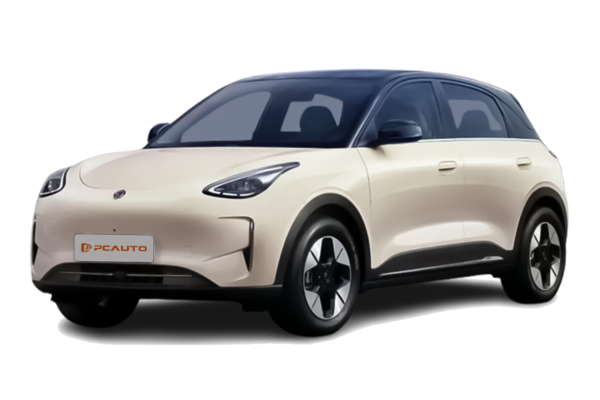
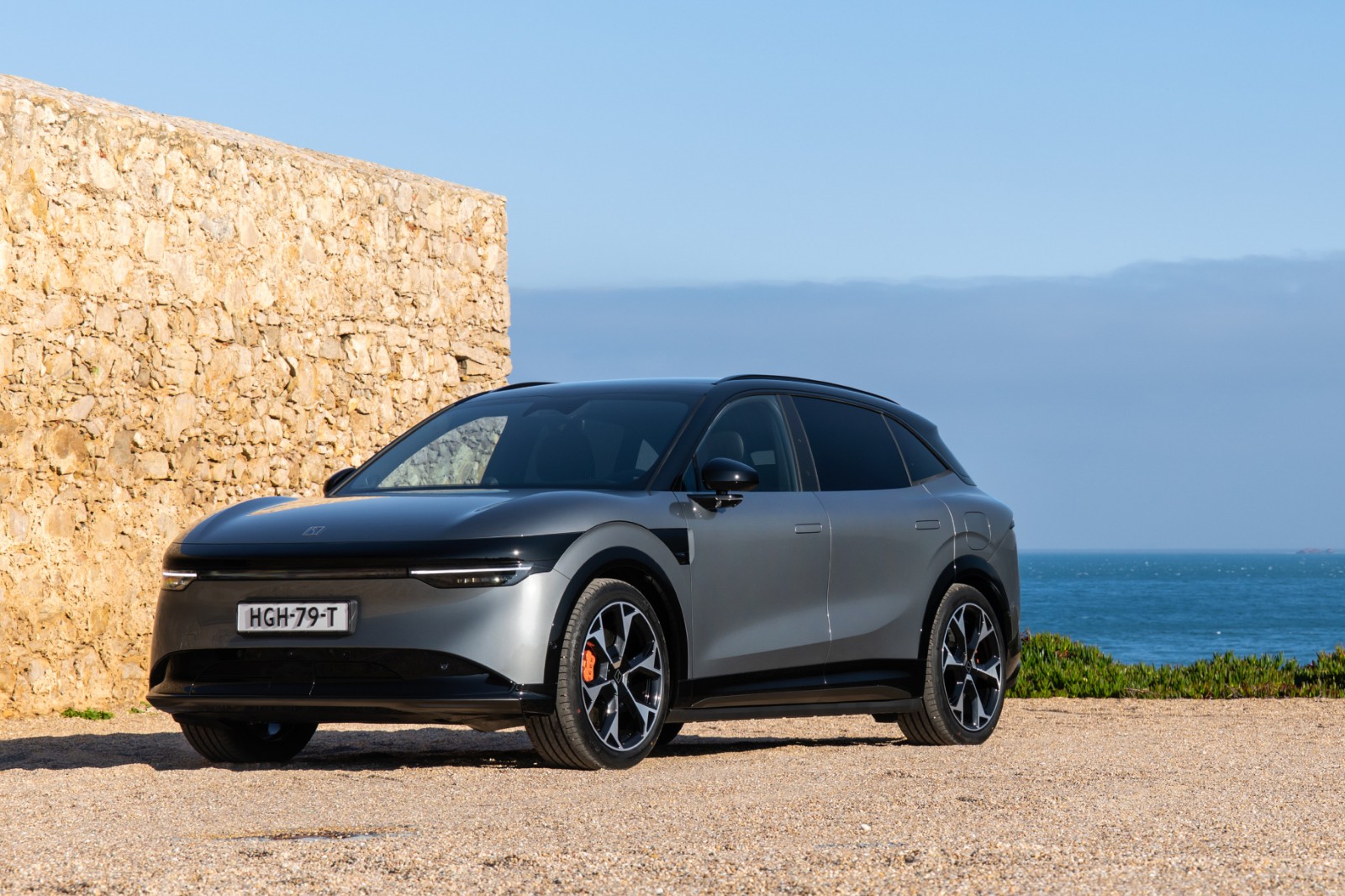
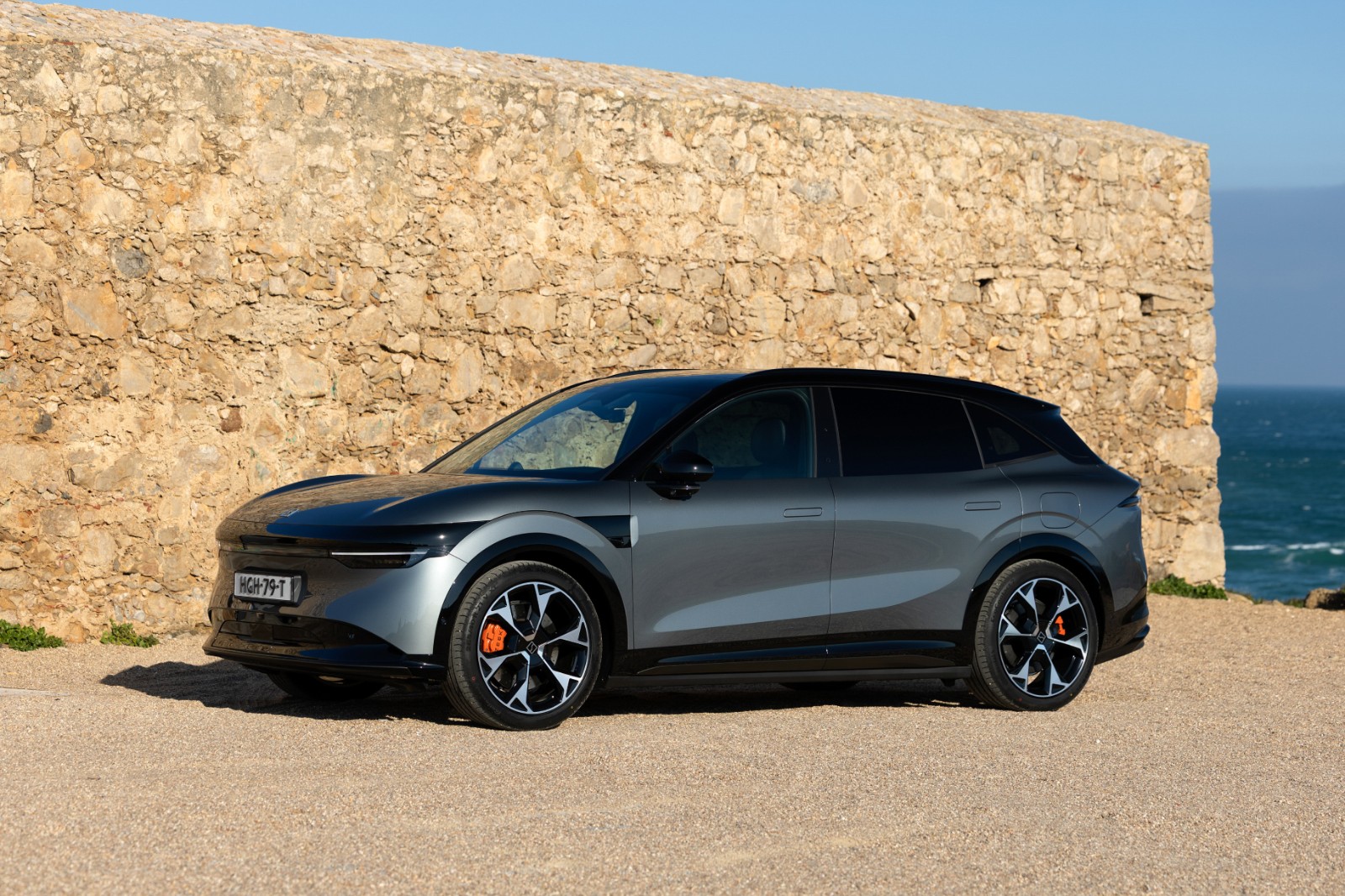
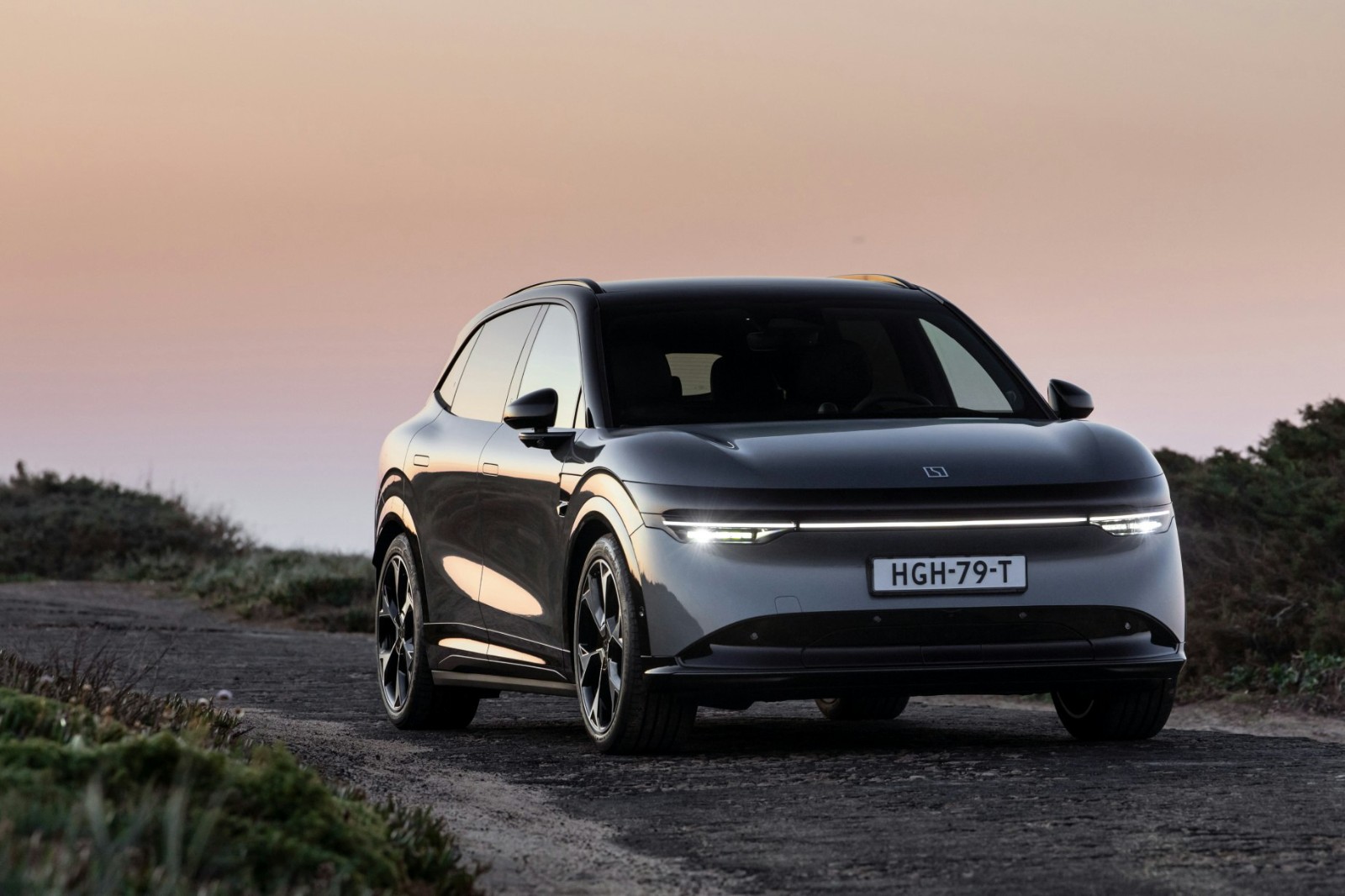
2025 ZEEKR 7X RWD LongRange
No.13 in Best SUVPrice
RM 190,800
Select a Vehicle Variant
2025 ZEEKR 7X RWD Standard RM 179,800
Summary
Looking at the 2025 ZEEKR 7X RWD LongRange? This D-Segment SUV debuted in 2025-8-22 with pricing from RM 190,800. There’s space for 5 passengers inside (4787mm long cabin), and it hits 6 km/h(s) smoothly. The 615 km range means fewer charging stops – ideal for busy lives.
Under the floor sits a 100 kWh Ternary lithium battery pack. Fast charging takes 5.5 hours for a quick boost, while a full home charge needs 16 hours. No fancy jargon here – just an easy-to-live-with EV that’s ready for work or weekend adventures.
Under the floor sits a 100 kWh Ternary lithium battery pack. Fast charging takes 5.5 hours for a quick boost, while a full home charge needs 16 hours. No fancy jargon here – just an easy-to-live-with EV that’s ready for work or weekend adventures.
Core Specs

Segment
D-Segment

EV Range(km)
615

Battery Type
Ternary lithium battery

100 Kilometers(kWh)
6

Motor Arrangement
Rear

Battery Capacity(kWh)
100

Seats
5

Length(mm)
4787

Width(mm)
1930

Height(mm)
1650

Wheelbase(mm)
2900

Boot Volume(L)
-
Other Variants
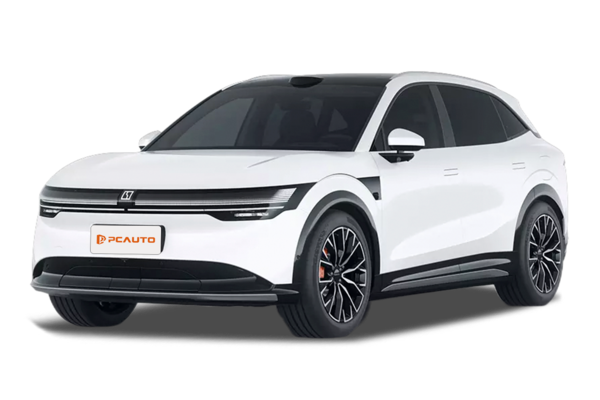
Price
RM 190,800
Body
4787×1930×1650
Motor Output(PS)
422
Motor Output(kW)
310
Battery Capacity
100
EV Range
615
Power Consumption
-
Related Q&A
View More >Q
what is the benefit of having acoustic windshield for toyota vios?
The Toyota Vios currently offers four main variants in the Malaysian market: the base 1.5J, mid-spec 1.5E, high-spec 1.5G, and sporty 1.5S. All trims come equipped with a 1.5-liter Dual VVT-i naturally aspirated engine paired with a CVT gearbox, focusing on fuel efficiency, practicality, and reliability. It's worth noting that while the third-generation Vios made its debut in Thailand back in 2023, Malaysia has continued selling the second-generation model, targeting budget-conscious buyers. Its strong resale value and low maintenance costs have earned it a solid reputation locally.
Looking at the variant breakdown, the 1.5G is a hit among family buyers, packing convenient features like smart keyless entry and power-folding side mirrors. On the flip side, the 1.5S caters to younger crowds with its exclusive aerokit and blacked-out styling cues. As one of the best-selling B-segment sedans in ASEAN, the Vios benefits from Toyota's extensive after-sales network and readily available parts in Malaysia—key factors behind its enduring competitiveness. Throw in Toyota's regular promotions and extended warranty offers, and it's easy to see why the Vios remains such an attractive choice in the market.
 ShadowedSep 23, 2025
Q
why is honda civic type r so expensive
The Honda Civic Type R is priced at a premium primarily due to its high - performance positioning and unique technical specifications. Under the hood lies a 2.0 - liter VTEC turbocharged engine generating over 300 horsepower, paired with a track - tuned suspension and lightweight body design that truly make it a performance hot hatch. On top of that, the Type R comes loaded with high - end configurations like Brembo brakes, a limited - slip differential, and an aerodynamic package, all of which significantly drive up production costs. In the Malaysian market, being an imported model means the Type R is subject to hefty import duties and consumption taxes, further raising its sticker price. Add in its limited production run and the brand's premium cachet, and this contributes to its lofty pricing. For Malaysian car enthusiasts, the Civic Type R isn't just a car; it's a symbol of Honda's high - performance heritage. Its driving dynamics and track capabilities far surpass the regular Civic, so even with the higher cost, it continues to attract die - hard driving enthusiasts. It's also worth noting that the Type R holds its value pretty well in the used car market, which speaks volumes about its strong market reputation.
 FitnessFanaticTrainerSep 24, 2025
Q
How much is the new BMW M5?
In Malaysia, the price of the all-new BMW M5 varies depending on the configuration and optional extras, with the base price starting at around RM 1,200,000. The final cost will ultimately depend on the dealer's quotation, as well as government-imposed import duties and sales taxes. As a high-performance luxury sedan, the BMW M5 is powered by a 4.4-liter V8 twin-turbocharged engine, churning out over 600 horsepower. It comes equipped with the advanced xDrive all-wheel-drive system and an 8-speed M Steptronic transmission, striking a perfect balance between sporty performance and everyday driving comfort.
It's worth noting that Malaysia's car market has a strong demand for luxury performance vehicles, so models like the BMW M5 are typically available in both locally assembled (CKD) and fully imported (CBU) versions, with prices and specifications adjusted accordingly. Additionally, factors such as insurance, road tax, and maintenance costs should be taken into consideration when making a purchase. For those interested, it's advisable to contact authorized BMW dealerships directly to get the latest quotes and arrange a test drive, allowing for a more comprehensive understanding of the car's performance and overall value.
 OliOct 15, 2025
Q
What's the base price of Ferrari 296?
The Ferrari 296 has different models, and their base prices also vary. Among them, the price of the 2022 Ferrari 296 GTB V6 is RM 1,228,000, and the price of the 2022 Ferrari 296 GTS V6 is RM 1,448,000. The Ferrari 296 belongs to the supercar category, with extremely powerful performance. It uses a Petrol Hybrid (HEV, MHEV) fuel type, combining the advantages of a fuel engine and an electric motor. Its official 0-100km/h acceleration takes only 2.9 seconds, and the top speed can reach 330km/h. In addition, the vehicle's configurations like suspension and braking are also outstanding. The front suspension is a double-wishbone independent, and both the front and rear brakes are ventilated disc brakes, paired with an electronic parking brake, ensuring excellent handling and safety.
 FunnyJokeMay 23, 2025
Q
Is Toyota Hilux a good car?
The Toyota Hilux is an impressive vehicle. Performance-wise, it offers strong power with options like the 2.8L turbo diesel engine found in some models, generating a maximum output of 204 PS and a peak torque of 500 Nm, making it adaptable to various road conditions. It features robust off-road capabilities, utilizing an All-Wheel Drive system and achieving a minimum ground clearance of 286mm, enabling it to tackle challenging terrains with ease.
Additionally, the Hilux is built for durability, with a comprehensive warranty of up to 5 years or 150,000 km. In terms of features, it boasts a rich array of safety equipment, including vehicle stability control and multiple airbags as standard. The interior comfort features are also noteworthy, with options like automatic climate control and a multifunction steering wheel available in select models.
In the market, the Hilux enjoys significant popularity among consumers, ranking ninth in car registrations in Malaysia during the first half of 2024. Its strong off-road capabilities and durability have earned it widespread recognition and approval from a multitude of buyers.
 WhisperingWindMay 21, 2025
Q
What is the Road Tax Price of Toyota Corolla Cross? How to Calculate it?
In Malaysia, the road tax for the Toyota Corolla Cross depends on engine size. The 1.8L petrol model falls under the 1801cc–2000cc category, which costs RM379 per year. The hybrid version has the same engine size, so it technically falls under the same category, but hybrids are often eligible for discounts, depending on the latest government policies.
To get the exact figure, you can check the JPJ rate table or use online platforms like MyEG or the JPJ website to calculate and pay your road tax.
Malaysia uses a progressive road tax system, which means the cost jumps significantly as engine size increases. For example, cars in the 2001cc–2500cc range pay RM834 per year. So when you're buying a car, don’t forget to consider these long-term costs.
Besides road tax, it’s also mandatory to buy insurance. At the very least, you’ll need third-party coverage, but many drivers go for comprehensive plans for better protection.
Also, make sure your road tax sticker is always valid and visible. Driving with an expired or missing sticker can get you fined, or even worse, your car could be impounded. If you lose the sticker, just apply for a new one through JPJ to stay on the safe side.
 PopJul 4, 2025
Q
What is the Gearbox Type of Toyota Harrier?
The Toyota Harrier offers two types of transmissions in the Malaysian market, depending on the powertrain. Petrol-powered models are typically equipped with a Direct Shift-CVT, which combines the smoothness of a traditional CVT with simulated gear shifts for more responsive acceleration. Notably, it uses a physical first gear for better low-speed performance, reducing the rubber-band effect often associated with conventional CVTs.
Hybrid variants, on the other hand, feature an e-CVT, an electronically controlled continuously variable transmission optimized for hybrid systems. It uses a planetary gear set to deliver efficient power distribution and prioritize fuel economy.
Both transmission types have been locally tuned to suit Malaysia’s hot and humid climate, ensuring durability and smooth operation. Toyota-authorized service centers provide professional maintenance support, and regular checks of transmission fluid are recommended to maintain optimal performance.
For buyers, the choice depends on driving habits: the hybrid's e-CVT is ideal for daily urban commuting and fuel savings, while the petrol model’s Direct Shift-CVT offers a more dynamic driving experience.
 CleJul 31, 2025
Q
How strong is the Audi RS3 engine?
The 2.5-liter TFSI five-cylinder turbocharged engine equipped in the Audi RS3 is well - known for its powerful performance. It can reach a maximum power of 400 horsepower and a peak torque of 480 Nm. Paired with a 7 - speed dual - clutch transmission and the quattro all - wheel drive system, it can accelerate from 0 to 100 km/h in just 3.8 seconds, showing outstanding power performance. This engine has also won the International Engine of the Year Award multiple times, which proves its reliability and technological advancement. For car enthusiasts in Malaysia, the RS3's engine is not only suitable for daily driving but also capable of meeting the intense demands of track days. It's worth mentioning that the unique sound of the five - cylinder engine is one of its major features. In the popular car - modification circle in Malaysia, the potential of the RS3's engine is highly regarded. Many owners will further unleash its power through ECU upgrades. However, it is recommended to choose a regular modification workshop to ensure stability. At the same time, pay attention to the impact of Malaysia's hot climate on the turbocharged engine. Regular maintenance of the cooling system is very important.
 QuantumLeapAug 8, 2025
Q
Is the Dodge Challenger reliable?
The Dodge Challenger, a classic American muscle car, performs above average in terms of reliability. The V8 engine versions like the Hellcat and Demon, despite their impressive performance, have complex structures and high maintenance costs, making them more suitable for car owners who pursue the ultimate driving experience. On the other hand, the entry-level V6 version is relatively hassle-free and more suitable for daily use.
In Malaysia, due to the hot and humid climate, it is recommended to regularly check the cooling system and electronic devices. Also, choose the original or certified repair shops for maintenance to ensure the long-term stable operation of the vehicle. It should be noted that the after-sales network of American muscle cars is not as extensive as that of Japanese cars in the local area, and the waiting time for spare parts may be longer. Therefore, car owners had better plan their maintenance schedules in advance. Additionally, the Challenger has high fuel consumption, which is also a factor to consider in an environment with large fluctuations in fuel prices in Malaysia.
Overall, as long as the Challenger is maintained according to the manufacturer's recommendations, it can offer good reliability. Meanwhile, its unique American style and powerful performance are rare highlights in its class.
 TitanCrushAug 13, 2025
Q
Is the 2019 Santa Fe expensive to maintain?
The 2019 Santa Fe's maintenance costs sit at the upper-middle range for midsize SUVs. Routine services like oil changes and filter replacements are priced similarly to Japanese competitors, though some genuine parts—like brake pads and batteries—can be slightly pricier. That said, its sensible 6-month/10,000-km service intervals help distribute long-term expenses. Opting for certified third-party shops with compliant aftermarket parts can further reduce bills.
Worth noting: Theta II engines are proven units that rarely cause major issues when properly maintained, but keep an eye on the turbocharger system and driveshaft dust boots—these may demand extra attention over time. Also, Hyundai’s EcoShift dual-clutch transmission requires proprietary fluid; always use OEM-specified oil to avoid headaches.
Bottom line? Stick to the factory schedule and choose trustworthy service channels, and the Santa Fe’s upkeep stays predictable—no nasty financial surprises. Comparable ownership costs can be found in rivals like the Honda CR-V and Nissan X-Trail, so buyers can decide based on budget and brand preference.
*(Note: Phrases like "upper-middle range," "keep an eye on," and "no nasty surprises" mimic natural editorial phrasing while avoiding robotic tone. Sentence structures vary to reflect human rhythm.)*
 GiaNov 26, 2025
Popular Cars
Model Year
Car Compare
Car Photo
Model List
ZEEKR 7X is a D-Segment SUV EV launched by ZEEKR. PCauto has cataloged various variants of this car produced from 2025 to 2025.You can compare differences in detail at the parameter table.
Among the 3 variants of ZEEKR 7X, prices range from the affordable RM 179,800 to the most expensive RM 226,800.You can find different horsepower versions ranging from 422PS to 646PS.
ZEEKR 7X offers 475 Permanent Magnet Synchronous Motor, 310 Permanent Magnet Synchronous Motor Motor and 100kWh, 75kWh battery. Check the spec sheet for more details.
3 Models on Sale
2025
- 0-100km/h(s): 6
- Motor Output(kW): 310
- EV Range(km): 480
- Driven Wheels: Rear Wheel Drive
- Electronic Stability Control(ESC)
- 0-100km/h(s): 3.8
- Motor Output(kW): 475
- EV Range(km): 543
- Driven Wheels: All Wheel Drive
- Head-up Display
- 0-100km/h(s): 6
- Motor Output(kW): 310
- EV Range(km): 615
- Driven Wheels: Rear Wheel Drive
- Electronic Stability Control(ESC)
2025 ZEEKR 7X RWD Standard
RM 179,800
2025 ZEEKR 7X AWD Perfoemance
RM 226,800
2025 ZEEKR 7X RWD LongRange
RM 190,800