
Q
Can Toyota Corolla travel 500000 miles?
 DuskJun 05, 2025, 05:48 PM
The Toyota Corolla is well - known for its reliability and durability. With proper maintenance, it may reach 500,000 miles. Toyota is famous for its mature engine and transmission technologies, and the Corolla has been one of the best - selling compact cars for decades.
There are many factors help it achieve such high mileage. Regular maintenance, like timely oil changes, filter replacements, and tune - ups, is crucial. Using high - quality parts and fluids also helps. Moreover, driving habits is also an important factor. Gentle driving, avoiding speeding, sudden braking, and rapid acceleration, can reduce wear and tear on the engine, transmission, and other components.
Some Corolla owners have reported that their vehicles have been in long - term use with few big problems, even after covering extremely high mileage. However, not every Corolla can achieve this. Different usage patterns, environmental conditions, and maintenance histories can lead to different outcomes. So, while it's possible for a Toyota Corolla to reach 500,000 miles, it all depends on how well it's maintained and how it's driven.
Special Disclaimer: This content is published by users and does not represent the views or position of PCauto.
Related Q&A
Q
What is the most sold car in the world in 2024?
As of 2024, the world's best-selling car model remains the Toyota Corolla. This classic family car continues to win over global consumers with its reliability, fuel efficiency, and great value for money. It's especially popular in Southeast Asian markets like Malaysia, where its durability and low maintenance costs make it a perfect fit for local road conditions and driving habits. Broadening the view a bit, the Corolla's success also reflects trends in the global auto market – consumers are increasingly leaning toward practical, fuel-efficient vehicles that are easy to repair. Toyota's hybrid variants, like the Corolla Hybrid, have further boosted its eco-friendly image, aligning with the current push for energy conservation and emissions reduction. For Malaysian buyers, the locally assembled (CKD) Corolla offers a more competitive price point, and Toyota's extensive after-sales service network in the country is another reason it's a top pick for many families. While rivals in the same segment, such as the Honda Civic and Nissan Sylphy, perform well too, the Corolla maintains its lead thanks to its well-rounded overall strength.
 JakeNov 7, 2025
Q
Are there any problems with the 2019 Toyota Corolla?
The 2019 Toyota Corolla has proven to be a solid performer in Malaysia. While a small number of owners have noted a slight jerkiness from the CVT transmission at low speeds, and some trims could use better sound insulation at highway speeds, these are far from common issues and don't really hinder daily driving. What truly stands out is its 1.8L Dual VVT-i engine paired with the TNGA chassis – the fuel efficiency is impressive, and the handling feels stable, especially handy for Malaysia's twisty roads. The standard Toyota Safety Sense suite, which includes pre-collision warning and lane keep assist, is a rare and welcome safety bonus in this segment.
Drivers here have also praised the Corolla's air conditioning system for keeping things cool even in Southeast Asia's sweltering heat. Plus, the locally-assembled models come with extra rust protection, which is smart given the tropical climate. If you're looking at a used one, keep an eye on the battery condition and make sure the transmission fluid has been changed regularly – the heat and humidity here can take a toll on rubber components over time.
Compared to other Japanese models in its class, the Corolla offers noticeably lower maintenance costs. Toyota's 5-year warranty is another big plus for long-term peace of mind, and let's not forget – its durability is already well-proven by how many you see in taxi fleets around Malaysia.
 ShadowDashOct 28, 2025
Q
What is the most popular car color for 2025?
Based on global automotive color trend reports and analysis of Malaysia's market preferences, the most popular car colors for 2025 are projected to be **natural tones**, with a particular emphasis on **earth shades** (think sand, taupe) and **muted greens**. These hues not only align with eco-conscious values but also complement Malaysia's lush tropical landscapes beautifully.
Neutrals like white and gray remain steadfast favorites among Malaysian buyers, but there's a growing shift toward unique, dirt-resistant matte and metallic finishes. Younger drivers, in particular, are gravitating toward soft yet distinctive tones such as haze blue or light khaki.
What's more, as electric vehicles gain traction, tech-forward shades like silver-gray and pearl white are holding strong – they really make a car's lines pop and enhance that modern, cutting-edge vibe.
A key consideration? Malaysia's hot, rainy climate makes heat-resistant, easy-to-keep-clean colors way more practical. It’s no surprise automakers are pushing these options hard.
If you’re in the market for a new ride, factor in the local weather and long-term appeal. And don’t forget, many brands now offer custom color services – the perfect way to blend personal style with everyday functionality.
WalkerOct 14, 2025Q
What kind of engine is in the 2025 Toyota Corolla?
The 2025 Toyota Corolla is expected to continue offering both petrol and hybrid powertrain options in the Malaysian market. The petrol variants will most likely be equipped with the 1.8L or 2.0L Dynamic Force naturally aspirated engines, paired with the Direct Shift-CVT gearbox. The 2.0L version, in particular, should deliver around 169 horsepower, striking a good balance between smooth driving and fuel efficiency. On the hybrid side, the fifth-generation THS II system will be featured, combining a 1.8L Atkinson-cycle engine with an electric motor for a combined output of approximately 138 horsepower. A key upgrade here is the shift to a higher energy density lithium-ion battery, which should translate to better electric-only range and snappier low-speed response.
It's worth highlighting that Toyota has been placing significant emphasis on tropical-adapted engine tuning for Southeast Asian markets in recent years. This includes optimizing cooling systems specifically for hot and humid conditions, a detail that will resonate well with Malaysian drivers. For those craving more performance, the hot-blooded GR Corolla is always a topic of interest, though the chances of it making its way to Malaysian shores remain slim.
Regardless of the variant, the Corolla's engine technology continues to prioritize durability and low maintenance costs – traits that align perfectly with Malaysia's diverse road conditions and typical driving habits. Whether it's daily commuting or longer highway stints, this car is more than up to the task.
 PopOct 14, 2025
Q
Does the 2025 Corolla have AWD?
The 2025 Toyota Corolla does offer all - wheel drive (AWD) on select trims, especially in the North American market. Typically, the AWD system is paired with gasoline - powered variants, whereas hybrid models may not offer this option.
In Malaysia, the AWD system can definitely provide better traction and stability, whether you're dealing with slippery roads during the rainy season or tackling some light off - road trails. But don't just rely on this information - always check Toyota Malaysia's official announcements for the exact specs. Your best option is to visit their website or go to a dealership to confirm what's available locally.
So, how does the AWD system work? It dynamically shuffles torque between the front and rear wheels to sharpen handling, but there's a trade - off: you'll see a slight increase in fuel consumption and a higher purchase cost. So, it really comes down to balancing your needs with your budget.
If your daily driving is mostly city commuting, a front - wheel drive Corolla should serve you just fine. But if you regularly drive through rainy areas or rough terrain, opting for the AWD version might be worth it.
And let's not forget the competition – rivals like the Honda Civic or Mazda3 also offer similar drivetrain choices in some markets. But each brand puts its own spin on the tech and tuning, so they'll feel different from the Corolla out on the road.
 GamerOct 14, 2025
Q
How much is the invoice price for a 2025 Toyota Corolla?
When it comes to the invoice price of the 2025 Toyota Corolla, the official pricing for the Malaysian market hasn't been officially announced yet. Typically, new car prices are released by UMW Toyota Motor (Toyota's Malaysian distributor) closer to the launch date, so it's best to keep an eye on their official website or check with authorized dealers for the latest updates. For reference, the 2024 Corolla ranges from around RM130,000 to RM150,000 in Malaysia, depending on the trim level. The 2025 model might see slight adjustments due to upgraded features or currency fluctuations. When buying a car in Malaysia, beyond the invoice price, you'll need to factor in additional costs like registration fees, insurance, and road tax—these usually add up to about 5% to 10% of the total vehicle price. What's more, the Toyota Corolla has long been a favorite among Malaysian buyers for its reliability and low maintenance costs. If available, the hybrid version could further cut down on fuel expenses. Before making a decision, it’s wise to compare configurations and long-term running costs across different variants. Also, don’t hesitate to ask dealers about any ongoing promotions or financing packages to get the most out of your budget.
 CuteyOct 14, 2025
Q
Where is the 2025 Toyota Corolla made?
The production setup for the 2025 Toyota Corolla remains pretty similar to the current model. It's mainly rolling off the lines at Toyota plants in Japan, the US, and select Asian countries like Thailand. For the Malaysian market, some Corolla units will likely be imported from Thailand – makes sense, right? Thailand's a major Toyota hub in Southeast Asia, and being close to Malaysia helps keep shipping costs down and gets cars delivered quicker.
As one of the world's best-selling cars, the Corolla has a production network spread across multiple countries to keep supply steady and cater to regional demands. Malaysian buyers can rest easy because no matter where it's built, Toyota sticks to those strict global quality standards.
On top of that, the Corolla's always been known for being reliable, fuel-efficient, and comfortable to drive – perfect for Malaysia's roads and climate. If you're looking to buy one locally, check out Toyota Malaysia's official website or swing by an authorized dealer for the latest specs and after-sales info.
 OpeOct 14, 2025
Q
What is the fuel economy of the Toyota 2025?
Toyota hasn't spilled the beans on exact fuel economy figures for its 2025 models just yet, but we can get a pretty good idea by looking at how their recent rides have been sipping fuel. Take the Corolla Cross with the Dynamic Force engine, for example – in real-world tests here in Malaysia, the hybrid version clocks in around 5.7L/100km. And the new Camry Hybrid? That one's even thriftier, pulling off about 4.1L/100km.
Looking ahead to 2025, Toyota's likely to tweak their powertrains even more. We might see the next-gen THS IV hybrid tech or even plug-in hybrid options, which could boost fuel efficiency by 5-10%. For us Malaysian buyers, going hybrid isn't just about dodging the ups and downs of RON95 prices – there's also those sweet tax breaks for Energy Efficient Vehicles (EEVs) to consider.
Of course, it's worth remembering that real-world fuel consumption can vary a lot depending on how you drive, the roads you're on – think KL's stop-start traffic – and how much you blast the air-con. So, if you're in the market, it's always a good idea to take a test drive and get a feel for the actual fuel usage yourself. On a practical note, Toyota's already localizing production for some models here, like the Corolla Cross, which should help keep maintenance costs more wallet-friendly down the line.
 GopOct 14, 2025
Q
What is the cheapest new car in 2025?
Looking to score the cheapest new ride in Malaysia come 2025? The Perodua Axia is still expected to hold that title. It’s been a mainstay in the entry-level market for ages, and for good reason – it’s easy on the wallet and comes with all the practical stuff you need, perfect if you’re shopping on a tight budget. That 1.0L engine? It’s a solid all-rounder, balancing fuel sipping with the demands of daily commuting. Even the base model doesn’t skimp on the essentials, packing ABS and airbags, while the higher trims might treat you to extras like a touchscreen and reverse camera.
If you’re open to other options, the Proton Saga is another big name in the value-for-money game. It might cost a smidge more than the Axia, but you get a roomier interior, which makes it a better pick for families.
Let’s be real, the small car scene in Malaysia is pretty cutthroat. When you’re picking your next set of wheels, you’ve got to weigh up a bunch of things: price, how thirsty the engine is, warranty deals, and even how well it’ll hold its value as a used car. Local brands like Perodua and Proton usually have the edge when it comes to cheaper maintenance and a more accessible after-sales network. On the flip side, some imported brands like Toyota or Hyundai might throw out some tempting deals on their entry-level models during promotions. Just keep in mind, things like import taxes and the cost of spare parts could hike up your long-term ownership costs.
My two cents? Before you sign on the dotted line, check out what each brand is offering in terms of promos. And don’t forget to think about how you’ll actually use the car – is it mostly for zipping around the city, or do you need something for longer road trips? Figure that out, and you’ll be in a great spot to make the best choice.
FunnyOct 14, 2025Q
How much will the 2025 Corolla cost?
The 2025 Toyota Corolla GR Sport is priced at RM 149,800. This C-segment sedan is powered by a 1.8-liter petrol engine, churning out 139 horsepower and 172 Nm of peak torque, paired with a 10-speed CVT gearbox. It drives the front wheels, with a MacPherson strut independent suspension up front and a double-wishbone independent setup at the rear. Safety kit includes 7 airbags, ABS, and vehicle stability control. On the convenience front, you get keyless entry, automatic climate control, and a 10-inch capacitive touchscreen. This pricing aims to hit the sweet spot for buyers in this segment looking for a solid mix of performance, comfort, and safety.
 EepOct 14, 2025
Popular Cars
Model Year
Car Compare
Car Photo
Related Models
 Cars
CarsLatest Q&A
Q
Is AMT similar to automatic?
There are significant differences between AMT transmissions and automatic transmissions (AT) in terms of core structure and driving experience. AMT is essentially an electronically automated version of a manual transmission, simulating manual clutch operation and gear shifting through a computerized control system while retaining the gear set structure of manual transmissions. As a result, it offers higher transmission efficiency, with fuel consumption approximately 8%-12% lower than AT, making it particularly suitable for highway or long-distance driving. However, it may exhibit jerking similar to manual transmissions during low-speed gear shifts, especially noticeable in congested traffic conditions.
AT transmissions rely on torque converters for power transfer, delivering smooth and seamless gear shifts that appeal to comfort-oriented users. However, their complex structure (incorporating planetary gear sets, hydraulic systems, etc.) results in higher maintenance costs. A single service may cost between 800 to 1,500 ringgit, whereas AMT only requires gear oil replacement at approximately 400 ringgit.
From a market perspective, AMT is predominantly used in budget vehicles or commercial models priced below 80,000 ringgit, while AT is typically featured in mid-to-high-end vehicles. Consumers should select based on actual needs: AMT suits those prioritizing fuel efficiency and low maintenance costs, while AT better serves those valuing comfort. Notably, recent advancements in AMT electronic control technology have significantly mitigated jerking issues, though test drives should still emphasize low-speed performance evaluation.
 AriaMar 26, 2026
Q
Which is better, DCT or AT?
DCT (Dual-Clutch Transmission) and AT (Automatic Transmission) each have their own advantages and disadvantages, and the choice should be based on personal driving needs. AT transmissions transfer power through a torque converter, offering excellent shift smoothness, making them suitable for urban commuting or novice drivers. However, they tend to have higher fuel consumption, and vehicles equipped with them are usually more expensive. DCT transmissions utilize a dual-clutch structure, featuring fast shift speeds and high power transmission efficiency, which provides a more direct driving experience—particularly suitable for users seeking a sporty feel. However, they may exhibit jerking at low speeds and have relatively high maintenance costs. If durability and comfort are priorities, AT is the more reliable choice; if power responsiveness and driving pleasure are preferred, wet DCT (such as Volkswagen DSG) performs better, though dry DCT models should be avoided in prolonged stop-and-go traffic conditions. Additionally, CVT transmissions excel in smoothness and fuel efficiency, making them ideal for daily commuting, but they lack driving excitement. It is recommended to test-drive before purchasing, as tuning varies significantly across brands, and real-world experience is more important than theoretical specifications.
FlutteringMar 26, 2026Q
Is Amt good or bad?
AMT gearboxes have a significant cost advantage in the local market, typically being around 5,000 Ringgit cheaper than models equipped with conventional automatic transmissions. Their fuel efficiency is comparable to manual transmissions, resulting in long-term fuel savings. Featuring a straightforward design, they achieve transmission efficiency exceeding 90% with relatively low maintenance costs, making them ideal for practicality-oriented consumers. However, their shifting logic contains inherent limitations: gear changes between 1st and 2nd cause 0.3-0.5 second power interruptions, while unintended upshifts on inclines may reduce engine speed by 15%-20%, compromising driving smoothness. For urban commuters or budget-conscious buyers, AMT offers excellent value, though those prioritizing premium driving dynamics should consider alternative transmission types. Some domestic models like the Perodua Axia employ enhanced AMT systems, where optimized shift programming has reduced gearshift shock by approximately 30%.
 RainbowsMar 26, 2026
Q
Which gives better mileage, CVT or AMT?
From the perspective of fuel economy, CVT transmissions generally perform better under urban driving conditions. Their continuously variable design allows the engine to consistently operate within the optimal speed range, significantly reducing fuel consumption during frequent starts and stops. Test data shows that their fuel consumption in urban driving conditions is 10% to 15% lower than that of comparable models. AMT transmissions, on the other hand, inherit the high transmission efficiency of manual transmissions, delivering fuel efficiency close to manual transmissions during high-speed cruising. This makes them particularly suitable for long-distance driving in large-displacement vehicles. However, due to power interruption during gear shifts, their overall fuel consumption may be 5% to 8% higher than CVTs.
The difference in fuel-saving characteristics between the two transmissions stems from their technical principles: CVTs achieve continuous variability through steel belts and pulleys, eliminating the fixed gear ratio limitations of traditional transmissions; AMTs simulate manual gear changes via electronic control systems while maintaining the mechanical efficiency of gear transmission. Notably, actual fuel consumption is also influenced by driving habits. Smooth acceleration and anticipatory deceleration can maximize the transmissions' fuel-saving potential. If the vehicle budget permits and urban commuting is the primary use, CVTs offer a more economical choice. For frequent highway driving with an emphasis on cost-effectiveness, AMTs are equally worth considering.
 RubyBlazeMar 26, 2026
Q
Which is cheaper, AMT or CVT?
In terms of gearbox cost, AMT is usually more economical than CVT. Essentially, AMT is a manual transmission equipped with an electronic control unit, featuring a simple structure and low maintenance costs. The unit price ranges from approximately 5,000 to 8,000 ringgit, making it suitable for budget-conscious consumers or those who prioritize long-term operating costs. CVT incurs higher manufacturing costs due to its precision steel belt transmission system and continuous variable transmission technology, with a unit price of about 7,000 to 10,000 ringgit. However, it delivers a smoother driving experience and superior fuel efficiency. The primary differences between the two lie in technical complexity: AMT retains the gear-shifting mechanism, resulting in noticeable shift shock; CVT achieves linear power output through stepless speed variation but requires periodic belt inspection and incurs higher maintenance expenses. For those prioritizing initial cost and basic transportation needs, AMT offers better value; if comfort and long-term fuel economy are priorities, CVT represents a more worthwhile investment. Note that actual prices may vary based on vehicle model, brand, and local supply chain factors.
 ShadowProwlMar 26, 2026
Related News

The new Toyota Corolla is launched in China, with a wheelbase extended to 2750mm
AshleyDec 23, 2025

Toyota unveils the new Corolla at the Auto Guangzhou in China. What changes will the future Corolla have?
AshleyNov 25, 2025

Toyota Corolla facelift model unveiled, the new front design looks like Camry
JamesSep 11, 2025
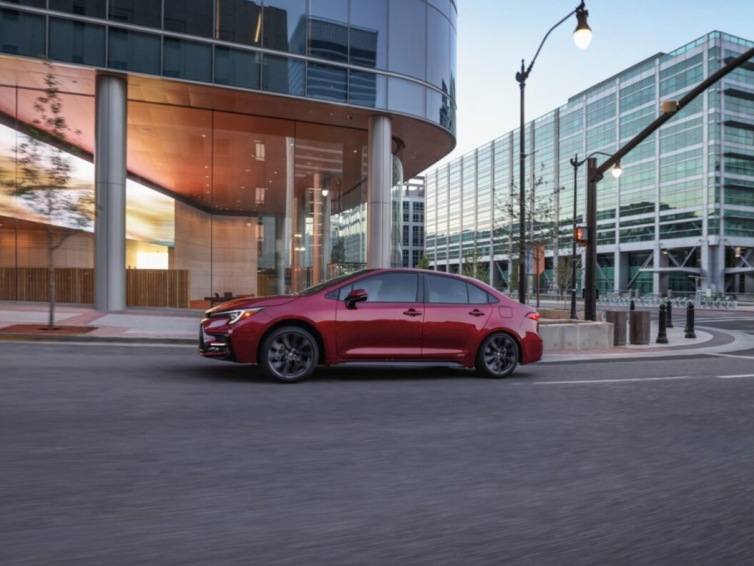
2026 Toyota Corolla Hybrid launched in North America, offering all-wheel drive option
Kevin WongJul 29, 2025
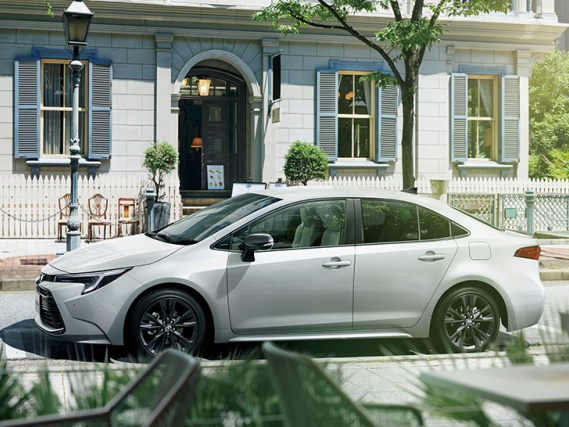
Toyota has Launched a Revamped Version of Corolla in Japan, No Longer Sell Gasoline-Powered Corolla
Kevin WongMay 12, 2025
View More
Pros
Cons