
Toyota unveils the new Corolla at the Auto Guangzhou in China. What changes will the future Corolla have?
 AshleyNov 25, 2025, 11:02 AM
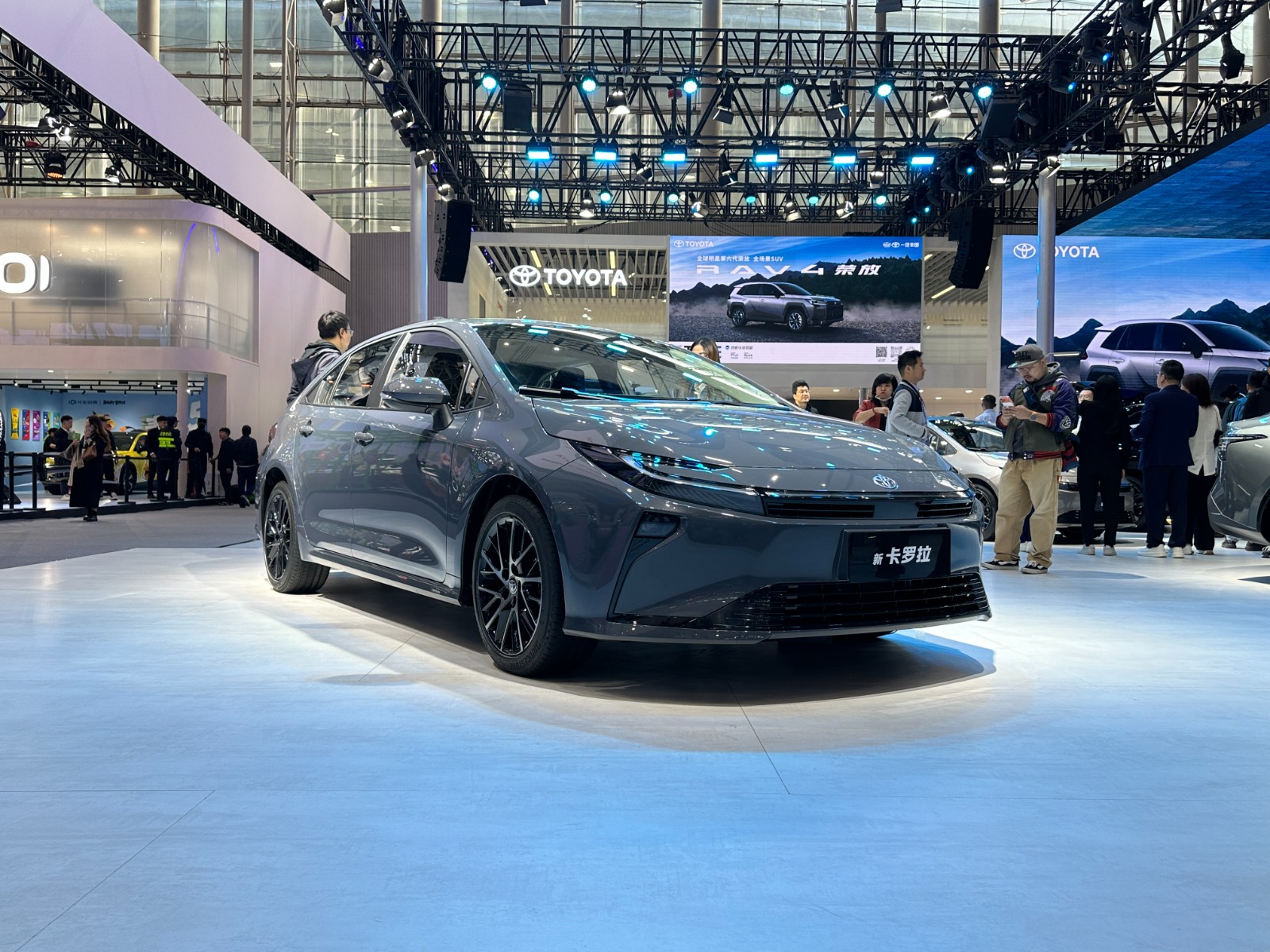
【PCauto】As the world's best-selling car, the all-new Corolla made its debut at the Guangzhou Auto Show in China, attracting considerable attention.
Although the overall changes are not radical, refinements are clearly visible in details like the front-end design, lighting clusters, and configuration upgrades.
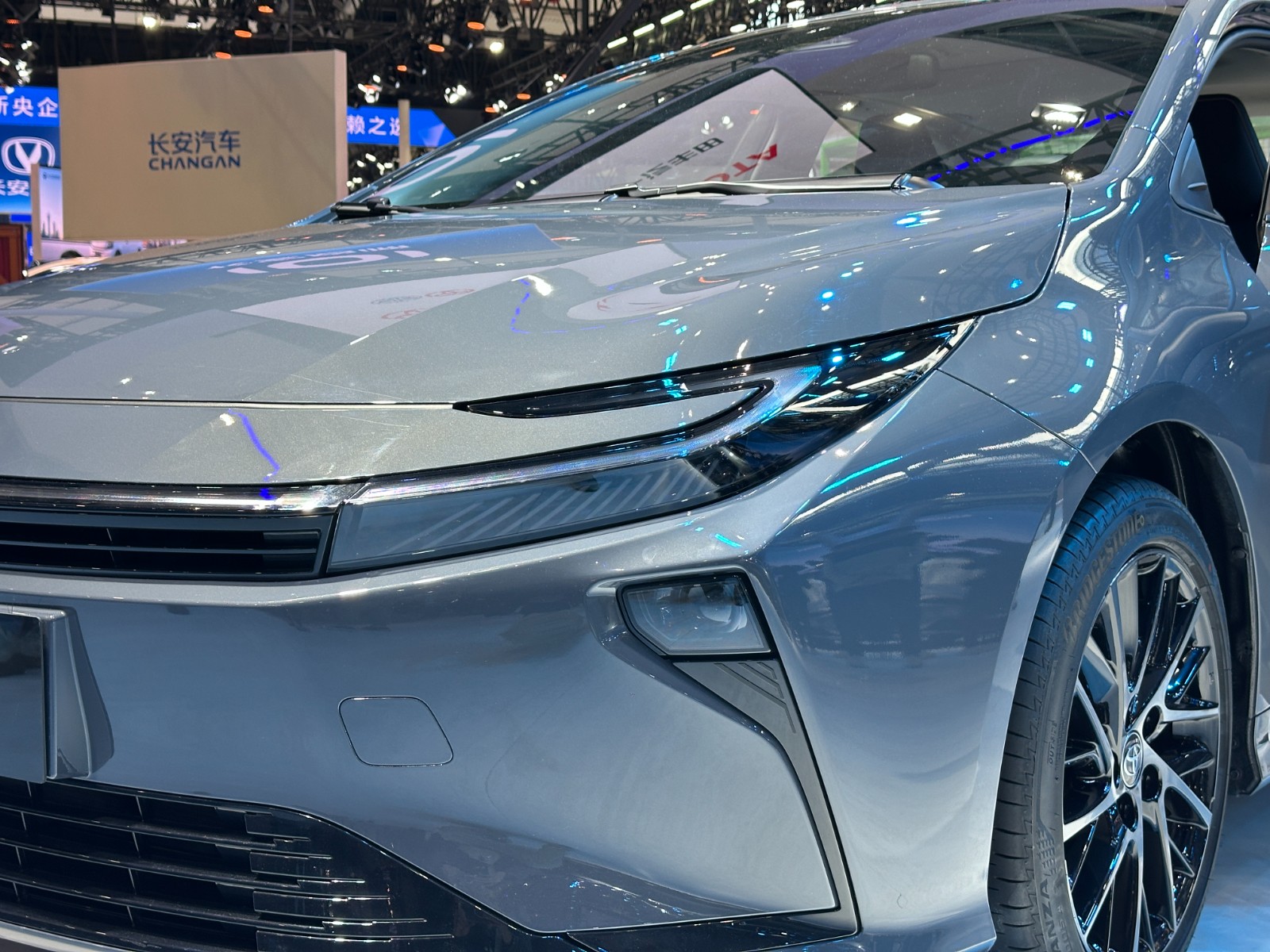
Notably, this production model incorporates several design elements from the Corolla Concept previously unveiled at the Japan Mobility Show.
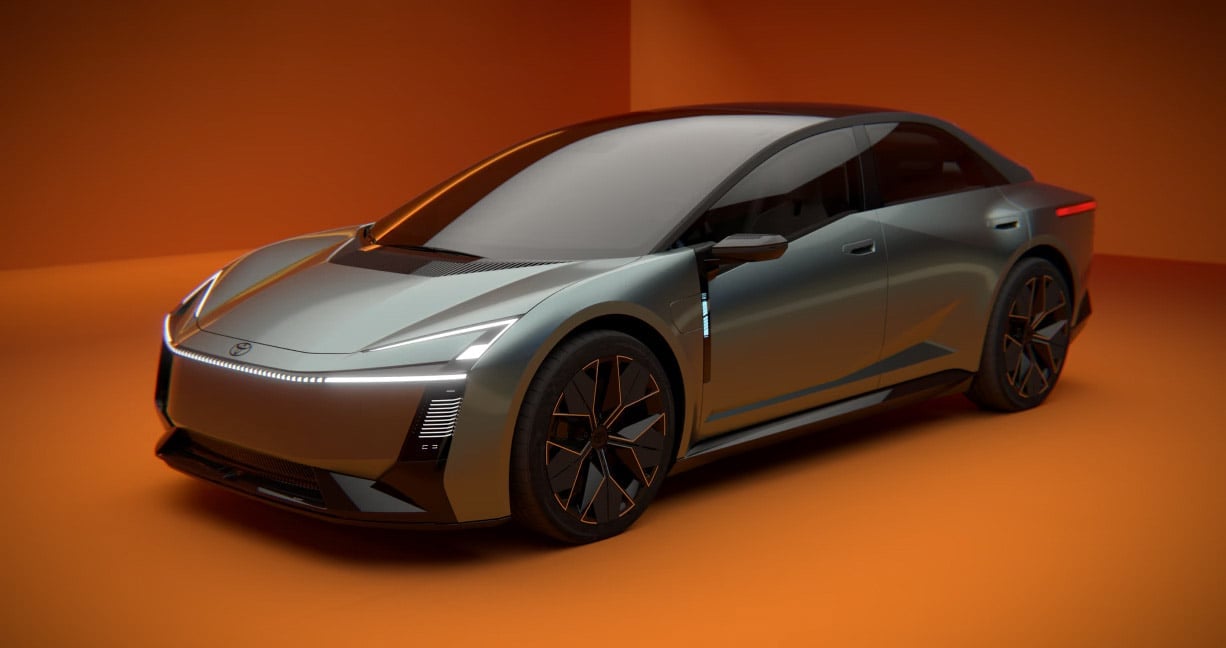
While the concept car's design is more flamboyant, elements such as the lighting clusters and body silhouette still echo the production model.
This suggests that the concept car is not merely a flight of fancy, but rather reflects Toyota’s genuine exploration of future design directions.
The New Corolla at the Guangzhou Auto Show: Practical Upgrades
At this auto show, the new Corolla brought by FAW Toyota is not a full redesign, but the changes are practical.
Let’s talk about the exterior
The new Corolla adopts Toyota's latest family design, with the most noticeable changes on the front end.
It sports a closed grille with through-type daytime running lights and sharper headlight designs. Paired with a smoked black lower grille, these elements significantly boost the vehicle's sporty appeal.
The side profile retains familiar, sharp character lines—a design popular in family cars for balancing practicality with aesthetics.
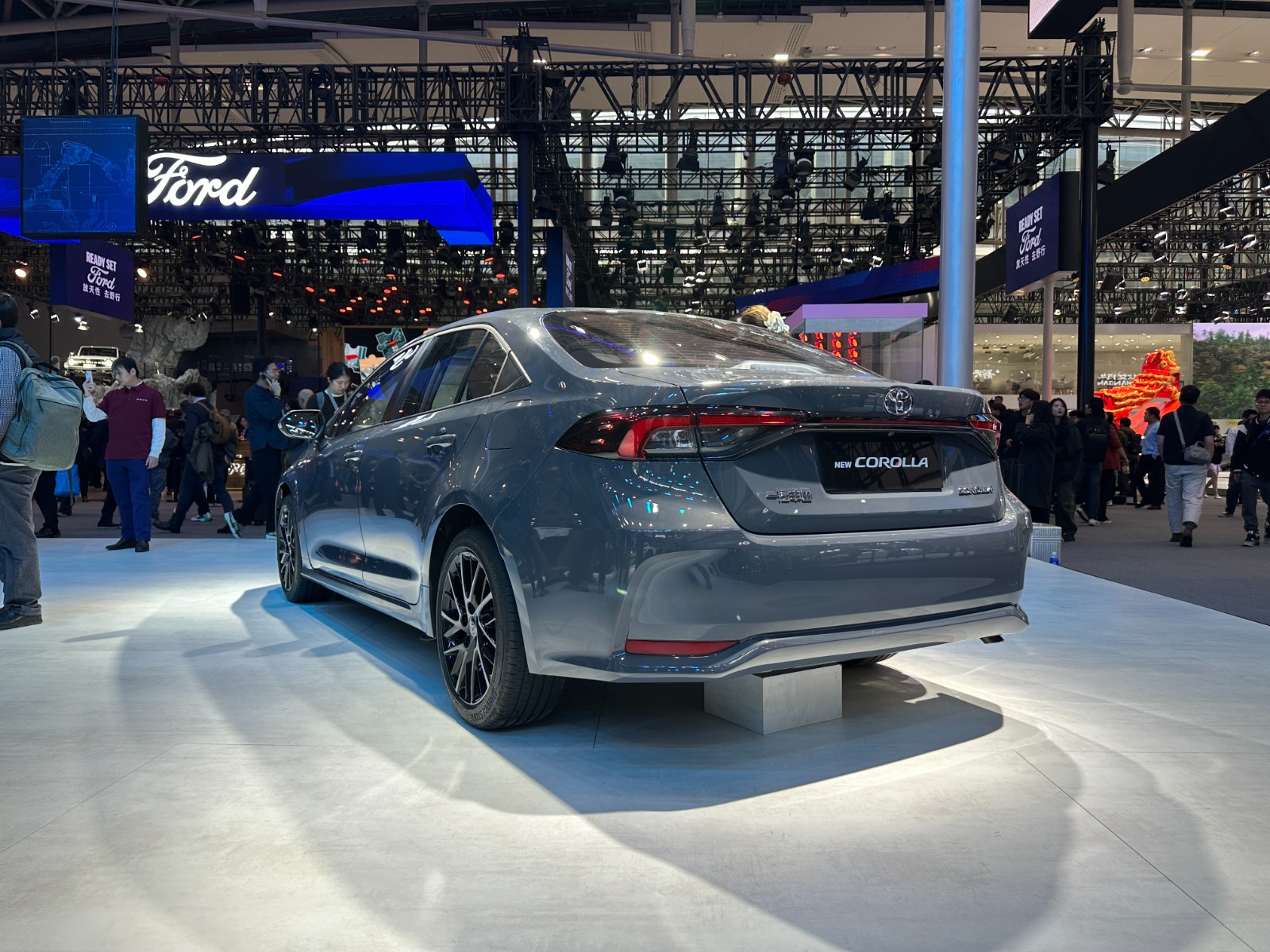
The dimensions also bring welcome surprises: the vehicle length has increased by 75mm, while the wheelbase has grown by 50mm to 2750mm—notable figures in the compact car segment.
Interior changes are also significant
The 12.9-inch central control screen is particularly striking, and the center console layout has been updated to a more modern design. The instrument cluster now features an 8.8-inch digital display, enhancing the technological feel. The Toyota Pilot driver assistance system, now standard across all models, is a highlight, while active safety features are more comprehensive.
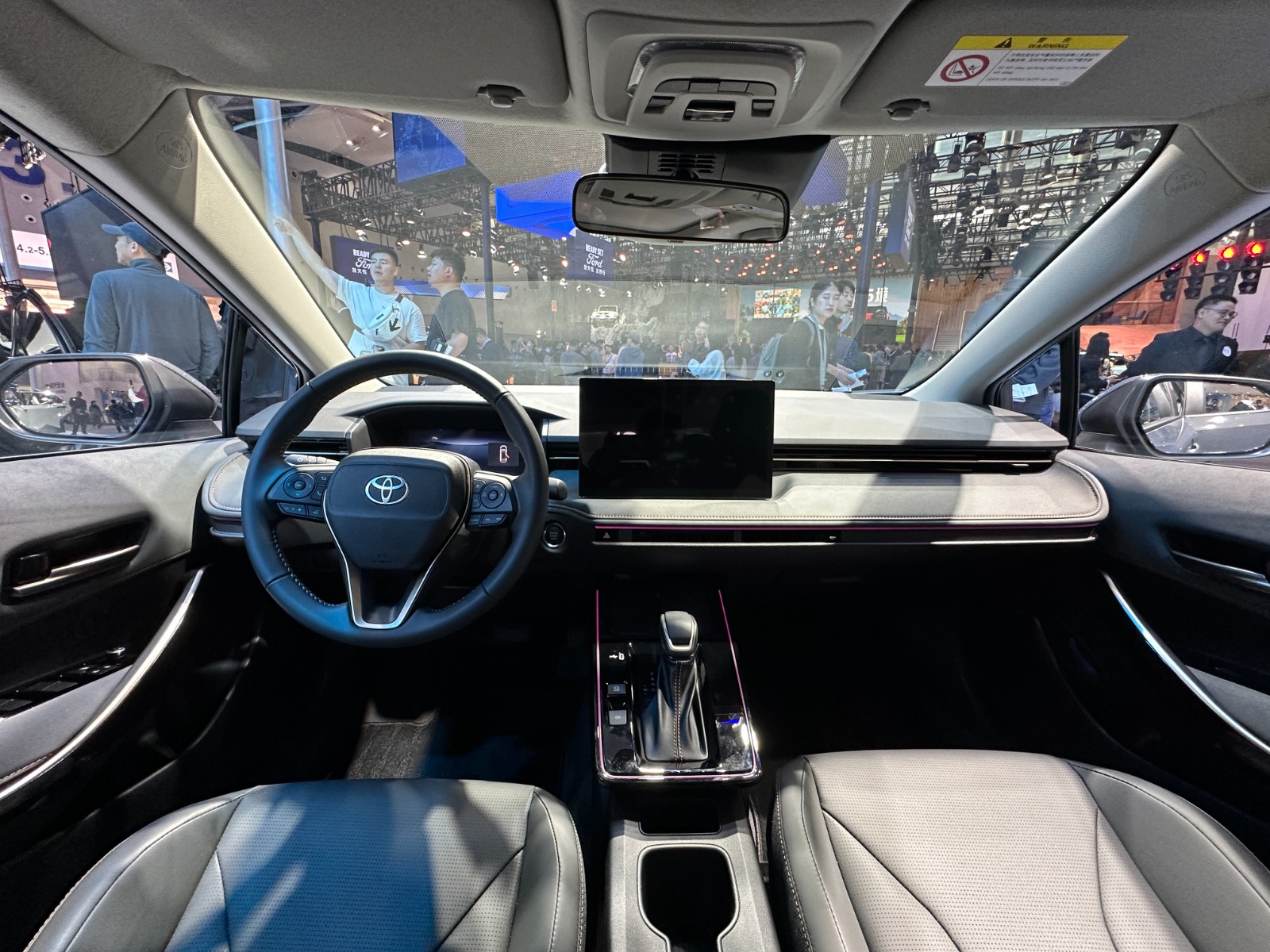
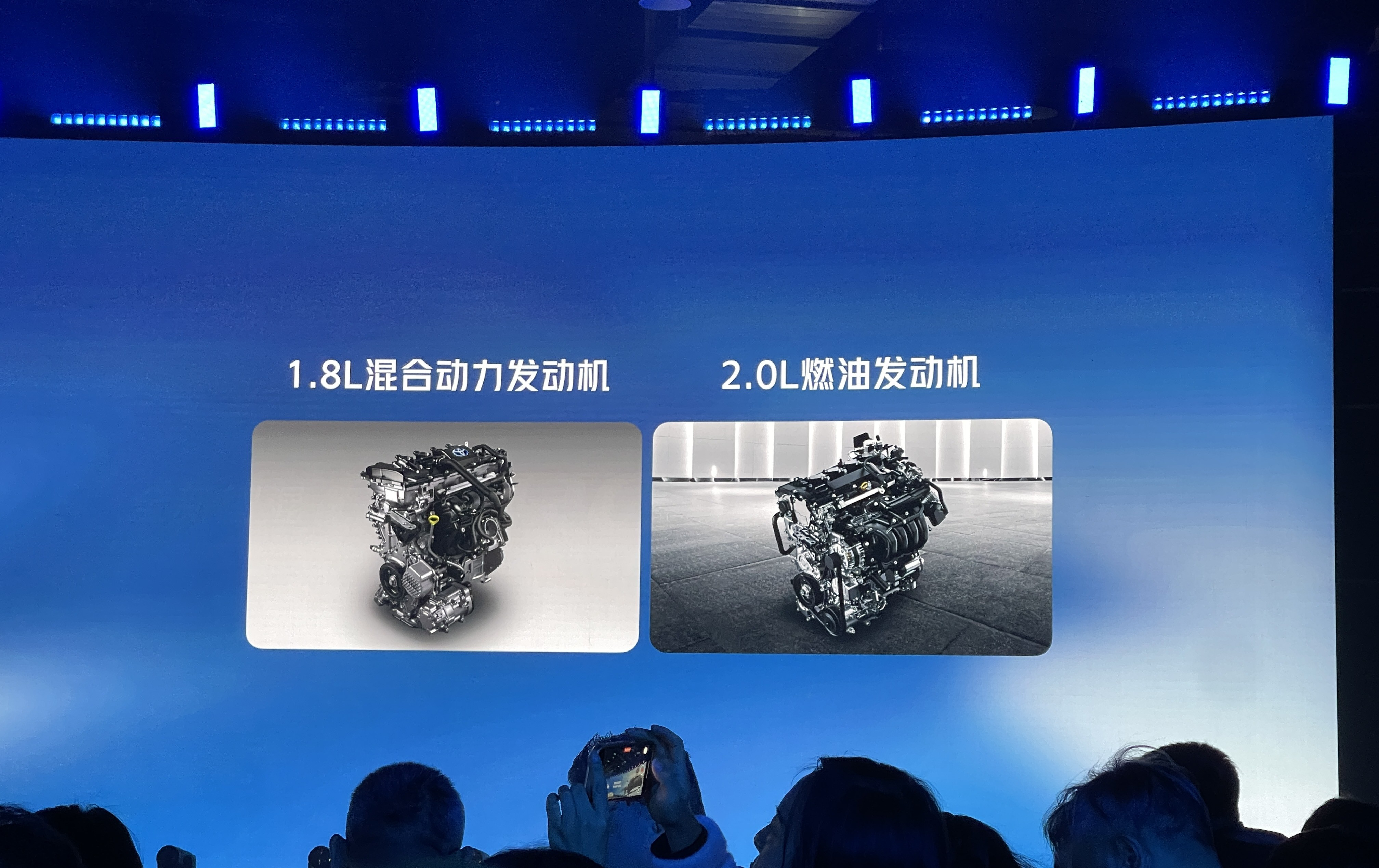
Both 1.8L hybrid and 2.0L gasoline versions are available. The hybrid model uses NMC batteries, which are reportedly optimized for fuel efficiency and range.
Safety features are particularly comprehensive this time. The Toyota Pilot system is standard across all trims, alongside features such as lane departure warning and predictive active driving.
Clearly, the Corolla aims to be more than just a practical family car; it also strives to advance in driver-assistance technology.
Corolla Concept at Japan Mobility Show: Future Possibilities
The Corolla Concept, unveiled by Toyota at the Japan Mobility Show 2025, goes beyond a typical facelift—it provides a preview of the next-generation Corolla's potential design direction.
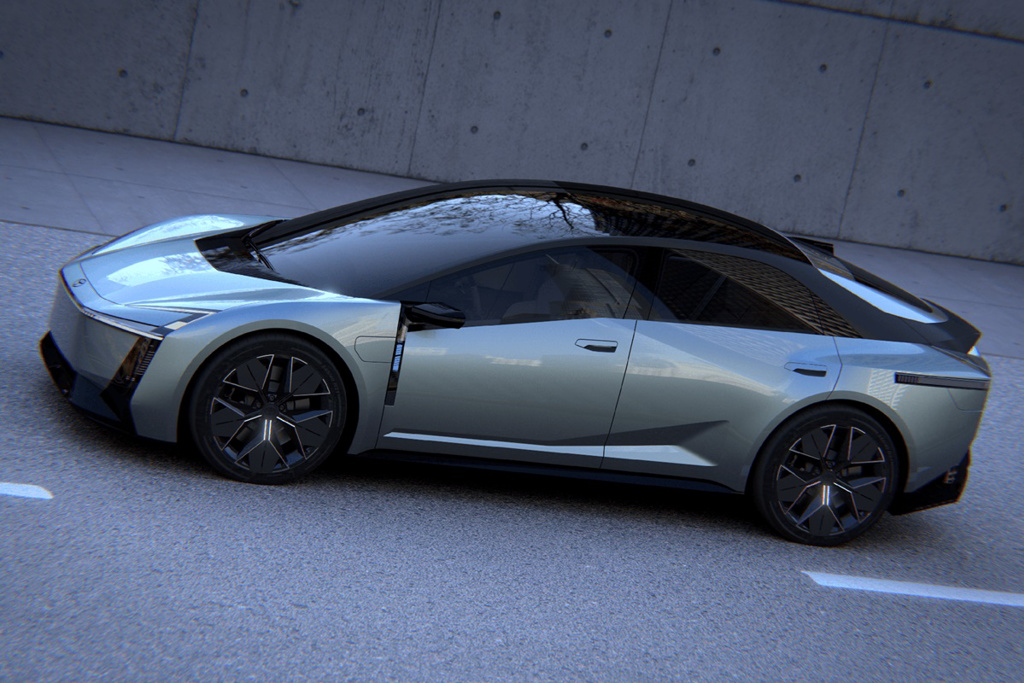
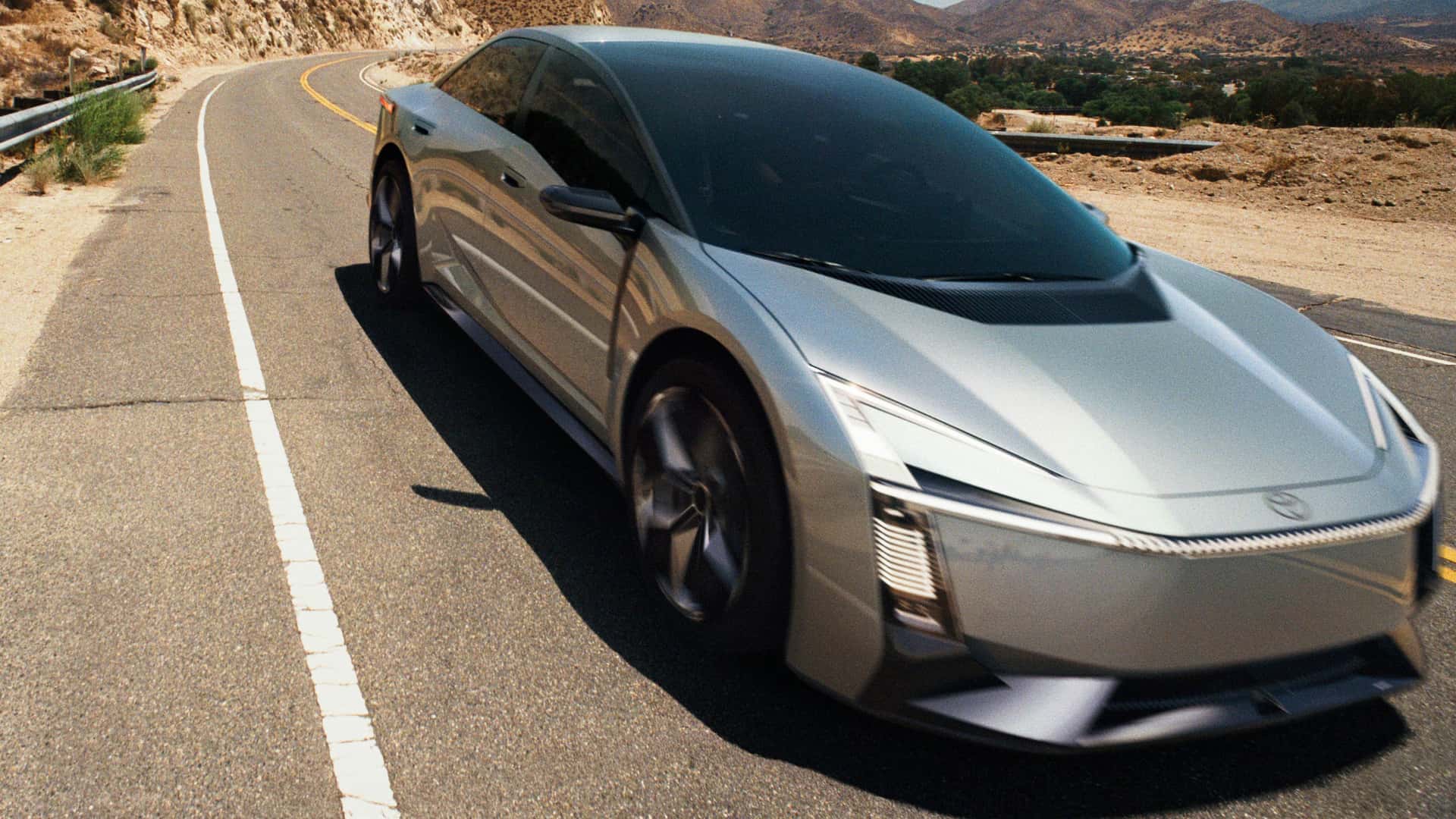
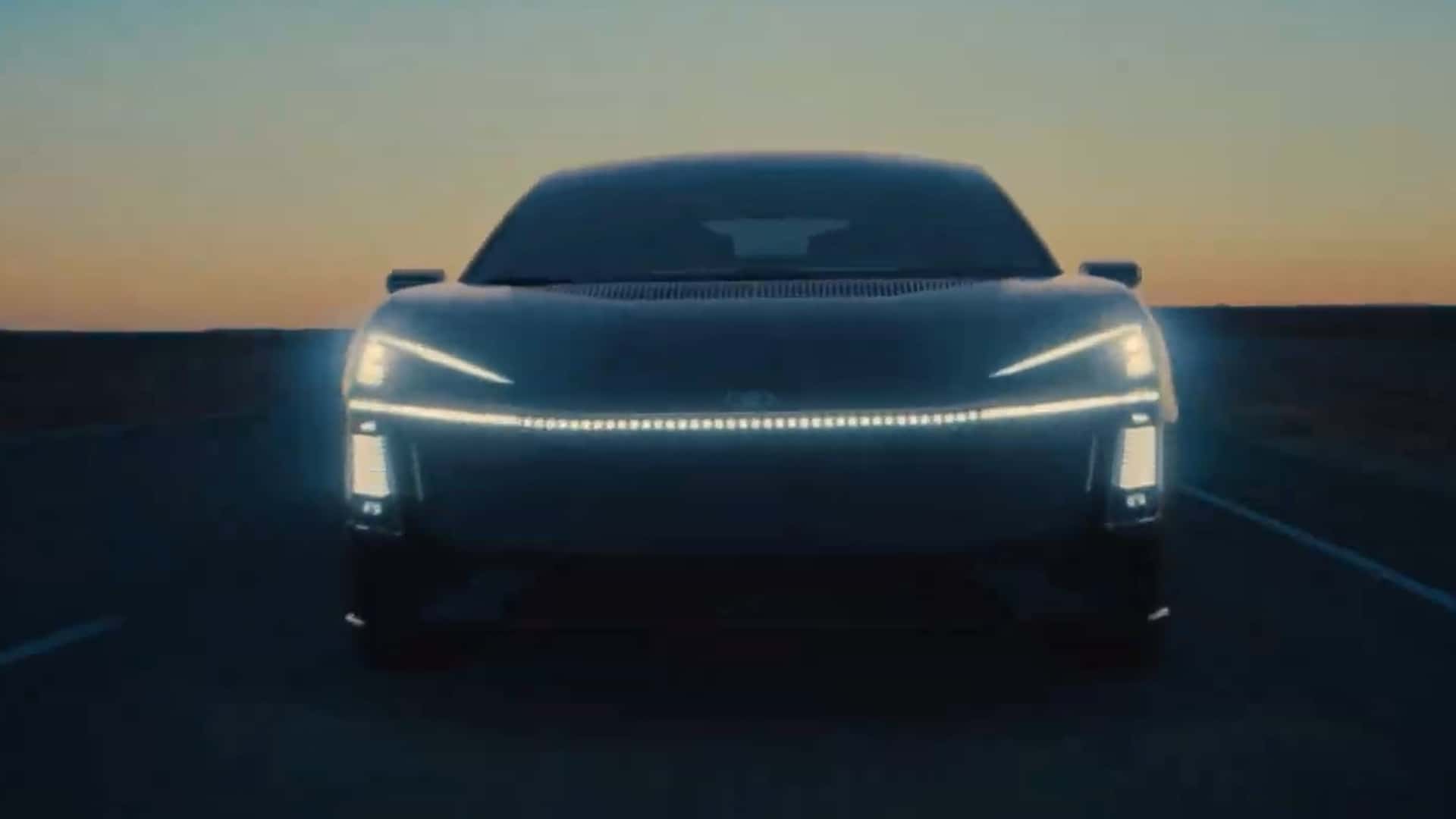
Viewing this concept car gives the impression that the Corolla is poised for a comprehensive transformation. The exterior design is notably aggressive, with the traditional large grille replaced by a closed lower grille and a continuous LED light strip.
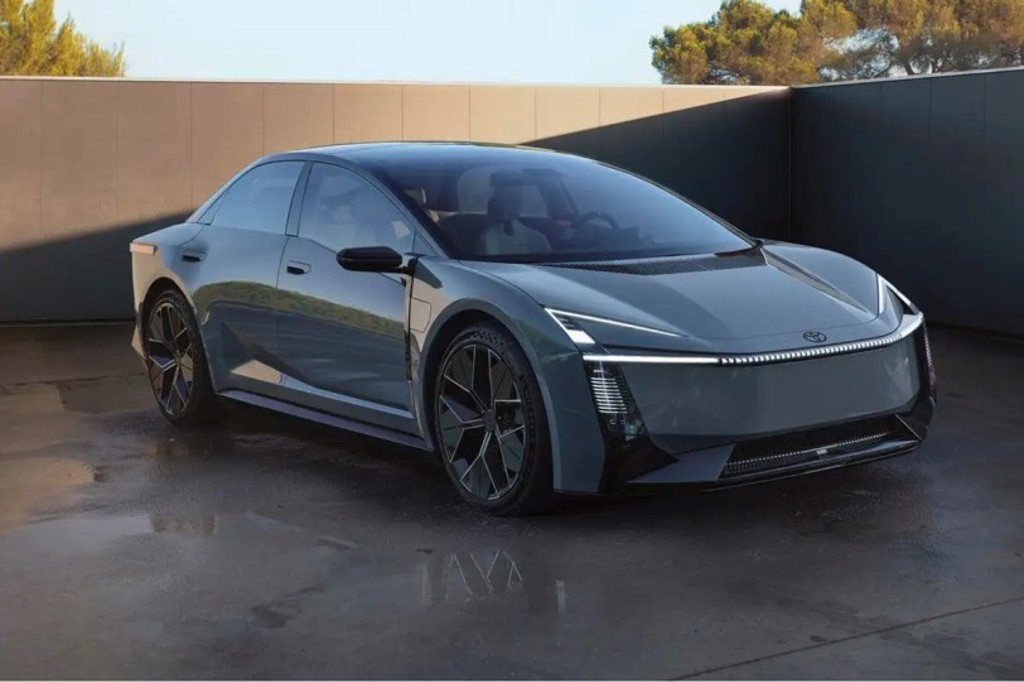
The boomerang-shaped daytime running lights are especially striking, complemented by vertically arranged auxiliary lights, which enhance the technological appeal.
The side profile boasts smooth lines, a fastback-style roof, and blacked-out B and C pillars that create a floating roof effect. A notable detail is the charging port on the front fender, signaling a move toward electrification.
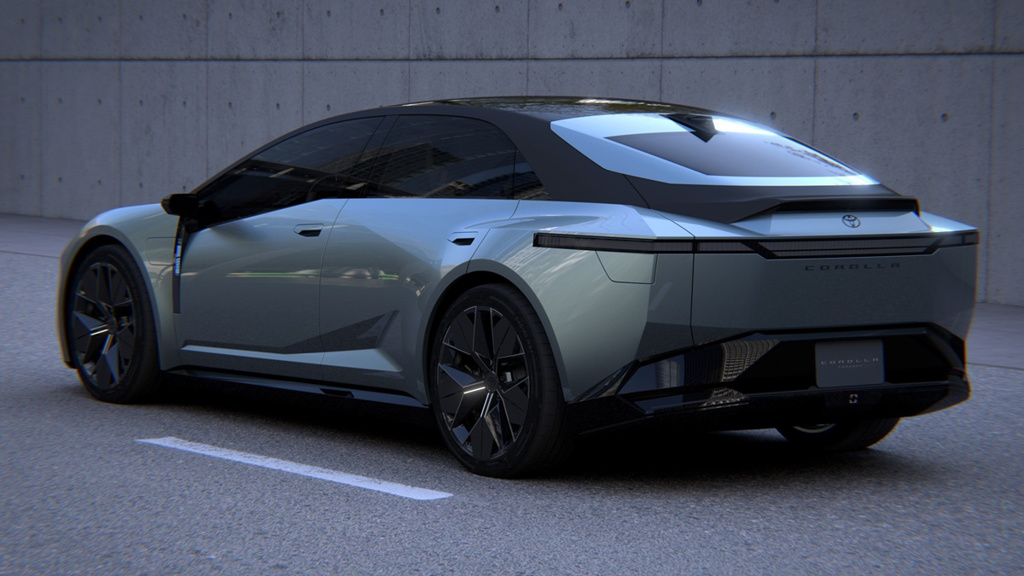
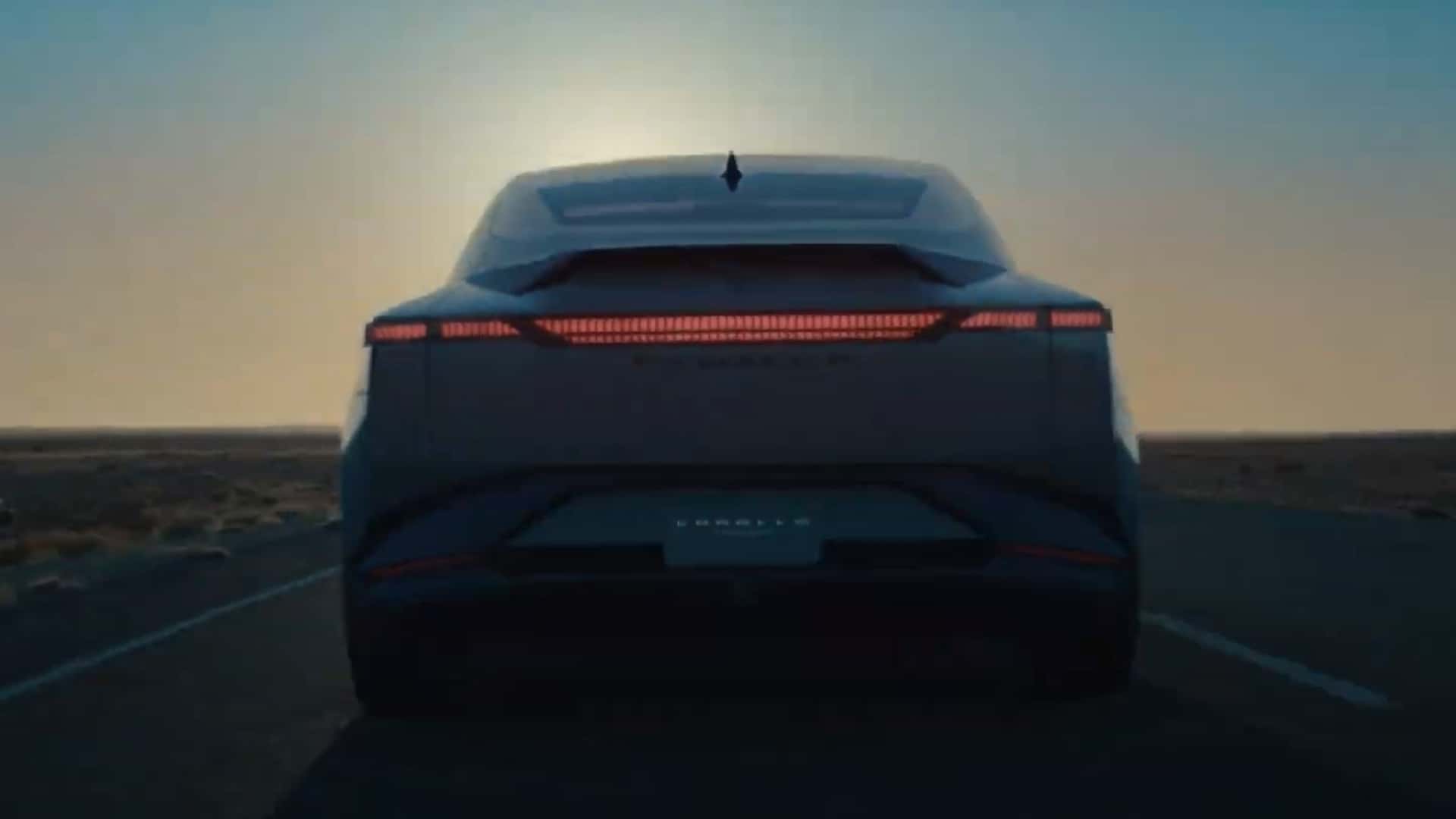
The rear design is equally impressive, featuring a ducktail spoiler, pixel-style continuous taillights, and a sporty demeanor. The 21-inch large wheels further elevate the vehicle's presence.
Even bigger changes inside
Inside the concept car, almost no physical buttons are visible; all controls are integrated into the steering wheel’s touch panel.
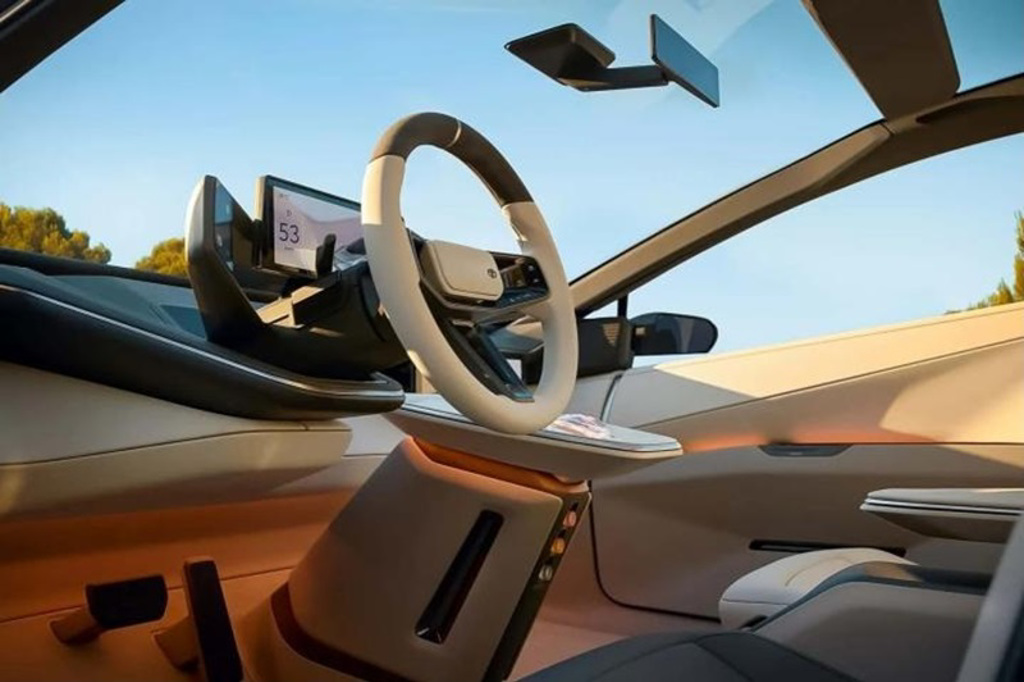
The digital instrument cluster is minimalist, and the front passenger enjoys a dedicated small screen. The center console features a "floating island" design, complemented by an especially refined crystal-textured gear lever.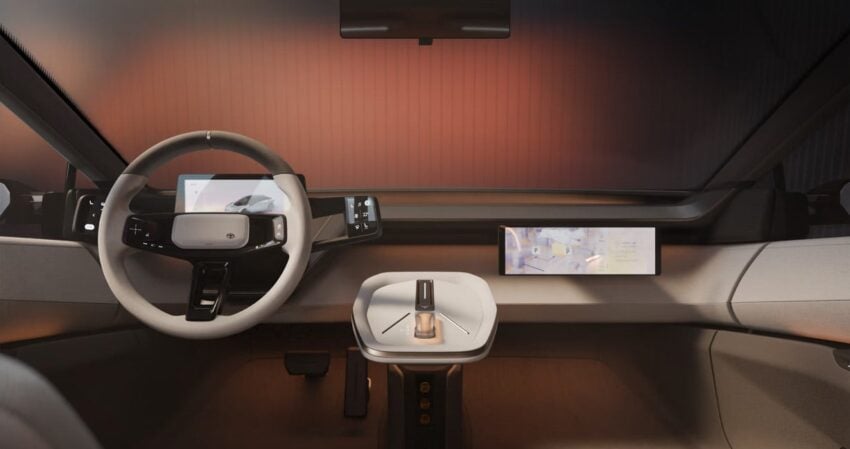
The floor is completely flat, creating a great sense of space, giving the impression of an electric vehicle layout. The inclusion of a panoramic sunroof also makes the interior feel more open and airy.
The most interesting aspect is in terms of performance
Toyota has taken a bold step with this concept—its platform supports four powertrain types: pure electric, plug-in hybrid, hybrid, and traditional fuel, clearly aiming to meet diverse market demands. Although no specific parameters have been released, based on the charging ports and optimized aerodynamics, electrification is undoubtedly the main focus.
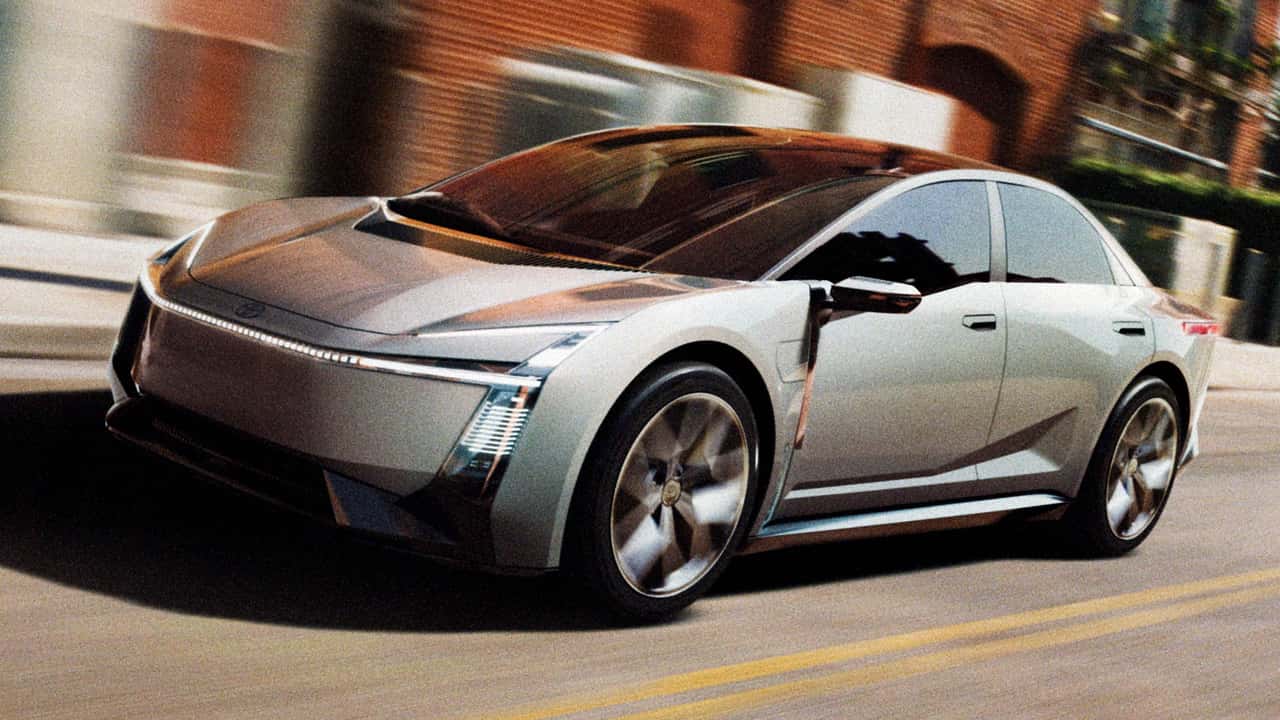
This concept car is more than a design study; it embodies Toyota's strategic vision for the Corolla's future. It conveys two key messages: first, a shift toward a younger and sportier image, distancing itself from the mundane "grocery car" stereotype; second, the adoption of more flexible powertrain options, with electrification at the forefront.
What will the future Corolla look like?
By comparing the production model displayed at the Guangzhou Auto Show with the concept car from the Japan Mobility Show 2025, we can form well-founded predictions about the next-generation Corolla.
The design will definitely draw elements from the concept car
The closed front grille, through-type LED light strip, and fastback design are likely to be retained, as they improve both aesthetics and aerodynamics. The blacked-out B and C pillars are also expected to stay, making the roof appear lighter. However, the mass-production version might tone it down a bit and not be overly conceptual.
The interior will undoubtedly enhance its tech-savvy feel
Large central control screens and touch controls will keep pace with current trends, though the production model is expected to retain some physical buttons, unlike the concept car.
Floating center consoles and crystal gear levers, those upscale elements, might appear in high-end models. A panoramic sunroof is also likely to become an optional configuration, as it is a popular feature among consumers nowadays.
The powertrain options might be the most noteworthy aspect
Consistent with Toyota's approach, the next-generation Corolla is anticipated to offer multiple powertrain options, including hybrid, plug-in hybrid, all-electric, and potentially even a retained internal combustion engine variant. The hybrid model will probably remain the mainstay, but electric versions will become increasingly crucial.
As for the chassis platform, the new Corolla generation is likely to adopt a more flexible modular architecture, capable of accommodating both batteries and engines, thereby enhancing space utilization.
The interior space is expected to be further optimized compared to the current version, particularly in terms of rear legroom and storage space.
In summary, the next-generation Corolla aims to strike a balance—preserving the reliability and practicality essential to a family car, while incorporating more advanced technology and youthful styling.
Toyota has clearly articulated the vision behind the Corolla Concept: to attract traditional users while simultaneously appealing to younger consumers.
If any infringement occurs, please contact us for deletion










Popular Cars
Model Year
Car Compare
Car Photo