
Q
Does EX90 have a frunk?
 CoraOct 23, 2025, 03:27 PM
The Volvo EX90, as a fully electric SUV, does come with a frunk – that extra storage space you get when you ditch the traditional combustion engine. This one's 31 liters, which is perfect for stashing charging cables or small personal items. For folks in Malaysia, the real upside of a frunk is keeping heat-sensitive gear away from that brutal tropical cabin heat, plus it just adds more flexibility to how you pack. Frunks are pretty much standard fare in EVs these days, with brands tweaking the space based on motor layouts and body designs. Take the Tesla Cybertruck, for example, it’s got a massive frunk, while the Porsche Taycan prioritizes a flatter load floor. The EX90's frunk might not be the biggest out there, but paired with that classic Scandinavian minimalist design, it shows how Volvo's balancing practicality with aesthetics in their shift to electric. If you're a Malaysian considering an EV, besides range and performance, the frunk design is worth checking out – especially if you're a family who often lugs sports equipment or needs to separate your cargo.
Special Disclaimer: This content is published by users and does not represent the views or position of PCauto.
Related Q&A
Q
How many seats are in the EX90?
The Volvo EX90, a luxury all-electric SUV, comes standard with a 7-seat configuration (2+3+2) to meet family travel needs, while offering flexible seat folding functions to optimize cargo space. Built on the SPA2 pure electric platform, this vehicle delivers an estimated 600 km range (WLTP standard) and is equipped with a LiDAR system and advanced driver assistance features, catering to Malaysian users' dual demands for technology and environmental friendliness. It's worth noting that 7-seat SUVs are quite popular in the Malaysian market, particularly suited for large families or long road trips. Competitors in the same segment, such as the BMW iX and Mercedes-Benz EQS SUV, also offer similar seating setups, allowing consumers to make a comprehensive choice based on brand preference, charging infrastructure coverage, and after-sales service networks. The EX90's Scandinavian minimalist design, high-strength body safety technology, and battery thermal management system optimized for tropical climates are all potential advantages in the Malaysian market.
 AdventOct 23, 2025
Q
How many kWh is the Volvo EX90 battery?
Volvo's all-new fully electric flagship SUV, the EX90, packs a substantial 111kWh lithium-ion battery (with approximately 107kWh of usable capacity), delivering a WLTP range of around 600 kilometers for Malaysian drivers – more than enough to handle those longer road trips around the country. Operating on a 400V architecture, this battery supports DC fast charging up to 250kW, meaning you can juice it from 10% to 80% in roughly 30 minutes. That's a solid match for Malaysia's growing network of fast-charging stations, making it pretty damn convenient.
One standout feature is the EX90's battery management system, which comes with advanced liquid cooling and preconditioning. Let's be real, in Malaysia's tropical heat, this isn't just a nice-to-have – it's crucial for keeping the battery performing well and lasting longer under those scorching conditions.
In the same league, you've got the Mercedes-Benz EQS SUV (108kWh) and BMW iX xDrive50 (111.5kWh) with similar battery sizes, but the EX90 really leans into that Scandinavian minimalist design vibe while doubling down on family-friendly safety – that's Volvo's bread and butter, after all.
A quick tip for Malaysian buyers: real-world range is going to take a hit if you're cranking the AC nonstop or flooring it on the highway. So, if you're shopping around, prioritize models with a robust battery thermal management system. Trust me, your EV will thank you when the mercury spikes.
 AweOct 23, 2025
Q
Where is EX90 manufactured?
The Volvo EX90 is currently produced primarily at the Torslanda plant in Sweden, a cornerstone of Volvo's global manufacturing network renowned for its advanced automation and eco-friendly processes. This ensures the EX90, as Volvo's fully electric flagship SUV, meets the rigorous quality standards synonymous with Scandinavian engineering. It's worth noting that Volvo has a global production footprint, with facilities in Chengdu and Daqing, China, also equipped to build electric vehicles. As market demands evolve, adjustments to production plans remain on the table.
For Malaysian customers, the EX90 arrives as an imported model, with its original factory build quality and Volvo's signature safety technologies – like the cutting-edge lidar-enabled intelligent driving system – standing out as key selling points. Local buyers can head to authorized dealers to dive into detailed specifications and after-sales policies.
With the Malaysian government actively promoting electric vehicle adoption, the introduction of premium EVs like the EX90 underscores Volvo's commitment to the Southeast Asian market. That said, for real-world insights on range performance and charging compatibility, it's advisable to refer to localized testing data specifically gathered under Malaysia's tropical climate conditions.
 QonOct 23, 2025
Q
Who makes the batteries for the EX90?
The Volvo EX90's batteries are supplied by two global leaders in battery manufacturing: CATL and LG Energy Solution. Both bring to the table mature tech and a wealth of experience in the EV battery space. CATL is renowned for its high-energy-density lithium-ion batteries with impressive longevity, while LG Energy Solution has built a strong reputation supplying battery solutions to numerous premium EV brands worldwide. Choosing these two suppliers ensures the EX90 meets the highest standards when it comes to range and safety.
For Malaysian consumers, the EX90's battery tech isn't just aligned with global environmental trends; it's also well-suited to local climate conditions. The battery system has undergone rigorous testing to maintain stable performance even in the country's hot and humid environment. What's more, Volvo's refinements in the Battery Management System (BMS) further boost battery efficiency and durability – a key consideration for Malaysian users. After all, good battery management translates to longer battery life and lower long-term ownership costs.
 RonOct 23, 2025
Q
What is the 0 60 time for the Volvo EX90?
As Volvo's flagship electric SUV, the EX90 delivers 0-100km/h acceleration times that vary by powertrain. The top-spec twin-motor performance variant clocks in at approximately 4.9 seconds, while the standard twin-motor version hits the mark in around 5.9 seconds. That's seriously impressive for a large SUV tipping the scales at over 2.8 tonnes, thanks largely to electric motors' ability to deliver maximum torque instantly.
Malaysian buyers should note that hot climates can have a slight impact on battery performance. We recommend opting for models equipped with a battery thermal management system to ensure consistent performance. Electric vehicles accelerate differently than traditional petrol cars, and the EX90 uses a linear acceleration tune that balances that satisfying push-back feeling with ride comfort – perfect for Malaysia's stop-start city traffic and highway cruising alike.
Volvo has also equipped the EX90 with multiple drive modes. "Performance" mode unlocks the full power potential, while "Range" mode prioritizes energy efficiency – a really useful feature given Malaysia's longer intercity commutes. On the charging front, the EX90 supports DC fast charging up to 250kW, taking roughly 30 minutes to go from 10% to 80% charge. Malaysia's major cities now have charging networks that should adequately meet most owners' needs.
 FunnyOct 23, 2025
Q
Does weather affect the Volvo EX90 range?
Let me tell you, the weather really does play a role in how far the Volvo EX90 can go on a single charge – and that's especially true here in Malaysia's tropical climate. That relentless heat and humidity? They can definitely throw a bit of a curveball at an EV's battery performance. When things get sweltering, the battery management system has to work overtime to keep those cells at their ideal operating temperature, and let's be real, we're all cranking up the AC nonstop too. Both of those factors can nibble away at your real-world range, no question.
But here's the good news: the EX90 isn't just some run-of-the-mill EV. It's packing some seriously advanced thermal management tech and a really well-engineered battery pack. Those features do a great job of minimizing the impact extreme weather can have on your range. And hey, let's not forget – it's not just electric cars that take a hit in extreme conditions. Your good old petrol or diesel burner also sees its fuel economy dip when the mercury spikes or plummets. It's just basic physics, something all vehicles have to deal with.
So, to all my fellow Malaysian EX90 owners out there, here's a pro tip: whenever possible, park your ride in the shade. That simple step helps a ton. Also, make full use of that scheduled climate control function to cool down the cabin before you hop in – it's a game-changer for efficiency. And don't skimp on regular battery system check-ups, plus keeping the charging port nice and clean and dry. Do all that, and your EX90 should keep delivering that top-notch performance you expect.
 CuteyOct 23, 2025
Q
How fast can you charge the EX90?
The Volvo EX90, as a fully electric SUV, can handle charging speeds up to 250kW when hooked up to a compatible fast charger. That translates to roughly 30 minutes to get from 10% to 80% battery in ideal conditions, though actual times might vary a bit depending on the charger's output, battery temperature, and the surrounding environment. Malaysia's growing fast-charging network – think ChargeSini and Shell Recharge – already offers these kinds of quick top-up capabilities, which is a real boon for drivers hitting the open road. It's worth keeping in mind that charging speeds do taper off as the battery gets closer to full; that's a standard feature across all EVs to help preserve battery longevity. For day-to-day use, the EX90's range should easily cover most intercity commutes in Malaysia. For example, the roughly 350km trip from Kuala Lumpur to Penang would only require one quick charging stop to reach your destination. We'd recommend sticking with brand-authorized charging stations whenever possible to ensure optimal charging efficiency and keep your battery in good shape. Also, regularly updating your vehicle's software can help optimize charging performance over time.
 TonOct 23, 2025
Q
Is the EX90 a good car?
The Volvo EX90 is a premium electric SUV that brings serious competition to Malaysia's market, thanks to its Scandinavian design flair, cutting-edge electric tech, and the brand's legendary commitment to safety. Under the hood, it's packing a dual-motor all-wheel-drive setup, delivering hearty performance alongside a WLTP-claimed range of over 600 kilometers – more than enough to handle those longer drives across Malaysia. Step inside, and you're greeted by a sleek 14.5-inch touchscreen and a top-notch Bowers & Wilkins sound system, blending luxury and tech seamlessly. Of course, Volvo's safety DNA shines through with features like lidar and a comprehensive suite of driver-assistance systems.
For Malaysian EV shoppers, charging compatibility is a biggie, and the EX90 delivers here too. It supports 200kW fast charging, meaning you can juice it up from 10% to 80% in around 30 minutes – perfect for keeping pace with your day and compatible with most major charging stations around the country.
What really sets the EX90 apart in its class is its focus on sustainable materials and thoughtful family-friendly space. But, as with any big purchase, I'd always recommend potential buyers take it for a spin alongside rivals like the Mercedes-Benz EQS SUV or BMW iX. It's also wise to weigh up factors like the local charging network coverage and after-sales service offerings before deciding.
On a brighter note, the Malaysian government's current lower import duties on electric vehicles definitely give the EX90 a bit more edge when it comes to price, making this premium electric SUV a more enticing proposition than ever.
 PonOct 23, 2025
Q
Is the EX90 considered a luxury SUV?
The Volvo EX90 is without a doubt a premium SUV that stays true to the brand's Scandinavian roots—think clean, minimalist design and that legendary Volvo focus on safety. But it's also pushing forward with cutting-edge electric tech, like its advanced battery management system and smart driver assistance features, which should hit the mark for what luxury EV buyers are after.
In the Malaysian market, the EX90 is gunning for the same space as heavyweights like the Mercedes-Benz EQS SUV and BMW iX. Step inside, and you're greeted with eco-friendly materials and top-notch craftsmanship that make for a seriously comfortable ride. The tech side doesn't skimp either—big touchscreens, a panoramic sunroof, all the good stuff that screams "luxury."
For Malaysian consumers, the EX90 isn't just another high-end, eco-friendly SUV; it's a statement of status and taste. Its arrival shakes up the local luxury EV scene by giving buyers more choice, and it also underscores Volvo's commitment to sustainable mobility. If you're shopping for a luxury electric SUV, the EX90 deserves a spot on your shortlist—its all-around package should satisfy those who value both quality and tech.
 NonOct 23, 2025
Q
Does the EX90 have captain seats?
Volvo's flagship electric SUV, the EX90, hits the Malaysian market with a 7-seater layout as standard. For the second row, you've got options: stick with the traditional bench seat or upgrade to those swanky Captain Seats – though which one you get depends on the trim level you pick. Now, Captain Seats are all about upping the second-row game: more legroom, extra comfort, perfect for family road trips where the kids (or adults) in the back don't want to feel squished. But here's the trade-off – you lose a seat, dropping from 7 to 6 passengers.
Malaysian buyers, listen up: electric vehicles often prioritize space flexibility, and the EX90 is no exception. That third row folds down to boost cargo space, and if you've gone for the Captain Seats, you're looking at a decent 314 liters of boot volume as standard. My tip? Always check with your local dealer about the exact specs on the ground. Southeast Asian markets can sometimes tweak seat options to match regional tastes, so don't assume – confirm.
If your crew regularly numbers five or more, the bench seat is the practical choice, no question. But if you're after that premium vibe, whether for business meetups or just spoiling the family, those Captain Seats add a definite touch of luxury. And hey, Volvo's been killing it with eco-friendly interiors lately, and the EX90 follows suit. Seats come in sustainable options like wool blends or recycled materials – smart for Malaysia's tropical weather, keeping things breathable while doing right by the planet. Win-win.
 HonOct 23, 2025
Popular Cars
Model Year
Car Compare
Car Photo
Related Models
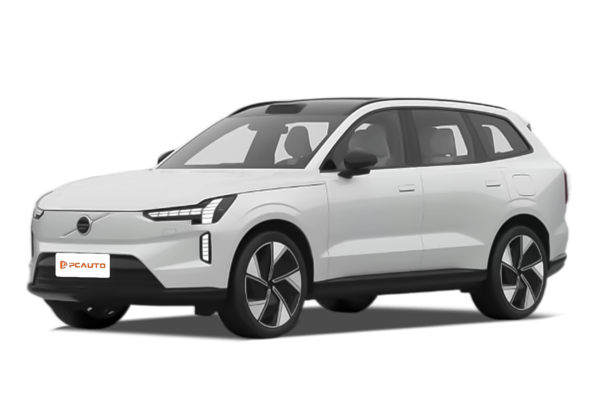
 Cars
CarsLatest Q&A
Q
Is AMT similar to automatic?
There are significant differences between AMT transmissions and automatic transmissions (AT) in terms of core structure and driving experience. AMT is essentially an electronically automated version of a manual transmission, simulating manual clutch operation and gear shifting through a computerized control system while retaining the gear set structure of manual transmissions. As a result, it offers higher transmission efficiency, with fuel consumption approximately 8%-12% lower than AT, making it particularly suitable for highway or long-distance driving. However, it may exhibit jerking similar to manual transmissions during low-speed gear shifts, especially noticeable in congested traffic conditions.
AT transmissions rely on torque converters for power transfer, delivering smooth and seamless gear shifts that appeal to comfort-oriented users. However, their complex structure (incorporating planetary gear sets, hydraulic systems, etc.) results in higher maintenance costs. A single service may cost between 800 to 1,500 ringgit, whereas AMT only requires gear oil replacement at approximately 400 ringgit.
From a market perspective, AMT is predominantly used in budget vehicles or commercial models priced below 80,000 ringgit, while AT is typically featured in mid-to-high-end vehicles. Consumers should select based on actual needs: AMT suits those prioritizing fuel efficiency and low maintenance costs, while AT better serves those valuing comfort. Notably, recent advancements in AMT electronic control technology have significantly mitigated jerking issues, though test drives should still emphasize low-speed performance evaluation.
 AriaMar 26, 2026
Q
Which is better, DCT or AT?
DCT (Dual-Clutch Transmission) and AT (Automatic Transmission) each have their own advantages and disadvantages, and the choice should be based on personal driving needs. AT transmissions transfer power through a torque converter, offering excellent shift smoothness, making them suitable for urban commuting or novice drivers. However, they tend to have higher fuel consumption, and vehicles equipped with them are usually more expensive. DCT transmissions utilize a dual-clutch structure, featuring fast shift speeds and high power transmission efficiency, which provides a more direct driving experience—particularly suitable for users seeking a sporty feel. However, they may exhibit jerking at low speeds and have relatively high maintenance costs. If durability and comfort are priorities, AT is the more reliable choice; if power responsiveness and driving pleasure are preferred, wet DCT (such as Volkswagen DSG) performs better, though dry DCT models should be avoided in prolonged stop-and-go traffic conditions. Additionally, CVT transmissions excel in smoothness and fuel efficiency, making them ideal for daily commuting, but they lack driving excitement. It is recommended to test-drive before purchasing, as tuning varies significantly across brands, and real-world experience is more important than theoretical specifications.
FlutteringMar 26, 2026Q
Is Amt good or bad?
AMT gearboxes have a significant cost advantage in the local market, typically being around 5,000 Ringgit cheaper than models equipped with conventional automatic transmissions. Their fuel efficiency is comparable to manual transmissions, resulting in long-term fuel savings. Featuring a straightforward design, they achieve transmission efficiency exceeding 90% with relatively low maintenance costs, making them ideal for practicality-oriented consumers. However, their shifting logic contains inherent limitations: gear changes between 1st and 2nd cause 0.3-0.5 second power interruptions, while unintended upshifts on inclines may reduce engine speed by 15%-20%, compromising driving smoothness. For urban commuters or budget-conscious buyers, AMT offers excellent value, though those prioritizing premium driving dynamics should consider alternative transmission types. Some domestic models like the Perodua Axia employ enhanced AMT systems, where optimized shift programming has reduced gearshift shock by approximately 30%.
 RainbowsMar 26, 2026
Q
Which gives better mileage, CVT or AMT?
From the perspective of fuel economy, CVT transmissions generally perform better under urban driving conditions. Their continuously variable design allows the engine to consistently operate within the optimal speed range, significantly reducing fuel consumption during frequent starts and stops. Test data shows that their fuel consumption in urban driving conditions is 10% to 15% lower than that of comparable models. AMT transmissions, on the other hand, inherit the high transmission efficiency of manual transmissions, delivering fuel efficiency close to manual transmissions during high-speed cruising. This makes them particularly suitable for long-distance driving in large-displacement vehicles. However, due to power interruption during gear shifts, their overall fuel consumption may be 5% to 8% higher than CVTs.
The difference in fuel-saving characteristics between the two transmissions stems from their technical principles: CVTs achieve continuous variability through steel belts and pulleys, eliminating the fixed gear ratio limitations of traditional transmissions; AMTs simulate manual gear changes via electronic control systems while maintaining the mechanical efficiency of gear transmission. Notably, actual fuel consumption is also influenced by driving habits. Smooth acceleration and anticipatory deceleration can maximize the transmissions' fuel-saving potential. If the vehicle budget permits and urban commuting is the primary use, CVTs offer a more economical choice. For frequent highway driving with an emphasis on cost-effectiveness, AMTs are equally worth considering.
 RubyBlazeMar 26, 2026
Q
Which is cheaper, AMT or CVT?
In terms of gearbox cost, AMT is usually more economical than CVT. Essentially, AMT is a manual transmission equipped with an electronic control unit, featuring a simple structure and low maintenance costs. The unit price ranges from approximately 5,000 to 8,000 ringgit, making it suitable for budget-conscious consumers or those who prioritize long-term operating costs. CVT incurs higher manufacturing costs due to its precision steel belt transmission system and continuous variable transmission technology, with a unit price of about 7,000 to 10,000 ringgit. However, it delivers a smoother driving experience and superior fuel efficiency. The primary differences between the two lie in technical complexity: AMT retains the gear-shifting mechanism, resulting in noticeable shift shock; CVT achieves linear power output through stepless speed variation but requires periodic belt inspection and incurs higher maintenance expenses. For those prioritizing initial cost and basic transportation needs, AMT offers better value; if comfort and long-term fuel economy are priorities, CVT represents a more worthwhile investment. Note that actual prices may vary based on vehicle model, brand, and local supply chain factors.
 ShadowProwlMar 26, 2026
Related News
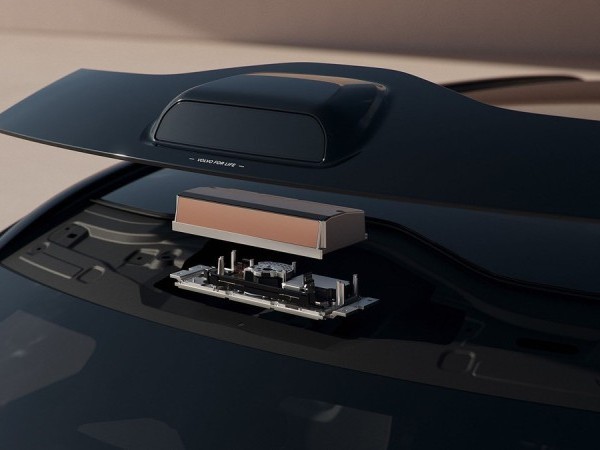
Warning: Vehicle LiDAR Can Damage Your Phone Camera!
AshleyMay 19, 2025
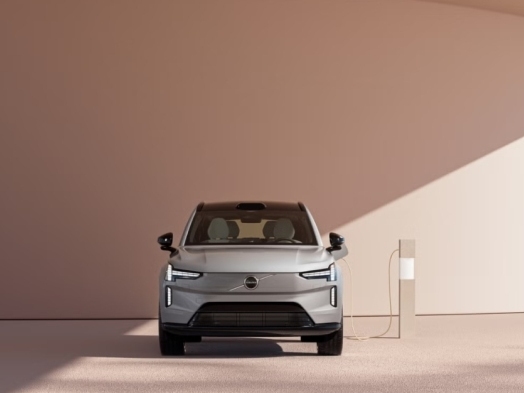
Volvo EX90 Electric SUV Now Available – RM 442,888
LienApr 11, 2025
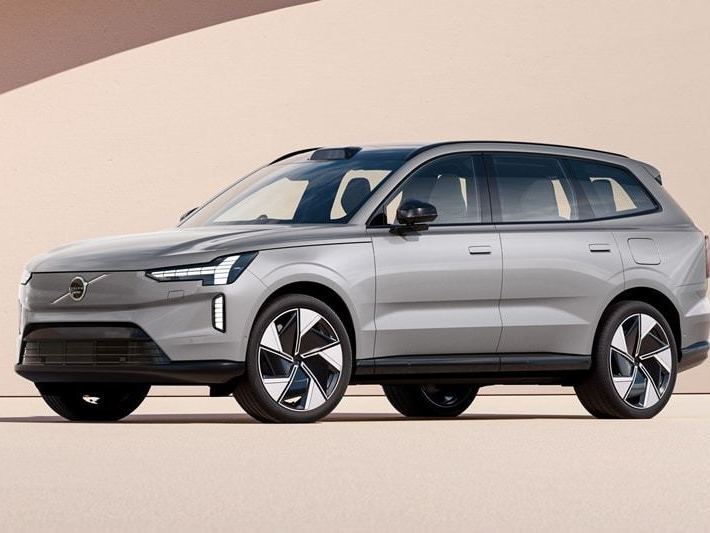
Volvo EX90 launched at Motor EXPO 2024! With full electric charge, it can drive up to 600 kilometers
MichaelNov 29, 2024

Volvo EX60 as the electric successor to the XC60, embodies the pragmatic approach of the brand’s transformation
MichaelJan 23, 2026

Will the Volvo EX60, equipped with Google Gemini AI, make Volvo's electric cars more popular?
AshleyJan 15, 2026
View More
Pros
Cons