
Q
Does Mansory tune Ferrari?
 HappyHareOct 24, 2025, 03:06 PM
Yep, Mansory does offer tuning services for Ferraris. This renowned German aftermarket brand is famous for its ultra-luxurious and high-performance custom builds, specializing in upgrading supercars' exteriors, interiors, and powertrains. Take models like the Ferrari 488 and F8 Tributo, for example – Mansory has rolled out exclusive kits for them, featuring carbon fiber aerodynamic components, bespoke leather interiors, and engine ECU tuning, all aimed at boosting both visual appeal and driving thrills.
For Malaysian enthusiasts, while these modifications are a great way to stand out and express personality, it's crucial to be aware of local regulations regarding vehicle modifications. Power upgrades, in particular, might affect your factory warranty and how your road tax is calculated. On top of that, Malaysia's hot and humid climate can be tough on carbon fiber parts, so regular maintenance is definitely advised to keep them in top shape.
If you're considering a Mansory upgrade, go through their official partners or authorized dealers to get compliant packages that meet JPJ standards. And hey, Mansory isn't the only game in town – other brands like Novitec or Touring Superleggera also offer Ferrari tuning services, each with their own unique style and focus. So, shop around, compare, and pick what best suits your needs!
Special Disclaimer: This content is published by users and does not represent the views or position of PCauto.
Related Q&A
Q
Why was Ferrari slow in 2020?
The main reasons behind Ferrari's underwhelming 2020 season boil down to technical regulation changes and some questionable calls from the team itself. The FIA's Technical Directive (TD) targeting power units really clamped down on the flexibility of fuel flow monitoring, and that hit the Ferrari SF1000 right where it hurt – straight-line speed took a noticeable nosedive. Then there was the Maranello squad's decision to go all-in on an aggressive aerodynamic concept during the 2019 winter development. That left the 2020 car lacking in downforce efficiency and a real handful to setup. Throw in the shortened pre-season testing due to the pandemic, and the team just didn't have enough data to dial in the car's balance properly.
It's worth remembering how much rule changes can shake up F1 performance – Red Bull went through a similar rough patch when the hybrid power units were introduced back in 2014, for example. Ferrari did manage to claw back competitiveness through power unit upgrades in 2021, which just goes to show that top teams usually need a season or two to adapt to major regulatory overhauls. For Malaysian fans, who remember Sepang as a track where Ferrari once shined bright, these ups and downs are a stark reminder of just how brutal the technical arms race in F1 can be, and how crucial a team's resilience is in bouncing back.
 SunnyLeafOct 24, 2025
Q
How fast is the 2020 Ferrari 812?
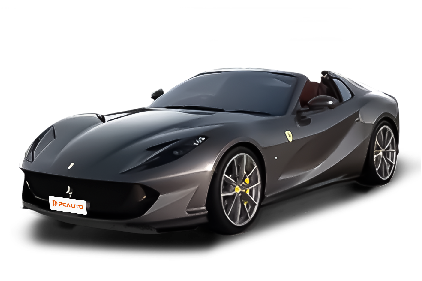
The 2020 Ferrari 812 Superfast is an absolute beast of a supercar. Under the hood, that 6.5-liter naturally aspirated V12 cranks out a mind-blowing 800 horsepower and 718 Nm of torque. Paired with a 7-speed dual-clutch gearbox, it rockets from 0-100 km/h in just 2.9 seconds and tops out at 340 km/h – numbers that solidified its spot as one of the fastest production cars on the market back then.
For Malaysian petrolheads, sure, local road conditions might never let you fully uncage that performance, but the 812 Superfast's handling and aerodynamics still deserve a tip of the hat. It's especially impressive how stable it feels when carving through high-speed corners. And let's not forget that rear-wheel steering system – it's a game-changer that seriously ups the driving fun factor. Styling-wise, it nails that classic Ferrari flow with those signature curves, blending beauty and brawn perfectly.
If you're in Malaysia and thinking about picking up a high-performance machine like this, speed isn't the only thing to keep in mind. The local climate and road conditions can throw curveballs when it comes to maintenance. That hot, humid, and often rainy weather, for example, can be tough on tires and electronic systems – something to factor into your decision.
 MerrySnowflakeOct 24, 2025
Q
How much is a Ferrari 812 Superfast in Malaysia?
The Ferrari 812 Superfast starts at around RM1.2 million in Malaysia, though the exact price can vary depending on your spec choices, taxes, and dealer policies. For the latest figures, your best bet is to hit up Ferrari Malaysia's official dealers directly.
Under the hood, this GT rocket packs a 6.5-liter naturally aspirated V12, cranking out 800 horsepower and 718 Nm of torque. That translates to a blistering 0-100 km/h sprint in just 2.9 seconds and a top speed north of 340 km/h. Styling-wise, it blends Ferrari's classic front-mid-engine layout with cutting-edge aerodynamic tweaks—pure Prancing Horse DNA, if you ask me.
Now, in Malaysia, high-performance exotics like this come with hefty import duties and consumption taxes, so expect the price tag to be significantly steeper than in its home market. And let’s not forget the long-term costs: insurance, maintenance—this isn’t your average sedan upkeep.
If you’re set on getting behind the wheel of one, some parallel importers in Malaysia might have options too. Just make sure you’re clued up on the warranty and after-sales service differences before signing on the dotted line.
 PrettyButterflyOct 24, 2025
Q
What are common problems with the 2020 812?
The 2020 Ferrari 812 Superfast is an absolute beast of a V12-powered supercar, but let's be real—owning one in Malaysia's hot and humid climate does come with a few things to keep an eye on. First off, that high-performance engine can really test the cooling system when you're pushing it hard, especially during extended highway blasts or track days. My advice? Make it a habit to check your coolant levels regularly and keep those radiator fins clean from any debris—trust me, it makes a world of difference for keeping temps in check.
Then there's all the fancy electronic stuff—sensors, active suspension, all that tech. Extreme weather can throw them a bit off, so you might find they need recalibrating more often than you'd expect. And let's talk about those carbon-ceramic brakes. Don't sweat it if they make a little noise when you first hit the pedal on a rainy day—that's totally normal until they warm up.
Now, ground clearance. The 812 sits low, which looks awesome but can be a headache on Malaysia's less-than-perfect roads. Take those steep driveways or bumpy sections real slow to avoid scraping the undercarriage. Oh, and those sticky tires? They grip like crazy, but they also wear out quicker—so stay on top of your tire pressure monitoring and rotate them regularly to get the most out of them.
Look, these are all pretty standard quirks for a high-performance machine, but nailing the maintenance details is what keeps the 812 Superfast performing at its peak in our tropical weather. Stick to the official service schedule and use genuine parts, and you'll minimize any potential headaches down the line.
 FunkyMonkeyOct 24, 2025
Q
How much is the 2020 Mansory Ferrari 812 Superfast?
The price of the 2020 Mansory Ferrari 812 Superfast varies depending on configuration and customization levels, typically ranging from around RM3 million to RM4 million in the Malaysian market. Exact pricing is subject to local dealer quotes and import duties. As a renowned tuning house, Mansory has given the Ferrari 812 Superfast a comprehensive upgrade, including a more aggressive body kit, lightweight carbon fiber components, and a power boost that likely pushes output beyond 800 horsepower, further enhancing the performance and exclusivity of this V12 supercar.
For Malaysian enthusiasts, these high-end modified vehicles are usually brought in as limited editions and require ordering through specialized channels. It's worth noting that owning such high-performance cars in Malaysia also involves significant road tax and insurance costs—with an engine displacement exceeding 4.0 liters, annual road tax alone could run into tens of thousands of ringgit. If you're interested in this bespoke supercar, your best bet is to contact Ferrari Malaysia's official dealers or authorized agents directly for accurate configuration options, the latest pricing, and details on maintenance and warranty coverage.
 GentleRainOct 24, 2025
Q
How much is the Ferrari 812 GTS 2020?
The 2020 Ferrari 812 GTS carries a price tag in Malaysia roughly between RM1.5 million to RM1.8 million. Of course, the final figure can swing based on how you spec it out, taxes, and whatever the dealer's current policies are. As the drop-top sibling to the 812 Superfast, this thing packs a 6.5-liter naturally aspirated V12 under the hood—800 horsepower, 718 Nm of torque. Hit the gas, and it'll rocket from 0-100 km/h in just 3 seconds, with a top speed pushing 340 km/h. It's basically Ferrari showing off the absolute pinnacle of what their traditional front-engined V12s can do. For Malaysian enthusiasts, this isn't just about retaining the coupe's brutal performance; that retractable hardtop adds a whole new dimension of open-air driving—perfect for those laid-back moments in our tropical weather. But let's not sugarcoat it: with supercars here, you've gotta factor in import duties, registration fees, and insurance. These extras can easily push the on-the-road price way north of the base sticker. If this Prancing Horse has caught your eye, your best bet is to hit up Ferrari Malaysia's official dealers directly. They'll give you the latest quotes, walk you through the endless customization options, and fill you in on their after-sales service packages. Trust me, with a high-performance machine like this, regular maintenance is non-negotiable to keep it running at its best.
 CleverOwlOct 23, 2025
Popular Cars
Model Year
Car Compare
Car Photo
Related Models
 Cars
CarsLatest Q&A
Q
Is AMT similar to automatic?
There are significant differences between AMT transmissions and automatic transmissions (AT) in terms of core structure and driving experience. AMT is essentially an electronically automated version of a manual transmission, simulating manual clutch operation and gear shifting through a computerized control system while retaining the gear set structure of manual transmissions. As a result, it offers higher transmission efficiency, with fuel consumption approximately 8%-12% lower than AT, making it particularly suitable for highway or long-distance driving. However, it may exhibit jerking similar to manual transmissions during low-speed gear shifts, especially noticeable in congested traffic conditions.
AT transmissions rely on torque converters for power transfer, delivering smooth and seamless gear shifts that appeal to comfort-oriented users. However, their complex structure (incorporating planetary gear sets, hydraulic systems, etc.) results in higher maintenance costs. A single service may cost between 800 to 1,500 ringgit, whereas AMT only requires gear oil replacement at approximately 400 ringgit.
From a market perspective, AMT is predominantly used in budget vehicles or commercial models priced below 80,000 ringgit, while AT is typically featured in mid-to-high-end vehicles. Consumers should select based on actual needs: AMT suits those prioritizing fuel efficiency and low maintenance costs, while AT better serves those valuing comfort. Notably, recent advancements in AMT electronic control technology have significantly mitigated jerking issues, though test drives should still emphasize low-speed performance evaluation.
 AriaMar 26, 2026
Q
Which is better, DCT or AT?
DCT (Dual-Clutch Transmission) and AT (Automatic Transmission) each have their own advantages and disadvantages, and the choice should be based on personal driving needs. AT transmissions transfer power through a torque converter, offering excellent shift smoothness, making them suitable for urban commuting or novice drivers. However, they tend to have higher fuel consumption, and vehicles equipped with them are usually more expensive. DCT transmissions utilize a dual-clutch structure, featuring fast shift speeds and high power transmission efficiency, which provides a more direct driving experience—particularly suitable for users seeking a sporty feel. However, they may exhibit jerking at low speeds and have relatively high maintenance costs. If durability and comfort are priorities, AT is the more reliable choice; if power responsiveness and driving pleasure are preferred, wet DCT (such as Volkswagen DSG) performs better, though dry DCT models should be avoided in prolonged stop-and-go traffic conditions. Additionally, CVT transmissions excel in smoothness and fuel efficiency, making them ideal for daily commuting, but they lack driving excitement. It is recommended to test-drive before purchasing, as tuning varies significantly across brands, and real-world experience is more important than theoretical specifications.
 FlutteringMar 26, 2026
Q
Is Amt good or bad?
AMT gearboxes have a significant cost advantage in the local market, typically being around 5,000 Ringgit cheaper than models equipped with conventional automatic transmissions. Their fuel efficiency is comparable to manual transmissions, resulting in long-term fuel savings. Featuring a straightforward design, they achieve transmission efficiency exceeding 90% with relatively low maintenance costs, making them ideal for practicality-oriented consumers. However, their shifting logic contains inherent limitations: gear changes between 1st and 2nd cause 0.3-0.5 second power interruptions, while unintended upshifts on inclines may reduce engine speed by 15%-20%, compromising driving smoothness. For urban commuters or budget-conscious buyers, AMT offers excellent value, though those prioritizing premium driving dynamics should consider alternative transmission types. Some domestic models like the Perodua Axia employ enhanced AMT systems, where optimized shift programming has reduced gearshift shock by approximately 30%.
 RainbowsMar 26, 2026
Q
Which gives better mileage, CVT or AMT?
From the perspective of fuel economy, CVT transmissions generally perform better under urban driving conditions. Their continuously variable design allows the engine to consistently operate within the optimal speed range, significantly reducing fuel consumption during frequent starts and stops. Test data shows that their fuel consumption in urban driving conditions is 10% to 15% lower than that of comparable models. AMT transmissions, on the other hand, inherit the high transmission efficiency of manual transmissions, delivering fuel efficiency close to manual transmissions during high-speed cruising. This makes them particularly suitable for long-distance driving in large-displacement vehicles. However, due to power interruption during gear shifts, their overall fuel consumption may be 5% to 8% higher than CVTs.
The difference in fuel-saving characteristics between the two transmissions stems from their technical principles: CVTs achieve continuous variability through steel belts and pulleys, eliminating the fixed gear ratio limitations of traditional transmissions; AMTs simulate manual gear changes via electronic control systems while maintaining the mechanical efficiency of gear transmission. Notably, actual fuel consumption is also influenced by driving habits. Smooth acceleration and anticipatory deceleration can maximize the transmissions' fuel-saving potential. If the vehicle budget permits and urban commuting is the primary use, CVTs offer a more economical choice. For frequent highway driving with an emphasis on cost-effectiveness, AMTs are equally worth considering.
 RubyBlazeMar 26, 2026
Q
Which is cheaper, AMT or CVT?
In terms of gearbox cost, AMT is usually more economical than CVT. Essentially, AMT is a manual transmission equipped with an electronic control unit, featuring a simple structure and low maintenance costs. The unit price ranges from approximately 5,000 to 8,000 ringgit, making it suitable for budget-conscious consumers or those who prioritize long-term operating costs. CVT incurs higher manufacturing costs due to its precision steel belt transmission system and continuous variable transmission technology, with a unit price of about 7,000 to 10,000 ringgit. However, it delivers a smoother driving experience and superior fuel efficiency. The primary differences between the two lie in technical complexity: AMT retains the gear-shifting mechanism, resulting in noticeable shift shock; CVT achieves linear power output through stepless speed variation but requires periodic belt inspection and incurs higher maintenance expenses. For those prioritizing initial cost and basic transportation needs, AMT offers better value; if comfort and long-term fuel economy are priorities, CVT represents a more worthwhile investment. Note that actual prices may vary based on vehicle model, brand, and local supply chain factors.
 ShadowProwlMar 26, 2026
Related News

Ferrari unveils the chassis and core components of its first all-electric model, Elettrica
LienOct 10, 2025

Ferrari 849 Testarossa officially released, succeeding the SF90 Stradale with more powerful performance
RobertSep 12, 2025
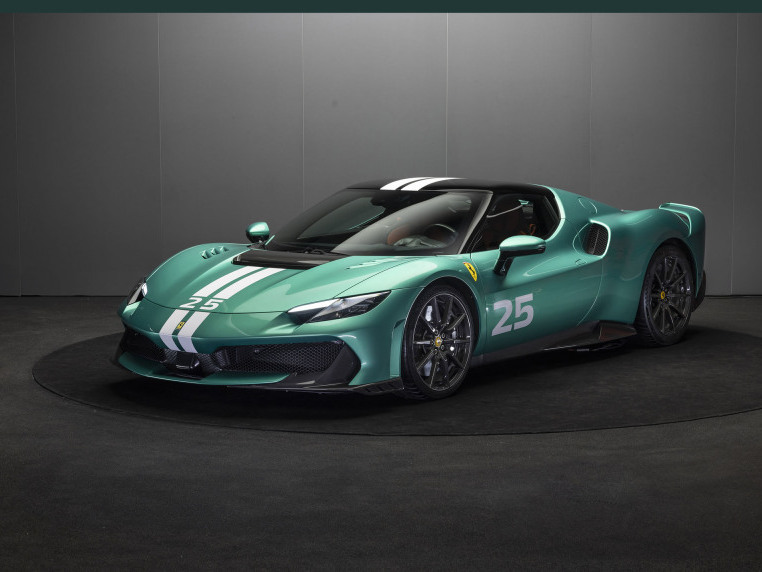
Ferrari Unveils 296 Speciale Plug-in Hybrid Supercar, Accelerating from 0-100 km/h in Just 2.8s
JohnApr 30, 2025
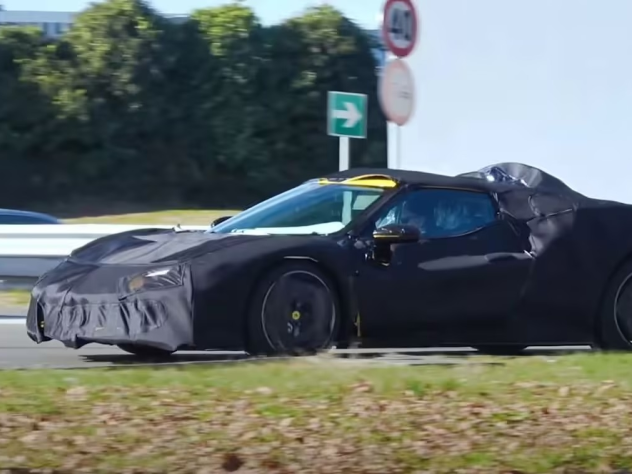
Meet Ferrari's New Track Beast: 296 VS Debuts on April 29
RobertApr 3, 2025

Spy shots of the Ferrari Roma successor revealed! May be released by the end of 2025, Hybrid system could be the highlight
WilliamNov 19, 2024
View More
Pros
Cons