
Q
How much horsepower does a 2013 Jaguar F-TYPE have?
 TornadoTwistOct 24, 2025, 05:10 PM
The 2013 Jaguar F-TYPE came with a range of powertrains to suit different appetites. The base model packed a 3.0-liter supercharged V6 kicking out 340 horsepower, while the feistier F-TYPE S upped that to 380 horses. But if you really wanted to unleash the beast, the top-dog F-TYPE R boasted a 5.0-liter supercharged V8 pumping out a whopping 550 horsepower. Paired with rear-wheel drive (or optional all-wheel drive) and an 8-speed automatic gearbox, the V8 rocket shot from 0-100 km/h in just 4.2 seconds, truly embodying the spirit of a British sports car with serious performance credentials.
Over in Malaysia, the F-TYPE wins applause mainly relies on its precise handling and exhilarating exhaust sound.Given the hot local climate, it's smart to keep a close eye on the cooling system and supercharger components with regular checks. Opting for a higher viscosity engine oil is also a good move to ensure the motor stays happy and durable. On the ownership front, Malaysia's AP import car policies can toss a curveball into the used car market, but the F-TYPE's timeless design has helped it hold onto strong residual values. Its aluminum body construction is another plus for handling the heat and humidity. When it comes to maintenance, don't overlook the importance of keeping the factory ECU tune dialed in to work well with local fuel quality.
Special Disclaimer: This content is published by users and does not represent the views or position of PCauto.
Related Q&A
Q
What is the top speed of the Jaguar F-TYPE 2013?
The 2013 Jaguar F-TYPE delivers varying top speeds based on its powerplant options. The range-topping F-TYPE R Coupe, packing that brute 5.0-litre supercharged V8, can hit an impressive 300 km/h. On the flip side, the entry-level 3.0-litre supercharged V6 model still pulls a respectable 260 km/h. These figures really showcase Jaguar's expertise when it comes to tuning for performance. For Malaysian petrolheads, the F-TYPE isn't just a stunner with that classic British elegance; it's a proper driver's car that truly comes alive on the highway. Something worth noting – Malaysia's tropical heat can be a real test for high-performance engines, but Jaguar's done a solid job optimizing the F-TYPE's cooling system. It keeps its cool and performs consistently even when the mercury soars. Plus, the dynamic chassis control is a nice touch. It automatically adjusts suspension stiffness depending on the road, making sure you get a comfy ride whether you're on smooth tarmac or those more challenging stretches we sometimes encounter here.
 ShockwaveOct 24, 2025
Q
What are common problems with the F-Type?
As a high-performance sports car, the Jaguar F-Type can encounter some common issues when dealing with Malaysia's hot climate and challenging road conditions. One thing to watch out for is occasional electronic gremlins – stuff like the infotainment system freezing up or sensors giving false warnings. Usually, a quick software update sorts those out. Then there's the aluminum body; leaving it out in our constant heat and humidity can lead to minor oxidation around some panel gaps over time, so regular detailing is a good idea to keep it looking sharp.
Malaysian owners really need to stay on top of cooling system maintenance too. That relentless heat speeds up wear on water pumps and hoses, so don't skip those checks. If you've got the supercharged model, I'd recommend shortening the oil change interval to every 8,000 km to make sure that engine stays properly lubricated under stress.
When it comes to the suspension, the F-Type's sporty setup might feel a bit firm on some of our rougher roads – but that's just part of its character, not a fault. And here's something to note: the brakes can start making some noise after hard, repeated use. Don't stress though – that's totally normal for high-performance brake pads and doesn't affect safety one bit.
For Malaysians looking at a used F-Type, pay extra attention to how smoothly the gearbox shifts and the condition of the chassis rubber components. Those are the areas that tend to show wear as the mileage creeps up.
 WildfireOct 24, 2025
Q
Why did Jaguar discontinue the F-Type?
The main reason Jaguar is discontinuing the F-Type is to align with the brand's strategic shift towards electrification, and let's be real, the sports car's lifecycle was already winding down. Since its debut back in 2013, the F-Type won over plenty of enthusiasts with its classic looks and solid performance, no doubt about it. But with the global auto industry going all-in on new energy, Jaguar's decided to pour resources into developing the next gen of electric models—like their upcoming fully electric lineup, for example.
On top of that, the sports car segment is a pretty niche market. In places like Malaysia, where practical rides rule the roads, F-Type sales probably just weren't strong enough to justify keeping it updated. Here's the thing, though: axing the F-Type doesn't mean Jaguar's giving up on performance. Word is they might roll out electrified high-performance models down the line to keep that sporty DNA alive.
For Malaysian fans, sure, it's a bummer to see the F-Type go. But hey, there's plenty to look forward to—Jaguar's future models promise to be greener and more tech-forward. And if you still want a taste of that British sports car magic, the used market's always got your back.
 BlackoutOct 24, 2025
Q
Did Ford own Jaguar in 2013?
By 2013, Ford no longer owned Jaguar. That's because back in 2008, Ford sold Jaguar, along with Land Rover, to India's Tata Motors. So, in 2013, Jaguar was part of the Tata Motors family. Ford had originally bought Jaguar in 1989 and ran the brand for nearly 20 years, churning out some real classics during that time – take the Jaguar X-Type, for example. It shared a platform with the Ford Mondeo but kept that Jaguar luxury vibe when it came to design and how it drove. For Malaysian car fans, Jaguar's always had a rep here for sleek design and solid performance. Tata stepping in kept the Jaguar story going, too, like with the awesome F-Type sports car and the XE sedan that got so much love. Even though Ford doesn't own Jaguar anymore, car enthusiasts still love talking about their historical connection. And Jaguar still holds its own in the Malaysian market, especially those posh models that mix that classic British charm with cutting-edge tech.
 StormBreakerOct 24, 2025
Q
Is the Jaguar F-TYPE reliable?
The Jaguar F-TYPE, as a luxury sports car, delivers decent overall reliability in the Malaysian market, though its maintenance costs and ownership experience require careful consideration within the local context. Under the hood, the turbocharged engine paired with the 8-speed automatic transmission is pretty solid tech-wise. But let's be real, high-performance bits like the suspension and electronics do demand a bit more TLC. Living in a tropical climate like ours? Definitely make it a habit to check the cooling system regularly and keep an eye on rubber components for aging.
Malaysian owners should note that original factory parts (genuine parts) for imported luxury cars can have longer lead times. Sticking with authorized service centers is your best bet for ensuring quality service. What really sets the F-TYPE apart in its class is that iconic British design flair and that unmistakable exhaust note – pure character. That said, compared to its German rivals, it does tend to hold its value slightly less well as a used car.
If you're planning to keep it for the long haul, splurging on an extended warranty might be a smart move to mitigate potential repair headaches. And don't skimp on fuel – feeding it 98 RON unleaded will help keep that engine purring at its best. All in all, stick to a strict maintenance schedule and go through proper channels for upkeep, and the F-TYPE should deliver a driving experience that lives up to its badge.
 BronzeBeastOct 24, 2025
Q
How to open the hood of Jaguar F-TYPE?
To pop the hood on a Jaguar F-Type, first make sure the car's completely switched off. Then, down by your left foot in the driver's footwell, you'll spot a lever with a little hood icon on it. Give that a gentle pull—you should hear the first latch release with a soft "click." Next, head around to the front of the car, slide your fingers into the gap at the center of the hood's leading edge, feel for the secondary latch, flip it up, and then lift the hood smoothly. It's got that double-latch setup, which is standard on a lot of luxury sports cars—Porsche 911s use something similar—to keep it rock-solid at high speeds, which makes total sense for a car like this.
Quick tip for Malaysian owners: with the hot, humid weather over there, it’s a good idea to check your fluids regularly and keep an eye on hoses for any signs of wear, especially before and after the rainy season. And if you ever struggle to open the hood? Don’t force it—grab the owner’s manual for the emergency release steps or hit up your local Jaguar service center. These premium sports cars have pretty intricate mechanicals, so messing around without knowing what you’re doing could end up causing unnecessary damage. Better safe than sorry, right?
 PilotOct 17, 2025
Popular Cars
Model Year
Car Compare
Car Photo
Related Models
 Cars
CarsLatest Q&A
Q
Is AMT similar to automatic?
There are significant differences between AMT transmissions and automatic transmissions (AT) in terms of core structure and driving experience. AMT is essentially an electronically automated version of a manual transmission, simulating manual clutch operation and gear shifting through a computerized control system while retaining the gear set structure of manual transmissions. As a result, it offers higher transmission efficiency, with fuel consumption approximately 8%-12% lower than AT, making it particularly suitable for highway or long-distance driving. However, it may exhibit jerking similar to manual transmissions during low-speed gear shifts, especially noticeable in congested traffic conditions.
AT transmissions rely on torque converters for power transfer, delivering smooth and seamless gear shifts that appeal to comfort-oriented users. However, their complex structure (incorporating planetary gear sets, hydraulic systems, etc.) results in higher maintenance costs. A single service may cost between 800 to 1,500 ringgit, whereas AMT only requires gear oil replacement at approximately 400 ringgit.
From a market perspective, AMT is predominantly used in budget vehicles or commercial models priced below 80,000 ringgit, while AT is typically featured in mid-to-high-end vehicles. Consumers should select based on actual needs: AMT suits those prioritizing fuel efficiency and low maintenance costs, while AT better serves those valuing comfort. Notably, recent advancements in AMT electronic control technology have significantly mitigated jerking issues, though test drives should still emphasize low-speed performance evaluation.
 AriaMar 26, 2026
Q
Which is better, DCT or AT?
DCT (Dual-Clutch Transmission) and AT (Automatic Transmission) each have their own advantages and disadvantages, and the choice should be based on personal driving needs. AT transmissions transfer power through a torque converter, offering excellent shift smoothness, making them suitable for urban commuting or novice drivers. However, they tend to have higher fuel consumption, and vehicles equipped with them are usually more expensive. DCT transmissions utilize a dual-clutch structure, featuring fast shift speeds and high power transmission efficiency, which provides a more direct driving experience—particularly suitable for users seeking a sporty feel. However, they may exhibit jerking at low speeds and have relatively high maintenance costs. If durability and comfort are priorities, AT is the more reliable choice; if power responsiveness and driving pleasure are preferred, wet DCT (such as Volkswagen DSG) performs better, though dry DCT models should be avoided in prolonged stop-and-go traffic conditions. Additionally, CVT transmissions excel in smoothness and fuel efficiency, making them ideal for daily commuting, but they lack driving excitement. It is recommended to test-drive before purchasing, as tuning varies significantly across brands, and real-world experience is more important than theoretical specifications.
 FlutteringMar 26, 2026
Q
Is Amt good or bad?
AMT gearboxes have a significant cost advantage in the local market, typically being around 5,000 Ringgit cheaper than models equipped with conventional automatic transmissions. Their fuel efficiency is comparable to manual transmissions, resulting in long-term fuel savings. Featuring a straightforward design, they achieve transmission efficiency exceeding 90% with relatively low maintenance costs, making them ideal for practicality-oriented consumers. However, their shifting logic contains inherent limitations: gear changes between 1st and 2nd cause 0.3-0.5 second power interruptions, while unintended upshifts on inclines may reduce engine speed by 15%-20%, compromising driving smoothness. For urban commuters or budget-conscious buyers, AMT offers excellent value, though those prioritizing premium driving dynamics should consider alternative transmission types. Some domestic models like the Perodua Axia employ enhanced AMT systems, where optimized shift programming has reduced gearshift shock by approximately 30%.
 RainbowsMar 26, 2026
Q
Which gives better mileage, CVT or AMT?
From the perspective of fuel economy, CVT transmissions generally perform better under urban driving conditions. Their continuously variable design allows the engine to consistently operate within the optimal speed range, significantly reducing fuel consumption during frequent starts and stops. Test data shows that their fuel consumption in urban driving conditions is 10% to 15% lower than that of comparable models. AMT transmissions, on the other hand, inherit the high transmission efficiency of manual transmissions, delivering fuel efficiency close to manual transmissions during high-speed cruising. This makes them particularly suitable for long-distance driving in large-displacement vehicles. However, due to power interruption during gear shifts, their overall fuel consumption may be 5% to 8% higher than CVTs.
The difference in fuel-saving characteristics between the two transmissions stems from their technical principles: CVTs achieve continuous variability through steel belts and pulleys, eliminating the fixed gear ratio limitations of traditional transmissions; AMTs simulate manual gear changes via electronic control systems while maintaining the mechanical efficiency of gear transmission. Notably, actual fuel consumption is also influenced by driving habits. Smooth acceleration and anticipatory deceleration can maximize the transmissions' fuel-saving potential. If the vehicle budget permits and urban commuting is the primary use, CVTs offer a more economical choice. For frequent highway driving with an emphasis on cost-effectiveness, AMTs are equally worth considering.
 RubyBlazeMar 26, 2026
Q
Which is cheaper, AMT or CVT?
In terms of gearbox cost, AMT is usually more economical than CVT. Essentially, AMT is a manual transmission equipped with an electronic control unit, featuring a simple structure and low maintenance costs. The unit price ranges from approximately 5,000 to 8,000 ringgit, making it suitable for budget-conscious consumers or those who prioritize long-term operating costs. CVT incurs higher manufacturing costs due to its precision steel belt transmission system and continuous variable transmission technology, with a unit price of about 7,000 to 10,000 ringgit. However, it delivers a smoother driving experience and superior fuel efficiency. The primary differences between the two lie in technical complexity: AMT retains the gear-shifting mechanism, resulting in noticeable shift shock; CVT achieves linear power output through stepless speed variation but requires periodic belt inspection and incurs higher maintenance expenses. For those prioritizing initial cost and basic transportation needs, AMT offers better value; if comfort and long-term fuel economy are priorities, CVT represents a more worthwhile investment. Note that actual prices may vary based on vehicle model, brand, and local supply chain factors.
 ShadowProwlMar 26, 2026
Related News

The era of Jaguar fuel-powered cars has ended: the last F-PACE SVR has rolled off the production line, marking a full transition to electrification.
MichaelDec 26, 2025
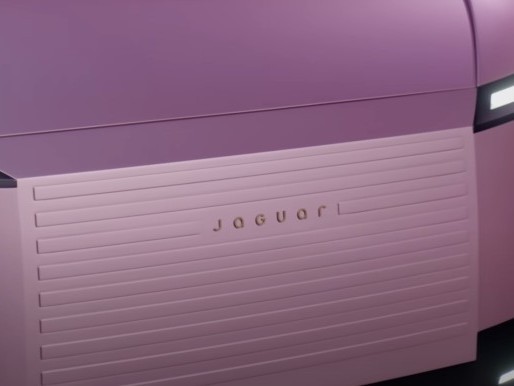
Jaguar Type 00 concept car stuns appearance! "Copy Nothing" design concept!
MichaelDec 4, 2024
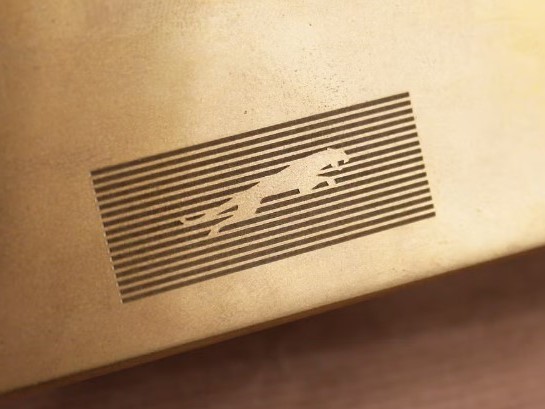
Jaguar's brand new LOGO is revealed, possibly for the new model set to be released on December 2nd!
AshleyNov 20, 2024

New spy photos of JAGUAR's all-electric car model are revealed for the first time, aiming at Porsche and Maserati!
RobertNov 18, 2024
Supply chain crisis! The production of Jaguar Land Rover could be affected by aluminium shortage!
AshleyAug 7, 2024
Pros
Cons