
Q
How much horsepower does a 2025 Toyota Yaris have?
 WanderPathExploreOct 13, 2025, 06:10 PM
Toyota hasn't officially spilled the beans on the exact horsepower figures for the 2025 Yaris in Malaysia just yet. But if we take a peek at the current model's powertrain setup, it's a safe bet we'll still see the 1.5-liter four-cylinder naturally aspirated engine making a return. We're probably looking at around 106 to 110 horsepower, paired with that trusty CVT gearbox – perfect for zipping around the city and keeping fuel costs in check.
Now, if they decide to bring in the GR Sport performance trim, that's where things could get interesting. Word on the street is it might pack a punch with a 1.6-liter turbocharged engine, potentially cranking out over 200 horsepower. But hey, don't hold me to that until Toyota Malaysia makes it official, right?
Here's the thing though – horsepower isn't the be-all and end-all when it comes to a car's performance. Torque delivery, how light the body is (thanks to the TNGA platform the Yaris uses), and how efficient the transmission is all play a huge role too.
So, for Malaysian buyers, it really boils down to what you need. If you're mostly using it for daily commuting, the standard Yaris with its focus on fuel efficiency is going to be the practical choice. But if you crave a bit more driving excitement, keep an eye out for any news on that sportier variant they might bring in later.
Also, let's not forget Malaysia's hot and humid climate, which can really test an engine's cooling system and a gearbox's durability. Regular maintenance is key to keeping that powertrain running in tip-top shape.
Special Disclaimer: This content is published by users and does not represent the views or position of PCauto.
Related Q&A
Q
How much does a 2025 Toyota Corolla cost?
The 2025 Toyota Corolla is expected to hit Malaysian showrooms with a price tag ranging from RM140,000 to RM160,000, though that’ll vary depending on the trim and spec you go for – think the 1.8L naturally aspirated engine versus the 1.8L hybrid setup. The main price differences come down to the powertrain and how loaded the car is; higher-spec variants will likely pack more tech goodies like the Toyota Safety Sense suite, a fully digital instrument cluster, and a larger touchscreen infotainment system.
In Malaysia, the Corolla is usually sold as a locally-assembled (CKD) model, which helps keep its price more competitive compared to fully imported (CBU) alternatives. Plus, Toyota’s got a solid after-sales network out here, so warranty coverage and maintenance costs are pretty straightforward and transparent.
Keep an eye out for the 2025 refresh – it’s probably going to be a minor update, maybe some subtle tweaks to the exterior styling or nicer materials inside the cabin. But under the skin, it’ll still ride on Toyota’s TNGA platform, which means that good mix of responsive handling and comfortable ride quality should carry over.
If you’re keen, the best move is to reach out to your nearest authorized Toyota Malaysia dealer to get the latest pricing and any ongoing promotions. And hey, don’t forget to cross-shop with rivals like the Honda Civic or Mazda 3 to compare specs and prices – that way, you can be sure you’re making the most informed choice for your next car.
 DaxOct 14, 2025
Q
How long is the Yaris 2025?
The 2025 Toyota Yaris checks in at around 3940mm in length, slotting neatly into the compact hatchback segment – a perfect fit for Malaysia's bustling city streets and those notoriously tight parking spots. It carries forward the Yaris lineage's reputation for nimble handling, but this new generation gets a slight stretch in wheelbase, which should mean a bit more legroom for folks in the back. Over here in Malaysia, Yaris has always been known for being easy on fuel and tough as nails. The 2025 model is expected to feature a refined 1.5-litre Dual VVT-i engine paired with a CVT gearbox, aiming to keep power delivery smooth while eking out even better fuel efficiency. What's really clever though, is that despite its compact footprint, Toyota has worked some space magic to give the Yaris a 286-litre boot – more than enough for your daily grocery runs or weekend errand hauls. For Malaysian buyers hunting for an affordable, practical runabout, the Yaris hits that sweet spot: it's small enough to dart through traffic with ease, yet practical enough for everyday use. Throw in Toyota's solid after-sales network locally, and it's definitely one to shortlist.
 CreatorIdeaInnovationOct 14, 2025
Q
How much is Toyota GR Yaris 2025 in the Philippines?
Toyota hasn't officially announced the 2025 GR Yaris price for the Philippines just yet, but if we look at the 2024 model, which was going for around 2.465 million Philippine pesos (that's roughly 203,000 Malaysian ringgit), we're expecting the 2025 version to land in a similar ballpark.
Under the hood, this hot hatch packs a 1.6-liter three-cylinder turbocharged engine, cranking out 268 horsepower and 370 Nm of torque. It's mated to a 6-speed manual gearbox and Toyota's GR-Four all-wheel-drive system. Car enthusiasts absolutely love it for its lightweight body and sport-tuned setup—no surprises there.
Now, for our Malaysian fans, here's the thing: the GR Yaris comes into Malaysia as a CBU (completely built-up) import. The Philippine-spec model might have some slight configuration differences, though. Generally speaking, Japanese performance cars in the Philippines often carry a more competitive price tag compared to Malaysia, but you've got to factor in exchange rate fluctuations and import duties, which can mix things up.
If you're thinking about cross-border shopping, don't forget to add in shipping costs, registration fees, and local certification expenses. Best bet? Keep an eye on Toyota Philippines' official website for the full, official details once they drop.
 TiaOct 14, 2025
Q
What is the price of Toyota Yaris 2025 in Dubai?
As of now, Toyota hasn't officially released the exact pricing details for the 2025 Yaris in Dubai. But to give you a ballpark figure, we can look at the 2024 model year, which typically ranges from around 65,000 to 95,000 AED (that's roughly 85,000 to 125,000 Malaysian Ringgit). Of course, the final sticker price will vary depending on the trim level, engine options, and local taxes and fees.
For our readers in Malaysia, it's worth noting that car prices in Dubai are often more attractive than back home. The UAE benefits from lower import duties, and let's not forget the spec differences—Middle Eastern-spec Yaris models, for example, might come with upgraded cooling systems to handle those scorching desert temperatures.
Now, the Toyota Yaris itself is a solid pick if you're after a practical, fuel-efficient compact car. It's got a good reputation for reliability and holds its value well, making it perfect for zipping around the city. If you're shopping in Malaysia, though, I'd recommend cross-shopping with the local Yaris variant or checking out homegrown alternatives like Proton or Perodua models in the same segment. That way, you can really compare which one best fits your budget and daily needs.
 ZoeOct 14, 2025
Q
How much horsepower does a 2025 Yaris have?
Exact power figures for the 2025 Toyota Yaris in Malaysia will be confirmed once local specs drop, but based on the current model and global iterations, we’re probably looking at a carryover of the existing powertrain options. That means the familiar 1.5-liter three-cylinder naturally aspirated petrol engine, churning out around 106 hp, and the 1.5-liter hybrid setup, which should deliver a combined system output of roughly 116 hp. Of course, there might be minor tweaks in final numbers due to local tuning or regulatory requirements.
For Malaysian drivers who prioritise fuel efficiency, the hybrid Yaris is a no-brainer. Its thriftiness at the pump makes it ideal for stop-start city commutes. On the flip side, the regular petrol version tends to be easier on the wallet when it comes to maintenance costs – a practical consideration for many. If you’re craving more grunt, keep an eye out for the GAZOO Racing (GR) performance variant. Just be aware that these hot hatches typically come in as imports, so they’ll command a premium price tag.
Malaysia’s hot and humid climate, not to mention those sudden downpours, throws up unique challenges for engine cooling and battery performance. Before you sign on the dotted line, it’s worth checking if the Yaris has been specifically optimized for tropical conditions. Think things like an upgraded cooling system or a more robust heat management design for the hybrid battery. These details might seem small, but they’ll make a big difference to your long-term ownership experience.
 AryOct 14, 2025
Q
How much is Toyota Yaris 2025 in Thailand?
Toyota hasn't officially spilled the beans on the exact pricing for the 2025 Yaris in Thailand just yet. But if we take a look at how the 2024 model was priced there – roughly 549,000 to 799,000 baht, which converts to around 72,000 to 105,000 Malaysian ringgit – we can expect the new one to land in a similar ballpark. Of course, the final sticker might shift a bit depending on spec tweaks or currency fluctuations.
In Thailand, the Yaris typically rolls with two engine choices: a 1.2L naturally aspirated and a 1.5L hybrid, both packing Toyota Safety Sense as standard. That’s a bit different from the Yaris GR-Sport you’ll find in Malaysia, which is locally assembled and leans into performance with its 1.5L Dynamic Force engine and sporty body kit.
Here’s something to note: Thailand’s Toyota’s big Southeast Asia production hub, so they often get the latest model updates before Malaysia. If you’re a Malaysian considering a cross-border buy, though, keep a few things in mind: right-hand drive compatibility is a must, there’s import tax (around 30% for fully built units from Thailand), and warranty terms might not line up.
Your best bet? Keep an eye on Toyota Thailand’s official website around August-September for the official launch. And while you’re at it, cross-shop with the local Yaris and competitors like the Honda City or Mazda 2 to make sure you’re getting the best bang for your buck.
 UlaOct 14, 2025
Q
How big is the fuel tank on a 2025 Toyota Yaris?
The 2025 Toyota Yaris comes with a fuel tank capacity of around 42 liters, a design that strikes a good balance for daily commutes and short to medium road trips, delivering decent range. For Malaysian drivers, this tank size typically translates to roughly 500-600 kilometers of city driving, though actual mileage can vary depending on your driving style, road conditions, and specific vehicle specs. It's worth noting that as an economical compact car, the Yaris has always highlighted fuel efficiency as a key selling point, and paired with this 42L tank, it effectively cuts down on the hassle of frequent refueling stops. In the Malaysian market, the Yaris's fuel system is well-suited to local fuel options, running smoothly on both RON95 and RON97 petrol. If you're someone who frequently takes longer drives, it's a good idea to regularly check your tank and maintain the fuel system to keep that fuel economy at its best. Also, the Yaris uses a resin fuel tank, which helps reduce overall weight while lowering corrosion risks – a smart fit for Malaysia's hot and humid climate.
 DesignerArtCreationOct 14, 2025
Q
What is the fuel economy of the Toyota Yaris 2025?
The 2025 Toyota Yaris really shines when it comes to fuel efficiency, though the exact numbers vary a bit depending on the trim and drivetrain you pick. The Hybrid model, for instance, sips fuel at an impressive rate of around 3.3 to 3.8 liters per 100 kilometers in combined driving. If you opt for the petrol version with the 1.5L naturally aspirated engine, you're looking at roughly 5.2 to 5.8 liters per 100 kilometers. Of course, your actual mileage might dip or climb a little based on how you drive, the roads you're on, and the specific specs of your Yaris.
Underpinning this efficiency is Toyota's latest TNGA-B platform. They've done a solid job with weight reduction and aerodynamic tweaks, which definitely help squeeze out those extra kilometers per liter. That makes it a really solid fit for Malaysia – whether you're navigating those stop-start city jams or hitting the highway for a longer haul.
For Malaysian drivers, the Yaris' fuel-sipping nature isn't just about saving at the pump; it translates to lower running costs day in, day out. Plus, its compact size makes weaving through tight streets a breeze. And let's not forget Toyota's well-established service network here – that peace of mind and convenience for owners is a big plus.
Want to eke out even better fuel economy? Simple stuff, really: keep up with regular servicing, make sure your tires are properly inflated, and try to avoid those sudden bursts of acceleration or harsh braking habits. They all add up!
 SolverProblemSolutionOct 14, 2025
Q
How much is a new Toyota Yaris 2025?
The all-new 2025 Toyota Yaris is expected to hit Malaysian showrooms with a price tag ranging from RM 70,000 to RM 90,000, though the final figure will depend on the trim level and any optional extras you tick. The base model will likely stick with the tried-and-tested 1.5L naturally aspirated engine paired with a CVT gearbox, while higher-spec variants should come loaded with more safety tech, including the Toyota Safety Sense suite – think pre-collision warning and lane-keeping assist, for starters.
In the local B-segment hatchback scene, the Yaris has always been a hit thanks to its fuel efficiency, reliability, and nimble handling. What sets it apart from rivals like the Honda City Hatchback or Nissan Almera? A sportier exterior design that gives it a bit more attitude.
But hey, don’t forget to factor in extra costs like road tax, insurance, and registration fees when budgeting – those can add up. Your best bet? Swing by an authorized Toyota dealer to check out the latest promos. Toyota Malaysia often runs deals like low-interest financing or free service packages, which are definitely worth asking about.
Oh, and keep an eye out for the 2025 model’s upgraded infotainment system – rumor has it wireless Apple CarPlay and Android Auto might finally make the cut, making your daily drive that much more convenient.
 SiaOct 13, 2025
Q
What kind of engine is in the Toyota Yaris GR 2025?
Under the hood of the 2025 Toyota Yaris GR lies a 1.6-liter three-cylinder turbocharged engine, a powerplant renowned for its impressive output and efficiency. Cranking out a solid 257 horsepower and a healthy 360 Nm of torque, it pairs with a slick 6-speed manual gearbox or an optional automatic, delivering a genuinely engaging driving experience that enthusiasts crave.
This engine isn't just about raw power, though. It's packed with advanced turbocharging tech and direct injection, which not only boosts performance but also keeps fuel economy in check – a real plus for Malaysia's diverse driving conditions. Whether you're navigating busy city streets during the daily commute or carving up twisty mountain roads on the weekends, this little hot hatch handles it all with confidence.
And let's not forget the GR-Four all-wheel-drive system. It's a game-changer, significantly upping the car's grip and stability, especially when the rain starts to pour and the roads get slippery. For Malaysian petrolheads, the Yaris GR isn't just another peppy hatchback; it's a labor of love from Toyota's Gazoo Racing division, a testament to the brand's deep-seated expertise in crafting thrilling, sporty machines.
Sure, there are other players in the hot hatch segment, each with its own set of strengths. But if you're after a package that balances performance, everyday usability, and Toyota's legendary reliability, the Yaris GR is definitely one that should be high on your shortlist.
 WriterPageStoryOct 13, 2025
Popular Cars
Model Year
Car Compare
Car Photo
Related Models
 Cars
CarsLatest Q&A
Q
Is AMT similar to automatic?
There are significant differences between AMT transmissions and automatic transmissions (AT) in terms of core structure and driving experience. AMT is essentially an electronically automated version of a manual transmission, simulating manual clutch operation and gear shifting through a computerized control system while retaining the gear set structure of manual transmissions. As a result, it offers higher transmission efficiency, with fuel consumption approximately 8%-12% lower than AT, making it particularly suitable for highway or long-distance driving. However, it may exhibit jerking similar to manual transmissions during low-speed gear shifts, especially noticeable in congested traffic conditions.
AT transmissions rely on torque converters for power transfer, delivering smooth and seamless gear shifts that appeal to comfort-oriented users. However, their complex structure (incorporating planetary gear sets, hydraulic systems, etc.) results in higher maintenance costs. A single service may cost between 800 to 1,500 ringgit, whereas AMT only requires gear oil replacement at approximately 400 ringgit.
From a market perspective, AMT is predominantly used in budget vehicles or commercial models priced below 80,000 ringgit, while AT is typically featured in mid-to-high-end vehicles. Consumers should select based on actual needs: AMT suits those prioritizing fuel efficiency and low maintenance costs, while AT better serves those valuing comfort. Notably, recent advancements in AMT electronic control technology have significantly mitigated jerking issues, though test drives should still emphasize low-speed performance evaluation.
 AriaMar 26, 2026
Q
Which is better, DCT or AT?
DCT (Dual-Clutch Transmission) and AT (Automatic Transmission) each have their own advantages and disadvantages, and the choice should be based on personal driving needs. AT transmissions transfer power through a torque converter, offering excellent shift smoothness, making them suitable for urban commuting or novice drivers. However, they tend to have higher fuel consumption, and vehicles equipped with them are usually more expensive. DCT transmissions utilize a dual-clutch structure, featuring fast shift speeds and high power transmission efficiency, which provides a more direct driving experience—particularly suitable for users seeking a sporty feel. However, they may exhibit jerking at low speeds and have relatively high maintenance costs. If durability and comfort are priorities, AT is the more reliable choice; if power responsiveness and driving pleasure are preferred, wet DCT (such as Volkswagen DSG) performs better, though dry DCT models should be avoided in prolonged stop-and-go traffic conditions. Additionally, CVT transmissions excel in smoothness and fuel efficiency, making them ideal for daily commuting, but they lack driving excitement. It is recommended to test-drive before purchasing, as tuning varies significantly across brands, and real-world experience is more important than theoretical specifications.
 FlutteringMar 26, 2026
Q
Is Amt good or bad?
AMT gearboxes have a significant cost advantage in the local market, typically being around 5,000 Ringgit cheaper than models equipped with conventional automatic transmissions. Their fuel efficiency is comparable to manual transmissions, resulting in long-term fuel savings. Featuring a straightforward design, they achieve transmission efficiency exceeding 90% with relatively low maintenance costs, making them ideal for practicality-oriented consumers. However, their shifting logic contains inherent limitations: gear changes between 1st and 2nd cause 0.3-0.5 second power interruptions, while unintended upshifts on inclines may reduce engine speed by 15%-20%, compromising driving smoothness. For urban commuters or budget-conscious buyers, AMT offers excellent value, though those prioritizing premium driving dynamics should consider alternative transmission types. Some domestic models like the Perodua Axia employ enhanced AMT systems, where optimized shift programming has reduced gearshift shock by approximately 30%.
 RainbowsMar 26, 2026
Q
Which gives better mileage, CVT or AMT?
From the perspective of fuel economy, CVT transmissions generally perform better under urban driving conditions. Their continuously variable design allows the engine to consistently operate within the optimal speed range, significantly reducing fuel consumption during frequent starts and stops. Test data shows that their fuel consumption in urban driving conditions is 10% to 15% lower than that of comparable models. AMT transmissions, on the other hand, inherit the high transmission efficiency of manual transmissions, delivering fuel efficiency close to manual transmissions during high-speed cruising. This makes them particularly suitable for long-distance driving in large-displacement vehicles. However, due to power interruption during gear shifts, their overall fuel consumption may be 5% to 8% higher than CVTs.
The difference in fuel-saving characteristics between the two transmissions stems from their technical principles: CVTs achieve continuous variability through steel belts and pulleys, eliminating the fixed gear ratio limitations of traditional transmissions; AMTs simulate manual gear changes via electronic control systems while maintaining the mechanical efficiency of gear transmission. Notably, actual fuel consumption is also influenced by driving habits. Smooth acceleration and anticipatory deceleration can maximize the transmissions' fuel-saving potential. If the vehicle budget permits and urban commuting is the primary use, CVTs offer a more economical choice. For frequent highway driving with an emphasis on cost-effectiveness, AMTs are equally worth considering.
 RubyBlazeMar 26, 2026
Q
Which is cheaper, AMT or CVT?
In terms of gearbox cost, AMT is usually more economical than CVT. Essentially, AMT is a manual transmission equipped with an electronic control unit, featuring a simple structure and low maintenance costs. The unit price ranges from approximately 5,000 to 8,000 ringgit, making it suitable for budget-conscious consumers or those who prioritize long-term operating costs. CVT incurs higher manufacturing costs due to its precision steel belt transmission system and continuous variable transmission technology, with a unit price of about 7,000 to 10,000 ringgit. However, it delivers a smoother driving experience and superior fuel efficiency. The primary differences between the two lie in technical complexity: AMT retains the gear-shifting mechanism, resulting in noticeable shift shock; CVT achieves linear power output through stepless speed variation but requires periodic belt inspection and incurs higher maintenance expenses. For those prioritizing initial cost and basic transportation needs, AMT offers better value; if comfort and long-term fuel economy are priorities, CVT represents a more worthwhile investment. Note that actual prices may vary based on vehicle model, brand, and local supply chain factors.
 ShadowProwlMar 26, 2026
Related News

Why is the facelifted GR Yaris considered the finished product?
AshleyNov 21, 2025
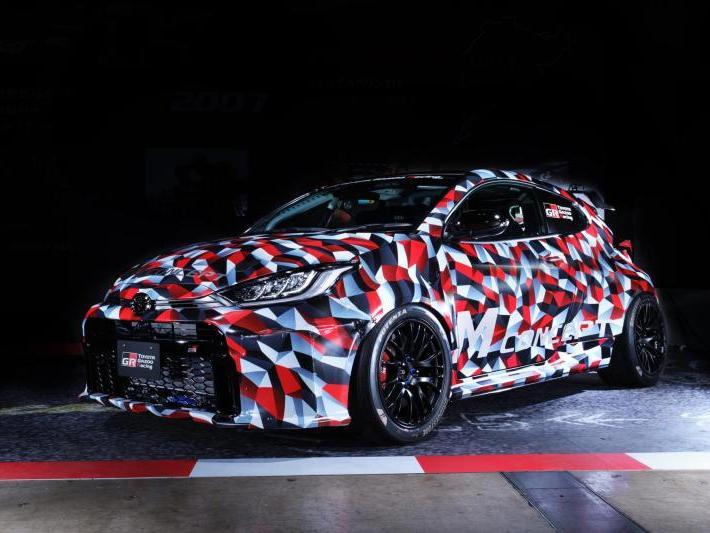
The Toyota GR Yaris M concept car debuts, could it be the experimental car to revive MR2?
RobertJan 14, 2025
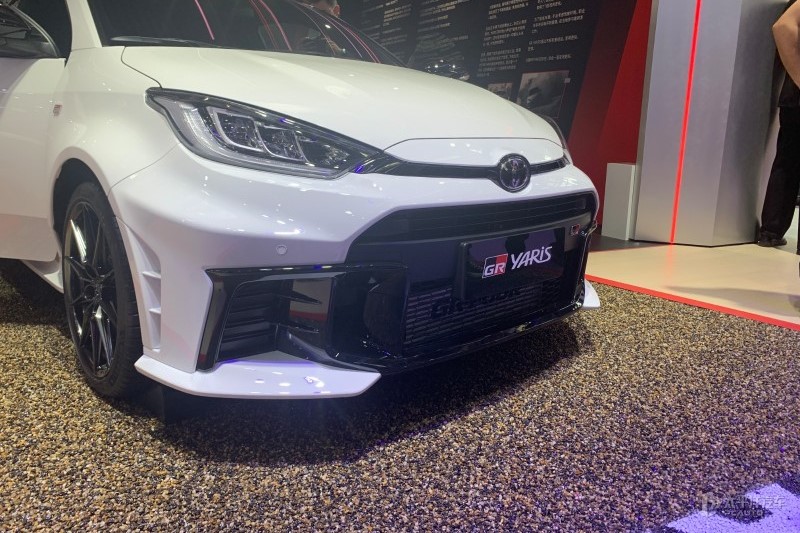
2024 Beijing Auto Show: Toyota GR YARiS Evolution Version
LienApr 26, 2024

Toyota may launch the Tundra TRD Hammer high-performance off-road pickup in the future
RobertMar 23, 2026

Toyota Land Cruiser Buying Guide: From LC300 to LC70, which versions are worth buying? Are the maintenance costs for used ones high?
JohnMar 17, 2026
View More
Pros
Cons