
Q
How much is the 2020 Ferrari F8 Tributo?
 KindheartedSoulOct 23, 2025, 05:39 PM
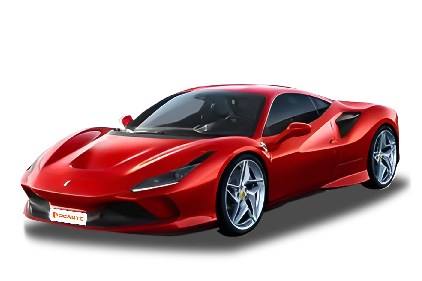
The 2020 Ferrari F8 Tributo carries a price tag of around 1.5 to 1.8 million Malaysian Ringgit for a brand-new unit in Malaysia. Of course, the final figure can swing based on how you spec it out, the taxes involved, and whatever the dealer's current policies are. Under the hood, this thing packs a 3.9-liter twin-turbo V8 that cranks out 720 horsepower, rocketing it from 0-100 km/h in just 2.9 seconds. It's a proper icon in Ferrari's mid-engine sports car lineup, taking all the best bits from the 488 GTB and dialing up the aerodynamics with some seriously advanced tweaks.
Over in Malaysia, getting your hands on a high-performance ride like this usually means putting in an order and waiting—delivery times can be pretty lengthy. Your best bet is to hit up an official authorized dealer directly to get the latest scoop on pricing and availability. And let's not forget, Malaysia slaps pretty heavy tariffs on imported cars, which is a big reason these machines don't come cheap. Plus, you've gotta factor in the ongoing costs: insurance, road tax, regular maintenance—all that adds up and affects the total cost of ownership.
Special Disclaimer: This content is published by users and does not represent the views or position of PCauto.
Related Q&A
Q
How much is the 2020 F8?
If you were looking to get your hands on a brand-new 2020 Ferrari F8 Tributo in Malaysia back in the day, you'd be looking at a price tag somewhere between 1.8 million to 2.2 million Ringgit. Of course, the exact figure would swing based on how you spec it out—those optional extras, dealer promotions, all that stuff plays a part. This thing isn't just any Ferrari; it's the poster child for their mid-engine V8 lineup. Pop the hood (well, the engine cover) and you've got a 3.9-liter twin-turbo V8 cranking out a whopping 720 horsepower. 0-100 km/h? Blink and you might miss it at just 2.9 seconds. Seriously, the performance is next-level.
For Malaysian petrolheads, the F8 Tributo isn't just a high-performance sports car; it's pretty much the pinnacle of Ferrari's engineering know-how packed into one sleek package. The handling and aerodynamics got a serious upgrade, too. Think cool tech like that S-Duct up front and the trick rear spoiler—they really mean business with the aero here.
If buying new was out of reach, going the used route? You're probably looking at around 1.2 million to 1.6 million Ringgit. But hey, that depends on the mileage, how well the previous owner took care of it, and if there's any warranty left. My two cents? Stick to official channels or authorized dealers if you go used—better safe than sorry when it comes to something as special as this, and you'll get better after-sales support that way. Oh, and let's not forget—Malaysia's import duties on cars are no joke. That's a big factor that jacks up the price right there.
 BraveAdventurerOct 23, 2025
Q
How much horsepower does a 2020 Ferrari F8 have?
The 2020 Ferrari F8 packs a 3.9-liter twin-turbo V8, cranking out 720 horsepower and 770 Nm of torque. This engine borrows the trick tech from the 488 Pista but dials up the combustion efficiency and turbo response even more, making it one of the burliest V8s in its class back then. The F8 Tributo rockets from 0-100 km/h in just 2.9 seconds and tops out at 340 km/h. For Malaysian enthusiasts, this isn't just a track-day weapon—its relatively compact size and razor-sharp handling let it shine on those twisty local mountain roads too. And let's not forget, the "Tributo" name is a hat-tip to Ferrari's legendary V8 heritage. Styling-wise, it's loaded with aerodynamic goodies like that rear spoiler and underbody diffuser, all working overtime to stick the car to the tarmac at speed and keep things stable.
 QuirkyStyleOct 23, 2025
Q
How much does a 2020 Ferrari F8 cost?
Back in 2020, the Ferrari F8 was going for around 2 to 2.5 million Ringgit in Malaysia.Of course, the exact price could vary a bit depending on the spec, any optional extras you ticked, and dealer policies. The F8 Tributo, a proper icon of Ferrari's mid-engine V8 lineage, packs a 3.9-liter twin-turbo unit cranking out 720 horsepower. That translates to a blistering 0-100 km/h sprint in just 2.9 seconds – seriously impressive performance, even by supercar standards.
In the Malaysian market, though, with these exotics, you've always got to factor in the extra costs: import duties, registration fees, and insurance. All that can easily add another 20-30% to the final on-the-road price. If you're seriously looking to get one, my advice is to hit up Ferrari Malaysia's official dealers directly. They'll give you the latest quotes, and it's also a good chance to chat about after-sales stuff – like warranty periods and regular service packages. Keeping a Ferrari in tip-top shape long-term means staying on top of that.
One thing worth noting is that the F8 tends to hold its value pretty well in the supercar world. Some limited-edition models might even appreciate, but obviously, that all hinges on how well the car's been looked after and what the market's craving at the time.
 CuteySmileOct 23, 2025
Q
Why is the Ferrari F8 so expensive?
So, why does the Ferrari F8 come with such a hefty price tag? Well, first off, it's all about that brand cachet and exclusivity. Ferrari, being the pinnacle of supercar brands, has always stuck to limited production runs to keep each model special. The F8, stepping in as the successor to the 488 GTB, packs a 3.9-liter twin-turbo V8 that cranks out 720 horsepower, rocketing from 0-100km/h in just 2.9 seconds. That kind of performance doesn't come cheap—it's the result of pouring tons of cutting-edge tech into it, like those sleek aerodynamic tweaks and the use of lightweight carbon fiber.
Then there's Ferrari's obsession with craftsmanship and attention to detail, which definitely drives up the cost. From hand-built engines to fully customizable interiors, every bit screams luxury and individuality. And let's not forget, the F8 borrows heavily from Ferrari's racing heritage—take the Side Slip Angle Control system, for example. It lets even regular drivers get a taste of that race-car-like handling thrill.
For Malaysian enthusiasts, besides the obvious import duties, Ferrari also hooks you up with an exclusive after-sales package, including regular maintenance and track day events. Those added perks really boost the overall value proposition. Oh, and let's not overlook the fact that these supercars often double as collector's items. Their value might actually go up over time, which is a big selling point for many high-end buyers.
 PrettyPictureOct 23, 2025
Q
How much horsepower does a 2020 Ferrari F8 Tributo have?
The 2020 Ferrari F8 Tributo is powered by a 3.9-liter twin-turbocharged V8 engine, cranking out 720 horsepower and 770 Nm of peak torque. It sprints from 0-100 km/h in just 2.9 seconds and tops out at 340 km/h. This thing is the pinnacle of Ferrari's mid-engined V8 lineage, building on the already stellar 488 Pista with even more tweaks to aerodynamics and that all-important driving feel. For Malaysian enthusiasts, the F8 Tributo isn't just a track day weapon – it's perfectly road-legal too. But here's the thing: Malaysia's hot and humid climate can really put a strain on those high-performance cooling systems, so keeping up with regular servicing and maintenance is absolutely crucial. The "Tributo" in its name says it all – it's a homage to Ferrari's iconic V8 models of the past. When it dropped, it was seen as a flagship of Ferrari's pure combustion era, right before hybrids like the SF90 Stradale started rolling out.
 LovelyMemoriesOct 23, 2025
Q
How much is the F8 Tributo in Malaysia?
The Ferrari F8 Tributo starts at around RM 1,288,000 in Malaysia, though the exact price can vary depending on optional extras, tax adjustments, and dealer policies. Under the hood, it’s packing a 3.9-liter twin-turbo V8 that cranks out 720 horsepower, rocketing from 0-100 km/h in just 2.9 seconds—truly the pinnacle of Ferrari’s mid-engine V8 lineage.
Imported cars in Malaysia usually come with tariffs, consumption taxes, and registration fees tacked on, so they’re quite a bit pricier than in their home market. If you’re serious about getting one, your best bet is to hit up the official dealers directly for the latest quotes and spec options.
As the successor to the 488 GTB, the F8 Tributo doesn’t just carry forward Ferrari’s racing tech heritage—it ups the ante with smarter aerodynamics, like that rear spoiler and the S-Duct up front. These tweaks really boost high-speed stability and handling, making it a joy to drive hard.
For Malaysian car enthusiasts, this isn’t just a daily driver (though it can handle that, too)—it’s a collector’s dream. Just a heads-up though: supercars in our tropical climate don’t come cheap to maintain. Tires and cooling systems, in particular, need extra love and attention.
 SweetRemembranceOct 23, 2025
Q
How much is Ferrari F8 in Malaysia?
In Malaysia, the Ferrari F8 Tributo starts at around RM 1.1 million for a brand-new unit, though the exact price can vary depending on optional extras, taxes, and dealer policies. Under the hood, this thing packs a 3.9-liter twin-turbo V8 engine cranking out a whopping 720 horsepower, rocketing from 0-100km/h in just 2.9 seconds—easily one of Ferrari's most iconic mid-engine sports cars.
It's worth noting that beyond the base price, imported cars in Malaysia attract hefty import duties and consumption taxes, which can significantly bump up the final on-the-road cost. If you're seriously considering one, your best bet is to reach out directly to Ferrari Malaysia's official dealers for the latest pricing and configuration details. While you're at it, don't forget to ask about their after-sales packages too—warranty coverage and maintenance plans can make a big difference to long-term ownership costs.
Also, as a limited-production model, the F8 Tributo typically holds its value better than regular cars, though actual resale performance will still depend on market supply and demand.
 DiverOct 15, 2025
Popular Cars
Model Year
Car Compare
Car Photo
Related Models
 Cars
CarsLatest Q&A
Q
Is AMT similar to automatic?
There are significant differences between AMT transmissions and automatic transmissions (AT) in terms of core structure and driving experience. AMT is essentially an electronically automated version of a manual transmission, simulating manual clutch operation and gear shifting through a computerized control system while retaining the gear set structure of manual transmissions. As a result, it offers higher transmission efficiency, with fuel consumption approximately 8%-12% lower than AT, making it particularly suitable for highway or long-distance driving. However, it may exhibit jerking similar to manual transmissions during low-speed gear shifts, especially noticeable in congested traffic conditions.
AT transmissions rely on torque converters for power transfer, delivering smooth and seamless gear shifts that appeal to comfort-oriented users. However, their complex structure (incorporating planetary gear sets, hydraulic systems, etc.) results in higher maintenance costs. A single service may cost between 800 to 1,500 ringgit, whereas AMT only requires gear oil replacement at approximately 400 ringgit.
From a market perspective, AMT is predominantly used in budget vehicles or commercial models priced below 80,000 ringgit, while AT is typically featured in mid-to-high-end vehicles. Consumers should select based on actual needs: AMT suits those prioritizing fuel efficiency and low maintenance costs, while AT better serves those valuing comfort. Notably, recent advancements in AMT electronic control technology have significantly mitigated jerking issues, though test drives should still emphasize low-speed performance evaluation.
 AriaMar 26, 2026
Q
Which is better, DCT or AT?
DCT (Dual-Clutch Transmission) and AT (Automatic Transmission) each have their own advantages and disadvantages, and the choice should be based on personal driving needs. AT transmissions transfer power through a torque converter, offering excellent shift smoothness, making them suitable for urban commuting or novice drivers. However, they tend to have higher fuel consumption, and vehicles equipped with them are usually more expensive. DCT transmissions utilize a dual-clutch structure, featuring fast shift speeds and high power transmission efficiency, which provides a more direct driving experience—particularly suitable for users seeking a sporty feel. However, they may exhibit jerking at low speeds and have relatively high maintenance costs. If durability and comfort are priorities, AT is the more reliable choice; if power responsiveness and driving pleasure are preferred, wet DCT (such as Volkswagen DSG) performs better, though dry DCT models should be avoided in prolonged stop-and-go traffic conditions. Additionally, CVT transmissions excel in smoothness and fuel efficiency, making them ideal for daily commuting, but they lack driving excitement. It is recommended to test-drive before purchasing, as tuning varies significantly across brands, and real-world experience is more important than theoretical specifications.
 FlutteringMar 26, 2026
Q
Is Amt good or bad?
AMT gearboxes have a significant cost advantage in the local market, typically being around 5,000 Ringgit cheaper than models equipped with conventional automatic transmissions. Their fuel efficiency is comparable to manual transmissions, resulting in long-term fuel savings. Featuring a straightforward design, they achieve transmission efficiency exceeding 90% with relatively low maintenance costs, making them ideal for practicality-oriented consumers. However, their shifting logic contains inherent limitations: gear changes between 1st and 2nd cause 0.3-0.5 second power interruptions, while unintended upshifts on inclines may reduce engine speed by 15%-20%, compromising driving smoothness. For urban commuters or budget-conscious buyers, AMT offers excellent value, though those prioritizing premium driving dynamics should consider alternative transmission types. Some domestic models like the Perodua Axia employ enhanced AMT systems, where optimized shift programming has reduced gearshift shock by approximately 30%.
 RainbowsMar 26, 2026
Q
Which gives better mileage, CVT or AMT?
From the perspective of fuel economy, CVT transmissions generally perform better under urban driving conditions. Their continuously variable design allows the engine to consistently operate within the optimal speed range, significantly reducing fuel consumption during frequent starts and stops. Test data shows that their fuel consumption in urban driving conditions is 10% to 15% lower than that of comparable models. AMT transmissions, on the other hand, inherit the high transmission efficiency of manual transmissions, delivering fuel efficiency close to manual transmissions during high-speed cruising. This makes them particularly suitable for long-distance driving in large-displacement vehicles. However, due to power interruption during gear shifts, their overall fuel consumption may be 5% to 8% higher than CVTs.
The difference in fuel-saving characteristics between the two transmissions stems from their technical principles: CVTs achieve continuous variability through steel belts and pulleys, eliminating the fixed gear ratio limitations of traditional transmissions; AMTs simulate manual gear changes via electronic control systems while maintaining the mechanical efficiency of gear transmission. Notably, actual fuel consumption is also influenced by driving habits. Smooth acceleration and anticipatory deceleration can maximize the transmissions' fuel-saving potential. If the vehicle budget permits and urban commuting is the primary use, CVTs offer a more economical choice. For frequent highway driving with an emphasis on cost-effectiveness, AMTs are equally worth considering.
 RubyBlazeMar 26, 2026
Q
Which is cheaper, AMT or CVT?
In terms of gearbox cost, AMT is usually more economical than CVT. Essentially, AMT is a manual transmission equipped with an electronic control unit, featuring a simple structure and low maintenance costs. The unit price ranges from approximately 5,000 to 8,000 ringgit, making it suitable for budget-conscious consumers or those who prioritize long-term operating costs. CVT incurs higher manufacturing costs due to its precision steel belt transmission system and continuous variable transmission technology, with a unit price of about 7,000 to 10,000 ringgit. However, it delivers a smoother driving experience and superior fuel efficiency. The primary differences between the two lie in technical complexity: AMT retains the gear-shifting mechanism, resulting in noticeable shift shock; CVT achieves linear power output through stepless speed variation but requires periodic belt inspection and incurs higher maintenance expenses. For those prioritizing initial cost and basic transportation needs, AMT offers better value; if comfort and long-term fuel economy are priorities, CVT represents a more worthwhile investment. Note that actual prices may vary based on vehicle model, brand, and local supply chain factors.
 ShadowProwlMar 26, 2026
Related News

Ferrari unveils the chassis and core components of its first all-electric model, Elettrica
LienOct 10, 2025

Ferrari 849 Testarossa officially released, succeeding the SF90 Stradale with more powerful performance
RobertSep 12, 2025
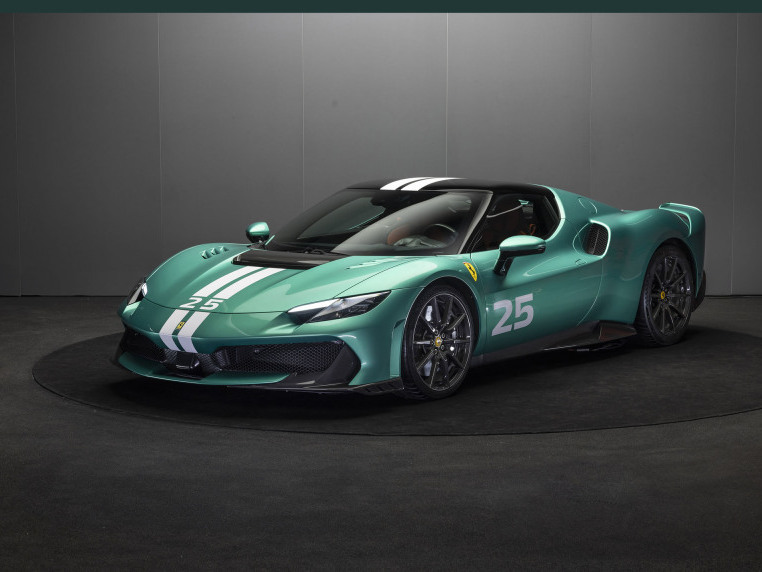
Ferrari Unveils 296 Speciale Plug-in Hybrid Supercar, Accelerating from 0-100 km/h in Just 2.8s
JohnApr 30, 2025
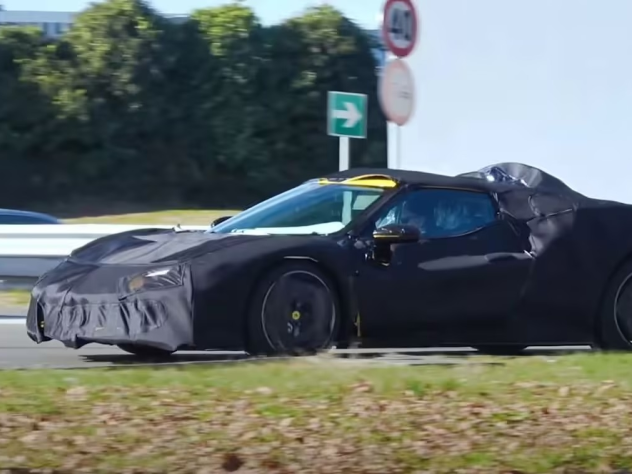
Meet Ferrari's New Track Beast: 296 VS Debuts on April 29
RobertApr 3, 2025
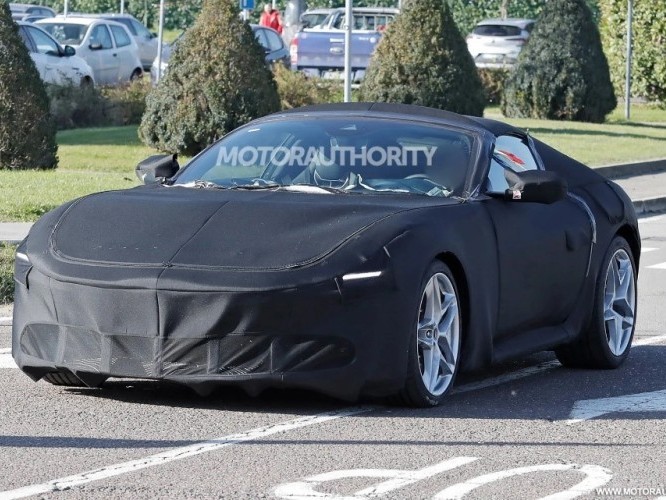
Spy shots of the Ferrari Roma successor revealed! May be released by the end of 2025, Hybrid system could be the highlight
WilliamNov 19, 2024
View More
Pros
Cons