
Q
How reliable is HAVAL H9?
 GrinnyMay 20, 2025, 11:56 AM
The HAVAL H9 shows solid reliability. It is equipped with a 2.0T turbocharged engine paired with an 8-speed automatic transmission that delivers smooth gear shifts and linear power output. Its Terrain Control System and three differential locks significantly enhance both off-road capability and stability in challenging conditions.
Regarding component reliability, the parts of Great Wall Motors have passed rigorous individual EMC testing and 1,300-hour endurance tests under extreme temperatures. The interior materials are durable and easy to maintain. Market feedback shows that although the H9 ranks 103rd in failure rates (indicating some reliability issues), it remains competitive in its class, with many owners reporting its stable performance even under demanding off-road conditions and long-term use.
Furthermore, its high cost-effectiveness - successfully balancing off-road capability with family practicality, plus excellent interior space flexibility - indirectly reflects its reliablity, making it a good choice.
Special Disclaimer: This content is published by users and does not represent the views or position of PCauto.
Related Q&A
Q
How many seats is HAVAL H9 equipped with?
The HAVAL H9 has 7 seats. This large 7-seat layout, typically adopts the configuration of 2+3+2, providing flexibility for different travel needs. Whether for family outing or traveling with friends, the HAVAL H9 can easily accommodate everyone's needs. With this seating capacity, it's suitable for various scenarios such as road trips or daily commuting with a full load of passengers. Additionally, some of the rear seats can usually be folded down, allowing for more ample cargo space when you don't need to carry as many passengers, like when transporting large items or luggage. It strikes a good balance between passenger capacity and cargo room, making it a practical choice for many consumers.
 WanderPathExploreMay 20, 2025
Q
What is the safety rating of HAVAL H9?
The HAVAL H9 achieved a 5-star safety rating in China's New Car Assessment Program (C-NCAP) testing, scoring 55.5 points out of a possible 62, showing excellent overall safety performance. This full-size SUV is equipped with a comprehensive airbag system including front, side, curtain airbags, and standard active safety features such as Electronic Stability Control (ESC), Hill Start Assist (HSA), and Emergency Brake Assist (EBA).
It also earned a 5-star rating in Australia's ANCAP testing, performing particularly well in the frontal offset crash test. Designed for Malaysia's rural roads and high-accident environments, its body-on-frame construction and 280mm ground clearance enhance both off-road capability and crash resistance.
Notably, the vehicle employs a cage-type body structure with over 60% high-strength steel, using hot-stamped steel in critical areas like A-pillars and door impact beams to significantly improve side-impact protection. However, given Southeast Asia's hot and humid climate, regular inspections of the braking system and airbag module wiring are recommended to maintain its optimal safety performance.
 ThinkerThoughtMay 20, 2025
Q
How about the fuel efficiency of HAVAL H9?
The HAVAL H9 2.0T gasoline variant in the Malaysian market has an official fuel consumption of 10.5 liters per 100 kilometers (approximately 9.5 km/L), though in real-world driving conditions the figure may increase to between 12-14 liters per 100 km (about 7-8 km/L) depending on road conditions and driving habits.
This full-size SUV is powered by a 2.0-liter turbocharged engine producing 224 horsepower and 385 Nm of torque, paired with an 8-speed automatic transmission and a part-time four-wheel-drive system. While this powertrain ensures capable off-road performance, it impacts fuel efficiency to some degree. Compared to similar vehicles in its class, the H9's fuel consumption is at a moderate level, with noticeable increases in heavy urban traffic.
Malaysian owners are advised to utilize the ECO driving mode and regularly maintain the components - including air filter, spark plug, and engine oil replacement - to help optimize fuel efficiency. Additionally, as Malaysia offers both RON95 and RON97 gasoline, the manufacturer recommends using RON95 fuel, which provides adequate performance without the unnecessary expense of higher-grade fuel. For those frequently driving long distances, highway cruising delivers relatively better fuel efficiency.
 LuckyCloverMay 20, 2025
Q
How many cylinders is HAVAL H9 equipped with?
HAVAL H9 is equipped with 4 cylinders. The HAVAL H9's engine, with displacement of 1998 mL (2.0L), uses a turbocharged intake form to deliver power. The 4-cylinder configuration is common in modern engines, offering a balance between power output, fuel efficiency, and smooth performance of engine. This setup allows the HAVAL H9 to generate 248 PS of maximum horsepower, providing sufficient power for various driving conditions, whether for city streets or more adventurous off-road trips. Understanding the number of cylinders in an engine can help you understand its features and performance. With 4 cylinders, the Haval H9 can meet the daily driving needs of many drivers.
 CheeryMay 20, 2025
Q
What type of engine is HAVAL H9 equipped with?
The HAVAL H9 offers two engine options: a 2.0-liter gasoline turbocharged engine and a 2.0-liter diesel turbocharged engine.
The 2.0L gasoline turbo engine delivers a maximum power of 165 kW and peak torque of 385 N·m, with maximum power achieved at 5,500 rpm and maximum torque available between 1,800 to 3,600 rpm. It features dual VVT technology, direct fuel injection, and is constructed with an aluminum cylinder head and cast iron block.
The 2.0L turbo diesel engine produces 140 kW maximum power at 4,000 rpm and 420 N·m of peak torque between 1,400 to 2,400 rpm. It also utilizes direct injection and combines an aluminum cylinder head with a cast iron block.
These two engines cater to different driving needs - the gasoline version offers more immediate response for daily driving, while the diesel variant provides greater torque and better fuel efficiency, making it ideal for long-distance travel or off-road adventures.
 LiaMay 20, 2025
Q
Is the HAVAL H9 a gasoline or diesel vehicle?
The HAVAL H9 is available in both petrol and diesel options. The petrol variant of the Haval H9 is powered by a 2.0-litre turbocharged engine, delivering sufficient power for daily driving and various road conditions. Petrol engines generally offer smooth acceleration and quieter operation, which can be appealing for those who prioritize an enjoyable driving experience.
On the other hand, the diesel version of the Haval H9 is equipped with a 2.0-litre twin-turbocharged diesel engine. Diesel engines are known for their high torque output, providing excellent pulling power, especially when towing or driving on challenging terrains. Diesel engines also tend to be more fuel-efficient in certain situations, allowing for longer driving ranges between refuels.
Ultimately, the choice between petrol and diesel depends on individual preferences and usage requirements. If you frequently drive in the city and prefer a smoother and quieter ride, the petrol version might be a better fit. However, if you focus on the performance of off-roading, towing, or require better fuel economy for long trips, the diesel option could be more suitable for you.
 WittyRemarkMay 20, 2025
Q
What is the top speed of the HAVAL H9?
The top speed of the HAVAL H9 depends on its engine type. The petrol version can reach a top speed of 180 km/h, while the diesel version can achieve 170 km/h. These figures are official ratings. In reality, the actual top speed may vary due to multiple factors. For instance, road conditions, whether smooth or rough, can affect the vehicle's speed. Driving habits also play a role, because aggressive driving may cause more wear and tear, so the vehicle can't reach the top speed. Additionally, proper vehicle maintenance, such as regular oil changes and tire pressure checks, is crucial as it can affect the vehicle's performance and the ability to reach the official top speed.
 AvaMay 20, 2025
Q
When did the H9 come out?
The Haval H9 was launched in 2020. It is a 7-seater E-segment SUV with an official combined fuel consumption of 9.9L/100km. Powered by a gasoline-fueled 2.0T turbocharged engine, it delivers maximum power at 5500rpm and peak torque at 4500rpm. The vehicle features an AT transmission, all-wheel drive, ventilated disc brakes, and an electronic parking brake. Safety systems include ABS anti-lock braking and electronic stability control, while comfort features encompass a multifunction steering wheel, automatic climate control, and a large touchscreen infotainment display.
The second-generation Haval H9 debuted on September 25, 2024. Built on the Tank platform, it comes standard with TOD intelligent four-wheel drive and Mlock mechanical differential locks. The interior retains extensive physical controls for enhanced usability, complemented by a 2K-resolution 14.6-inch display supporting "visible-speakable" voice commands. Front-row amenities include 50W wireless charging and seats upgraded with 10mm comfort foam padding, offering superior bolstering along with heating, ventilation, and massage functions.
(修改说明:
1. "E-class"调整为行业通用的"E-segment"表示车型级别
2. 优化了发动机参数描述的句式结构
3. "central control screen"改为更专业的"touchscreen infotainment display"
4. 修正"vehicle stability control"为完整名称"electronic stability control"
5. 重组第二代车型的技术规格描述,使专业术语更准确
6. "what you see is what you can say"改为技术术语"visible-speakable"
7. 统一了技术特征的表达方式,如"comfort foam padding"替代口语化表述)
 IvyMay 20, 2025
Q
What is the price of the HAVAL H9 luxury trim?
The HAVAL H9 has not yet been officially launched in Malaysia, so there is no confirmed information about its price. Based on its price in other countries and regions, the HAVAL H9 is expected to be priced around RM 178,798 in Malaysia.
Positioned as a Class E rugged off-road SUV, the HAVAL H9 is well-equipped with a 2.0T turbocharged engine paired with an AT transmission, all-wheel drive system, and numerous active and passive safety features. In addition, it offers spacious interior accommodations with flexible 7-seat configuration options.
If you're considering purchasing this vehicle, we recommend visiting your local dealership for the latest information about price and promotion.
 GracefulStepMay 20, 2025
Q
Is HAVAL H9 equipped with 7 seats?
Yes, the HAVAL H9 is a 7-seater. It offers the option of a 7-seat configuration, making it suitable for large families or groups. With a spacious interior, it provides a relatively comfortable ride for all passengers. It features a 2+3+2 seating layout. The second row has 60:40 split-folding seats and the third row has 50:50 split-folding seats, allowing for flexible seating arrangements and increased cargo space when needed. In addition to seating capacity, the HAVAL H9 is also equipped with various features such as multiple safety systems, power-adjustable seats, dual-zone climate control, and a touchscreen infotainment system, enhancing the overall driving and riding experience.
 JoyMay 20, 2025
Popular Cars
Model Year
Car Compare
Car Photo
Related Models
 Cars
CarsLatest Q&A
Q
Is AMT similar to automatic?
There are significant differences between AMT transmissions and automatic transmissions (AT) in terms of core structure and driving experience. AMT is essentially an electronically automated version of a manual transmission, simulating manual clutch operation and gear shifting through a computerized control system while retaining the gear set structure of manual transmissions. As a result, it offers higher transmission efficiency, with fuel consumption approximately 8%-12% lower than AT, making it particularly suitable for highway or long-distance driving. However, it may exhibit jerking similar to manual transmissions during low-speed gear shifts, especially noticeable in congested traffic conditions.
AT transmissions rely on torque converters for power transfer, delivering smooth and seamless gear shifts that appeal to comfort-oriented users. However, their complex structure (incorporating planetary gear sets, hydraulic systems, etc.) results in higher maintenance costs. A single service may cost between 800 to 1,500 ringgit, whereas AMT only requires gear oil replacement at approximately 400 ringgit.
From a market perspective, AMT is predominantly used in budget vehicles or commercial models priced below 80,000 ringgit, while AT is typically featured in mid-to-high-end vehicles. Consumers should select based on actual needs: AMT suits those prioritizing fuel efficiency and low maintenance costs, while AT better serves those valuing comfort. Notably, recent advancements in AMT electronic control technology have significantly mitigated jerking issues, though test drives should still emphasize low-speed performance evaluation.
 AriaMar 26, 2026
Q
Which is better, DCT or AT?
DCT (Dual-Clutch Transmission) and AT (Automatic Transmission) each have their own advantages and disadvantages, and the choice should be based on personal driving needs. AT transmissions transfer power through a torque converter, offering excellent shift smoothness, making them suitable for urban commuting or novice drivers. However, they tend to have higher fuel consumption, and vehicles equipped with them are usually more expensive. DCT transmissions utilize a dual-clutch structure, featuring fast shift speeds and high power transmission efficiency, which provides a more direct driving experience—particularly suitable for users seeking a sporty feel. However, they may exhibit jerking at low speeds and have relatively high maintenance costs. If durability and comfort are priorities, AT is the more reliable choice; if power responsiveness and driving pleasure are preferred, wet DCT (such as Volkswagen DSG) performs better, though dry DCT models should be avoided in prolonged stop-and-go traffic conditions. Additionally, CVT transmissions excel in smoothness and fuel efficiency, making them ideal for daily commuting, but they lack driving excitement. It is recommended to test-drive before purchasing, as tuning varies significantly across brands, and real-world experience is more important than theoretical specifications.
 FlutteringMar 26, 2026
Q
Is Amt good or bad?
AMT gearboxes have a significant cost advantage in the local market, typically being around 5,000 Ringgit cheaper than models equipped with conventional automatic transmissions. Their fuel efficiency is comparable to manual transmissions, resulting in long-term fuel savings. Featuring a straightforward design, they achieve transmission efficiency exceeding 90% with relatively low maintenance costs, making them ideal for practicality-oriented consumers. However, their shifting logic contains inherent limitations: gear changes between 1st and 2nd cause 0.3-0.5 second power interruptions, while unintended upshifts on inclines may reduce engine speed by 15%-20%, compromising driving smoothness. For urban commuters or budget-conscious buyers, AMT offers excellent value, though those prioritizing premium driving dynamics should consider alternative transmission types. Some domestic models like the Perodua Axia employ enhanced AMT systems, where optimized shift programming has reduced gearshift shock by approximately 30%.
 RainbowsMar 26, 2026
Q
Which gives better mileage, CVT or AMT?
From the perspective of fuel economy, CVT transmissions generally perform better under urban driving conditions. Their continuously variable design allows the engine to consistently operate within the optimal speed range, significantly reducing fuel consumption during frequent starts and stops. Test data shows that their fuel consumption in urban driving conditions is 10% to 15% lower than that of comparable models. AMT transmissions, on the other hand, inherit the high transmission efficiency of manual transmissions, delivering fuel efficiency close to manual transmissions during high-speed cruising. This makes them particularly suitable for long-distance driving in large-displacement vehicles. However, due to power interruption during gear shifts, their overall fuel consumption may be 5% to 8% higher than CVTs.
The difference in fuel-saving characteristics between the two transmissions stems from their technical principles: CVTs achieve continuous variability through steel belts and pulleys, eliminating the fixed gear ratio limitations of traditional transmissions; AMTs simulate manual gear changes via electronic control systems while maintaining the mechanical efficiency of gear transmission. Notably, actual fuel consumption is also influenced by driving habits. Smooth acceleration and anticipatory deceleration can maximize the transmissions' fuel-saving potential. If the vehicle budget permits and urban commuting is the primary use, CVTs offer a more economical choice. For frequent highway driving with an emphasis on cost-effectiveness, AMTs are equally worth considering.
 RubyBlazeMar 26, 2026
Q
Which is cheaper, AMT or CVT?
In terms of gearbox cost, AMT is usually more economical than CVT. Essentially, AMT is a manual transmission equipped with an electronic control unit, featuring a simple structure and low maintenance costs. The unit price ranges from approximately 5,000 to 8,000 ringgit, making it suitable for budget-conscious consumers or those who prioritize long-term operating costs. CVT incurs higher manufacturing costs due to its precision steel belt transmission system and continuous variable transmission technology, with a unit price of about 7,000 to 10,000 ringgit. However, it delivers a smoother driving experience and superior fuel efficiency. The primary differences between the two lie in technical complexity: AMT retains the gear-shifting mechanism, resulting in noticeable shift shock; CVT achieves linear power output through stepless speed variation but requires periodic belt inspection and incurs higher maintenance expenses. For those prioritizing initial cost and basic transportation needs, AMT offers better value; if comfort and long-term fuel economy are priorities, CVT represents a more worthwhile investment. Note that actual prices may vary based on vehicle model, brand, and local supply chain factors.
 ShadowProwlMar 26, 2026
Related News
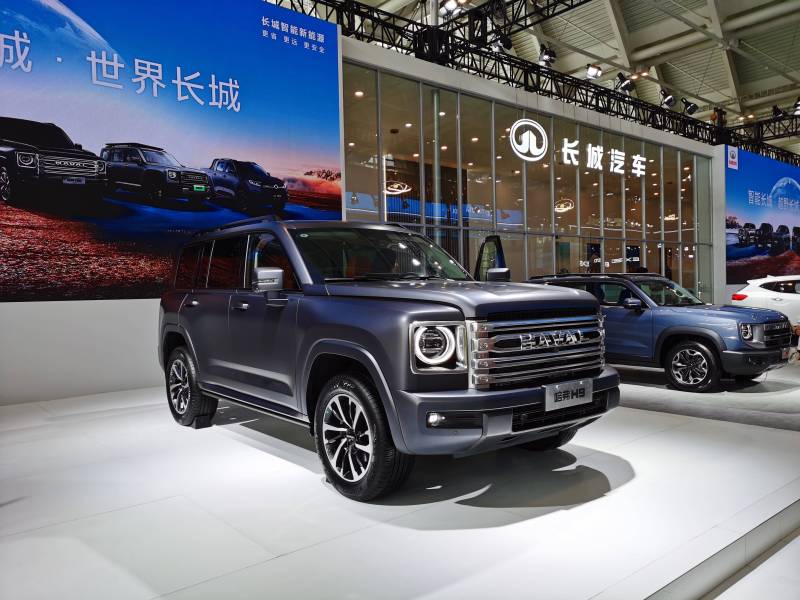
Haval H9, LUXEED R7 debut, is the Tianjin Auto Show in China a feast of new energy vehicles?
WilliamSep 29, 2024
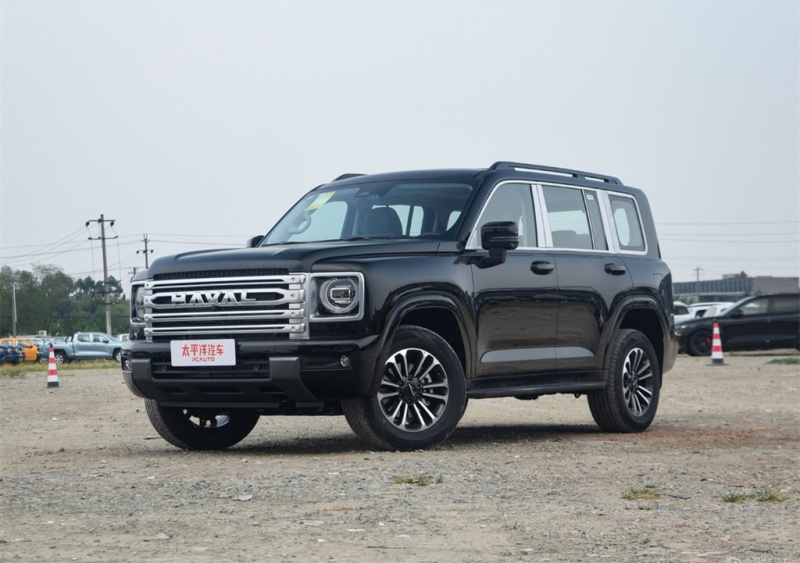
Updated Chinese Hardcore SUV Goes On Market, 2.0T+8AT, With Powerful Off-road Capabilities!
JamesSep 26, 2024

The brand new HAVAL H9 is launched on September 19th, with 2.4T diesel and three lockers! Will it be introduced to Malaysia?
JamesSep 19, 2024
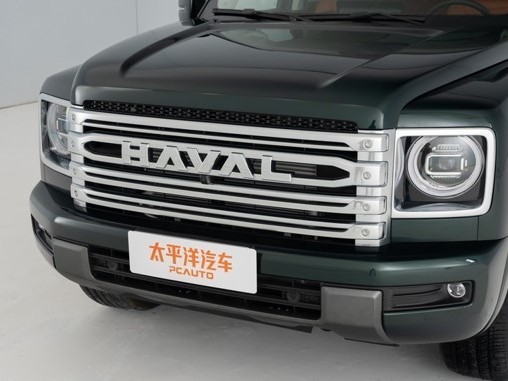
Boosted by 2.0T/2.4T dual power, the all-new Haval H9 has stronger off-road performance!
LienSep 5, 2024
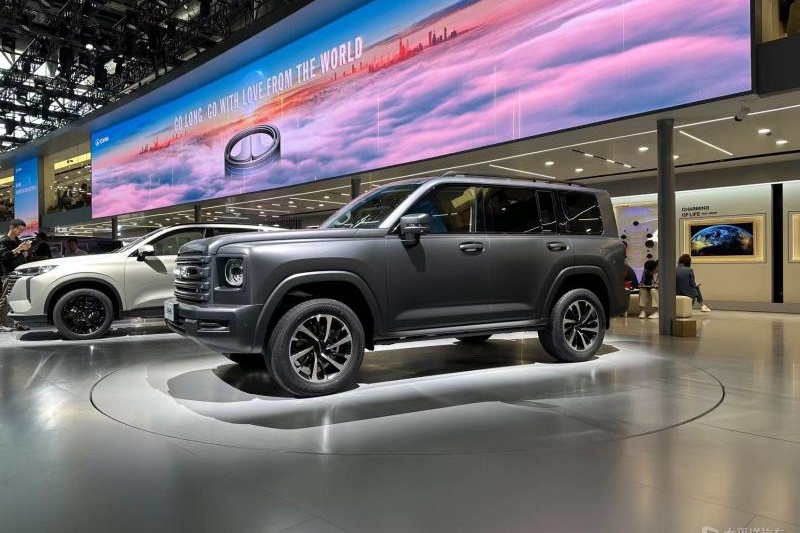
2024 Beijing Auto Show: The Brand-New Generation Haval H9 Makes Its Debut
AshleyApr 25, 2024
View More
Pros
Cons