
Q
how to install youtube in proton x70
 JoyOct 10, 2025, 11:48 AM
If you're looking to get YouTube up and running on your Proton X70, here's the lowdown: First off, the X70's stock infotainment system is Android-based, but Proton doesn't preinstall YouTube—makes sense, right? They’re probably thinking about safety and keeping your eyes on the road. But if you’re set on installing it, here’s how to go about it.
First, make sure your ride is parked and connected to a solid Wi-Fi network—can’t stress that enough, don’t try this while driving. Head into your system settings, tap on "Security & Privacy," and flip the switch to allow installations from "Unknown Sources." Next, fire up the built-in browser and download the YouTube APK file. Pro tip: Stick to the official site or super reliable third-party platforms to avoid any sketchy downloads. Once it’s downloaded, hit install and you should be good to go.
Now, a word of caution: Sideloading apps like this might mess with your system stability, and let’s not forget—it could potentially void your warranty. So think twice before diving in. Also, using video apps while driving is a huge safety no-no. Malaysian law strictly bans messing with entertainment systems when you’re behind the wheel, so save the YouTube binges for when you’re parked.
If you want to level up your in-car entertainment without the hassle, why not just use CarPlay or Android Auto? Mirroring YouTube from your phone that way is totally legal and way kinder to your X70’s factory system.
As one of Malaysia’s favorite homegrown SUVs, the Proton X70’s smart system gets regular updates. Do yourself a favor and check for official feature upgrades every now and then—you might score some cool new stuff that way. Drive safe out there!
Special Disclaimer: This content is published by users and does not represent the views or position of PCauto.
Related Q&A
Q
What is the spec of the Proton X70 2022?
The 2022 Proton X70, Malaysia's flagship homegrown SUV, offers two turbocharged petrol engine options: 1.5L TGDi and 1.8L TGDi. The 1.5L variant pumps out 177 hp and 255 Nm of torque, while the 1.8L ups the ante with 184 hp and 300 Nm. Both pair with a 7-speed dual-clutch transmission, and select models get an intelligent all-wheel-drive system.
Across the range, you'll find standard features like an 8-inch infotainment touchscreen with Apple CarPlay/Android Auto, keyless entry, and a power tailgate. Higher trims add extras such as a panoramic sunroof, NAVI navigation, and a premium sound system.
Safety is well-covered too, with 6 airbags, ESC stability control, 360-degree cameras, and automatic emergency braking (AEB) coming standard—ticking all the boxes for Malaysians after a high-value SUV.
What really stands out is the X70's intelligent AWD system, which automatically adjusts torque based on road conditions—pretty rare for this price bracket. Plus, connected car features like remote engine start and pre-cooling are total lifesavers in Malaysia's sweltering heat. These little touches show Proton gets local driving needs, keeping the X70 competitive in the B-segment SUV game.
 BlackFangNov 6, 2025
Q
What are the common problems with the X70?
As a popular SUV in the Malaysian market, the Proton X70 has some common owner-reported issues. Some models may develop sunroof rattles or drain hole clogs after long-term use, which can usually be fixed with regular cleaning and lubrication. Additionally, early production batches occasionally experienced delays with electronic systems like the 360-degree panoramic camera, which most improved after software updates. For the 1.8TGDI turbo engine, carbon buildup needs attention at high mileage—follow the manual for maintenance and use qualified engine oil. It's worth noting the X70's sport-oriented suspension tuning can feel stiff on certain Malaysian road conditions, but this is a design choice, not a fault. For potential buyers, prioritize models with the latest ECU updates and regularly check transmission fluid to ensure smooth operation of the 7-speed dual-clutch gearbox. These preventive steps significantly enhance long-term ownership experience. Realistically, any vehicle may have specific maintenance needs under heavy use—the key is proper servicing through official channels and addressing minor issues promptly.
 CheeryOct 29, 2025
Q
What engine is in the X70 2021?
The 2021 Proton X70 is powered by a 1.8-liter TGDI four-cylinder turbocharged petrol engine, which cranks out 184 horsepower and a peak torque of 300 Nm. It's mated to a 7-speed dual-clutch transmission (DCT) and offers both front-wheel drive and all-wheel drive options. This engine, tech-sourced from Geely, uses direct fuel injection and turbocharging to strike a solid balance between performance and fuel efficiency, making it well-suited for Malaysia's diverse road conditions. What's nice is that the turbo engine delivers strong torque at low revs, so the X70 feels relaxed whether you're driving in the city or overtaking on the highway. For Malaysian buyers, maintenance costs for this engine are pretty reasonable, and Proton's after-sales service network covers the whole country, making it easy for owners to get their cars serviced or repaired. If you're curious about how turbocharging works, it basically uses exhaust gases to spin a turbine, which forces more air into the engine—this boosts efficiency, and you'll find this tech in lots of modern cars these days.
 SailorAdventureOceanOct 29, 2025
Q
Is the T60 Max a good car?
The Proton X70, Proton's first SUV developed in collaboration with Geely, has maintained steady performance in the Malaysian market. Built on Geely's Boyue platform, it's powered by a 1.8L turbocharged engine paired with a 6-speed automatic transmission, delivering smooth power delivery and fuel efficiency well-suited to local road conditions. The chassis tuning strikes a balance between urban driving comfort and light off-road capability.
In terms of interior features, higher-spec variants come equipped with a panoramic sunroof, large touchscreen display, and smart connectivity functions—catering perfectly to Malaysian consumers' preference for tech-forward amenities. Proton's extensive nationwide after-sales network also helps alleviate concerns about maintenance and ownership costs.
When compared to Japanese rivals in the same segment, the X70's key advantage lies in its stronger value proposition. However, buyers should note that its resale value retention tends to be slightly lower than established traditional brands.
Given Malaysia's rainy climate, regular checks on door seals and electronic systems are advisable. Additionally, the tropical heat places higher demands on the cooling systems of turbocharged vehicles—sticking to scheduled coolant replacements will help prolong engine life.
Overall, the X70 suits family buyers with a budget around RM150,000 who prioritize features and interior space. During test drives, pay special attention to how the dual-clutch transmission performs in stop-and-go traffic and assess the air-conditioning system's cooling efficiency.
 FrostbiteOct 24, 2025
Q
What is EPB malfunctions on Proton X70?
EPB malfunctions (Electronic Parking Brake System malfunctions) on the Proton X70 usually manifest as a warning light illuminating on the dashboard or the system failing to start/release properly. Common causes include the system triggering protection due to excessive brake pad wear, abnormal signals from electronic sensors, insufficient battery voltage affecting module power supply, or the need for software upgrade and reset. When encountering this problem, it is recommended to first try manually resetting by pressing the brake pedal firmly and pulling up the EPB switch for 3 seconds with the vehicle powered on. If it doesn't work, a professional diagnostic tool should be used to read the fault codes. Special attention should be paid to checking the thickness of the brake pads (replace them if they are less than 3mm) and the condition of the wiring connections.
As an electronic component, the EPB system relies more on the stability of the vehicle's overall electrical system than traditional handbrakes. Therefore, during regular maintenance, attention should be paid to checking the health of the battery (especially in hot climates), and long - term parking that may drain the battery should be avoided. The EPB system of the Proton X70 works in conjunction with the ESP Vehicle Stability System. If the malfunction persists, the Auto Hold function may fail. In this case, the authorized service center should be contacted promptly to avoid affecting driving safety.
The rainy and humid environment in Malaysia may accelerate the oxidation of the braking system. It is recommended to check the lubrication of the brake caliper guides every 20,000 kilometers, which is very helpful for maintaining the sensitivity of the EPB actuator.
 StarJul 28, 2025
Q
How many cc is a Proton x70 engine?
The Proton X70 comes with two engine displacement options: a 1.5-liter turbocharged (1498cc) and a 1.8-liter turbocharged (1798cc), depending on the vehicle configuration. The 1.5T version uses direct injection technology, with a maximum horsepower of 177hp and a peak torque of 255Nm. The 1.8T version offers 184hp and 300Nm of torque. Both are paired with a 7-speed dual-clutch transmission.
As the main SUV of a Malaysian local brand, the Proton X70's engine technology is derived from the power platform jointly developed by Geely and Volvo. It balances fuel economy and power performance, making it suitable for Malaysia's diverse road conditions. The turbocharged engine can deliver high torque at low RPMs, which is especially suitable for city driving and climbing mountain roads. The direct injection technology can improve combustion efficiency and reduce fuel consumption.
It's worth noting that engine displacement (cc) doesn't directly equal power output. Other factors such as turbocharging and transmission tuning also need to be considered. That's why the 1.5T engine of the Proton X70 can rival the performance of a traditional 2.0-liter naturally aspirated engine.
 MoonJul 28, 2025
Q
How to use cruise control Proton X70?
Using the cruise control function of the Proton X70 is extremely simple. First, make sure the vehicle is traveling at a speed of over 40 km/h. Then, press the cruise control button on the left side of the steering wheel to activate the system. At this time, the cruise control symbol will appear on the dashboard. Next, use the "+" or "-" buttons to set the desired speed. After setting, release the accelerator pedal, and the vehicle will maintain a constant speed. If you need to temporarily cancel the cruise control, gently tap the brake or press the cancel button. To turn it off completely, press the main cruise control button again.
It's worth noting that the cruise control system of the Proton X70 may automatically adjust the throttle on steep slopes to maintain the set speed. This is a normal phenomenon. Additionally, extra caution is required when using this system on rainy or slippery roads. It is recommended to keep a greater safety distance. The cruise control function is most suitable for long - distance driving on highways or other roads with good conditions, which can effectively reduce driving fatigue. However, drivers still need to stay focused and be ready to take over vehicle control at any time, as the system cannot recognize sudden obstacles or complex road conditions.
There may be slight differences in the cruise control details of Proton X70s from different years. It is recommended that owners also refer to the user manual that comes with the vehicle for specific operation instructions.
 SunnyJul 28, 2025
Q
What is boss seat switch Proton X70?
The Boss seat switch is a convenient feature of the Proton X70. It's mainly installed on the side of the front passenger seat, allowing rear - seat passengers (especially those in the "boss seat" on the right rear) to directly adjust the front - passenger seat's forward and backward position and backrest angle. This helps to increase legroom and enhance seating comfort. This design is commonly seen in mid - to high - end SUVs, highlighting the X70's practicality for business use.
As one of the most popular SUVs locally, the Proton X70's Boss seat switch is easy to operate. You just need to press the switch and move the seat to make adjustments, without having to bend over or exert much effort. It's especially suitable for family outings or business receptions.
Apart from this feature, the X70 also comes with luxury configurations such as a panoramic sunroof and Nappa leather seats. Its overall cost - effectiveness is quite competitive in the Malaysian market. It is recommended that car owners clean the switch contacts regularly to prevent dust from affecting the sensitivity. At the same time, refer to the user manual to understand the specific operation details. This kind of user - friendly design also reflects Proton's careful consideration of user needs.
 MidnightRiderJul 28, 2025
Q
Does the Proton X70 Support remote start?
Yes, the Proton X70 is indeed equipped with a Remote Start function. This feature can be operated via the smart key or a mobile app (such as the Proton Link App), allowing the owner to start the engine from a distance and turn on the air - conditioning system in advance. It's especially practical in Malaysia's hot weather. The Remote Start usually needs to be used within a certain effective range, and the vehicle must be in a locked state to ensure safety.
Apart from the Remote Start, the Proton X70 also comes with other intelligent technology configurations, like keyless entry, automatic air - conditioning, and an advanced infotainment system, which further enhance driving convenience and comfort. It should be noted that when using the Remote Start, it is recommended to ensure that the vehicle is parked in a well - ventilated area to avoid unnecessary fuel consumption or emission problems caused by long - term idling.
As a popular local SUV, the Proton X70's technological configuration and practical design fully take into account the needs of Malaysian users, providing more convenient options for daily use.
 FlameFangJul 28, 2025
Q
What is the crash rating of the Proton X70?
The Proton X70 has achieved a 5-star rating in the ASEAN NCAP crash safety test, which is the highest safety level in this testing system. This indicates that it performs excellently in adult occupant protection, child occupant protection, and safety assistance technologies. Specifically, the Proton X70 demonstrated good occupant protection capabilities in both frontal and side impact tests. The use of its body structure and high-strength steel effectively absorbed the collision energy. Meanwhile, it comes standard with safety features such as six airbags, Electronic Stability Control (ESC), and Anti-lock Braking System (ABS), which further enhance its safety. For Malaysian consumers, the ASEAN NCAP rating is an important reference standard because it is specifically optimized for the road conditions and driving environments in Southeast Asia. Compared with other global rating systems like Euro NCAP or IIHS, it is closer to the local actual needs. Additionally, the Proton X70 is also equipped with advanced driver assistance systems such as Autonomous Emergency Braking (AEB) and Lane Keeping Assist (LKA). These functions can effectively reduce the risk of accidents in daily driving. Choosing a vehicle with a high safety rating can not only protect the passengers but also ensure better resale value in the used car market. Therefore, the 5-star rating of the Proton X70 is one of its significant advantages.
 TitaniumStrikeJul 28, 2025
Popular Cars
Model Year
Car Compare
Car Photo
Related Models
 Cars
CarsLatest Q&A
Q
Is AMT similar to automatic?
There are significant differences between AMT transmissions and automatic transmissions (AT) in terms of core structure and driving experience. AMT is essentially an electronically automated version of a manual transmission, simulating manual clutch operation and gear shifting through a computerized control system while retaining the gear set structure of manual transmissions. As a result, it offers higher transmission efficiency, with fuel consumption approximately 8%-12% lower than AT, making it particularly suitable for highway or long-distance driving. However, it may exhibit jerking similar to manual transmissions during low-speed gear shifts, especially noticeable in congested traffic conditions.
AT transmissions rely on torque converters for power transfer, delivering smooth and seamless gear shifts that appeal to comfort-oriented users. However, their complex structure (incorporating planetary gear sets, hydraulic systems, etc.) results in higher maintenance costs. A single service may cost between 800 to 1,500 ringgit, whereas AMT only requires gear oil replacement at approximately 400 ringgit.
From a market perspective, AMT is predominantly used in budget vehicles or commercial models priced below 80,000 ringgit, while AT is typically featured in mid-to-high-end vehicles. Consumers should select based on actual needs: AMT suits those prioritizing fuel efficiency and low maintenance costs, while AT better serves those valuing comfort. Notably, recent advancements in AMT electronic control technology have significantly mitigated jerking issues, though test drives should still emphasize low-speed performance evaluation.
 AriaMar 26, 2026
Q
Which is better, DCT or AT?
DCT (Dual-Clutch Transmission) and AT (Automatic Transmission) each have their own advantages and disadvantages, and the choice should be based on personal driving needs. AT transmissions transfer power through a torque converter, offering excellent shift smoothness, making them suitable for urban commuting or novice drivers. However, they tend to have higher fuel consumption, and vehicles equipped with them are usually more expensive. DCT transmissions utilize a dual-clutch structure, featuring fast shift speeds and high power transmission efficiency, which provides a more direct driving experience—particularly suitable for users seeking a sporty feel. However, they may exhibit jerking at low speeds and have relatively high maintenance costs. If durability and comfort are priorities, AT is the more reliable choice; if power responsiveness and driving pleasure are preferred, wet DCT (such as Volkswagen DSG) performs better, though dry DCT models should be avoided in prolonged stop-and-go traffic conditions. Additionally, CVT transmissions excel in smoothness and fuel efficiency, making them ideal for daily commuting, but they lack driving excitement. It is recommended to test-drive before purchasing, as tuning varies significantly across brands, and real-world experience is more important than theoretical specifications.
 FlutteringMar 26, 2026
Q
Is Amt good or bad?
AMT gearboxes have a significant cost advantage in the local market, typically being around 5,000 Ringgit cheaper than models equipped with conventional automatic transmissions. Their fuel efficiency is comparable to manual transmissions, resulting in long-term fuel savings. Featuring a straightforward design, they achieve transmission efficiency exceeding 90% with relatively low maintenance costs, making them ideal for practicality-oriented consumers. However, their shifting logic contains inherent limitations: gear changes between 1st and 2nd cause 0.3-0.5 second power interruptions, while unintended upshifts on inclines may reduce engine speed by 15%-20%, compromising driving smoothness. For urban commuters or budget-conscious buyers, AMT offers excellent value, though those prioritizing premium driving dynamics should consider alternative transmission types. Some domestic models like the Perodua Axia employ enhanced AMT systems, where optimized shift programming has reduced gearshift shock by approximately 30%.
 RainbowsMar 26, 2026
Q
Which gives better mileage, CVT or AMT?
From the perspective of fuel economy, CVT transmissions generally perform better under urban driving conditions. Their continuously variable design allows the engine to consistently operate within the optimal speed range, significantly reducing fuel consumption during frequent starts and stops. Test data shows that their fuel consumption in urban driving conditions is 10% to 15% lower than that of comparable models. AMT transmissions, on the other hand, inherit the high transmission efficiency of manual transmissions, delivering fuel efficiency close to manual transmissions during high-speed cruising. This makes them particularly suitable for long-distance driving in large-displacement vehicles. However, due to power interruption during gear shifts, their overall fuel consumption may be 5% to 8% higher than CVTs.
The difference in fuel-saving characteristics between the two transmissions stems from their technical principles: CVTs achieve continuous variability through steel belts and pulleys, eliminating the fixed gear ratio limitations of traditional transmissions; AMTs simulate manual gear changes via electronic control systems while maintaining the mechanical efficiency of gear transmission. Notably, actual fuel consumption is also influenced by driving habits. Smooth acceleration and anticipatory deceleration can maximize the transmissions' fuel-saving potential. If the vehicle budget permits and urban commuting is the primary use, CVTs offer a more economical choice. For frequent highway driving with an emphasis on cost-effectiveness, AMTs are equally worth considering.
 RubyBlazeMar 26, 2026
Q
Which is cheaper, AMT or CVT?
In terms of gearbox cost, AMT is usually more economical than CVT. Essentially, AMT is a manual transmission equipped with an electronic control unit, featuring a simple structure and low maintenance costs. The unit price ranges from approximately 5,000 to 8,000 ringgit, making it suitable for budget-conscious consumers or those who prioritize long-term operating costs. CVT incurs higher manufacturing costs due to its precision steel belt transmission system and continuous variable transmission technology, with a unit price of about 7,000 to 10,000 ringgit. However, it delivers a smoother driving experience and superior fuel efficiency. The primary differences between the two lie in technical complexity: AMT retains the gear-shifting mechanism, resulting in noticeable shift shock; CVT achieves linear power output through stepless speed variation but requires periodic belt inspection and incurs higher maintenance expenses. For those prioritizing initial cost and basic transportation needs, AMT offers better value; if comfort and long-term fuel economy are priorities, CVT represents a more worthwhile investment. Note that actual prices may vary based on vehicle model, brand, and local supply chain factors.
 ShadowProwlMar 26, 2026
Related News

2026 Proton X70 MC3: Upcoming with Geely 4-Cyl & Power Surge
RobertJan 12, 2026

Proton X70 interior design fully revealed: Suitable for both home and business use
JohnJul 7, 2025
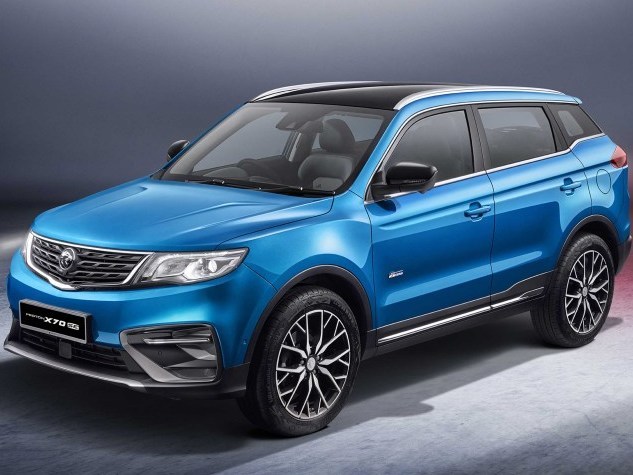
Space, Interior & Power: How Does the Proton X70 Excel in Every Aspect?
WilliamApr 14, 2025
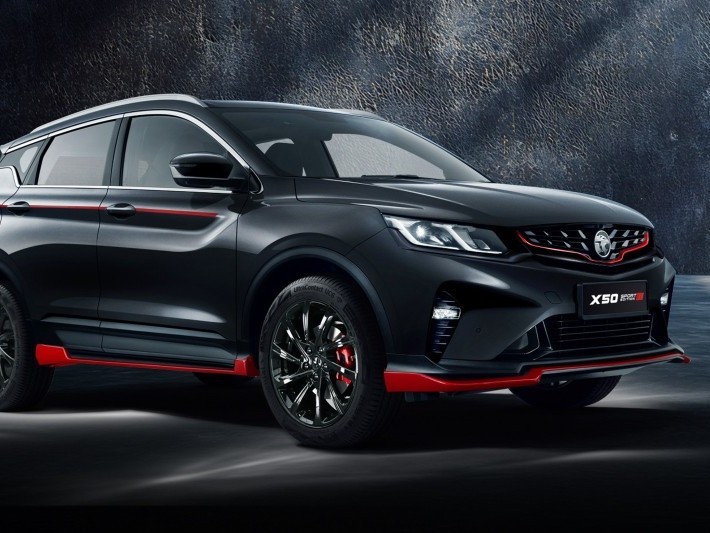
In 2025, should you choose the Proton X50 or X70?
RobertFeb 28, 2025
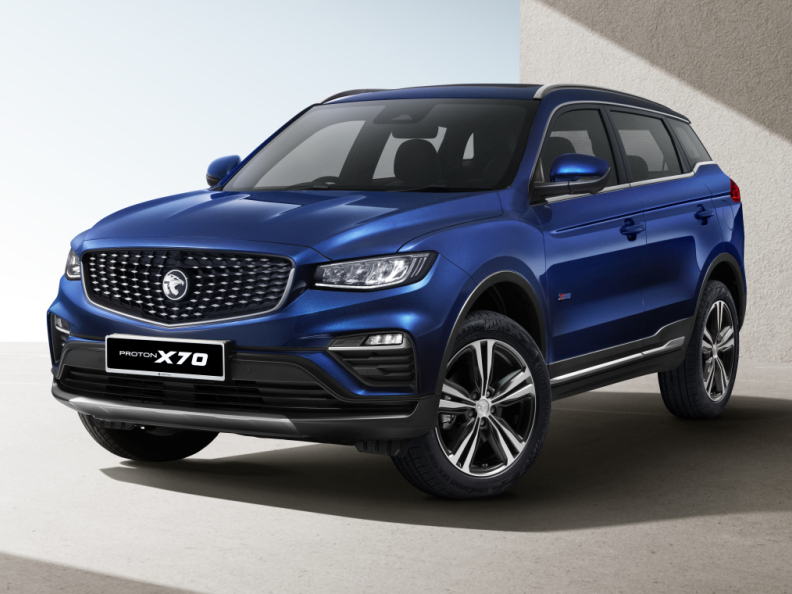
What is the fuel consumption of X70? Is X70 a worthwhile SUV to buy?
RobertFeb 27, 2025
View More
Pros
Cons