
Q
Is GR86 a turbocharged vehicle?
 ZoeMay 16, 2025, 12:19 PM
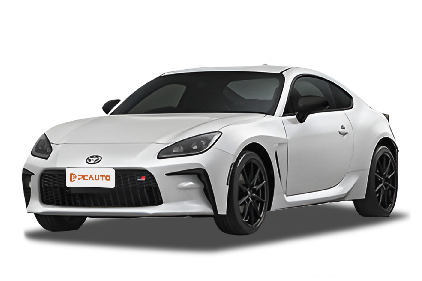
No, the GR86 is not a turbocharged vehicle. Instead, it is equipped with a naturally aspirated engine. Specifically, it features a 2.4-liter four-cylinder naturally aspirated engine (NA) that produces a maximum output of 237 horsepower at 7,000 RPM. Naturally aspirated engines draw air into the combustion chamber using normal atmospheric pressure, without the assistance of a turbocharger or supercharger.
This results in a more linear power delivery, offering a smooth and predictable driving experience. The absence of forced induction components also means fewer parts, which can potentially enhance reliability and simplify maintenance. However, turbocharged engines can provide greater power and torque by forcing more air into the engine, an appealing trait for drivers seeking more robust performance.
Special Disclaimer: This content is published by users and does not represent the views or position of PCauto.
Related Q&A
Q
How much does it cost to replace a clutch in a Toyota 86?
The cost to replace a clutch in a Toyota 86 can vary. Generally, clutch replacement involves the clutch three-piece set which includes the pressure plate, friction disc, and release bearing, along with labor costs.
For parts, the cost of the clutch three-piece set alone can range from around RM 500 to RM 1200 depending on whether you choose original parts or aftermarket ones. Original parts tend to be more expensive but offer better quality and compatibility.
Labor costs play a significant part too. Since replacing the clutch often requires removing the transmission, which is labor-intensive, labor fees could be anywhere from RM 500 to RM 1000 or more. This is because it's a complex job that needs skilled mechanics.
All in all, you can expect to pay between RM 1000 and RM 2000 or so to replace the clutch in a Toyota 86. But prices may differ among various repair shops, with 4S stores usually charging more due to their brand reputation and potentially higher-quality service, while independent garages might offer more competitive prices. Additionally, if there are other related components that need replacing or if the job faces unforeseen difficulties, the final cost could increase.
 NatureMay 15, 2025
Q
How much fuel does a GR86 use per 100km?
Currently, there is no official information specifying the fuel consumption of the GR86 per 100 kilometers. Various factors, including model variations, driving habits, and road conditions, can significantly impact actual fuel efficiency. Previously, the older Toyota 86 had an official combined fuel consumption of 7.1 L/100 km for both the manual and automatic versions. The GR86, equipped with a 2.4L naturally aspirated flat-four engine, boasts improved power, which suggests that its fuel consumption may be slightly higher than its predecessor.
Some owners have reported real-world fuel consumption for the Toyota 86 averaging around 9 L/100 km, which is higher than typical family cars. For those seeking a more accurate estimate of the GR86's fuel efficiency, it is advisable to consult the vehicle’s user manual or reach out to a Toyota dealer, who can provide more detailed information.
 CloverMay 16, 2025
Q
Does GR86 have a clutch?
The GR86 offers a manual variant equipped with a clutch, while the automatic version does not have a clutch. The manual variant features an MT (manual transmission), requiring the driver to press the clutch pedal to disconnect the power transfer between the engine and the transmission, enabling gear shifts. This clutch operation enhances the driving engagement.
In contrast, the automatic variant is equipped with an AT (automatic transmission), which shifts gears automatically based on parameters such as vehicle speed and engine RPM, eliminating the need for the driver to manually operate a clutch for shifting. The clutch pedal travel in the GR86 manual variant is relatively short, allowing the driver to engage the clutch from a lower seating position with minimal effort. This design makes gear shifting easier and provides a distinct driving experience for enthusiasts.
 LeafyMay 15, 2025
Q
What is the maintenance cost of a GR86?
The maintenance costs for the GR86 can vary widely due to several factors, including the type of service required, the parts needed, and the repair shop you choose. For routine maintenance tasks such as oil changes, filter replacements, and inspections, costs typically range in the hundreds of ringgits. However, if there are issues that require repairs or component replacements, expenses can increase significantly.
For example, replacing the clutch— a common maintenance task in manual transmission models like the GR86— can involve notable costs. The price for a clutch replacement kit, which includes the pressure plate, friction disc, and release bearing, along with labor charges, might range from about 800 ringgits to 2000 ringgits or more. Replacing brake pads on each axle could cost you a few hundred ringgits, while tire replacement costs depend on the brand and model of tires you choose; high-performance tires may run anywhere from 500 ringgits to 1500 ringgits or more.
To get a more accurate estimate of your GR86's maintenance costs, it’s best to consult an authorized Toyota service center or a reputable independent automotive repair shop. They can provide a detailed breakdown of costs based on your vehicle's specific needs.
 MysticalGlowMay 16, 2025
Q
Is GR86 equipped with power steering?
Yes, the GR86 is equipped with a power steering system. Specifically, it features EPS (Electric Power Steering). In July 2024, both the GR86 and the BRZ received an upgrade to their EPS control as part of their updates, enhancing steering responsiveness.
This electric power steering system adjusts the level of assistance based on different driving conditions. For instance, at lower speeds, it provides increased assistance, making the vehicle easier to maneuver during parking or in tight spaces. At higher speeds, the assistance decreases, allowing for a more stable and precise steering experience, which helps improve safety and handling during high-speed driving. This design contributes to a more comfortable and precise driving experience for those behind the wheel of the GR86.
 HappyMay 15, 2025
Q
How many miles can a fully fueled GR86 travel?
The fuel tank capacity of the GR86 is 50 liters. However, the actual mileage it can achieve will be influenced by various factors such as driving style, road conditions, and vehicle load. Taking the 2023 model as an example, it features a 2.4L naturally aspirated engine with a peak power RPM of 7000. While there isn't an official mileage figure provided, we can make a rough estimation based on common fuel consumption data.
Assuming the vehicle's combined fuel consumption is approximately 10L/100km, a full 50L tank would allow for a range of about 500km. Since 1 kilometer is roughly equal to 0.6214 miles, this translates to approximately 310.7 miles. However, this is merely an estimate. If driving habits are smooth and road conditions are favorable, the mileage could potentially be higher. Conversely, if the driving style is aggressive with frequent stops and starts, the mileage may decrease.
 ButterMay 16, 2025
Q
Is the GR86 fuel-efficient?
The fuel efficiency of the GR86 depends on various factors. Equipped with a 2.4-liter naturally aspirated engine, the GR86's fuel consumption may not be as economical as some smaller or more fuel-efficient cars. It runs on gasoline and lacks specific fuel-saving technologies like those found in hybrid or electric options, which generally results in higher fuel consumption compared to economy vehicles.
Some owners may find the fuel consumption to be relatively reasonable during normal driving. However, if you frequently engage in aggressive driving—such as rapid acceleration or hard braking—fuel consumption will significantly increase. Additionally, driving in stop-and-go traffic on urban roads will lead to higher fuel consumption compared to cruising on stable-speed highways.
Overall, if fuel efficiency is your primary concern, the GR86 may not be the best choice, as it is more focused on performance and driving experience rather than maximum fuel economy. However, if you’re willing to sacrifice some fuel efficiency for the exhilarating sensation of driving a sports car, the GR86 promises to deliver immense driving enjoyment on the road.
 DiverzzMay 16, 2025
Q
What is the lifespan of engine in Toyota 86?
The lifespan of the Toyota 86 engine is not fixed and can be influenced by various factors. With proper use and maintenance, engines in most Toyota models can easily exceed 300,000 kilometers without requiring a major overhaul, and the Toyota 86 engine is likely no exception.
To extend the lifespan of the Toyota 86 engine, it is essential to prioritize regular maintenance. This includes timely oil changes, replacing the oil filter, air filter, and using high-quality oil suitable for the vehicle. Developing good driving habits is also important; avoiding rapid acceleration, hard braking, and prolonged high RPM driving can minimize engine wear.
Be mindful of the vehicle's operating conditions and try to avoid driving in harsh environments to reduce potential engine damage. Strictly adhere to the manufacturer’s recommended maintenance schedule and tasks, such as regularly checking the engine's cooling system and fuel system to ensure they are functioning properly. Finally, using high-quality fuel is crucial, as poor-quality fuel can lead to carbon buildup in the engine, negatively impacting performance and longevity.
 OceanicMay 16, 2025
Q
Does GR86 need premium gas?
The GR86 uses petrol as its fuel type and does not explicitly require premium gasoline. However, high-performance engines generally have certain expectations when it comes to fuel quality. Premium gasoline, with its higher octane rating, is better able to resist knocking and provides a more stable combustion environment, which can help the engine achieve optimal performance.
If you're seeking ultimate power and performance, opting for premium gasoline might be a smart choice. However, for everyday driving, regular gasoline can adequately meet basic requirements. In summary, while the GR86 does not mandate the use of premium gasoline, drivers can decide based on their own driving needs and preferences.
 CherryMay 16, 2025
Q
Is the Toyota GR86 considered a sports car?
Yes, the Toyota GR86 is considered a sports car. It features a rear-wheel-drive layout, which is a common characteristic of sports cars, as this configuration provides better handling balance and driving dynamics. The GR86 is equipped with a powerful 2.4-liter naturally aspirated engine that produces a maximum output of 237 horsepower, delivering ample power for rapid acceleration and an exhilarating driving experience.
The design of the vehicle also reflects typical sports car traits. It boasts a low, sleek body and pronounced fender flares that not only give it an aggressive look but also enhance its aerodynamics and stability at high speeds. Inside, the GR86 is fitted with sport seats that offer excellent support during spirited driving. The interior is also equipped with modern conveniences and a user-friendly infotainment system.
On the suspension and braking front, the GR86 has been meticulously engineered to perform exceptionally well on both the road and the track. It features MacPherson strut independent suspension at the front and is equipped with a precise electronic parking brake system, ensuring responsive handling and reliable stopping power. All these elements combined firmly establish the Toyota GR86 as a true sports car.
 FayMay 16, 2025
Popular Cars
Model Year
Car Compare
Car Photo
Related Models
 Cars
CarsLatest Q&A
Q
Is AMT similar to automatic?
There are significant differences between AMT transmissions and automatic transmissions (AT) in terms of core structure and driving experience. AMT is essentially an electronically automated version of a manual transmission, simulating manual clutch operation and gear shifting through a computerized control system while retaining the gear set structure of manual transmissions. As a result, it offers higher transmission efficiency, with fuel consumption approximately 8%-12% lower than AT, making it particularly suitable for highway or long-distance driving. However, it may exhibit jerking similar to manual transmissions during low-speed gear shifts, especially noticeable in congested traffic conditions.
AT transmissions rely on torque converters for power transfer, delivering smooth and seamless gear shifts that appeal to comfort-oriented users. However, their complex structure (incorporating planetary gear sets, hydraulic systems, etc.) results in higher maintenance costs. A single service may cost between 800 to 1,500 ringgit, whereas AMT only requires gear oil replacement at approximately 400 ringgit.
From a market perspective, AMT is predominantly used in budget vehicles or commercial models priced below 80,000 ringgit, while AT is typically featured in mid-to-high-end vehicles. Consumers should select based on actual needs: AMT suits those prioritizing fuel efficiency and low maintenance costs, while AT better serves those valuing comfort. Notably, recent advancements in AMT electronic control technology have significantly mitigated jerking issues, though test drives should still emphasize low-speed performance evaluation.
 AriaMar 26, 2026
Q
Which is better, DCT or AT?
DCT (Dual-Clutch Transmission) and AT (Automatic Transmission) each have their own advantages and disadvantages, and the choice should be based on personal driving needs. AT transmissions transfer power through a torque converter, offering excellent shift smoothness, making them suitable for urban commuting or novice drivers. However, they tend to have higher fuel consumption, and vehicles equipped with them are usually more expensive. DCT transmissions utilize a dual-clutch structure, featuring fast shift speeds and high power transmission efficiency, which provides a more direct driving experience—particularly suitable for users seeking a sporty feel. However, they may exhibit jerking at low speeds and have relatively high maintenance costs. If durability and comfort are priorities, AT is the more reliable choice; if power responsiveness and driving pleasure are preferred, wet DCT (such as Volkswagen DSG) performs better, though dry DCT models should be avoided in prolonged stop-and-go traffic conditions. Additionally, CVT transmissions excel in smoothness and fuel efficiency, making them ideal for daily commuting, but they lack driving excitement. It is recommended to test-drive before purchasing, as tuning varies significantly across brands, and real-world experience is more important than theoretical specifications.
FlutteringMar 26, 2026Q
Is Amt good or bad?
AMT gearboxes have a significant cost advantage in the local market, typically being around 5,000 Ringgit cheaper than models equipped with conventional automatic transmissions. Their fuel efficiency is comparable to manual transmissions, resulting in long-term fuel savings. Featuring a straightforward design, they achieve transmission efficiency exceeding 90% with relatively low maintenance costs, making them ideal for practicality-oriented consumers. However, their shifting logic contains inherent limitations: gear changes between 1st and 2nd cause 0.3-0.5 second power interruptions, while unintended upshifts on inclines may reduce engine speed by 15%-20%, compromising driving smoothness. For urban commuters or budget-conscious buyers, AMT offers excellent value, though those prioritizing premium driving dynamics should consider alternative transmission types. Some domestic models like the Perodua Axia employ enhanced AMT systems, where optimized shift programming has reduced gearshift shock by approximately 30%.
 RainbowsMar 26, 2026
Q
Which gives better mileage, CVT or AMT?
From the perspective of fuel economy, CVT transmissions generally perform better under urban driving conditions. Their continuously variable design allows the engine to consistently operate within the optimal speed range, significantly reducing fuel consumption during frequent starts and stops. Test data shows that their fuel consumption in urban driving conditions is 10% to 15% lower than that of comparable models. AMT transmissions, on the other hand, inherit the high transmission efficiency of manual transmissions, delivering fuel efficiency close to manual transmissions during high-speed cruising. This makes them particularly suitable for long-distance driving in large-displacement vehicles. However, due to power interruption during gear shifts, their overall fuel consumption may be 5% to 8% higher than CVTs.
The difference in fuel-saving characteristics between the two transmissions stems from their technical principles: CVTs achieve continuous variability through steel belts and pulleys, eliminating the fixed gear ratio limitations of traditional transmissions; AMTs simulate manual gear changes via electronic control systems while maintaining the mechanical efficiency of gear transmission. Notably, actual fuel consumption is also influenced by driving habits. Smooth acceleration and anticipatory deceleration can maximize the transmissions' fuel-saving potential. If the vehicle budget permits and urban commuting is the primary use, CVTs offer a more economical choice. For frequent highway driving with an emphasis on cost-effectiveness, AMTs are equally worth considering.
 RubyBlazeMar 26, 2026
Q
Which is cheaper, AMT or CVT?
In terms of gearbox cost, AMT is usually more economical than CVT. Essentially, AMT is a manual transmission equipped with an electronic control unit, featuring a simple structure and low maintenance costs. The unit price ranges from approximately 5,000 to 8,000 ringgit, making it suitable for budget-conscious consumers or those who prioritize long-term operating costs. CVT incurs higher manufacturing costs due to its precision steel belt transmission system and continuous variable transmission technology, with a unit price of about 7,000 to 10,000 ringgit. However, it delivers a smoother driving experience and superior fuel efficiency. The primary differences between the two lie in technical complexity: AMT retains the gear-shifting mechanism, resulting in noticeable shift shock; CVT achieves linear power output through stepless speed variation but requires periodic belt inspection and incurs higher maintenance expenses. For those prioritizing initial cost and basic transportation needs, AMT offers better value; if comfort and long-term fuel economy are priorities, CVT represents a more worthwhile investment. Note that actual prices may vary based on vehicle model, brand, and local supply chain factors.
 ShadowProwlMar 26, 2026
Related News

Toyota GR86: A Sports Car with Exceptional Value for Money
LienMay 16, 2025

Toyota may launch the Tundra TRD Hammer high-performance off-road pickup in the future
RobertMar 23, 2026

Toyota Land Cruiser Buying Guide: From LC300 to LC70, which versions are worth buying? Are the maintenance costs for used ones high?
JohnMar 17, 2026

Toyota Crown Sedan and Lexus ES price difference? What are their differences?
WilliamMar 13, 2026

Toyota Land Cruiser FJ confirmed to launch in Thailand on March 21, expected to start from RM137k
WilliamMar 12, 2026
View More
Pros
Cons