
Q
Is Nissan Sunny discontinued?
 ArtistAug 19, 2025, 09:41 AM
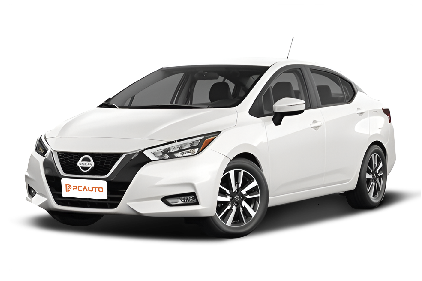
Currently, the Nissan Sunny has indeed been discontinued in the Malaysian market. This classic economy sedan gradually withdrew from the market as consumer demand shifted towards SUVs and crossovers. However, there is still a relatively high circulation volume in the used - car market. For consumers considering economy sedans, they can focus on alternative models like the Nissan Almera. It is equipped with a 1.0L turbocharged engine, which better meets modern requirements in terms of fuel economy and equipment.
In recent years, the Malaysian market has clearly shown a preference for high - chassis vehicles. This has prompted many brands to adjust their product lines. Local models such as the Proton Saga and Perodua Bezza continue to sell well as they are more in line with local road conditions and consumption habits. If you're looking for Japanese used sedans, apart from the Sunny, the Toyota Vios and Honda City are also reliable choices, as they perform excellently in terms of maintenance costs and parts supply.
It is recommended to confirm the latest product information through official channels before purchasing a car. At the same time, weigh the cost - effectiveness differences between new and used cars according to your own needs.
Special Disclaimer: This content is published by users and does not represent the views or position of PCauto.
Related Q&A
Q
How many km per liter is a Nissan Sunny?
The fuel consumption of the Nissan Sunny varies depending on the model year, engine displacement, and driving conditions. Generally, it consumes about 12 to 14 kilometers per liter (km/l) in urban driving, while on the highway, it can reach 16 to 18 km/l. The specific figures may vary due to driving habits, road conditions, and vehicle maintenance. As an economy sedan, the Nissan Sunny's fuel efficiency is moderate among similar models, making it suitable for daily commuting and family use.
If you want to further improve the fuel consumption, it is recommended to regularly maintain the vehicle. For example, replace the air filter, use the appropriate engine oil, and keep the tire pressure within the recommended range. Additionally, smooth driving, avoiding sudden acceleration and hard braking, can also significantly enhance fuel economy. In Malaysia, due to the hot climate, frequent use of the air - conditioning may have a certain impact on fuel consumption. Therefore, using the air - conditioning reasonably is also a little trick to save fuel.
If you are considering buying a used car, it is advisable to check the vehicle's maintenance records to ensure that the engine and transmission system are in good condition, thus maintaining optimal fuel efficiency.
 StormBreakerFeb 9, 2026
Q
Does the Nissan Sunny have ABS?
Yes, the Nissan Sunny models sold in the Malaysian market are indeed equipped with ABS (Anti-lock Braking System). This is an important safety feature that can prevent the wheels from locking up during emergency braking, helping the driver maintain control of the vehicle, especially on slippery roads. In addition to ABS, the Nissan Sunny may also be equipped with other basic safety features, such as EBD (Electronic Brakeforce Distribution) and dual airbags. The specific configurations may vary depending on the model year and version.
For Malaysian consumers, it's very important to choose a vehicle equipped with ABS. Since the local climate is rainy and slippery roads are quite common, ABS can significantly enhance driving safety. If you're considering buying a Nissan Sunny or other models, it's recommended to further check the official specifications or consult the dealer to confirm the specific safety configurations. You can also compare the safety performance of vehicles in the same class to make a more comprehensive car - buying decision.
 BronzeBeastFeb 9, 2026
Q
Is the Nissan Sunny fuel efficient?
As an economical sedan, the Nissan Sunny performs quite well in terms of fuel efficiency, making it suitable for the daily commuting needs of Malaysian consumers. It is equipped with a 1.5L naturally aspirated engine paired with a CVT transmission. According to official data, the combined fuel consumption is approximately 5.3 - 5.8L per 100km, which is above average among vehicles in the same class. Especially in congested urban traffic, the smoothness of the CVT transmission helps reduce fuel consumption during frequent stops and starts. If the driver maintains a gentle driving style, the actual fuel consumption can be close to the official figures.
It's worth noting that fuel economy is also affected by road conditions, maintenance status, and driving style. Regular maintenance, such as replacing the air filter and using engine oil with the appropriate viscosity, can further optimize fuel consumption. For Malaysian users with limited budgets who value practicality, the fuel costs and maintenance expenses of the Sunny are relatively affordable. If there are higher requirements for energy - saving, users can also look into hybrid models in the same class from other brands, but they need to comprehensively consider the vehicle purchase budget and technological maturity.
 TornadoTwistFeb 9, 2026
Q
Does the Nissan Sunny have airbags?
Some models of the Nissan Sunny in the Malaysian market are indeed equipped with airbags. The specific configurations vary depending on different years and versions. For example, newer models usually come standard with dual airbags for the driver and front - passenger, while older entry - level models may only have a single airbag. It is recommended that car owners confirm this through the “AIRBAG” logo on the vehicle's steering wheel or by referring to the user manual. As a common economy - class sedan in Malaysia, the safety configuration of the Sunny is at the mainstream level among Japanese cars in the same class. Besides airbags, it may also be equipped with basic safety systems such as ABS and EBD. It's worth noting that the Malaysian government has mandated dual airbags as a standard feature for new cars since 2018. Therefore, the safety performance of vehicles produced in recent years has been significantly improved. Consumers should also pay attention to this key configuration when purchasing used cars. For friends who want to learn more about automotive safety technology, they can follow the ASEAN NCAP's crash test reports, which will comprehensively evaluate multiple passive safety indicators, including the deployment timing of airbags and seatbelt pre - tensioners. These data are very valuable for Malaysian consumers.
 SilverStrikeFeb 9, 2026
Q
What is the mileage of the old Nissan Sunny?
The official combined fuel consumption of different models of the 2023 Nissan Sunny is 5.1L/100km, and the fuel type is gasoline. However, the actual mileage will be affected by various factors. For example, driving habits play a role. Frequent rapid acceleration and sudden braking will increase fuel consumption and reduce the mileage. On the contrary, smooth driving and reasonable gear - shifting can help improve fuel efficiency and increase the actual drivable mileage.
Road conditions are also crucial. In congested sections where the vehicle frequently starts and stops and the engine stays in idle mode for a long time, fuel consumption rises and the mileage decreases. While on smooth highways or in suburbs with good road conditions, the vehicle can maintain a stable speed, resulting in relatively lower fuel consumption and the actual mileage will be closer to the official data.
In addition, factors such as vehicle load and tire pressure can also have an impact on the actual mileage.
 VoidWalkerFeb 9, 2026
Q
How many gears does a Nissan Sunny have?
The Nissan Sunny models available in the Malaysian market are usually equipped with a CVT (Continuously Variable Transmission). This type of transmission uses a steel belt and conical pulleys to achieve continuous variable speed. It doesn't have fixed gears in the traditional sense, so it can be understood as "continuously variable" rather than having a fixed number of gears. However, in some driving modes, it can simulate the 7 - speed shifting logic of a traditional automatic transmission to enhance the driving pleasure.
It's worth noting that CVT technology can optimize fuel economy, which is suitable for the stop - and - go traffic conditions in Malaysian cities. Meanwhile, its smooth acceleration experience is also one of its advantages. If you're considering an earlier model of the Nissan Sunny (such as versions before 2010), it may be equipped with a 4 - speed automatic transmission. The specific configuration needs to be confirmed according to the vehicle's year and equipment.
It is recommended that car owners refer to the vehicle manual or check the transmission type through the chassis number. There may be differences in different market versions. In the hot climate of Malaysia, regularly changing the CVT fluid is particularly important for maintaining the performance of the transmission.
 ApexPredatorFeb 9, 2026
Q
How far can you go on a Nissan Sunny fuel tank?
The fuel tank capacity of the Nissan Sunny is approximately 41 liters. According to official data, its combined fuel consumption is about 6.5 liters per 100 kilometers. Therefore, when the tank is full, it can theoretically travel around 630 kilometers. The actual cruising range may vary depending on driving habits, road conditions, and vehicle maintenance status. In Malaysia, congested city roads may increase fuel consumption, while driving on highways is more fuel - efficient. It is recommended to regularly maintain the vehicle, such as checking tire pressure and replacing the air filter, to optimize fuel efficiency. Additionally, planning routes reasonably and avoiding rapid acceleration and hard braking can also help extend the driving distance. As an economical sedan, the Nissan Sunny is suitable for daily commuting and family use, and its reliable fuel economy gives it certain advantages in the Malaysian market.
 CrystalFangFeb 9, 2026
Q
Is the Nissan Sunny CVT?
Yes, the Nissan Sunny in the Malaysian market is indeed equipped with a CVT (Continuously Variable Transmission). This is an efficient and smooth transmission technology widely adopted by Nissan, aiming to improve fuel economy and driving comfort. The CVT achieves stepless speed changes through a steel belt and variable - diameter pulley sets. Compared with traditional automatic transmissions, it can adjust the gear ratio more flexibly, especially performing better in congested urban road conditions. In Malaysia, the CVT version of the Nissan Sunny is favored by many family users for its low maintenance cost and its suitability for daily commuting.
It should be noted that the driving experience of a CVT is slightly different from that of a traditional automatic transmission. During acceleration, the engine speed remains stable instead of changing in steps, so new owners may need a short period of adaptation. In addition, regularly replacing the special CVT transmission fluid is crucial for maintaining its long - term reliability. Nissan's authorized service centers in Malaysia all provide professional CVT maintenance services. It is recommended that owners follow the official maintenance manual to ensure optimal performance.
 LaserBeamFeb 9, 2026
Q
What is the safety rating of the Nissan Sunny?
As an economical and practical family sedan, the Nissan Sunny has attracted the attention of many consumers in the Malaysian market. Its safety performance is mainly based on the evaluation results of ASEAN NCAP. The 2019 model once received a 3-star safety rating (out of 5 stars) from this institution, showing an average performance. In the test, it scored 67.9% in the adult occupant protection project and 53.5% in the child occupant protection project. It is equipped with basic safety features such as dual airbags, ABS + EBD, and a body stability system (in some high - end models).
It's worth noting that the testing standards of ASEAN NCAP focus on the road conditions and vehicle - using environments in Southeast Asia, which are different from the focuses of the European Euro NCAP or the US IIHS. It is recommended to check the latest model's evaluation data on the official website before purchasing a car. For safety - conscious consumers, they can also learn about the performance of models in the same class, such as the Toyota Vios (5 stars in ASEAN NCAP) or the Honda City (4 stars in some model years). At the same time, it is a reminder to Malaysian car owners that even if the vehicle's active safety features are limited, correctly using seat belts, child safety seats, and maintaining a reasonable speed are still the key factors to improve driving safety.
 ShadowSneakFeb 9, 2026
Q
What are the benefits of Nissan Sunny?
The Nissan Sunny has quite a few advantages. In terms of safety, it comes standard with ABS anti-lock braking, vehicle stability control, lane departure warning system, etc. Some models also feature active braking, forward collision warning, lane change assist, etc., which can effectively reduce the risk of accidents. There are two airbags in the driver's and front passenger's seats inside the car, as well as ISO FIX child seat interfaces to ensure the safety of different passengers.
In terms of comfort features, it is equipped with a HUD head-up digital display, a Digital Multi - function Display instrument panel, a 220V/230V power supply, and a Keyless Operation door lock. The front - row air - conditioning in some models is automatic. Regarding the seats, the driver's seat has 6 - way manual adjustment, the front passenger's seat has 4 - way manual adjustment, and the rear seats can be folded down in a 60:40 ratio, allowing for flexible use of space.
In addition, its official combined fuel consumption is 5.1L/100km, indicating good fuel economy. Moreover, the engine has a maximum horsepower of 120PS, which can meet the power requirements for daily driving.
 MercurySwiftFeb 16, 2026
Popular Cars
Model Year
Car Compare
Car Photo
Related Models
 Cars
CarsLatest Q&A
Q
What does 5W-40 oil stand for?
5W-40 is a viscosity grade designation for engine oil. The "5W" indicates low-temperature fluidity, where the number 5 signifies the oil can maintain good fluidity even in extremely cold environments of -35℃, ensuring rapid engine lubrication during cold starts. "W" stands for Winter, highlighting its low-temperature performance. The "40" denotes the oil's kinematic viscosity at 100℃; a higher value indicates greater high-temperature oil film strength, effectively reducing engine component wear under high-temperature conditions. This oil is particularly suitable for turbocharged engines, high-mileage vehicles, and models frequently subjected to heavy loads or long-distance driving. Its advanced cleaning and dispersant technology provides long-lasting protection against sludge and carbon deposit formation. Replacement is recommended every 8,000 to 10,000 kilometers or annually. When selecting oil, always check for API or ACEA certifications and avoid mixing different brands or viscosity grades to maintain optimal performance.
 CobaltCrushMar 13, 2026
Q
Is Chery Tiggo 8 a good car?
Chery Tiggo 8 is a D-segment SUV with outstanding overall performance. The 2026 fuel-powered model is priced at RM 129,800, featuring a 1.6L naturally aspirated engine delivering 197PS maximum horsepower, paired with a 7-speed dual-clutch transmission. The permanent all-wheel-drive system enables a top speed of 210km/h and accelerates from 0-100km/h in 8.9 seconds, with a combined fuel consumption of 7.2L/100km. For safety, it comes standard with nine airbags, lane departure warning, autonomous emergency braking, among other features. In the 2025 Euro NCAP crash tests, it earned a five-star rating with 82% adult occupant protection and 85% child occupant protection scores. The vehicle offers flexible 5/6/7-seat configurations, a 193L boot capacity, and is equipped with a 10.25-inch infotainment display and Sony sound system. The plug-in hybrid variant, Tiggo 8 PHEV, combines a 1.5T engine with an electric motor, generating 279PS combined system output and offering 90km pure electric range, priced at RM 159,800. Praised by automotive experts as "a practical family SUV delivering premium features at entry-level pricing," the series stands out for its exceptional value proposition, advanced technologies (including head-up display and 360-degree camera), and segment-leading safety – making it particularly suitable for buyers prioritizing space and safety.
 AstralFlightMar 13, 2026
Q
Why is Chery so cheap?
Chery Automobile's pricing strategy in the Malaysian market is primarily based on localized production, competitive positioning, and brand promotion requirements. Taking the Omoda 5 as an example, its starting price is 108,800 Malaysian ringgit, significantly lower than comparable models such as the Honda HR-V (approximately 130,000 Malaysian ringgit). This advantage stems from Chery's adoption of the CKD (Completely Knocked Down) model to reduce tariff and logistics costs, while streamlining production efficiency through simplified configurations (e.g., offering only one variant of the Tiggo 8 Pro). The pricing strategy also reflects the brand's market penetration approach during its re-entry phase. For instance, the Tiggo 7 Pro launch included a limited-time 4,000 Malaysian ringgit discount for early buyers, bringing the effective price to 119,800 Malaysian ringgit—a direct challenge to the Proton X70's 126,800 Malaysian ringgit. Notably, Chery addresses its brand recognition gap by offering extended warranties (7 years or 150,000 km) and complimentary services (5-year labor fee waiver). This "high value-for-money + long-term assurance" package effectively mitigates consumer hesitations about new brands.
From an industry standpoint, Malaysia's auto market is dominated by domestic brands like Perodua. Chery strategically positions its core models in the 100,000-160,000 Malaysian ringgit segment, avoiding price wars with local brands under 70,000 ringgit while competing with Japanese rivals at 70%-80% of their price points. This differentiation drove cumulative sales of 7,000 units from September 2023 to February 2024, outpacing secondary brands like Mitsubishi. Looking ahead, expanded localized production of electric models such as the Omoda E5 is expected to yield greater economies of scale, further reducing manufacturing costs.
 MysticGlowMar 13, 2026
Q
What are the top 3 most reliable cars?
Based on the reliability data and consumer feedback from the Malaysian automotive market between 2023 and 2026, the three most reliable car models currently are the Toyota Hilux, Honda City, and Mazda CX-5. The Toyota Hilux, with its durable diesel engine and highly corrosion-resistant body structure, has long dominated the pickup truck market. It is particularly suitable for both commercial and household use in tropical climates, boasting a used car resale value retention rate of up to 75%. As a benchmark in the B-segment sedan category, the Honda City is equipped with a 1.5L i-VTEC engine, achieving a combined fuel consumption of just 5.4L/100km. Its chassis tuning strikes a balance between comfort and handling, with maintenance costs 30% lower than comparable German models. The Mazda CX-5, built around SKYACTIV technology, features an engine with 40% thermal efficiency. Combined with the G-Vectoring torque control system, it delivers a near-luxury driving experience while maintaining low fuel consumption at 6.8L/100km, with a five-year failure rate of merely 8.7%. Notably, all three models come with original manufacturer warranties exceeding five years, with authorized service center coverage exceeding 90% nationwide and spare parts delivery cycles under three days—significantly reducing hidden ownership costs. For budgets ranging between RM80,000 to RM150,000, these three vehicles represent the optimal market choices in terms of durability, cost-efficiency, and after-sales support.
 AzureStormMar 13, 2026
Q
Is Chery Tiggo 8 fuel efficient?
Chery Tiggo 8 performs well in terms of fuel economy. Official data shows that its model equipped with the 1.6 TGDi engine has a combined fuel consumption of 7.0L/100km, which is a reasonable level among mid-size SUVs in the same class. This engine utilizes turbocharging technology, delivering a maximum output power of 197PS and a peak torque of 290Nm, paired with a 7-speed dual-clutch transmission. It optimizes fuel efficiency while maintaining power performance. In actual use, fuel consumption is influenced by driving habits and road conditions. For instance, it may increase to 9.2L/100km in congested urban areas, while dropping to as low as 5.6L/100km during highway cruising. The vehicle also features multiple energy-saving technologies, including an engine with a thermal efficiency of 44.5% and an efficient transmission system. These designs contribute to lowering long-term operating costs. Additionally, this model only requires 92-octane gasoline, further reducing fuel expenses. Overall, Tiggo 8 achieves an excellent balance between power and fuel economy, making it ideal for cost-conscious consumers who prioritize practicality.
 CrimsonHunterMar 13, 2026
Related News

The third-generation Nissan Leaf officially debuts: from a hatchback car to a crossover SUV with a 622 km range
WilliamMar 11, 2026

1000km full-tank range! 2026 Nissan Serena e-Power officially launched in Malaysia
JohnMar 5, 2026

2026 Nissan March: A Rebirth or the End of the Road for the B-Segment Hatchback?
JamesMar 4, 2026

How much does it cost to own a used Nissan March in Malaysia?
LienFeb 10, 2026

From Fuel to All-Electric: Looking Back at Nissan March's 40-Year Journey
AshleyFeb 9, 2026
View More
Pros
Cons