
Q
Is the Xiaomi SU7 fully electric?
 JaxSep 12, 2025, 03:47 PM
Yes, the Xiaomi SU7 is a pure electric vehicle that runs entirely on batteries and doesn't rely on traditional fuel engines. It's also Xiaomi's first foray into the electric vehicle market. For consumers in Malaysia, pure electric vehicles are gradually becoming a popular choice, especially with the government's push for green transportation and tax incentives. Models like the SU7 are likely to draw more attention.
It is equipped with advanced battery technology, offering a long driving range and supporting fast charging, making it suitable for both daily commutes and long - distance drives. Additionally, the maintenance cost of electric vehicles is usually lower than that of fuel vehicles, as there's no need to replace consumables like engine oil and spark plugs.
If you're thinking about buying an electric vehicle, apart from considering the driving range and charging facilities, you can also focus on the vehicle's intelligent technological features. For example, the SU7 may come with autonomous driving assistance functions and in - car connectivity systems, which can enhance the driving experience.
Of course, the charging infrastructure in Malaysia is still under development. It's recommended to check the distribution of charging stations near your residence in advance to ensure convenient use.
Special Disclaimer: This content is published by users and does not represent the views or position of PCauto.
Related Q&A
Q
What is the safety rating of Xiaomi SU7?
As the first pure - electric sedan from Xiaomi, the safety performance of the Xiaomi SU7 has drawn a great deal of attention. Although the full official safety ratings (such as Euro NCAP or C - NCAP) haven't been released yet, according to the publicly available technical specifications, this model is equipped with a number of active safety technologies, including adaptive cruise control, lane - keeping assist, and automatic emergency braking. Meanwhile, the vehicle body uses high - strength steel and has a battery protection design to enhance passive safety.
For Malaysian consumers, special attention should be paid to the battery thermal management system and local climate adaptability when it comes to electric vehicle safety. The SU7's IP67 waterproof and dust - proof rating and multiple battery safety monitoring systems can handle the hot and rainy environment.
If you want to learn more about the vehicle's safety, it is recommended to refer to the test results from authoritative institutions that will be released in the future. At the same time, comparing the ratings of comparable models like the Tesla Model 3 or the BYD Han can help you make a more comprehensive evaluation when purchasing a car.
With the growing demand for electric vehicles in the Malaysian market, it is advisable for consumers to have a test drive in person before buying and consult local dealers for specific information about the charging network and after - sales service.
 QuiSep 12, 2025
Q
Why is the Xiaomi SU7 so popular?
The reason why the Xiaomi SU7 has received extensive attention in Malaysia is mainly due to its excellent cost - performance ratio and innovative intelligent technology configuration. As Xiaomi's first electric vehicle, the SU7 combines the advantages of high performance and intelligence. For example, it is equipped with an advanced autonomous driving assistance system and has a long - range battery life, meeting the dual needs of modern consumers for technology and environmental protection.
In addition, the high reputation that the Xiaomi brand has built up in the electronics field has also brought additional trust to its automotive products, making consumers full of expectations for its quality. In the Malaysian market, electric vehicles are gradually becoming a trend. The launch of the SU7 exactly meets the local consumers' pursuit of green travel and intelligent experiences. Coupled with Xiaomi's proficient marketing strategies, its popularity has been further amplified.
It is worth mentioning that the Malaysian government has been actively promoting the popularization of electric vehicles in recent years, including offering tax incentives and building charging facilities, which has also created a favorable environment for the popularity of electric vehicle models like the SU7. If you are interested in electric vehicles, you can pay more attention to the development of the local charging network and the battery life performance of different brands to make a more suitable choice for yourself.
 PamSep 12, 2025
Q
What type of plug is Xiaomi SU7?
As a pure electric vehicle, the Xiaomi SU7 is equipped with charging plugs that comply with the Chinese national standard (GB/T). Specifically, it supports two charging methods: GB/T DC fast charging and AC slow charging. This means that when using the vehicle in Malaysia, an adapter or a conversion plug may be required. In Malaysia, the Type 2 (Mennekes) standard is commonly used as the AC charging interface, while CCS2 is widely adopted for DC fast charging.
For Malaysian users considering purchasing or using the Xiaomi SU7, it is advisable to understand the compatibility of local charging piles. Some public charging stations may support multi - standard plugs, or charging can be achieved through adapters. Additionally, there are differences in electric vehicle charging standards across different regions. For example, CCS2 is predominantly used in Europe, while GB/T is the main standard in China. Such differences need to be paid special attention to when using the vehicle across countries. A suitable charging solution should be selected to ensure efficient energy replenishment for the vehicle.
With the global development of electric vehicles, the charging standards may be further unified in the future. However, currently, vehicle owners still need to keep an eye on the compatibility of local infrastructure.
 NedSep 12, 2025
Q
How long does it take to make a Xiaomi SU7?
As the first pure - electric vehicle from Xiaomi, the production cycle of the Xiaomi SU7 is generally similar to that of most new - energy vehicles. It usually takes about 4 to 8 weeks from order confirmation to delivery. The specific duration may vary depending on configuration choices, production capacity arrangements, and supply - chain conditions. For consumers in Malaysia, processes such as vehicle import customs clearance and local certification need to be considered, which may add an additional 2 to 4 weeks of waiting time.
It's worth noting that the production efficiency of new - energy vehicles has significantly improved in recent years, thanks to highly automated production lines and modular design. For example, the CTB (Cell - to - Body) technology adopted by the Xiaomi SU7 not only optimizes the production process but also enhances the vehicle's structural strength and range performance.
If you're ordering the SU7 in Malaysia, it's recommended to check the latest delivery schedule through official channels. Also, keep an eye on local new - energy vehicle policies, such as import tariff exemptions or the progress of charging infrastructure construction, as these may influence your car - buying decision and usage experience.
 LiaSep 12, 2025
Q
What is the range of Xiaomi SU7 in real life?
The actual driving range of the Xiaomi SU7 is affected by various factors such as driving habits, road conditions, and ambient temperature. Under normal temperature conditions, the high - speed driving range of the four - wheel drive version of the vehicle stabilizes between 300 - 350 kilometers, and the range achievement rate under the CLTC driving cycle is about 75%. When there is continuous high - intensity output, the driving range may be reduced to about 60% of the nominal value. In winter's low - temperature environment, especially when the temperature is below zero, the driving range will decrease by 20 - 25%.
As for the standard version, when driving smoothly in the urban area on a daily basis with the air - conditioner and music on, the range achievement rate can reach about 85%, and the actual driving range can reach 595 kilometers. When driving on the highway at a constant speed of 110 km/h with the air - conditioner on and cruise control enabled throughout the journey, the actually measured driving range can reach 490 kilometers.
The Max version equipped with a 101 - kWh ternary lithium battery can actually run 559 kilometers under the conditions of high - speed driving, heavy rain, and the air - conditioner running at full capacity, with a range achievement rate as high as 97%.
 KipSep 12, 2025
Q
What is the wait time for Xiaomi SU7?
Currently, the delivery waiting time for the Xiaomi SU7 in the Chinese market is approximately 4 to 6 months. The specific duration depends on the configuration selected and the order volume. However, this model has not been officially launched in Malaysia yet, so local consumers can't place orders for it for now. If it enters the Malaysian market in the future, the waiting time may be affected by factors such as the local supply chain, certification process, and distribution channels. It is recommended to follow the official announcements of Xiaomi Auto or the information from local authorized dealers to get the latest updates.
For Malaysian consumers, while waiting for new energy vehicles, they can first learn about the layout of local charging facilities and government subsidy policies. For example, the current tariff rates imposed on imported electric vehicles and the installation specifications of charging piles in Malaysia. This information will help in planning future car - buying decisions.
It's worth mentioning that the Malaysian government plans to increase the proportion of electric vehicles to 15% by 2030. More new energy vehicles from international brands may be introduced in the future, and consumers can comprehensively compare the cost - effectiveness and after - sales service networks of different models.
 IvySep 12, 2025
Q
What is the price of the Xiaomi SU7?
As Xiaomi's first pure-electric sedan, the starting price of the Xiaomi SU7 in the Chinese market is currently around RMB 215,900 (approximately RM 142,000). The specific price varies depending on the configuration and regional policies. Regarding the Malaysian market, Xiaomi has not officially announced its plan to enter. However, referring to the localization strategies of other Chinese EV brands like BYD, if the SU7 is introduced in the future, the selling price may be adjusted considering factors such as tariffs, local assembly costs, and subsidies. Malaysian consumers should note that the prices of EVs are usually affected by battery technology (such as lithium iron phosphate or ternary lithium batteries), the cruising range (the standard version of the SU7 has a CLTC cruising range of about 700 kilometers), and intelligent driving functions. If the SU7 is launched in Malaysia, its competitiveness will depend on the development of local charging infrastructure, government tax incentives (such as import tax exemptions or road tax concessions), and a comparison with already launched models like the Tesla Model 3 and BYD Seal. It is recommended to keep an eye on the new energy vehicle policies of the Ministry of International Trade and Industry (MITI) in Malaysia and the official announcements from Xiaomi to obtain accurate information.
 HueSep 12, 2025
Q
How fast is the Xiaomi SU7?
As the first pure - electric vehicle model of Xiaomi Auto, the performance of the Xiaomi SU7 has attracted wide attention. According to official data, the SU7 Max version is equipped with a dual - motor four - wheel drive system, with a maximum power of 673 horsepower. It can accelerate from 0 to 100 km/h in just 2.78 seconds and reach a top speed of 265 km/h. This achievement has placed it in the first echelon of high - performance electric vehicles. For users in Malaysia, such acceleration ability is more than enough to meet the needs of daily driving and even track experiences.
It's worth noting that electric vehicles usually have better acceleration performance than fuel - powered vehicles in the same class because electric motors can output maximum torque instantly. However, the actual range will be affected by the driving style. It is recommended to pay attention to the power consumption during aggressive driving. In addition, the hot climate in Malaysia poses higher requirements for battery thermal management. The CTB (Cell - to - Body) battery - body integration technology and the efficient cooling system adopted by the SU7 can effectively handle high - temperature environments. It is recommended that interested users visit the authorized showrooms to personally experience its acceleration performance and intelligent features.
 GusSep 12, 2025
Q
How safe is the Xiaomi SU7?
As Xiaomi's first electric vehicle, the safety performance of the Xiaomi SU7 is worthy of attention. This car adopts a high-strength body structure and is equipped with a number of active safety technologies, such as adaptive cruise control, lane-keeping assist, and automatic emergency braking. These functions play a positive role in enhancing driving safety and are especially suitable for the complex urban road conditions in Malaysia and the needs of long-distance driving. In addition, the battery system of the Xiaomi SU7 has passed a number of rigorous tests, including high-temperature, collision, and waterproof tests, to ensure its stability and safety in the tropical climate. For Malaysian consumers, when choosing an electric vehicle, in addition to paying attention to the range and performance, safety is of the utmost importance. It is recommended to refer to the crash test results of local or international authoritative institutions before purchasing a car and understand the vehicle's after-sales service and warranty policy to ensure peace of mind during long-term use. Electric vehicles are gradually becoming popular in Malaysia, and the charging infrastructure is also constantly improving. In the future, there will be more models suitable for the local market to choose from.
 FaySep 12, 2025
Q
Where is the Xiaomi SU7 sold?
Currently, the Xiaomi SU7 is mainly sold in the Chinese mainland market and has not been officially launched in Malaysia or other overseas markets. However, in the future, it may gradually expand to more regions, including the Southeast Asian market, based on market demand. For Malaysian consumers who want to learn specific information about this electric vehicle, they can follow the official updates of Xiaomi Auto or consult through imported - car channels.
As a pure - electric sedan, the Xiaomi SU7 is equipped with advanced intelligent driving assistance systems and high - efficiency battery technology, offering excellent range performance. It is suitable for users who pursue a sense of technology and eco - friendly travel. If it enters the Malaysian market in the future, it may compete with local electric vehicle brands such as Proton or Perodua's electric models. However, its specific performance will depend on the localization adaptation and the construction of the after - sales service network.
Currently, the Malaysian government is actively promoting the popularization of electric vehicles, including offering tax incentives and building charging facilities. Therefore, more international electric vehicle brands may enter the Malaysian market in the future, providing consumers with more choices.
 EveSep 12, 2025
Popular Cars
Model Year
Car Compare
Car Photo
Related Models
 Cars
CarsLatest Q&A
Q
Is AMT similar to automatic?
There are significant differences between AMT transmissions and automatic transmissions (AT) in terms of core structure and driving experience. AMT is essentially an electronically automated version of a manual transmission, simulating manual clutch operation and gear shifting through a computerized control system while retaining the gear set structure of manual transmissions. As a result, it offers higher transmission efficiency, with fuel consumption approximately 8%-12% lower than AT, making it particularly suitable for highway or long-distance driving. However, it may exhibit jerking similar to manual transmissions during low-speed gear shifts, especially noticeable in congested traffic conditions.
AT transmissions rely on torque converters for power transfer, delivering smooth and seamless gear shifts that appeal to comfort-oriented users. However, their complex structure (incorporating planetary gear sets, hydraulic systems, etc.) results in higher maintenance costs. A single service may cost between 800 to 1,500 ringgit, whereas AMT only requires gear oil replacement at approximately 400 ringgit.
From a market perspective, AMT is predominantly used in budget vehicles or commercial models priced below 80,000 ringgit, while AT is typically featured in mid-to-high-end vehicles. Consumers should select based on actual needs: AMT suits those prioritizing fuel efficiency and low maintenance costs, while AT better serves those valuing comfort. Notably, recent advancements in AMT electronic control technology have significantly mitigated jerking issues, though test drives should still emphasize low-speed performance evaluation.
 AriaMar 26, 2026
Q
Which is better, DCT or AT?
DCT (Dual-Clutch Transmission) and AT (Automatic Transmission) each have their own advantages and disadvantages, and the choice should be based on personal driving needs. AT transmissions transfer power through a torque converter, offering excellent shift smoothness, making them suitable for urban commuting or novice drivers. However, they tend to have higher fuel consumption, and vehicles equipped with them are usually more expensive. DCT transmissions utilize a dual-clutch structure, featuring fast shift speeds and high power transmission efficiency, which provides a more direct driving experience—particularly suitable for users seeking a sporty feel. However, they may exhibit jerking at low speeds and have relatively high maintenance costs. If durability and comfort are priorities, AT is the more reliable choice; if power responsiveness and driving pleasure are preferred, wet DCT (such as Volkswagen DSG) performs better, though dry DCT models should be avoided in prolonged stop-and-go traffic conditions. Additionally, CVT transmissions excel in smoothness and fuel efficiency, making them ideal for daily commuting, but they lack driving excitement. It is recommended to test-drive before purchasing, as tuning varies significantly across brands, and real-world experience is more important than theoretical specifications.
 FlutteringMar 26, 2026
Q
Is Amt good or bad?
AMT gearboxes have a significant cost advantage in the local market, typically being around 5,000 Ringgit cheaper than models equipped with conventional automatic transmissions. Their fuel efficiency is comparable to manual transmissions, resulting in long-term fuel savings. Featuring a straightforward design, they achieve transmission efficiency exceeding 90% with relatively low maintenance costs, making them ideal for practicality-oriented consumers. However, their shifting logic contains inherent limitations: gear changes between 1st and 2nd cause 0.3-0.5 second power interruptions, while unintended upshifts on inclines may reduce engine speed by 15%-20%, compromising driving smoothness. For urban commuters or budget-conscious buyers, AMT offers excellent value, though those prioritizing premium driving dynamics should consider alternative transmission types. Some domestic models like the Perodua Axia employ enhanced AMT systems, where optimized shift programming has reduced gearshift shock by approximately 30%.
 RainbowsMar 26, 2026
Q
Which gives better mileage, CVT or AMT?
From the perspective of fuel economy, CVT transmissions generally perform better under urban driving conditions. Their continuously variable design allows the engine to consistently operate within the optimal speed range, significantly reducing fuel consumption during frequent starts and stops. Test data shows that their fuel consumption in urban driving conditions is 10% to 15% lower than that of comparable models. AMT transmissions, on the other hand, inherit the high transmission efficiency of manual transmissions, delivering fuel efficiency close to manual transmissions during high-speed cruising. This makes them particularly suitable for long-distance driving in large-displacement vehicles. However, due to power interruption during gear shifts, their overall fuel consumption may be 5% to 8% higher than CVTs.
The difference in fuel-saving characteristics between the two transmissions stems from their technical principles: CVTs achieve continuous variability through steel belts and pulleys, eliminating the fixed gear ratio limitations of traditional transmissions; AMTs simulate manual gear changes via electronic control systems while maintaining the mechanical efficiency of gear transmission. Notably, actual fuel consumption is also influenced by driving habits. Smooth acceleration and anticipatory deceleration can maximize the transmissions' fuel-saving potential. If the vehicle budget permits and urban commuting is the primary use, CVTs offer a more economical choice. For frequent highway driving with an emphasis on cost-effectiveness, AMTs are equally worth considering.
 RubyBlazeMar 26, 2026
Q
Which is cheaper, AMT or CVT?
In terms of gearbox cost, AMT is usually more economical than CVT. Essentially, AMT is a manual transmission equipped with an electronic control unit, featuring a simple structure and low maintenance costs. The unit price ranges from approximately 5,000 to 8,000 ringgit, making it suitable for budget-conscious consumers or those who prioritize long-term operating costs. CVT incurs higher manufacturing costs due to its precision steel belt transmission system and continuous variable transmission technology, with a unit price of about 7,000 to 10,000 ringgit. However, it delivers a smoother driving experience and superior fuel efficiency. The primary differences between the two lie in technical complexity: AMT retains the gear-shifting mechanism, resulting in noticeable shift shock; CVT achieves linear power output through stepless speed variation but requires periodic belt inspection and incurs higher maintenance expenses. For those prioritizing initial cost and basic transportation needs, AMT offers better value; if comfort and long-term fuel economy are priorities, CVT represents a more worthwhile investment. Note that actual prices may vary based on vehicle model, brand, and local supply chain factors.
 ShadowProwlMar 26, 2026
Related News

The new generation of Xiaomi SU7 MAX endurance test, continuous driving for 24 hours covering 4264 kilometers
AshleyJan 20, 2026

Xiaomi SU7 enters pre-sale with redesigned interior and 902km range
AshleyJan 12, 2026

Xiaomi SU7 reached a new record of 100,000 vehicles offline in just 230 days!
AshleyNov 13, 2024
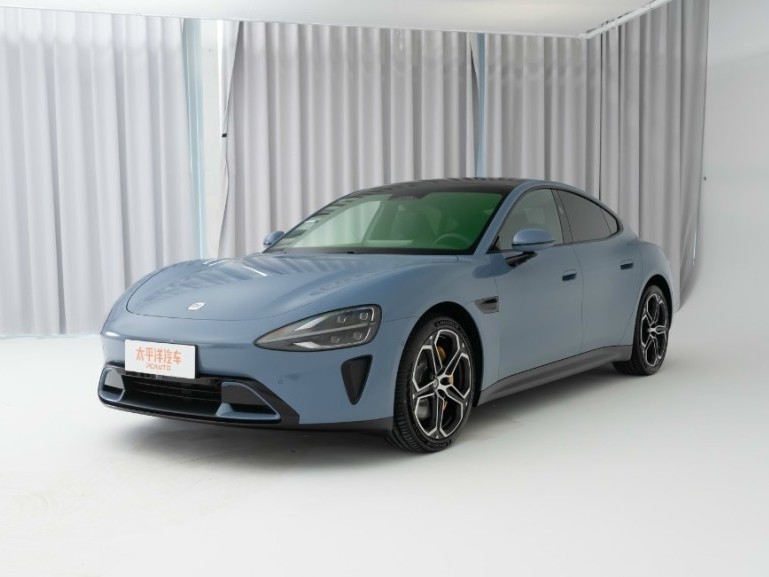
Xiaomi SU7 makes its debut! Accelerates to 100km in just 2.78s, with a maximum range of 830km!
JamesOct 17, 2024
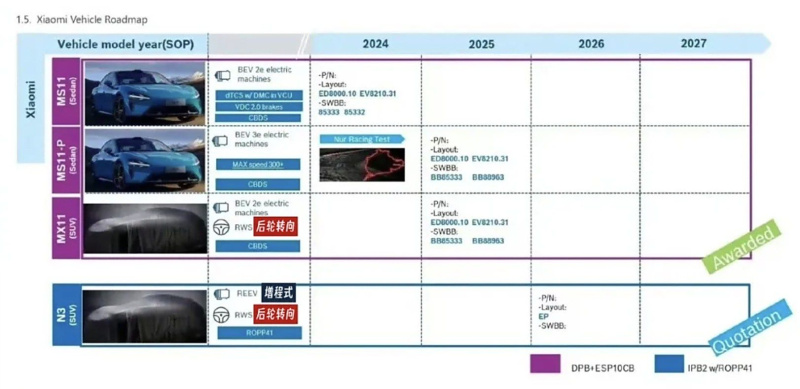
Xiaomi's brand new electric SUV is exposed, to be launched in 2025, the way the door opens is the highlight!
AshleySep 25, 2024
View More
Pros
Cons