
The new generation of Xiaomi SU7 MAX endurance test, continuous driving for 24 hours covering 4264 kilometers
 AshleyJan 20, 2026, 02:40 PM
The new generation Xiaomi SU7 MAX: 24-hour endurance test sets a record of 4264 kilometers
This achievement surpasses several domestic and international new energy vehicles of the same class
Core technology upgrades make it a leader among mass-produced vehicles
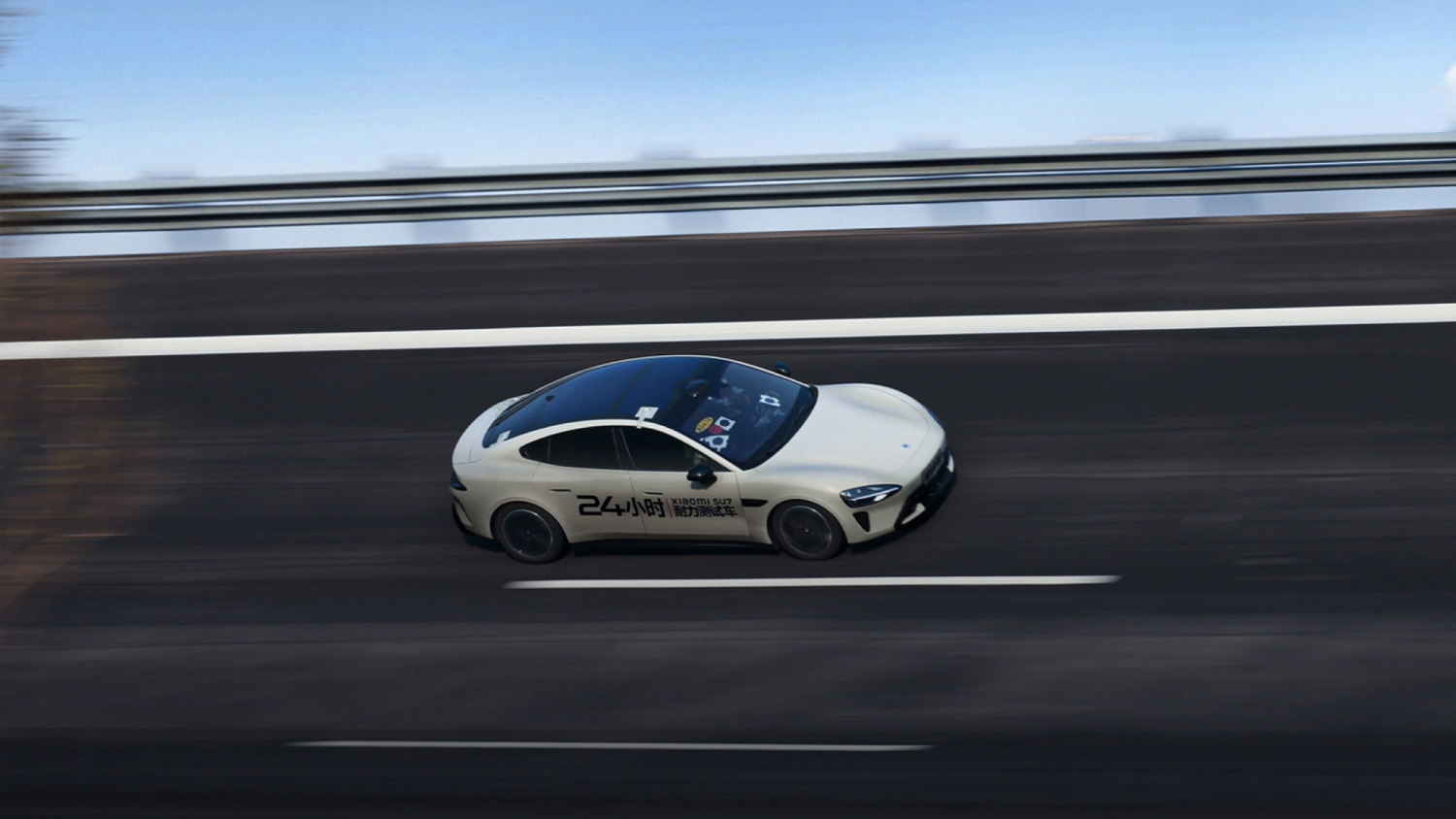
[PCauto] On January 19, Xiaomi officially announced the test results of the new generation SU7 MAX version, which successfully completed a 24-hour continuous endurance test. The test was conducted in Yancheng, Jiangsu, with an ambient temperature maintained between one to two degrees Celsius, representing low-temperature conditions.
Such an environment posed rigorous challenges to the vehicle's battery discharge efficiency, fast charging stability, and thermal management system.
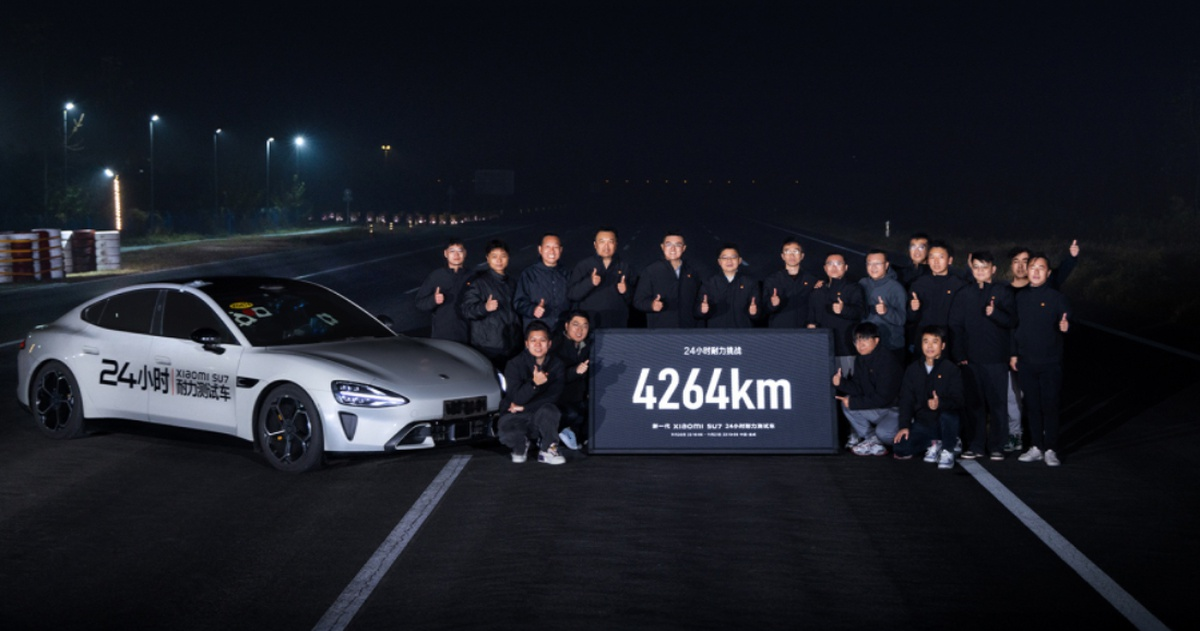
The test adopted a driver-switching mode without changing the car and maintained a high-speed cruising speed of 240km/h throughout, with a maximum speed reaching up to 265km/h. During the test, the vehicle required frequent fast charging to sustain continuous driving conditions.
Finally, the total mileage of the new generation Xiaomi SU7 MAX test car reached 4,264 kilometers, successfully breaking the previous record held by the Xpeng P7 Long Range version. The previous record of the Xpeng P7 Long Range version was 3,961 kilometers, which was also the previous record for mass-produced new energy vehicles in the 24-hour endurance test.
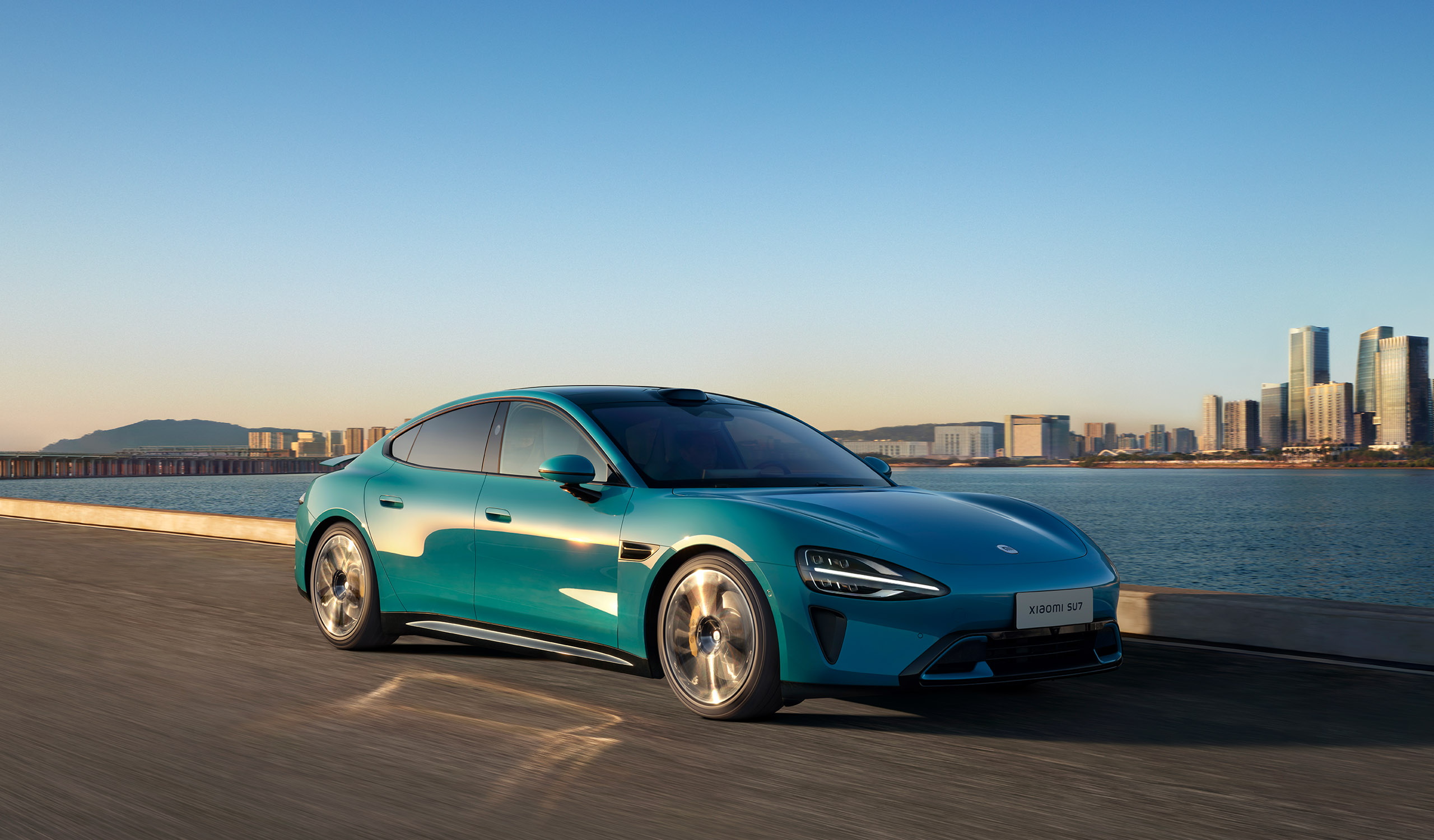
It is understood that this test car is equipped with an 897V high-voltage platform and a 101.7 kWh CATL ternary lithium battery. Energy replenishment efficiency was the key support that enabled this test to proceed smoothly, with the fastest charging capable of adding a range of 670 kilometers in 15 minutes. Fast charging from 10% to 80% only takes 20 minutes.
Such charging speeds greatly reduce the time spent on energy replenishment, ensuring continuous operation for 24 hours. The significance of this achievement can not only be validated by similar global mass-produced new energy vehicle test data but also gives people a preview of Xiaomi Auto's core technological prowess.
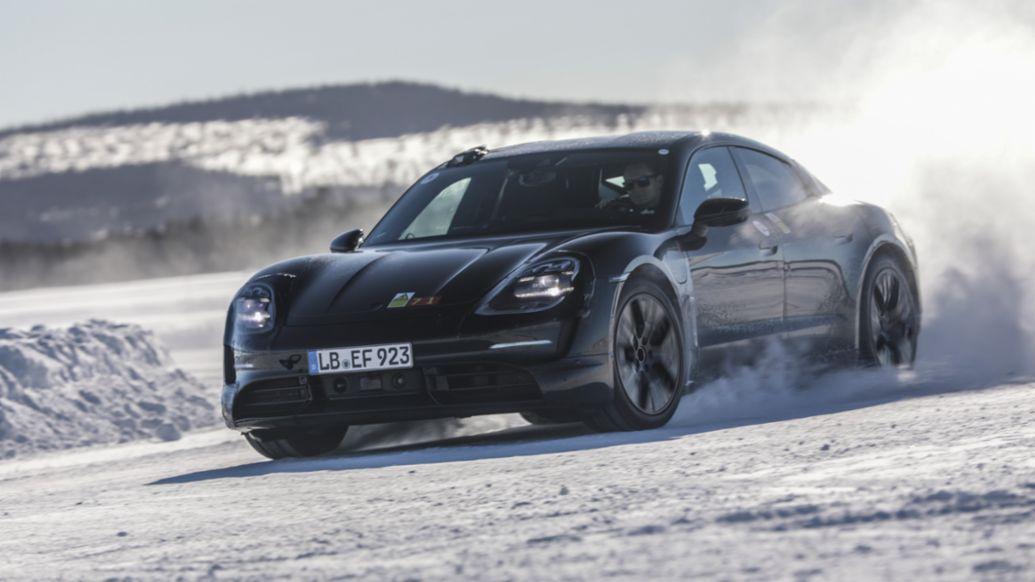
In addition, we have also collected data on some other models with strong capabilities. As a representative of overseas luxury new energy vehicles, the Porsche Taycan completed this test at the Nardo Test Track in Italy.
During the test, it maintained stable high-speed driving throughout and ultimately achieved a driving range of 3425 kilometers. This official data fundamentally validated the reliability and stability of its thermal management system and powertrain under long-term high-intensity conditions.
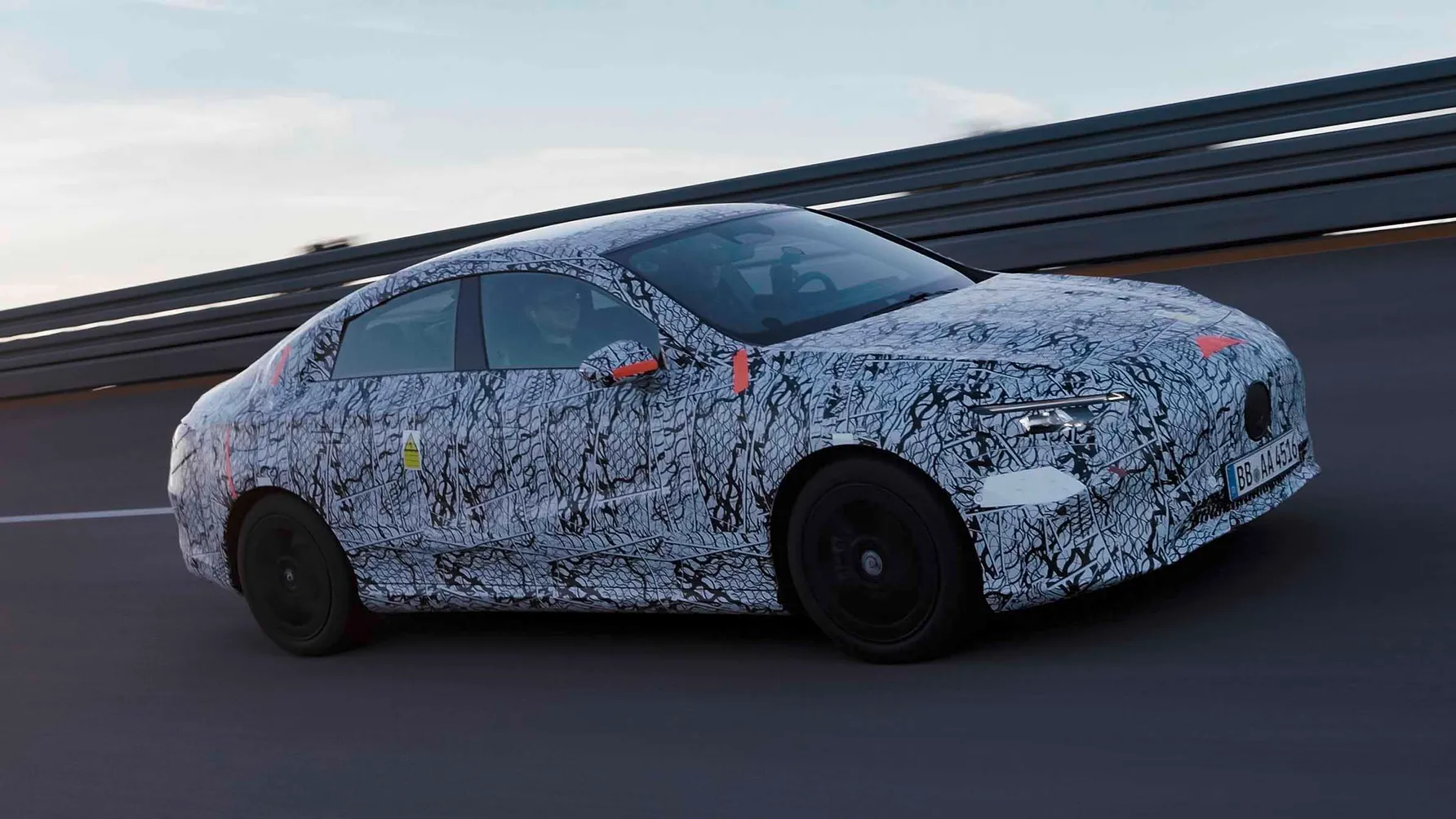
Another model from an overseas lineup, the fully electric Mercedes CLA prototype, also completed a similar test using a high-speed continuous cruise mode without changing the vehicle, achieving a final driving range of 3717 kilometers. The core objective of this test was to target the long-term continuous operation capability of the pure electric platform.
However, this result slightly falls short of the new generation Xiaomi SU7 MAX.
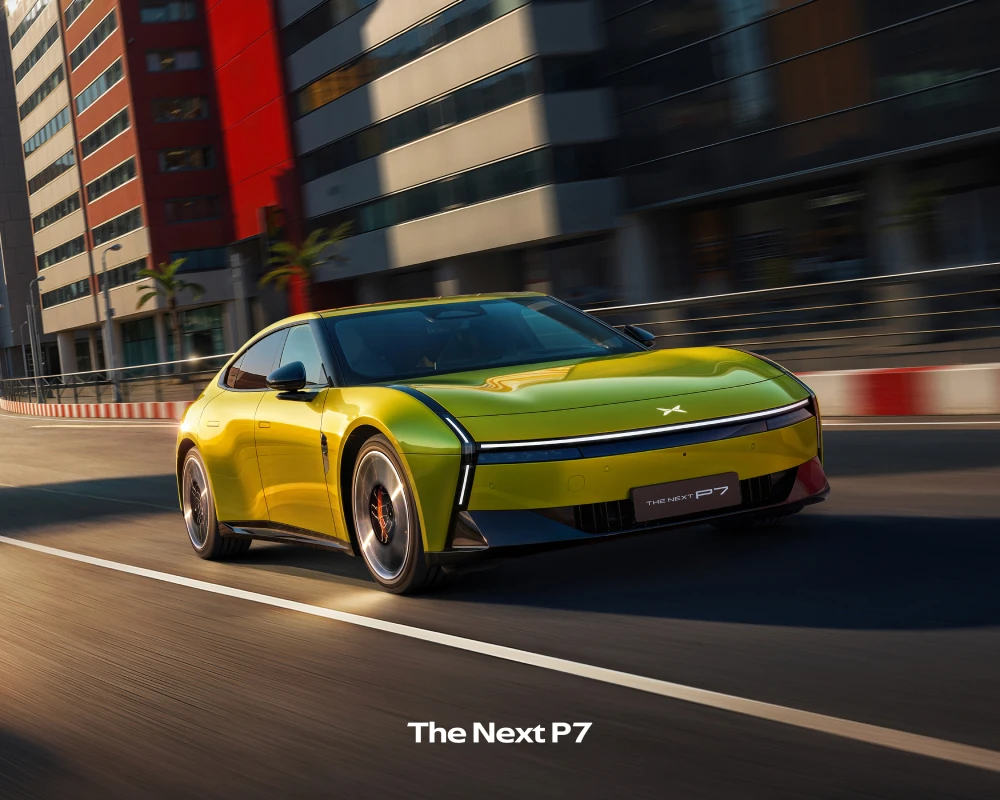
Looking at domestic models, they are also continuously pushing limits in 24-hour endurance tests. Xiaomi's previously launched YU7 MAX set a record of 3944 kilometers, while the XPeng P7 long-range version refreshed the production car record at that time with a range of 3961 kilometers.
Both of these models completed the tests in their production versions. The new generation Xiaomi SU7 MAX achieved a new breakthrough on the basis of these results, increasing by 320 kilometers compared to the Xiaomi YU7 MAX and by 303 kilometers compared to the XPeng P7 long-range version. It surpasses domestic models in the same class and outperforms several overseas luxury models, becoming a leader in this test.
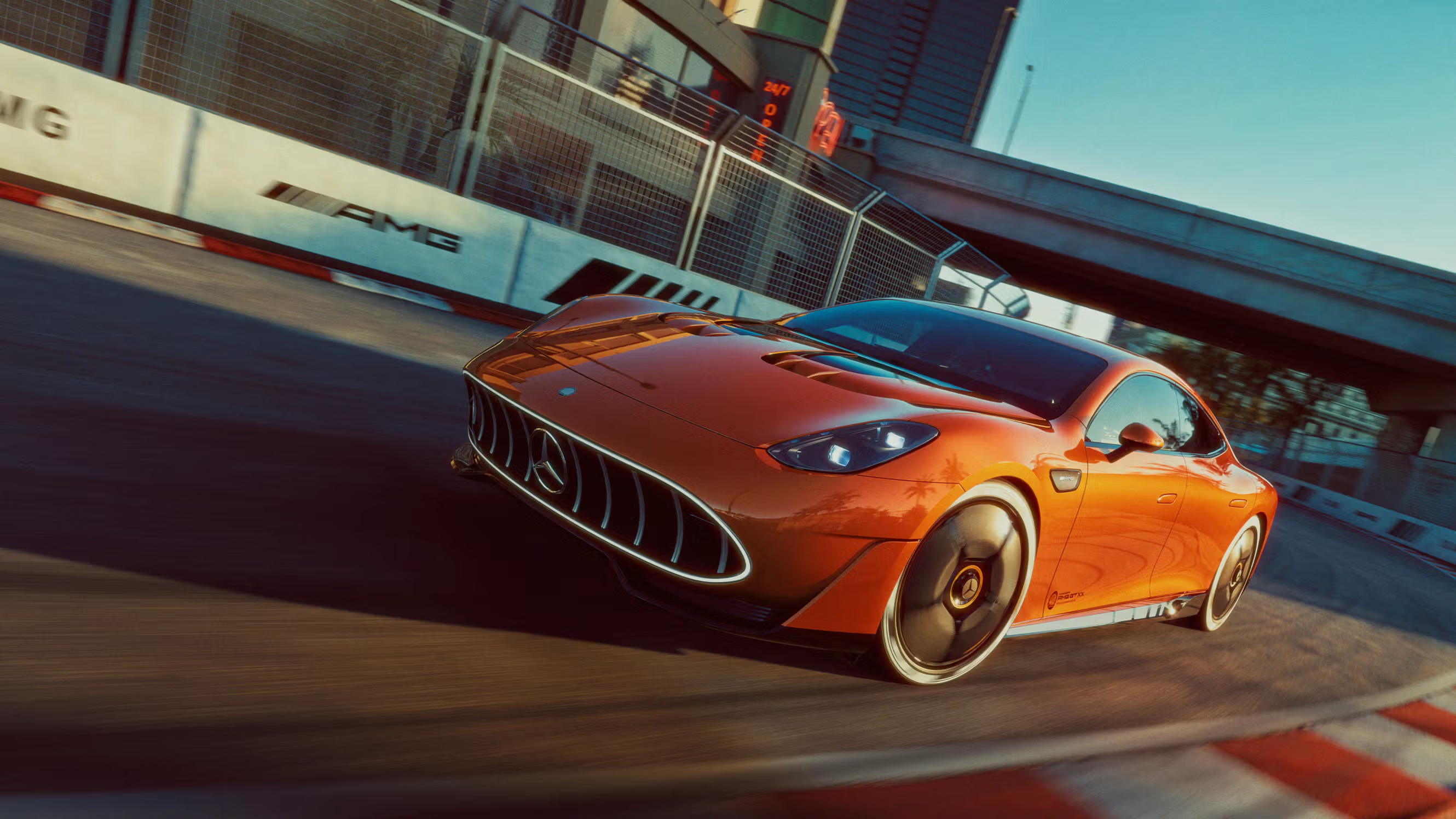
It is worth mentioning that the Mercedes-AMG GT XX pure electric concept car once achieved a result of 5479 kilometers in 24 hours.
However, there are certain differences in hardware configuration and testing conditions between concept cars and production cars, so this result is not highly referenceable.
Overall, the 4264-kilometer result of the new generation Xiaomi SU7 MAX is among the top in mass-produced new energy vehicles.
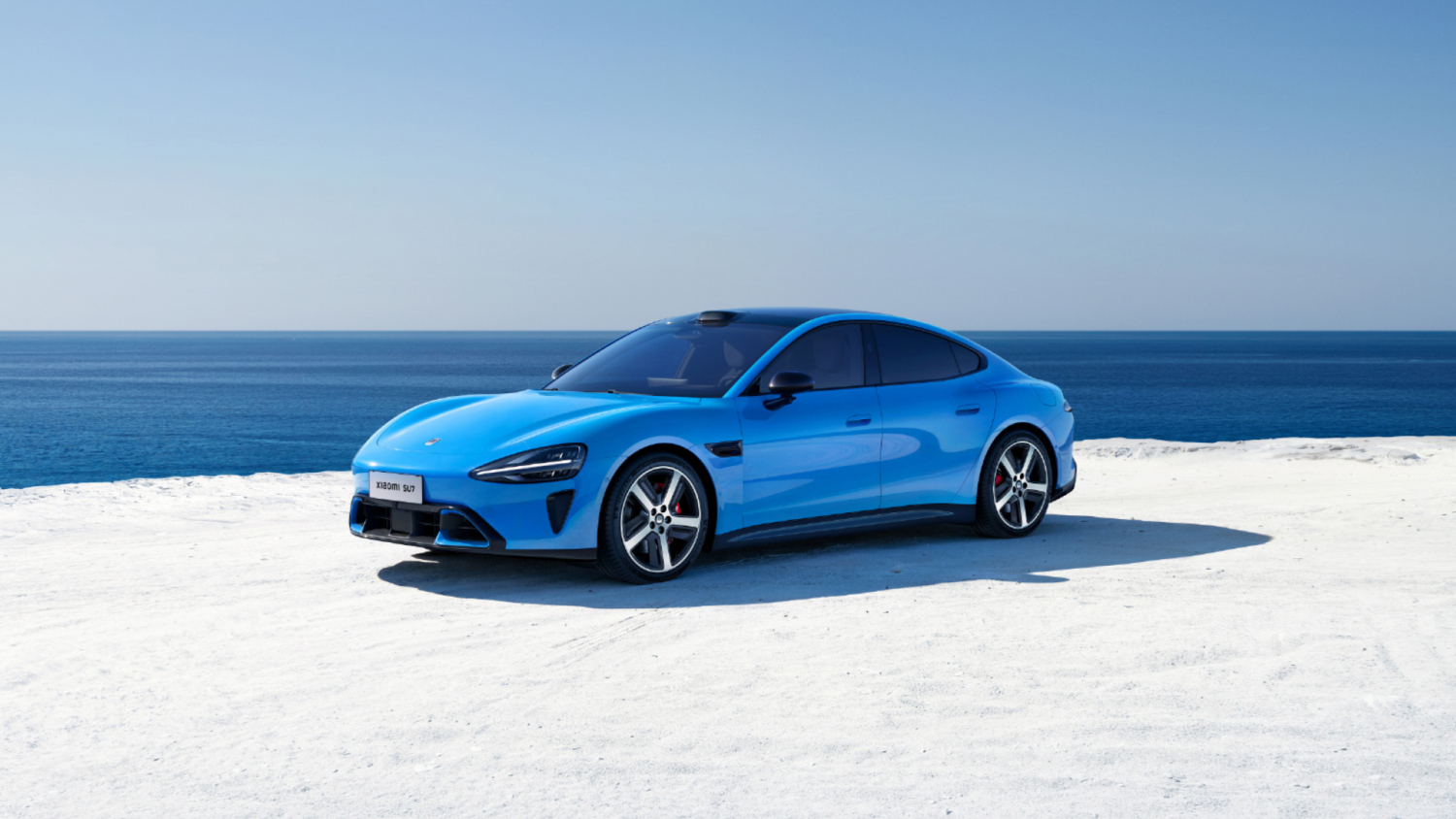
Since the new generation Xiaomi SU7 MAX is a facelifted model of the old SU7 MAX, we have to mention the improvements in chassis tuning, range capabilities, and other aspects of the new generation vehicle.
The old SU7 model adopts a 400V voltage platform, with the Max version having a CLTC range of 810 kilometers, and it takes 30 minutes to fast charge to 80%.
The new generation Max version is upgraded to an 897V quasi-900V silicon carbide high-voltage platform, reducing charging losses with this upgrade. Its CLTC range is increased to 835 kilometers, allowing 670 kilometers of energy replenishment in 15 minutes, and the fast charge time from 10% to 80% is compressed to 20 minutes.
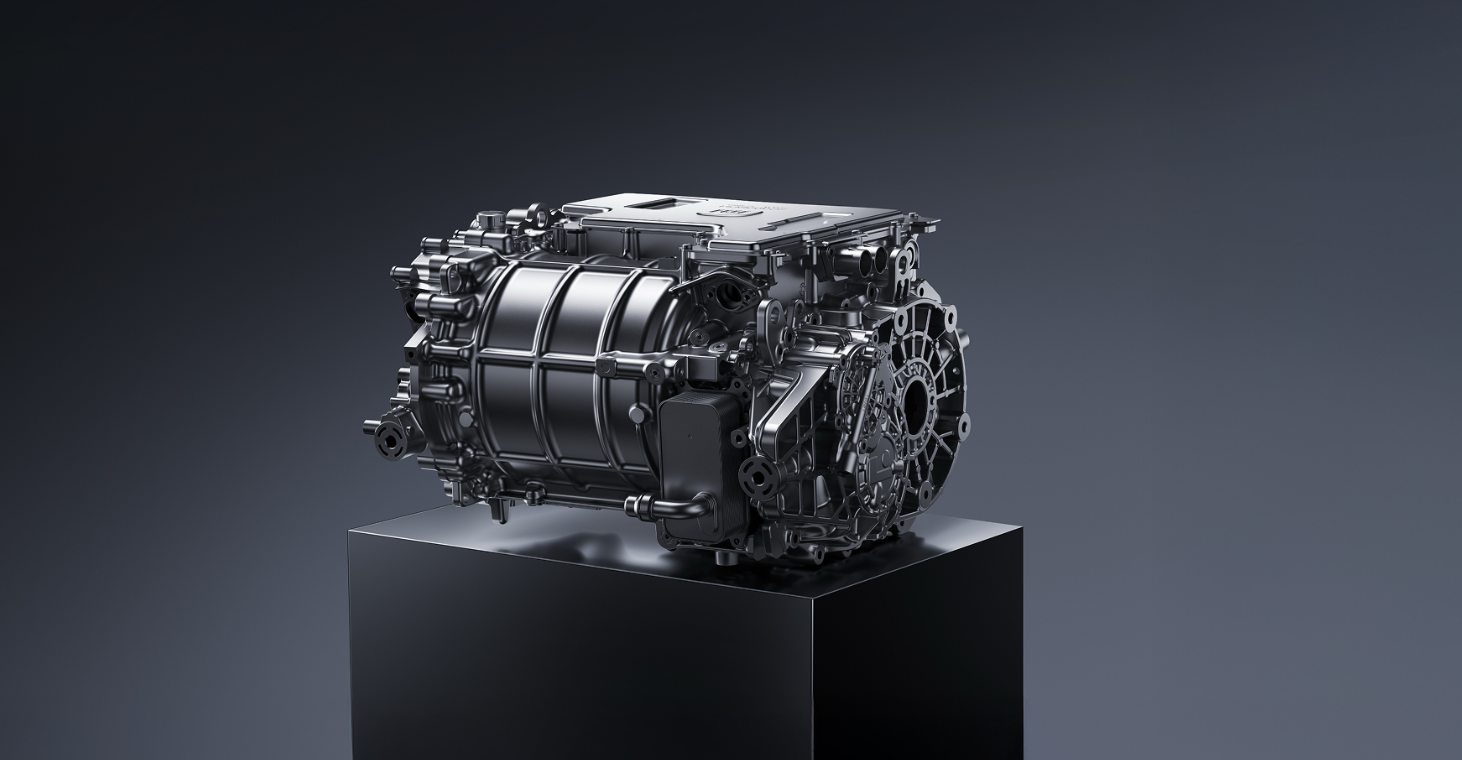
Additionally, the upgrade in the intelligent driving system enhances the vehicle's adaptability in extreme scenarios. Although the old Max version is equipped with LiDAR, its computational power of 508TOPS is relatively limited. At that time, advanced intelligent driving functions such as city NOA required additional options, and recognition failures were prone to occur under complex road conditions.
The new generation, on the other hand, comes standard with LiDAR, 4D millimeter-wave radar, and dual Orin-X chips, increasing its computational power directly to 700TOPS. Advanced intelligent driving functionality is standard at the entry level, and recognition accuracy in extreme weather scenarios has also been improved.
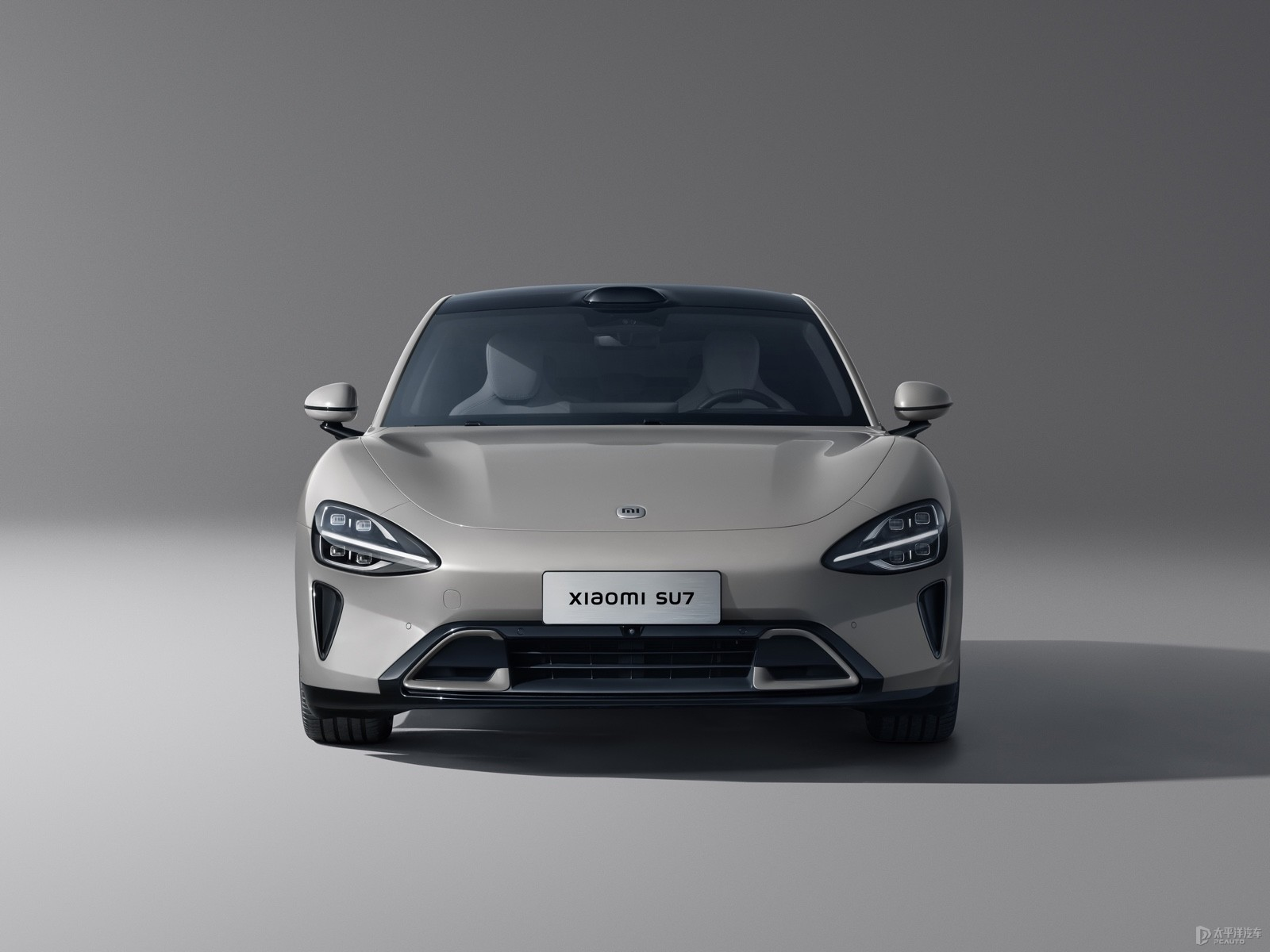
The upgrade in chassis handling is equally noteworthy, improving both the vehicle's high-speed stability and ride quality. The older Max version was only equipped with a single-chamber air suspension, with a relatively stiff chassis that demonstrated significant body roll during high-speed cornering and could not adapt flexibly to different road conditions.
The new generation Max version comes standard with closed dual-chamber air springs and CDC variable damping shock absorbers. This system monitors and adjusts 500 times per second and can automatically adjust the suspension's stiffness and height based on the driving mode:
- In Sport mode, it significantly suppresses body roll during cornering;
- In Comfort mode, it filters out 80% of the bumps.
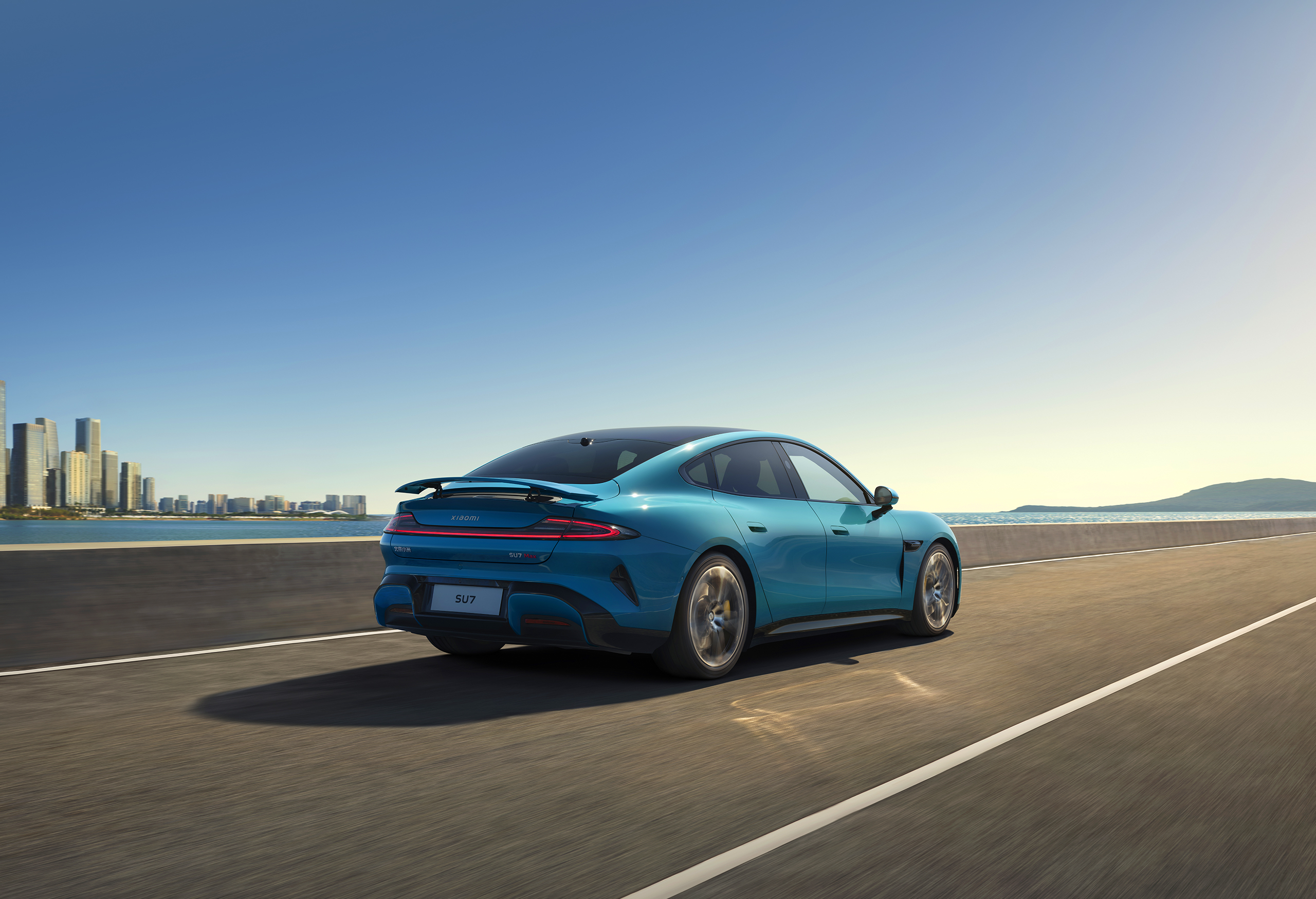
Meanwhile, the rear wheel width has been upgraded from 245mm to 265mm, and four-piston fixed calipers are now standard across the range. This not only enhances grip and provides a more linear brake pedal feel, but also, combined with the optimized brake cooling design, prevents the braking system from being overstressed in high-temperature environments.
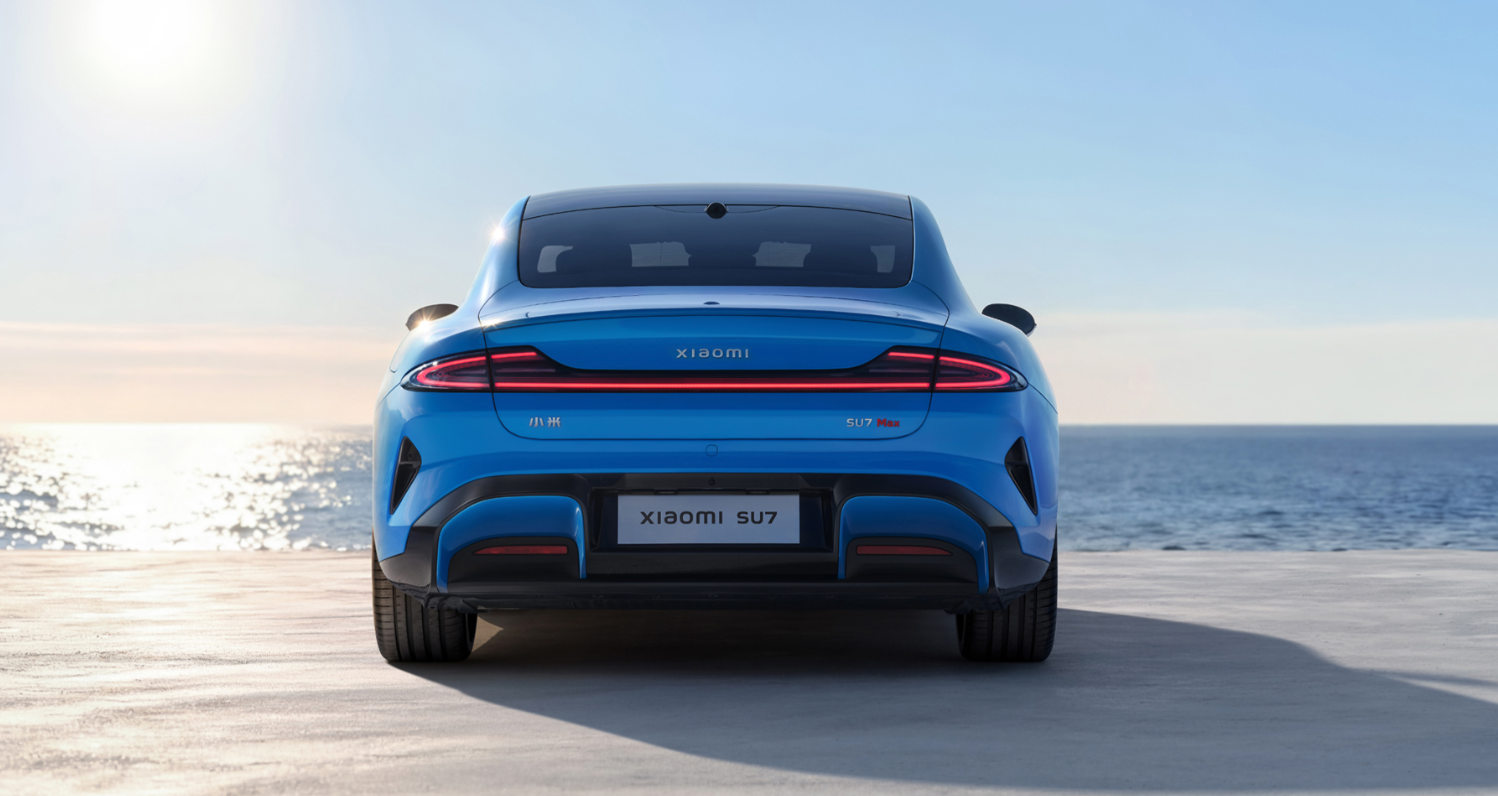
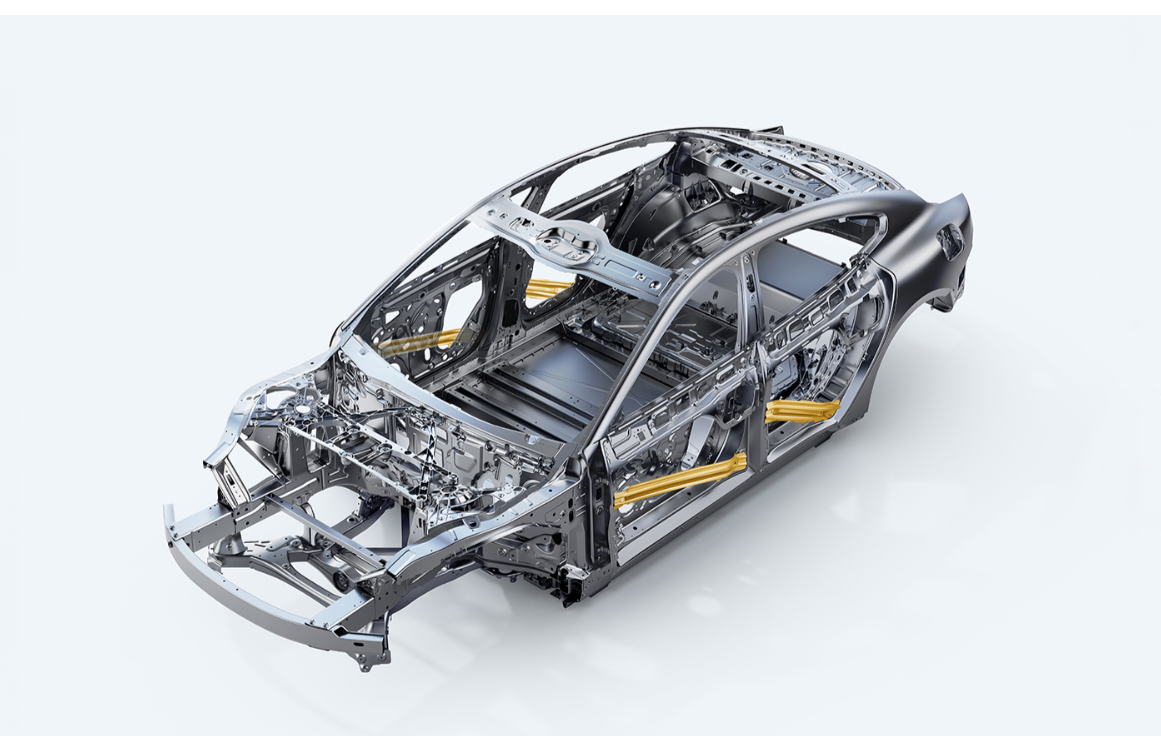
After thorough testing, the new generation SU7 has also upgraded its baseline protection measures for extreme conditions in terms of safety features. It uses an embedded 2200MPa ultra-high-strength steel roll cage, enhancing body torsional stiffness. It also comes standard with 9 airbags across all configurations, with 2 additional rear side airbags newly added.
The battery is equipped with a 1500MPa scratch-resistant bottom beam and a bottom protective coating, and has passed over 1050 safety tests. Even at a high temperature of 55 degrees Celsius, there is no risk of thermal runaway, and it can withstand the safety pressure caused by long periods of high-speed driving and frequent fast charging.
If any infringement occurs, please contact us for deletion










Popular Cars
Model Year
Car Compare
Car Photo