
Q
Is Vellfire 2024 an MPV or SUV?
 CuteySep 03, 2025, 11:09 AM
The 2024 Toyota Vellfire is a luxury MPV (Multi-Purpose Vehicle), not an SUV (Sport Utility Vehicle). It features a spacious and comfortable seven-seat layout, high-end interior, and sliding door design, which makes it ideal for family outings or business receptions. The Vellfire shares the platform with its sister model, the Alphard, and focuses on luxury and practicality. It is equipped with advanced technological features and a powerful hybrid system, making it very popular in the Malaysian market.
The main differences between an MPV and an SUV lie in the body structure and usage. MPVs prioritize passenger space and comfort, while SUVs emphasize off - road capabilities and high-chassis designs. In Malaysia, MPVs like the Vellfire and the Honda Odyssey are popular choices due to their flexible space and comfort, while SUVs such as the Toyota Fortuner and the Honda CR-V are more suitable for users who need to handle complex road conditions. When choosing a vehicle, you should consider your own needs. If you strive for luxury, comfort, and large space, the 2024 Vellfire is undoubtedly one of the best MPVs available.
Special Disclaimer: This content is published by users and does not represent the views or position of PCauto.
Related Q&A
Q
How much is Vellfire 2023 in Malaysia?
The 2023 Toyota Vellfire's pricing in Malaysia varies depending on the trim and configuration, generally ranging from RM438,000 to RM468,000. Exact figures might shift based on optional extras or ongoing promotions. As a luxury MPV, the Vellfire has built a strong following among Malaysian families and business users alike, thanks to its generous interior space, plush ride comfort, and advanced safety features. The 2023 model carries forward hallmark traits like those handy power sliding doors on both sides, premium leather seats, and the Toyota Safety Sense suite, while also stepping up its infotainment game.
In the Malaysian market, the Vellfire typically sits alongside its sibling, the Alphard. They share the same powertrains – think that smooth 2.5L hybrid setup – but the Vellfire leans more towards a sportier aesthetic. It's worth noting that these are officially imported by UMW Toyota Motor, backed by a 5-year warranty. If you're eyeing one, your best bet is to hit up an authorized dealer to lock in the latest quote and check stock availability. And hey, don't forget to cross-shop with rivals like the Nissan Elgrand or Honda Odyssey to make sure you're getting the perfect MPV for your needs.
 LovelyMemoriesOct 14, 2025
Q
Does the Toyota Vellfire 2024 have massage seats?
Based on the current information, the high-end version of the 2024 Toyota Vellfire in the Malaysian market may be equipped with massage seats. This configuration usually appears in the top-level Executive Lounge or VIP versions, which are especially designed for users who pursue comfort. The seats support multi - angle adjustment, heating, and ventilation functions. Some models may also offer pneumatic massage modes for the back and waist. Massage seats can effectively relieve fatigue during long-distance driving and are one of the common luxury features in high-end MPVs. Similar functions can also be found in models of the same class, such as the Nissan Elgrand or the Honda Odyssey. Malaysian consumers who want to confirm the specific configuration are advised to directly consult local Toyota dealers or refer to the official configuration list, as there may be differences in vehicle versions and optional packages in different regions. In addition, when making a purchase, it is necessary to pay attention to details such as the seat material (e.g., genuine leather or synthetic leather) and whether it comes with a memory function, as these will all affect the actual usage experience.
 WriterPageStorySep 3, 2025
Q
What is the mileage of Vellfire 2024?
The fuel consumption of the 2024 Toyota Vellfire in the Malaysian market varies depending on the powertrain configuration. The official combined fuel consumption of the hybrid version (2.5L Hybrid) is approximately 5.8 to 6.2 liters per 100 kilometers, while that of the fuel - powered version (2.4L Turbo) is around 7.5 to 8.3 liters per 100 kilometers. The actual fuel consumption may be affected by factors such as driving habits, road conditions, and vehicle load.
As a high-end MPV popular among Malaysian families, the Vellfire is well-known for its spacious interior and comfort. The 2024 model has also upgraded its intelligent driving assistance system, including adaptive cruise control and lane-keeping functions.
It's worth noting that hybrid models enjoy tax incentives in Malaysia, which can significantly reduce the purchase cost. This is one of the reasons for their continuously increasing sales. If you often drive long distances, it is recommended to choose the hybrid version for more economical fuel performance. At the same time, regular maintenance is advised to maintain optimal fuel - consumption performance. Toyota - authorized service centers can provide professional maintenance services for the hybrid system.
 FopSep 3, 2025
Q
What is the safety rating of the Vellfire 2024?
The safety rating of the 2024 Toyota Vellfire hasn't been officially announced by ASEAN NCAP or Malaysian official agencies yet. However, referring to the performance of its sister model, the Alphard, which achieved a five-star rating from ASEAN NCAP in 2023, the Vellfire 2024 is expected to maintain a high-level safety performance. This vehicle comes standard with the Toyota Safety Sense active safety system, which includes functions such as pre-collision warning, lane-keeping assist, and adaptive cruise control. Meanwhile, the body is made of high-strength steel to enhance collision protection. Malaysian consumers can keep an eye on the subsequent announcements on the UMW Toyota Motor official website to get the local certification results.
It's worth noting that the ASEAN NCAP test standards focus on the particularities of Southeast Asian road conditions, including motorcycle avoidance and adaptability to the tropical climate. It is recommended that you personally experience the operation of the safety configurations and understand the warranty terms provided by local dealers before purchasing a car. These high - end MPVs in Malaysia are usually equipped with a more comprehensive airbag set and rear - passenger protection designs, which meet the needs of family users.
 LeeSep 3, 2025
Q
What is the ground clearance of the Vellfire 2024?
The ground clearance of the 2024 Toyota Vellfire in the Malaysian market is approximately 170mm. This design strikes a balance between the seating comfort and passability of an MPV, making it suitable for the ever-changing urban road conditions in the local area and occasional outings to the suburbs. As a luxury MPV, the Vellfire's ground clearance is slightly higher than some models in the same class. It can handle the commonly seen speed bumps or mildly uneven roads in Malaysia, and at the same time, the low-center-of-gravity design ensures high-speed stability.
It's worth noting that the ground clearance data may be slightly adjusted due to vehicle load, tire size, or optional packages (such as sports body kits). It is recommended to pay attention to the ramp angle during actual driving. If you often drive on rough roads, you can refer to models in the same class, like the Nissan Elgrand (165mm) or the Honda Stepwgn (160mm) for comparison. However, the Vellfire's hybrid system and suspension tuning place more emphasis on quietness and cornering support, making it a great choice for family users who pursue comfort.
During the rainy season in Malaysia, the slightly higher ground clearance can also reduce the risk of the chassis scraping on water-logged roads. However, MPV models still need to pass through deep water areas with caution to avoid damage to the electrical system.
 OlaSep 3, 2025
Q
What is the boot space for the Vellfire 2024?
The 2024 Toyota Vellfire has a boot space of approximately 305 liters in the Malaysian market when the third - row seats are in use. If you fold down the third - row seats, the space can be expanded to a more practical volume. For the specific data, you need to refer to the actual measurement or the official manual. As a large luxury and comfortable MPV, the boot design of the Vellfire takes into account both the daily storage needs and flexible space changes. For example, it has a flat floor and a one-key seat folding function, which is suitable for family trips or business receptions.
It's worth noting that the boot volume of MPV models may vary depending on the seat layout and accessories (such as the luggage compartment cover). It is recommended that consumers visit the authorized showrooms for an on-site experience. Among models in the same class, there is often a need to balance the boot space and seating comfort. The Vellfire strikes a good balance between the two by optimizing the seat folding mechanism, which is also one of the important considerations for multi - member families in Malaysia when choosing a car.
 EliSep 3, 2025
Q
What is the fuel consumption of Vellfire 2024?
The fuel economy of the 2024 Toyota Vellfire in the Malaysian market depends on the specific powertrain configuration. Currently, there are two versions available: a 2.5-liter naturally aspirated engine and a 2.5 - liter hybrid system. Among them, the hybrid version consumes about 6.2L of fuel per 100km under combined driving conditions, while the naturally aspirated version consumes approximately 9.8L/100km. The actual fuel consumption can be affected by factors such as driving habits, road conditions, and the use of air-conditioning.
As a luxury MPV, the fuel consumption of the Vellfire is balanced with its vehicle weight (about 2 tons) and power output. The hybrid system significantly improves fuel efficiency through the assistance of the electric motor, making it suitable for long-distance travel of Malaysian families or business needs. It's worth noting that the road conditions in Malaysia often combine urban congestion and highways. Hybrid models can further optimize fuel consumption through kinetic energy recovery during frequent stops and starts, while the naturally aspirated version is more suitable for users who often drive on highways.
It is recommended to choose according to your own usage scenarios before purchasing a car. Meanwhile, regular maintenance (such as replacing the air filter and keeping the tire pressure normal) can also help maintain the best fuel - consumption performance. The fuel consumption of such large MPVs is usually 20% - 30% higher than that of ordinary sedans, which is within the normal range.
 QuiSep 3, 2025
Q
How many seaters are there in the Toyota Vellfire 2024?
The 2024 Toyota Vellfire offers two seating configuration options, 7-seater and 8-seater, in the Malaysian market. The 7-seater version features a 2+2+3 layout, with the second row equipped with independent aviation seats that come with electric adjustment and leg rest functions. It's suitable for family users who pursue a comfortable experience. The 8-seater version, on the other hand, has a 2+3+3 layout, emphasizing the practicality of accommodating more passengers.
This model continues the positioning of the Vellfire series as a luxury MPV. The body length exceeds 4.9 meters, and the wheelbase reaches 3 meters, ensuring sufficient legroom for passengers in all three rows. Meanwhile, rear privacy glass and a dual sunroof design are standard across the entire range.
It's worth noting that the Malaysian version usually retains the original right-hand drive configuration, and the suspension system is adjusted according to local road conditions. Additionally, the battery heat dissipation performance of the hybrid version has been specially optimized for the tropical climate.
When purchasing, it's advisable to check whether the second-row seats are equipped with a 360-degree rotation function. This configuration needs to be optional in some versions and is very useful for users who often need in-car meetings or family interactions.
 SolverProblemSolutionSep 3, 2025
Q
What are the variants of Toyota Vellfire 2024?
The 2024 Toyota Vellfire is mainly available in two powertrain versions in the Malaysian market, namely the 2.5-liter naturally aspirated engine (2.5L) and the 2.5-liter hybrid system (2.5L Hybrid). Both are paired with a CVT transmission. The hybrid version focuses more on fuel economy, making it suitable for family users who pursue low fuel consumption.
In terms of vehicle configurations, it is usually divided into the standard version and the high - end version. The high - end version may be equipped with more luxurious interior materials such as leather seats, dual sunroofs, a rear - seat entertainment system, and advanced driving assistance features like the Toyota TSS (Toyota Safety Sense) package, which includes a pre - collision system, lane - keeping assist, etc.
It's worth noting that as a luxury MPV, the Vellfire's spatial flexibility is a major highlight. The three - row seats can be adjusted at multiple angles, and the second - row aviation seats support leg rests and heating functions, meeting the needs of long - distance travel in Malaysia. Additionally, the 2024 model may have optimized the air - conditioning system for the local market to cope with the tropical climate.
If you're considering a purchase, it is recommended to confirm the latest configurations at an authorized dealer, as some optional features such as an in - car refrigerator or JBL audio system may vary depending on the promotional offers.
 ActorStagePerformanceOct 8, 2025
Q
What is the spec of Vellfire 2024?
The 2024 Toyota Vellfire offers two powertrain configurations in the Malaysian market. They are a 2.5 - liter naturally - aspirated four - cylinder engine (182 hp/235 Nm) and a 2.5 - liter hybrid system (197 hp). Both are paired with a CVT transmission. The hybrid version focuses more on fuel economy, with an official fuel consumption as low as 5.3L/100km.
The vehicle's body dimensions are 4930×1850×1950mm, with a wheelbase of 3000mm. It comes in a 7 - or 8 - seat layout. The second row is standard with electric Ottoman aviation seats, which support multi - directional adjustment and heating and ventilation functions.
In terms of technological features, it is equipped with a 12.3 - inch central control screen, the Toyota Safety Sense intelligent driving safety system (including pre - collision warning, lane - keeping assist, and full - speed range adaptive cruise control), a 360 - degree surround - view camera, and an 11.6 - inch rear - seat entertainment screen.
It's worth noting that the Vellfire and the Alphard are sister models, but the Vellfire has a more sporty design. Its front face features split - type headlights and a honeycomb grille. The Malaysian version usually adjusts some configurations according to local regulations. For example, the gesture control for the sliding doors in the Japanese version is changed to the traditional button - type.
This vehicle is imported through the official channel of UMW Toyota Motor in Malaysia. It comes with a 5 - year unlimited - mileage warranty, and the hybrid battery pack has an additional 8 - year warranty. Positioned as a luxury MPV, it mainly caters to the needs of family users and high - end business clients. Its competitors include the Nissan Elgrand and the upcoming new - generation Kia Carnival.
 FinnOct 8, 2025
Popular Cars
Model Year
Car Compare
Car Photo
Related Models
 Cars
CarsLatest Q&A
Q
Is AMT similar to automatic?
There are significant differences between AMT transmissions and automatic transmissions (AT) in terms of core structure and driving experience. AMT is essentially an electronically automated version of a manual transmission, simulating manual clutch operation and gear shifting through a computerized control system while retaining the gear set structure of manual transmissions. As a result, it offers higher transmission efficiency, with fuel consumption approximately 8%-12% lower than AT, making it particularly suitable for highway or long-distance driving. However, it may exhibit jerking similar to manual transmissions during low-speed gear shifts, especially noticeable in congested traffic conditions.
AT transmissions rely on torque converters for power transfer, delivering smooth and seamless gear shifts that appeal to comfort-oriented users. However, their complex structure (incorporating planetary gear sets, hydraulic systems, etc.) results in higher maintenance costs. A single service may cost between 800 to 1,500 ringgit, whereas AMT only requires gear oil replacement at approximately 400 ringgit.
From a market perspective, AMT is predominantly used in budget vehicles or commercial models priced below 80,000 ringgit, while AT is typically featured in mid-to-high-end vehicles. Consumers should select based on actual needs: AMT suits those prioritizing fuel efficiency and low maintenance costs, while AT better serves those valuing comfort. Notably, recent advancements in AMT electronic control technology have significantly mitigated jerking issues, though test drives should still emphasize low-speed performance evaluation.
 AriaMar 26, 2026
Q
Which is better, DCT or AT?
DCT (Dual-Clutch Transmission) and AT (Automatic Transmission) each have their own advantages and disadvantages, and the choice should be based on personal driving needs. AT transmissions transfer power through a torque converter, offering excellent shift smoothness, making them suitable for urban commuting or novice drivers. However, they tend to have higher fuel consumption, and vehicles equipped with them are usually more expensive. DCT transmissions utilize a dual-clutch structure, featuring fast shift speeds and high power transmission efficiency, which provides a more direct driving experience—particularly suitable for users seeking a sporty feel. However, they may exhibit jerking at low speeds and have relatively high maintenance costs. If durability and comfort are priorities, AT is the more reliable choice; if power responsiveness and driving pleasure are preferred, wet DCT (such as Volkswagen DSG) performs better, though dry DCT models should be avoided in prolonged stop-and-go traffic conditions. Additionally, CVT transmissions excel in smoothness and fuel efficiency, making them ideal for daily commuting, but they lack driving excitement. It is recommended to test-drive before purchasing, as tuning varies significantly across brands, and real-world experience is more important than theoretical specifications.
 FlutteringMar 26, 2026
Q
Is Amt good or bad?
AMT gearboxes have a significant cost advantage in the local market, typically being around 5,000 Ringgit cheaper than models equipped with conventional automatic transmissions. Their fuel efficiency is comparable to manual transmissions, resulting in long-term fuel savings. Featuring a straightforward design, they achieve transmission efficiency exceeding 90% with relatively low maintenance costs, making them ideal for practicality-oriented consumers. However, their shifting logic contains inherent limitations: gear changes between 1st and 2nd cause 0.3-0.5 second power interruptions, while unintended upshifts on inclines may reduce engine speed by 15%-20%, compromising driving smoothness. For urban commuters or budget-conscious buyers, AMT offers excellent value, though those prioritizing premium driving dynamics should consider alternative transmission types. Some domestic models like the Perodua Axia employ enhanced AMT systems, where optimized shift programming has reduced gearshift shock by approximately 30%.
 RainbowsMar 26, 2026
Q
Which gives better mileage, CVT or AMT?
From the perspective of fuel economy, CVT transmissions generally perform better under urban driving conditions. Their continuously variable design allows the engine to consistently operate within the optimal speed range, significantly reducing fuel consumption during frequent starts and stops. Test data shows that their fuel consumption in urban driving conditions is 10% to 15% lower than that of comparable models. AMT transmissions, on the other hand, inherit the high transmission efficiency of manual transmissions, delivering fuel efficiency close to manual transmissions during high-speed cruising. This makes them particularly suitable for long-distance driving in large-displacement vehicles. However, due to power interruption during gear shifts, their overall fuel consumption may be 5% to 8% higher than CVTs.
The difference in fuel-saving characteristics between the two transmissions stems from their technical principles: CVTs achieve continuous variability through steel belts and pulleys, eliminating the fixed gear ratio limitations of traditional transmissions; AMTs simulate manual gear changes via electronic control systems while maintaining the mechanical efficiency of gear transmission. Notably, actual fuel consumption is also influenced by driving habits. Smooth acceleration and anticipatory deceleration can maximize the transmissions' fuel-saving potential. If the vehicle budget permits and urban commuting is the primary use, CVTs offer a more economical choice. For frequent highway driving with an emphasis on cost-effectiveness, AMTs are equally worth considering.
 RubyBlazeMar 26, 2026
Q
Which is cheaper, AMT or CVT?
In terms of gearbox cost, AMT is usually more economical than CVT. Essentially, AMT is a manual transmission equipped with an electronic control unit, featuring a simple structure and low maintenance costs. The unit price ranges from approximately 5,000 to 8,000 ringgit, making it suitable for budget-conscious consumers or those who prioritize long-term operating costs. CVT incurs higher manufacturing costs due to its precision steel belt transmission system and continuous variable transmission technology, with a unit price of about 7,000 to 10,000 ringgit. However, it delivers a smoother driving experience and superior fuel efficiency. The primary differences between the two lie in technical complexity: AMT retains the gear-shifting mechanism, resulting in noticeable shift shock; CVT achieves linear power output through stepless speed variation but requires periodic belt inspection and incurs higher maintenance expenses. For those prioritizing initial cost and basic transportation needs, AMT offers better value; if comfort and long-term fuel economy are priorities, CVT represents a more worthwhile investment. Note that actual prices may vary based on vehicle model, brand, and local supply chain factors.
 ShadowProwlMar 26, 2026
Related News
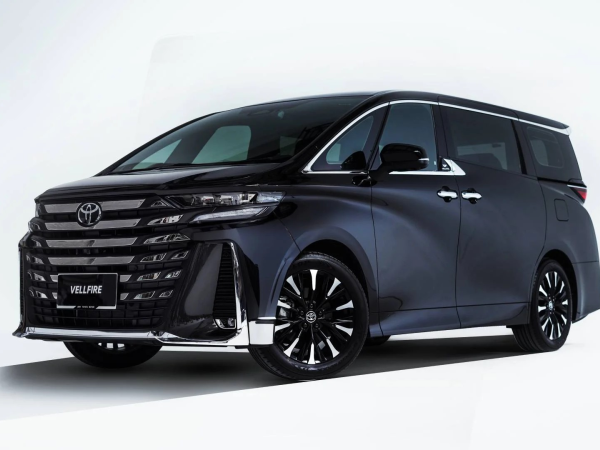
Toyota Vellfire Interior 2025 Review: A Luxury MPV Loved by Young Millionaires
LienJul 24, 2025
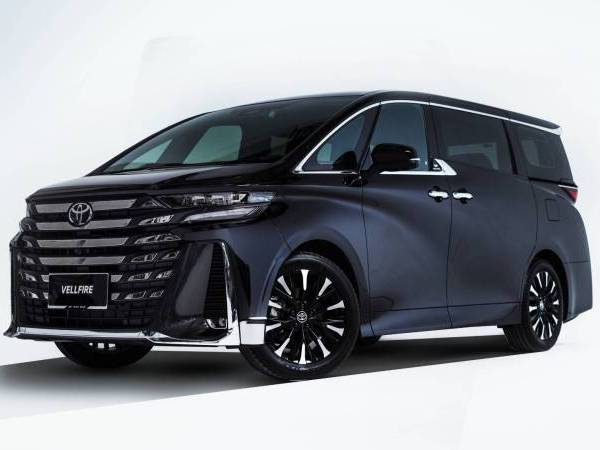
Style & Strength: Toyota Vellfire Redefines Luxury Travel
LienMay 3, 2025
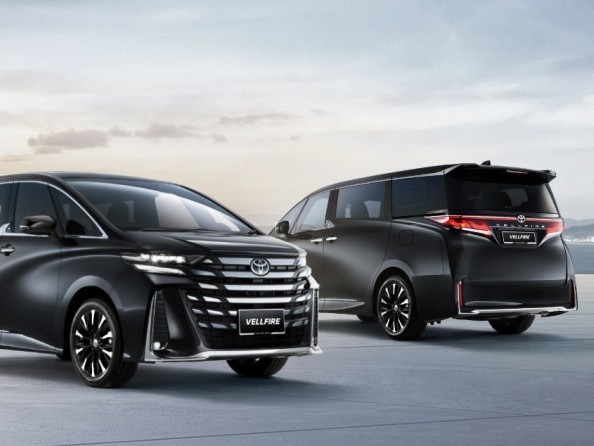
Difference between Alphard and Vellfire, Who is actually better?
RobertMar 4, 2025

Toyota may launch the Tundra TRD Hammer high-performance off-road pickup in the future
RobertMar 23, 2026

Toyota Land Cruiser Buying Guide: From LC300 to LC70, which versions are worth buying? Are the maintenance costs for used ones high?
JohnMar 17, 2026
View More
Pros
Cons