
Q
What are common problems with the 2020 Accord?
 HairStylistStylistNov 03, 2025, 10:42 AM
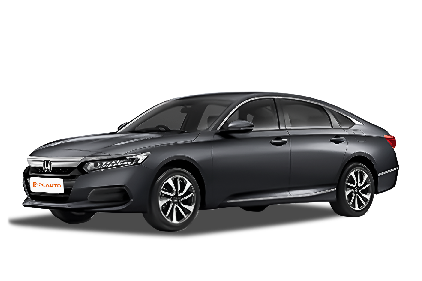
The 2020 Honda Accord has generally performed reliably in the Malaysian market, but some owners have reported a few common issues. For instance, the 1.5T turbocharged engine may experience fuel dilution when driven for extended periods in heavy traffic—this is a common trait of small-displacement turbo engines. It's advisable for owners to follow the maintenance schedule and change the engine oil regularly. In terms of the battery, some units may age prematurely, which is related to Malaysia's hot and humid climate; regular checks of the battery's health can help prevent sudden breakdowns. The infotainment system occasionally freezes, which can be resolved through official software updates. Additionally, a small number of owners have mentioned that wind noise is slightly noticeable at high speeds, which is linked to the car's aerodynamic design and is common among vehicles in its class. It's worth noting that the Accord's Earth Dreams engine technology effectively balances power and fuel efficiency, making it well-suited for Malaysian road conditions. Its ACE body structure also provides excellent safety performance. If considering buying a used 2020 Accord, it's recommended to focus on checking the above aspects and ensure the maintenance records are complete to guarantee the best ownership experience.
Special Disclaimer: This content is published by users and does not represent the views or position of PCauto.
Related Q&A
Q
What is lane assist on Honda Accord 2023?
The Lane Assist system in the 2023 Honda Accord is an advanced driver-assist feature. It uses a camera to track the vehicle's position within the lane and provides gentle steering assistance or vibration alerts if you start to drift unintentionally, helping you stay centered. This is especially handy for Malaysia's highways or long drives, really cutting down on fatigue and boosting safety. It usually pairs with Adaptive Cruise Control (ACC) for a semi-autonomous driving feel, but you still need to keep your hands on the wheel and be ready to take over. Important to note, this isn't full self-driving—its performance depends on things like weather and how clear the lane markings are, so always stay focused. In the Malaysian market, you'll typically find this feature on higher-spec Accord models, working alongside other systems in the Honda Sensing suite like Collision Mitigation Braking System (CMBS) and Road Departure Mitigation (RDM) to give local drivers more comprehensive protection.
 PrettyplNov 6, 2025
Q
Does the 2023 Honda Accord show tire pressure?
The 2023 Honda Accord does come with a Tire Pressure Monitoring System (TPMS) that shows real-time pressure readings for each tire. Drivers can check the specific numbers on the instrument cluster or center display screen. This feature is especially handy in Malaysia's hot climate and for long drives, since high temperatures can cause tire pressure to spike unexpectedly—keeping an eye on it helps prevent blowouts. Plus, the system usually warns you if the pressure gets too low or too high, prompting you to check the tires. For Malaysian users, regular pressure checks don't just boost safety; they also improve fuel efficiency and tire lifespan. It's a good idea to manually check the pressure at least once a month, especially when temperatures swing a lot. Make sure to adjust according to the recommended levels listed in the owner's manual or on the door jamb. If you notice frequent pressure issues, it might mean a leaky tire or a faulty sensor—best to head to an authorized service center to get it checked out.
 GentlestNov 6, 2025
Q
How do you auto start a Honda Accord 2023?
If the 2023 Honda Accord in the Malaysian market is equipped with remote start, it can be operated via the smart key or mobile app. Here's how: first press the lock button to ensure the doors are locked, then hold down the remote start button on the key (usually a circular arrow icon) for about 2 seconds. Once the engine starts, the air conditioning system will automatically activate to adjust the cabin temperature – super useful in hot weather. It's important to note that the vehicle needs to be in Park (P) and have sufficient fuel for a successful start. Some models may require activating the HondaLink mobile app and subscribing to relevant services first. For models not equipped with this feature as standard, it's recommended to have Honda authorized dealers install original accessories to ensure compatibility and avoid potential electrical risks from self-modification. Remote start technology has now become a common feature in mid-to-high-end models. Besides convenience, it also enhances driving comfort by pre-cooling or pre-heating the cabin. However, owners should be aware of Malaysia's laws regarding idling time; it's generally advised to get in and operate the vehicle within 10 minutes of remote starting, which is both environmentally friendly and compliant with regulations. Different brands implement this feature slightly differently, so it's advisable to read the owner's manual carefully or consult local Honda dealers for accurate information.
 HappySheepNov 6, 2025
Q
How do I turn off traction control on my 2023 Honda Accord?
To turn off the Traction Control system on a 2023 Honda Accord, start the vehicle first. Then, look for the button labeled "VSA" or featuring the traction control icon, usually located on the left side of the steering wheel or on the center console. Press and hold it for about 3 seconds until "Traction Control Off" or a similar message appears on the dashboard. It's important to note that with traction control off, the vehicle may lose some stability on slippery roads or during hard acceleration. So, it's recommended to only turn it off temporarily for specific situations, like getting unstuck from mud or snow—keep it on for regular driving to stay safe. Malaysia's rainy climate means slippery roads are common, and traction control really helps prevent wheel spin and boost driving safety. If you're curious about other driver-assist features, like lane keeping or adaptive cruise control, check the owner's manual or ask a Honda authorized dealer for more details.
 HappyPigNov 6, 2025
Q
Does your 2023 Honda Accord have anti-lock brakes?
The 2023 Honda Accord does come with an Anti-lock Braking System (ABS), which is one of the standard safety features in modern cars. It effectively prevents the wheels from locking up during emergency braking, helping drivers maintain steering control—something that’s especially crucial on Malaysia’s rainy, slippery roads. Beyond ABS, the 2023 Accord also packs Electronic Brakeforce Distribution (EBD) and Brake Assist (BA). These technologies work together to further boost braking performance and overall safety. In Malaysia, a lot of car buyers really care about these active safety features because they can significantly cut down accident risks in unexpected situations. The Honda Accord, being a popular midsize sedan, has always had a pretty comprehensive set of safety gear that meets major global safety standards, making it a solid choice for Malaysian families or business use. For safety-conscious consumers, getting to know a car’s braking system and other safety tech is a must—these features often make a big difference when it matters most.
 HappyTurkeyNov 6, 2025
Q
How to turn off parking sensors on Honda Accord 2023?
To turn off the parking sensors on a 2023 Honda Accord, press the "Parking Sensor" button near the center console (usually marked with a "P" and sound wave icon). The exact location might vary by trim level; some models require using the infotainment system—just go into Vehicle Settings and select "Driver Assist" or "Safety Features" to disable them. It's worth noting that Malaysia's hot and rainy weather can affect sensor sensitivity, so occasional false alerts are normal. We recommend regularly cleaning dirt or water spots off the sensor surfaces to keep them working their best. If you're getting frequent false triggers, reach out to a Honda Malaysia authorized service center. This isn't a malfunction—it's just how electronic systems behave in extreme environments. Other models like the Toyota Camry or Mazda 6 use similar setups, with slight differences in operation but the same basic principle. Temporarily disabling the sensors won't affect other safety features like the rearview camera or blind spot monitoring. The system will usually reset to default "on" when you restart the car, which is good for safety.
 HappyChickenNov 6, 2025
Q
How to turn off lane assist on 2023 Honda Accord?
To turn off the Lane Assist on the 2023 Honda Accord, you can use the buttons on the right side of the steering wheel to access the vehicle settings menu. Look for the "Driver Assist Systems" option, then select "Lane Keeping Assist" and switch it off. The exact steps might vary slightly depending on the vehicle's configuration or regional version, so it's best to check the owner's manual or consult a local Honda dealer in Malaysia for precise guidance. Lane Keeping Assist is part of Honda's Honda Sensing safety suite, which uses a camera to monitor lane lines and provides steering correction alerts if the vehicle drifts. It's handy for highways or long drives, but some drivers might prefer to turn it off manually on city roads or in special road conditions. Keep in mind that when you disable it, a notification icon usually appears on the dashboard, and the system might default to being on when you restart the car, so you'll need to repeat the process each time you want it off. In Malaysia, many new cars come with similar driver assist tech—different brands might have different operating logic, but the main goal is all about boosting driving safety. It's recommended that drivers use these features flexibly based on actual road conditions and personal habits.
 HappyDuckNov 6, 2025
Q
How do I turn off automatic braking on my 2023 Honda Accord?
To turn off the automatic braking on a 2023 Honda Accord, you can navigate to the vehicle settings menu, find the "Driver Assist Systems" option, then select "Collision Mitigation Braking System (CMBS)" and switch it off. Here's how: After starting the car, use the buttons on the right side of the steering wheel to access the instrument cluster menu. Choose "Vehicle Settings," go into "Safety Support," locate "Collision Mitigation Braking System," and select "Off." It's important to note that automatic braking is a crucial safety feature that effectively reduces collision risks. It's recommended to only turn it off temporarily in special situations and keep it enabled during regular driving for safety. For Malaysian drivers, the local rainy weather and complex traffic conditions make this feature even more vital—it can automatically intervene when the driver doesn't react in time, lowering accidents caused by poor visibility or sudden incidents. If you have questions about other driver assist features like lane keeping or adaptive cruise control, check the owner's manual or consult an authorized Honda dealer. They can provide more detailed operation guidance and technical support.
 HappyGoatNov 6, 2025
Q
How to turn on cruise control on Honda Accord 2023?
To activate Adaptive Cruise Control on the 2023 Honda Accord, first make sure the vehicle is started and traveling above 40 km/h. Then press the "MAIN" button on the right side of the steering wheel to power up the system—you’ll see a white cruise icon pop up on the dashboard. When you hit your desired speed, press the "SET/-" button to lock it in; the icon turns green, meaning cruise control is now active. To adjust speed, tap the "+" or "-" buttons for 1 km/h increments, or hold them down for 10 km/h jumps. If you need to pause, just tap the brake pedal or hit "CANCEL"; to resume, press "RES/+" to get back to your set speed.
It’s worth mentioning the 2023 Accord comes standard with Honda Sensing, which includes Lane Keeping Assist (LKAS). Flip that on too, and you’ll get a semi-autonomous driving feel—but keep your hands on the wheel and eyes on the road, okay? Also, Malaysia’s hot and rainy weather can mess with the radar sensor’s sensitivity, so give the sensor area in the front grille a regular wipe-down to keep things working smoothly. This system really takes the edge off on highways or in traffic, but remember: it’s not fully self-driving. You still gotta step in for sudden stuff.
 HappySnakeNov 6, 2025
Q
How to turn off idle stop on Honda Accord 2023?
Here's how to turn off the Idle Stop function on the 2023 Honda Accord: After starting the vehicle, look for the button labeled "Idle Stop" (usually with a circular arrow icon) either below the center console or on the left side of the steering wheel. Press it to deactivate the feature, and you'll see the "Idle Stop Off" indicator light up on the dashboard. Just keep in mind that the system defaults to on every time you restart the car, so you'll need to do this each time. The Idle Stop technology is designed to cut fuel consumption and emissions, which is pretty handy for Malaysia's stop-and-go city traffic. But some drivers find the frequent starting and stopping a bit annoying in terms of comfort. If you keep it off long-term, you might notice a slight increase in fuel usage, so it's best to use it flexibly based on the actual traffic conditions. Honda has optimized the Accord's Idle Stop system, so it barely affects engine or starter longevity—no need to worry about durability issues. Plus, in Malaysia's hot weather, the system smartly checks the AC load and prioritizes keeping the cabin cool, so it still stays practical.
 GracefulDeerNov 6, 2025
Popular Cars
Model Year
Car Compare
Car Photo
Related Models
 Cars
CarsLatest Q&A
Q
Is 5000 RPM bad for an engine?
Maintaining the engine at an idle speed of 5000 RPM does pose potential hazards to the vehicle, primarily including increased mechanical wear, overheating, and compromised fuel economy. During high-speed idling, the lubrication system fails to effectively cover moving components such as pistons and crankshafts. Direct metal-to-metal friction accelerates part aging, which may shorten the engine's lifespan in the long run. Meanwhile, no-load operation causes a sudden rise in combustion chamber temperature. This not only risks localized overheating that damages seals but also leads to carbon deposits due to incomplete combustion, which can then clog the intake manifold and three-way catalytic converter, resulting in unstable idling or excessive exhaust emissions. For automatic transmission vehicles, high-speed idling in neutral may also place additional stress on transmission gears. Although modern ECUs typically limit neutral idle speeds (most models do not exceed 3500 RPM), manually forcing the speed up to 5000 RPM is still a high-risk operation, especially when the oil has not fully circulated during cold starts. It is recommended that car owners avoid such operations, match speeds through reasonable gear shifts in daily driving, and clean carbon deposits regularly to maintain engine health.
 FitnessFanaticTrainerJan 13, 2026
Q
Is 700 RPM good?
An idle speed of 700 RPM falls within the normal range, and is particularly ideal for gasoline engines when the engine is warm. According to technical standards, the idle speed of most vehicles should remain between 600 and 900 RPM after the engine has warmed up. 700 RPM, being in the middle of this range, not only ensures smooth engine operation but also optimizes fuel economy. When starting a cold engine, the speed will temporarily rise to 1300-1500 RPM; this is a normal phenomenon designed by the ECU to quickly raise the engine temperature, and it will drop back to the standard range once the coolant temperature normalizes. It should be noted that if the vehicle consistently deviates from this range after the engine has warmed up (e.g., persistently below 600 RPM or exceeding 1000 RPM), it may indicate issues such as carbon deposits, air intake system leaks, or sensor malfunctions, and prompt inspection and repair are recommended. Additionally, when the air conditioner or high-power electrical devices are turned on, the speed may briefly increase by 50-150 RPM, which is a normal load compensation mechanism, so there is no need for excessive concern.
 ChocolateFreakFanaticJan 13, 2026
Q
How fast is 2000 RPM?
2000 RPM (Revolutions Per Minute) refers to the rotational speed of the engine crankshaft, but it cannot be directly converted into a specific vehicle speed, as vehicle speed is also affected by multiple factors such as transmission gear ratio, tire size, and gear selection. For example, when a vehicle starts in first gear, 2000 RPM may only correspond to a speed of 20 km/h, while during high-speed cruising in fifth gear, the same RPM may maintain a speed of around 100 km/h. Differences in the design of the transmission system among different vehicle models lead to variations in the relationship between RPM and vehicle speed. For instance, some high-efficiency transmissions only require 2000-2500 RPM at 120 km/h, whereas traditional transmissions may need a higher RPM. Tire diameter also affects the actual vehicle speed; larger tires can cover a longer distance at the same RPM. From an engineering perspective, the formula for calculating vehicle speed is: Vehicle Speed (km/h) = 0.000377 × Engine RPM × Tire Diameter (inches) / Final Drive Ratio, where the drive ratio includes the transmission gear ratio and final drive ratio. It is recommended that drivers observe the actual corresponding relationship between the tachometer and the speedometer, and combine it with the gear ratio parameters in the vehicle manual to more accurately understand the RPM-speed characteristics of a specific vehicle model. This helps optimize shift timing and fuel economy.
 TeaAddictBrewerJan 13, 2026
Q
Who said the 7000 RPM quote?
Regarding the origin of the expression "7000 RPM", there is no clear indication in the currently verifiable public information that it was pioneered by a specific person or brand. From a technical perspective, 7000 RPM, as a typical value for high engine speeds, is often used to describe the dynamic characteristics of performance cars or sport motorcycles. Its core significance lies in reflecting the dynamic performance of mechanical systems under extreme operating conditions. For example, when the engine reaches this speed, the piston movement frequency and the combustion efficiency of the air-fuel mixture will be significantly improved, thereby releasing more powerful power output, but at the same time, fuel economy and mechanical wear need to be balanced. This concept is a general technical term in the field of automotive engineering, which is mostly found in manufacturers' performance parameter descriptions or professional evaluations, rather than a specific "famous quote". If users need to trace the source of references in a specific context, it is recommended to supplement more contextual information for further verification.
 CoffeeLoverAddictJan 13, 2026
Q
Is 1000 RPM too high for an idle PC?
Whether an engine idle speed of 1000 rpm is normal depends on the specific operating conditions. During cold starts, especially in winter, a temporary increase in speed to 1000 rpm is normal. This occurs as the ECU increases fuel injection to rapidly heat the three-way catalytic converter. However, maintaining 1000 rpm continuously when the engine is warm may indicate an abnormality. The standard idle range is typically 600-900 rpm for naturally aspirated gasoline engines or 700-1000 rpm for turbocharged models. An abnormally high idle speed could result from throttle valve carbon buildup, intake system leaks, or oxygen sensor malfunctions. Prolonged operation at high idle may cause increased fuel consumption and carbon accumulation. It is advisable to retrieve fault codes using an OBD scanner, with priority given to inspecting throttle position, mass airflow sensor readings, and vacuum line integrity. Specialized cleaning solutions may be required for carbon removal. Note that some hybrid vehicles may intentionally raise idle speed to 1000 rpm during battery charging as part of their energy management strategy, which is not considered a fault condition.
 BookwormReaderJan 13, 2026
Related News
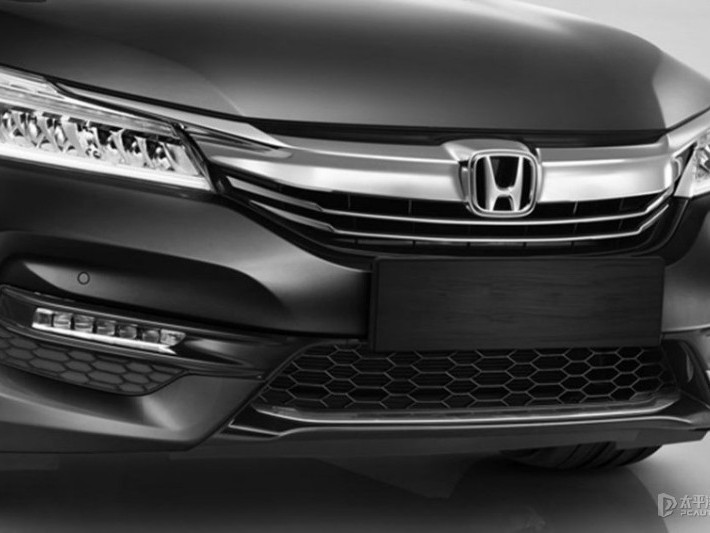
Starting from RM 187,400! A Honda Accord with sufficient trunk capacity, would you consider it?
AshleyJul 19, 2024

Honda’s three factories in China to remain shut for another two weeks due to chip shortages
JohnJan 12, 2026

With a budget of 90k, should I choose the Proton S70 or the Honda City?
JamesDec 23, 2025

Jaecoo J5 is about to launch, following Honda CR-V, Honda HR-V will also be challenged
RobertDec 19, 2025

The brand-new Honda Prelude is being sold at a markup in North America. Is this car really that popular?
Kevin WongDec 17, 2025
View More
Pros
Cons