
Honda’s three factories in China to remain shut for another two weeks due to chip shortages
 JohnJan 12, 2026, 10:31 AM
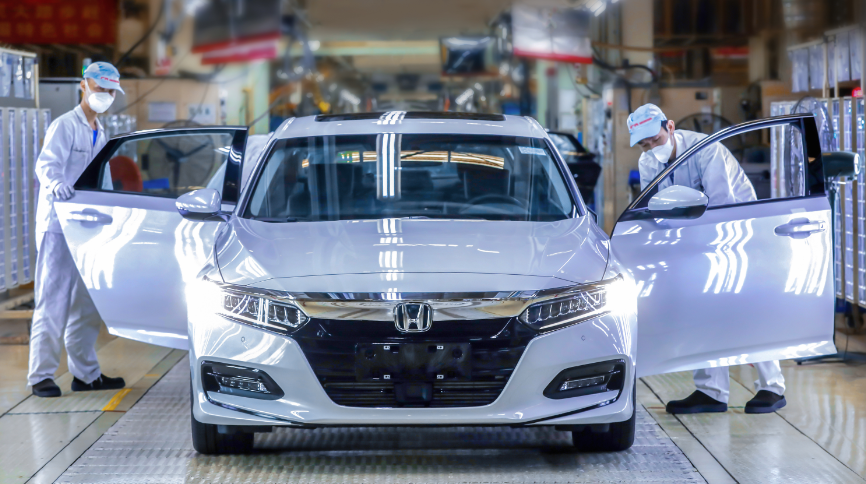
[PCauto] According to reports, Honda’s plan to resume operations at its manufacturing plants in China will be delayed by two weeks, with production now scheduled to restart on January 19, 2026.
The three factories, originally scheduled to resume operations on January 5, 2026, including key production bases located in Guangzhou and Hubei, have been delayed due to insufficient semiconductor inventories and persistent supply chain disruptions.
Previously, these factories had suspended production for five days starting on December 29, 2025, with initial plans to resume operations on January 2, 2026. However, due to the chip shortage, the reopening was postponed twice. Production lines for ICE (Internal Combustion Engine) vehicles will remain idled until January 16, 2026.

The production halt has directly impacted sales of Honda’s popular fuel-powered models in China, including the CR-V, Civic, Accord, and Fit.
These models have long held a significant share of the Chinese market, especially the CR-V and Civic, which have been key players in the compact SUV and sedan segments. However,the delayed production resumption is likely to extend delivery lead times from approximately two weeks to two or three months, with waiting periods for some popular models stretching beyond one month.
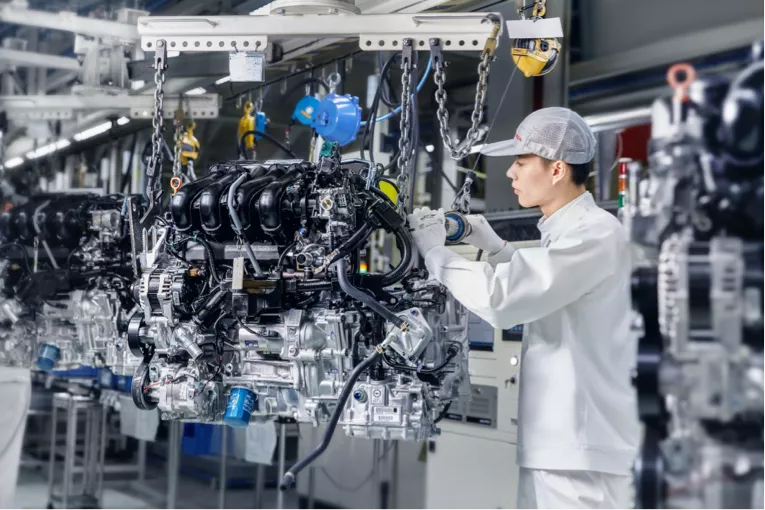
Honda’s chip supply comes from Nexperia, a Netherlands-based company, and a supply disruption in the second half of 2025 has further exacerbated inventory shortages.
Key components in some Honda models rely on general-purpose chips produced by Nexperia, with highly concentrated procurement channels.
 Similar challenges have also emerged in the North American market. Starting in late October 2025, Honda’s factories in the United States and Canada have reduced production due to chip shortages. Consequently, Honda's global operating profit for the fiscal year ending March 2026 is projected to decline by approximately 150 billion yen.
In Japan, Honda’s Suzuka Factory and Saitama Factory also suspended production for two days on January 5 and 6, affecting the output of light vehicles, including the N-BOX. Tensions in the global supply chain have compelled Honda to adjust production plans across multiple regions.

However, the problems Honda faces in the Chinese market go far beyond a simple chip shortage. Many observers believe that the production halt is also linked to Honda’s declining sales in China over the past two years.
In 2024, Honda China’s annual sales were approximately 950,000 vehicles, while cumulative sales from January to November 2025 fell by 21.86 percent year-on-year, with November alone recording a sharp decline of 33.78 percent.
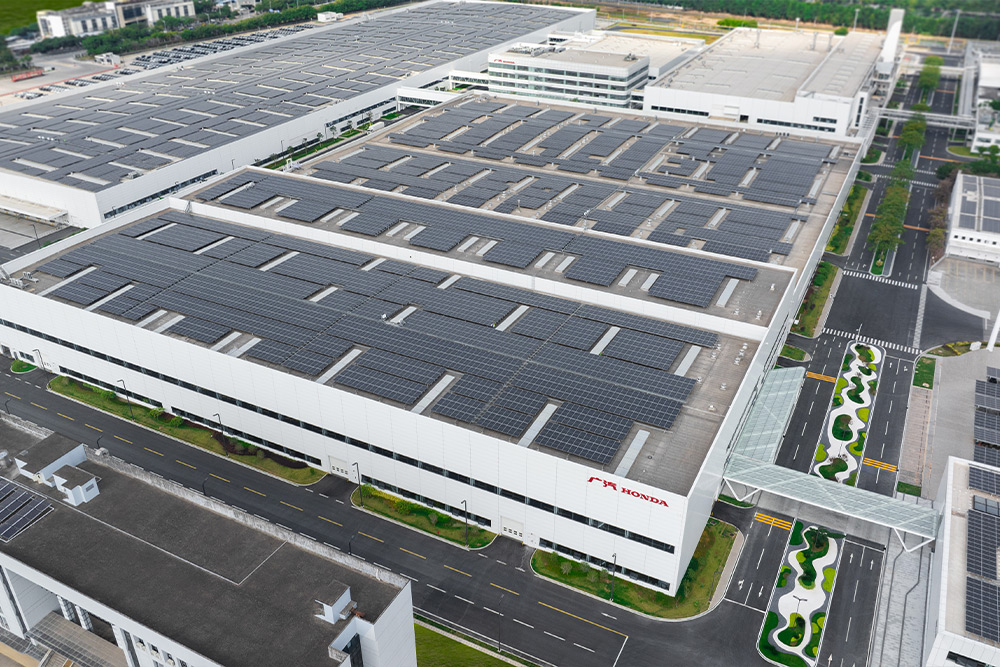
To address overcapacity, GAC Honda shut down its fourth production line with an annual capacity of 50,000 vehicles in October 2025, reducing total capacity from 1.49 million units to 1.2 million units.
Behind the decline in sales are factors such as the aging of Honda’s model lineup in China, slower product update cycles, and intensified competition from domestic brands.Over the past two years, Honda's popular ICE models in China, such as the CR-V and Civic, have faced mounting competitive pressure from brands like Geely, Changan, and BYD. These domestic rivals hold advantages in pricing, feature offerings, and the transition to electrification.
In addition, Honda's relatively slow pace of model updates and the lackluster appeal of its newer offerings have also contributed to a gradual erosion of its market share.
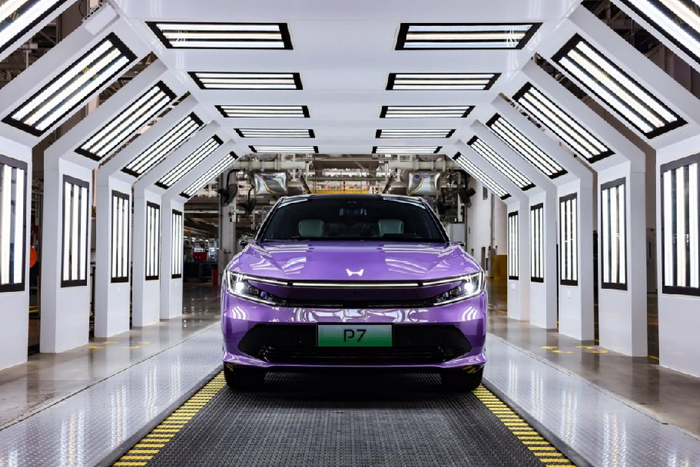 Although the delayed resumption of production has intensified short-term delivery pressures, Honda’s fundamental challenge lies in how to rejuvenate its product competitiveness and rebuild its brand influence in the Chinese market.
If any infringement occurs, please contact us for deletion










Popular Cars
Model Year
Car Compare
Car Photo