
Q
What engine does a 2018 Lexus LC 500 have?
 SingerVoiceOct 29, 2025, 04:32 PM
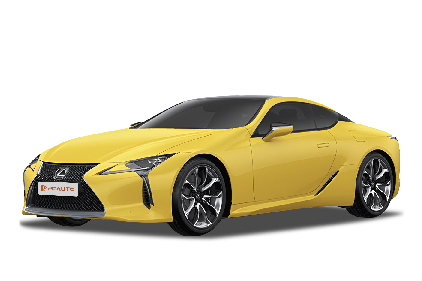
The 2018 Lexus LC 500 is powered by a 5.0-liter naturally aspirated V8 engine, codenamed 2UR-GSE. This engine features the D-4S dual-injection system, combining direct fuel injection and port injection. It cranks out 471 horsepower and a peak torque of 540 Nm, paired with a 10-speed automatic transmission for smooth yet potent performance. Renowned for its sharp high-rev response and linear acceleration, this engine is a dream for drivers who crave genuine driving excitement.
For Malaysian consumers, the LC 500's V8 isn't just a showcase of Lexus' mastery in naturally aspirated engine tech—it also hits the sweet spot for what local buyers want in a luxury GT. Sure, the large displacement might mean steeper road tax in Malaysia, but its stellar reliability and that iconic V8 soundtrack keep enthusiasts hooked. Plus, Lexus has long been celebrated for building engines that last and stay refined, and the LC 500's V8 carries on that legacy, serving up a mix of thrills and comfort that's hard to beat.
Special Disclaimer: This content is published by users and does not represent the views or position of PCauto.
Related Q&A
Q
What is the 0 60 time for the 2020 Lexus LC 500?
The 2020 Lexus LC 500 clocks in at around 4.7 seconds for the 0-60 mph (approximately 0-96 km/h) sprint. This luxury GT coupe packs a 5.0-liter naturally aspirated V8 engine, cranking out 471 horsepower and 540 Nm of peak torque, mated to a 10-speed automatic transmission. The rear-wheel-drive setup delivers smooth, linear power delivery. The beauty of a naturally aspirated engine is that it unleashes strong power at high revs, along with a richer, more throaty exhaust note—perfect for drivers who crave genuine driving fun. While the LC 500’s acceleration might not be as blistering as some turbocharged rivals, its smoothness and responsiveness are where the naturally aspirated engine truly shines. On top of that, it comes with adaptive suspension and rear-wheel steering, taking handling stability up a notch. If you’re into a GT that blends luxury and sportiness, the LC 500 is a solid pick. Its interior craftsmanship and comfort features live up to Lexus’s usual high standards, making it a great companion for long drives with excellent ride comfort.
 TiaNov 11, 2025
Q
How much oil does a 2020 Lexus LC 500 take?
The 2020 Lexus LC 500 has an oil capacity of approximately 8.2 liters, including the oil filter. It's recommended to use fully synthetic oil with a viscosity grade of 0W-20. This low-viscosity oil performs better in high-temperature climates and also helps improve fuel efficiency. Regular oil changes are crucial for maintaining the performance of that V8 naturally aspirated engine – typically every 10,000 kilometers or 12 months, but you should check the owner's manual for the exact interval. Keep in mind, if you often drive aggressively or in dusty conditions, you might want to shorten that oil change period a bit. When picking oil, aim for products with API SN or ILSAC GF-5 certifications; they offer more comprehensive engine protection. Also, it's a good idea to replace the oil filter when changing the oil to ensure proper filtration. The LC 500's oil filter is positioned for easy access, but if you're doing it yourself, watch the torque specs – over-tightening can damage the oil pan threads. If you're not familiar with the maintenance process, it's best to head to an authorized service center. They'll also check the condition of other key fluids like coolant and brake fluid while they're at it.
 SiaNov 11, 2025
Q
How many miles per gallon does a 2020 Lexus LC 500 get?
The 2020 Lexus LC 500 has a combined fuel economy of around 19 miles per gallon (mpg), with approximately 16 mpg in the city and 25 mpg on the highway. Actual figures may vary slightly depending on driving habits and road conditions. Under the hood, it's powered by a 5.0-liter naturally aspirated V8 engine that delivers a robust 471 horsepower. While fuel efficiency isn't its strongest suit, it's a solid pick for drivers who want a mix of performance and luxury. Lexus has thrown in lightweight materials and aerodynamic tweaks to help boost fuel efficiency a bit, all while serving up a great driving feel and top-notch interior craftsmanship. If you're really big on gas mileage, the hybrid LC 500h is worth a look—it pairs a 3.5-liter V6 with an electric motor for better fuel economy. Whether you go for the LC 500 or the LC 500h, Lexus has a solid reputation for reliability and comfort, making either one a good fit for folks who want both luxury and driving fun.
 QuinnNov 11, 2025
Q
How much horsepower does the LC500 have in 2020?
The 2020 Lexus LC500 is powered by a 5.0-liter naturally aspirated V8 engine, churning out 471 horsepower and 540 Nm of peak torque. Mated to a 10-speed automatic transmission, it delivers smooth yet robust performance. This engine features Lexus' advanced D-4S fuel injection technology, combining Atkinson and Otto cycles to optimize fuel efficiency without sacrificing high-performance output. As a luxury GT sports car, the LC500 isn't just about raw power—it also prioritizes driving comfort and exquisite interior design, making it ideal for long journeys. The linear power delivery of the naturally aspirated engine and the unique V8 soundtrack are major draws too. Compared to turbocharged models, it offers more immediate throttle response and a purer driving experience. If you're into high-performance naturally aspirated engines, the LC500 is definitely worth considering—it strikes a fantastic balance between luxury and sporty performance.
 PiaNov 11, 2025
Q
Does the 2020 LC 500 have a back seat?
The 2020 Lexus LC 500 is a high-performance luxury GT coupe that prioritizes driving enjoyment and elegant styling. That's why it features a two-door, four-seat layout. While technically equipped with rear seats, the actual space back there is pretty tight—adults will find legroom and headroom cramped, making it better suited for storing personal items or fitting a child safety seat. Powering this beauty is a 5.0-liter naturally aspirated V8 engine paired with a 10-speed automatic transmission, emphasizing linear power delivery and refined driving feel. The interior uses premium leather and aluminum trim, really upping the luxury ante. For folks who love long drives but occasionally need to carry passengers, the LC 500's rear seats work in a pinch. But if you regularly need to haul four people, you might want to check out a roomier four-door coupe or luxury sedan. Lexus has a solid after-sales service network in the local market, and owners get access to exclusive brand maintenance programs. These kinds of GT cars are typically for consumers who value personality and a top-notch driving experience.
MiaNov 11, 2025Q
What engine is in the 2020 Lexus LC 500?
The 2020 Lexus LC 500 is powered by a 5.0-liter naturally aspirated V8 engine, codenamed 2UR-GSE. This engine features the D-4S dual fuel injection system, combining direct injection and port injection, churning out 471 horsepower (351 kilowatts) and a peak torque of 540 Nm. Mated to a 10-speed automatic transmission, it delivers linear yet robust power. Renowned for its strong high-rev performance and deep, throaty exhaust note, this V8 stays true to Lexus' commitment to naturally aspirated engines, making it a perfect fit for drivers who crave genuine driving pleasure. Notably, the LC 500 comes with rear-wheel drive and offers an optional Dynamic Rear Steering system, further enhancing handling agility. For enthusiasts of high-performance coupes, the LC 500's V8 isn't just a showcase of Lexus' craftsmanship in traditional powertrains; it's also one of the few remaining models in its class to stick with a large-displacement naturally aspirated engine. Plus, its reliable durability and low failure rate live up to the brand's usual high standards.
 LeoNov 11, 2025
Q
What is the 2020 LC 500 0-60 time?
The 2020 Lexus LC 500 hits 0-60 mph in around 4.7 seconds. This luxury GT coupe packs a 5.0-liter naturally aspirated V8 engine, cranking out 471 horsepower and 540 Nm of peak torque, mated to a 10-speed automatic transmission. The rear-wheel-drive setup delivers a smooth acceleration feel. For enthusiasts who love naturally aspirated engines, the LC 500's appeal lies in its linear power delivery and high-revving exhaust note, a stark contrast to today's popular turbocharged models. While 4.7 seconds isn't the quickest in its class, the LC 500 prioritizes the blend of driving dynamics and luxury. Its signature spindle grille and exquisite interior craftsmanship showcase that unique Japanese luxury aesthetic. Notably, the suspension is finely tuned to balance sporty performance with long-distance comfort, perfect for owners who value personality and taste.
 WanderzzNov 11, 2025
Q
Is 2020 a good year for Lexus?
2020 was a pretty solid year for Lexus, especially in the luxury car market where the brand kept up its strong competitiveness thanks to its reliability and high quality. That year, Lexus rolled out several updated models, like the new RX and ES series, which got noticeable upgrades in design, tech features, and comfort. The safety system, in particular, was upgraded to Lexus Safety System+ 2.0, adding more active safety functions—super useful for consumers who care about family cars. Plus, hybrid models like the RX450h and ES300h were popular too; they not only had great fuel economy but also fit with the eco-friendly trend. Lexus still had really high used car retention rates in 2020, which is a big plus for owners planning to keep their cars long-term. If you're thinking about buying a luxury car, the 2020 Lexus models are worth checking out, especially since their hybrid tech and after-sales service reputation have always been strong, able to handle both daily driving and long road trips.
 JoggerPaceNov 11, 2025
Q
What is the resale value of a 2020 Lexus?
The residual value of a used 2020 Lexus depends on factors like the specific model, mileage, condition, and trim level. Generally, popular models such as the ES, RX, or NX hold their value well—after three years, they typically retain about 60% to 70% of their original price. Higher-end models like the LS or LC might depreciate a bit more, usually around 50% to 60%. Lexus is known for reliability and low maintenance costs, which helps keep resale values strong, especially for vehicles with complete regular service records. Hybrid models are also in demand locally because their fuel efficiency aligns better with long-term driving needs. For a more accurate estimate, check transaction data on local used car platforms or consult professional appraisal services. It’s also a good idea to thoroughly clean the vehicle and handle minor repairs before selling to boost the asking price. Keep in mind that used car prices can fluctuate based on market supply and demand, as well as new car promotions, so the actual selling price might vary.
 SpiritualGrowthJourneyNov 11, 2025
Q
How much is insurance for a 2020 Lexus?
The insurance cost for a 2020 Lexus varies depending on factors like the model, engine displacement, owner's age, driving record, and coverage. Generally, a midsize sedan like the ES 250 might run around RM2,500 to RM4,000 annually, while an SUV such as the RX 350 could be a bit higher, roughly RM3,000 to RM4,500. For accurate pricing, you’ll need to check with insurance companies directly. Insurance calculations typically include third-party liability, comprehensive insurance, and add-ons like natural disaster or theft coverage. It’s a good idea to compare quotes and terms from different insurers to find the best fit for your needs. Also, as a luxury brand, Lexus parts and repair costs are relatively high, which is part of why insurance is a bit pricier. But its reliability and safety features offer better protection for owners, potentially reducing long-term unexpected repair expenses.
 ThinkerrNov 11, 2025
Popular Cars
Model Year
Car Compare
Car Photo
Related Models
 Cars
CarsLatest Q&A
Q
Is AMT similar to automatic?
There are significant differences between AMT transmissions and automatic transmissions (AT) in terms of core structure and driving experience. AMT is essentially an electronically automated version of a manual transmission, simulating manual clutch operation and gear shifting through a computerized control system while retaining the gear set structure of manual transmissions. As a result, it offers higher transmission efficiency, with fuel consumption approximately 8%-12% lower than AT, making it particularly suitable for highway or long-distance driving. However, it may exhibit jerking similar to manual transmissions during low-speed gear shifts, especially noticeable in congested traffic conditions.
AT transmissions rely on torque converters for power transfer, delivering smooth and seamless gear shifts that appeal to comfort-oriented users. However, their complex structure (incorporating planetary gear sets, hydraulic systems, etc.) results in higher maintenance costs. A single service may cost between 800 to 1,500 ringgit, whereas AMT only requires gear oil replacement at approximately 400 ringgit.
From a market perspective, AMT is predominantly used in budget vehicles or commercial models priced below 80,000 ringgit, while AT is typically featured in mid-to-high-end vehicles. Consumers should select based on actual needs: AMT suits those prioritizing fuel efficiency and low maintenance costs, while AT better serves those valuing comfort. Notably, recent advancements in AMT electronic control technology have significantly mitigated jerking issues, though test drives should still emphasize low-speed performance evaluation.
 AriaMar 26, 2026
Q
Which is better, DCT or AT?
DCT (Dual-Clutch Transmission) and AT (Automatic Transmission) each have their own advantages and disadvantages, and the choice should be based on personal driving needs. AT transmissions transfer power through a torque converter, offering excellent shift smoothness, making them suitable for urban commuting or novice drivers. However, they tend to have higher fuel consumption, and vehicles equipped with them are usually more expensive. DCT transmissions utilize a dual-clutch structure, featuring fast shift speeds and high power transmission efficiency, which provides a more direct driving experience—particularly suitable for users seeking a sporty feel. However, they may exhibit jerking at low speeds and have relatively high maintenance costs. If durability and comfort are priorities, AT is the more reliable choice; if power responsiveness and driving pleasure are preferred, wet DCT (such as Volkswagen DSG) performs better, though dry DCT models should be avoided in prolonged stop-and-go traffic conditions. Additionally, CVT transmissions excel in smoothness and fuel efficiency, making them ideal for daily commuting, but they lack driving excitement. It is recommended to test-drive before purchasing, as tuning varies significantly across brands, and real-world experience is more important than theoretical specifications.
FlutteringMar 26, 2026Q
Is Amt good or bad?
AMT gearboxes have a significant cost advantage in the local market, typically being around 5,000 Ringgit cheaper than models equipped with conventional automatic transmissions. Their fuel efficiency is comparable to manual transmissions, resulting in long-term fuel savings. Featuring a straightforward design, they achieve transmission efficiency exceeding 90% with relatively low maintenance costs, making them ideal for practicality-oriented consumers. However, their shifting logic contains inherent limitations: gear changes between 1st and 2nd cause 0.3-0.5 second power interruptions, while unintended upshifts on inclines may reduce engine speed by 15%-20%, compromising driving smoothness. For urban commuters or budget-conscious buyers, AMT offers excellent value, though those prioritizing premium driving dynamics should consider alternative transmission types. Some domestic models like the Perodua Axia employ enhanced AMT systems, where optimized shift programming has reduced gearshift shock by approximately 30%.
 RainbowsMar 26, 2026
Q
Which gives better mileage, CVT or AMT?
From the perspective of fuel economy, CVT transmissions generally perform better under urban driving conditions. Their continuously variable design allows the engine to consistently operate within the optimal speed range, significantly reducing fuel consumption during frequent starts and stops. Test data shows that their fuel consumption in urban driving conditions is 10% to 15% lower than that of comparable models. AMT transmissions, on the other hand, inherit the high transmission efficiency of manual transmissions, delivering fuel efficiency close to manual transmissions during high-speed cruising. This makes them particularly suitable for long-distance driving in large-displacement vehicles. However, due to power interruption during gear shifts, their overall fuel consumption may be 5% to 8% higher than CVTs.
The difference in fuel-saving characteristics between the two transmissions stems from their technical principles: CVTs achieve continuous variability through steel belts and pulleys, eliminating the fixed gear ratio limitations of traditional transmissions; AMTs simulate manual gear changes via electronic control systems while maintaining the mechanical efficiency of gear transmission. Notably, actual fuel consumption is also influenced by driving habits. Smooth acceleration and anticipatory deceleration can maximize the transmissions' fuel-saving potential. If the vehicle budget permits and urban commuting is the primary use, CVTs offer a more economical choice. For frequent highway driving with an emphasis on cost-effectiveness, AMTs are equally worth considering.
 RubyBlazeMar 26, 2026
Q
Which is cheaper, AMT or CVT?
In terms of gearbox cost, AMT is usually more economical than CVT. Essentially, AMT is a manual transmission equipped with an electronic control unit, featuring a simple structure and low maintenance costs. The unit price ranges from approximately 5,000 to 8,000 ringgit, making it suitable for budget-conscious consumers or those who prioritize long-term operating costs. CVT incurs higher manufacturing costs due to its precision steel belt transmission system and continuous variable transmission technology, with a unit price of about 7,000 to 10,000 ringgit. However, it delivers a smoother driving experience and superior fuel efficiency. The primary differences between the two lie in technical complexity: AMT retains the gear-shifting mechanism, resulting in noticeable shift shock; CVT achieves linear power output through stepless speed variation but requires periodic belt inspection and incurs higher maintenance expenses. For those prioritizing initial cost and basic transportation needs, AMT offers better value; if comfort and long-term fuel economy are priorities, CVT represents a more worthwhile investment. Note that actual prices may vary based on vehicle model, brand, and local supply chain factors.
 ShadowProwlMar 26, 2026
Related News

Aerodynamic kit + Optimized V8 engine! Tom's Racing modified Lexus LC is so stunning?
MichaelJan 14, 2026

The Lexus ES 200: Laughed Out of Existence
MichaelMar 23, 2026

Toyota Crown Sedan and Lexus ES price difference? What are their differences?
WilliamMar 13, 2026

Lexus releases RZ 600e F SPORT Performance, 0–100 km/h acceleration takes only 4.4 seconds
JamesDec 26, 2025

Lexus GX550 is here, a luxury version of the Toyota Land Cruiser Prado, priced from RM 780,000
RobertDec 8, 2025
View More
Pros
Cons