
Q
What is Nissan Kicks 2024 top speed?
 JourneyOct 20, 2025, 05:59 PM
The 2024 Nissan Kicks tops out at around 170 km/h here in Malaysia. That figure comes from its 1.6-litre naturally aspirated HR16DE engine paired with the Xtronic CVT gearbox, a setup clearly tuned more for fuel efficiency and smooth city cruising than outright speed. As a compact SUV aimed at young families, the Kicks isn't the fastest in its class, but let's be real – its top speed is more than enough to handle Malaysia's highway speed limits (usually 110 km/h) and those quick overtakes you need on the daily.
It’s worth remembering, though, that real-world top speed can dip depending on how much you’re carrying, the road conditions, and even our tropical heat. Keeping up with regular servicing helps maintain engine cooling and transmission performance, so don’t skip that. If you’re craving more punch under the hood, you might want to check out some turbocharged rivals like the Proton X50 or Honda HR-V. But the Kicks fights back with its strong suits: excellent fuel economy (around 5.6L/100km, according to Nissan) and the handy ProPILOT driver assistance system – perfect if you value practicality over raw speed.
Malaysia’s got its fair share of hills, so I’d definitely recommend a test drive to feel how it handles inclines. And to sweeten the deal, Nissan Malaysia backs it with a 5-year warranty, which should put a few more minds at ease.
Special Disclaimer: This content is published by users and does not represent the views or position of PCauto.
Related Q&A
Q
What does D mode mean in Nissan Kicks 2024?
In the 2024 Nissan Kicks, D-Mode stands for Drive Mode – your standard go-to setting for everyday driving. It’s all about striking that sweet balance between power delivery and fuel efficiency, giving you a smooth, predictable ride when you need it most. Now, this little crossover might also come with other modes like Eco for when you’re watching the fuel gauge, or Sport if you feel like spicing things up a bit. But D-Mode? That’s your default, and honestly, it’s perfect for Malaysia’s usual mix of city commutes and highway jaunts. It’ll automatically tweak the throttle response and gearbox logic to keep things running optimally.
For Malaysian drivers, getting the lowdown on D-Mode’s quirks can really help you get the most out of your Kicks. Whether you’re stuck in KL’s legendary traffic snarls or cruising down the North-South Expressway, it’s designed to save you fuel while keeping the drive comfy – a real win-win. Plus, using the right drive mode at the right time isn’t just about immediate comfort; it can actually help keep your ride in good shape for longer. So, don’t be afraid to switch things up based on the road ahead – your Kicks (and your wallet) will thank you for it.
 CharmingSoulOct 20, 2025
Q
Can a Nissan Kicks 2024 drive in the snow?
The 2024 Nissan Kicks, being a front-wheel-drive-focused compact SUV, demands caution when tackling snowy roads. Sure, it comes packed with essential safety tech like Electronic Stability Program (ESP) and traction control, and those factory-fitted all-season tires work perfectly fine here in Malaysia's tropical climate. But if you're planning a trip to snow-covered areas, swapping in winter tires or throwing on snow chains is a smart move to boost grip. Let's be real, though—with its ground clearance and the lack of a four-wheel-drive system, this urban SUV's ability to handle deep snow or icy surfaces is pretty limited.
For Malaysian buyers, snow driving isn't exactly an everyday scenario, but getting a handle on how your ride performs in different conditions is still a good call. Think about it: cold temperatures can eat into EV range or mess with the battery performance of traditional petrol cars. And when it comes to snow, your tires and driving skills are put to the ultimate test. If you've got plans for an occasional overseas road trip where snow might be a factor, do yourself a favor—research the local road conditions ahead of time and tweak your vehicle to suit. At the end of the day, safety always takes top priority.
 WildernessExplorerSoulOct 20, 2025
Q
Does the 2024 Nissan Kicks have a 360 camera?
The 2024 Nissan Kicks does come loaded with a 360-degree camera system on its higher-spec trims here in Malaysia. This setup uses multiple cameras around the car to give you that handy bird's-eye view, which is a total lifesaver when squeezing into tight parking spots or navigating tricky terrain. It's especially useful for Malaysia's often congested city streets and narrow back lanes. Beyond the 360-cam, you might also find extras like moving object detection and rear cross-traffic alert, which definitely help cut down on those annoying little scrapes and bumps. Quick heads-up though – specs can vary between markets, so Malaysian buyers should definitely check with their local dealer to confirm what's included before signing on the dotted line.
360-degree camera tech first popped up on luxury cars, but it's trickled down to mainstream models these days, becoming a key feature for boosting driving convenience. How does it work? Basically, an image processing chip stitches together feeds from four ultra-wide-angle cameras to create that seamless panoramic view. Some fancier systems even pair it with ultrasonic sensors for more precise distance warnings. For practical-minded Malaysian drivers, these driver aids can take a lot of the stress out of daily commuting. They really shine during the rainy season when roads are slippery, or at night when visibility is poor – that's when you'll appreciate having that extra set of "eyes" the most.
 GoldenSunsetHorizonOct 20, 2025
Q
How to open trunk on Nissan Kicks 2024?
Here's how to pop the trunk on the 2024 Nissan Kicks – it's super straightforward, with a few handy ways to do it. The most direct method is using the trunk release button on your remote fob; just hold it down for about a second and it'll unlock automatically. Then there's the trunk switch panel on the left side of the driver's dashboard, perfect for quickly accessing the cargo area when you're parked inside the car. If your Kicks is equipped with the smart proximity feature (usually on higher trim levels), simply walk up to the tailgate with your key in your pocket or bag and press the button on the door itself to unlock it.
A really cool convenience feature on the 2024 Kicks is the hands-free foot-activated liftgate – though you'll want to check your specific configuration to confirm it's included. Just wave your foot under the rear bumper, and the radar system triggers the trunk to open automatically – total lifesaver when your hands are full with groceries or gear.
For our Malaysian drivers, here's a quick pro tip: keep an eye on the tailgate struts and make sure they stay lubricated. The local hot and humid climate can speed up rubber component wear, so a little maintenance goes a long way. And if you ever run into electrical issues, there's a manual emergency release lever behind the rear seat – good to know for those just-in-case scenarios. These little touches really show Nissan's thoughtfulness about real-world use.
Just remember, trim levels and features can vary a bit by market, so always flip through your owner's manual to confirm exactly what your Kicks is packing.
 RubyRedFlamePassionOct 20, 2025
Q
How much oil for 2024 Nissan Kicks?
The 2024 Nissan Kicks has an oil capacity of approximately 3.7 liters, including the oil filter replacement. It's recommended to use 5W-30 viscosity oil meeting API SN or higher standards. The exact capacity might vary slightly depending on the engine variant or regional specifications, so it's best to check the owner's manual or consult an authorized Nissan dealer in Malaysia for precise details.
In Malaysia's hot climate, regular oil changes are crucial – typically every 5,000 to 10,000 kilometers or 6 months, whichever comes first. High temperatures can cause oil to oxidize faster, so opting for a quality fully synthetic oil will provide better engine protection.
When checking the oil level, make sure the vehicle is parked on level ground and wait a few minutes after turning off the engine to allow the oil to drain back into the sump for an accurate reading. If adding oil yourself, pour small amounts gradually and check the dipstick repeatedly to avoid overfilling, which can increase engine resistance or damage seals.
 LivelySpiritOct 20, 2025
Q
Do 2024 Nissan Kicks have heated seats?
Whether the 2024 Nissan Kicks in Malaysia comes with heated seats depends entirely on the local specs. From what I’ve seen, Southeast Asian models usually prioritize ventilation and breathability over heating—makes total sense given the tropical climate, right? If you’re after better seat comfort, keep an eye on other tech features it might offer, like premium fabric seats or maybe optional upholstery upgrades. Malaysian buyers should definitely note that trim levels can vary by region, so hitting up your local Nissan dealer is the best move to get the exact specs. Truth is, for tropical markets, stuff like ventilated seats and UV-protected glass are way more practical than heaters—little details that actually work with the weather. And hey, it never hurts to cross-shop with other subcompacts to see how their seat features stack up. That way you get the full picture of what’s out there.
 LeoOct 20, 2025
Q
Are 2024 Nissan Kicks AWD or FWD?
The 2024 Nissan Kicks hits the Malaysian market strictly as a front-wheel drive (FWD) offering – no all-wheel drive (AWD) variant is on the cards here. Under the hood, you'll find a 1.6-liter naturally aspirated engine paired with a CVT gearbox, a combo that prioritizes fuel efficiency and nimble city handling – perfect for Malaysia's typical urban traffic and climate. FWD does a solid job on slippery roads or your daily commute, plus it keeps things mechanically simpler and cheaper to maintain. AWD, while great for serious off-roading or extreme conditions, just isn't a must-have for everyday Malaysian driving. The Kicks also packs in some nice safety and tech features, like intelligent emergency braking and blind spot monitoring, to sweeten the deal. If you're a Malaysian shopper on a budget but still want a high-value SUV, the Kicks is definitely one to check out.
 NightRiderOct 20, 2025
Q
How much does it take to fill up a 2024 Nissan Kicks?
The 2024 Nissan Kicks in Malaysia comes with a 41-liter fuel tank. At Malaysia's current RON 95 petrol prices – around RM2.05 per liter as of December 2023, for example – a full tank will set you back roughly RM84. Of course, the actual cost can vary slightly depending on fuel price fluctuations and how much fuel is left in the tank when you refuel.
Notably, this model is powered by a 1.6-liter naturally aspirated engine paired with a CVT transmission. Nissan claims a combined fuel consumption figure of 6.0 liters per 100 kilometers, which translates to an approximate maximum range of 680 kilometers on a full tank. That makes it well-suited for city commuting and short road trips.
Malaysian drivers should also keep in mind that real-world fuel efficiency can be influenced by factors like driving style, traffic conditions, and air-conditioning usage. Regular maintenance, such as changing the air filter and keeping the tires properly inflated, can help further optimize fuel economy.
Additionally, the Kicks features a resin fuel tank, which not only helps reduce the vehicle's overall weight but also offers better corrosion resistance. These kinds of details highlight the balance Japanese cars often strike between practicality and engineering ingenuity.
 HappyMillipedeOct 20, 2025
Q
Do Nissan Kicks 2024 have cruise control?
From what we know so far, the 2024 Nissan Kicks does come with cruise control in some markets, but exact specs can vary by region and trim level. For Malaysian buyers, your best bet is to hit up your local Nissan dealer to get the full lowdown on what the Malaysia-spec model offers.
Cruise control is a real lifesaver on long drives – it automatically maintains your set speed, takes the edge off driver fatigue, and just makes the whole journey more relaxed. These days, with car tech advancing so quickly, even budget-friendly SUVs are starting to pack in these handy features. Some even step it up with fancier active cruise control (ACC), which can automatically adjust your speed to keep a safe gap from the car in front.
If you're shopping for a new ride in Malaysia, besides cruise control, keep an eye out for other safety goodies like automatic emergency braking and lane-keep assist – they can seriously boost your on-road safety. Just a heads-up though: different brands and models tend to name their driver-assist systems differently, and the features can vary too. So when you go for a test drive, make sure to ask the dealer to walk you through exactly how each system works.
 HappySpiderOct 20, 2025
Q
Does the Nissan Kicks 2024 have a heated steering wheel?
From what we know so far, the 2024 Nissan Kicks doesn't come standard with a heated steering wheel in the Malaysian market. That feature's usually found on higher trim levels or as part of an optional package in colder climate markets. Being a tropical country, Malaysian buyers tend to prioritize things like ventilated seats that better suit the local weather. But if a heated wheel is something you're really set on, it's worth hitting up your local Nissan dealer to see if there's a special edition or if they can sort out a post-purchase installation. Some premium models do offer that kind of personalization these days.
It's also worth noting that heated steering wheels are still pretty rare on Japanese SUVs priced below the RM200k mark. Even rivals like the Honda HR-V and Toyota Corolla Cross don't offer it much either – it just comes down to what Southeast Asian buyers typically prioritize.
Tech-wise, modern heated steering wheel systems are pretty solid. Using carbon fiber or resistance wires, they can warm up to a comfortable temp in 3-5 minutes, and they don't guzzle juice – think about the same power draw as your average car headlight. If Malaysian consumers start asking for more comfort features down the line, you might see automakers adjust their spec sheets. For now though, your best bet is to check Nissan Malaysia's online configurator or, better yet, swing by a dealership for a test drive to see what the actual car comes with.
HappyEarthwormOct 20, 2025Popular Cars
Model Year
Car Compare
Car Photo
Related Models
 Cars
CarsLatest Q&A
Q
Is AMT similar to automatic?
There are significant differences between AMT transmissions and automatic transmissions (AT) in terms of core structure and driving experience. AMT is essentially an electronically automated version of a manual transmission, simulating manual clutch operation and gear shifting through a computerized control system while retaining the gear set structure of manual transmissions. As a result, it offers higher transmission efficiency, with fuel consumption approximately 8%-12% lower than AT, making it particularly suitable for highway or long-distance driving. However, it may exhibit jerking similar to manual transmissions during low-speed gear shifts, especially noticeable in congested traffic conditions.
AT transmissions rely on torque converters for power transfer, delivering smooth and seamless gear shifts that appeal to comfort-oriented users. However, their complex structure (incorporating planetary gear sets, hydraulic systems, etc.) results in higher maintenance costs. A single service may cost between 800 to 1,500 ringgit, whereas AMT only requires gear oil replacement at approximately 400 ringgit.
From a market perspective, AMT is predominantly used in budget vehicles or commercial models priced below 80,000 ringgit, while AT is typically featured in mid-to-high-end vehicles. Consumers should select based on actual needs: AMT suits those prioritizing fuel efficiency and low maintenance costs, while AT better serves those valuing comfort. Notably, recent advancements in AMT electronic control technology have significantly mitigated jerking issues, though test drives should still emphasize low-speed performance evaluation.
 AriaMar 26, 2026
Q
Which is better, DCT or AT?
DCT (Dual-Clutch Transmission) and AT (Automatic Transmission) each have their own advantages and disadvantages, and the choice should be based on personal driving needs. AT transmissions transfer power through a torque converter, offering excellent shift smoothness, making them suitable for urban commuting or novice drivers. However, they tend to have higher fuel consumption, and vehicles equipped with them are usually more expensive. DCT transmissions utilize a dual-clutch structure, featuring fast shift speeds and high power transmission efficiency, which provides a more direct driving experience—particularly suitable for users seeking a sporty feel. However, they may exhibit jerking at low speeds and have relatively high maintenance costs. If durability and comfort are priorities, AT is the more reliable choice; if power responsiveness and driving pleasure are preferred, wet DCT (such as Volkswagen DSG) performs better, though dry DCT models should be avoided in prolonged stop-and-go traffic conditions. Additionally, CVT transmissions excel in smoothness and fuel efficiency, making them ideal for daily commuting, but they lack driving excitement. It is recommended to test-drive before purchasing, as tuning varies significantly across brands, and real-world experience is more important than theoretical specifications.
FlutteringMar 26, 2026Q
Is Amt good or bad?
AMT gearboxes have a significant cost advantage in the local market, typically being around 5,000 Ringgit cheaper than models equipped with conventional automatic transmissions. Their fuel efficiency is comparable to manual transmissions, resulting in long-term fuel savings. Featuring a straightforward design, they achieve transmission efficiency exceeding 90% with relatively low maintenance costs, making them ideal for practicality-oriented consumers. However, their shifting logic contains inherent limitations: gear changes between 1st and 2nd cause 0.3-0.5 second power interruptions, while unintended upshifts on inclines may reduce engine speed by 15%-20%, compromising driving smoothness. For urban commuters or budget-conscious buyers, AMT offers excellent value, though those prioritizing premium driving dynamics should consider alternative transmission types. Some domestic models like the Perodua Axia employ enhanced AMT systems, where optimized shift programming has reduced gearshift shock by approximately 30%.
 RainbowsMar 26, 2026
Q
Which gives better mileage, CVT or AMT?
From the perspective of fuel economy, CVT transmissions generally perform better under urban driving conditions. Their continuously variable design allows the engine to consistently operate within the optimal speed range, significantly reducing fuel consumption during frequent starts and stops. Test data shows that their fuel consumption in urban driving conditions is 10% to 15% lower than that of comparable models. AMT transmissions, on the other hand, inherit the high transmission efficiency of manual transmissions, delivering fuel efficiency close to manual transmissions during high-speed cruising. This makes them particularly suitable for long-distance driving in large-displacement vehicles. However, due to power interruption during gear shifts, their overall fuel consumption may be 5% to 8% higher than CVTs.
The difference in fuel-saving characteristics between the two transmissions stems from their technical principles: CVTs achieve continuous variability through steel belts and pulleys, eliminating the fixed gear ratio limitations of traditional transmissions; AMTs simulate manual gear changes via electronic control systems while maintaining the mechanical efficiency of gear transmission. Notably, actual fuel consumption is also influenced by driving habits. Smooth acceleration and anticipatory deceleration can maximize the transmissions' fuel-saving potential. If the vehicle budget permits and urban commuting is the primary use, CVTs offer a more economical choice. For frequent highway driving with an emphasis on cost-effectiveness, AMTs are equally worth considering.
 RubyBlazeMar 26, 2026
Q
Which is cheaper, AMT or CVT?
In terms of gearbox cost, AMT is usually more economical than CVT. Essentially, AMT is a manual transmission equipped with an electronic control unit, featuring a simple structure and low maintenance costs. The unit price ranges from approximately 5,000 to 8,000 ringgit, making it suitable for budget-conscious consumers or those who prioritize long-term operating costs. CVT incurs higher manufacturing costs due to its precision steel belt transmission system and continuous variable transmission technology, with a unit price of about 7,000 to 10,000 ringgit. However, it delivers a smoother driving experience and superior fuel efficiency. The primary differences between the two lie in technical complexity: AMT retains the gear-shifting mechanism, resulting in noticeable shift shock; CVT achieves linear power output through stepless speed variation but requires periodic belt inspection and incurs higher maintenance expenses. For those prioritizing initial cost and basic transportation needs, AMT offers better value; if comfort and long-term fuel economy are priorities, CVT represents a more worthwhile investment. Note that actual prices may vary based on vehicle model, brand, and local supply chain factors.
 ShadowProwlMar 26, 2026
Related News

Nissan Kicks e-Power lands in Malaysia, hybrid, with a range of 900 kilometers!
MichaelNov 12, 2024
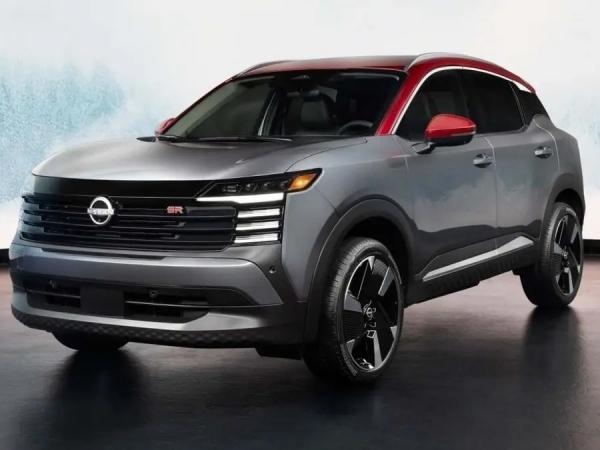
The New NISSAN Kicks Debuts at the New York Auto Show, Adding a Four-wheel Drive System
Kevin WongMar 28, 2024

The third-generation Nissan Leaf officially debuts: from a hatchback car to a crossover SUV with a 622 km range
WilliamMar 11, 2026

1000km full-tank range! 2026 Nissan Serena e-Power officially launched in Malaysia
JohnMar 5, 2026

2026 Nissan March: A Rebirth or the End of the Road for the B-Segment Hatchback?
JamesMar 4, 2026
View More
Pros
Cons