
Q
What is the BYD Sealion 7 Size? How Big Is It?
 StrongJul 23, 2025, 12:24 PM
The PCD (Pitch Circle Diameter) of the BYD Sealion 7 is 5×114.3 mm. This is a common specification used in most modern SUVs and sedans, which means there are 5 bolt holes on the wheel hub evenly distributed with a diameter of 114.3 mm. This design ensures the matching and stability of the wheel hub and the vehicle. For Malaysian car owners, it's very important to understand the PCD size because it's directly related to the compatibility when replacing the wheel hub or upgrading the tires. Choosing the wrong PCD size may lead to installation difficulties or potential safety hazards while driving. In addition, as the climate in Malaysia is rainy and humid, it's recommended that car owners also pay attention to the material and anti - corrosion performance of the wheel hub when replacing it to ensure long - term safety. As a new - energy SUV, the wheel hub design of the BYD Sealion 7...
Special Disclaimer: This content is published by users and does not represent the views or position of PCauto.
Related Q&A
Q
What segment does the BYD Sealion belong to?
The BYD Sealion is an electric vehicle positioned as a mid - sized SUV (D - Segment). It is mainly targeted at family users and consumers who pursue a sense of technology. Its body size and interior space meet the mainstream standards of this segment, which suits the Malaysian market's demand for practicality and comfort.
As a product of BYD's e - Platform 3.0, the Sealion is equipped with blade batteries and an intelligent electric four - wheel drive system. Its range and power performance are competitive in the same segment. Moreover, it supports fast - charging technology, which meets the local users' expectations for the convenience of electric vehicles.
In the Malaysian market, the mid - sized SUV segment is highly competitive. The entry of the Sealion provides consumers with more new - energy options. Its intelligent features, such as the DiPilot driving assistance system and the rotatable central control screen, also align with the local users' preference for technological configurations.
It's worth noting that the Malaysian government offers tax incentives for electric vehicles, which makes electric models like the Sealion more price - attractive. In addition, vehicles in this segment usually meet both the needs of urban commuting and light off - road driving, making them suitable for the diverse local driving scenarios.
 OceanMistExplorerJul 30, 2025
Q
What is the Reslae Value of BYD Sealion?
As a new energy SUV, the second-hand resale value of the BYD Sealion in the Malaysian market will be influenced by various factors such as brand awareness, battery life, local after-sales network, and policy support. Currently, thanks to BYD's global advantage in electric vehicle sales and its battery technology accumulation, the residual value performance of its models in overseas markets is becoming more stable. However, when it comes to the Malaysian market, the resale value of the Sealion needs to refer to the data from local second-hand car platforms. Usually, it depreciates about 20 - 30% in the first year, which is lower than that of fuel vehicles in the same class. Since electric vehicles have lower maintenance costs and are supported by government tax incentives, in the long run, battery health (usually with an 8-year/150,000-kilometer warranty) and the popularity of charging facilities will become the key influencing factors. It is recommended that before purchasing a car, you compare the second-hand market conditions of models like the Tesla Model Y or Proton X90 in the same class, and keep an eye on the policy trends of new energy vehicles in Malaysia, such as import tax exemptions or charging subsidies. These will indirectly increase the demand for second-hand cars. Regular maintenance records and a complete transfer of the warranty can also significantly improve the residual value.
 DreamySundaysRelaxerJul 30, 2025
Q
What is the motor power of the BYD Sealion?
The BYD Sealion is a plug - in hybrid SUV with an engine displacement of 1498cc (1.5 liters), which falls within the common displacement range in the compact SUV market. It's well - suited for the daily commuting and family use of Malaysian consumers. As a new - energy vehicle, the Sealion combines the advantages of a traditional fuel engine and an electric motor, offering lower fuel consumption and higher environmental - friendliness while maintaining sufficient power output.
In the Malaysian market, the hybrid system of the BYD Sealion is particularly suitable for local road conditions. It can handle urban traffic congestion and meet the needs of long - distance driving. Moreover, BYD is a globally leading new - energy vehicle brand, and its technological maturity and reliability are widely recognized. The battery and electronic control system of the Sealion have also undergone strict tests to adapt to tropical climate conditions.
For Malaysian consumers, choosing the BYD Sealion not only allows them to enjoy the government's preferential policies for new - energy vehicles but also enables them to experience advanced hybrid technology. It's an ideal vehicle that combines practicality and environmental protection.
CloverFieldsLoverJul 30, 2025Q
What is the Engine applied in BYD Sealion?
The BYD Sealion is equipped with BYD's self-developed third-generation DM-i super hybrid system. Its core power consists of a high - efficiency 1.5L naturally aspirated engine and an electric motor. The maximum power of the engine is 81kW. When combined with the electric motor, the comprehensive output power can reach over 160kW, balancing fuel economy and power performance, which is suitable for both urban commuting and long - distance driving in Malaysia.
This engine adopts the Atkinson cycle technology with a thermal efficiency as high as 43%, significantly reducing fuel consumption. At the same time, it is paired with an E - CVT continuously variable transmission, providing a smooth driving experience. It's worth mentioning that BYD's DM - i technology is mainly driven by electricity, and the engine is mostly used as a high - efficiency generator. Therefore, in pure - electric mode, it can achieve quiet and zero - emission driving, while in hybrid mode, it has excellent range, which is very suitable for the diverse road conditions and environmental protection trends in Malaysia.
In addition, BYD also provides a long - term warranty for the battery pack, so users don't have to worry about battery durability issues. For Malaysian consumers, the BYD Sealion not only has the advantage of low operating costs but also can enjoy the local government's tax incentives for new energy vehicles. It is a hybrid model worthy of attention.
 MistyMeadowWalkerJul 30, 2025
Q
When is the Launch Date of BYD Sealion?
The BYD Sealion was launched in Malaysia from February 23rd to 25th, 2024. Prior to that, pre-orders were officially opened on January 19th, and the estimated price is RM200,000. The vehicle comes in multiple versions. For example, the standard version is equipped with a Single Motor and an RWD (Rear-Wheel Drive) system, with a pure-electric range of 550 km; the long-range version also features a Single Motor and an RWD system, but its range reaches 700 km; the performance version is powered by a Dual Motor and an AWD (All-Wheel Drive) system, with a pure-electric range of 650 km.
It focuses on a sporty and youthful feel, adopting the "Ocean Aesthetics" design style. The interior is full of a sense of technology. It also supports DC fast-charging technology with a maximum power of 150 kW, and its safety is guaranteed by the "Blade Battery". Since its launch, it has attracted a lot of attention from consumers.
 VideoCreatorProducerJul 30, 2025
Q
What Are the Common Issues with the BYD Sealion? Learn Before You Buy!
Before buying the BYD Sealion, it’s worth looking into some potential issues reported by early owners.
Some users have mentioned battery system glitches and occasional powertrain faults. In a few cases, the vehicle pulled to one side even after a four-wheel alignment. There were also reports of abnormal noises from the front suspension, which, although resolved after multiple repairs, appeared fairly frequently.
Other concerns included intermittent charging problems at the slow-charging port, which service centers struggled to diagnose. One owner noted that the power tailgate once failed to close properly.
Interior complaints included seat sagging, rust on metal components, and malfunctioning memory seat functions that failed to recall saved positions. There were also isolated issues like mirror vibration noise, dashboard warning messages, driver monitoring failures, inconsistent behavior in the ADAS system, problems with the wireless phone charger, and unusual streak marks on the front bumper in rainy conditions.
That said, it's not unusual for new vehicles to have some teething problems. BYD is actively working to improve product quality and after-sales support. We recommend checking real-world user reviews and long-term ownership reports to make an informed decision based on your needs and expectations.
PetLoverCaretakerJul 30, 2025Q
What is the Size of the BYD Sealion Tyre? Check Standard Here!
The BYD Sealion is equipped with 18-inch rims, and its tire specification is 225/50 R18, with the same tire specifications for both the front and rear. This tire specification is carefully designed. The "225" indicates that the tire width is 225 millimeters. A wider tire can provide a larger contact area with the ground, thereby enhancing the vehicle's grip during driving, especially during acceleration, braking, and high-speed driving, making the vehicle's handling more stable and safe. The "50" represents the aspect ratio, which means the tire thickness is 50% of the width. A moderate aspect ratio balances comfort and handling, effectively filtering road bumps and bringing a comfortable driving and riding experience for the passengers inside the vehicle. The "R" stands for the radial tire structure. Tires with this structure have good heat dissipation and low rolling resistance, which can improve fuel economy or extend the driving range. The "18" refers to the rim diameter of 18 inches, which complements the overall body design and shows a dynamic style.
 YogaGuruMasterJul 30, 2025
Q
What is BYD Sealion? Here's the Full Introduction for You!
The BYD Sealion is a pure-electric mid-to-large-sized sedan that emphasizes a sporty and youthful appeal. It features an eye-catching exterior design, including sharp LED headlight clusters, water ripple daytime running lights, an elegant Coupe-style sloping roof, 19-inch sporty alloy wheels, and droplet-shaped LED taillight clusters. The interior follows the "Ocean Aesthetics" design concept and is equipped with a 10.25-inch full LCD instrument panel, a leather multi-functional steering wheel, a 15.6-inch rotatable LCD entertainment system, ambient lighting, and an electronic gear lever, exuding a high-class and tech-savvy vibe.
In Malaysia, there are three trim levels available: Dynamic, Premium, and Performance. The entry-level Dynamic trim is powered by a rear-mounted electric motor with 204 horsepower. It can accelerate from 0 to 100 km/h in 7.5 seconds. The battery has a capacity of 61.4 kWh, offering a range of up to 460 km under the WLTP test standard or 510 km under the NEDC standard. The Premium trim also has a rear-mounted single motor, but with 313 horsepower. It can achieve 0-100 km/h acceleration in 5.9 seconds. The battery capacity is 82.5 kWh, providing a range of 570 km (WLTP) or 650 km (NEDC). The Performance trim comes with a dual-motor all-wheel-drive system, delivering even more powerful performance. Additionally, the Sealion supports a maximum DC fast-charging technology of 150 kW and is paired with the "Blade Battery", ensuring high safety standards.
 FitnessFanaticTrainerJul 30, 2025
Q
Need a Loan for BYD Sealion? Here's How to Calculate It!
To calculate the loan for the BYD Sealion, you can start from the following aspects. First, you need to clarify that the formula for calculating loan interest is Loan Interest = Borrowed Amount × Loan Term × Interest Rate. However, in reality, it will be more complicated due to compound interest and other fees.
Regarding loan plans, there are different down - payment ratios. Commonly, there are 20%, 30%, 40%, 50%, 60%, etc. The higher the down - payment ratio, the less the loan amount will be, and the monthly payment and total interest will also change accordingly. The repayment terms usually include options such as 12 months, 18 months, 24 months, and 36 months. With a short - term repayment term, the monthly repayment amount is high, but the total interest is low. The situation is the opposite for a long - term repayment term.
There are two repayment methods: equal - principal - plus - interest and equal - principal. For equal - principal - plus - interest, the monthly repayment amount is fixed, and the proportion of interest in the early stage is large. For equal-principal, the monthly repayment amount decreases, and the interest also decreases accordingly.
In addition, the interest rates of different banks and financial institutions vary. You should compare and choose the institution with a lower interest rate. At the same time, pay attention to whether there are additional fees such as handling fees and insurance premiums. By considering all these factors comprehensively, you can calculate a loan plan that suits your financial situation.
ChocolateFreakFanaticJul 30, 2025Q
What is the Top Speed of BYD Sealion? Click Here to Figure it out!
The top speed of the BYD Sealion can reach 180 kilometers per hour. This performance is sufficient to meet the daily driving and high-speed cruising needs of Malaysian users, while also taking into account fuel economy and environmental protection features. Considering the hilly terrain and congested urban roads in Malaysia, the Sealion's hybrid power system can flexibly switch between power modes. In pure-electric mode, it offers a quiet experience for short-distance commuting, and in hybrid mode, it can give full play to the advantages of combined power.
It's worth noting that the tropical climate in Malaysia places high demands on battery heat dissipation performance. BYD's blade battery technology has good thermal stability, and when combined with an intelligent temperature control system, it can effectively handle high-temperature environments. During actual driving, it is recommended that car owners regularly check the battery's health status and rationally plan charging arrangements during long-distance trips to fully unleash the vehicle's performance.
In addition, the Malaysian government offers tax incentives for new energy vehicles. Buying a vehicle like the Sealion allows owners to enjoy a certain degree of tax relief, making the Sealion more competitive in terms of cost-effectiveness.
 TeaAddictBrewerJul 31, 2025
Popular Cars
Model Year
Car Compare
Car Photo
Related Models
 Cars
CarsLatest Q&A
Q
What does 5W-40 oil stand for?
5W-40 is a viscosity grade designation for engine oil. The "5W" indicates low-temperature fluidity, where the number 5 signifies the oil can maintain good fluidity even in extremely cold environments of -35℃, ensuring rapid engine lubrication during cold starts. "W" stands for Winter, highlighting its low-temperature performance. The "40" denotes the oil's kinematic viscosity at 100℃; a higher value indicates greater high-temperature oil film strength, effectively reducing engine component wear under high-temperature conditions. This oil is particularly suitable for turbocharged engines, high-mileage vehicles, and models frequently subjected to heavy loads or long-distance driving. Its advanced cleaning and dispersant technology provides long-lasting protection against sludge and carbon deposit formation. Replacement is recommended every 8,000 to 10,000 kilometers or annually. When selecting oil, always check for API or ACEA certifications and avoid mixing different brands or viscosity grades to maintain optimal performance.
 CobaltCrushMar 13, 2026
Q
Is Chery Tiggo 8 a good car?
Chery Tiggo 8 is a D-segment SUV with outstanding overall performance. The 2026 fuel-powered model is priced at RM 129,800, featuring a 1.6L naturally aspirated engine delivering 197PS maximum horsepower, paired with a 7-speed dual-clutch transmission. The permanent all-wheel-drive system enables a top speed of 210km/h and accelerates from 0-100km/h in 8.9 seconds, with a combined fuel consumption of 7.2L/100km. For safety, it comes standard with nine airbags, lane departure warning, autonomous emergency braking, among other features. In the 2025 Euro NCAP crash tests, it earned a five-star rating with 82% adult occupant protection and 85% child occupant protection scores. The vehicle offers flexible 5/6/7-seat configurations, a 193L boot capacity, and is equipped with a 10.25-inch infotainment display and Sony sound system. The plug-in hybrid variant, Tiggo 8 PHEV, combines a 1.5T engine with an electric motor, generating 279PS combined system output and offering 90km pure electric range, priced at RM 159,800. Praised by automotive experts as "a practical family SUV delivering premium features at entry-level pricing," the series stands out for its exceptional value proposition, advanced technologies (including head-up display and 360-degree camera), and segment-leading safety – making it particularly suitable for buyers prioritizing space and safety.
 AstralFlightMar 13, 2026
Q
Why is Chery so cheap?
Chery Automobile's pricing strategy in the Malaysian market is primarily based on localized production, competitive positioning, and brand promotion requirements. Taking the Omoda 5 as an example, its starting price is 108,800 Malaysian ringgit, significantly lower than comparable models such as the Honda HR-V (approximately 130,000 Malaysian ringgit). This advantage stems from Chery's adoption of the CKD (Completely Knocked Down) model to reduce tariff and logistics costs, while streamlining production efficiency through simplified configurations (e.g., offering only one variant of the Tiggo 8 Pro). The pricing strategy also reflects the brand's market penetration approach during its re-entry phase. For instance, the Tiggo 7 Pro launch included a limited-time 4,000 Malaysian ringgit discount for early buyers, bringing the effective price to 119,800 Malaysian ringgit—a direct challenge to the Proton X70's 126,800 Malaysian ringgit. Notably, Chery addresses its brand recognition gap by offering extended warranties (7 years or 150,000 km) and complimentary services (5-year labor fee waiver). This "high value-for-money + long-term assurance" package effectively mitigates consumer hesitations about new brands.
From an industry standpoint, Malaysia's auto market is dominated by domestic brands like Perodua. Chery strategically positions its core models in the 100,000-160,000 Malaysian ringgit segment, avoiding price wars with local brands under 70,000 ringgit while competing with Japanese rivals at 70%-80% of their price points. This differentiation drove cumulative sales of 7,000 units from September 2023 to February 2024, outpacing secondary brands like Mitsubishi. Looking ahead, expanded localized production of electric models such as the Omoda E5 is expected to yield greater economies of scale, further reducing manufacturing costs.
 MysticGlowMar 13, 2026
Q
What are the top 3 most reliable cars?
Based on the reliability data and consumer feedback from the Malaysian automotive market between 2023 and 2026, the three most reliable car models currently are the Toyota Hilux, Honda City, and Mazda CX-5. The Toyota Hilux, with its durable diesel engine and highly corrosion-resistant body structure, has long dominated the pickup truck market. It is particularly suitable for both commercial and household use in tropical climates, boasting a used car resale value retention rate of up to 75%. As a benchmark in the B-segment sedan category, the Honda City is equipped with a 1.5L i-VTEC engine, achieving a combined fuel consumption of just 5.4L/100km. Its chassis tuning strikes a balance between comfort and handling, with maintenance costs 30% lower than comparable German models. The Mazda CX-5, built around SKYACTIV technology, features an engine with 40% thermal efficiency. Combined with the G-Vectoring torque control system, it delivers a near-luxury driving experience while maintaining low fuel consumption at 6.8L/100km, with a five-year failure rate of merely 8.7%. Notably, all three models come with original manufacturer warranties exceeding five years, with authorized service center coverage exceeding 90% nationwide and spare parts delivery cycles under three days—significantly reducing hidden ownership costs. For budgets ranging between RM80,000 to RM150,000, these three vehicles represent the optimal market choices in terms of durability, cost-efficiency, and after-sales support.
 AzureStormMar 13, 2026
Q
Is Chery Tiggo 8 fuel efficient?
Chery Tiggo 8 performs well in terms of fuel economy. Official data shows that its model equipped with the 1.6 TGDi engine has a combined fuel consumption of 7.0L/100km, which is a reasonable level among mid-size SUVs in the same class. This engine utilizes turbocharging technology, delivering a maximum output power of 197PS and a peak torque of 290Nm, paired with a 7-speed dual-clutch transmission. It optimizes fuel efficiency while maintaining power performance. In actual use, fuel consumption is influenced by driving habits and road conditions. For instance, it may increase to 9.2L/100km in congested urban areas, while dropping to as low as 5.6L/100km during highway cruising. The vehicle also features multiple energy-saving technologies, including an engine with a thermal efficiency of 44.5% and an efficient transmission system. These designs contribute to lowering long-term operating costs. Additionally, this model only requires 92-octane gasoline, further reducing fuel expenses. Overall, Tiggo 8 achieves an excellent balance between power and fuel economy, making it ideal for cost-conscious consumers who prioritize practicality.
 CrimsonHunterMar 13, 2026
Related News

BYD Sealion 7 is not only cheaper than Tesla Model Y, what other differences do they have?
Kevin WongOct 29, 2025
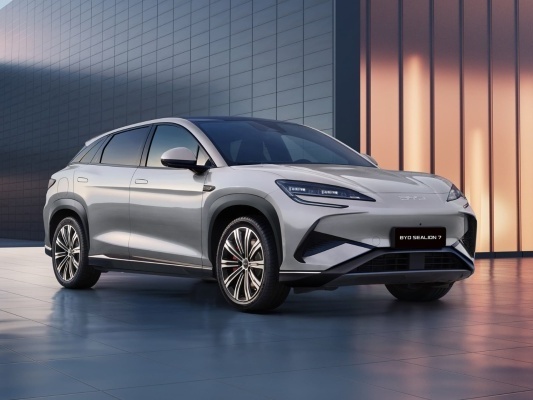
BYD Sealion 7 Surpasses Tesla Model Y to Become Australia’s Best-Selling EV
Kevin WongMay 9, 2025
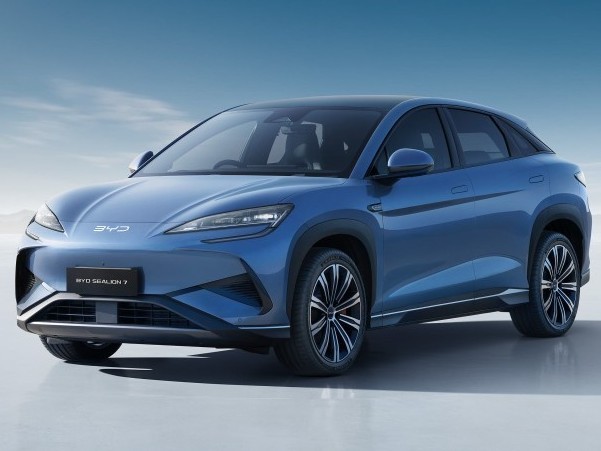
Best Value Pick! BYD Sealion 7 Delivers Excellent Range & Luxurious Features
MichaelApr 17, 2025
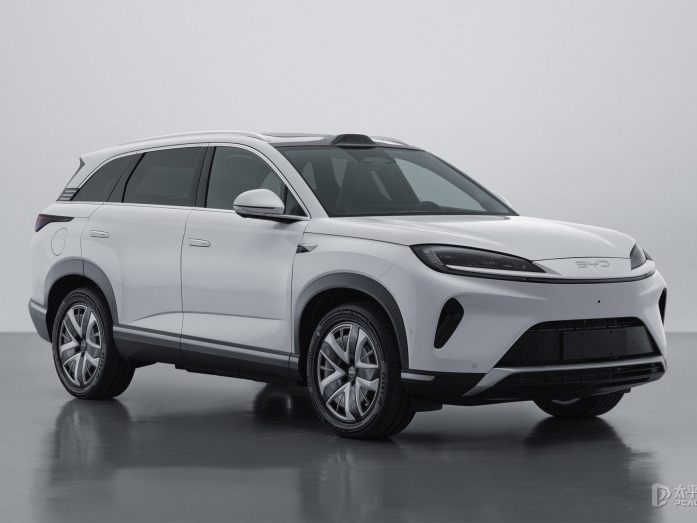
BYD Sealion 07 DM-i declaration image exposed: Fifth-generation DM technology, 0-100km in 4.9s!
LienDec 10, 2024
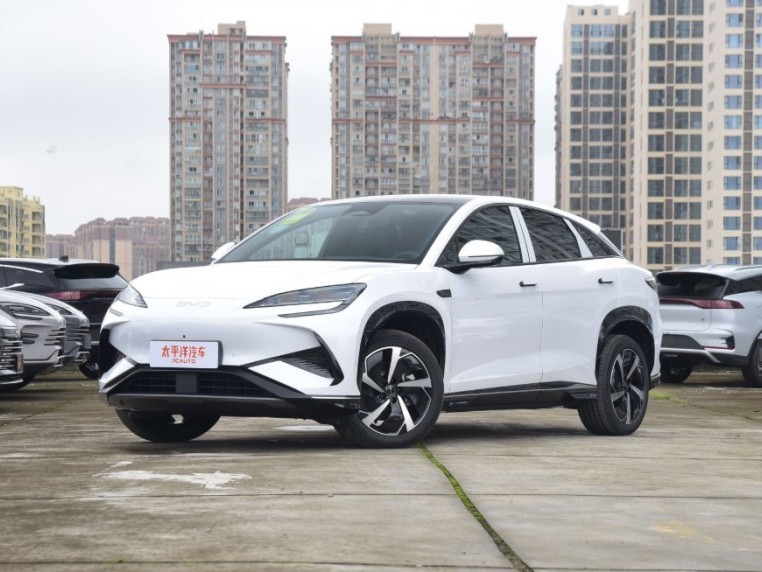
BYD SEALION 7 Thailand Motor Expo 2024 stealing the show: High cost-performance ratio, rich configuration!
JamesNov 29, 2024
View More
Pros
Cons