
Q
Where is the 2018 Honda Odyssey made?
 BuddyTimeFeb 18, 2026, 11:22 AM
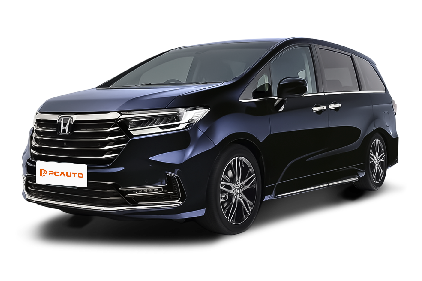
The 2018 Honda Odyssey is mainly produced at the Saitama Plant in Saitama Prefecture, Japan. This plant is well - known for manufacturing high - quality Honda models and also supplies to some international markets. For the Malaysian market, the 2018 Odyssey might be introduced through imports, so there's no local production line.
As a classic multi - purpose MPV, the Honda Odyssey is favored by family users worldwide for its spacious interior, comfortable riding experience, and reliable performance. Especially in tropical countries like Malaysia, its efficient air - conditioning system and durable mechanical structure are highly suitable for daily use and long - distance travel.
It's worth mentioning that Honda has production bases in many regions around the world, but high - end models like the Odyssey are usually produced in Japan to ensure quality. Malaysian consumers can purchase with confidence because imported models also undergo strict quality control and are suitable for local road conditions and climate.
Special Disclaimer: This content is published by users and does not represent the views or position of PCauto.
Related Q&A
Q
How many miles will a 2022 Honda Odyssey last?
The 2022 Honda Odyssey is built to last between 200,000 to 300,000 miles (approx. 320,000 to 480,000 km) with proper maintenance and reasonable use—though actual lifespan depends on driving habits, road conditions, and service frequency.
Power comes from Honda’s proven 3.5L V6 paired with a 10-speed automatic transmission, a combo known for long-term durability. Staying on top of oil changes, transmission fluid, and filter replacements goes a long way in keeping it running smoothly. The chassis and body also feature rust-resistant treatments, making it well-suited to local weather.
Worth noting: The hybrid variant may deliver better fuel efficiency and reduced mechanical wear over time. Stick to factory-recommended service intervals (every 5,000–8,000 km), but shorten them if you frequently haul heavy loads or drive long distances.
While electronics and interior trim typically hold up well for 10+ years, suspension components and rubber seals might need earlier attention. Well-maintained high-mileage Odysseys remain sought-after on the used market—a testament to their reliability.
 BlazeKnightDec 9, 2025
Q
Is the 2022 Honda Odyssey front or rear wheel drive?
The 2022 Honda Odyssey maintains its front-wheel-drive layout, continuing this model's traditional power delivery approach. Whether equipped with the Earth Dreams 2.4L naturally aspirated engine or hybrid system, all power is channeled through the front wheels—a design that strikes a smart balance between cabin space efficiency and fuel economy.
This FWD setup gives the Odyssey more predictable traction in wet conditions while minimizing mechanical intrusion, freeing up room for its three-row seating and versatile cargo solutions. It's worth noting that while some rivals in the minivan segment offer AWD variants, the Odyssey sticks to front-drive to prioritize ride comfort and serviceability. Its low center of gravity, paired with the CVT transmission, delivers buttery-smooth driving dynamics ideal for family road trips.
For buyers who frequently tackle steep grades or rough terrain, we'd recommend paying extra attention to tire selection and suspension maintenance. That said, the FWD configuration typically keeps maintenance costs more affordable compared to AWD systems.
 SteelHeartDec 9, 2025
Q
Does the 2022 Honda Odyssey have a vacuum?
The 2022 Honda Odyssey does come with a built-in vacuum cleaner – a seriously handy feature, especially for families. You'll find it tucked away in the side of the cargo area, powered by the 12V outlet, ready to tackle crumbs in seat crevices or debris on floor mats.
Honestly, it's just one of many thoughtful touches in this minivan. Between the Magic Slide seats, rear entertainment system, and all that clever storage space, Honda's clearly been paying attention to what real families need.
Now don't expect industrial-strength suction – it's no substitute for your household vacuum. But for quick cleanups after soccer practice or road trips with the kids? Absolute game changer. More and more minivans are adding this feature, and you can see why.
Pro tip: Keep the engine running while you use it. These little vacuums can drain your battery faster than a toddler drains your phone battery.
 WolfFangDec 9, 2025
Q
Is there a recall on the Honda Odyssey 2022?
Regarding the recall issue of the 2022 Honda Odyssey, there is currently no extensive record showing that there is a large-scale recall action for this model locally. However, it is recommended that car owners regularly check the latest vehicle safety information through Honda's official website or authorized dealers, as recalls may vary due to differences in regional production batches or component suppliers. Recall is usually an active repair service initiated by manufacturers for specific safety hazards, such as electronic system failures, airbag issues, or component defects. Car owners can verify the status in the brand system with their vehicle identification number (VIN). During daily maintenance, dealers will also update recall information and provide free repairs. For household MPVs like Odyssey, in addition to paying attention to recalls, it is also important to regularly check the brake system, tire wear, and stability of onboard electronic devices. Due to their high space utilization and heavy load requirements, the wear and tear on the chassis and suspension components may be more significant. If any abnormalities are found (such as dashboard warning lights on or abnormal driving experience), it is necessary to contact after-sales service in a timely manner instead of handling them on your own to ensure compliance with safety standards.
 NedDec 9, 2025
Q
What is the battery problem in the Honda Odyssey 2022?
Some owners of the 2022 Honda Odyssey have reported issues with rapid battery depletion, typically manifested as the vehicle being unable to start after being parked for several days, which is mainly related to abnormal discharge of the 12V lead-acid battery. This issue may be caused by continuous power consumption of in car electronic devices, battery management system software logic, or the quality of the battery itself, especially in Malaysia's hot and humid climate, which can accelerate battery aging. It is recommended that car owners regularly check the health status of the battery. When parked for a long time, the negative terminal can be disconnected or a charger can be used for maintenance. If frequent power loss occurs, the vehicle should promptly go to an authorized service center to detect parasitic currents or upgrade relevant control module software. For hybrid vehicles, it is also necessary to pay attention to the collaborative working logic between high-voltage power batteries and 12V auxiliary batteries. This type of composite power system has higher requirements for battery management. You can develop the habit of reducing the use of entertainment equipment after turning off the engine, and choose batteries that meet the original factory specifications for replacement. In hot areas, it is recommended to check battery performance every 2-3 years, as high temperatures can shorten battery life by about 30%. If encountering startup difficulties, try to jump start first and pay attention to recording the frequency of faults to help technicians diagnose faster.
 FearlessDec 9, 2025
Q
How much is a battery for a 2022 Honda Odyssey?
The battery price for the 2022 Honda Odyssey varies depending on the type, brand, and where you buy it. An OEM battery typically costs between RM800 to RM1,500, while third-party replacements can range from RM500 to RM1,000—factors like capacity, cold cranking amps (CCA), and warranty play a role here.
Stick to batteries that meet the original specs, especially for a tech-heavy ride like the Odyssey. A weak battery can mess with its electronics. Most batteries last 2 to 5 years, so if you notice slow starts or dim headlights, get it checked ASAP.
When shopping, don’t just focus on price—check the warranty too. Some brands offer 1-2 years of coverage, which can save you money down the road. Pro tip: Keep the terminals clean and avoid frequent short trips to squeeze more life out of your battery.
 LeeDec 9, 2025
Q
How much does a 2022 Honda Odyssey cost?
The 2022 Honda Odyssey is priced between RM 200,000 and RM 250,000 in the local market, depending on the variant and optional extras. Higher-spec models, for instance, come with more premium features like power sliding doors, leather upholstery, and an upgraded sound system.
This MPV is a hit with families thanks to its spacious 7-seat layout, versatile seating configurations, and impressive fuel efficiency. It’s powered by either a smooth 2.4L i-VTEC engine or a hybrid system, both delivering a comfortable ride.
Safety is another strong point—the Odyssey comes standard with Honda SENSING, which includes adaptive cruise control, lane-keeping assist, and automatic emergency braking. That makes it a solid pick for buyers who prioritize practicality and safety.
If you’re on a tighter budget, there are other options in the segment, but the Odyssey stands out for its clever space management and proven reliability. It also holds its value well in the used-car market, so long-term ownership costs are pretty reasonable.
 JaxDec 9, 2025
Q
Does a 2022 Honda Odyssey have a timing belt?
The 2022 Honda Odyssey uses a timing chain instead of a timing belt. This design offers better durability and lower maintenance costs—typically, it doesn’t require regular replacements like a timing belt and can last the engine's lifetime with proper care. Made of metal, timing chains handle heat and wear better than rubber timing belts, though they tend to be slightly noisier.
While many newer vehicles now favor timing chains, some budget models still use timing belts to cut costs. To confirm which type your vehicle has, check the owner’s manual or consult an authorized service center.
One thing to note: Even though timing chains last longer, neglecting oil changes can lead to sludge buildup, potentially affecting the chain tensioner. So, sticking to quality oil changes is crucial. If you hear unusual metallic noises from the engine bay, get the timing system checked ASAP—catching issues early can prevent serious engine damage.
 ThinkerThoughtDec 9, 2025
Q
Does the 2022 Honda Odyssey have transmission problems?
As an automotive editor, here's what I can share about the 2022 Honda Odyssey's transmission: There haven't been widespread reports of serious transmission issues with this model. Honda's Earth Dreams 10-speed automatic transmission generally performs well in terms of smoothness and reliability, with clear shift logic during daily driving. That said, some owners have noticed occasional mild hesitation during low-speed operation - nothing outside normal tolerances for this type of transmission.
Durability largely depends on proper maintenance. We recommend changing the transmission fluid every 40,000 km using only OEM-specified fluid. The transmission pairs particularly well with the 3.5L V6, delivering strong power without sacrificing fuel efficiency.
For used buyers: Pay special attention to service records and watch for warning signs like delayed shifting or unusual noises. Pro tip: Using manual mode occasionally helps reduce carbon buildup and extends clutch life.
 BuddyzzDec 9, 2025
Q
What is the recall on the Honda Odyssey 2022?
The 2022 Honda Odyssey was subject to a global safety recall addressing two potential issues. First, some vehicles had second-row outboard seat belts that might not have been properly secured during assembly, posing a risk of reduced effectiveness in a crash. Second, certain models exhibited a software glitch in the power tailgate control module that could cause the hatch to close automatically without the usual warning chime, creating a pinch hazard.
Authorized Honda dealers will perform complimentary repairs, which include inspecting and reinforcing seat belt anchor points, along with updating the tailgate control software. Such proactive recalls demonstrate the manufacturer's commitment to rigorous safety standards. Owners can check if their vehicle is affected by entering the VIN on Honda’s official website.
Staying informed about recall notices is a critical part of vehicle safety. If you notice any warning lights or unusual behavior, we recommend contacting your local dealership for a professional inspection—after all, preventive maintenance is always smarter than reactive repairs when it comes to keeping your family safe on the road.
 RiderJourneyHorizonDec 9, 2025
Popular Cars
Model Year
Car Compare
Car Photo
Related Models
 Cars
CarsLatest Q&A
Q
Is AMT similar to automatic?
There are significant differences between AMT transmissions and automatic transmissions (AT) in terms of core structure and driving experience. AMT is essentially an electronically automated version of a manual transmission, simulating manual clutch operation and gear shifting through a computerized control system while retaining the gear set structure of manual transmissions. As a result, it offers higher transmission efficiency, with fuel consumption approximately 8%-12% lower than AT, making it particularly suitable for highway or long-distance driving. However, it may exhibit jerking similar to manual transmissions during low-speed gear shifts, especially noticeable in congested traffic conditions.
AT transmissions rely on torque converters for power transfer, delivering smooth and seamless gear shifts that appeal to comfort-oriented users. However, their complex structure (incorporating planetary gear sets, hydraulic systems, etc.) results in higher maintenance costs. A single service may cost between 800 to 1,500 ringgit, whereas AMT only requires gear oil replacement at approximately 400 ringgit.
From a market perspective, AMT is predominantly used in budget vehicles or commercial models priced below 80,000 ringgit, while AT is typically featured in mid-to-high-end vehicles. Consumers should select based on actual needs: AMT suits those prioritizing fuel efficiency and low maintenance costs, while AT better serves those valuing comfort. Notably, recent advancements in AMT electronic control technology have significantly mitigated jerking issues, though test drives should still emphasize low-speed performance evaluation.
 AriaMar 26, 2026
Q
Which is better, DCT or AT?
DCT (Dual-Clutch Transmission) and AT (Automatic Transmission) each have their own advantages and disadvantages, and the choice should be based on personal driving needs. AT transmissions transfer power through a torque converter, offering excellent shift smoothness, making them suitable for urban commuting or novice drivers. However, they tend to have higher fuel consumption, and vehicles equipped with them are usually more expensive. DCT transmissions utilize a dual-clutch structure, featuring fast shift speeds and high power transmission efficiency, which provides a more direct driving experience—particularly suitable for users seeking a sporty feel. However, they may exhibit jerking at low speeds and have relatively high maintenance costs. If durability and comfort are priorities, AT is the more reliable choice; if power responsiveness and driving pleasure are preferred, wet DCT (such as Volkswagen DSG) performs better, though dry DCT models should be avoided in prolonged stop-and-go traffic conditions. Additionally, CVT transmissions excel in smoothness and fuel efficiency, making them ideal for daily commuting, but they lack driving excitement. It is recommended to test-drive before purchasing, as tuning varies significantly across brands, and real-world experience is more important than theoretical specifications.
FlutteringMar 26, 2026Q
Is Amt good or bad?
AMT gearboxes have a significant cost advantage in the local market, typically being around 5,000 Ringgit cheaper than models equipped with conventional automatic transmissions. Their fuel efficiency is comparable to manual transmissions, resulting in long-term fuel savings. Featuring a straightforward design, they achieve transmission efficiency exceeding 90% with relatively low maintenance costs, making them ideal for practicality-oriented consumers. However, their shifting logic contains inherent limitations: gear changes between 1st and 2nd cause 0.3-0.5 second power interruptions, while unintended upshifts on inclines may reduce engine speed by 15%-20%, compromising driving smoothness. For urban commuters or budget-conscious buyers, AMT offers excellent value, though those prioritizing premium driving dynamics should consider alternative transmission types. Some domestic models like the Perodua Axia employ enhanced AMT systems, where optimized shift programming has reduced gearshift shock by approximately 30%.
 RainbowsMar 26, 2026
Q
Which gives better mileage, CVT or AMT?
From the perspective of fuel economy, CVT transmissions generally perform better under urban driving conditions. Their continuously variable design allows the engine to consistently operate within the optimal speed range, significantly reducing fuel consumption during frequent starts and stops. Test data shows that their fuel consumption in urban driving conditions is 10% to 15% lower than that of comparable models. AMT transmissions, on the other hand, inherit the high transmission efficiency of manual transmissions, delivering fuel efficiency close to manual transmissions during high-speed cruising. This makes them particularly suitable for long-distance driving in large-displacement vehicles. However, due to power interruption during gear shifts, their overall fuel consumption may be 5% to 8% higher than CVTs.
The difference in fuel-saving characteristics between the two transmissions stems from their technical principles: CVTs achieve continuous variability through steel belts and pulleys, eliminating the fixed gear ratio limitations of traditional transmissions; AMTs simulate manual gear changes via electronic control systems while maintaining the mechanical efficiency of gear transmission. Notably, actual fuel consumption is also influenced by driving habits. Smooth acceleration and anticipatory deceleration can maximize the transmissions' fuel-saving potential. If the vehicle budget permits and urban commuting is the primary use, CVTs offer a more economical choice. For frequent highway driving with an emphasis on cost-effectiveness, AMTs are equally worth considering.
 RubyBlazeMar 26, 2026
Q
Which is cheaper, AMT or CVT?
In terms of gearbox cost, AMT is usually more economical than CVT. Essentially, AMT is a manual transmission equipped with an electronic control unit, featuring a simple structure and low maintenance costs. The unit price ranges from approximately 5,000 to 8,000 ringgit, making it suitable for budget-conscious consumers or those who prioritize long-term operating costs. CVT incurs higher manufacturing costs due to its precision steel belt transmission system and continuous variable transmission technology, with a unit price of about 7,000 to 10,000 ringgit. However, it delivers a smoother driving experience and superior fuel efficiency. The primary differences between the two lie in technical complexity: AMT retains the gear-shifting mechanism, resulting in noticeable shift shock; CVT achieves linear power output through stepless speed variation but requires periodic belt inspection and incurs higher maintenance expenses. For those prioritizing initial cost and basic transportation needs, AMT offers better value; if comfort and long-term fuel economy are priorities, CVT represents a more worthwhile investment. Note that actual prices may vary based on vehicle model, brand, and local supply chain factors.
 ShadowProwlMar 26, 2026
Related News

Honda Vezel (HR-V), Civic, Accord will adopt a unified design language, debuting in 2027
MichaelMar 17, 2026

Honda forecasts its first annual loss in 49 years, with the loss amount exceeding Nissan.
LienMar 13, 2026

Honda Heritage Works officially launched, first-generation NSX owners receive original factory support
MichaelMar 12, 2026

Honda Jet small aircraft Echelon orders exceed production capacity by 10 times
LienMar 10, 2026

Mazda 3 Hatchback vs. Honda City Hatchback, which one should I choose?
JohnMar 9, 2026
View More
Pros
Cons