
Mazda 3 Hatchback vs. Honda City Hatchback, which one should I choose?
 JohnMar 09, 2026, 10:13 AM
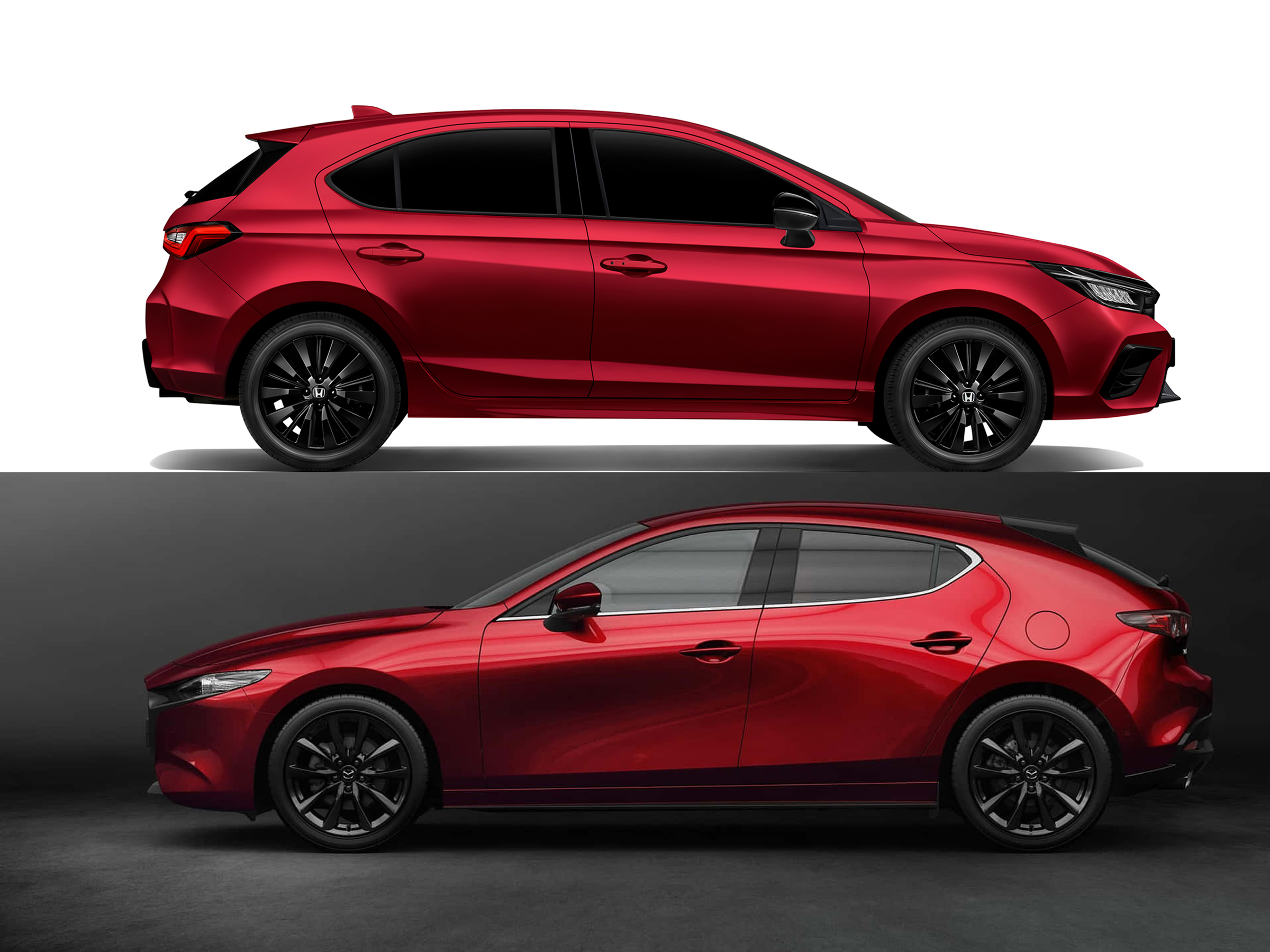
[PCauto] In the hatchback market, comparing the Mazda 3 Hatchback with the Honda City Hatchback might seem like an unfair matchup.
After all, the former is positioned as a premium hatchback in the C-Segment, while the latter dominates the B-Segment market.
However, with the price increase of Honda’s flagship models and the reintroduction of the 1.5L entry-level version of the Mazda 3, the two have created a delicate overlap in the 120,000 RM price range.
For potential buyers, this has turned into a classic dilemma: Mazda 3 Hatchback or Honda City Hatchback, which one should you choose?
Craftsmanship vs. Modern Practicality
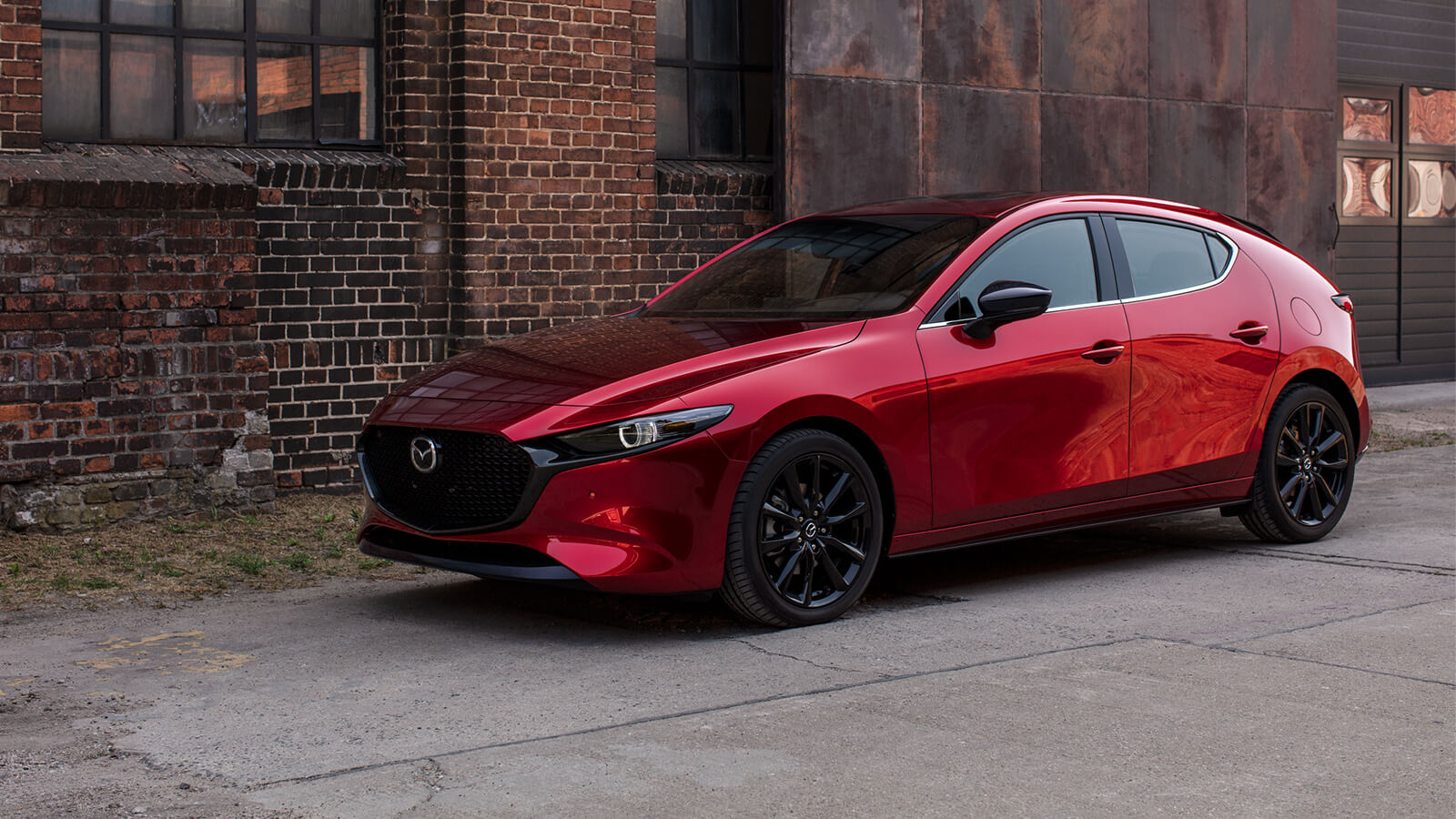
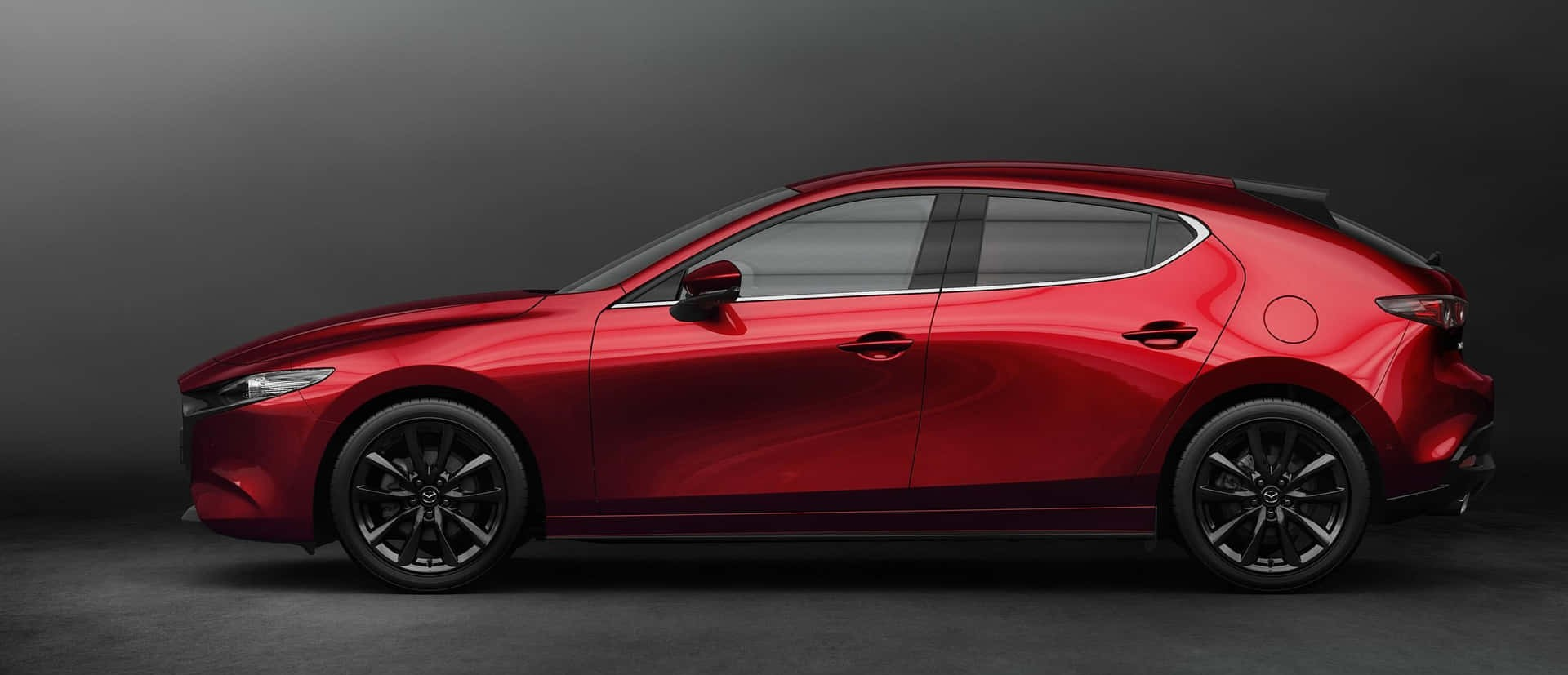
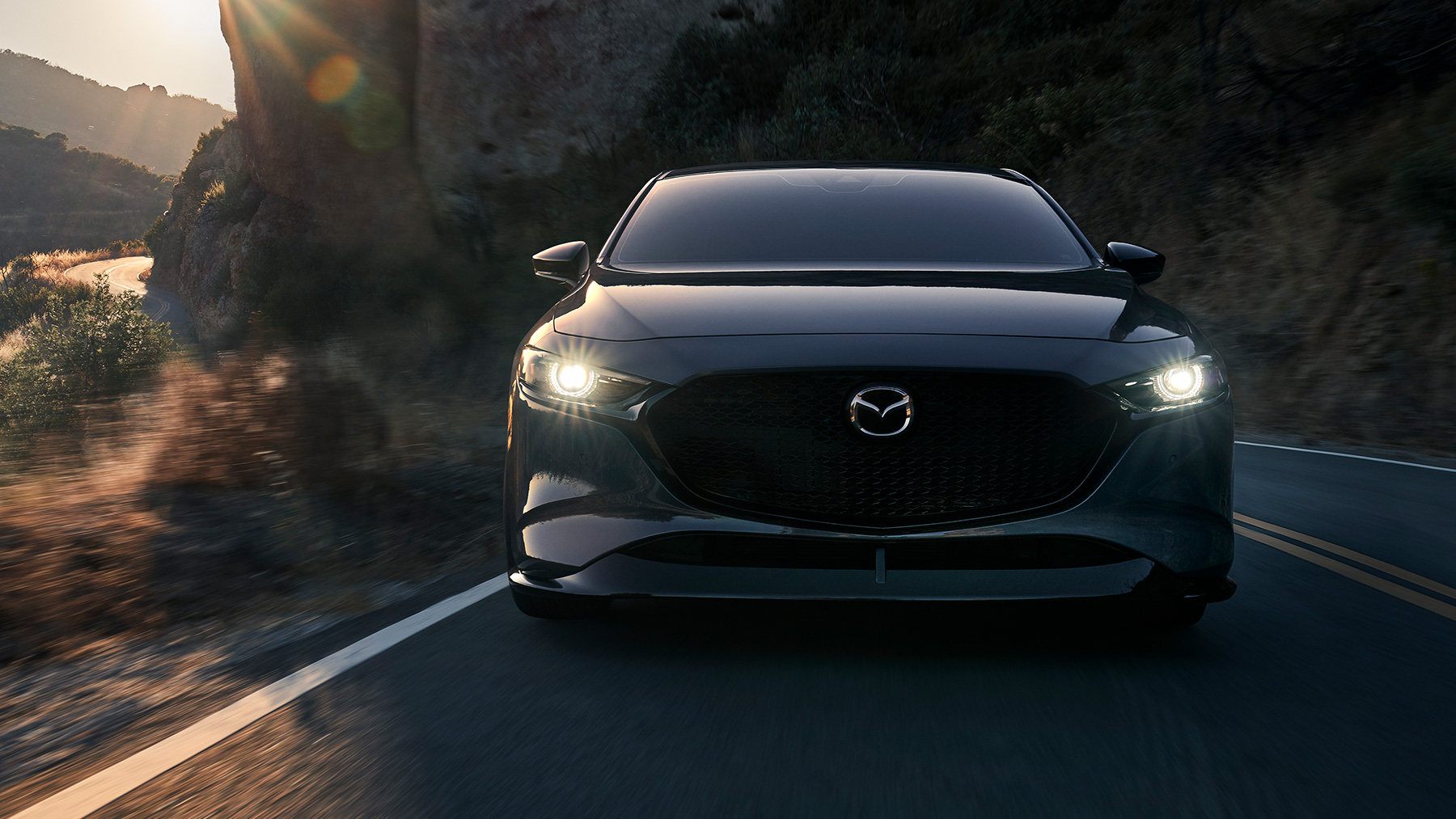
Since its debut, the Mazda 3 Hatchback has been leading its segment in terms of visual appeal with its Kodo 2.0 design language.
Its full C-pillar design and minimalist body lines exude a sense of premium quality under shifting light and shadow, rivaling even European luxury brands.
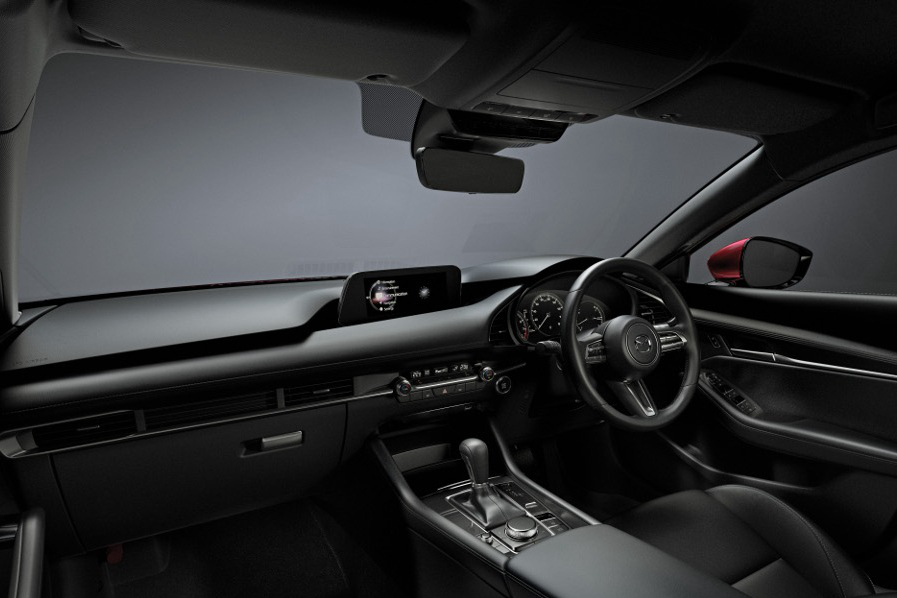
Entering the cabin, Mazda's understanding of quality borders on obsession. Whether it's the extensive soft leather wrapping on the center console or the mechanical-watch-like precision, it creates an atmosphere that feels anything but cheap.
For buyers pursuing aesthetic premium, the cabin of the Mazda 3 is a place you'll want to linger.
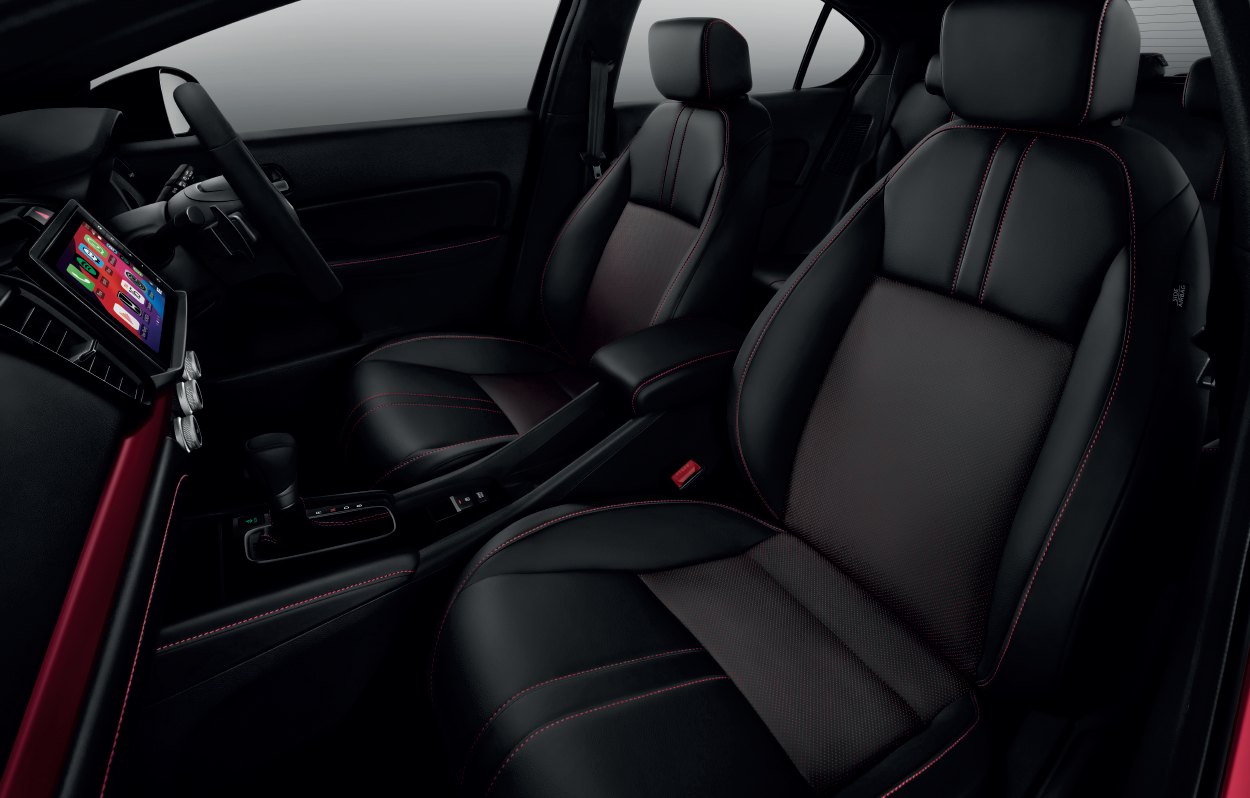
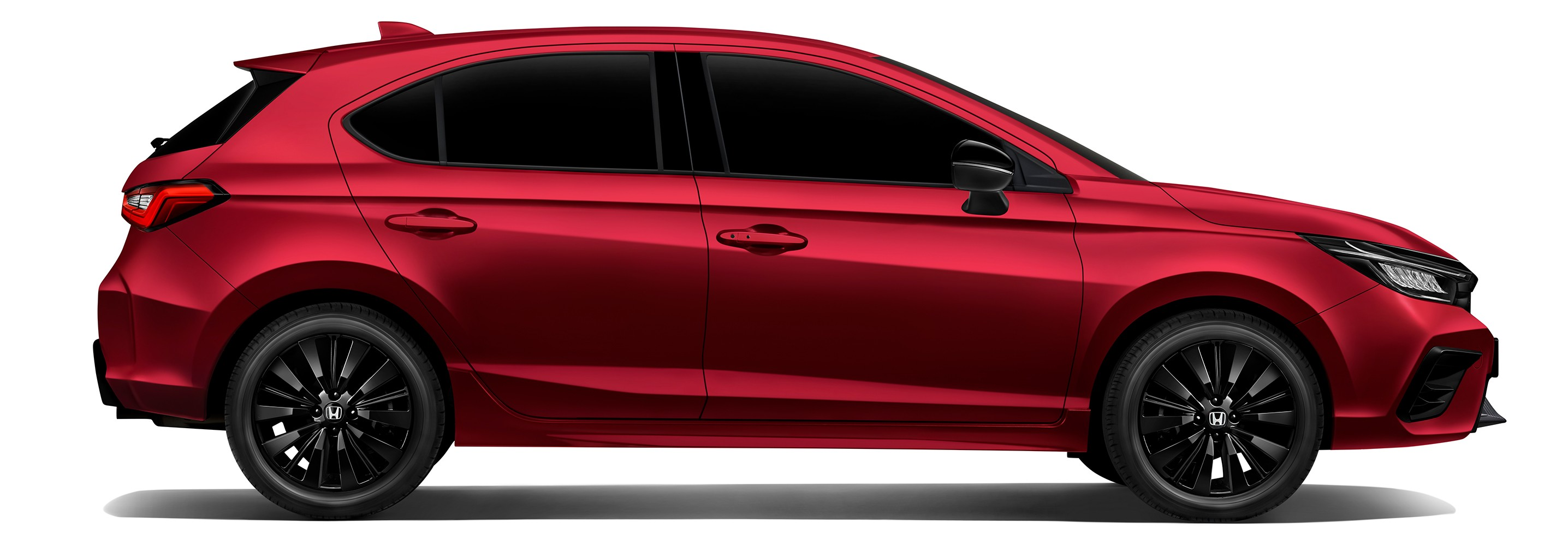
In contrast, Honda City Hatchback showcases a typical utilitarian logic.
Although the RS version tries hard to create a sporty ambiance with blackened kits and red stitching interiors, constrained by its B-segment positioning, the proportion of plastic components in the cabin is significantly higher than that of the Mazda.
While its 8-inch central control screen supports Apple CarPlay and Android Auto and has complete functionality, in terms of sensory refinement, the City Hatchback clearly cannot overcome the physical-level gap.
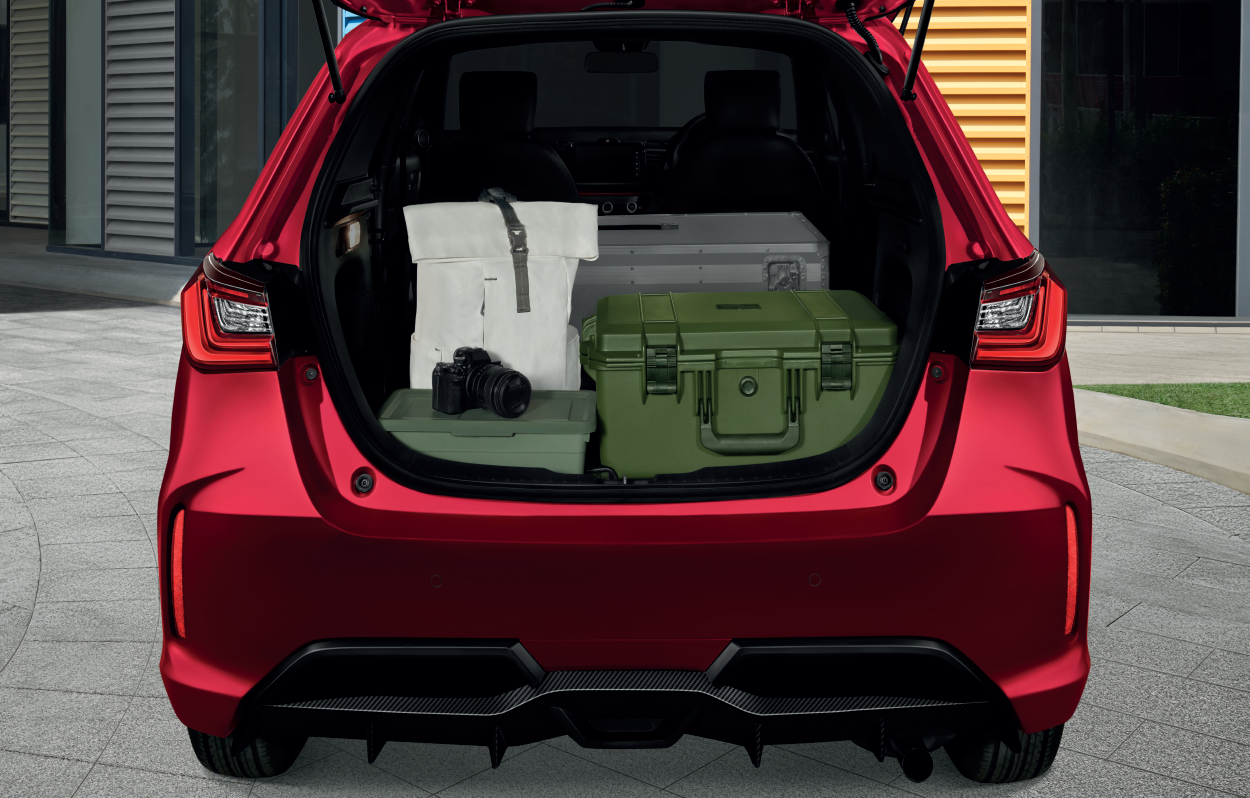
The Honda City offers more space
If Mazda is victorious in quality, then in spatial practicality, Honda holds an absolute advantage.
Although the Mazda 3 has a wheelbase of 2,725 mm, superior to the City Hatchback's 2,600 mm, Mazda has greatly sacrificed rear seat space and visibility in pursuit of exterior proportions and handling balance.
Rear seat passengers will experience a noticeable sense of constraint, and the trunk volume is just average.
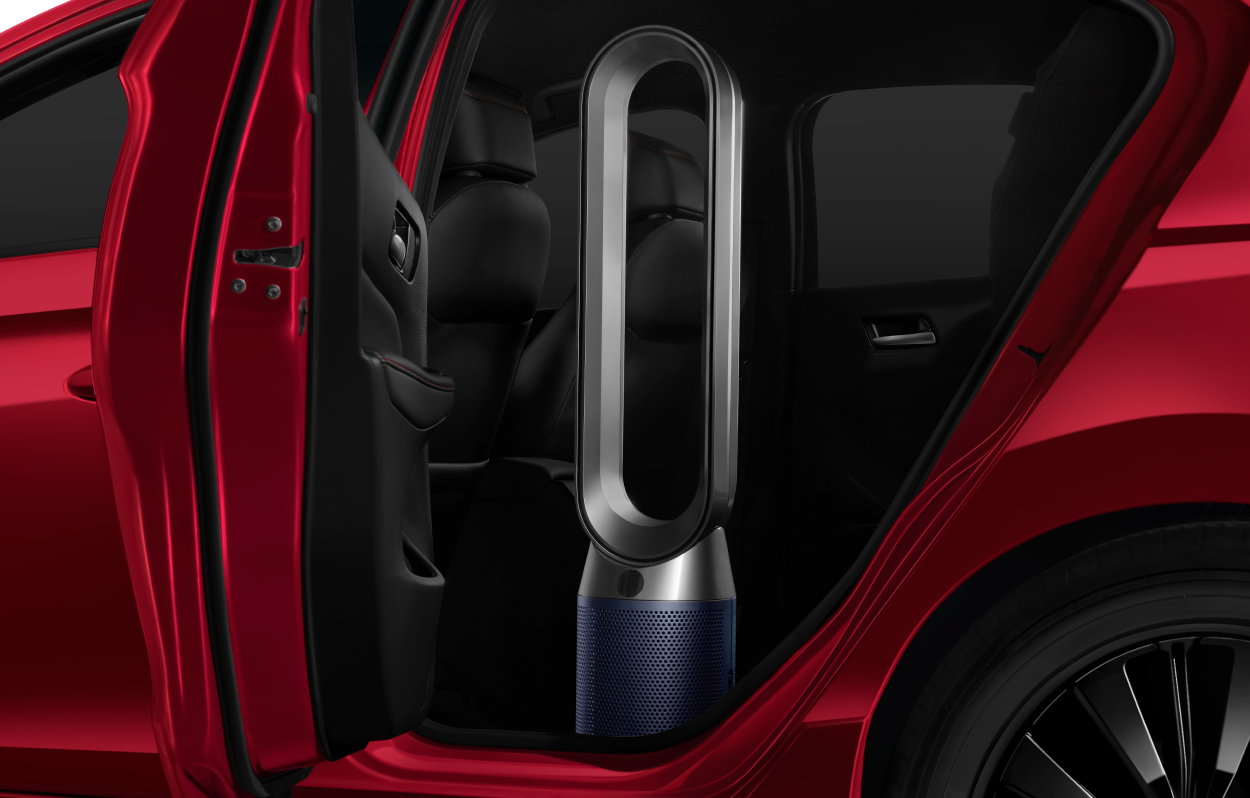
Honda once again proves its title as the "Space magician."
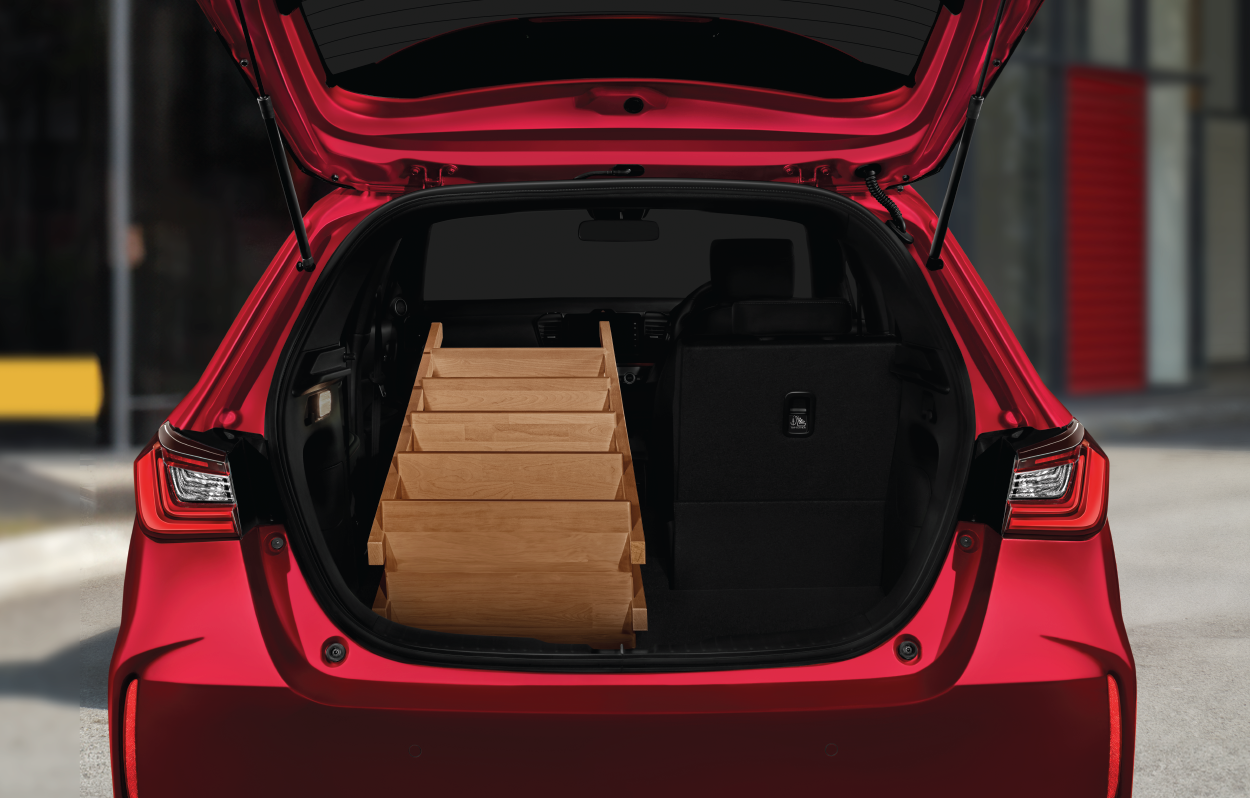
The City Hatchback equipped with the Ultra Seats system offers four modes: Utility, Long, Tall, and Refresh, with flexibility unmatched at the same price point.
Whether it's carrying tall potted plants or lying down for a nap inside the car, it can handle it with ease.
For family users, this kind of functional adaptability is often more convincing than the abstract idea of “premium feel.”
Driving Control Differences between Skyactiv-G and e:HEV
The difference in power systems is the key to defining the distinct characters of the two cars.
Currently, the main version of the Mazda 3 in this price range is the 1.5L Skyactiv-G version, delivering a maximum horsepower of 118 PS and a peak torque of 153 Nm.
Paired with an extremely intelligent 6AT transmission, its power output is extremely linear and easy to control. Combined with the GVC Plus technology, the delicate feedback when entering a corner truly achieves a sense of unity between car and driver.
However, it cannot be denied that the 1.5L version feels somewhat underpowered during high-speed overtaking.
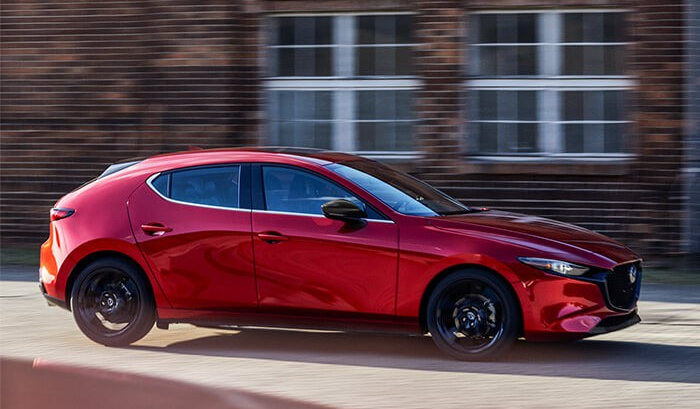
For buyers with a more generous budget and a higher demand for power, the Mazda 3 Hatchback 2.0L version (High Plus and Ignite Edition) presents a completely different experience.
This 2.0L Skyactiv-G naturally aspirated engine can deliver a maximum horsepower of 162 PS and a peak torque of 213 Nm. Compared to the 1.5L model, its acceleration capability during high-speed cruising sees a qualitative leap.
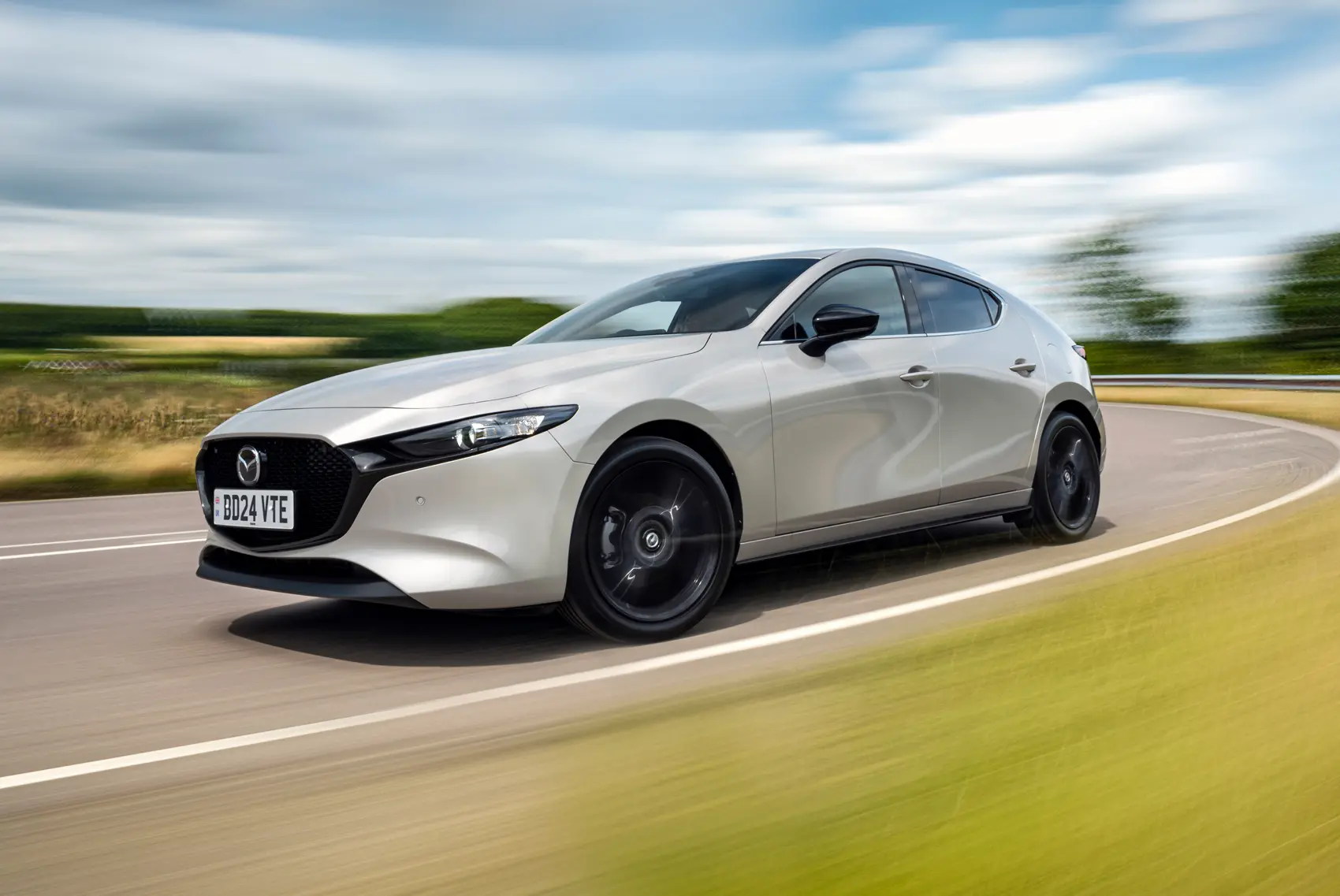
In terms of driving experience, the 2.0L version perfectly interprets what it means to be sporty and balanced.
Unlike the abrupt thrust of turbo engines, the power delivery of this machine is extremely smooth and well-proportioned.
Coupled with 18-inch wheels and more supportive suspension tuning, its limits in corners are higher.
It’s worth mentioning that even with an increased displacement, its combined fuel consumption can still be maintained at around 6.3L/100km (official data), which performs excellently among naturally aspirated vehicles in the same class.
This pure, delay-free mechanical feedback offers a driving pleasure that no hybrid system or small-displacement engine can replicate.
In contrast, the City Hatchback RS e:HEV's i-MMD hybrid system can deliver an instant torque of up to 253 Nm.
Its nimbleness in power response far exceeds the Mazda 3 1.5L when starting from traffic lights or navigating urban streets.
More importantly, the e:HEV system, while providing strong torque, achieves excellent fuel economy.
If you commute through congested routes, Honda's powertrain is undoubtedly more advantageous.
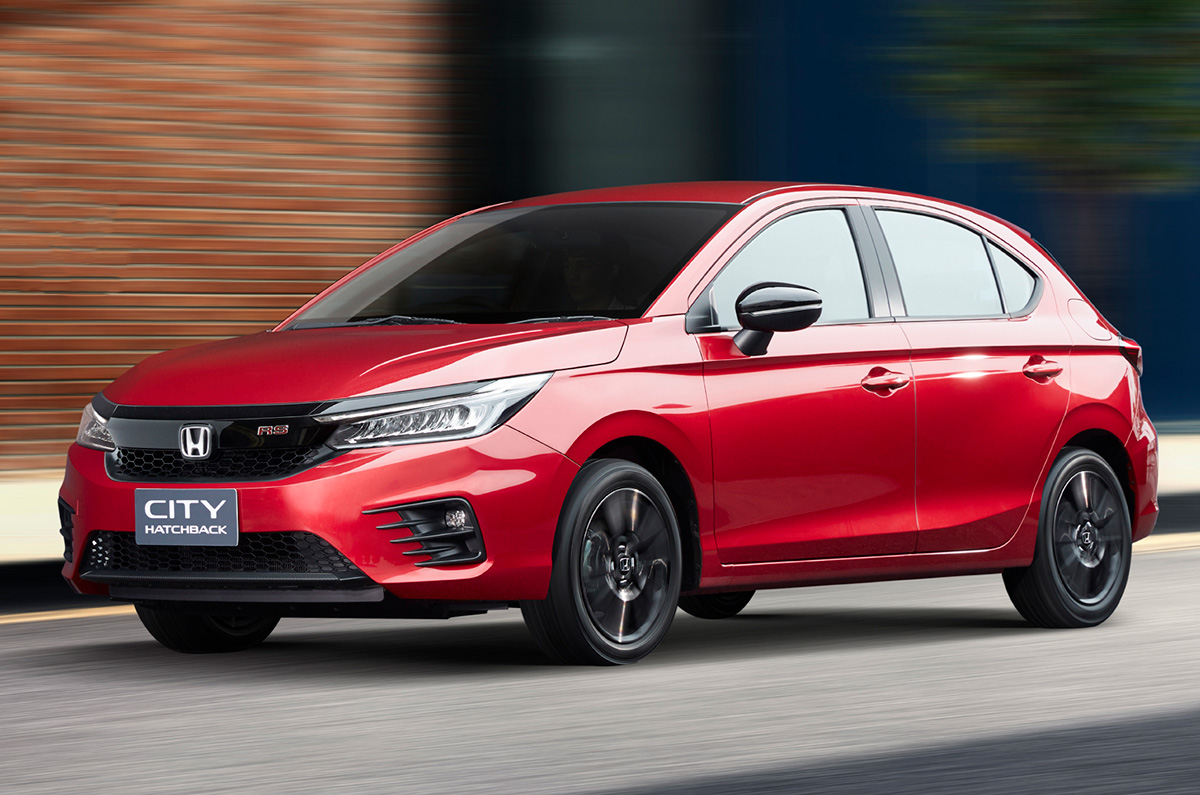
Mazda 3 vs Honda City Pricing
| Honda City Hatchback | Official Base Price (Excluding Insurance) |
| 1.5L S | RM85,900 |
| 1.5L E | RM90,900 |
| 1.5L V | RM95,900 |
| 1.5L RS Petrol | RM100,900 |
| 1.5L e:HEV RS (Top Spec) | RM112,900 |
| Mazda 3 Hatchback | Official Price Excluding Insurance |
| 1.5L High Plus | RM119,620 |
| 2.0L High Plus | RM165,000 |
| 2.0L Ignite Edition (Exclusive Sport Edition) | RM174,000 |
The price range of the Honda City Hatchback* is very broad, starting from RM 85,900 for the 1.5 S version, up to RM 112,900 for the top-spec RS e:HEV.
This means that you can enter the market with a budget of less than RM 90,000, and even if you opt for the top-spec hybrid version, the price still remains just above RM 110,000, making the monthly installment relatively manageable.
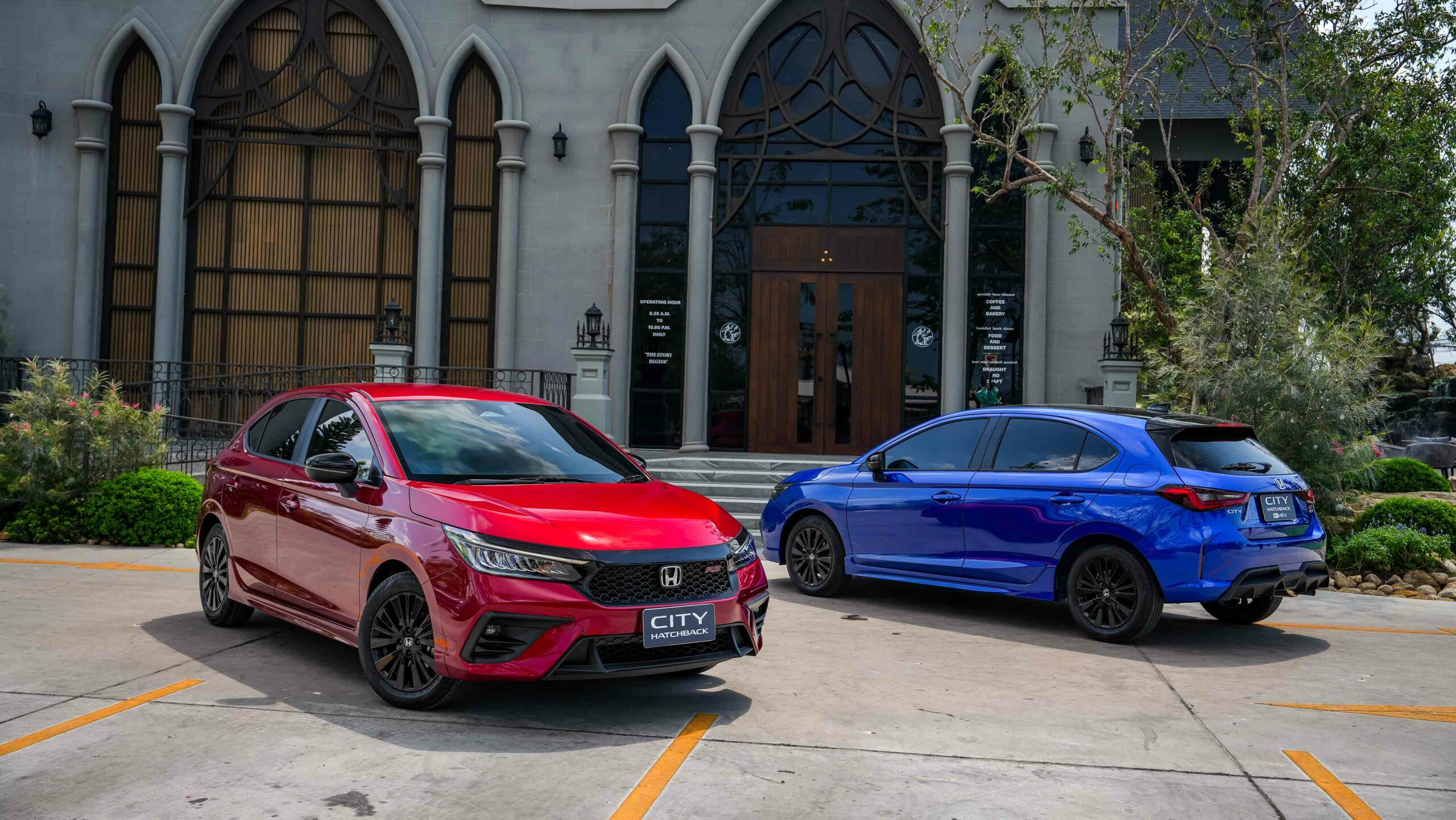
The Mazda 3 Hatchback clearly has a higher starting threshold.
The relaunched 1.5L High Plus version is priced at around RM 119,620, which aligns precisely with Honda's ceiling.
However, if you are pursuing a more complete Mazda experience, the price for the 2.0L High Plus version jumps to around RM 165,000.
In other words, the budget for choosing the entry-level Mazda 3 is already enough to buy a top-spec Honda City Hatchback Hybrid and cover the first year's daily expenses.
Mazda offers better after-sales service
In terms of car maintenance costs, the situation shows subtle changes.
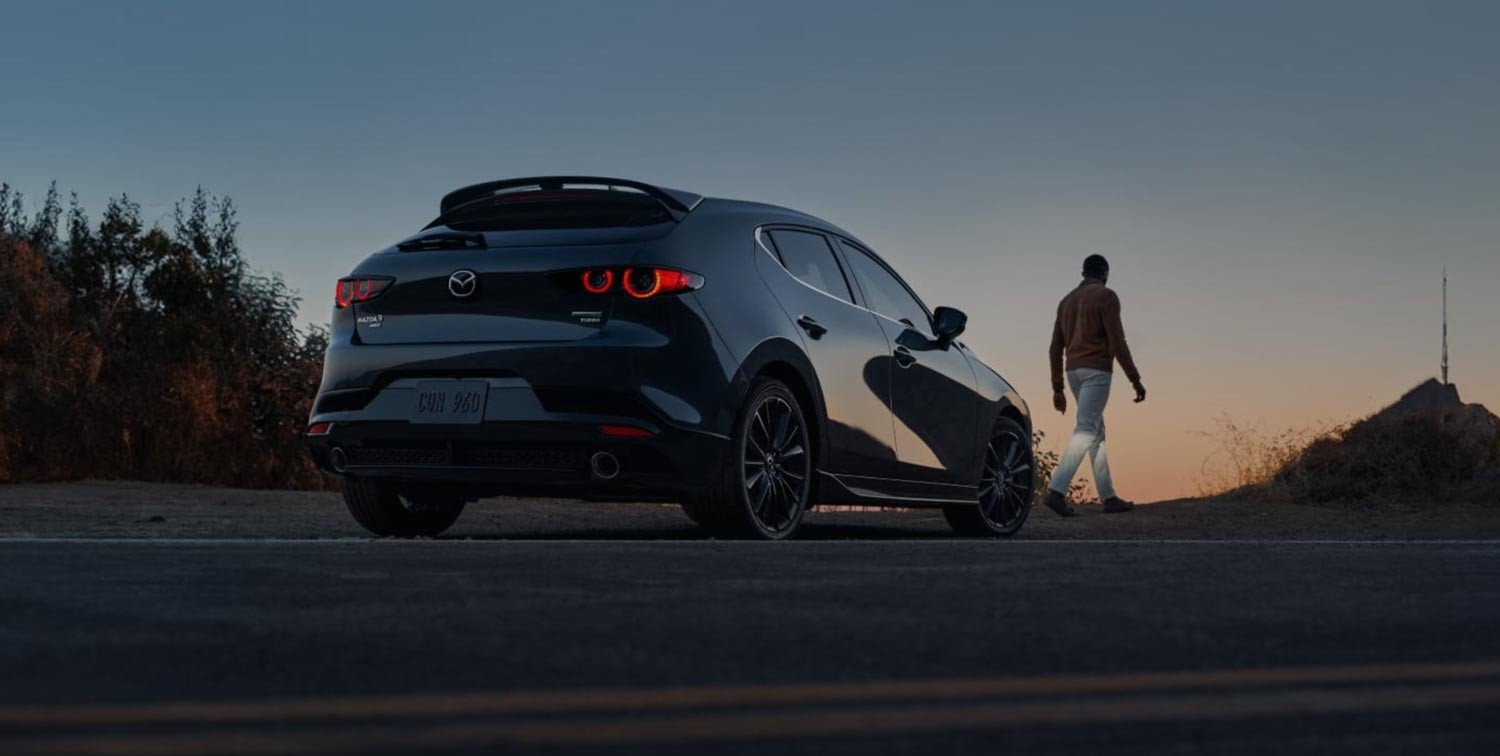
Although Honda's parts are generally more affordable, Mazda's 5-year/100,000 km free maintenance and warranty policy (covering labor, oil, and parts) is a huge advantage for its owners.
This means that over the first five years of ownership, except for consumables like tires and fuel, a Mazda 3 1.5L owner's maintenance cost is almost zero.
However, looking at the longer term, Honda's high resale value and extremely low overall fuel consumption (especially for the hybrid version) remain its core strengths.
For budget-conscious buyers, the lower fuel cost per kilometer is an advantage that cannot be ignored in the long-term ownership process.
Who offers better value for money?
If you are a buyer with extremely high aesthetic standards and mainly travel alone or as a pair, the Mazda 3 Hatchback offers not just a means of transportation but an extension of a premium lifestyle. This naturally cannot be evaluated purely by value for money.
From a rational, value-for-money perspective, the Honda City Hatchback is still the benchmark for value in this price range. It offers lower ownership costs in exchange for class-exceeding interior space flexibility and responsive performance.
If any infringement occurs, please contact us for deletion








Popular Cars
Model Year
Car Compare
Car Photo