
2026 MG7 Debuts in China with Smarter Cabin and Advanced Driver Assistance
 RobertJan 12, 2026, 11:50 AM
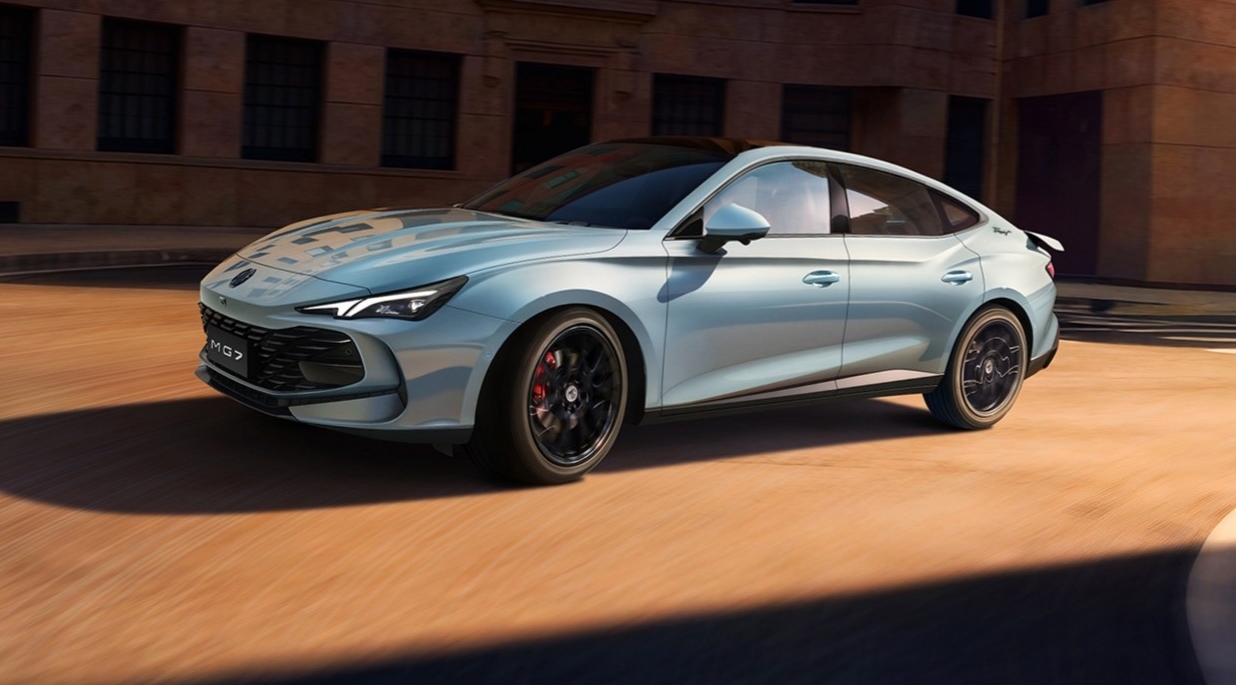
[PCauto] The 2026 MG7 has been officially launched in China, retaining its positioning as a mid-size ICE (Internal Combustion Engine) sedan whose core selling points remain design and sportiness.
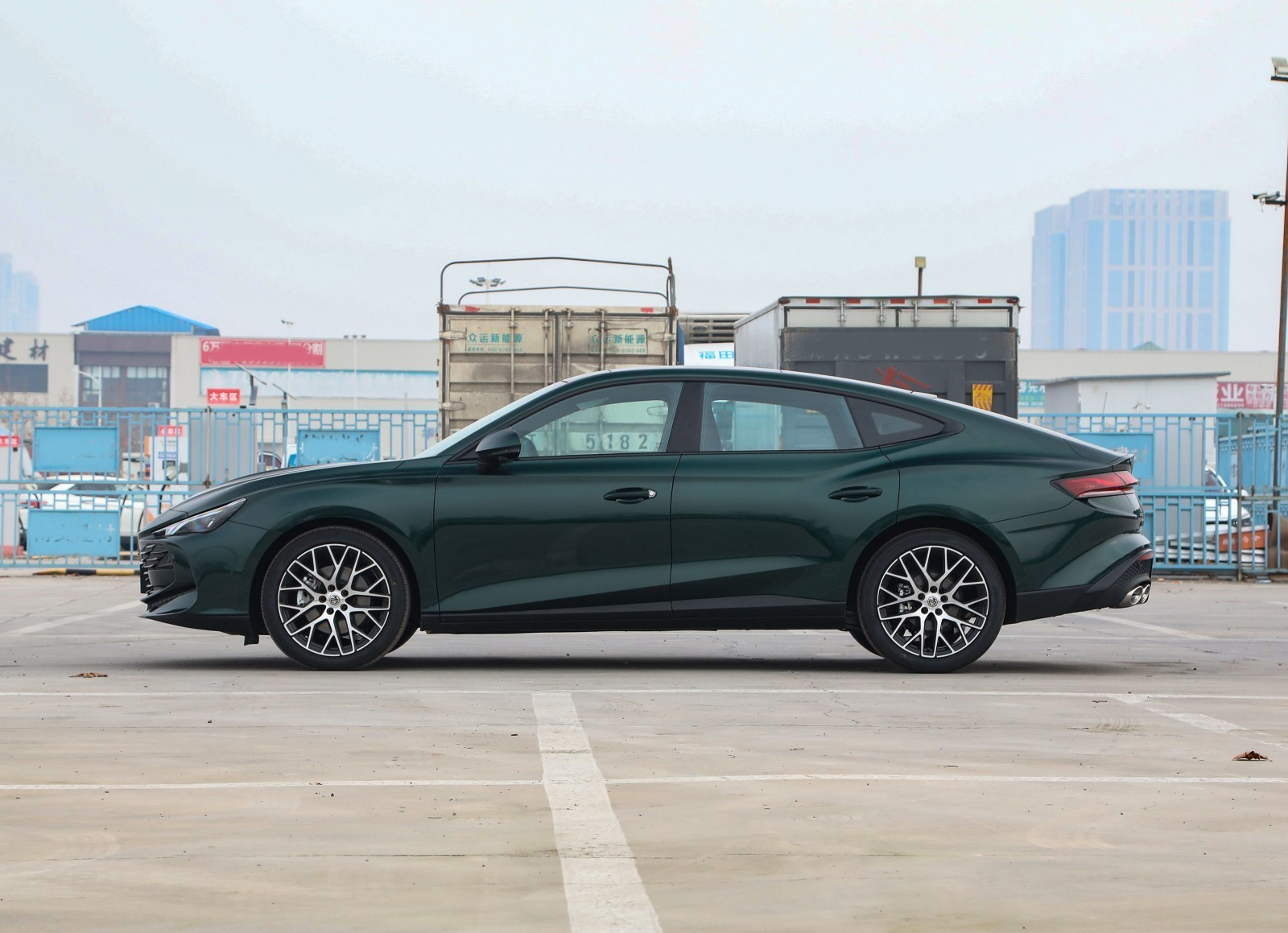
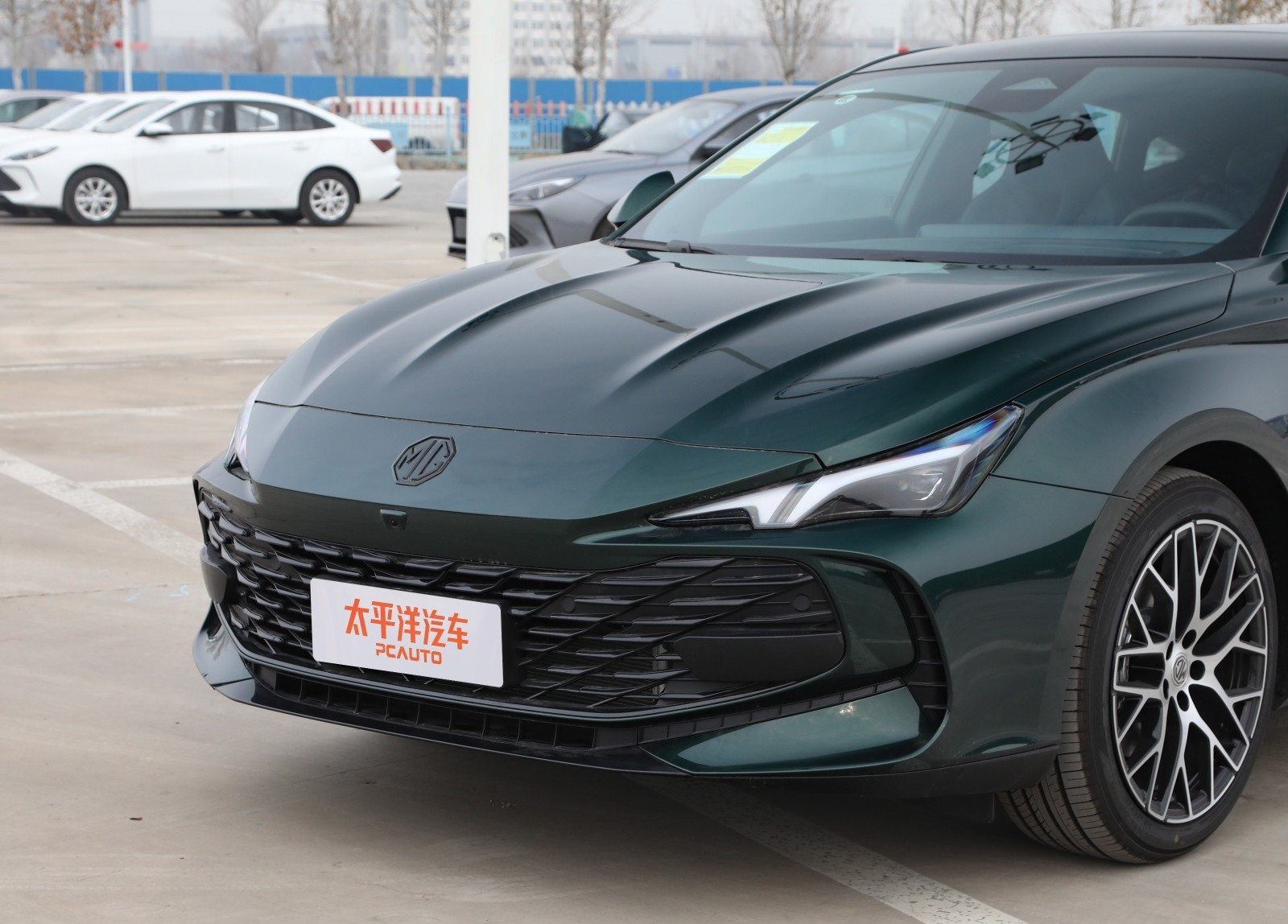
The new model retains the fastback styling, with the roofline flowing naturally downward from the end of the A-pillar to form a continuous profile with the liftback tailgate.
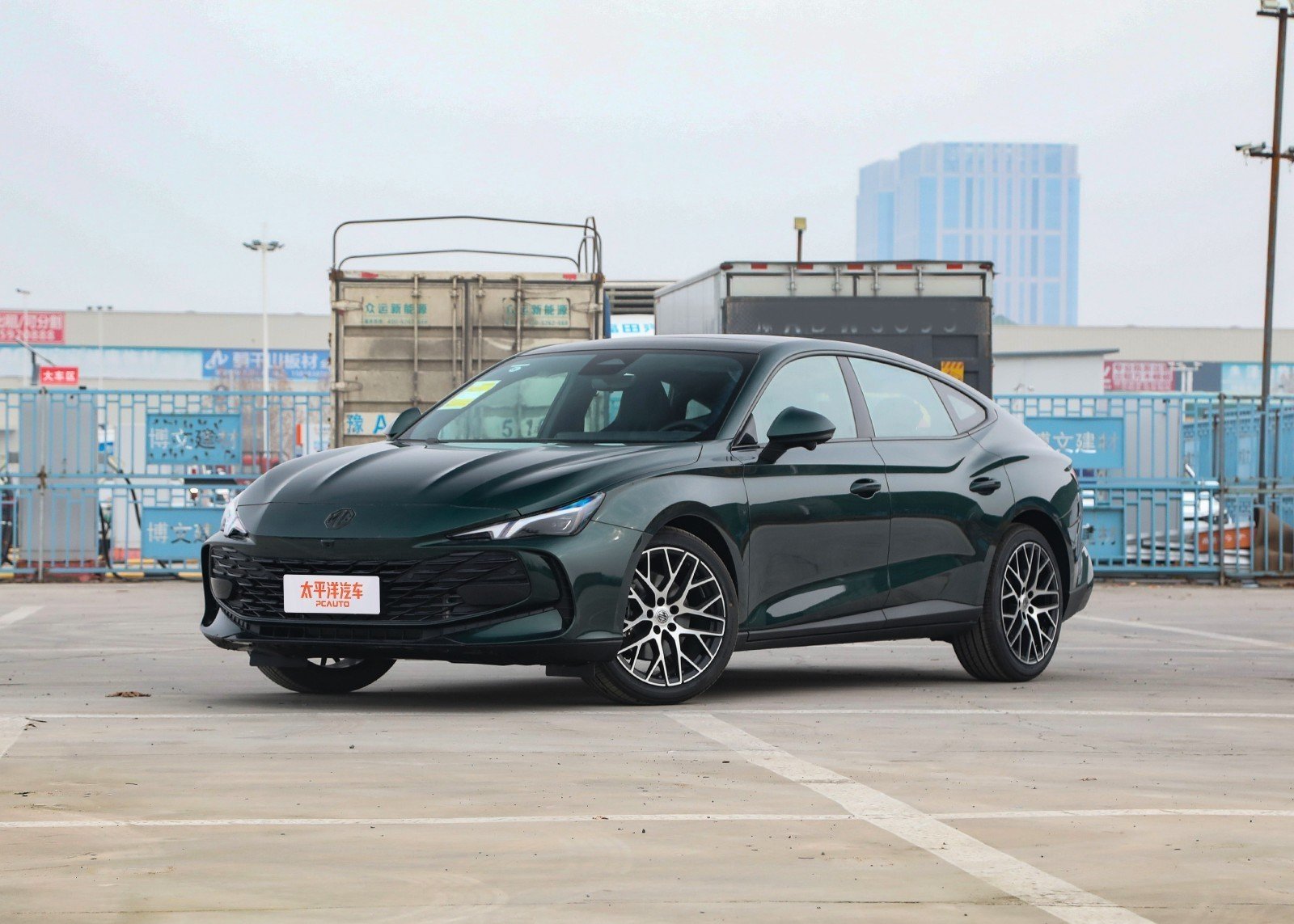 Frameless doors and a segmented waistline continue to be the MG7's most recognizable design signatures.
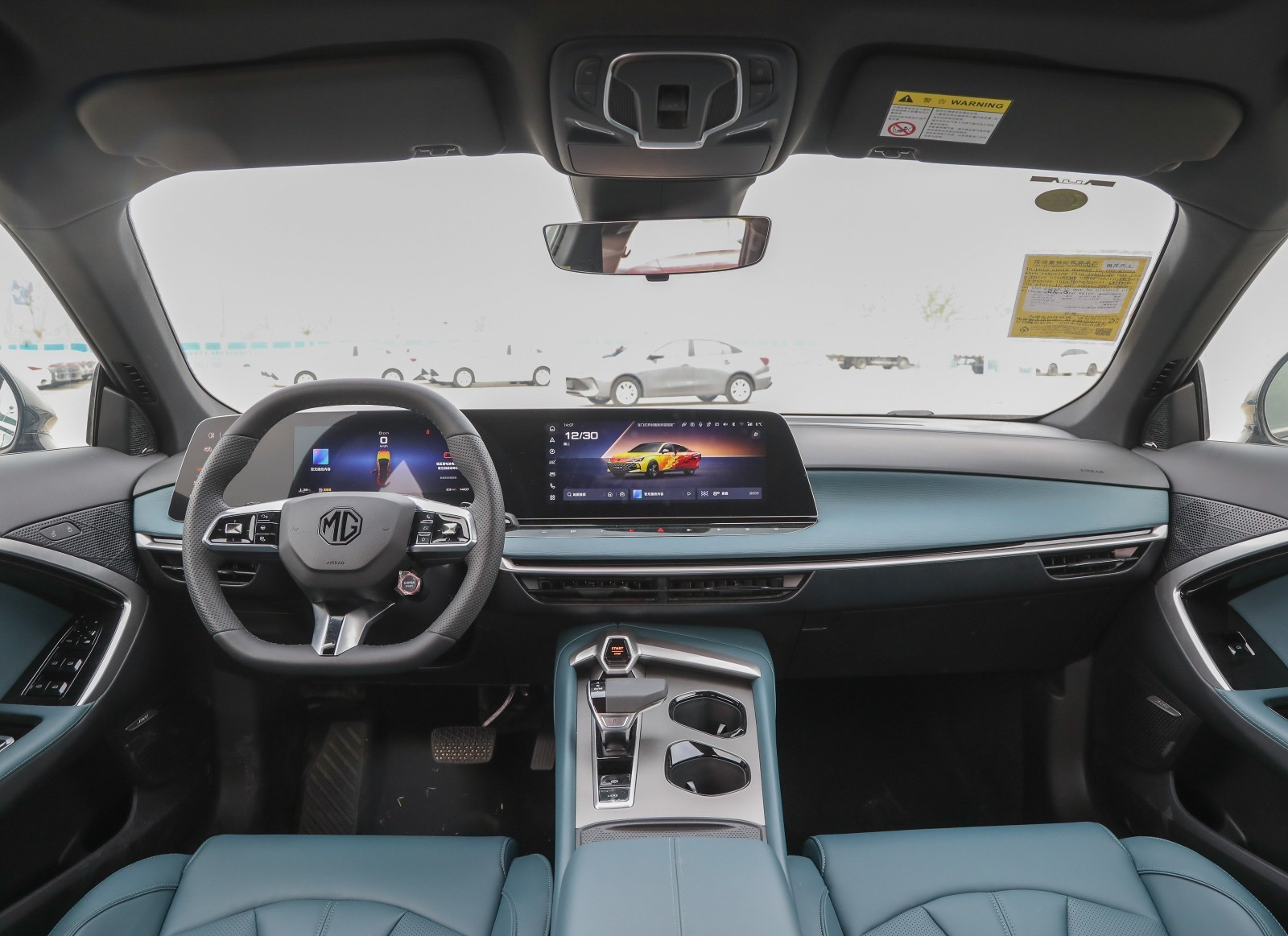
This update introduces a new blue exterior color option, along with matching interior accents, further reinforcing the model’s youthful and stylish positioning.
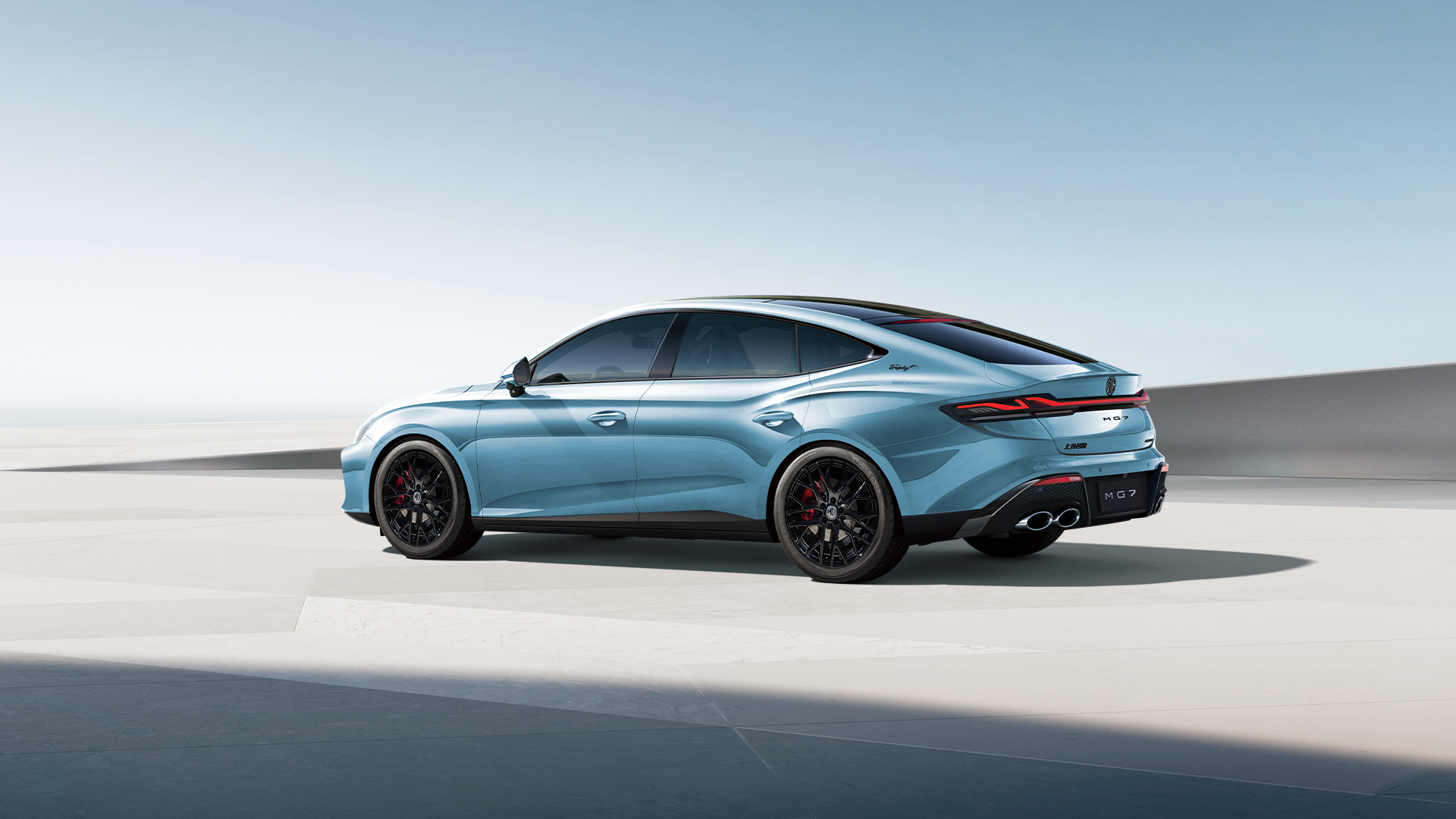
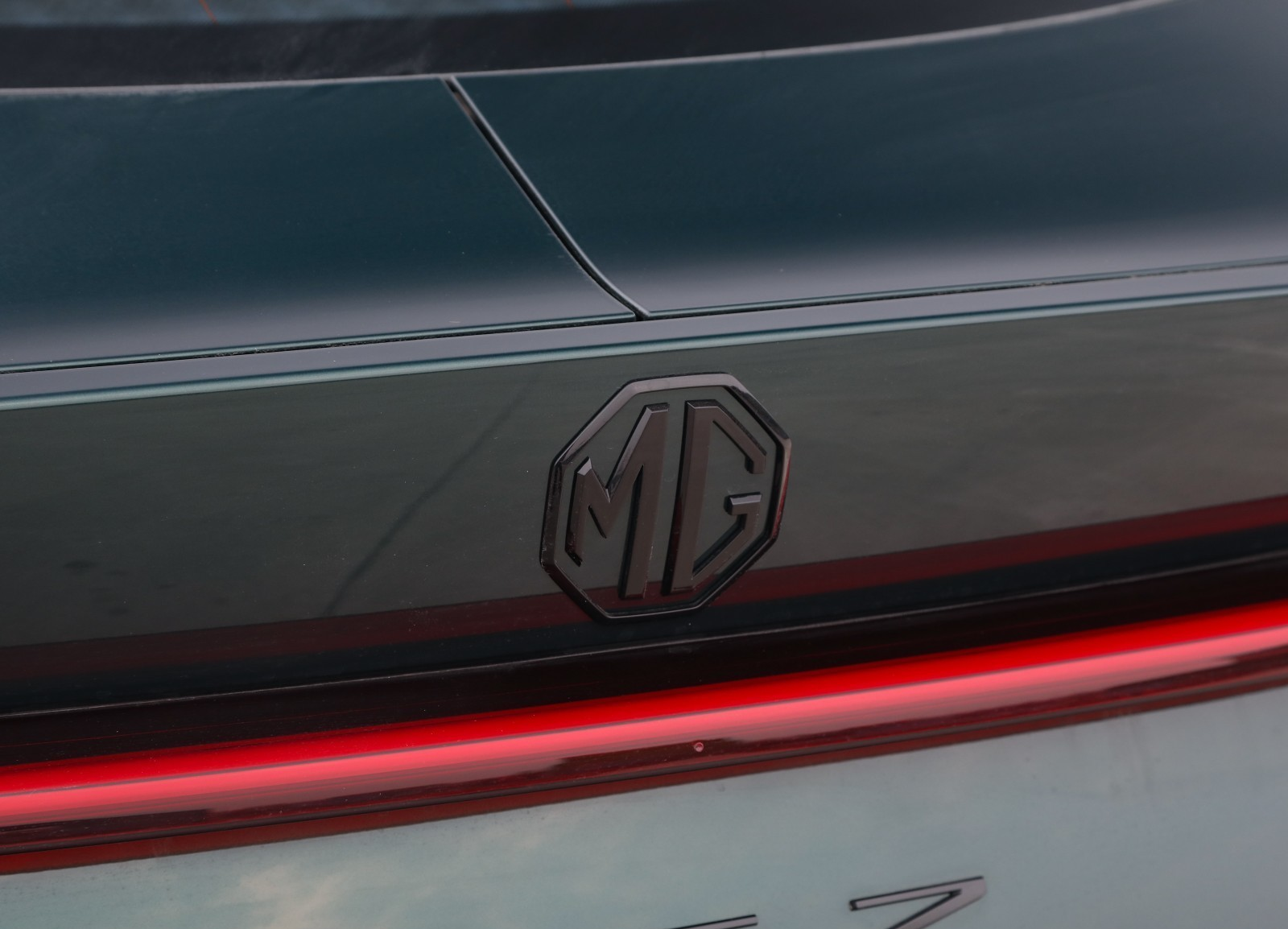
At the rear, the MG7 continues to feature a three-stage active rear spoiler and a quad-exhaust layout.
The spoiler automatically deploys and retracts based on vehicle speed, adding a sense of visual drama while also helping to ensure stability at higher speeds.
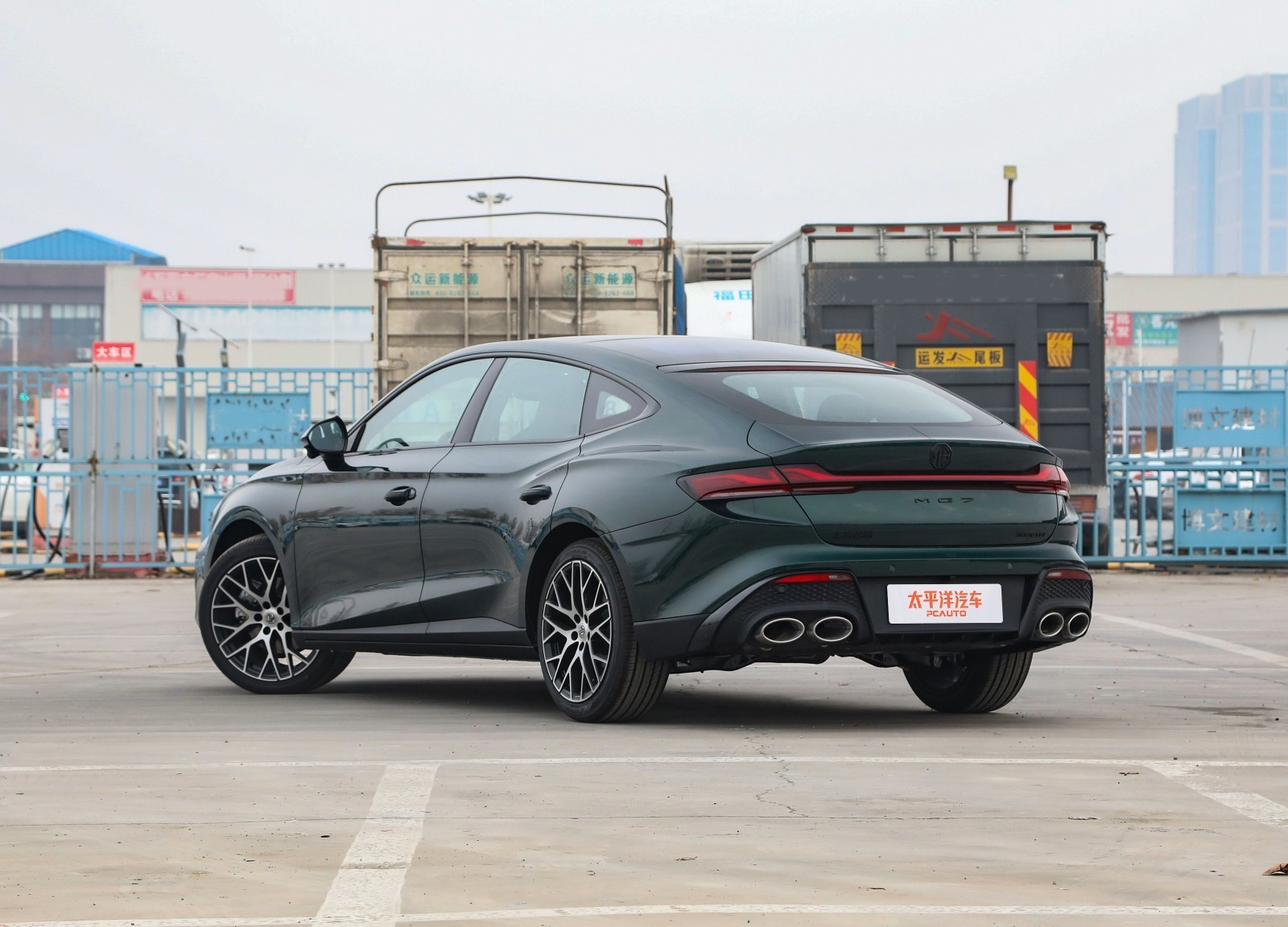
In terms of dimensions, the new MG7 measures 4,884 × 1,889 × 1,447 mm, with a wheelbase of 2,778 mm.
This positions it among the larger offerings in its ICE sedan price segment, providing a solid foundation for rear passenger space and a practical liftback trunk.
The interior of the new MG7 has not undergone major changes and continues to feature a driver-oriented dual-screen layout with a sporty design philosophy.
An integrated dual-display setup, a flat-bottom steering wheel, paddle shifters, and other elements combine to create the "sporty cockpit" atmosphere that the MG7 consistently emphasizes.
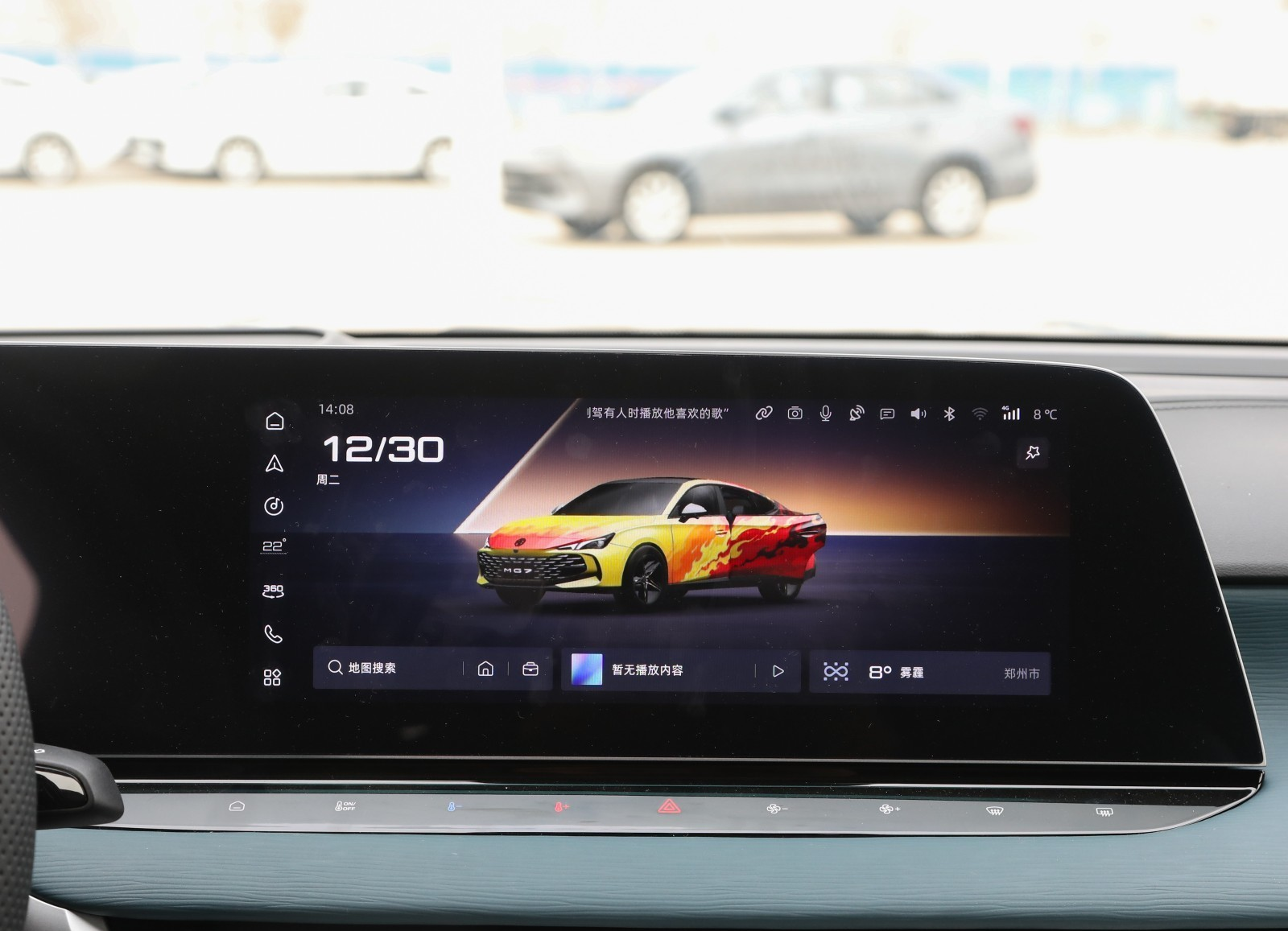
The most notable update is found in the intelligent systems layer. The 2026 MG7 introduces an AI large language model, representing a significant upgrade over the previous command-based voice control system.
Enhanced semantic understanding and continuous dialogue capabilities enable the system to support a wider range of use cases, expanding from basic vehicle controls to navigation, entertainment, and multi-turn interactions.
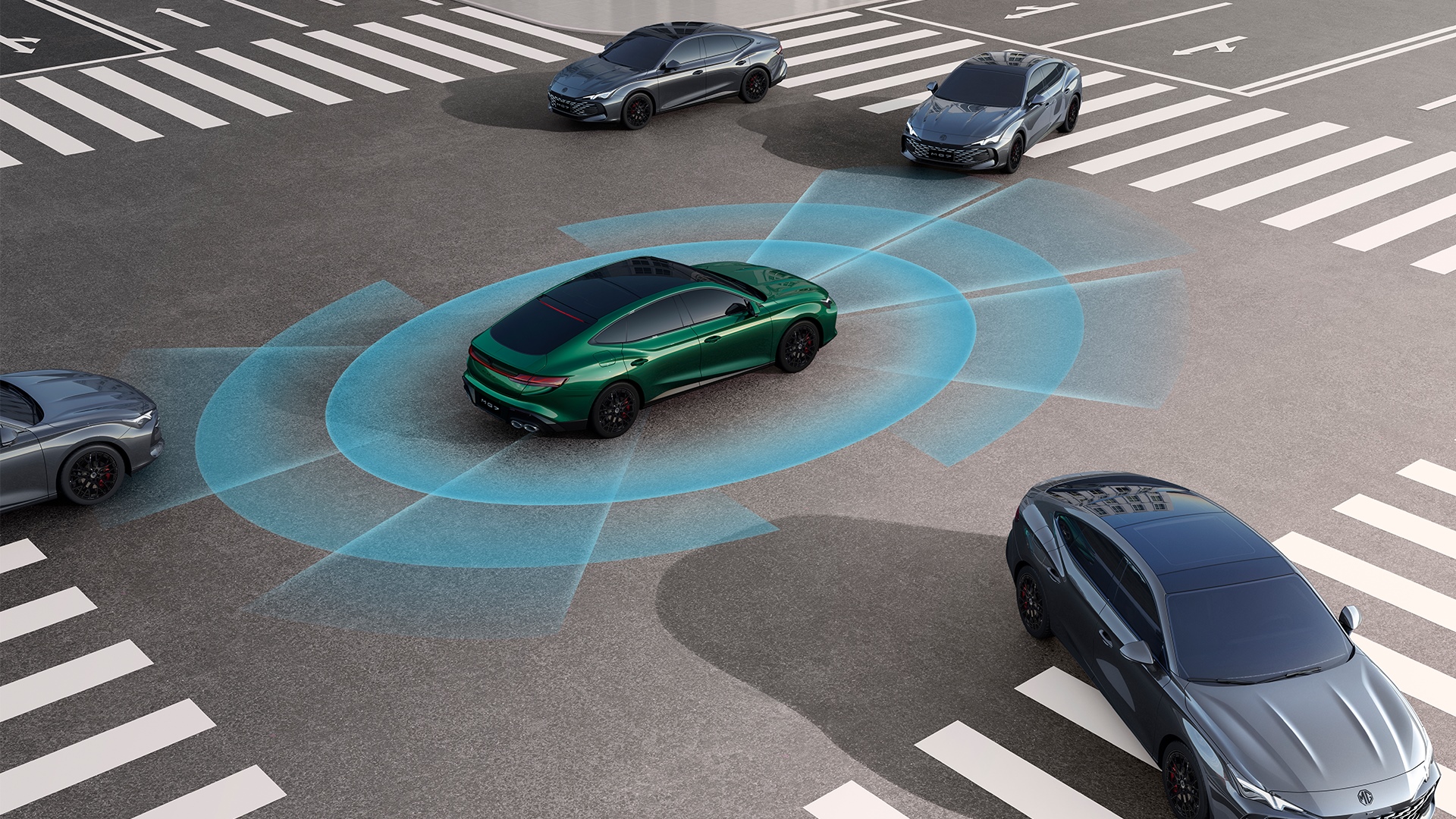
In terms of driving assistance, the new MG7 is equipped with the NGP (Navigation Guided Pilot) advanced intelligent driving assistance system.
The system is based on SAIC's in-house developed algorithms and is complemented by over 20 perception hardware units, enabling more than 20 L2-level functions, including adaptive cruise control, automatic emergency braking, and intelligent lane-change assistance.
It’s important to emphasize that this system still falls under the category of driving assistance. Its core value lies in reducing driving fatigue rather than replacing the driver.
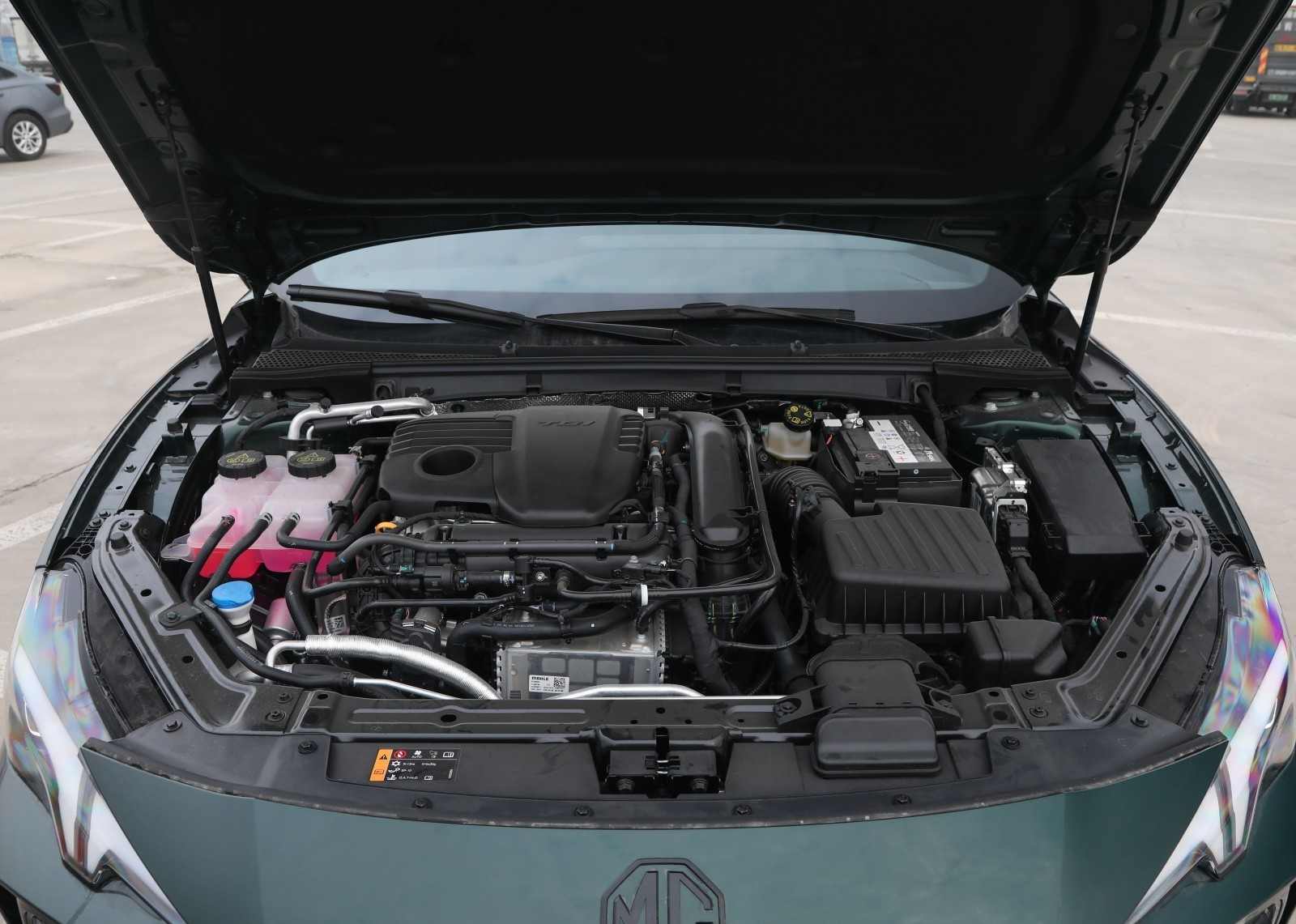
In terms of the powertrain, the 2026 MG7 continues to offer two turbocharged engine options for the Chinese market: a 1.5T and a 2.0T.
The 1.5T engine produces 188 horsepower and 300 Nm of peak torque, paired with a 7-speed wet dual-clutch transmission, placing greater emphasis on daily usability and fuel efficiency.
The 2.0T engine delivers up to 261 horsepower and 405 N·m of torque and is mated to a 9-speed automatic transmission. Officially, the 0–100 km/h acceleration time is approximately 6.5 seconds, continuing to serve as the core foundation of the MG7’s performance-oriented image.
Higher-spec variants continue to offer the mCDC intelligent electronically controlled suspension and an E-LSD electronic limited-slip differential—features that remain uncommon among similarly positioned ICE sedans in this segment.
Within the context of the Chinese market, the MG7’s competitors include traditional internal combustion models such as the Honda Civic, Volkswagen Sagitar, and Lynk & Co 03, as well as electrified rivals like the BYD Qin L DM-i and the BYD 06 GT.
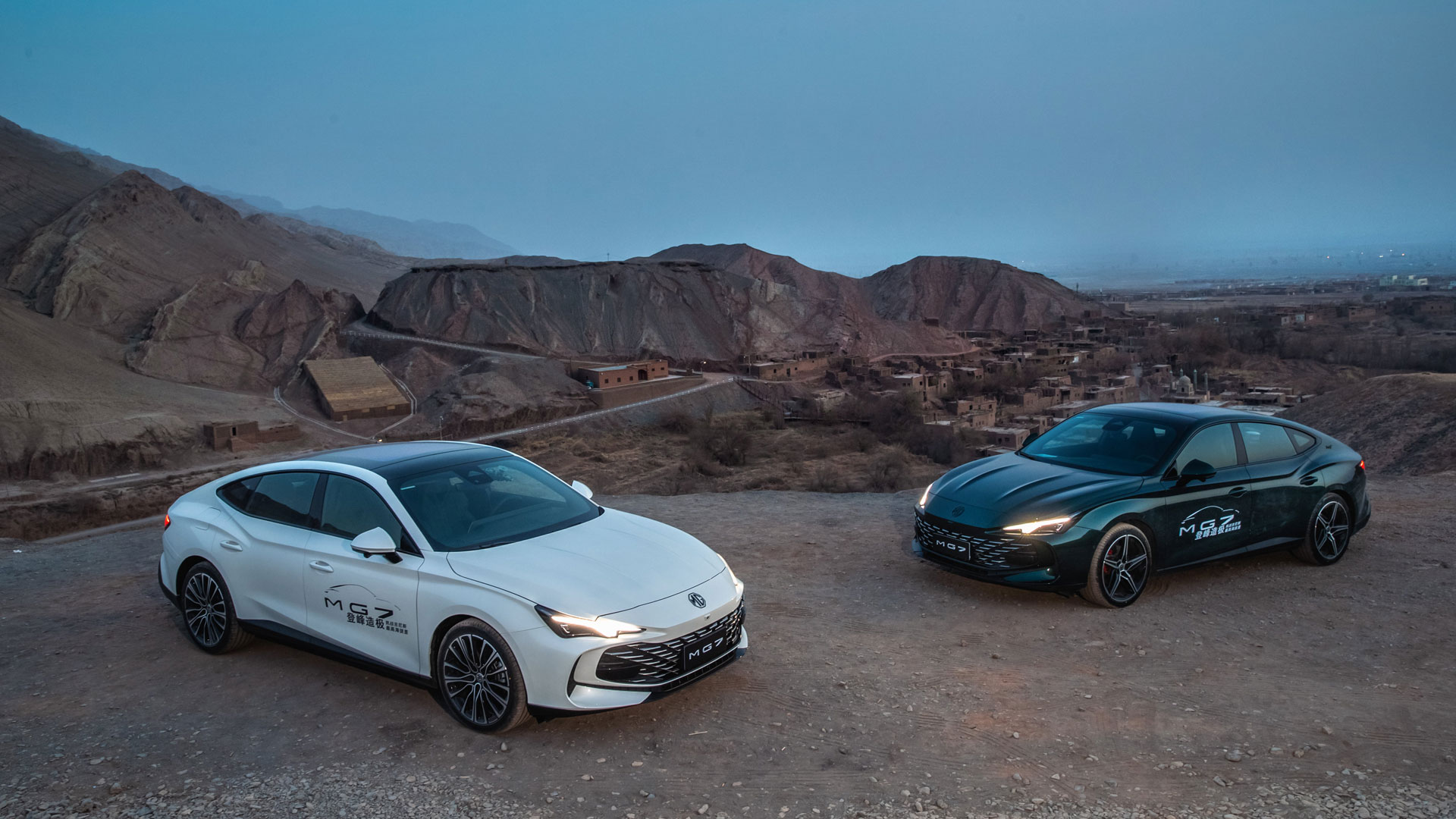
MG's strategy is not to pivot directly toward full electrification but to offer a more intelligent and better-equipped ICE alternative for consumers who still prefer internal combustion vehicles, achieved through a more aggressive configuration and design approach.
Our Take
The 2026 MG7 isn’t a ground-up redesign, but its upgrades in intelligent features and pricing strategy clearly address young buyers’ expectations for stylish, well-equipped, and fun-to-drive cars.
In a shrinking fuel-powered market, this pragmatic approach helps the MG7 remain competitive.
With this clear product positioning, the model is well-placed to perform strongly in China—and potentially in global markets as well.
If any infringement occurs, please contact us for deletion










Popular Cars
Model Year
Car Compare
Car Photo