
Mazda 2 and CX-3 confirmed to be produced in Thailand until 2027, new successor models to be introduced in 2028
 JohnMar 25, 2026, 05:19 PM
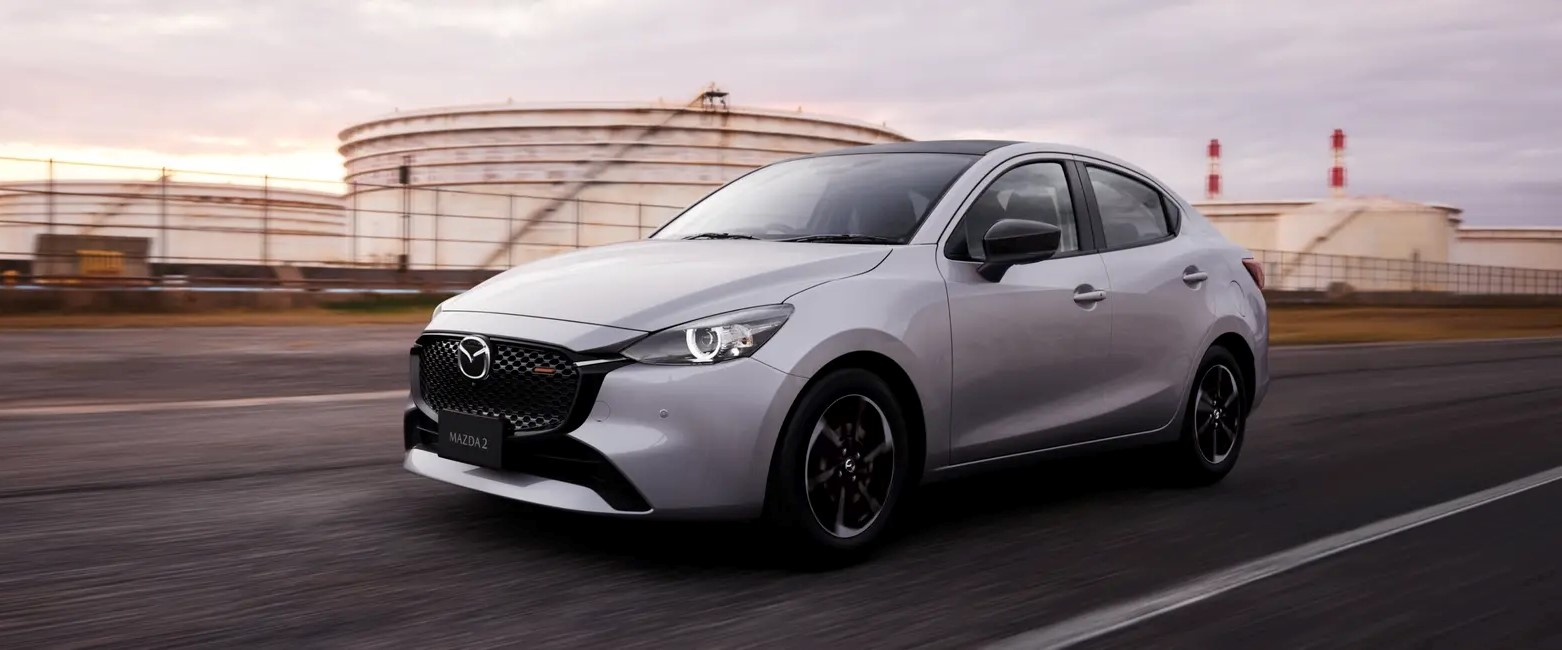
[PCauto] According to Mazda's recent strategic plan unveiled in Bangkok, although the Japanese domestic market has confirmed it will gradually discontinue production of these two models, the AutoAlliance Thailand (AAT) plant in Rayong, Thailand, will keep their production lines running until 2027.
This means that for the next two-plus years, we will still be able to see these two products, which emphasize the Jinba-ittai driving philosophy, in showrooms.
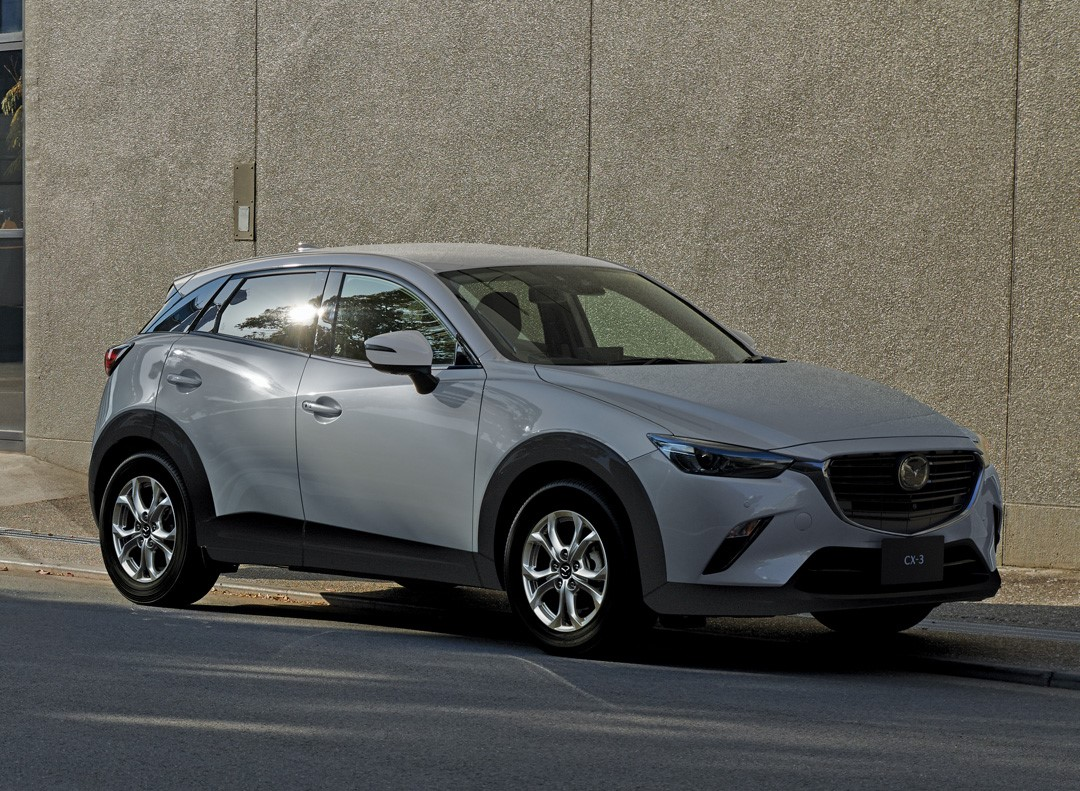
Since their release in 2014, the Mazda 2 and CX-3 have indeed gone through a rather lengthy product cycle.
Although multiple minor facelifts have introduced modern features such as the GVC Plus vector control system and wireless Apple CarPlay, limitations in space and power architecture have gradually become apparent when facing strong competitors like Toyota Yaris Cross or Honda HR-V.
In the Japanese market, the CX-3 was discontinued in February 2026, and the Mazda 2 is also expected to be discontinued in June of the same year.
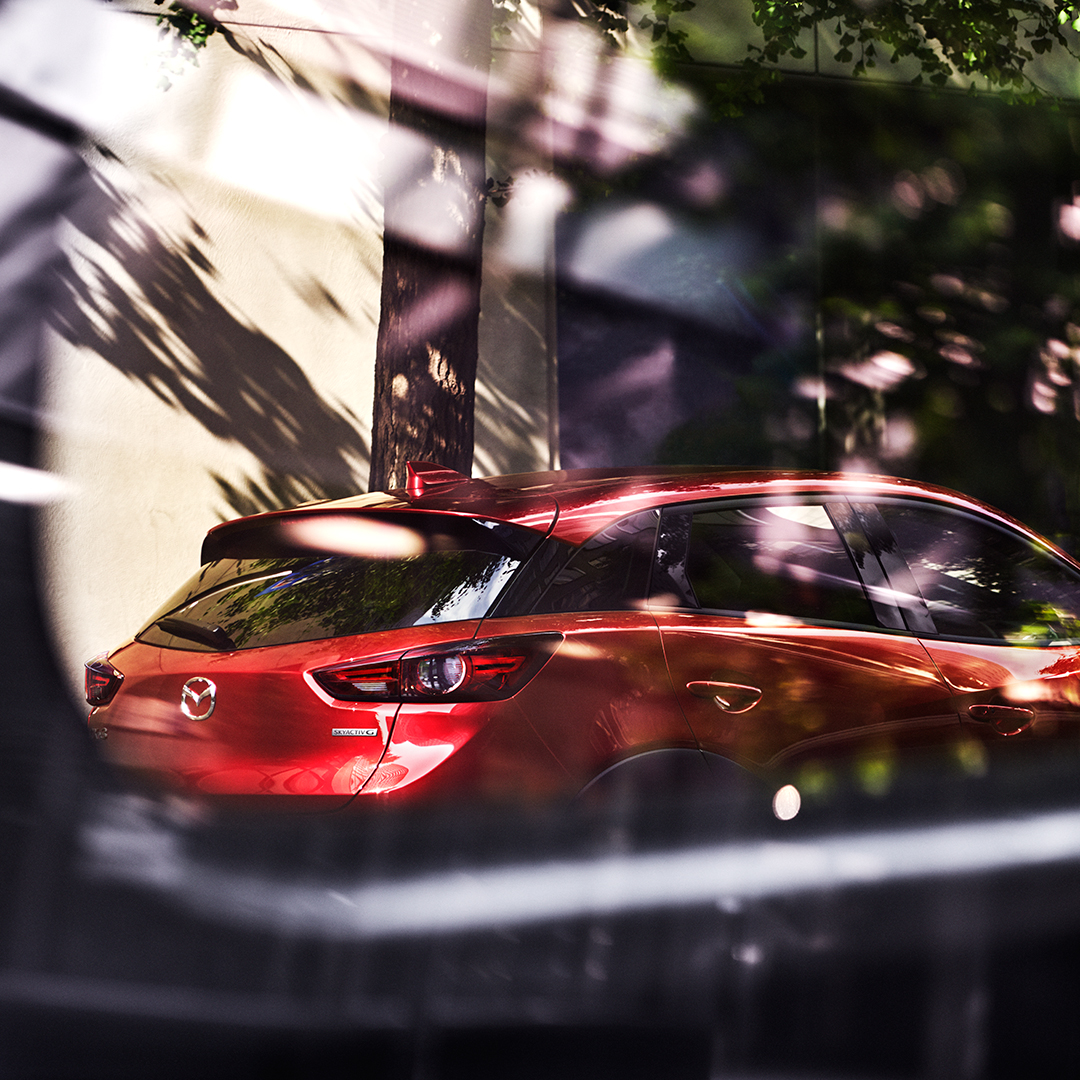
However, the unique characteristics of the Southeast Asian market have prompted Mazda to make a different decision.
To safeguard its market share in the region, Mazda has invested an additional 50 billion THB (MYR 740 million) in the AAT plant.
This substantial investment is not only aimed at extending the lifespan of the Mazda 2 and CX-3, but also lays the groundwork for upcoming new generation products.
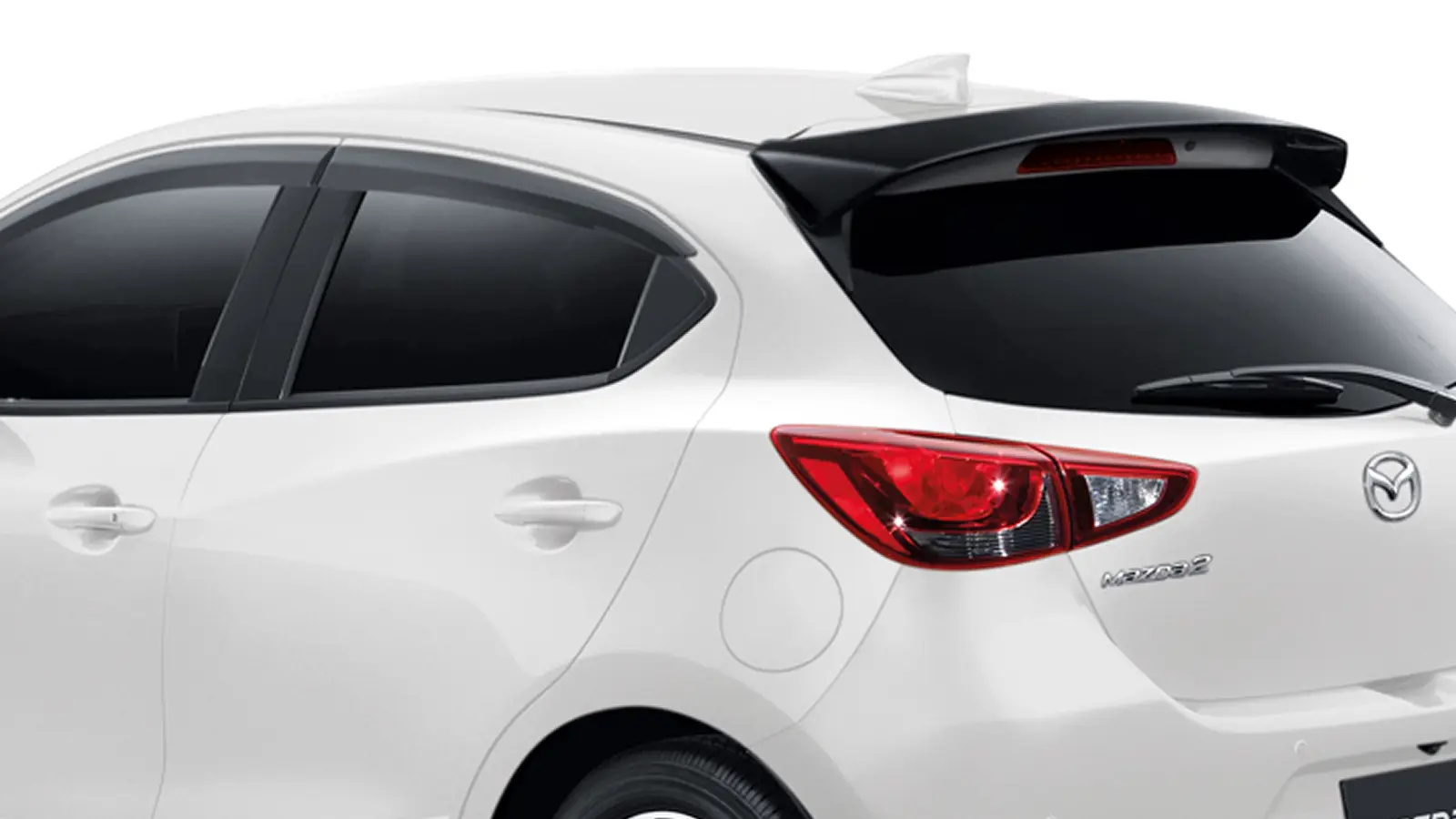
Since a large amount of development resources have already been allocated to the more profitable Large Architecture platform (i.e., the CX-60 to CX-90 series), the gap in the entry-level market must be filled by leveraging a mature supply chain.
It is worth noting that this investment is not just aimed at extending the lifecycle of Mazda 2 and CX-3.
With tightening global emission regulations, a significant portion of Mazda's 5 billion THB (MYR 740 million) investment in Thailand will be dedicated to developing a Mild Hybrid powertrain system.
According to the plan, by 2027, the AAT plant will no longer solely produce pure combustion engine models but will introduce two Hybrid models, two BEV (Battery Electric Vehicle) models, and one PHEV (Plug-in Hybrid Electric Vehicle) model.
Among them, the most anticipated is the production version of the Vision X-Compact concept car, which was unveiled earlier at the Japan Mobility Show.
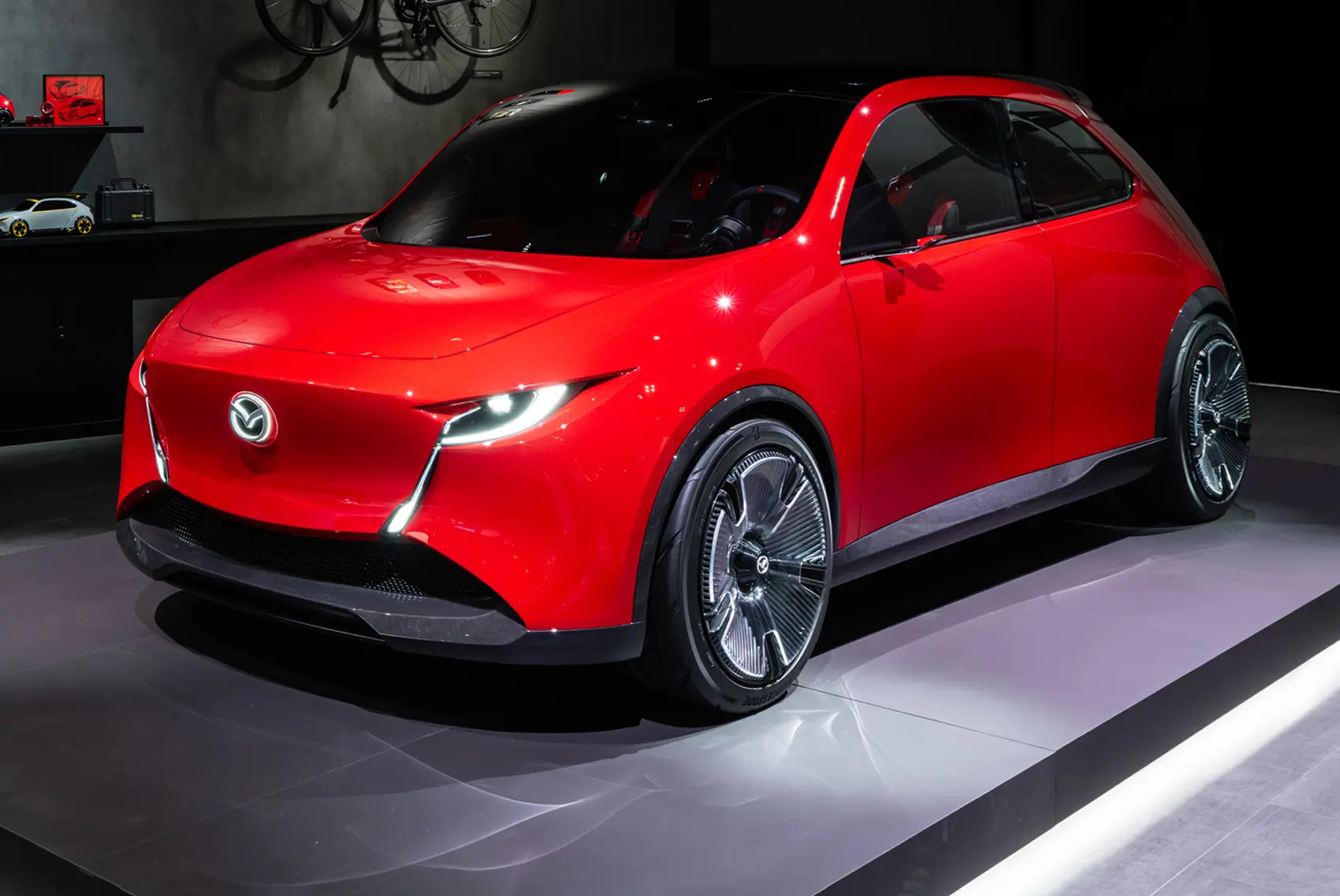
This new vehicle, internally rumored to be named the CX-20, is expected to replace the current Mazda 2 and CX-3 models.
It will be built on a brand-new platform, no longer just a simple OEM product or badge-engineered model, but a fully self-developed Mazda product.
Before the new model officially starts production in 2027, the existing Mazda 2 and CX-3 will continue to be manufactured, offering high cost-effectiveness and mature component sourcing to cater to buyers seeking reliability and driving pleasure.
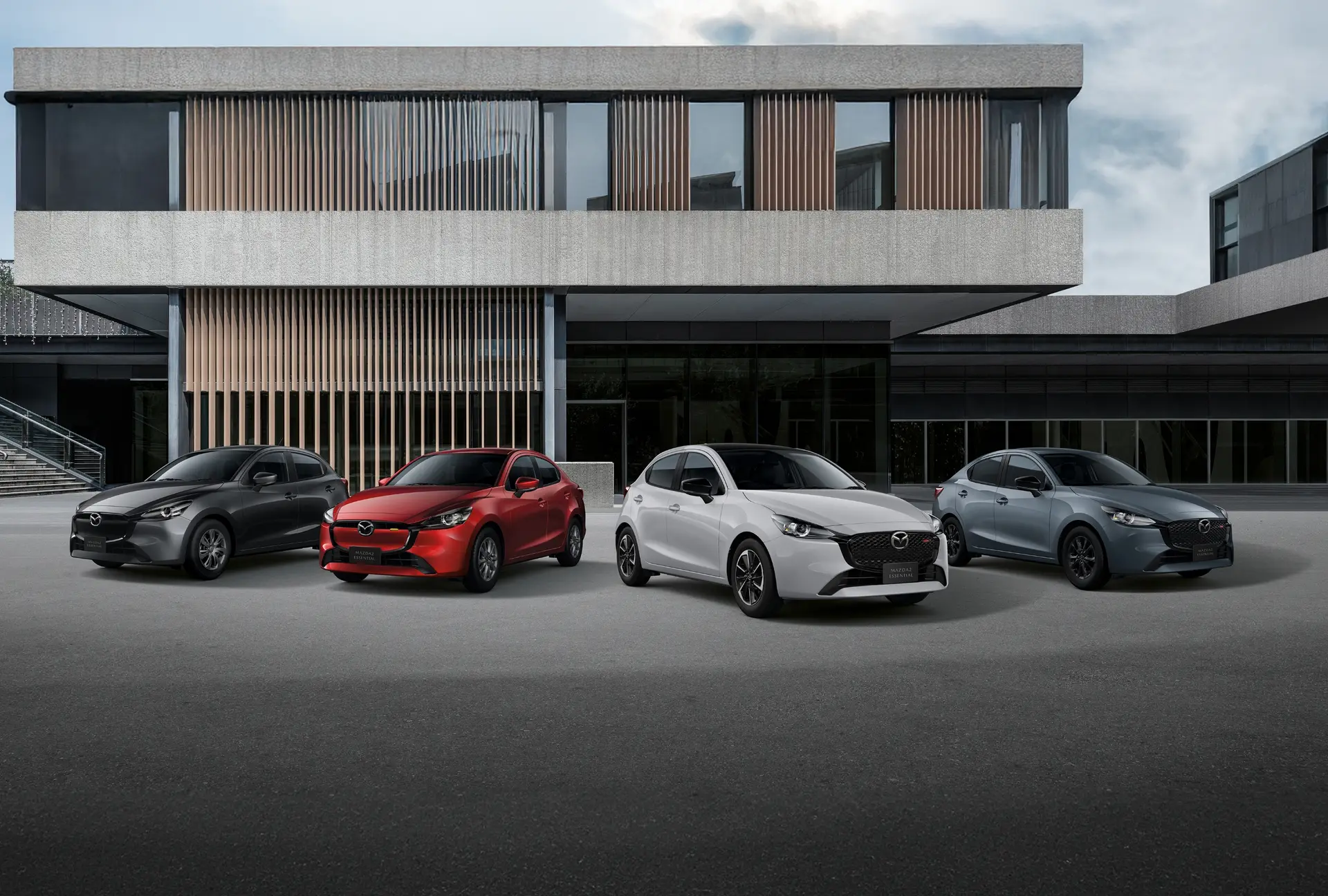
For now, we don't need to worry about the supply of spare parts. With the elevated status of the AAT factory, in the next two years we might even see minor upgrades in configurations for the Mazda 2 and CX-3.
Although these two models are no longer new, they remain among the few options in their price range that deliver a refined interior finish and excellent steering feel.
If any infringement occurs, please contact us for deletion









Popular Cars
Model Year
Car Compare
Car Photo