
All-New Toyota RAV4 PHEV Debuts in Japan: 329 PS Combined Power, 150 km Pure EV Range
 LienMar 03, 2026, 03:14 PM
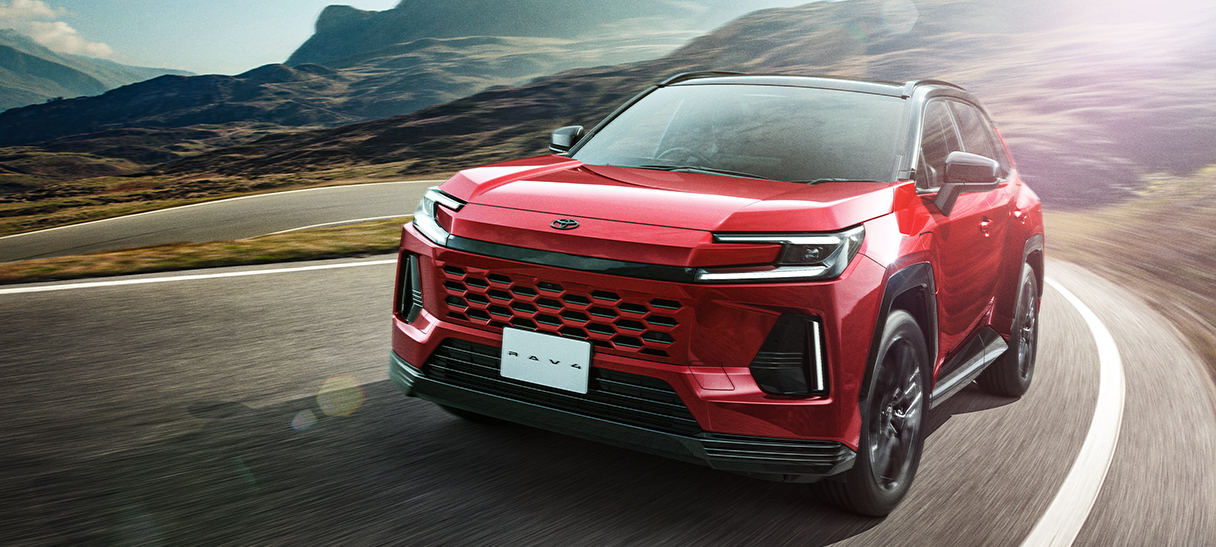
[PCauto]When it comes to Toyota, words like “reliable” and “practical” usually come to mind. But in 2026, this Japanese giant is showing that practicality can come with a twist of excitement.
As the sixth-generation Toyota RAV4 rolls out globally, Japan has finally welcomed its PHEV variant.
This all-new RAV4 PHEV isn’t just a facelift. In the tug-of-war between pure electric vehicles (BEVs) and internal combustion engines (ICEs), Toyota brings some serious muscle—329 PS combined output and 150 km pure electric range. For the RAV4 lineup, these are solid specs that make it stand out in daily driving. You could even say it has plenty of poke, without feeling like it’s over the top.
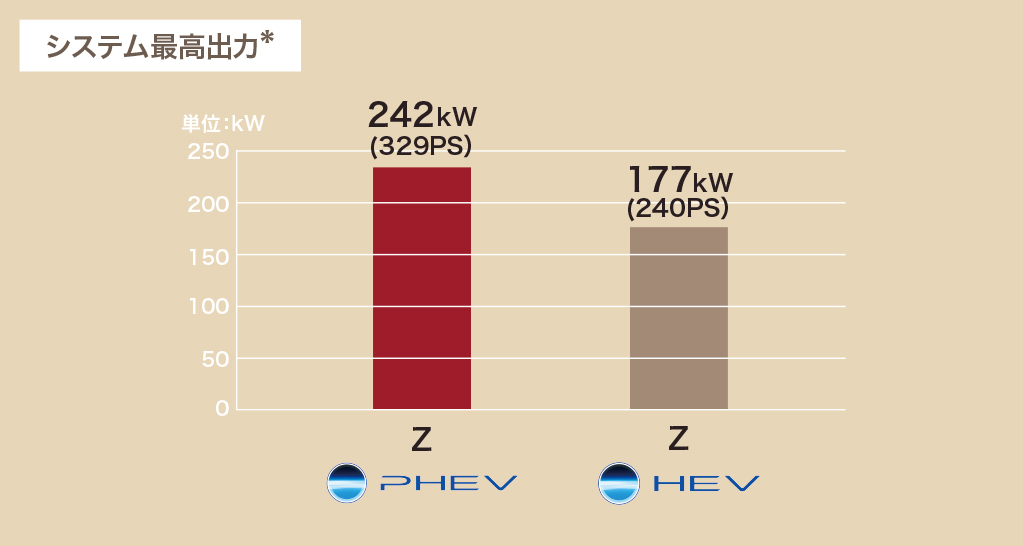
What’s new in the PHEV system?
The Japanese-spec RAV4 PHEV launches with two trims: the premium Z Grade and the sportier GR SPORT.
Pricing is set at JPY 6,000,000 for the Z Grade (roughly RM 149,400 ), while the GR SPORT commands JPY 6,300,000 (around RM 156,870).
At its heart is the 2.5L Series Parallel Plug-in Hybrid system based on the A25A-FXS engine, but the internals have been fully revamped. The biggest upgrade is in the Power Control Unit (PCU), which now uses silicon carbide (SiC) semiconductors on a large scale.
This aerospace-grade material dramatically reduces energy conversion losses. With a larger battery pack, the pure EV range jumps from 95 km to 150 km. For city commuters in Malaysia, that means you could easily drive from Cheras to PJ and back for a few days without touching petrol—a true urban workhorse.
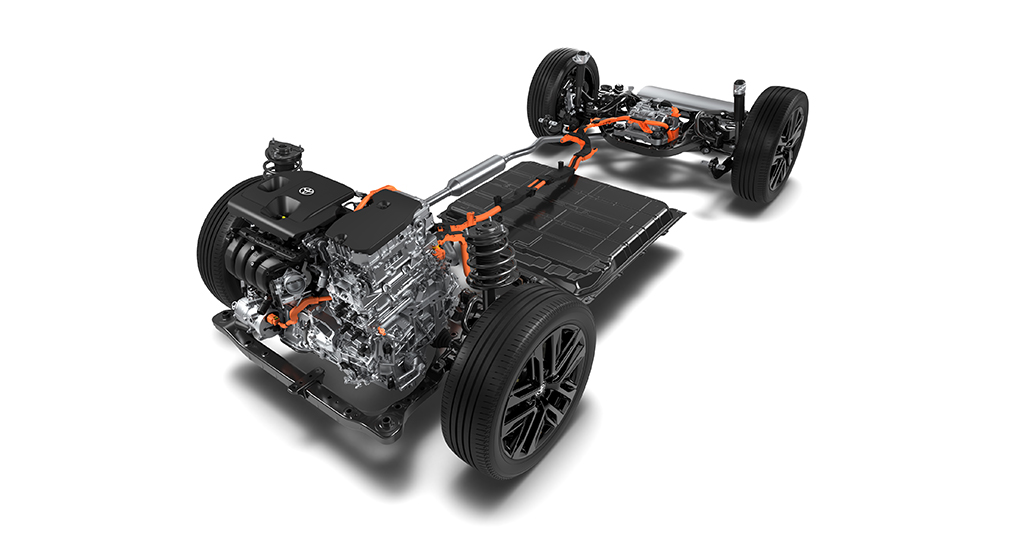
Design and tech upgrades
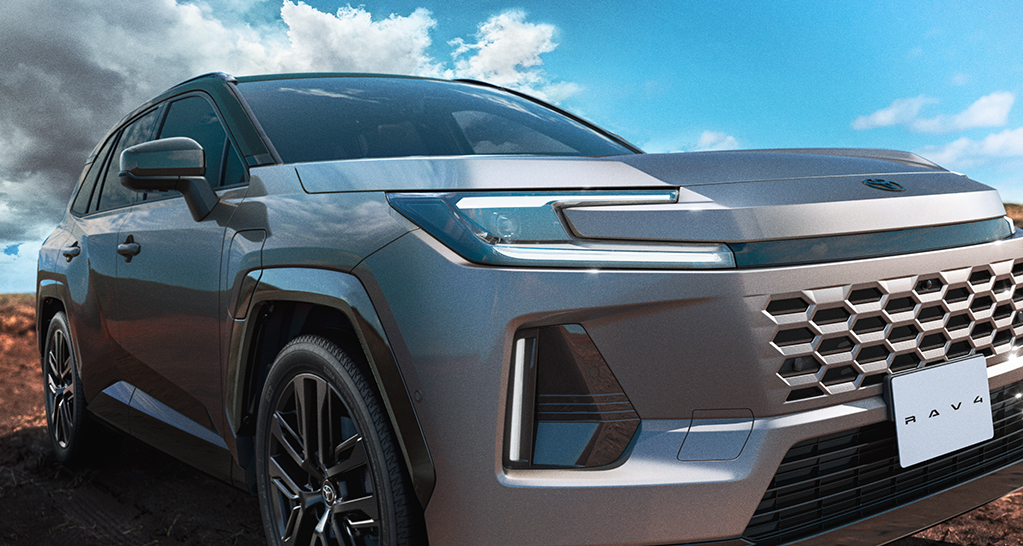
The sixth-gen RAV4 PHEV continues Toyota’s Hammerhead design language. The sharp, aggressive front fascia and C-shaped LED headlights instantly make the SUV look more dynamic.
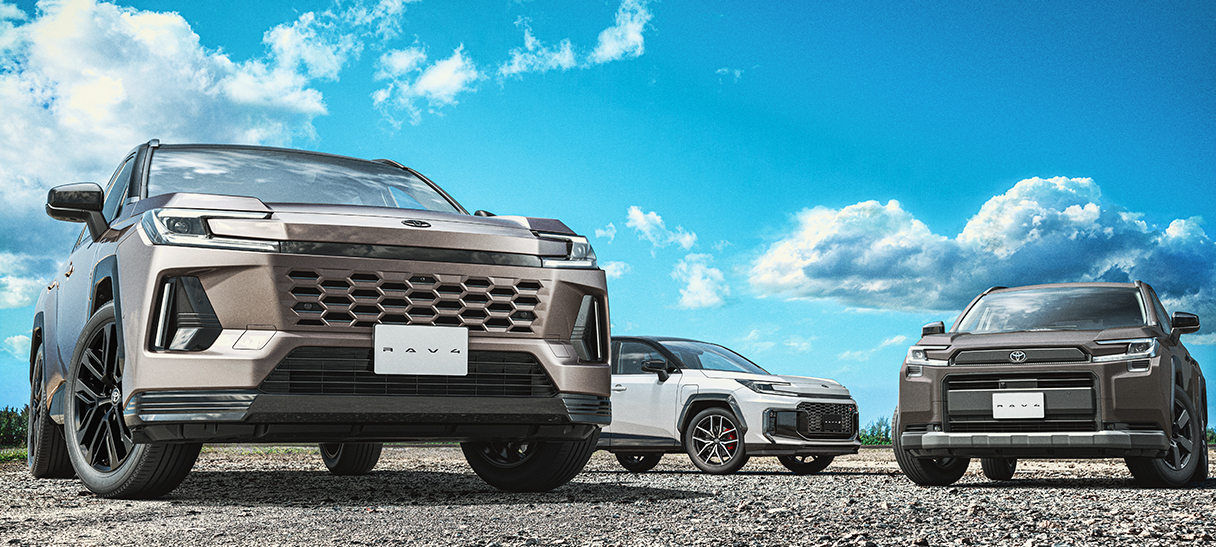
Piano black grille accents and unique wheel designs also signal its PHEV identity.
Inside, the 12.9-inch floating central display running Toyota’s Arene OS offers fast, responsive touch control, while the 12.3-inch fully digital instrument cluster clearly shows power flow and energy recovery.
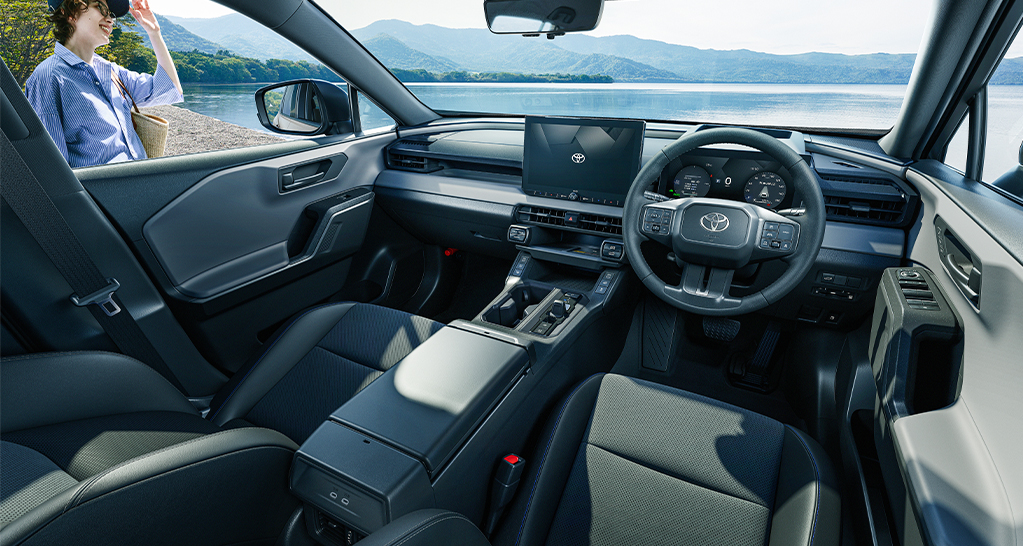
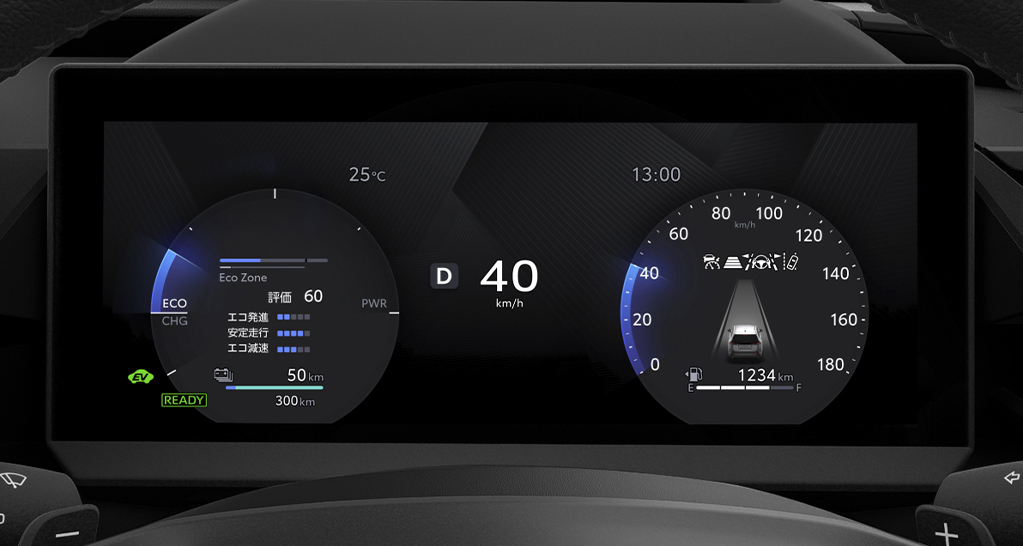
Thanks to the Arene architecture, the RAV4 PHEV also supports deeper Over-the-air (OTA) updates, allowing owners to optimise driver assistance and infotainment systems years after purchase—a significant leap for a brand traditionally conservative with tech.
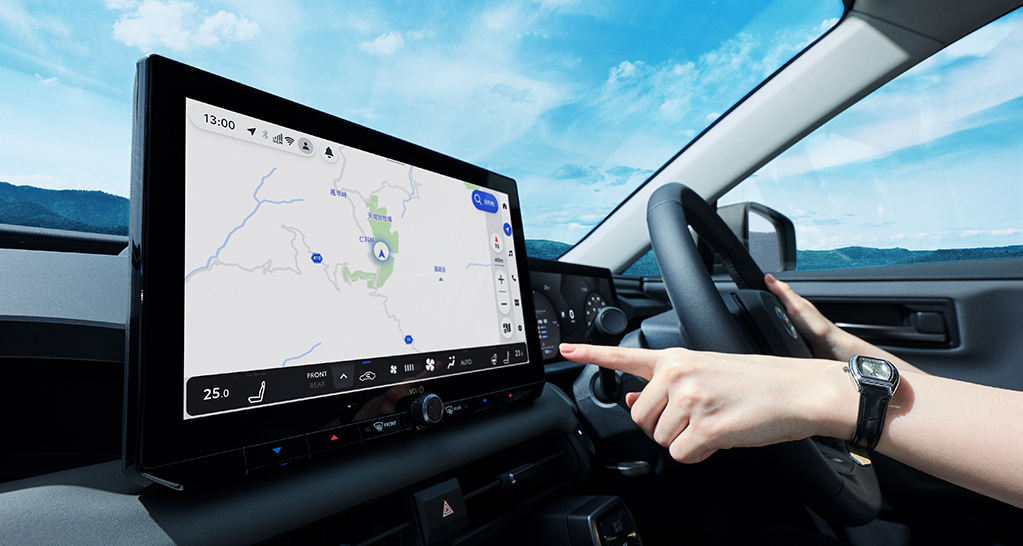
GR SPORT: Planting it to the ground
While Z Grade focuses on premium comfort, the GR SPORT addresses the long-standing complaint of “SUVs feeling boat-like” or too soft/buai on the road.
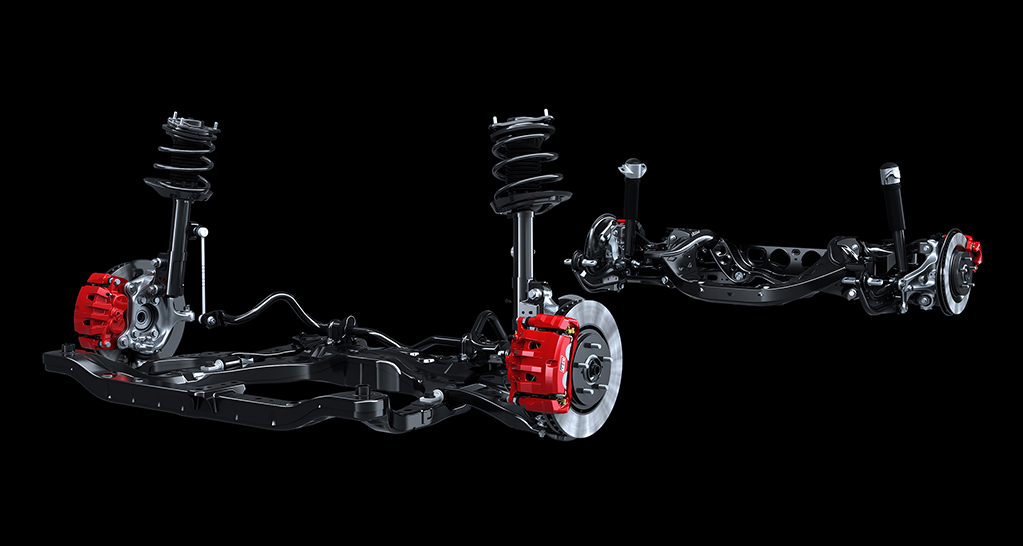
Toyota teamed up with Yamaha to develop Performance Dampers exclusive to the GR SPORT, while engineers recalibrated the Electric Power Steering (EPS) for sharper, more connected feedback.
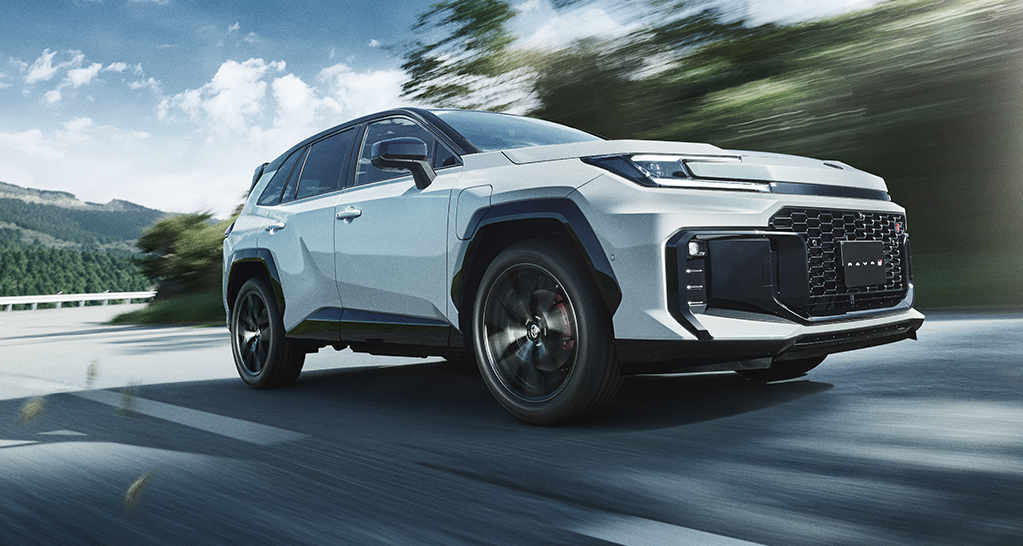
The PHEV’s strong battery pack doubles as a structural reinforcement. Together with GR-specific chassis brackets, torsional rigidity is significantly enhanced. The result: the SUV feels planted to the ground, with reduced body roll during lane changes or cornering.
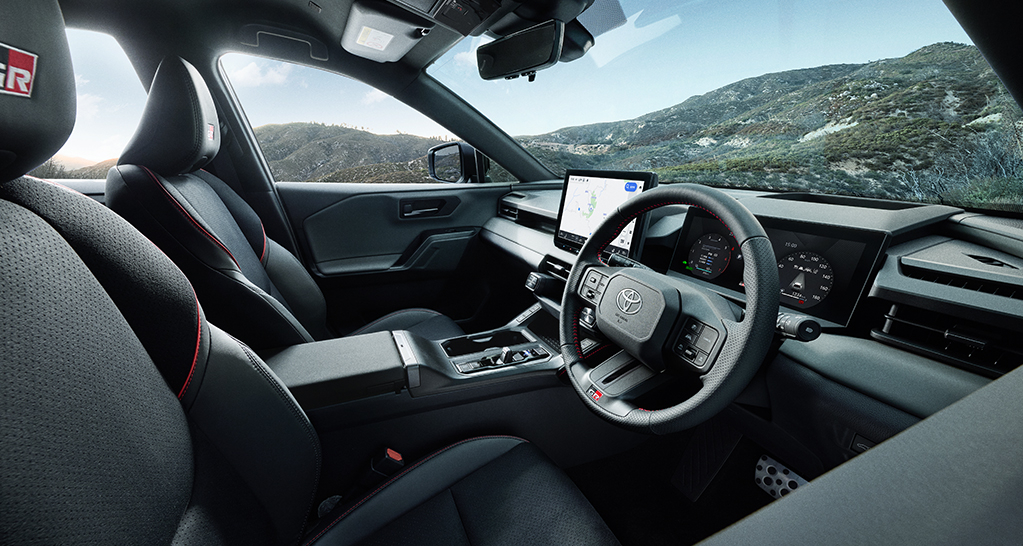
Coupled with the E-Four electronic AWD system, the 329 PS machine delivers confident handling, perfectly matching the GR badge.
RAV4 PHEV as a “mobile power station”
Toyota has retained and upgraded the External Power Supply feature. All trims come standard with a 1,500W AC outlet, perfect for camping gadgets or emergency home power outages.
Official figures show that at full charge and fuel, the vehicle can supply 400W continuously for 6.5–7 days, making it a practical solution for disaster-prone areas—or for outdoor enthusiasts who love off-grid adventures.

How does it stack up in Southeast Asia?
Even in 2026, EV growth is strong, but range anxiety remains a real concern. The RAV4 PHEV’s 150 km EV range plus fuel backup gives peace of mind to undecided buyers.
As a C-segment SUV, it competes directly with the Honda CR-V e:PHEV and Mazda CX-5, offering stronger output and longer pure EV range.
In short, the RAV4 PHEV is a mature, versatile package. It demonstrates Toyota’s hybrid expertise and proves that PHEVs are not just transitional—they’re a competitive long-term solution. For families seeking high efficiency and performance without worrying about charging stations, this may be the closest thing to perfect in today’s market.
If any infringement occurs, please contact us for deletion










Popular Cars
Model Year
Car Compare
Car Photo