
BYD Denies Rumors of ¥10 Billion Investment in Factory in India
 JamesApr 01, 2025, 11:52 AM
【PCauto】Recently, rumors surfaced regarding BYD's plans to invest ¥10 billion in establishing a factory in central-southern India. However, on March 31, BYD's online reporting center swiftly refuted these claims, temporarily quelling the ensuing media speculation.
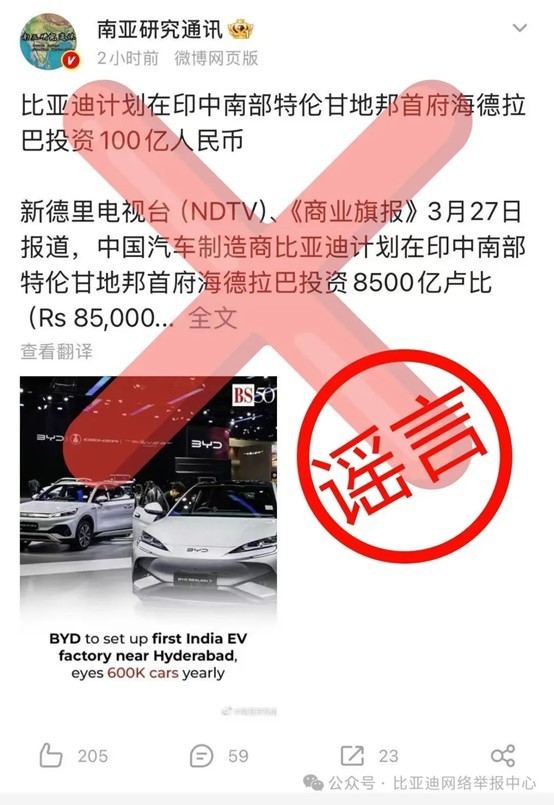
According to prior reports, BYD was said to be planning a substantial investment in Hyderabad, the capital of Teren Gandhi State, with figures reaching as high as ¥10 billion (approximately 850 billion Rupees). Sources claimed that the factory site was already moving into the assessment phase, sparking widespread attention and discussion. After all, India is the world's third-largest automotive market, yet the penetration rate of electric vehicles remains below 1%, indicating a promising “blue ocean” for new energy development.
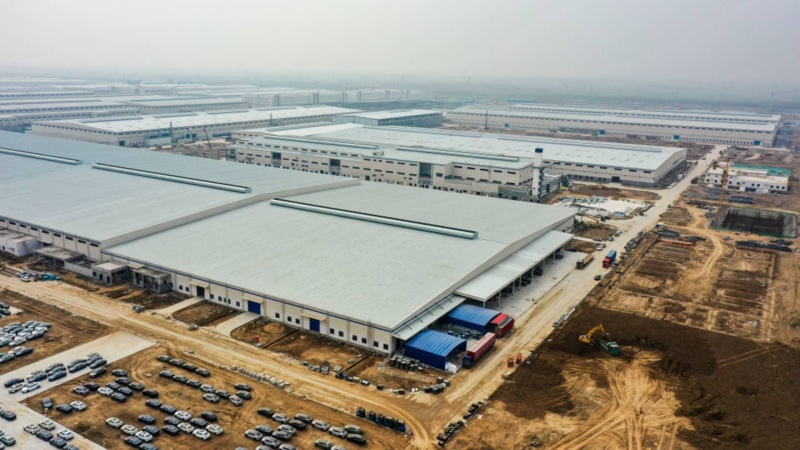
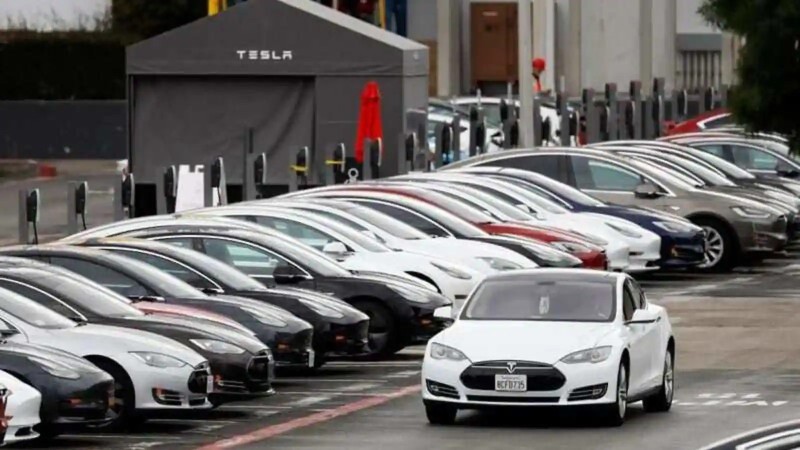
For automotive companies, the appeal of the Indian market lies not only in its vast consumer potential but also in the significant advantages of local production. Import tariffs on electric vehicles can be as high as 70% - 100%, which hinders exportation to India of numerous automakers. Establishing local factories could effectively mitigate these high costs while allowing companies to benefit from local policy subsidies. Many automakers have already recognized this opportunity and are entering the market. Industry giants like Tesla and Hyundai are rapidly expanding their foothold in India's local supply chain, making local production a seemingly essential path for BYD if it wishes to capture a share of this market.
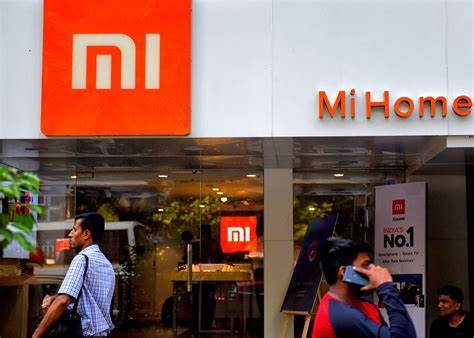
However, the reality is not so straightforward. India’s complex policy environment and geopolitical risks hang over foreign enterprises like the Sword of Damocles, causing many to tread cautiously. In 2023, Xiaomi faced a sudden asset freeze of 4.8 billion Rupees in India, serving as a wake-up call for companies looking to enter the Indian market. Foreign companies often encounter stringent tax audits and exceptionally demanding localization requirements, with any misstep potentially leading to serious complications.
Perhaps due to these risk considerations, BYD has opted for a prudent strategy of "export + local partnerships," introducing its eMAX 7, Seal, and ATTO 3 electric vehicles in India. This approach allows the company to test the waters of the Indian market through exports while better understanding consumer preferences and demands. Simultaneously, partnering with local allies enables BYD to leverage regional resources and channel advantages, minimizing heavy investment risks while gradually increasing its market share. This flexible and pragmatic strategy ensures that the company can make strides in India's market while keeping potential risks within manageable limits.
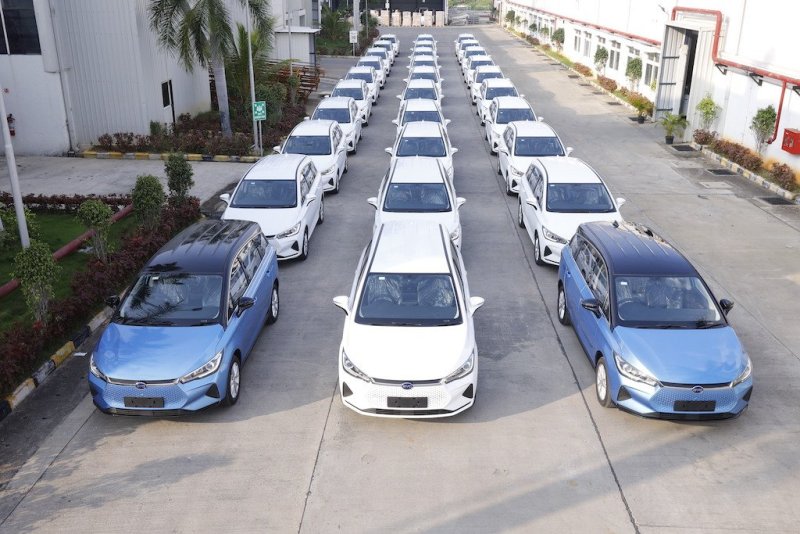
It's worth noting that this denial is not an isolated incident; it marks the third time BYD has addressed rumors regarding overseas factory plans. Previous rumors concerning BYD’s intentions to build factories in Mexico, Europe, and other regions have also been officially dismissed.
If any infringement occurs, please contact us for deletion





Popular Cars
Model Year
Car Compare
Car Photo