
GWM showcases diesel hybrid technology to meet the needs of users overlooked by the market
 MichaelJan 20, 2026, 05:16 PM

【PCauto】In Europe, diesel engines are becoming increasingly rare in passenger vehicles, accelerated by tightening emission regulations, Toyota's scaled-back diesel development, and Volkswagen's shift to pure electric platforms. Against this backdrop, GWM recently announced it will unveil a diesel hybrid technology in March, slated for application in pickups and rugged SUVs.
GWM pointed out several long-standing issues with diesel engines: traditional diesel vehicles suffer from high fuel consumption and sluggish response in urban conditions, face increasingly stringent emission regulations, and grapple with inherent efficiency limitations.
The proposed solution is relatively straightforward. GWM adopts a 'large-capacity HEV' strategy, allowing the electric motor to handle more work during startup and low-speed phases, while preserving the inherent advantages of diesel engines at medium to high speeds, under heavy loads, and in scenarios demanding continuous power output.
As for the technical path for diesel hybrids, GWM has explicitly ruled out the range-extender route. This is because, in the typical usage scenarios of pickup trucks and rugged SUVs, sustained towing capability with a low battery is far more critical than short-term electric-drive refinement.
While GWM's multi-speed series-parallel architecture is relatively complex, it offers greater reliability. The core lies in GWM's use of a 4-speed hybrid-specific transmission (4-speed DHT).
Under high-altitude or high-load climbing conditions, single-speed hybrids often struggle to deliver sufficient wheel torque when the battery is depleted, as the engine alone lacks adequate gearing support. The 4-speed DHT ensures that, regardless of the speed, the diesel engine can operate within its most torque-efficient RPM range.
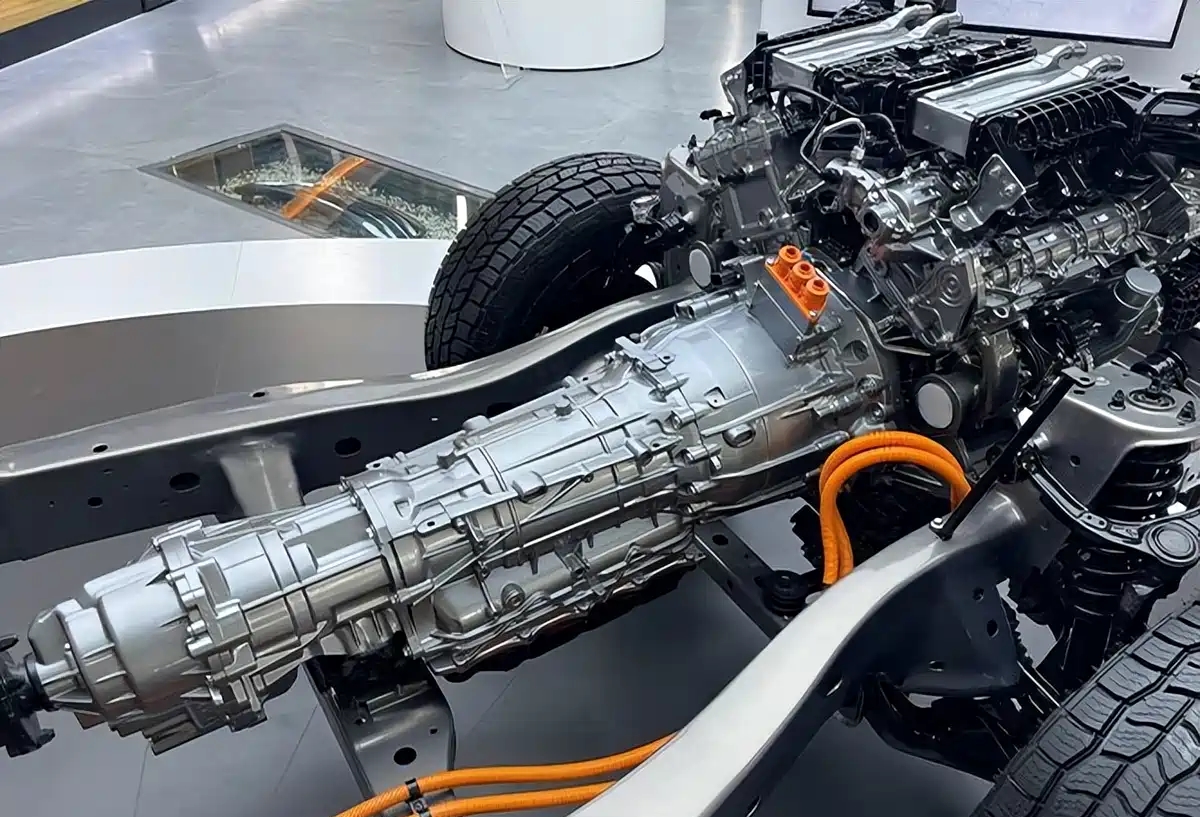
Even with a depleted battery, overall vehicle performance will not suffer a cliff-like drop. This aspect is far more significant to pickup truck and rugged SUV users than fuel consumption figures.
Of course, thanks to the addition of the motor and the high thermal efficiency of the diesel engine itself, through precise gear selection, the diesel engine can be maintained within its optimal thermal efficiency range – exceeding 40% – for extended periods. GWM claims that fuel consumption can be reduced by approximately 9%, with reductions of up to 15% under urban driving conditions, while power response is improved by around 40%.
Whether these figures hold up will ultimately be verified during test drives in March, but for now, they appear plausible.

GWM regards diesel hybrids as its core competitiveness in the global market. In markets like Australia, Southeast Asia, and even parts of Europe, diesel remains the dominant energy source for pickups and off-road vehicles.
These markets are not short of electric vehicles, but their ability to sustain high-intensity, sustained loads remains a seldom-discussed question.
In addition to the already familiar 2.4T diesel engine, GWM has also confirmed plans to launch a new 3.0T diesel engine, first in the Australian market by mid-2026, for installation in models such as the Shanhai Cannon.
More notably, this 3.0T unit is not a traditional V6 but a high-performance four-cylinder design – a move clearly intended to free up space for the hybrid system and overall vehicle packaging.
Models like the Tank 400, Tank 500, and Shanhai Cannon serve as near-ideal platforms for this type of powertrain. Their users are less concerned with extreme acceleration or city EV efficiency rankings, and more focused on range, torque reserves, and reliability.
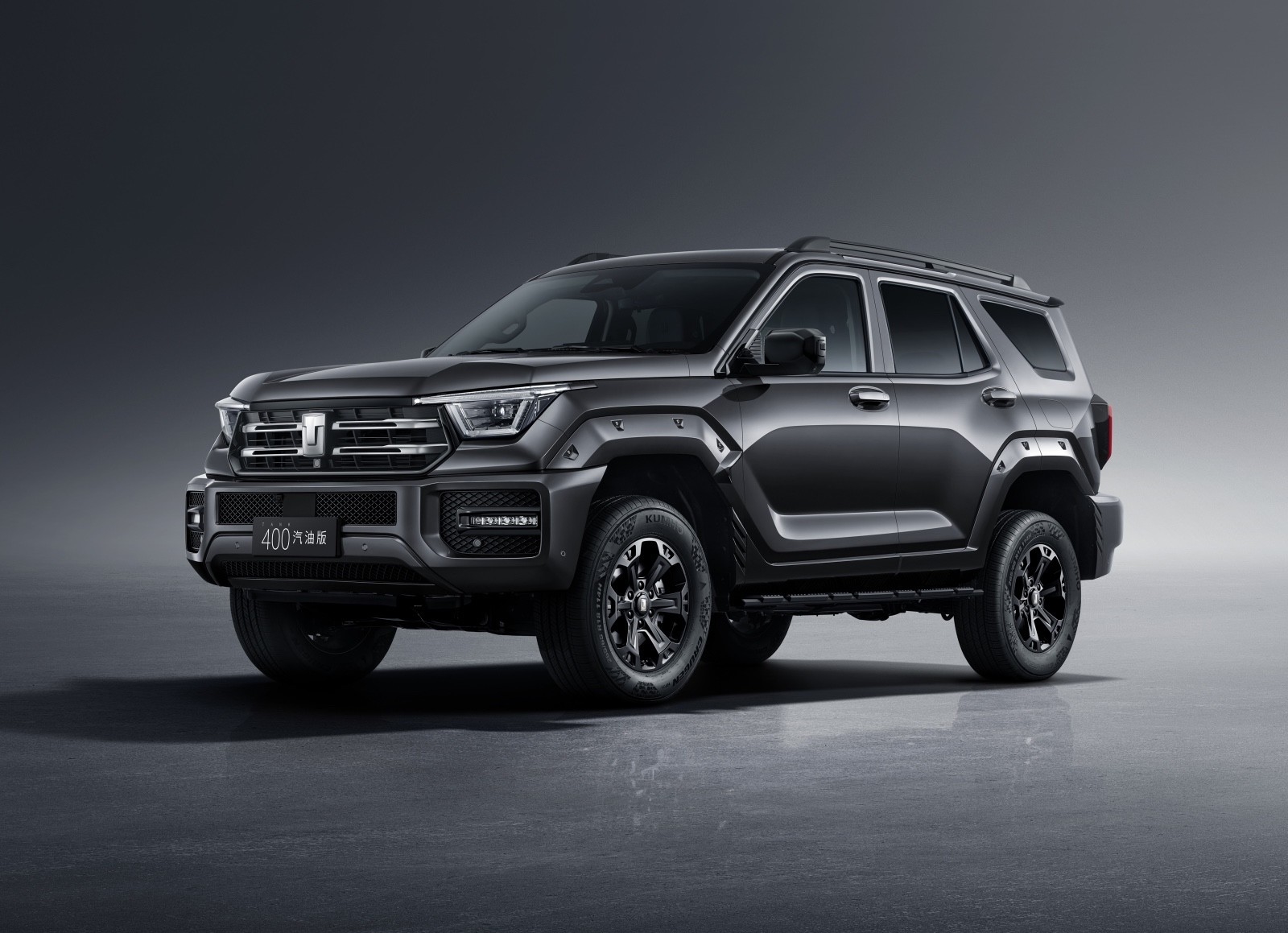
Naturally, the diesel hybrid path is fraught with challenges. Low diesel acceptance in the Chinese domestic market, stringent emission regulations, and a limited market scale will all pose significant practical challenges. Whether GWM is committed to long-term investment, rather than a mere foray, remains to be seen.
But at least one thing is clear: while most are charging ahead in the same direction, GWM has chosen to look back – towards those users the market has overlooked.
If any infringement occurs, please contact us for deletion










Popular Cars
Model Year
Car Compare
Car Photo