
Honda HRC F1 Track Technology Plan Transferred to Civilian Models
 LienJan 27, 2026, 09:53 AM
Honda HRC Plans to Apply F1 Track Technology to Civilian Vehicles
Honda Synchronizes Hybrid Technology Layout to Address Industry Electrification Trends
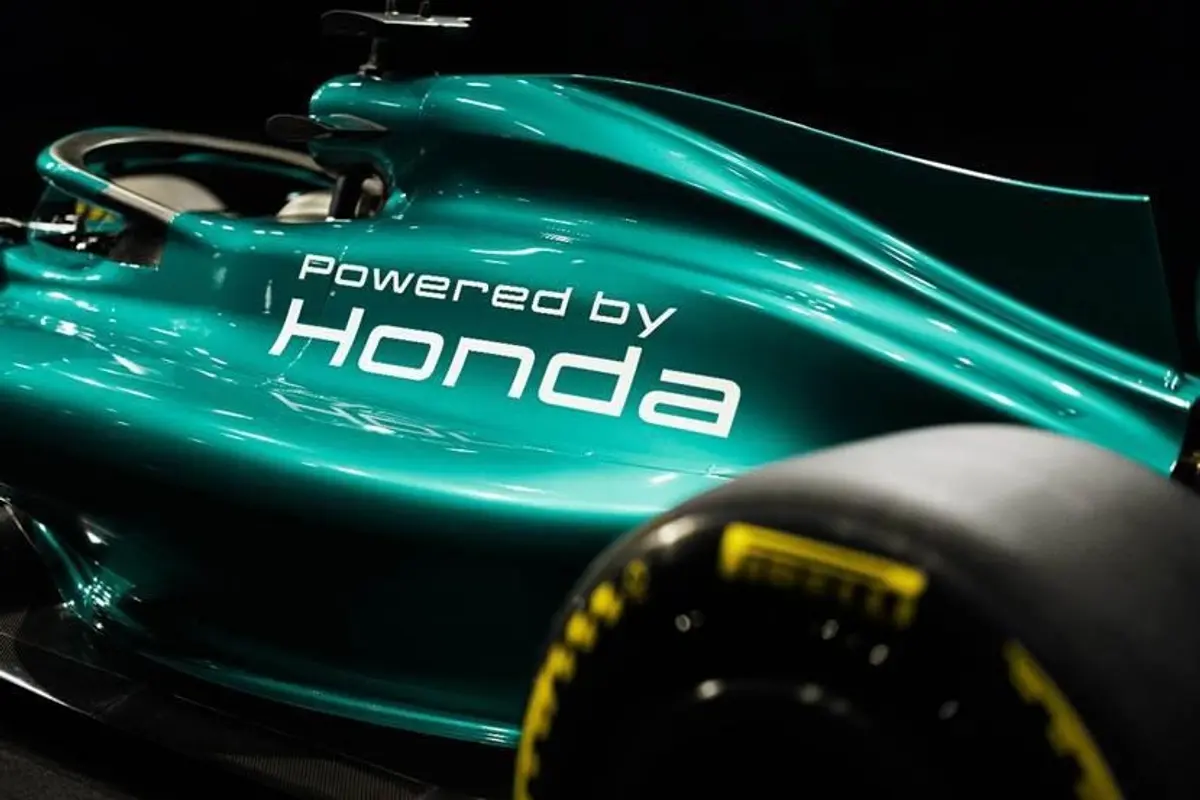
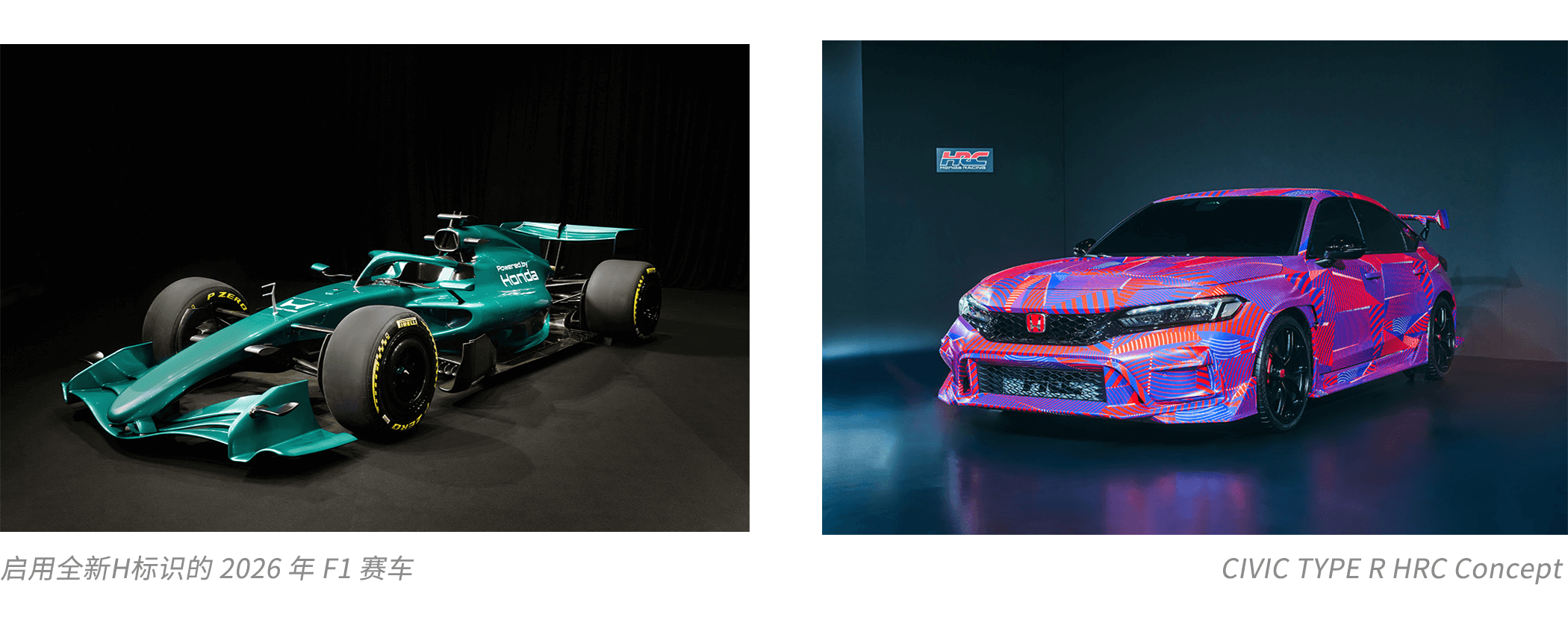
[PCauto] Honda HRC is planning to apply F1 track technology to civilian road vehicles. According to Aston's official announcement, Honda will partner with Aston Martin to return to the F1 track in the 2026 season.
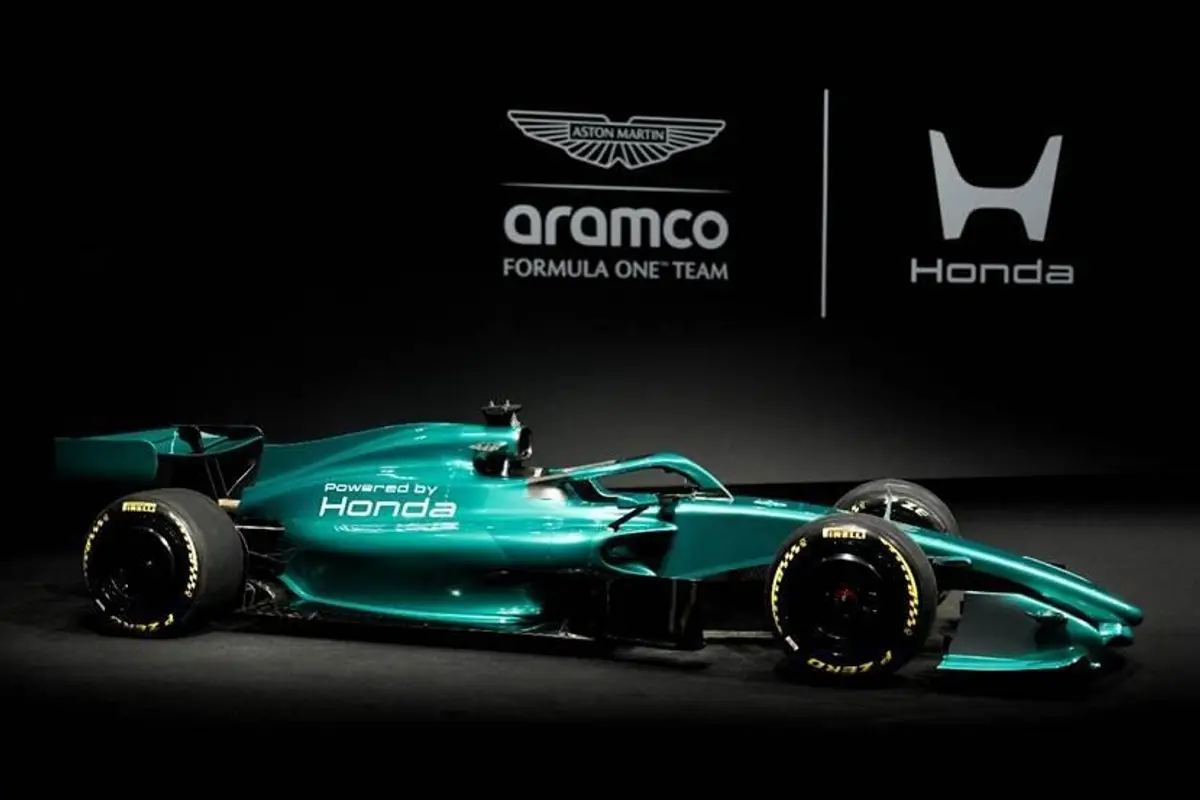
We know that Honda is a well-established institution in the racing field. Although it has previously withdrawn from F1 events, it continued to provide technical support to the Red Bull team until the end of the 2025 season.
This return is based on the new F1 engine regulations, combining competition technology development with its own carbon neutrality goals.
One of the core purposes of the collaboration between Honda and Aston is to gradually popularize performance experiences that were previously exclusive to the race track through technology transfer.
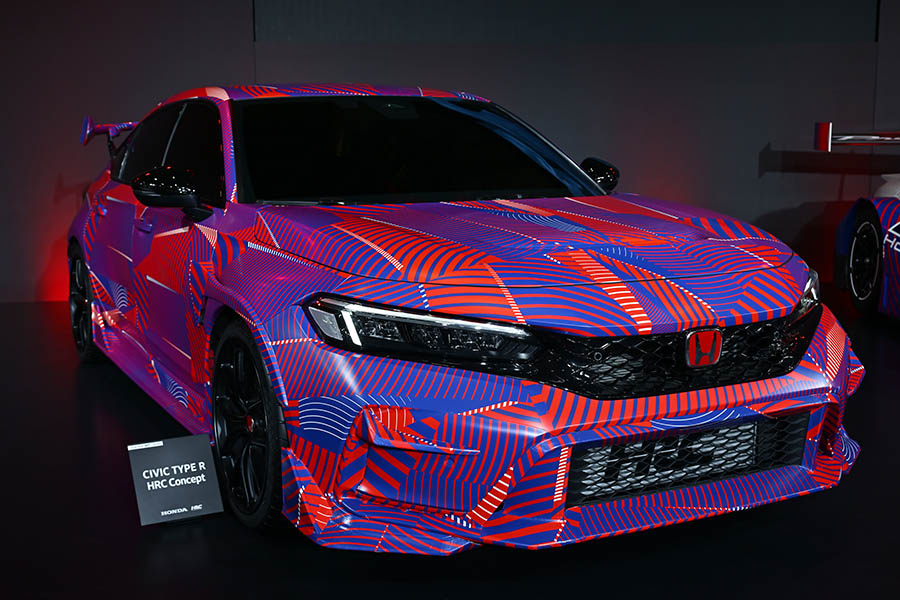
It is currently known that the Civic Type R HRC concept car once achieved a top speed of 271 km/h. At the same time, the collective appearance of multiple HRC concept cars at the Tokyo Auto Salon further clarifies Honda's direction of transferring technology from the race track to the road.
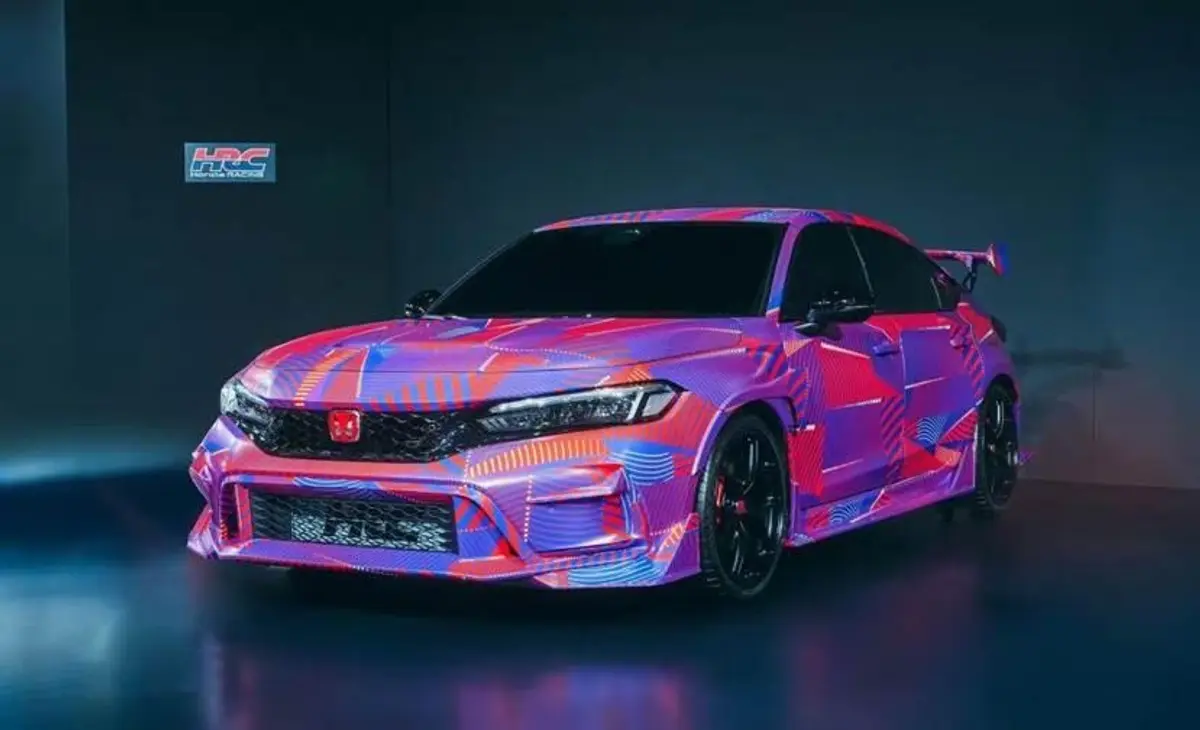
The Civic Type R concept car is a core embodiment of this technology transfer, and its performance demonstrates the effectiveness of the technology being passed down.
This concept car is built on the current FL5 Civic Type R, continuing to use the 2.0-liter turbocharged four-cylinder engine. Compared to the current model, its output can reach 319 horsepower and 420 Nm, with a 0–100 km/h acceleration in just 5.5 seconds and a top speed of 272 km/h, slightly higher than the 271 km/h top speed previously achieved by the concept car.
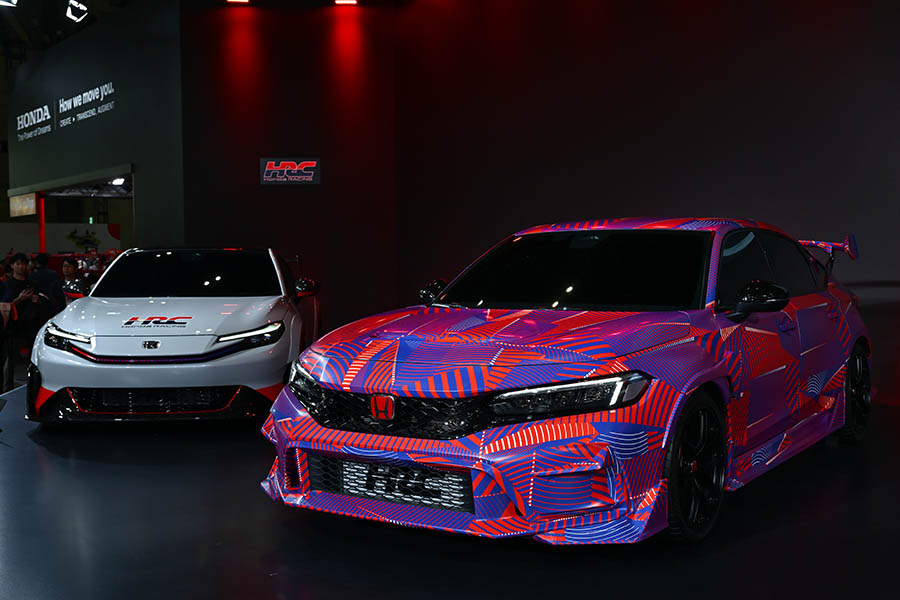
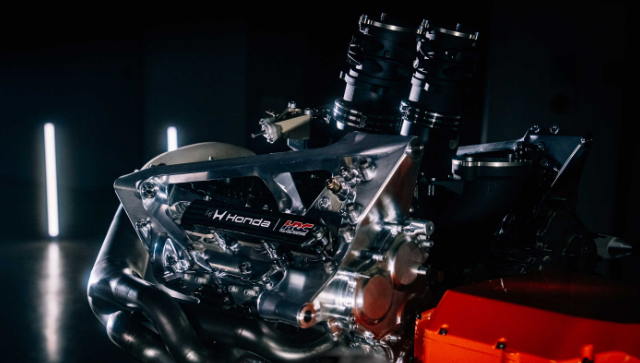
Based on this foundation, the concept car is equipped with the exclusive HRC-K20C engine and brand-new aerodynamic components, further enhancing its performance.
The HRC-K20C engine has been strengthened on the basis of the current K20C engine, with improvements made to the intake and exhaust systems, turbocharger body, and internal engine components. It features higher-strength forged pistons, connecting rods, and other core components, while optimizing the ECU calibration logic to improve intake efficiency and fuel combustion. These upgrades not only unleash greater power potential but also enhance the engine's stability and durability at high RPMs, meeting the demands of intense track driving.
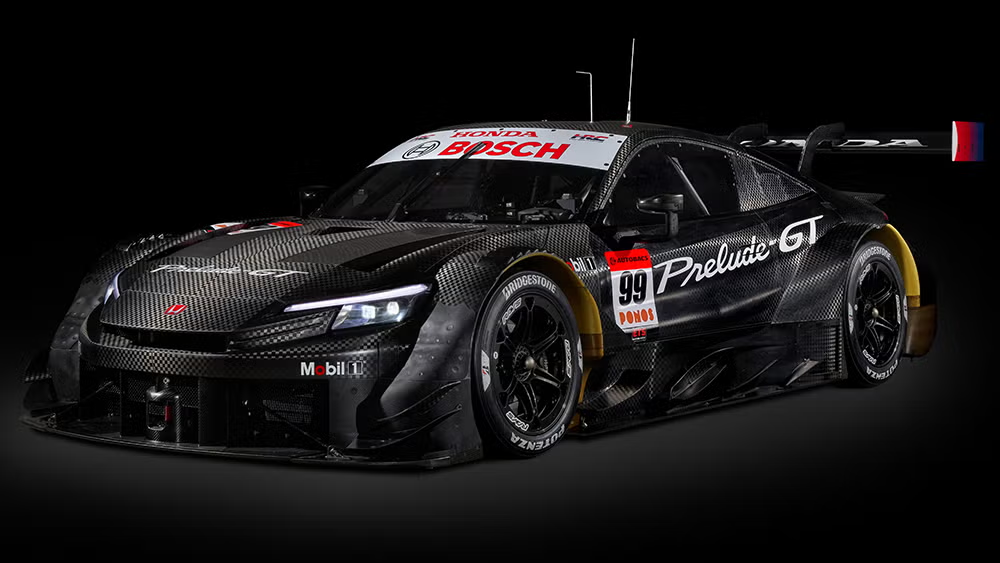
It is also worth mentioning that the HRC Prelude-GT race car will participate in the GT500 category of the 2026 Japan Super GT Series. This arrangement aligns with the technology transfer strategy, refining and optimizing technologies through various types of competitions, which are then applied to the development of consumer vehicles.
However, in response to the current trend of electrification, HRC has not confined itself to the traditional fuel-powered performance car domain.
The Civic e:HEV RS prototype is an important attempt, featuring a power system consisting of a 2.0-liter engine and dual motors, with a combined output of up to 200 horsepower. It is also equipped with the same S+ shift mode as the Prelude, striving to retain the fun of driving in the era of new energy vehicles.
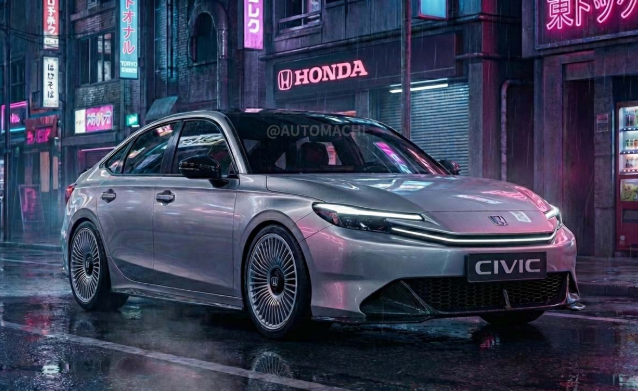
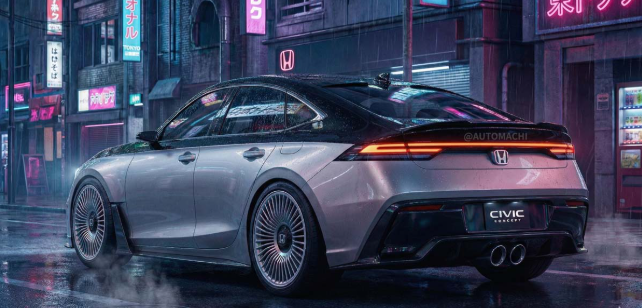
Although the official specific plans for mass production models by HRC have not yet been announced, the core upgrade direction has become relatively clear.
What is certain is that with Honda's collaboration with Aston Martin to return to the F1 arena, this technology upgrade led by HRC may bring new changes to the regional performance car market.
If any infringement occurs, please contact us for deletion










Popular Cars
Model Year
Car Compare
Car Photo