
Rumours: 2026 Toyota Corolla to Feature 1.5L PHEV, Aiming at BYD’s DM-i
 Kevin WongFeb 28, 2026, 05:31 PM
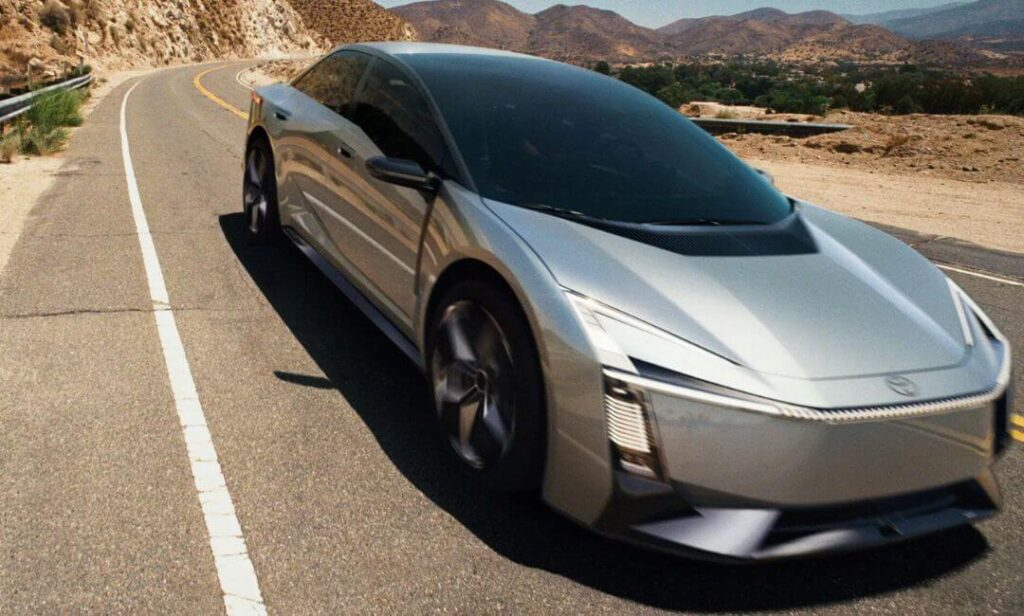
[PCauto]Speculation is mounting that the next-generation Toyota Corolla could debut in 2026 featuring a brand-new 1.5-litre plug-in hybrid (PHEV) powertrain.
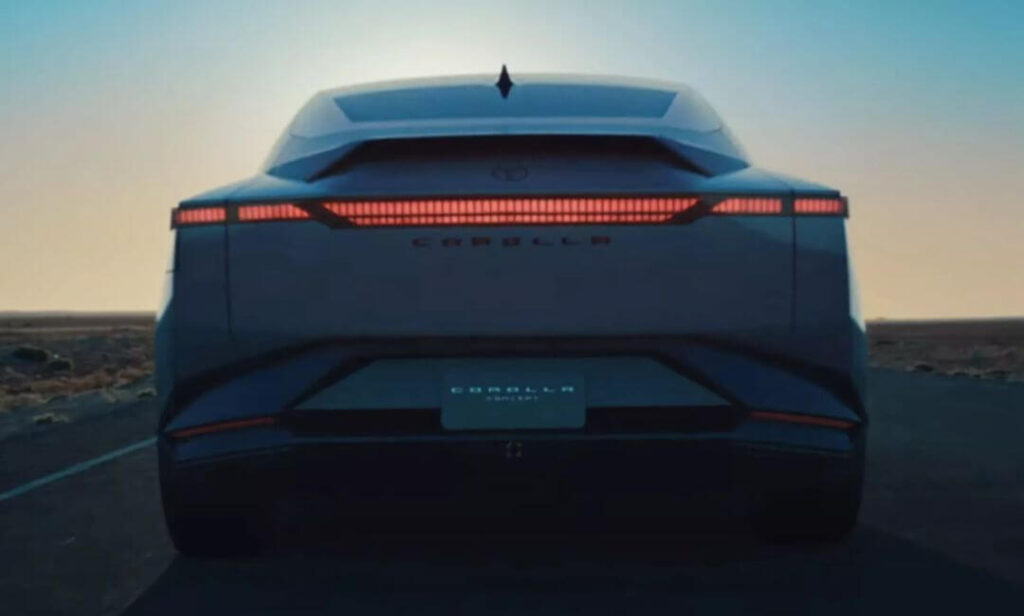
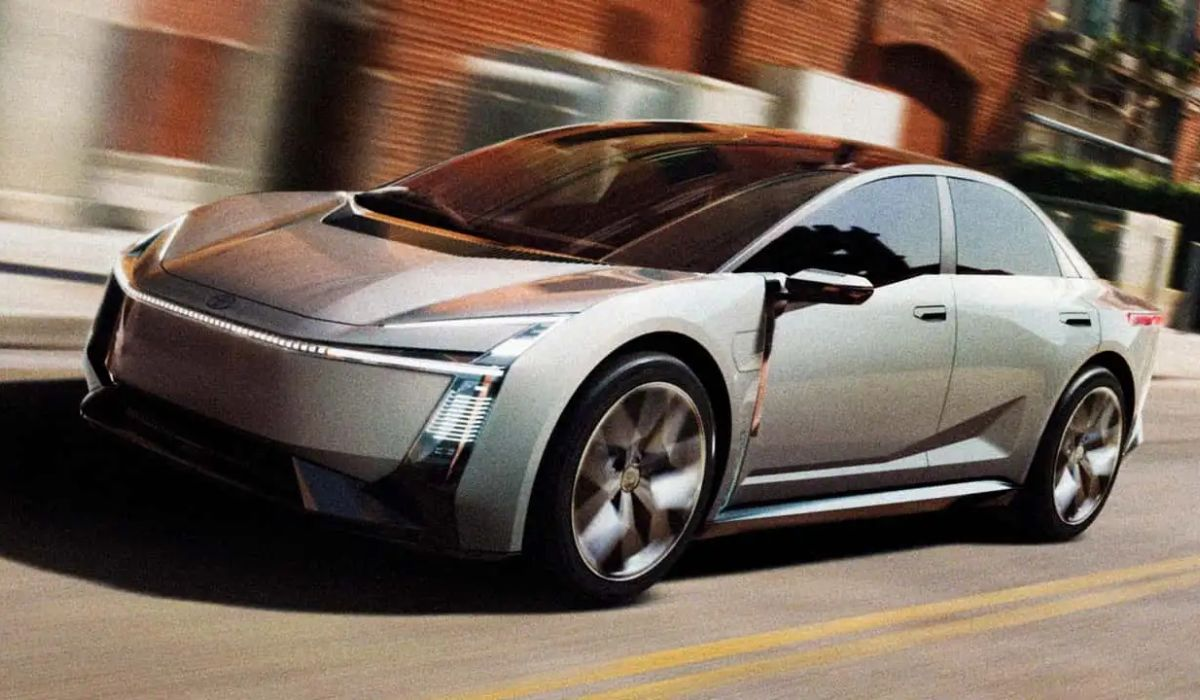
At the 2025 Japan Mobility Show, Toyota unveiled the new Corolla concept, widely regarded as a preview of the 13th-generation Corolla. Toyota has indicated that the next Corolla will not be limited to conventional hybrid systems, leaving room for plug-in hybrid and fully electric variants. This lends weight to the possibility of a 1.5L PHEV powertrain.
It should be noted, however, that Toyota has not officially confirmed the 1.5L PHEV technology.
Next-generation PHEV powertrain
Reports suggest the 1.5L PHEV will feature a new engine with a thermal efficiency of up to 46.06%, paired with a plug-in hybrid platform capable of delivering combined range figures comparable to the BYD Qin L and BYD Seal 06, which use the DM-i system. Under certain conditions, the combined range could reach an impressive 2,100 km.
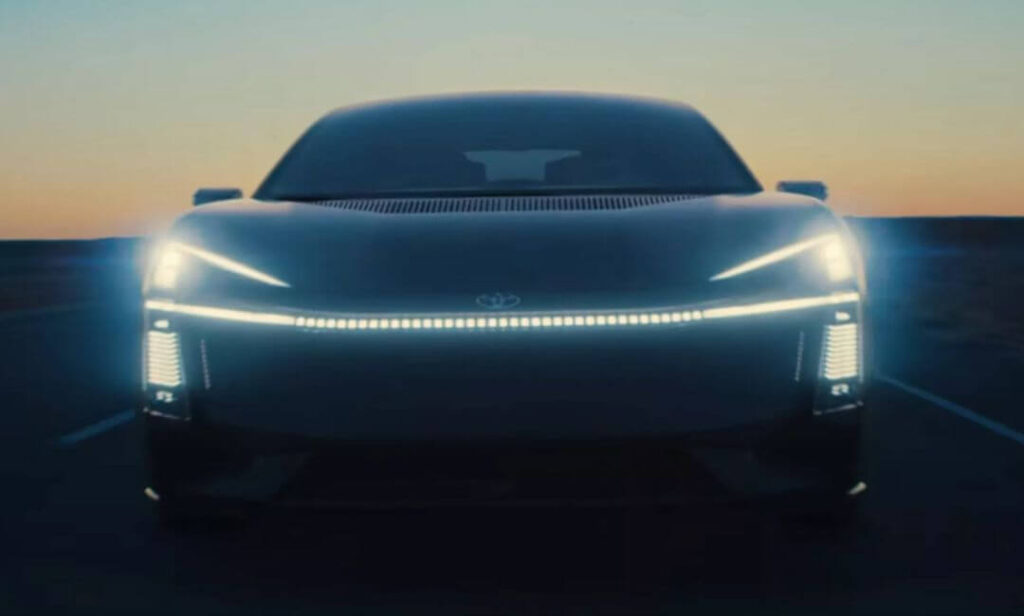
The 1.5L PHEV is not merely speculation — Toyota has publicly acknowledged the engine’s development over the past year.
These new engines are part of a joint development programme with Mazda and Subaru. The 1.5L engine is designed to be approximately 10% smaller in both volume and height than existing engines of the same displacement, improving combustion efficiency and overall energy performance. It is expected to debut in electrified vehicles around 2026, likely on the new-generation Corolla.
The 1.5L engine will be a four-cylinder unit, offered in both naturally aspirated and turbocharged configurations. Compared with Toyota Hybrid System (THS), the PHEV emphasises “electric-first, engine-low intervention” operation.
THS limitations and the rise of PHEV
Toyota’s long-standing hybrid technology, Toyota Hybrid System (THS), has been applied to models including the Corolla and Toyota Prius since 1997. Known for smooth power delivery and excellent fuel efficiency, THS has long set a benchmark in the hybrid segment.
However, traditional THS architecture comes with a notable limitation: the battery is relatively small, acting more as an auxiliary assist than a primary power source. The engine still dominates overall power output.
While THS excels in standard HEV applications, it falls short in terms of pure-electric driving range, external charging capability, and EV experience. As buyers increasingly prioritise EV mode, plug-in convenience, and longer electric range, these limitations become more pronounced.
By contrast, a PHEV with a larger battery and plug-in capability can deliver longer pure-electric range in everyday use — explaining why PHEVs are gaining traction in many global markets, particularly in China.
BYD sees rapid growth driven by PHEVs
In the plug-in hybrid arena, BYD’s DM-i (Dual Mode Intelligent) technology has already proven successful.
In 2024, BYD sold around 4.3 million vehicles, a year-on-year increase of roughly 40%, with EVs and hybrids (including DM-i PHEVs) driving growth. These figures even surpassed Tesla’s global revenue performance.
Early 2025 sales data show BYD maintaining strong growth across multiple markets. For example, in Q1 2025, new deliveries approached 1 million units, with overseas sales more than doubling. PHEVs accounted for over half of the sales mix.
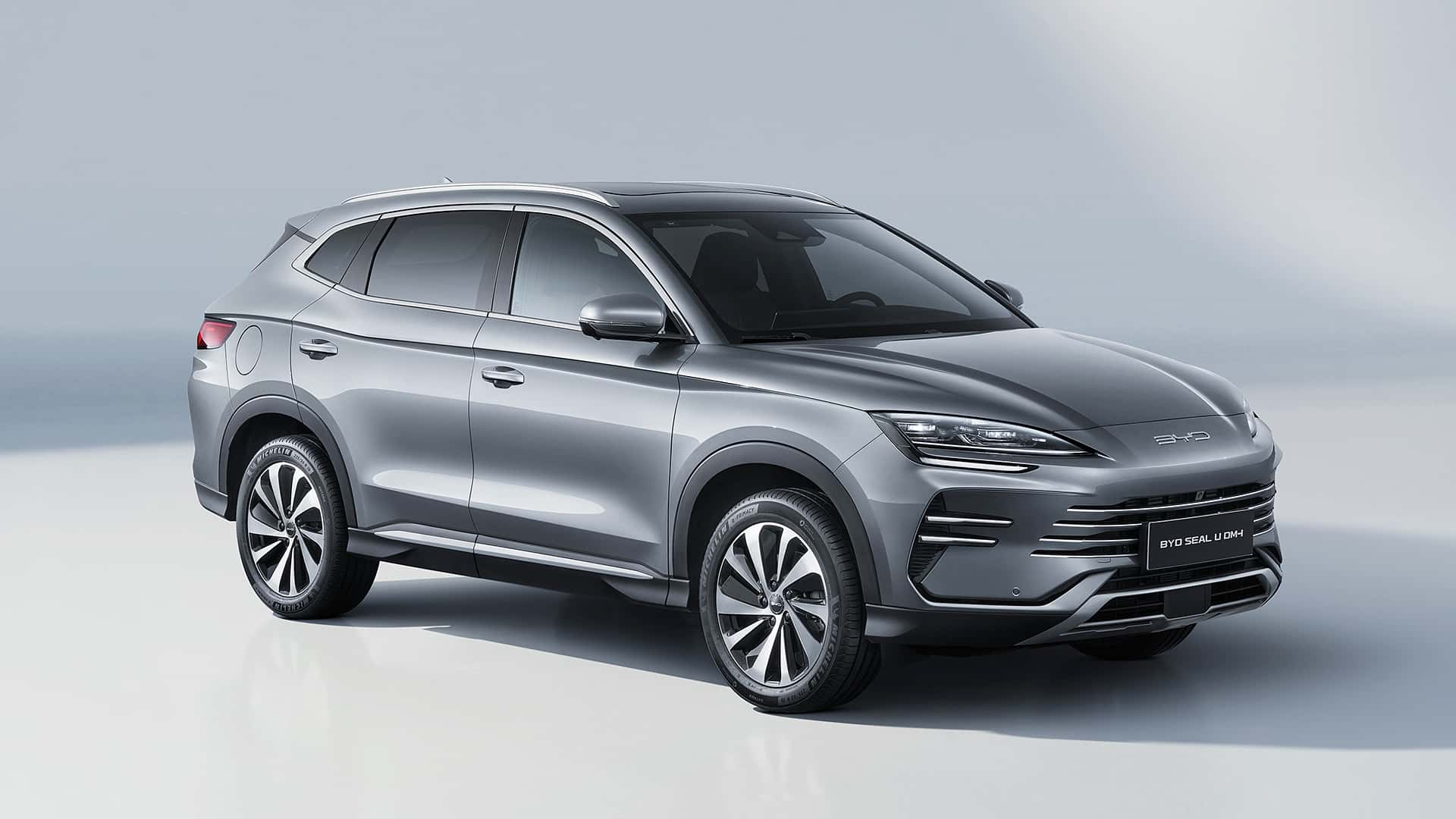
In the UK, BYD’s sales more than doubled in H1 2025 to nearly 20,000 units, compared with the full-year 2024 figure, with the SEAL U DM-i proving the most popular.
On the UK PHEV charts, the SEAL U DM-i became the country’s best-selling plug-in hybrid SUV, moving over 10,000 units in under 10 months.
Reports even suggest BYD’s UK growth once reached 880%, making it one of the fastest-growing car brands in the region.
With BYD’s DM-i strategy sweeping markets, Toyota is likely taking a fresh look at what an electric car should be.
If any infringement occurs, please contact us for deletion










Popular Cars
Model Year
Car Compare
Car Photo