
Smart #5 is coming soon: MINI remains MINI, but Smart is getting bigger and bigger
 RobertSep 03, 2025, 05:39 PM
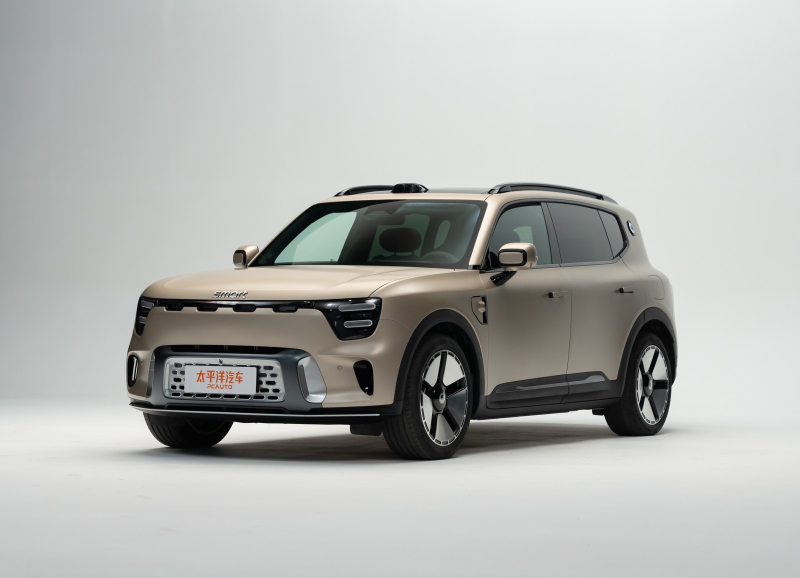
[PCauto] Against the backdrop of continued expansion in the Southeast Asian electric vehicle market, Smart Automobile (Geely and Mercedes-Benz) is about to launch its third model, the Smart #5, in Malaysia.
This luxury mid-size five-seat electric SUV not only represents the brand's largest product to date but also marks Smart's transition from urban microcars to multifunctional family vehicles. In contrast, Smart's former competitor, MINI, remains committed to its classic small-car positioning.
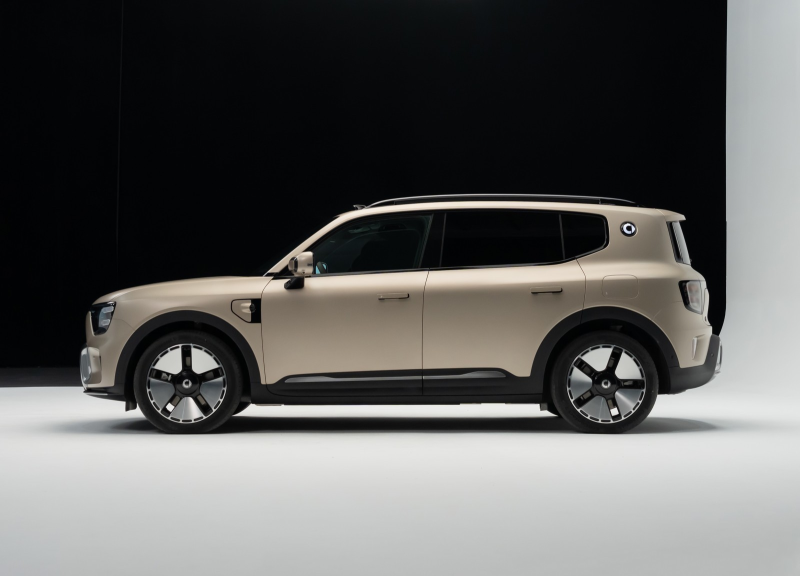
Smart #5 body size reaches D-Segment
The Smart brand was originally proposed by Swatch founder Nicolas Hayek, aiming to create small, eco-friendly city cars.
However, Mercedes-Benz did not fully adhere to this concept during execution, as the first mass-produced car, the Smart Fortwo, was already larger than the original idea. With the market demand for space and functionality increasing, the size of Smart's electric models has gradually expanded.
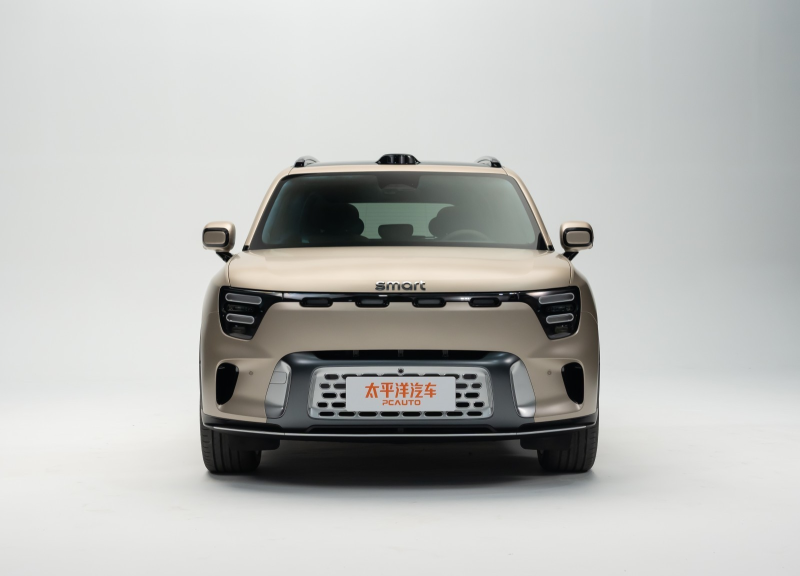
This time, the Smart #5 introduced to the Malaysian market boasts a body size that reaches the D-Segment, with dimensions of
Length: 4,705mm
Width: 1,920mm
Height: 1,705mm
Wheelbase: 2,900mm
This is almost the same size as the Toyota Fortuner and significantly larger than the #3 (length 4,400mm).
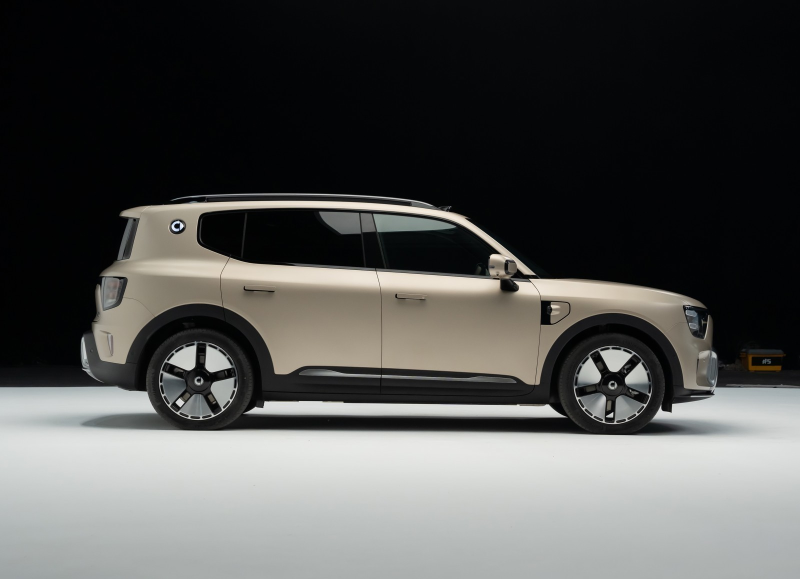
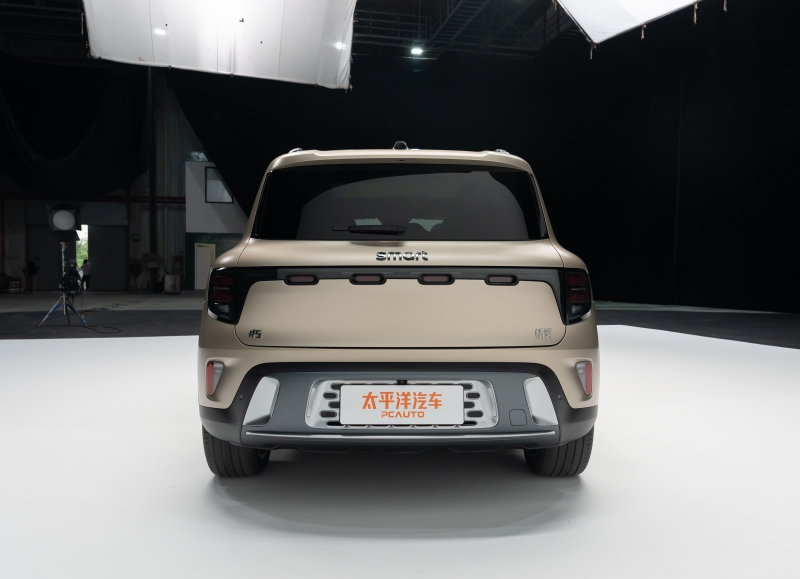
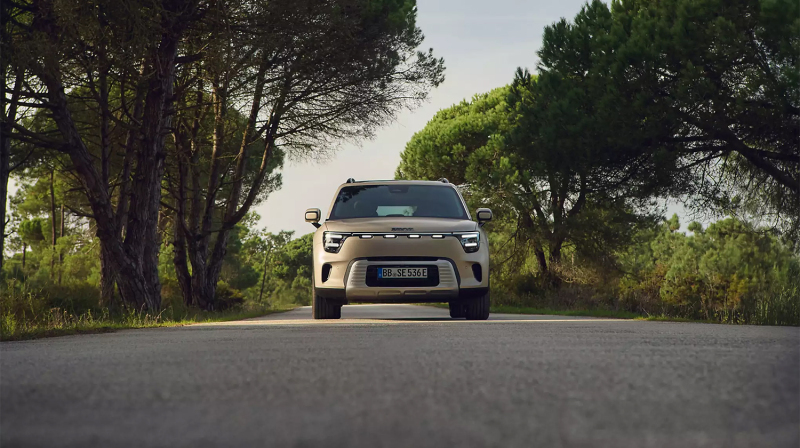
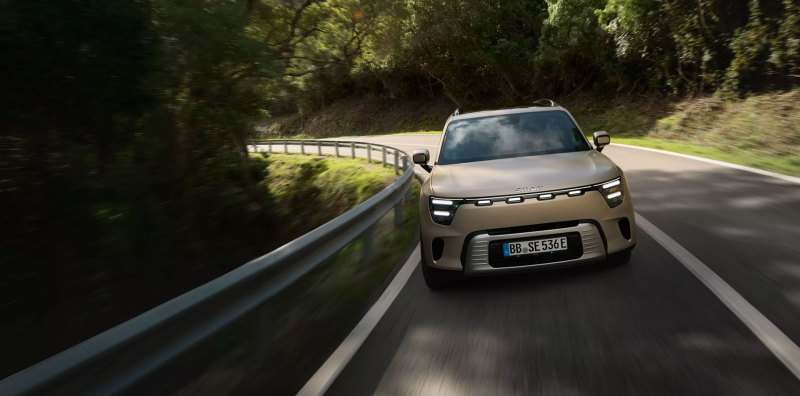
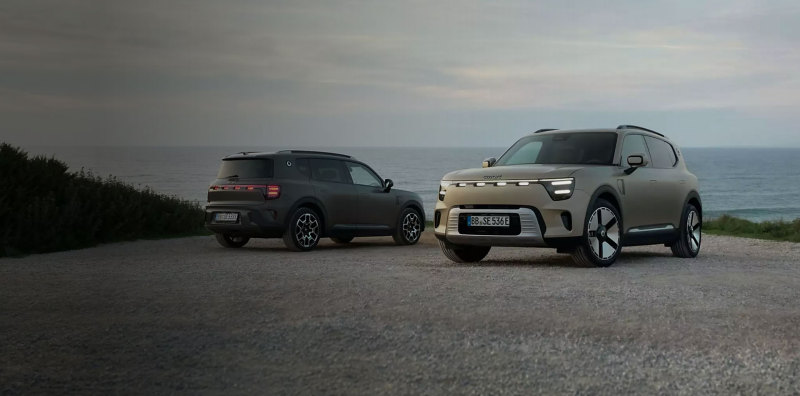
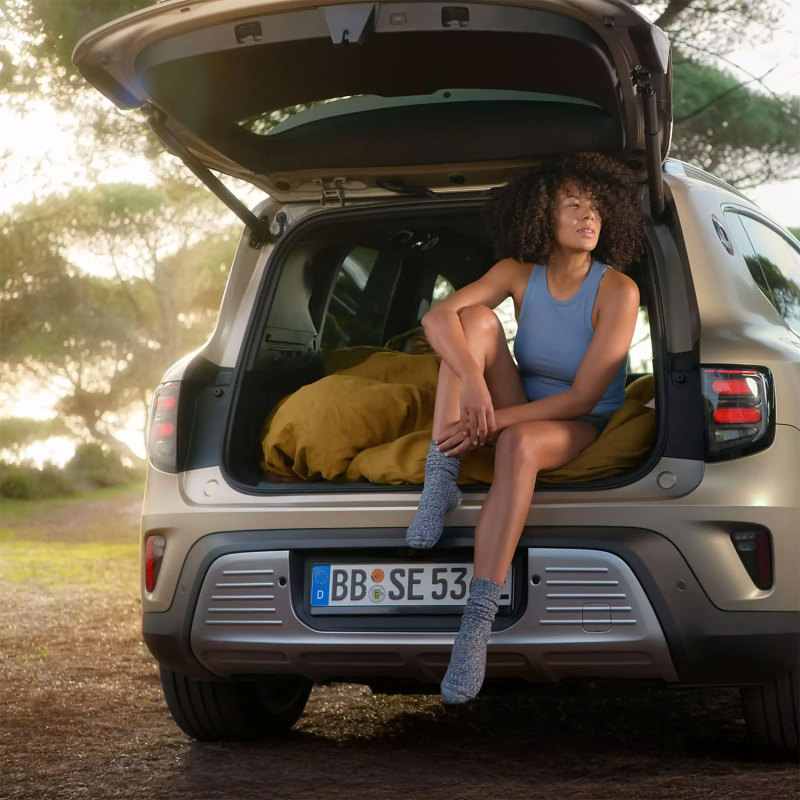
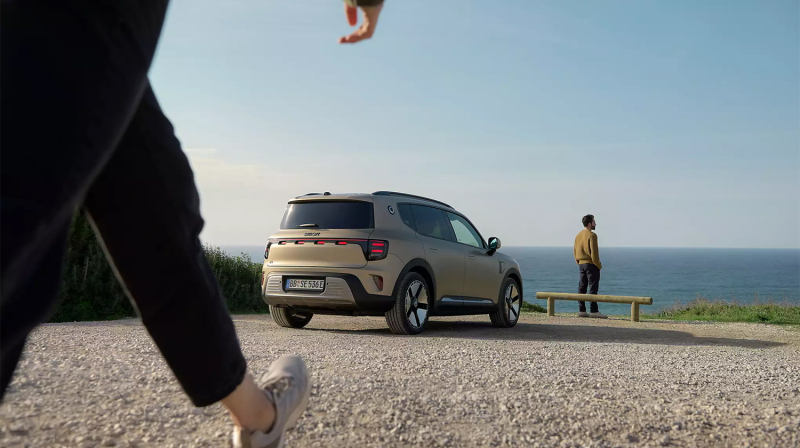
In terms of design language, the Smart #5 adopts a robust boxy design, creating a contrast with the curved styling of #1 and most electric SUVs currently on the market.
Both the front and rear light clusters incorporate a signature design made up of four rectangular light strips, while the thick D-pillars emphasize a sense of visual strength, deviating completely from Smart's original concept of being small and nimble.
The interior design maintains Smart's consistent sense of refinement
The large body size, boxy exterior shape, and short front and rear overhangs of the Smart #5 create a very spacious interior. The interior design style continues Smart's consistent sense of refinement (perhaps one of the few remaining concepts from earlier Smart models).

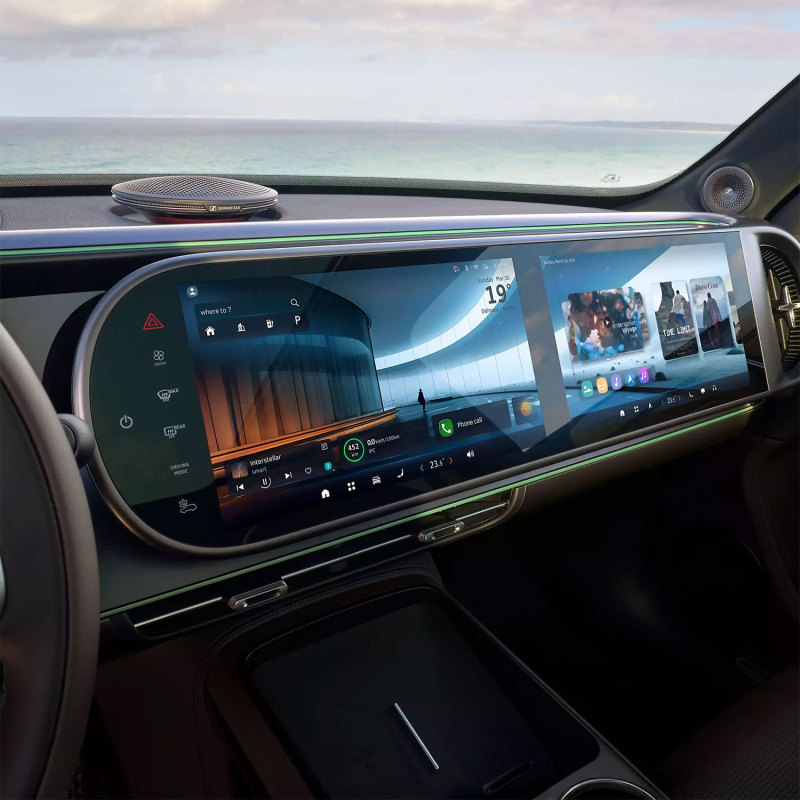
Although the interior layout of the Smart #5 is quite similar to that of Chinese cars, the design exhibits a strong sense of individuality. A variety of intricate lines and materials contribute to the refined feel of the Smart #5's interior. These features include the flying-saucer-shaped Sennheiser speakers (standard on Premium and above models), oak wood trim (available in Pro and Premium versions), and a 256-color ambient lighting system.
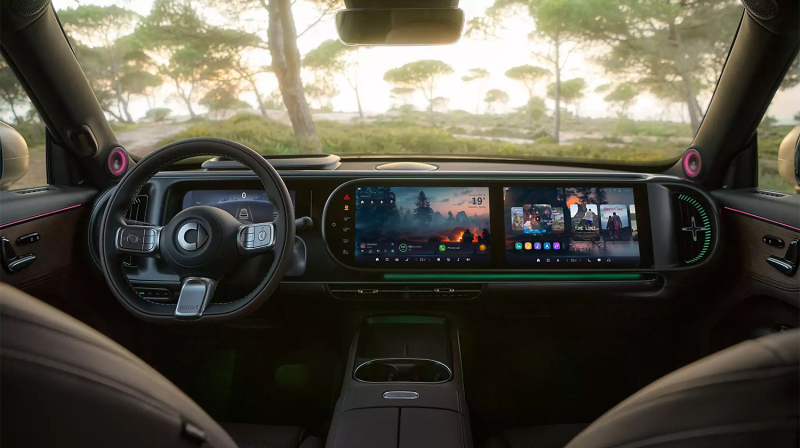
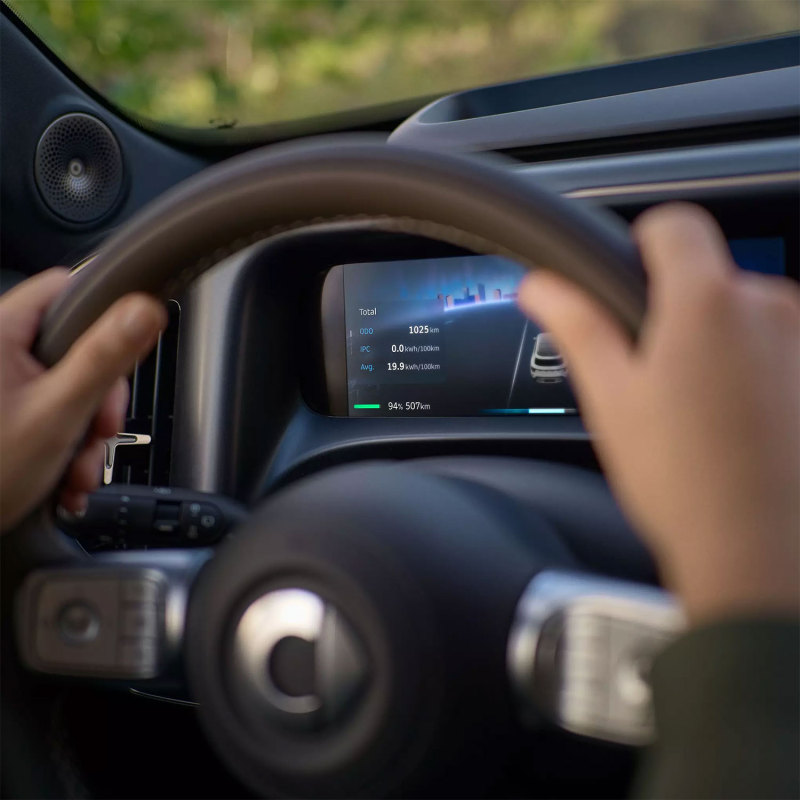
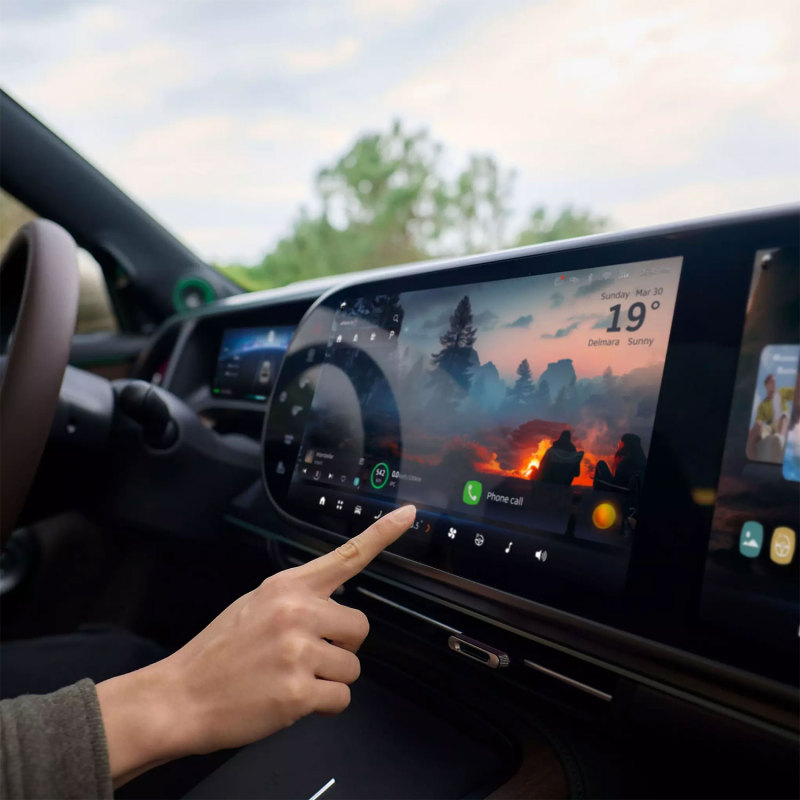
Dual 13-inch AMOLED 2.5K screens are arranged in a tie clip layout and are equipped with AMD V2000 chip supporting AR-HUD head-up display functionality. These are arguably the most attractive features of the Smart #5.
Smart #5 is built on the SEA3/PMA2+ platform and offers three powertrain options:
The entry-level Pro model adopts a 400V architecture with a rear-wheel-drive single motor, outputting 340 PS/373 Nm, achieving 0-100 km/h acceleration in 6.9 seconds. It is equipped with a 76 kWh LFP battery, offering a WLTP range of 465 kilometers;
The mid-level Premium version upgrades to an 800V architecture, with motor output increased to 363 PS, achieving 0-100 km/h acceleration in 6.5 seconds. It features a 100 kWh NCM battery, delivering a range of 590 kilometers;
The top-end Brabus model adopts a dual-motor AWD layout, delivering a combined output of 646 PS/710 Nm, and accelerates from 0-100 km/h in just 3.8 seconds.
The entire lineup supports up to 400kW DC fast charging, and the Premium and Brabus versions can recharge from 10% to 80% in just 15 minutes. Notably, despite the increased size, the #5 still maintains a turning radius of 5.6 meters.
Smart #5's price will compete with Zeekr 7X
Compared to the market segments of #1 and #3, the #5 will enter a larger consumer market and, naturally, face more intense competition.
Although Malaysian distributor Pro-Net has not yet announced the official price of the Smart #5, based on its price range in the Chinese market and the local pricing of the #3 model (175,000-255,000 MYR), the starting price of the #5 is expected to be higher than that of the #3.
As such, we quickly notice an awkward situation: the Smart #5 will compete with the recently launched Zeekr 7X in Malaysia (179,800-226,800 MYR). Both vehicles are related to Geely, so it remains to be seen which one Geely values more.
Additionally, the Smart #5 will also compete with the BYD Sealion 7 (183,800-199,800 MYR) and the Tesla Model Y (195,450-242,450 MYR). If not for its association with Mercedes-Benz, it would be challenging for the Smart #5 to attract more market attention than the BYD Sealion 7 and Tesla Model Y.
MINI Remains MINI, While Smart Keeps Getting Bigger
In the long-standing competition with MINI, Smart seems to have lost its identity. It abandoned its original design philosophy, losing the consumer base that loved small cars.
Although MINI's sales do not match BMW’s main brand (BMW’s overall 2024 registration was 1,975 units, ranking third), it still holds some influence in its niche market. It is particularly popular among young consumers. Despite MINI's mediocre performance in the Malaysian market in the first half of the year, its launch of the all-electric Cooper and Countryman models in the second half significantly boosted its sales, ultimately achieving 637 registered units for the year.
Smart needs to rediscover its target user group, which has simultaneously been divided by competitors like Zeekr 7X and Model Y. Moving forward, it remains to be seen whether the Smart #5 can secure a place in the Malaysian market with its refined design.
If any infringement occurs, please contact us for deletion









Popular Cars
Model Year
Car Compare
Car Photo