
Toyota Estima to return in 2026?
 WilliamJan 13, 2026, 02:28 PM
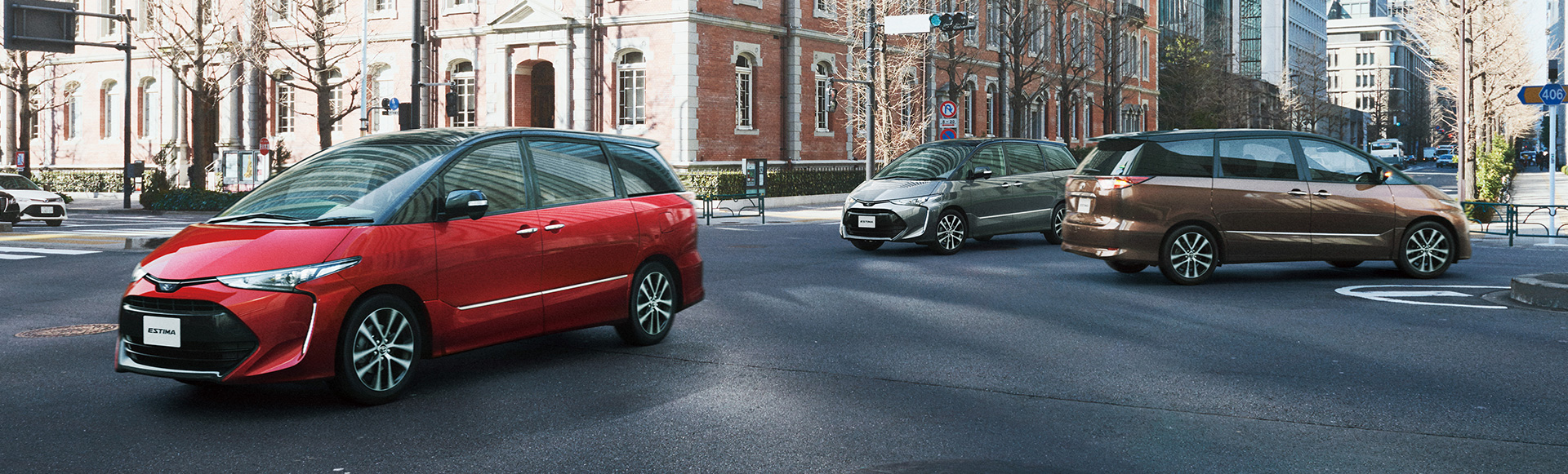
【PCauto】Since it was discontinued in 2019, news about the Toyota Estima's return to the market has never stopped. Although Toyota has not yet released any official announcement regarding mass production, the information does not come from scattered rumours but from continuous reports by Japanese automotive media.
According to various sources, the all-new Estima has entered the development stage and is expected to be unveiled as early as late 2026 or 2027.
In recent years, amid Toyota’s continuous adjustments to its MPV product lineup and acceleration toward electrification, the name Estima has been mentioned again. It very likely indicates that Toyota is trying to fill a long-standing yet unresolved gap in its current MPV lineup.
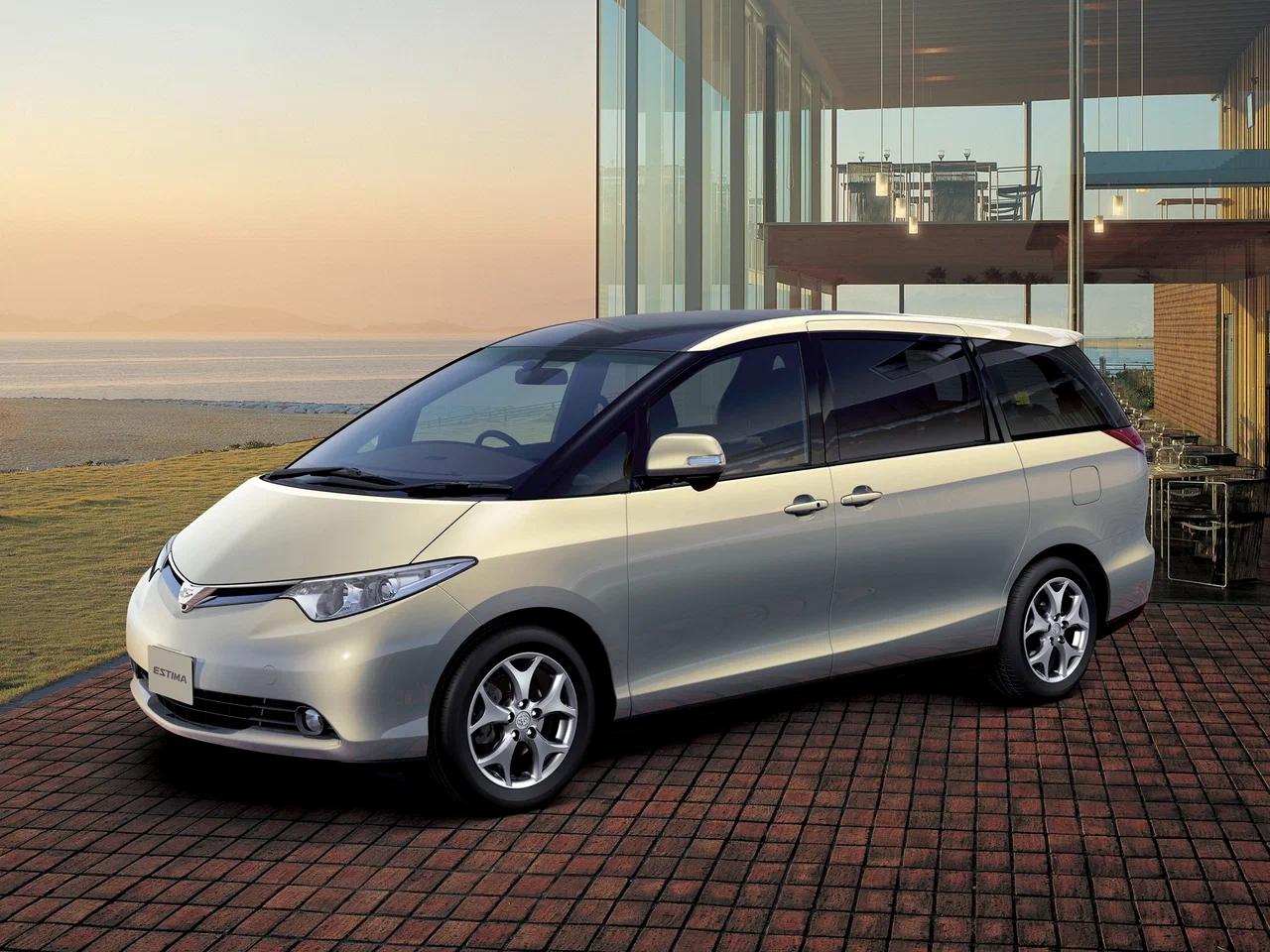
The Estima is a highly acclaimed MPV
In the early 1990s, the global MPV market was still in its early stages. Most models emphasized space utilization and carrying capacity, essentially continuing the approach of vans or commercial vehicles.
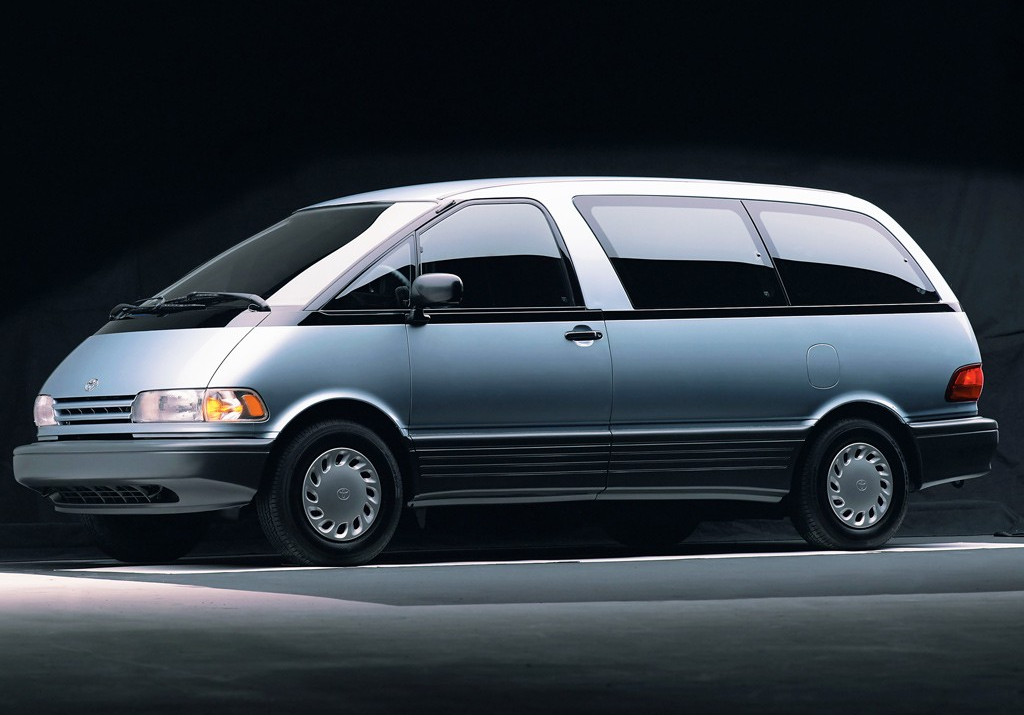
In this context, Toyota officially launched the Estima in 1990 and sold it under names like Previa (North America and parts of Southeast Asia) and Tarago (Australia) in various markets. Its product philosophy appeared quite advanced at the time.
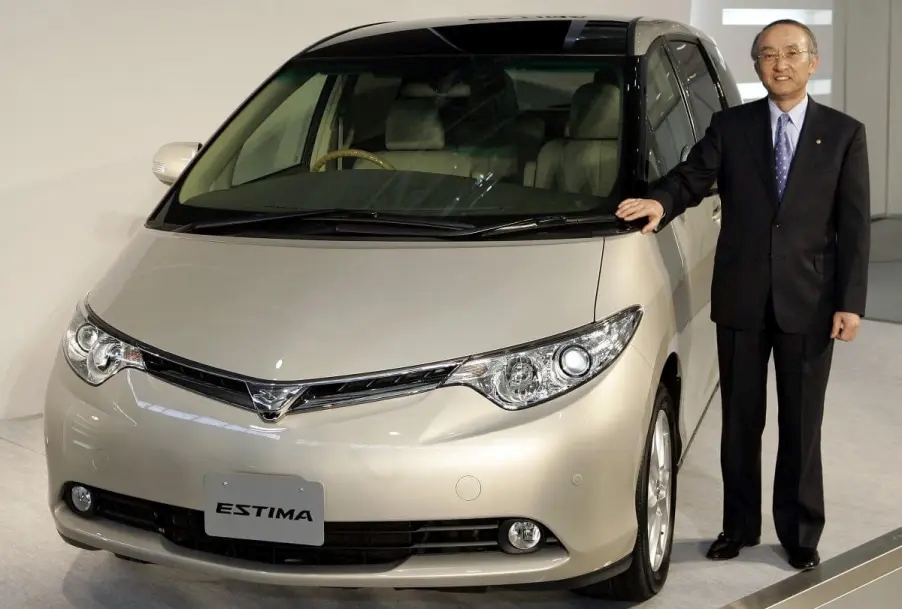
Unlike traditional MPVs, the Estima was not based on commercial vehicles but was designed from the start with higher engineering and design objectives. The most representative feature is its mid-engine layout.
Although this structure does not offer advantages in terms of maintenance and manufacturing costs, it provides a more balanced weight distribution, enabling a low-profile front design and a spacious cabin.
At the same time, Toyota placed great emphasis on aerodynamics during the development of the Estima, giving it a body with exceptionally low drag coefficient, which was rare among MPV models at the time.
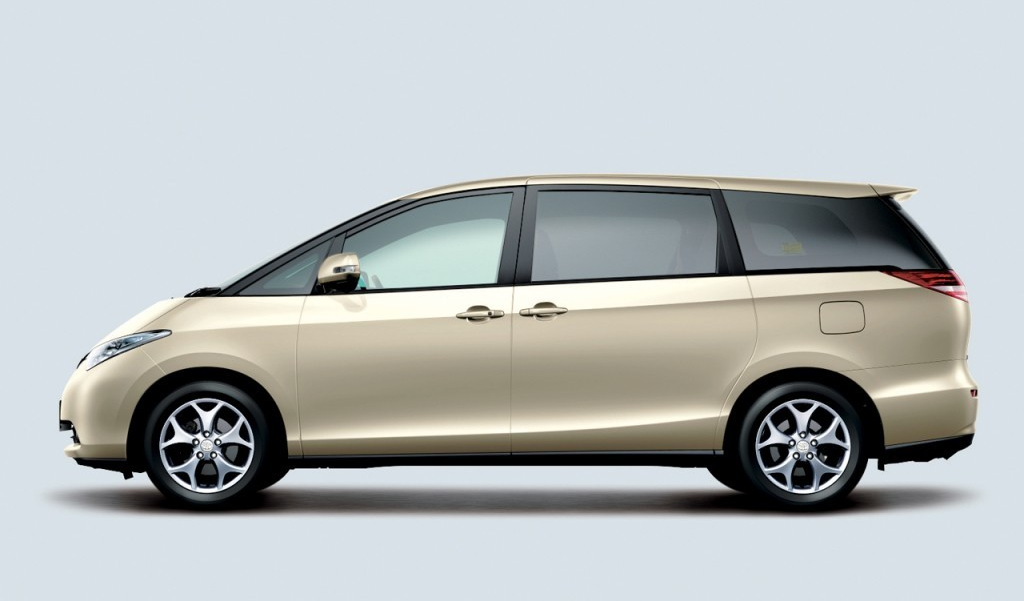
These engineering choices ultimately shaped the Estima's highly distinctive appearance, characterized by a rounded and streamlined design, often referred to as the 'Bullet Train' or 'Egg' shape.
In the 1990s, this design not only broke the stereotype that MPVs had to be boxy and heavy, but also quickly established Estima with a unique visual identity in the global market.
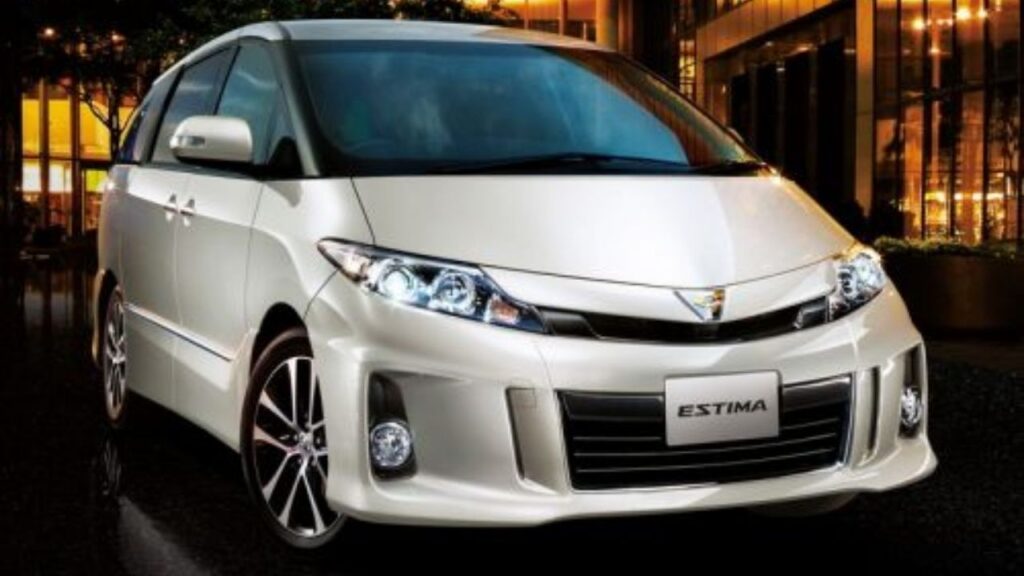
As time passed, the Estima underwent multiple updates and adjustments. Entering the 2000s, its powertrain gradually shifted towards more mainstream layouts, and its market positioning further leaned towards family-oriented users. However, its design-first philosophy never wavered.
In Toyota's MPV product lineup, the Estima has long played a role bridging different market segments. It is neither purely a business transport vehicle nor just a utility-oriented family MPV.
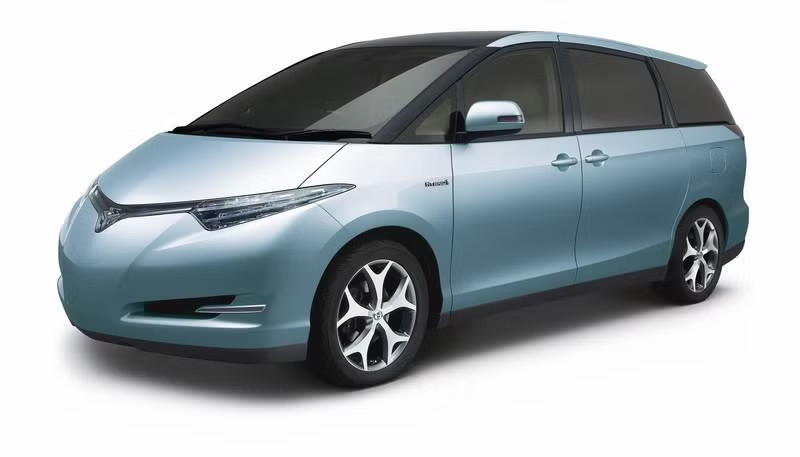
This relatively vague positioning has instead become one of the Estima’s main features. For consumers seeking space and comfort while also wanting something different in terms of design and driving experience, the Estima offered a choice that was quite rare at the time.
It was against this backdrop that Estima gradually accumulated a stable market reputation and became a highly representative model in Toyota's MPV lineup in many regions.
This history also laid an important foundation for its later discontinuation and possible return.
Why Estima Became a Memory for a Generation
If technology and design laid the foundation for the Estima, what truly made it repeatedly mentioned years later is its long-term accumulated market reputation.
In the memories of many long-time owners, the Estima was not an MPV that won through specifications, but in daily use, it always demonstrated well-balanced performance.
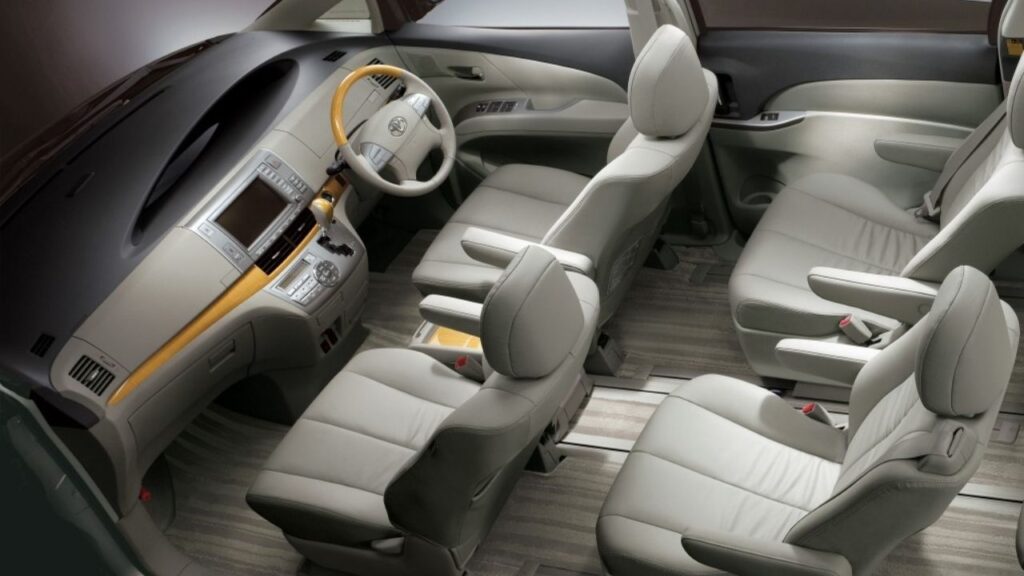
Thanks to its body structure and layout design, the flexibility of Estima's cabin space has always been appreciated by users. Whether for family trips or carrying multiple passengers, it could meet various seating arrangements without sacrificing passenger comfort.
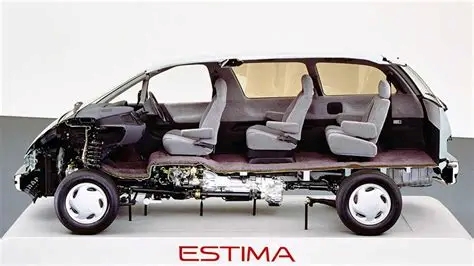
At the same time, compared to many MPVs of the same era that were more utilitarian in purpose, Estima demonstrated more refined performance in chassis tuning and driving stability, which allowed it to offer a riding experience closer to that of a sedan during highway cruising or long drives.
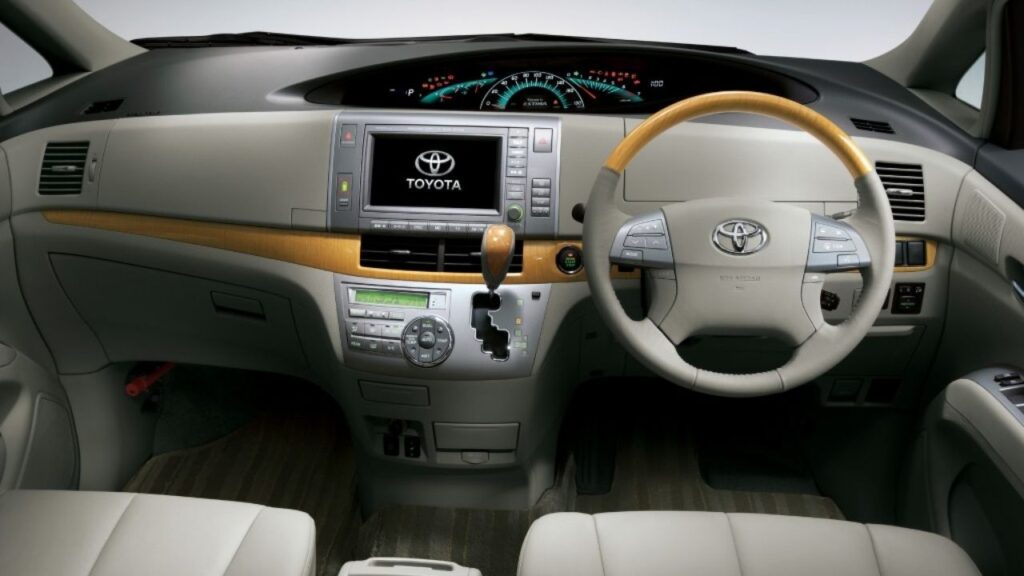
Compared to its competitors in the same era, the Estima’s differentiation is not reflected in an accumulation of luxurious features. It did not deliberately create a business atmosphere, nor did it emphasize an ultimate sense of luxury, but rather maintained a relatively restrained balance between design, practicality, and driving experience.
This approach made Estima feel just right for some consumers, but it also meant that it didn't belong to any particularly clear niche label.
And precisely because of this, when Toyota later pushed the Alphard into the higher-end, more defined luxury MPV market, the Estima's positioning gradually became awkward.
It wasn't due to a lack of product strength, but rather because it was slowly marginalized in the shift of focus within the product lineup.
The Estima's discontinuation was not due to product failure
As the positioning of Alphard/Vellfire continued to move upward, gradually becoming the core representatives of the brand's high-end MPVs, the mid-range position originally held by the Estima began to seem unsustainable.
In this process, Toyota chose to concentrate resources on models with clearer positioning and stronger premium potential. Naturally, the Estima, which was positioned between family and high-end use and emphasized design and balance, lost its priority. Ultimately, it was gradually phased out from the product lineup.
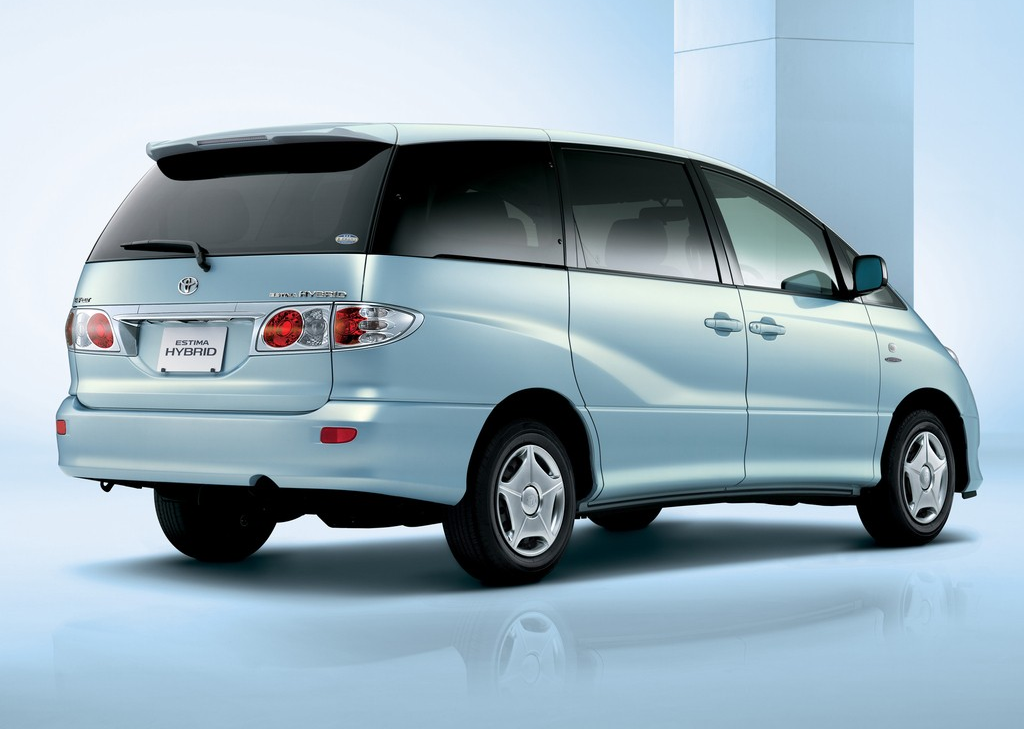
However, the market changes following Estima's disappearance gradually became evident. On one hand, the Alphard's product attributes became increasingly luxurious and its prices continued to rise; on the other hand, there emerged an evident gap in the mid-to-high-end MPV market targeting family users, where business ambiance was not the core selling point.
And this gap happens to perfectly correspond to the market position that the Estima once excelled in and best represented.
What Will the All-New Estima Returning in 2026 Look Like?
Regarding the specific product form of the all-new Estima, although Toyota has not yet officially confirmed it, the information currently available has already outlined a relatively clear picture.
Based on various sources, the new car is highly likely to be built on the TNGA-K (GA-K) platform, sharing its core architecture with models such as the Camry, RAV4, and Alphard. This will provide a solid foundation in terms of space utilization and ride quality.
In terms of powertrain, it is almost certain that the returning Estima will no longer feature a traditional internal combustion engine.
The more common prediction is that Toyota will offer it in PHEV (plug-in hybrid electric vehicle) and BEV (battery electric vehicle) versions to cater to different regions' regulations and charging infrastructure disparities.
The more crucial aspect is that the Estima will maintain its original image, continuing with a rounded, streamlined overall silhouette. The previously considered avant-garde 'bullet' design, in the era of electric vehicles, now holds more practical significance, helping to reduce air resistance and improve range. This also brings the design philosophy of the Estima back in line with the times.
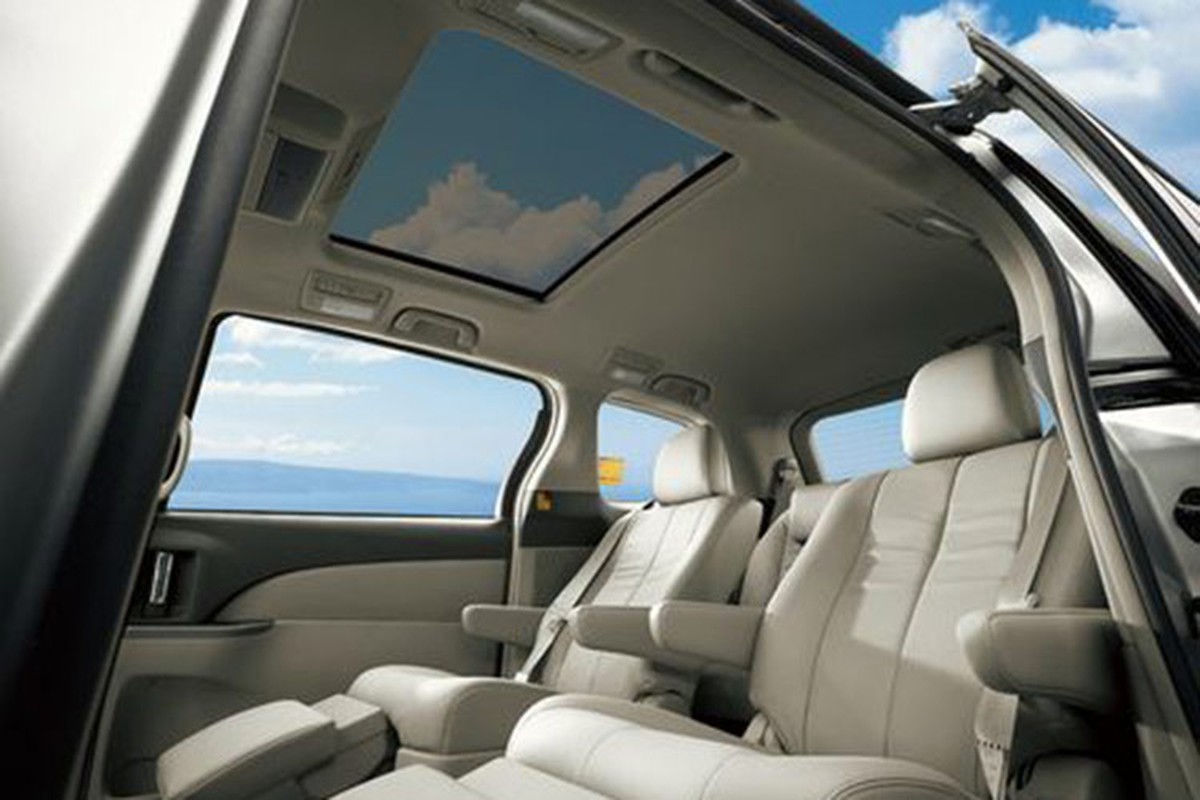
As for market positioning, the new generation Estima is expected to retain its role between the Noah/Voxy and Alphard/Vellfire. It will neither focus solely on extreme luxury nor revert to a purely functional role. Instead, it will target users who value family usage, while also emphasising design and ride quality.
If any infringement occurs, please contact us for deletion










Popular Cars
Model Year
Car Compare
Car Photo