
Tesla Releases Spring 2025 Update on Software, Offering New Features for All Models
 Kevin WongApr 14, 2025, 11:12 AM
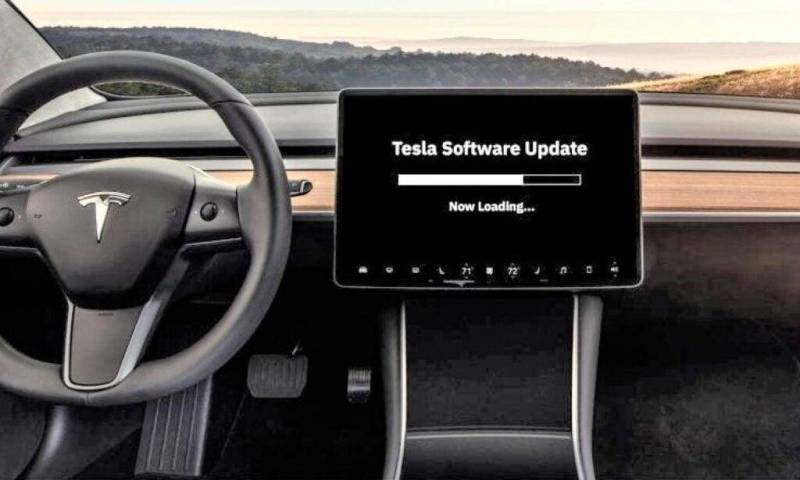
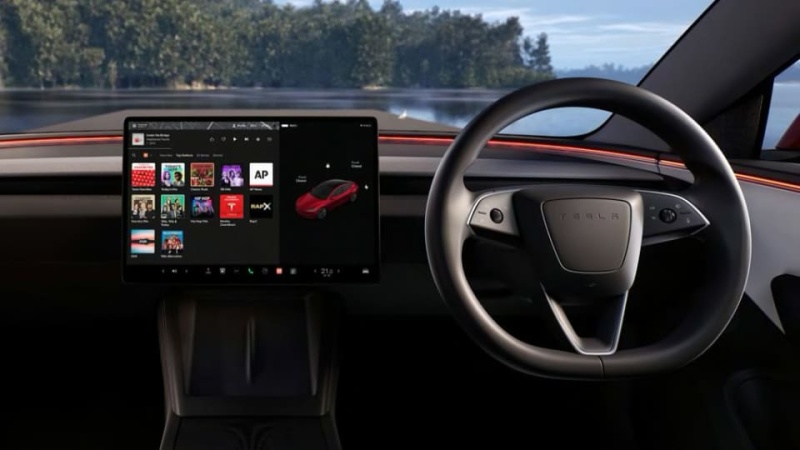
【PCauto】In April 2025, Tesla rolled out its spring software update, introducing new functionalities for the Model S, Model 3, Model X, Model Y, and Cybertruck, with a key focus on enhancing user experience and intelligence.
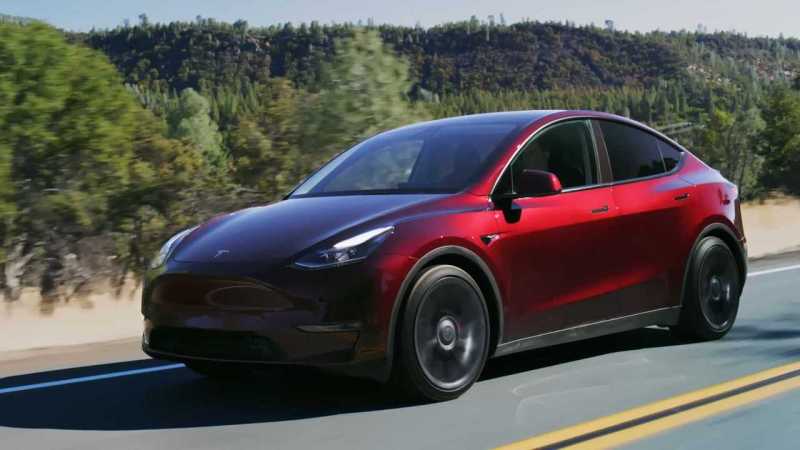
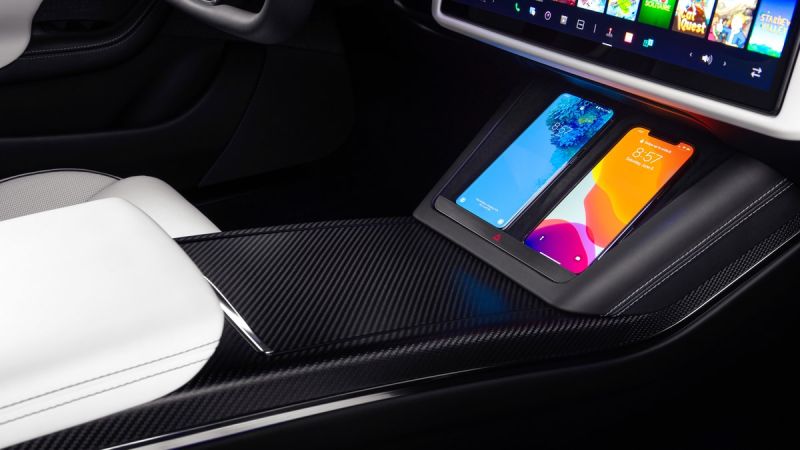
The first new feature significantly impacts user experience: the “Continuous Power Supply for In-Car Interfaces.” This function allows the vehicle to still charge devices like smartphones or tablets after it has been locked and the user has exited, as long as the remaining battery charge is above 20%. This capability is particularly valuable for users in need of emergency charging during long trips, especially in remote areas or outdoor activities where power sources may be scarce.
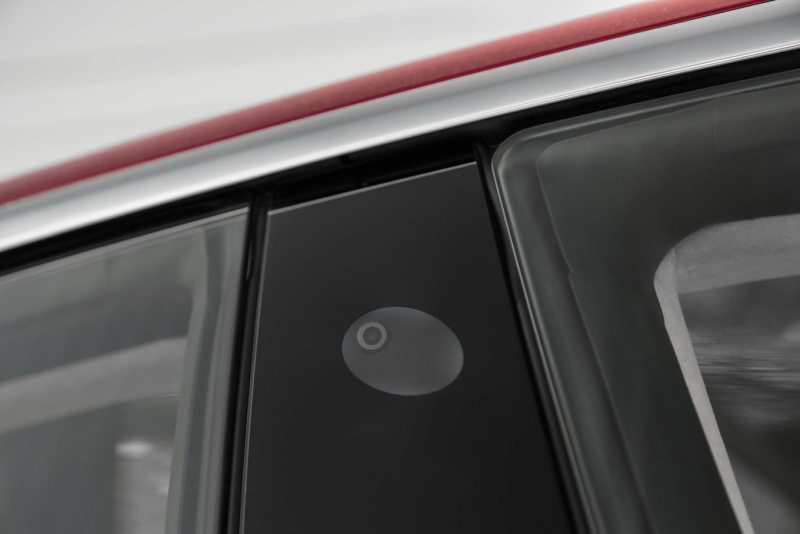
The second feature update enhances Tesla's dashcam function by enabling the use of the B-pillar cameras, providing coverage for both the Sentry Mode (parked) and dashcam mode (driving), enabling 360-degree monitoring. This addition effectively mitigates risks of dings and theft.
The third feature update introduces four personalized options to the Tesla navigation system: Fastest Route, Avoid Highways, Best Amenities (such as charging stations or convenience stores), and Fewer Stops. For instance, the “Avoid Highways” option can help users save time on their journeys.
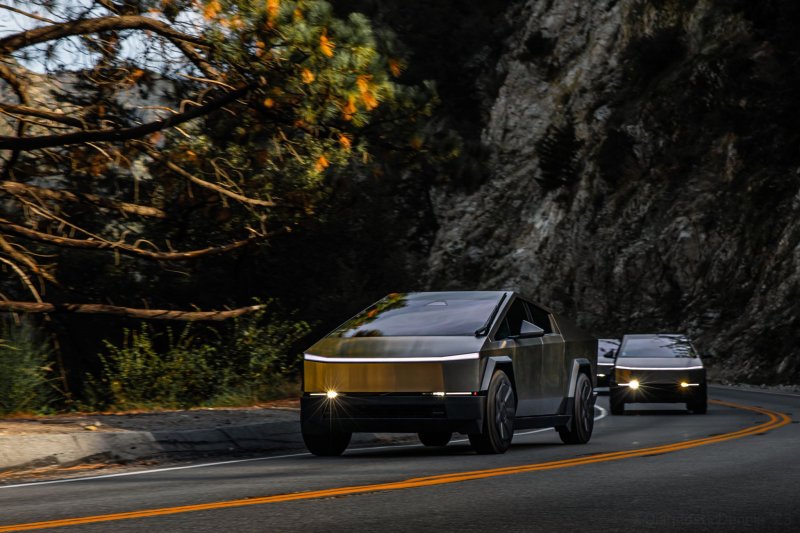
As Tesla's strategic vehicle for expanding into the outdoor market, the Cybertruck receives two exclusive new features in this update. The first is "FSD Comfort Mode," which automatically switches the vehicle to a comfort driving mode when full self-driving is enabled, making it suitable for long-distance driving on unpaved roads. The second feature is "Lane Departure Detection," which uses central console alerts and steering wheel vibrations to warn drivers, potentially reducing the risk of drifting on narrow roads.
This spring update not only continues Tesla's software-driven hardware innovation approach but also addresses the practical needs of Southeast Asian users through situational functionality design, providing a safer and more convenient driving experience in diverse and challenging road conditions.
If any infringement occurs, please contact us for deletion










Popular Cars
Model Year
Car Compare
Car Photo