
In 2026, how much road tax do Tesla Model 3 and Model Y have to pay?
 JamesMar 13, 2026, 05:06 PM
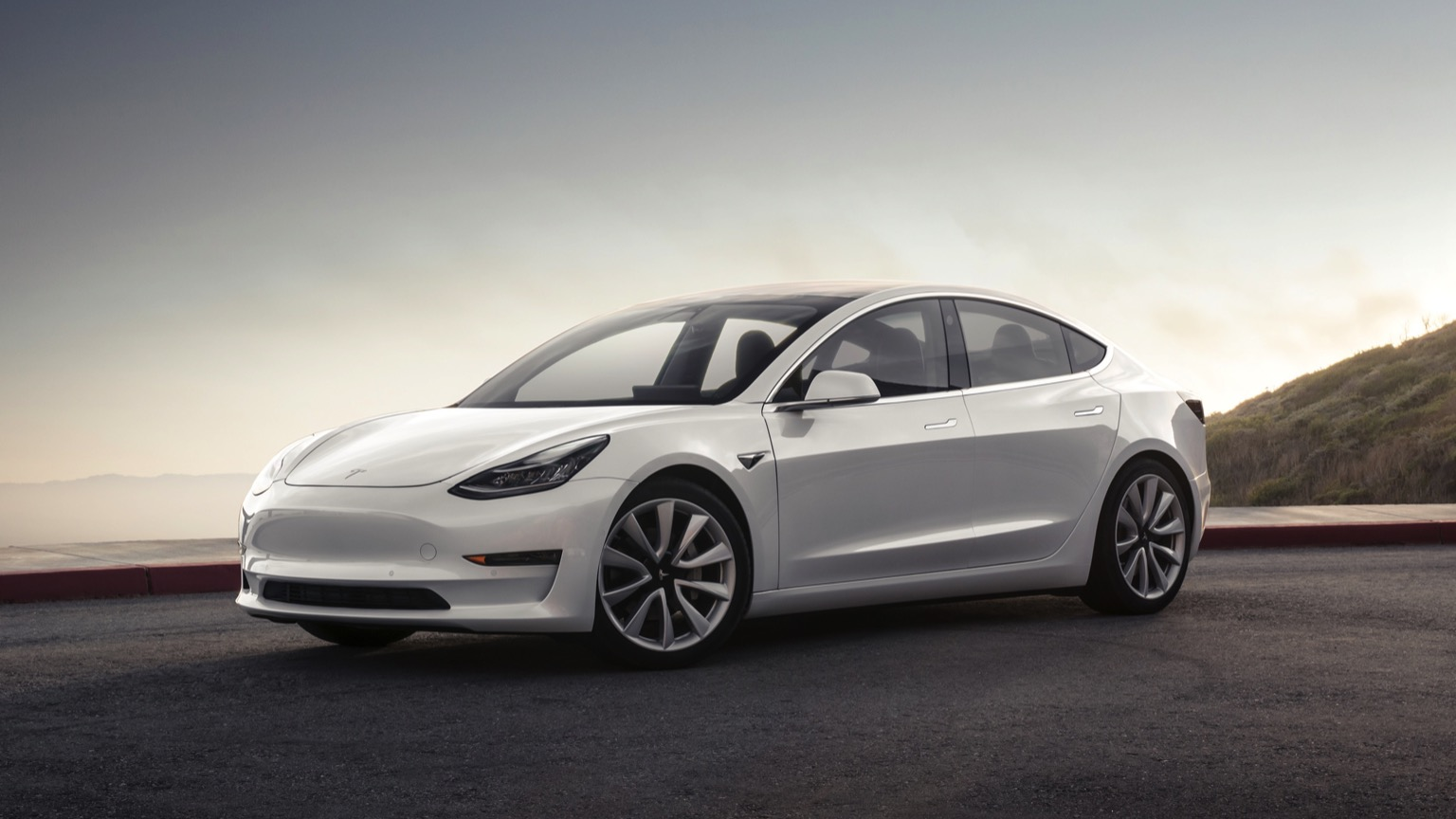
[PCauto] 2026 marks the end of the zero-road-tax era for EV owners.
According to the earlier announcement by the Ministry of Transport (MOT) regarding the EV road tax framework, starting from January 1 this year, all locally registered pure electric vehicles have fully transitioned to the new system based on motor output power (kW).
For Tesla owners dominating the market, how much will this sudden annual expense impact ownership costs?
Road Tax Will Be Calculated Based on Motor Output Power
Under the new system, EVs no longer use engine displacement (cc) as the benchmark for calculation like fuel-powered vehicles but instead adopt maximum motor output power as the measurement standard.
Fortunately, while the "free lunch" has ended, the new road tax structure is approximately 85% lower than the previous EV fee rates (if exemptions are excluded).
The government's initiative aims to ensure that while EVs outperform their fuel-powered counterparts in terms of performance, their road tax burden remains highly competitive, thereby continuing to promote the energy transition.
Annual Road Tax List for All Tesla Models
In 2026, how much road tax do Tesla Model 3 and Model Y have to pay?
Under current policies, the road tax amount grows progressively with increases in power. Below is the specific payment amount required for the main Tesla models:
Tesla Model 3
As the most common electric sedan on the road today, the Model 3 shows a relatively large road tax range:
· Model 3 Rear-Wheel Drive (208 kW): Annual tax payable RM 280.
· Model 3 Long Range AWD (366 kW): Annual tax payable RM 865.
· Model 3 Performance (461 kW): Annual payment required is RM 1,590.
Tesla Model Y
Due to the higher output motors commonly found in SUV models, their fees are slightly higher compared to sedan versions:
· Model Y Rear-Wheel Drive (220 kW): Annual payment required is RM 305.
· Model Y Long Range AWD (378 kW): Annual payment required is RM 915.
· Model Y Performance (393 kW): Annual payment required is RM 1,015.
Does EV still have an advantage compared to fuel vehicles?
Although car owners need to bear the cost starting from 2026, Tesla's road tax remains quite affordable when compared horizontally with luxury fuel cars of the same price range.
Take the entry-level Model 3 RWD as an example, the RM 280 annual fee is roughly equivalent to that of a traditional fuel sedan with an engine capacity between 1.8 L to 2.0 L, but its acceleration performance and technological configuration far exceed the latter.
For the Performance version with supercar-level power output, the approximately RM 1,500 road tax—despite being higher than before—is still a bargain compared to the annual road tax expenses of over ten thousand for a 4.0 L V8 fuel engine with equivalent horsepower.
Additionally, with the normalization of the new road tax framework in 2026, the pricing in the second-hand market is also becoming more transparent. When evaluating Tesla new or used vehicles, buyers are advised to consider the kW output of the motor as an important reference point for long-term ownership costs.
Summary
Overall, the new EV road tax system implemented in 2026 does not impose an excessive economic burden on Tesla owners.
For the vast majority of entry-level and long-range versions of Model 3 and Model Y owners, the annual fees of a few hundred ringgits are still a very cost-effective deal compared to the fuel savings and reduced maintenance costs.
As the road tax policy is finalized, market attention is shifting to the next phase of charging infrastructure development and whether the government will adjust rates during the next five-year review.
If any infringement occurs, please contact us for deletion










Popular Cars
Model Year
Car Compare
Car Photo