
Xpeng G6 launche in Thailand on August 21: Boosted with 800V high-voltage platform, mileage off the charts
 AshleyAug 13, 2024, 06:16 PM
It is reported that the Xpeng G6 will officially be launched in Thailand on August 21. This article will introduce the Xpeng model that was launched in China in 2023 in advance.
As the first strategic model under the SEPA 2.0 "Fuyao" all-domain intelligent evolution architecture, Xpeng G6 will be equipped with a variety of advanced Xpeng technologies, such as the XNGP intelligent assisted driving system, X-EEA new generation electronic and electrical architecture, Xmart OS 4.0 smart car system, X Combo bespoke, 800V high-voltage SiC silicon carbide platform, integrated aluminum die-cast body, CIB battery body integration technology and others.
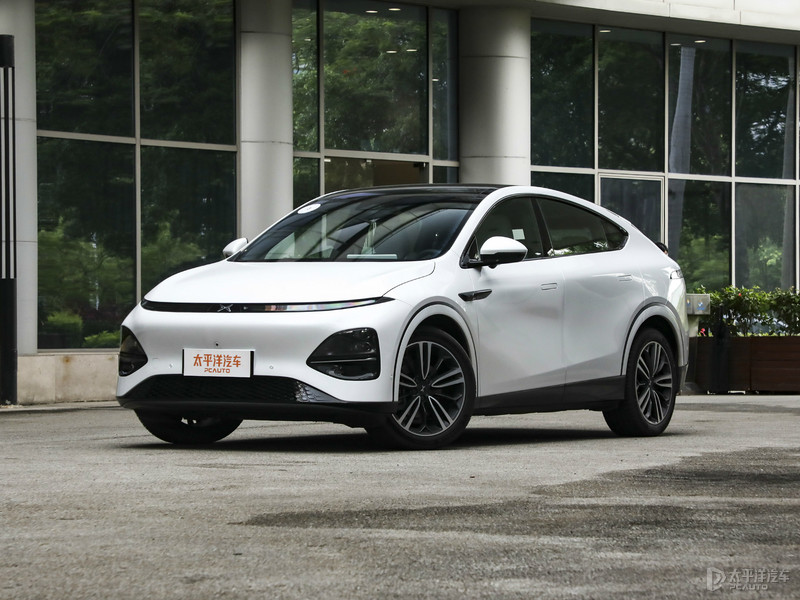
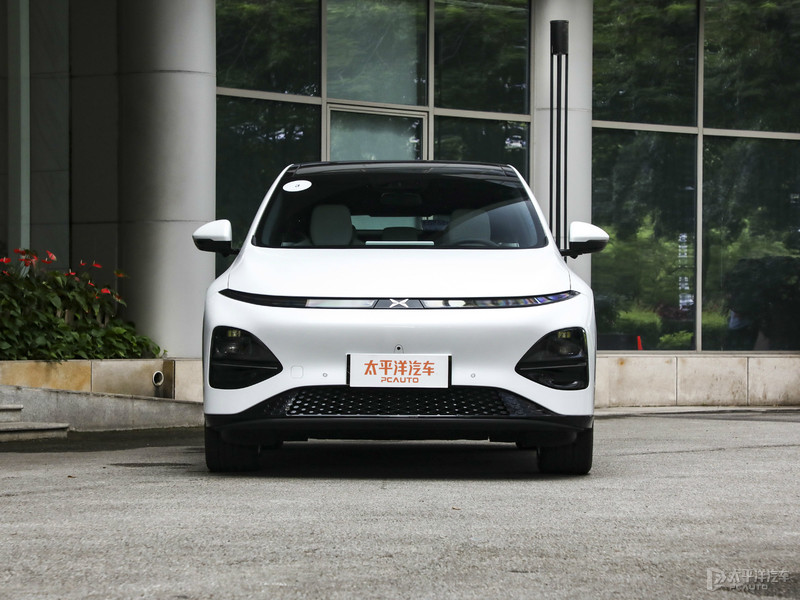
Let's take a brief look at the core highlights of the Xpeng G6. For the first time, Xpeng uses a sedan-style SUV design on the G6, and the front face design continues to adopt the Robot Face family design. However, the details of the elements are more rounded than previous models, which are in harmony with the more dynamic design of the entire vehicle. The Xpeng logo is embedded in the middle of the through-light ribbon, and there is a small gap in the ribbon at the location of the logo. Laser radars and high and low beam lights and other technological elements are integrated in both sides, which simplifies design elements and decoration elements. The laser radar has a lower position and a smaller detection blind zone. In addition, the Xpeng G6 uses a low wind resistance design in 17 places to achieve a low drag coefficient of 0.248Cd for good aerodynamic performance, which is beneficial for improving endurance.
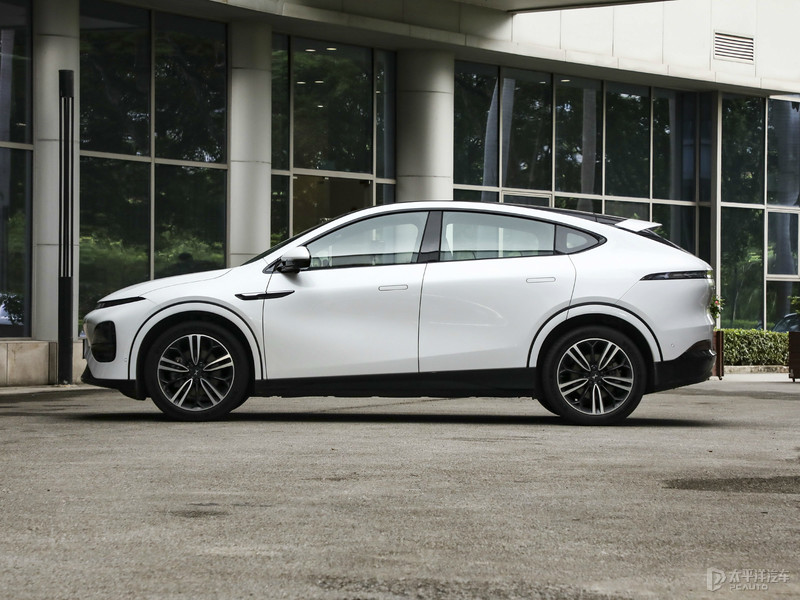
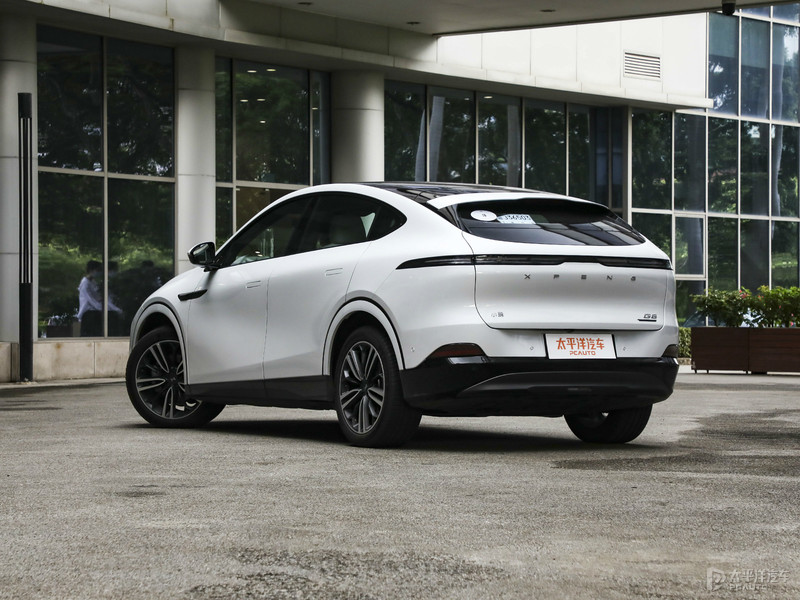
The wheelbase of Xpeng G6 is 2860mm. It is officially stated that the G6 has a low center of gravity of 540mm and a 50:50 front and rear axle load ratio, which is beneficial for improving the driving experience. The car's back transition is natural, and the tail design is simple. The through-tail light has a small gap in the middle, which echoes the front face, and the tail camera is arranged at this position. In addition, the Xpeng G6 can optionally be equipped with an adjustable tail-wing.
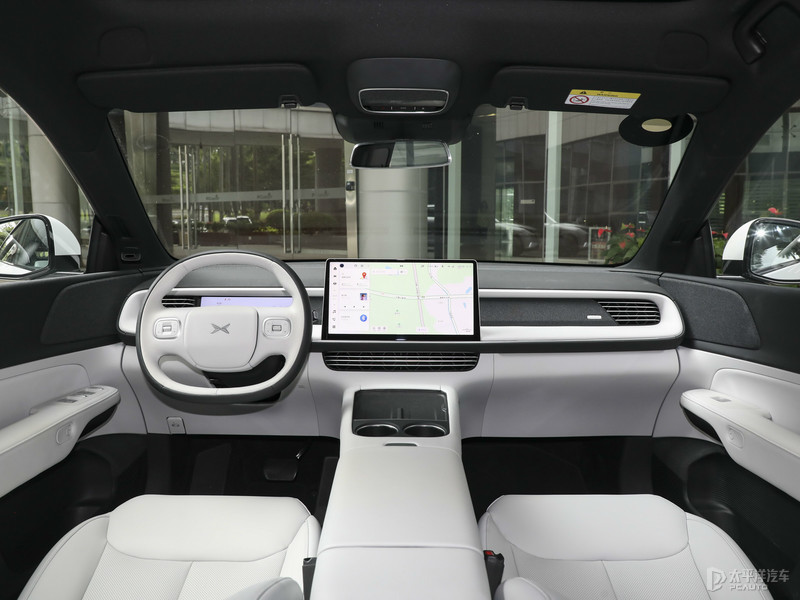
In terms of interior design, Xpeng G6 also continues the simple technology design. The new control design language "Vector Star Ring" brings a minimalist, exquisite immersive intelligent cockpit experience. The design of the central control screen, steering wheel and console is different from previous Xpeng models. The LCD instrument panel is 10.2 inches, and the floating central control screen is 14.96 inches. It is embedded with full-scene voice 2.0, which can help to complete most of the function operations and settings in the vehicle cabin. The response speed reaches millisecond level, and it can also achieve four sound zone recognition and non-networked dialogue.
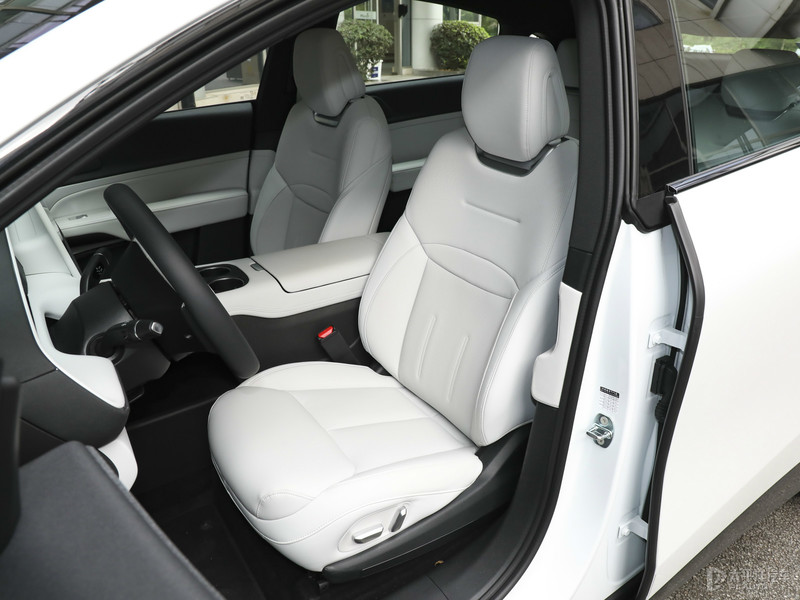
In terms of cabin comfort, the Xpeng G6 is equipped with a cloud-sense surrounding seat for the first time. The seats fit the ergonomics curve, and the leg support length, back wrap width, and cushion foam thickness can meet people of different body shapes, which provide just the right amount of support and wrapping. The skin-friendly flexible fabric uses a large area of ultra-fine fiber velvet surface, which covers the seats and door panels with innovative antibacterial and stain-resistant organic silicone leather, so that every corner of the body touch has a skin-friendly feel. In addition, the interior decoration materials of the cabin have passed the world's most stringent international textile association OEKO-TEX STANDARD 100 infant-level touch certification, and the indoor air quality is far above the national standard by 3-10 times.
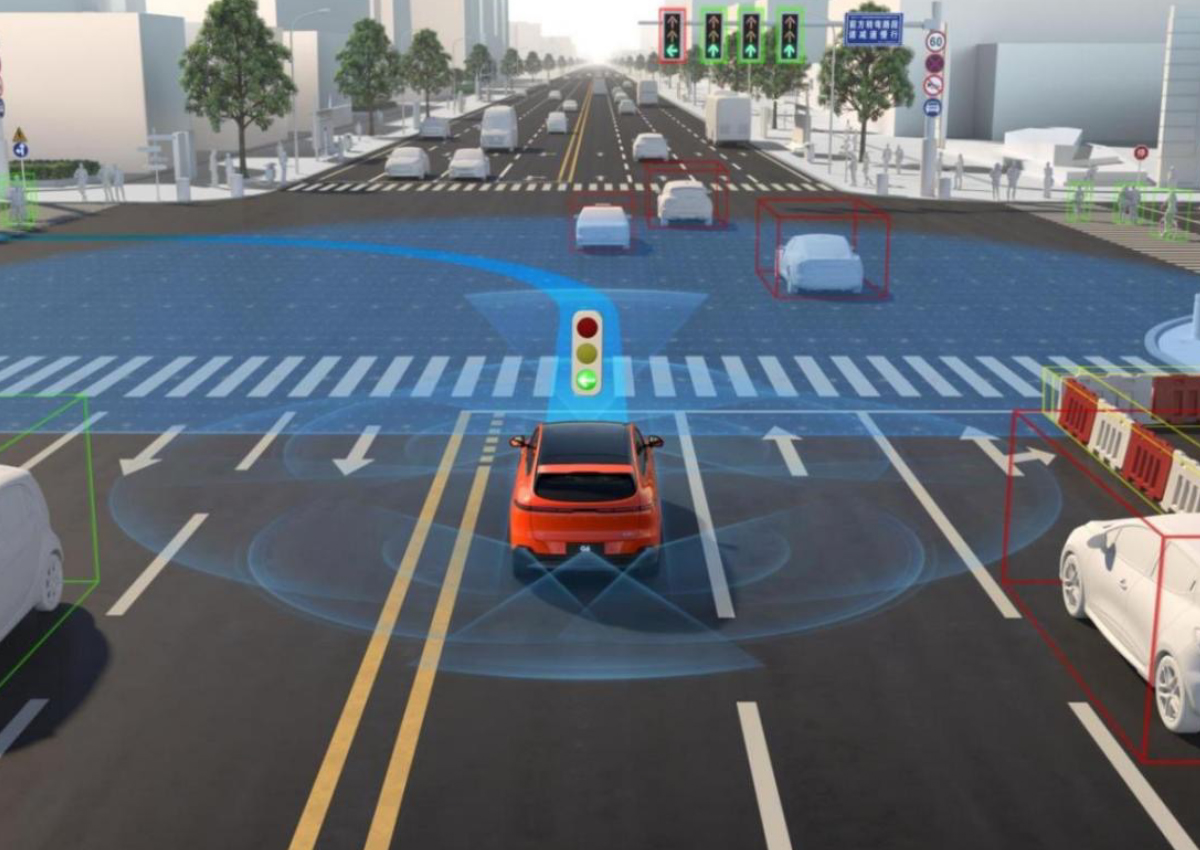
Xpeng G6 is equipped with Xmart OS 4.0 in-vehicle intelligent system, which supports the industry-first full-scenario Voice 2.0 function and capable to achieve industry-leading voice interaction experiences including full-car full-time voice dialogue, four sound zone recognition, rapid dialogue and non-network dialogue. In addition, Xpeng G6 also equips with high-performance, high-safety, end-to-end integrated X-EEA new generation electronic electric architecture and X Combo personal customization and other intelligent technologies. The XNGP intelligent driving assistance system supports NGP navigation assisted driving functions for both city and highways, the first-stage capabilities of XNGP are now officially open and are planning to open the second stage capabilities in the second half of this year.
As for the range, Xpeng G6 adopts the universal 800V high-voltage SiC silicon carbide platform and comes standard with 3C battery cells. Through a high-performance, highly integrated three-in-one electric drive system, the drive motor (EM), motor controller (INV), and reducer (Gbox) are deeply integrated. The vehicle's maximum power is 358kW, the peak torque is 660N·m, and it can burst out maximum power instantly within only 0.15s. The new car can achieve a range performance of up to 755km, and it can be charged 10min at the fastest, resulting in a range increase of 300km. Meanwhile, Xpeng is the first car in China to adopt a front and rear integrated aluminum die-casting body and use CIB battery body integration technology.
If any infringement occurs, please contact us for deletion










Popular Cars
Model Year
Car Compare
Car Photo