Zero emissions, long-range: Toyota and BMW collaborate to popularize hydrogen-powered cars

Kevin WongAug 28, 2024, 10:27 AM
It is reported that Toyota and BMW have established a comprehensive partnership in fuel cell vehicles (FCV), with Toyota supplying key components such as hydrogen tanks, and BMW launching mass-produced fuel cell vehicles in a few years. The two companies will also develop hydrogen charging infrastructure in Europe.
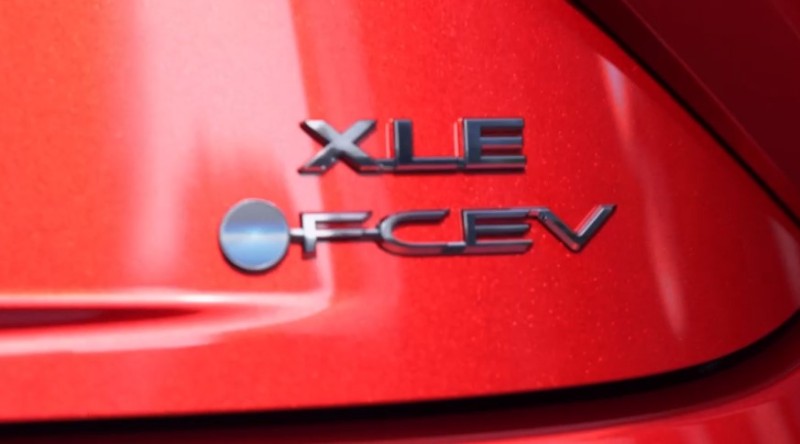
Toyota Mirai is one of Toyota's most representative models in the field of hydrogen fuel cell vehicles. It has attracted wide attention for its excellent range, quiet driving experience and zero-emission environmental characteristics. It is worth mentioning that the Toyota Mirai is also the official partner vehicle of the 2024 Paris Olympics, have you seen it in the broadcast of the Olympic Games?
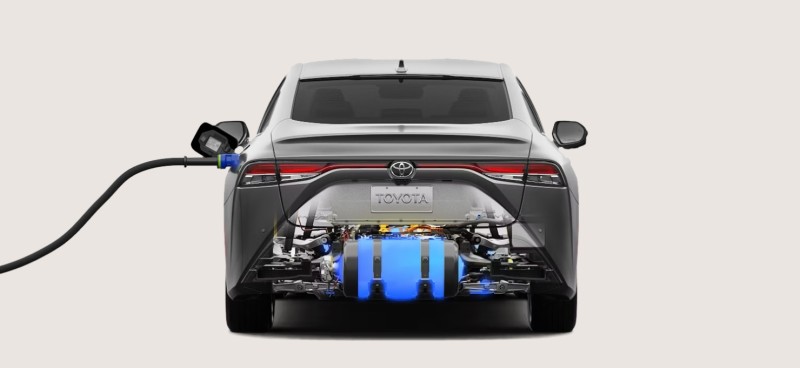
Hydrogen fuel cell vehicle (abbreviated as FCV) is a automobile that converts hydrogen and oxygen into electrical energy to drive an electric motor. Compared with traditional gasoline vehicles and pure electric vehicles, the emissions of hydrogen fuel cell vehicles are almost only water vapor, which is a zero-emission mode of transportation. Toyota, as a forerunner in the field of hydrogen fuel cell vehicles, will continue to promote the research and application of hydrogen energy technology.
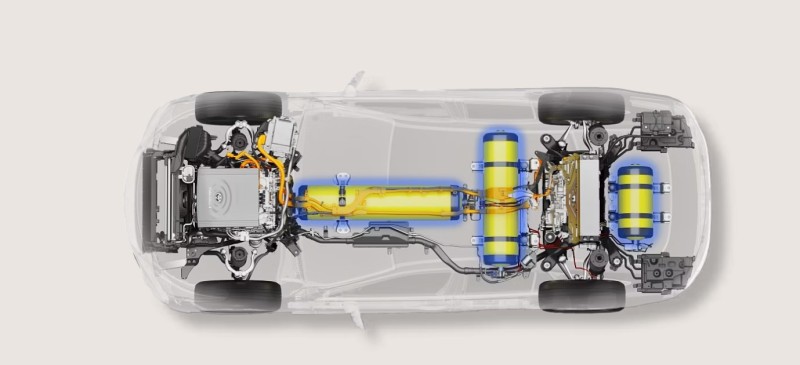
It is worth mentioning that although hydrogen fuel vehicles have the advantages of long range and short refueling time, the addition of components such as hydrogen tanks makes the vehicle weight heavier than pure electric and petrol cars. Meanwhile, due to the popularity issue, there are relatively few supply stations that can provide hydrogen energy on the market, so replenishing energy is not very convenient.

If any infringement occurs, please contact us for deletion
Trending News

Perodua Myvi and Bezza may undergo major upgrades in 2026
After the update, the Bezza will no longer be just a low-cost alternative but a core model in the Perodua system with greater market competitiveness and brand premium potential. The upgrade of the Myvi is not to be unconventional but to strengthen the brand and market, ensuring that the Myvi continues to maintain its irreplaceable position in the new round of product competition.

Perodua Traz VS Ativa, which one is more worth buying?
Traz, as a newly launched mid-sized SUV, offers more spacious room and mainstream power compared to small SUVs, but its pricing appears slightly higher than that of Ativa. Ativa, on the other hand, is Perodua's long-time best-selling small SUV with more affordable pricing and a balanced combination of power and tech features.

Will the Toyota Yaris Cross come to Malaysia? If it comes, how much will it sell for?
The launch of Perodua Traz indicates that the market size of small SUVs in Malaysia has been expanding in recent years. However, the question naturally shifts back to Toyota. As a brand with the most comprehensive product line and a strong foundation in both the SUV and hybrid sectors, will Toyota choose the Yaris Cross to participate in this small SUV competition?

Perodua Traz VS Toyota Yaris Cross, where does the Traz fall short?
Before the official launch of the Perodua Traz, market expectations were actually very high because it shares the same DNGA platform as the Toyota Yaris Cross. However, sharing the same platform does not equate to the same experience, and the Traz's final performance has indeed been disappointing. Perhaps it is precisely because of the delayed launch that it has almost no competitiveness in the current competitive environment.

Perodua Traz 2025:Spec, Price and Features
Perodua Traz has been officially launched in Malaysia. It is a B-segment five-seater SUV built on the DNGA platform. Compared to the Yaris Cross, which emphasizes brand and quality, the Traz comes with a localized rate of about 95%, offering a more friendly price and practical features.
Popular Cars
Model Year
Car Compare
Car Photo